Facets
Browse across eight MeSH (opens in new tab) facets — era, geography, science, specialty, technology, history, culture, and reference. Select one tag per group; counts update across the others.
Clear filtersFacet filters
Geography
Specialties & Disease
- Anatomy & Pathology 0
- Cardiology & Blood 0
- Neurology & Psychiatry 1
- Obstetrics & Reproductive 0
- Infectious Disease (General) 0
- Surgery & Anesthesia 0
- Public Health 1
- Immunology & Dermatology 0
- General Clinical Medicine 1
- Military Medicine 0
- Psychology 0
- Alternative & Fringe Medicine 3
- Pediatrics 0
- Ophthalmology & Vision 0
- ENT & Hearing 0
- Urology & Nephrology 0
- Gastroenterology & Hepatology 0
- Pulmonary & Respiratory 0
- Rheumatology, Rehab & Pain 0
- Internal, Emergency & Geriatric 0
- Veterinary Medicine 0
- Epidemiology & Demography 0
- Physiology & Embryology 0
- Dentistry 0
- Plagues & Epidemics 1
- Microbiology & Virology 1
Social & Historical Studies
Institutions & Culture
Reference & Scholarly Works
Drugs & Technology
11 entries match Traditional & Indigenous [G02.403.700] · Pharmacology & Therapeutics [D01 / E02] · Zoology & Animal Sciences [K01.900.500.750]
2000 CE
#9322
Biodiversity and native America. Edited by Paul E. Minnis and Wayne J. Elisens.
1992 CE
#9300
Ethnobiological classification: Principles of categorization of plants and animals in traditional societies.
1656 CE
#8591
Flora sinensis, fructus floresque humillime porrigens serenissimo et potentissimo Leopoldo Ignatio, Hungariae regi florentissimo, &c. Fructus saecul promittenti Augustissimos.
The first description published in Europe of an ecosystem of the Far East, including animals as well as plants, with particular attention to Chinese fruit bearing plants, and medicinal properties of Chinese plants. Di…
1648 CE
#2263.1
Historia naturalis Brasiliae.
Piso's study of the natural history of Brazil was also a pioneer work on tropical medicine, and also the largest work from the standpoint of format published by the Elzeviers. The folio includes De medicina brasiliens…
1672 CE
#1826.1
New-Englands rarities discovered: in birds, beasts, fishes, serpents, and plants of that country. Together with the physical and chyrurgical remedies wherewith the natives constantly use to cure their distempers, wounds, and sores…
The first detailed account of the natural history and botany of North America, including the first extensive study of native North American medicine.
1988 CE
#8791
Passage of darkness: The Ethnobiology of the Haitian zombie.

1615 CE
#1820.1
Quatro libros. De la naturaleza, y virtudes de las plantas, y animales que estan receuidos en el vso de medicina en la Nueua España, y la methodo, y correccion, y preparacion, que para administrallas se requiere con lo que el doctor Francisco Hernandez escriuio en lengua latina. : Muy vtil para todo genero de gente q[ue] viue en esta[n]cias y pueblos, de no ay medicos, ni botica.Traduzido, y aumentados muchos simples, y compuestos y otros muchos secretos curatiuos, por Fr. Francisco Ximenes....
Physician to Philip II of Spain, Hernández travelled to Mexico by order of the king, and studied the natural history of the region from 1570-77. His Works, which filled six folio volumes of text and 10 volumes …
2017 CE
#9862
Secret cures of slaves: People, plants, and medicine in the eighteenth-century Atlantic world.

"Massive mortality among enslaved Africans and European planters, soldiers, and sailors fueled the search for new healing techniques. Amerindian, African, and European knowledges competed to cure diseases emerging fro…
1699 CE
#7965
The dispensary: A poem. In six cantos.
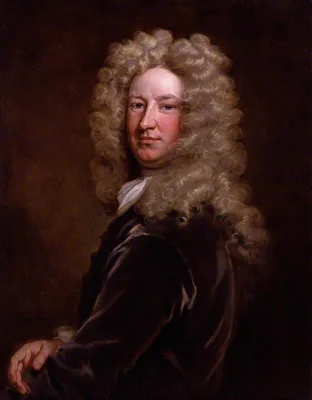
An aggressive criticism of quack medicines, apothecaries who produced them, and physicians who prescribed them.
1936 CE
#9304
The ethnobiology of the Chiricahua and Mescalero Apache: A. the use of plants for food, beverages and narcotics. Ethnobiological studies in the American Southwest, Vol. 3. Biological series (Vol. 4, No. 5); Bulletin, University of New Mexico, whole, (No. 297).
2018 CE
#9792