
Facets
Browse across eight MeSH (opens in new tab) facets — era, geography, science, specialty, technology, history, culture, and reference. Select one tag per group; counts update across the others.
Clear filtersFacet filters
Geography
Specialties & Disease
- Anatomy & Pathology 0
- Cardiology & Blood 3
- Neurology & Psychiatry 1
- Obstetrics & Reproductive 3
- Infectious Disease (General) 0
- Surgery & Anesthesia 3
- Public Health 7
- Immunology & Dermatology 3
- General Clinical Medicine 5
- Military Medicine 7
- Psychology 0
- Alternative & Fringe Medicine 7
- Pediatrics 2
- Ophthalmology & Vision 0
- ENT & Hearing 1
- Urology & Nephrology 0
- Gastroenterology & Hepatology 1
- Pulmonary & Respiratory 0
- Rheumatology, Rehab & Pain 0
- Internal, Emergency & Geriatric 0
- Veterinary Medicine 0
- Epidemiology & Demography 5
- Physiology & Embryology 1
- Dentistry 2
- Plagues & Epidemics 11
- Microbiology & Virology 0
Social & Historical Studies
Institutions & Culture
Reference & Scholarly Works
Drugs & Technology
3 entries match Cardiology & Blood [C14 / C15] · Zoology & Animal Sciences [K01.900.500.750] · Race, Ethnicity & Colonial Medicine [K01.900.850]
2001 CE
#10335
Dying in the City of the Blues: Sickle cell anemia and the politics of race and health.
"Set in Memphis, home of one of the nation's first sickle cell clinics, Dying in the City of the Blues reveals how the recognition, treatment, social understanding, and symbolism of the disease evolved in the twentiet…
1941 CE
#12823
Report of the Blood Transfusion Association concerning the Project for Supplying Blood Plasma to England, which has been carried on jointly with the American Red Cross from August, 1940, to January, 1941. Narrative account of work and medical report.
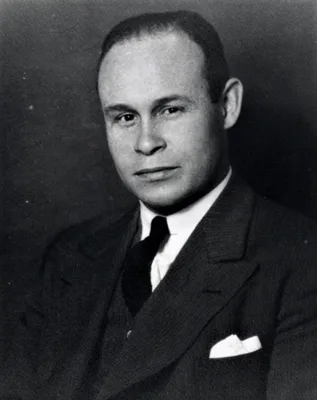
Drew discovered the method for long-term storage of blood plasma, and organized America's first large-scale blood bank. Drew's thesis for his medical degree at Columbia was entitled "Banked Blood: A Study in Blood Pre…
1949 CE
#3154.1
Sickle cell anemia, a molecular disease.
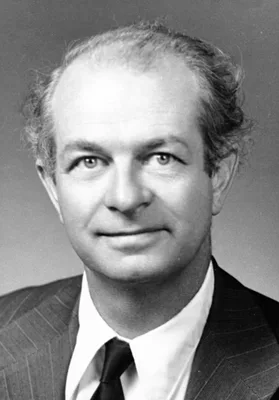

First recognition, by Pauling and colleagues, of a structural hemoglobin variant, and the beginning of the molecular approach to disease.