
Facets
Browse across eight MeSH (opens in new tab) facets — era, geography, science, specialty, technology, history, culture, and reference. Select one tag per group; counts update across the others.
Clear filtersFacet filters
Geography
Specialties & Disease
- Anatomy & Pathology 9
- Cardiology & Blood 94
- Neurology & Psychiatry 78
- Obstetrics & Reproductive 17
- Infectious Disease (General) 5
- Surgery & Anesthesia 52
- Public Health 101
- Immunology & Dermatology 60
- General Clinical Medicine 46
- Military Medicine 16
- Psychology 9
- Alternative & Fringe Medicine 100
- Pediatrics 6
- Ophthalmology & Vision 5
- ENT & Hearing 3
- Urology & Nephrology 3
- Gastroenterology & Hepatology 10
- Pulmonary & Respiratory 9
- Rheumatology, Rehab & Pain 29
- Internal, Emergency & Geriatric 4
- Veterinary Medicine 8
- Epidemiology & Demography 13
- Physiology & Embryology 41
- Dentistry 7
- Plagues & Epidemics 92
- Microbiology & Virology 82
Social & Historical Studies
Institutions & Culture
Reference & Scholarly Works
Drugs & Technology
16 entries match Military Medicine [G02.403.810.560] · Pharmacology & Therapeutics [D01 / E02]
2004 CE
#9766
Civil War pharmacy: A history of drugs, drug supply and provision, and therapeutics for the Union and Confederacy.
1679 CE
#4436
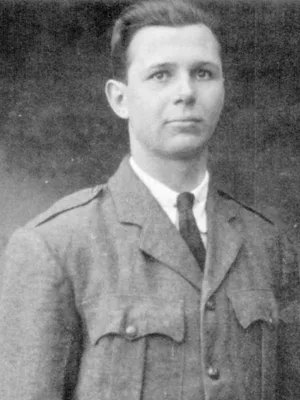
Currus triumphalis, è terebinthô. Or an account of the many admirable vertues of oleum terebinthinae. More particularly, of the good effects produced by its application to recent wounds, especially with respect to the hemorrhagies of the veins, and arteries, and the no less pernicious weepings of the nerves, and lymphaducts. Where also, the common methods, and medicaments, used to restrain hemorrhagies, are examined, and divers of them censured. And lastly, A new way of amputation, and a speedier convenient method of curing stumps, than that commonly practised, is with divers other useful matters recommended to the military surgeon.…
Describes how Yonge used turpentine to arrest hemorrhage, and presents the first account of a flap amputation. It also shows that Yonge was familiar with tourniquets. Digital facsimile from Google Books at this link.
1938 CE
#1982
Design and construction of the masks for the oxygen inhalation apparatus.
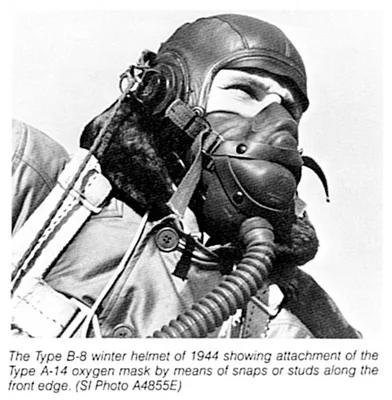
The B. L. B. (Boothby-Lovelace-Bulbulian) mask. See also No. 1981.
1962 CE
#7417
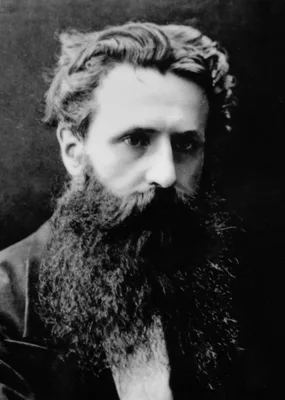
Medicines for the Union Army: the United States Army Laboratories during the Civil War.
1776 CE
#13549
Medicinisch-praktischer Unterricht für die Feld- und Landwundärzte der österreichischen Staaten. 2 vols. [& Supplement:] Die in dem medicinisch-praktischen Unterrichte für die Feld-und Landwundärzte vorkommende Arzneymittel.
This work on "Practical medical lessons for field and land surgeons of the Austrian states," includes a 91-page appendix containing 319 recommended pharmaceuticals for the treatments described in the text. The formula…
1812 CE–1817 CE
#2160
Mémoires de chirurgie militaire, et campagnes. (Vol. 5 entitled Relation médicale de campagnes et voyages.) 5 vols.
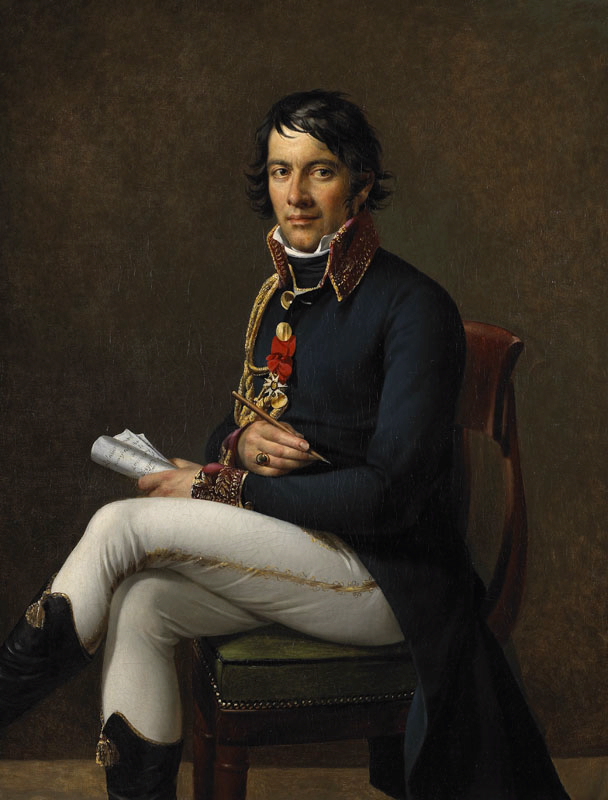
Larrey was the greatest military surgeon in history. Of him Napoleon said: “C’est l’homme le plus vertueux que j’ai connu”. He was present at all Napoleon’s great battles and one of…
1938 CE
#1981
Oxygen for therapy and aviation: an apparatus for the administration of oxygen or oxygen and helium by inhalation.
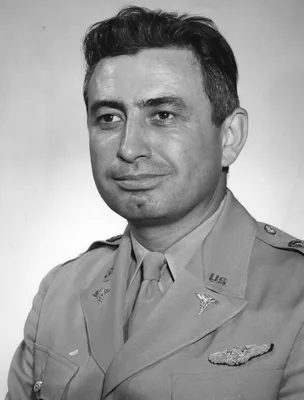
2013 CE
#10372
Pharmacy in World War II.
1863 CE
#1865.1
Resources of the southern fields and forests, medical, economical, and agricultural: Being also a medical botany of the Confederate States; with practical information on the useful properties of the trees, plants and shrubs.
The first extensive treatise on the botany of the Southern States of the US and the only Confederate manual of materia medica. This is also a manual of “survival information”, teaching how live off the lan…
1947 CE
#13113
The effects of atomic bombs on health and medical services in Hiroshima and Nagasaki. The United States Strategic Bombing Survey, Medical Division.
Digital facsimile from U.S. National Library of Medicine at this link.
1920 CE
#12067
The lethal war gases, physiology and experimental treatment. An Investigation by the section on intermediary metabolism of the Medical Division of the Chemical Warfare Service at Yale University under the direction of Frank P. Underhill. Published with the permission of the Chemical Warfare Service.
Digital facsimile from the Hathi Trust at this link.
1919 CE
#9436
The medical aspects of mustard gas poisoning.
Digital facsimile from the Internet Archive at this link.
1851 CE
#9166
The scale of medicines with which merchant vessels are to be furnished ... with observations on the means of preserving the health and increasing the comforts of merchant seamen.
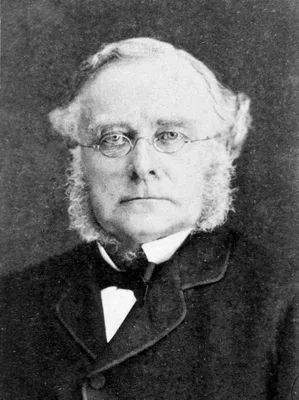
Digital facsimile of the second edition (1861) from Google Books at this link.
1617 CE
#2144
The surgions mate, or, A treatise discouering faithfully and plainely the due contents of the surgions chest: the uses of the instruments, the vertues and operations of the medicines, the cures of the most frequent diseases at sea: namely, wounds, apostumes, vlcers, fistulaes, fractures, dislocations, with the true maner of amputation, the cure of the scuruie, the fluxes of the belly, of the collica and illiaca passio, tenasmus, and exitus ani, the callenture; with a briefe explanation of sal, sulphur, and mercury; with certaine characters, and tearmes of arte.
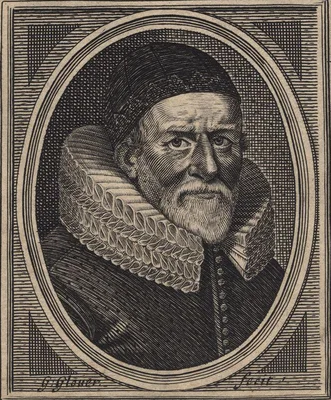
Woodall was the surgeon-general to the East India Company. This was the first textbook for naval surgeons. Woodall, surgeon to Saint Bartholomew's Hospital, was an early advocate of limes and lemons as a preventive me…
1856 CE
#9667
Traité d'hygiène navale, ou de l'influence des conditions physiques et morales dans lesquelles l'homme de mer est appelé à vivre et des moyens de conserver sa santé.
One of the first naval manuals to include discussions of zootoxicology. Digital facsimile from BnF Gallica at this link. Much expanded second edition (1877); digital facsimile from BnF Gallica at this link.
1917 CE–1918 CE
#2021.1
Transfusion with preserved red blood cells.
Robertson stored blood and used it with good results to treat casualties on the battlefield.