
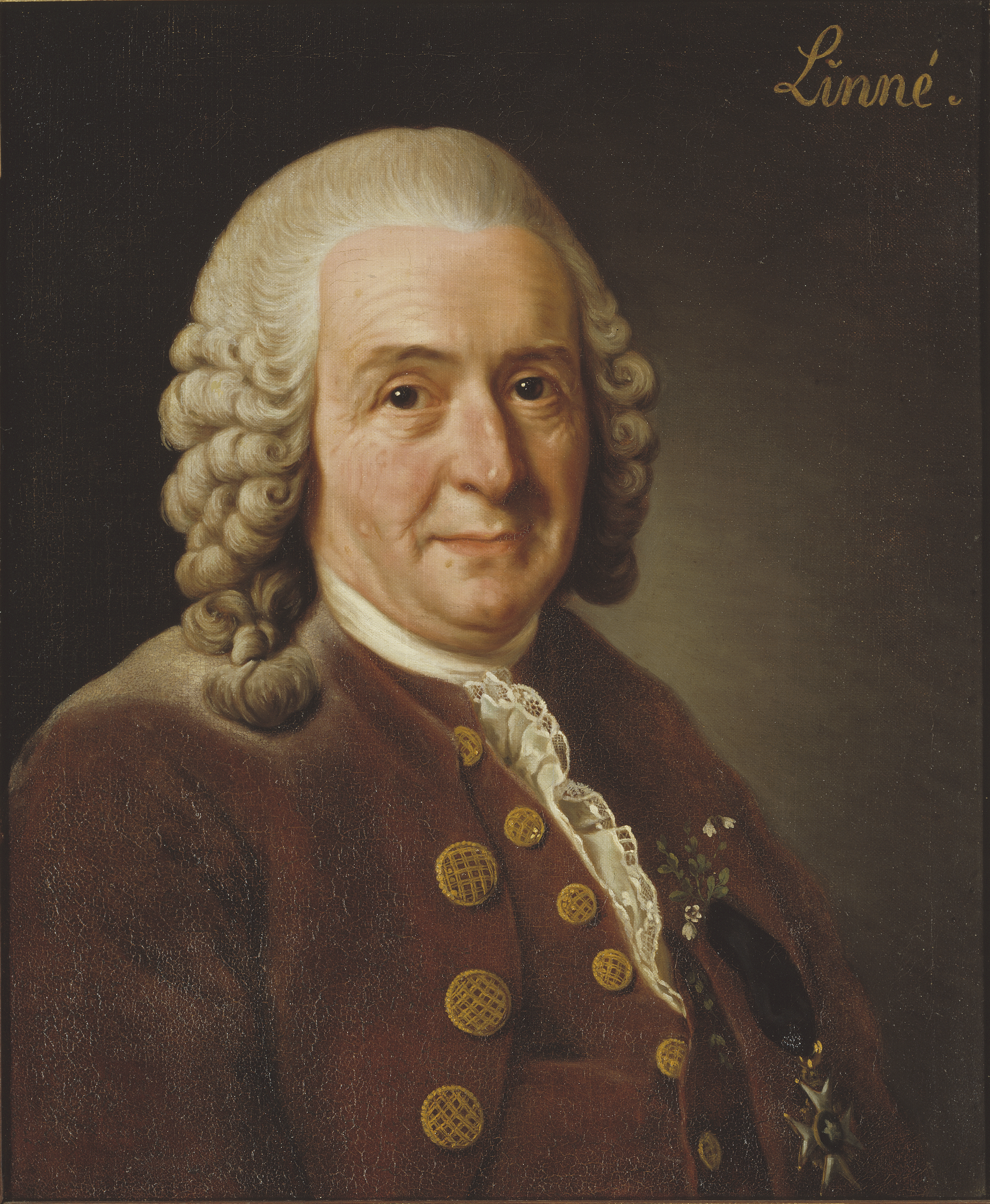
LINNAEUS, Carl (Linné) (1707 – 1778)
1707 – 1778
20 entries in the GMN corpus.
Image source Alexander Roslin · Nationalmuseum · Public domain
1735 CE
#99
Systema naturae per regna tria naturae, secundum classes, ordines, genera, species, cum characteribus, differentiis, synonymis, locis.
In Systema naturae Linnaeus developed the first logical and modern classifications of plants, animals and minerals. Its most valuable feature, the binomial nomenclature (genus and species), was probably devised in the…
1737 CE
#1829
Genera plantarum.
Linnaeus’s botanical classification, the starting-point of modern systematic botany. The book is dedicated to Boerhaave. English translation by Erasmus Darwin, Lichfield, 1787.
1737 CE
#7462
Hortus Cliffortianus plantas exhibens quas in hortistam vivis quam siccis, Hartecampi in Hollandia, coluit ...Georgius Clifford.
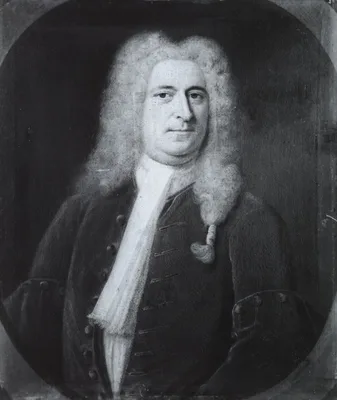
The largest and most attractive book by Linnaeus, describing and illustrating plants in the garden and herbarium of George Clifford, governor of the Dutch East India Company, at Clifford's summer estate, Harlecamp. Th…
1738 CE
#7112
Ichthyologia sive opera omnia de Piscibus....omnia in hoc genere perfectiora, quam antea ulla. Posthuma vindicavit, recognovit, coaptavit & edidit Carolus Linnaeus.
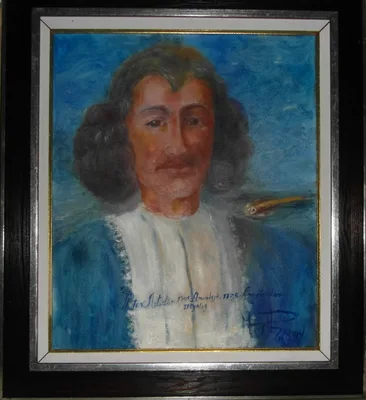
After Artedi's mysterious and premature death by drowning at the age of 30 Linnaeus raised money to pay off Artedi's creditors and obtained his papers. These he published in the present five part work. The five parts …
1745 CE
#4616
Glömska af alla substantiva och i synnerhet namn.
Aphasia first described. Facsimile reproduction and English translation by H. R. Viets, Bull. Hist. Med., 1943, 13, 328-33.
1749 CE
#7597
Materia medica, liber I: De plantis.
Linnaeus’s physician’s reference on pharmacology. Linnaeus classified medicinal plants according to his botanical system and described the therapeutic value of the drugs derived from each plant. He was ins…
1751 CE
#11972
Philosophia botanica in qua explicantur fundamenta botanica cum definitionibus partium, exemplis terminorum, observationibus rariorum, adjectis figuris aeneis.
This work was "the first textbook of descriptive systematic botany and botanical Latin".[1] It also contains Linnaeus's first published description of his binomial nomenclature. "Philosophia Botanica represents a matu…
1753 CE
#99.1
Species plantarum. Exhibentes plantas rite cognitas ad genera relatas. Cum diferentiis specificis, nominibus trivialibus, synonymis selectis, locis natalibus, secundum systema sexuale digestas. 2 vols.
In this work Linnaeus introduced his full binomial naming system for plants (binomial nomenclature). Describing about 8,000 plant species from all over the world, the book demonstrated the value of a binomial system o…
1754 CE–1764 CE
#9558
Hans Maj:ts Adolf Frideriks vår allernådigste konungs naturalie samling innehållande sällsynte och främmande djur, som bevaras på kongl. lust-slottet Ulriksdahl beskrefne och afrit. Museum Adolfi Friderici ... in quo animalia rariora imprimis, et exotica: Quadrupedia, aves, amphibia, pisces, insecta, vermis. Vol. 2: Museum S:ae R:ae M:tis Adolphi Friderici Regis Svecorum, Gothorum, Vandalorumque &c. &c. &c. in quo Animalia rariora imprimis & exotica: Aves, Amphibia, Piscis describuntur. Tomi secundi Prodromus.
Linnaeus's study of the royal natural history collections was important because to a considerable extent they formed the basis for his knowledge of animals. The collections contain many type specimens for animals desc…
1758 CE
#13545
Petri Loefling... Iter Hispanicum, eller Resa til spanska länderna uti Europa och America förrättad infrän år 1751 til år, 1756, med Beskrifningar och ron öfver de märkvärdigaste växyer, utgifven efter dess frånfälle af Carl Linnaeus.
Edited by Carl Linnaeus after the early death of Pehr Löfling, who Linnaeus considered his most gifted disciple. This is the account of Löfling's mostly botanically oriented researches through Spain, Portuga…
1758 CE–1759 CE
#11880
Systema naturae per regna tria naturae, secundum classes, ordines, genera, species, cum characteribus, differentiis, synonymis, locis. Editio decima, reformata. 2 vols.
In the 10th edition of his Systema naturae, Linnaeus introduced binomial nomenclature for animals. He had previously introduced binomial nomenclature for plants in his Species Plantarum (1753). In this edition Linnaeu…
1760 CE
#13640
Caroli Linnaei ... disquisitio de qvaestione ab Academia Imperiali Scientiarum Petropol. in annvm MDCCLIX. pro praemio proposita: sexum plantarum argumentis et experimentis nouis, praeter adhuc iam cognita, vel corroborare, vel impugnare, praemissa expositione historica et physica omnium plantae partium, quae aliquid ad foecundationem et perfectionem seminis et fructus conferre creduntur, ab eadem Academia die VI. Septembris MDCCLX. in conuentu publico praemio ornata.
This work is typically referred to as Disquisitio de sexu plantarum. Translated into English as A dissertation on the sexes of plants translated from the Latin of Linnaeus by James Edward Smith. London: Printed for th…
1783 CE
#8923
A system of vegetables, according to their classes, orders, genera, species with their characters and differences.... Translated from the thirteenth edition (As published by Dr. Murray) of the Systema vegetabilium of the late professor Linneus; and from the Supplementum plantarum of the present professor Linneus
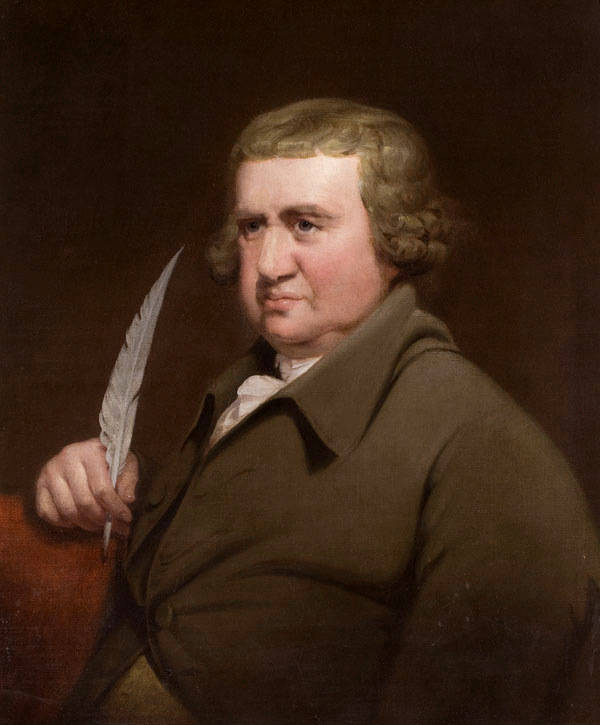
English translation of Linneus's Species plantarum (No. 99.1), edited by Charles Darwin's grandfather. Digital facsimile from the Biodiversity Heritage Library, Internet Archive, at this link.
1792 CE
#13816
The animal kingdom, or zoological system, of the celebrated Sir Charles Linnæus. containing a complete systematic description, arrangement, and nomenclature, of all the known species and varieties of the mammalia, or animals which give suck to their young; Class I Mammalia. Being a translation of that part of the Systema naturae, as lately published, with great improvements, by Professor Gmelin of Goettingen. Together with numerous additions from more recent zoological writers, and illustrated with copperplates.

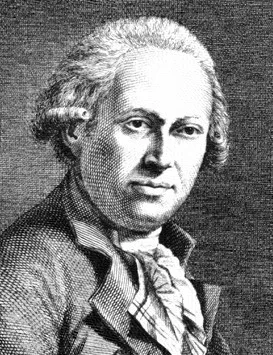
English translation of parts 1 and 2 of the 13th edition of Linnaeus's Systema naturae (1788-1793) edited by Johann Friedrich Gmelin. Digital facsimile from Biodiversity Heritage Library at this link.
1794 CE
#12686
The life of Sir Charles Linnaeus, Knight of the Swedish Order of the Polar Star, &c. &c. To which is added a copious list of his works, and a biographical sketch of the life of his son, by D. H. Stoever. Translated from the original German by Joseph Trapp.
Digital facsimile from Google Books at this link.
1811 CE
#7321
Lachesis Lapponica, or a tour in Lapland, now first published from the original manuscript journal of the celebrated Linnaeus; by James Edward Smith. 2 vols.
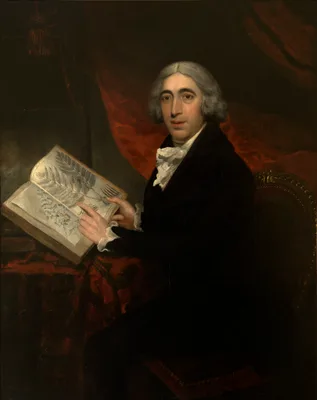
Digital facsimile from the Internet Archive at this link.
1933 CE
#11233
A catalogue of the works of Linnaeus (and publications more immediately relating thereto) perserved in the libraries of the British Museum (Bloomsbury) and the British Museum (Natural History) (South Kennsington). Second edition
Includes a vast number of works theses and orations, of works edited by or supervised by Linnaeus or written with his cooperation. Digital facsimile from the Biodiversity Heritage Library at this link.
2007 CE–2010 CE
#13034
The Linnaeus Apostles. Global science & adventure. 8 vols. in 11. General editor: Lars Hansen.

Vol. 1: Introduction Vol. 2: Europe, Arctic & Asia. Anton Rolandsson Martin, Johan Peter Falck Vol. 3: Europe, North & South America. Pehr Kalm, Pehr Löfling, Daniel Rolander Vol. 4: Europe, Middle East, North Ea…
2011 CE
#13641
Linnaeus Link.
http://www.linnaeuslink.org/search/ "The Linnaeus Link Project is an international collaboration between libraries with significant holdings of Linnaean material. It is funded, maintained and co-ordinated by the Linne…
2016 CE
#7526
A Linnean kaleidoscope: Linnaeus and his 186 dissertations. 2 vols.
The first comprehensive introduction to all 186 Linnaean dissertations, in the form of short essays (many illustrated) on each dissertation. Most of these dissertations, which were published in Latin, have remained re…