
Facets
Browse across eight MeSH (opens in new tab) facets — era, geography, science, specialty, technology, history, culture, and reference. Select one tag per group; counts update across the others.
Clear filtersFacet filters
Geography
Specialties & Disease
- Anatomy & Pathology 22
- Cardiology & Blood 7
- Neurology & Psychiatry 15
- Obstetrics & Reproductive 20
- Infectious Disease (General) 16
- Surgery & Anesthesia 33
- Public Health 36
- Immunology & Dermatology 5
- General Clinical Medicine 45
- Military Medicine 14
- Psychology 15
- Alternative & Fringe Medicine 17
- Pediatrics 7
- Ophthalmology & Vision 10
- ENT & Hearing 3
- Urology & Nephrology 6
- Gastroenterology & Hepatology 1
- Pulmonary & Respiratory 5
- Rheumatology, Rehab & Pain 10
- Internal, Emergency & Geriatric 4
- Veterinary Medicine 3
- Epidemiology & Demography 20
- Physiology & Embryology 12
- Dentistry 10
- Plagues & Epidemics 16
- Microbiology & Virology 26
Social & Historical Studies
Institutions & Culture
Reference & Scholarly Works
Drugs & Technology
26 entries match Ancient [K01.400.470] · Microbiology & Virology [C01.748]
2003 CE
#10861
A novel coronavirus associated with severe acute respiratory syndrome.
Ksiazek and over 40 co-authors around the world published the lead article in the May 15, 2003 issue of the New England Journal of Medicine that was nearly entirely devoted to SARS. Order of authorship in the publishe…
1878 CE–1879 CE
#8966
Alexander von Tralles. Original-Text und Übersetzung nebst einer einleitenden Abhandlung. Ein Beitrag zur Geschichte der Medicin. 2 vols.
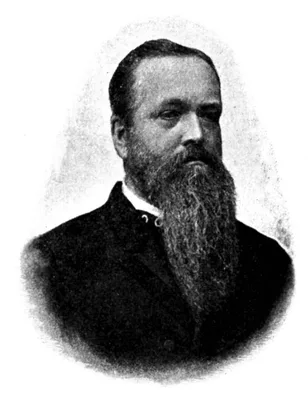
Digital facsimile from the Internet Archive at this link.
2003 CE
#12009
Angiotensin-converting enzyme 2 is a functional receptor for the SARS coronavirus.

The authors showed that the angiontensin-converting enzyme 2, abbreviated ACE2, is the obligative cell receptor for the SARS coronavirus (SARS-CoV). (Thanks to Juan Weiss for this reference and its interpretation.)
2005 CE
#10864
Bats are natural reservoirs of SARS-like coronaviruses.
Dated October 28, 2005, roughly two years after the outbreak of SARS, the natural reservoirs of this class of coronaviruses was discovered. (Thanks to Juan Weiss for this entry and its interpretation.)
1883 CE
#5923
Bericht über die Thätigkeit der deutschen Cholerakommission in Aegypten und Ostindien.
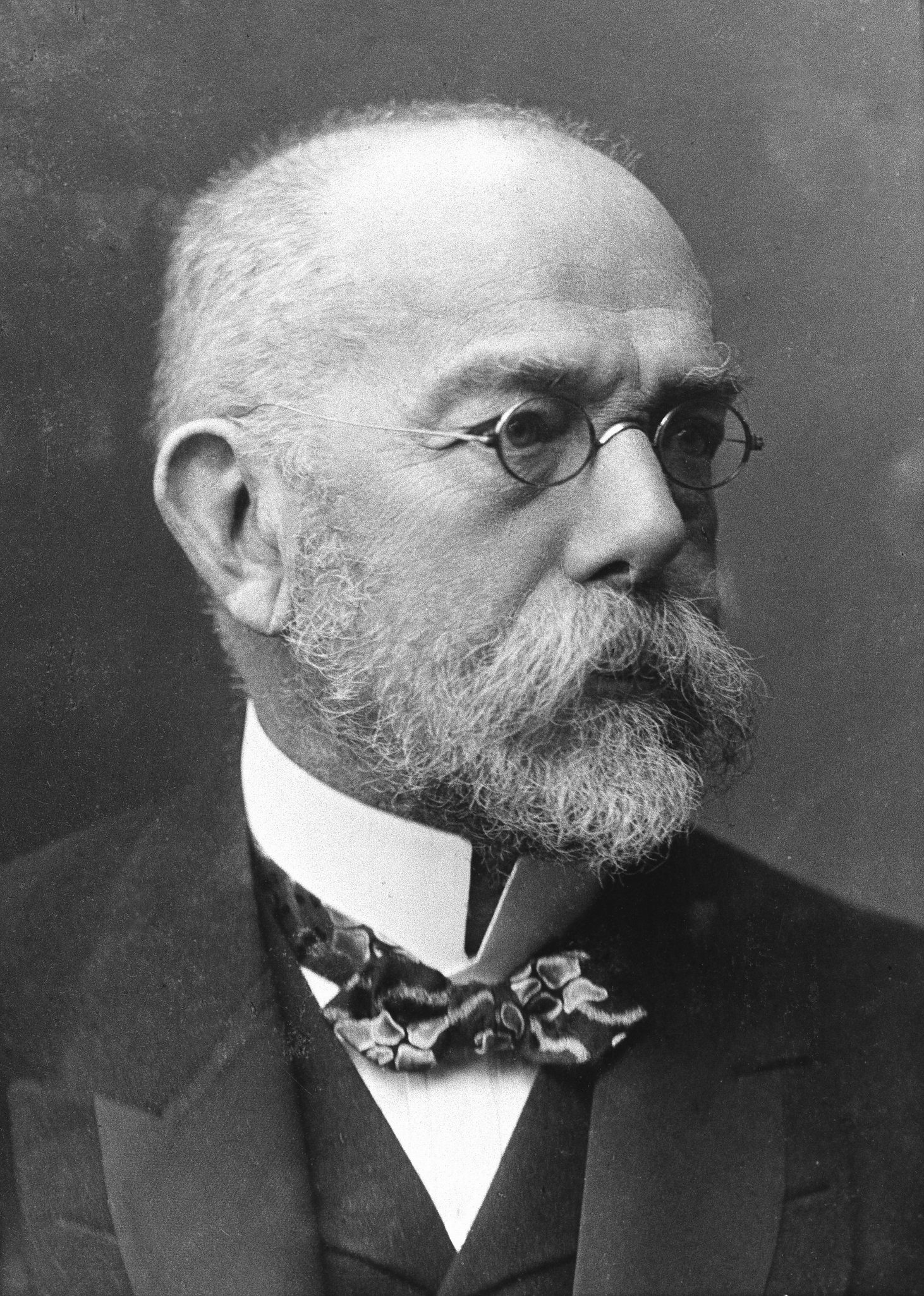
Koch–Weeks bacillus, Hemophilus conjunctivitidis, or Hemophilus aegyptius. Koch discovered the bacilli of two varieties of Egyptian conjunctivitis. See also No. 5930.
2014 CE
#10879
Brief report: Evidence for camel-to-human transmission of MERS coronavirus.
Dated June 26, 2014. Using viral genomics and PCR, the Saudi authors demonstrated that full genome sequences of a man, and the camel he had contact with, were identical. Available from nejm.org at this link. (Thanks t…
2012 CE
#10877
Brief Report: Isolation of a novel coronavirus from a man with pneumonia in Saudi Arabia.
This paper, dated November 8, 2012, characterized the virus up to and including its genome sequence, including radiology and imaging findings, lab findings, diagnosis and management. The authors tentatively named the …
2003 CE
#10862
Characterization of a novel coronavirus associated with severe acute respiratory syndrome.

Dated May 30, 2003. Rota and team at the CDC determined the sequence of the complete genome of SARS-CoV, and characterized the viral genome. Order of authorship in the published paper was Rota, Oberste, Monroe....DeRi…
2003 CE
#10860
Coronavirus as a possible cause of severe acute respiratory syndrome.

Dated April 19, 2003, this paper identified and reproduced microscopic images of the novel viral agent. It was the first official journal publication on SARS. Order of authorship in the published paper was Peiris, Lai…
1852 CE
#5339
Ein Beitrag zur Helminthographia humana aus brieflichen Mittheilungen des Dr. Bilharz in Cairo, nebst Bemerkungen von C. T. v. Siebold.
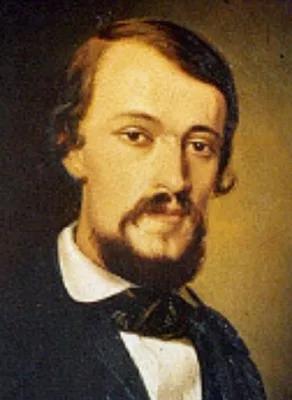
Discovery, in 1851, of Schistosoma haematobium, the parasite of bilharziasis. Bilharz was Professor of Zoology at Cairo. English translation in Rev. infect. Dis., 1984, 4, 727-32, and in Kean (No. 2268.1).
1570 CE
#35
Hieronymi Mercurialis Variarum lectionum libri quatuor. In quibus complurium, maximeq́ue medicinae scriptorum infinita paenè loca vel corrupta restituuntur, vel obscura declarantur. Alexandri Tralliani De lumbricis epistola, ejusdem Mercurialis opera, & diligentia Graecè, & Latinè nunc primùm edita ...

Includes the first printed edition of the Greek text and Latin translation by Mercuriale of Alexander's De vermis epistola. Alexander's original description of worms and vermifuges make him the first parasitologist. D…
1854 CE
#5355
Klinische und anatomische Beobachtungen über die Krankheiten von Aegypten.
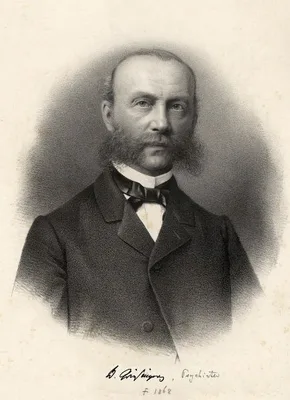
Griesinger connected the worm of ankylostomiasis with Egyptian chlorosis, a condition in which the worm had previously been noted without its being considered the causal agent (pp. 555-61). Apparently Bilharz in 1853 …
1933 CE–1937 CE
#35.1
Médecine et thérapeutique byzantines: Oeuvres médicales d’Alexander de Tralles, le dernier auteur classique des grands médecins grecs de l’antiquité. Ed. F. Brunet. 4 vols.
1800 CE–1801 CE
#5837
Mémoire sur l’ophtalmie régnante en Egypte.
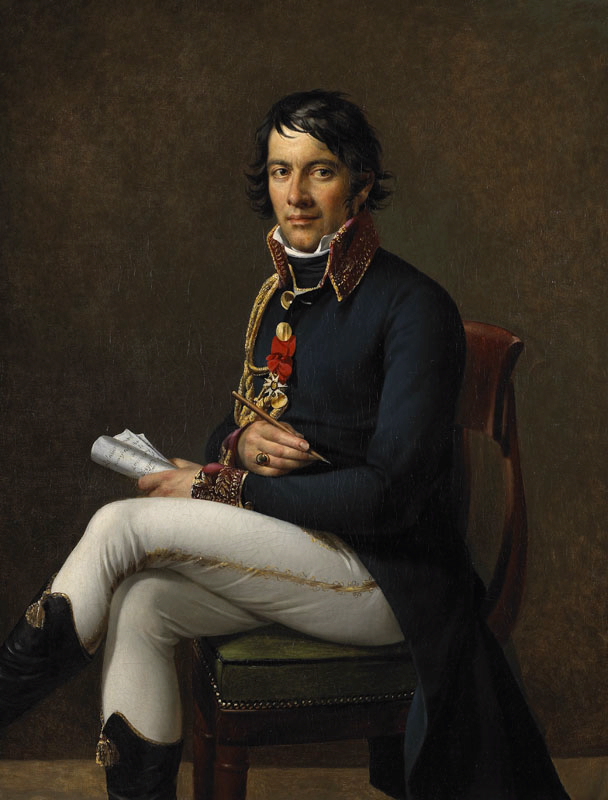
The great military surgeon Larrey served during the Napoleonic campaign in Egypt, where he was the first to observe the contagiousness of trachoma shortly after the successful invasion in 1798. The disease spread to E…
2013 CE
#10878
Middle East Respiratory Syndrome coronavirus in bats, Saudi Arabia.
Dated November 2013. The authors collected bat feces from sites in Bisha, Saudi Arabia found less than 1-12 kilometers from the place of employment or home of an index case-patient there, and performed total nucleic a…
1896 CE
#5361
Notizen zur Helminthologie Aegyptens. Die Lebensgeschichte des Anchylostomum duodenale (Dub.).
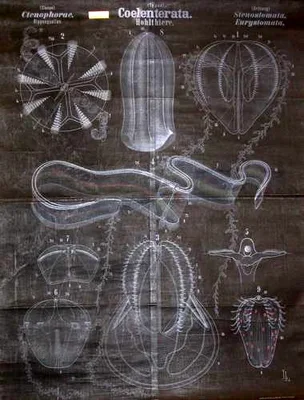
Looss elucidated the life cycle and mode of transmission of the hookworm. See also No. 5365. English translation in Kean (No. 2268.1).
1801 CE
#12053
Observations sur la maladies appelée peste, le flux dissentérique, l'ophtalmie d'Égypte, et les moyens de s'en préserver. Avec des notions sur la fièvre jaune de Cadix, et les projet et plan d'un hôpital, pour le traitement maladies épidémiques et contagieuses.
At the time of publication Assalini, a military surgeon with Napoleon, characterized himself on the title page as "Docteur en Médecine et Chirugien de 1re classe de la Garde des Consuls..." Digital facsimile fr…
1908 CE
#9018
Philumeni de venenatis animalibus eorumque remediis capita XXXVIII ed. M. Wellmann. Corpus medicorum graecorum X 1, 1.
This work on venoms and their antidotes is the only surviving work of the Byzantine physician Philomenos. Within this context Philomenos also discusses the bites of rabid dogs. Digital facsimile from Corpus medicorum …
1915 CE–1916 CE
#5350.4
Reports of the results of the bilharzia mission in Egypt, 1915.
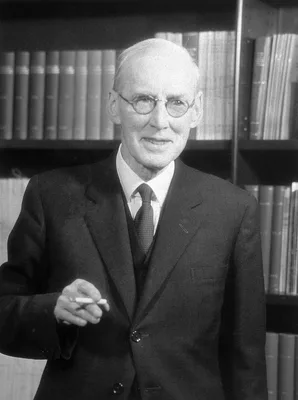
Leiper identified the snail responsible for the transmission of Schistosoma mansoni and S. haematobium.
2012 CE
#10876
Severe respiratory illness associated with a novel coronavirus - Saudi Arabia and Qatar, 2012.
Reports on the first two patients affected by a "new" coronavirus. The first patient, hospitalized in June 2012, died, and the other was in both pulmonary and renal failure. In this paper the CDC referenced a website …
1905 CE–1911 CE
#5365
The anatomy and life history of Agchylostoma duodenale Dub. A. monograph. 2 pts.
Vols. 3 and 4 of Records of the School of Medicine, Cairo. In 1898 Looss discovered that hookworm larvae can penetrate the skin. His monograph epitomized all knowledge of the condition to 1911.
2003 CE
#10863
The genome sequence of the SARS-associated coronavirus.

Dated May 30, 2003 and published immediately after No. 10862 in the same issue of Science, this reported the work of Marco Marra and his team in Canada. Order of authorship in the published paper was Marra, Jones, Ast…
1906 CE
#5111.1
Über Cholera- und choleraähnliche Vibrionen unter den aus Mekka zurückkehrenden Pilgern.
Isolation of El Tor vibrio, a particular strain of the bacterium Vibrio cholerae. Gotschlich first identified this strain in 1905 at a quarantine camp on the Sinai Peninsula in El Tor, Egypt . The vibrios were found i…
1944 CE
#8470
Une maladie Égyptienne: l'hématurie parasitaire.
1886 CE
#5186
Zur Aetiologie der Dysenterie in Aegypten.
Kartulis discovered amoebae in liver abscess. It was principally through the work of Kartulis that amoebae came to be considered the cause of dysentery in man.
1856 CE
#22
Тα ∑ωζομενα. The extant works of Aretaeus, the Cappadocian. Edited and translated by Francis Adams.
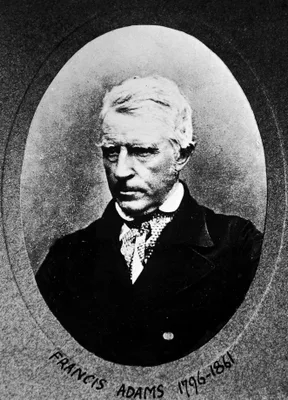
Aretaeus left many fine descriptions of disease; in fact Garrison ranks him second only to Hippocrates in this respect. In the printed editions of this bibliography, before the present online version, the Adams editio…