
Facets
Browse across eight MeSH (opens in new tab) facets — era, geography, science, specialty, technology, history, culture, and reference. Select one tag per group; counts update across the others.
Clear filtersFacet filters
Geography
Specialties & Disease
- Anatomy & Pathology 18
- Cardiology & Blood 20
- Neurology & Psychiatry 8
- Obstetrics & Reproductive 0
- Infectious Disease (General) 0
- Surgery & Anesthesia 2
- Public Health 19
- Immunology & Dermatology 28
- General Clinical Medicine 8
- Military Medicine 4
- Psychology 0
- Alternative & Fringe Medicine 2
- Pediatrics 1
- Ophthalmology & Vision 5
- ENT & Hearing 1
- Urology & Nephrology 4
- Gastroenterology & Hepatology 10
- Pulmonary & Respiratory 19
- Rheumatology, Rehab & Pain 2
- Internal, Emergency & Geriatric 0
- Veterinary Medicine 0
- Epidemiology & Demography 0
- Physiology & Embryology 53
- Dentistry 1
- Plagues & Epidemics 14
- Microbiology & Virology 13
Social & Historical Studies
Institutions & Culture
Reference & Scholarly Works
411 entries match Chemistry & Biochemistry [K01.900.200]
1974 CE
#14315
"Conformational Coupling in Biological Energy Transductions." In L. Ernster et al. (eds.), Dynamics of Energy-Transducing Membranes, pp. 289-301.
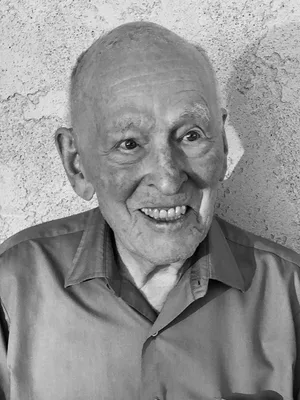
In 1997 Boyer shared the Nobel Prize in Chemistry with John Walker and Jens C. Skou “for their elucidation of the enzymatic mechanism underlying the synthesis of adenosine triphosphate (ATP).” The Nobel Pr…
1960 CE
#11433
Catalog of the Edgar Fahs Smith memorial collection in the history of chemistry.
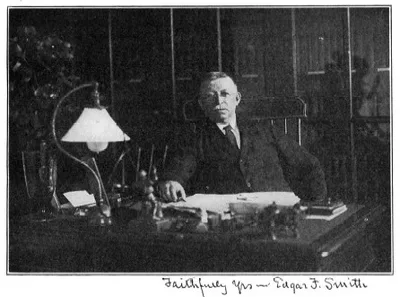
Catalogue of the collection formed by Smith, provost of the University of Pennsylvania. The collection was augmented by the university after its donation by Smith.
1840 CE
#6921
Der Chemismus in der thierischen Organisation.
Hünefeld accidentally observed the first protein crystals— those of hemoglobin—in partically dried samples of mammalian blood blood pressed between glass plates. On page 160 Hünefeld noted that h…
1929 CE
#12327
Glycogen formation in the liver from d- and 1-lactic acid.
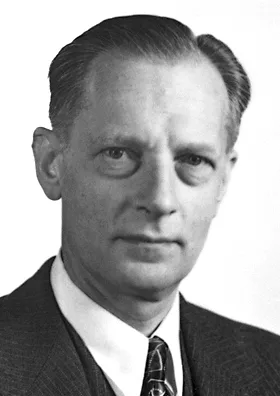
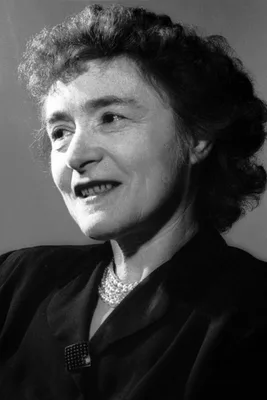
The Cori cycle (also known as the lactic acid cycle), a metabolic pathway in which lactate produced by anaerobic glycolysis in muscles is transported to the liver and converted to glucose, which then returns to the mu…
1948 CE–1966 CE
#12191
A bibliographical sourcebook of compressed air, diving and submarine medicine. 3 vols.
Vol. 1 by Hoff; Vols. 2 and 3 by Hoff and Greenbaum, Jr. Digital facsimiles of all three volumes from U.S. National Library of Medicine at this link.
1954 CE–1965 CE
#11218
A bibliography of the works of Antoine Laurent Lavoisier, 1743-1794
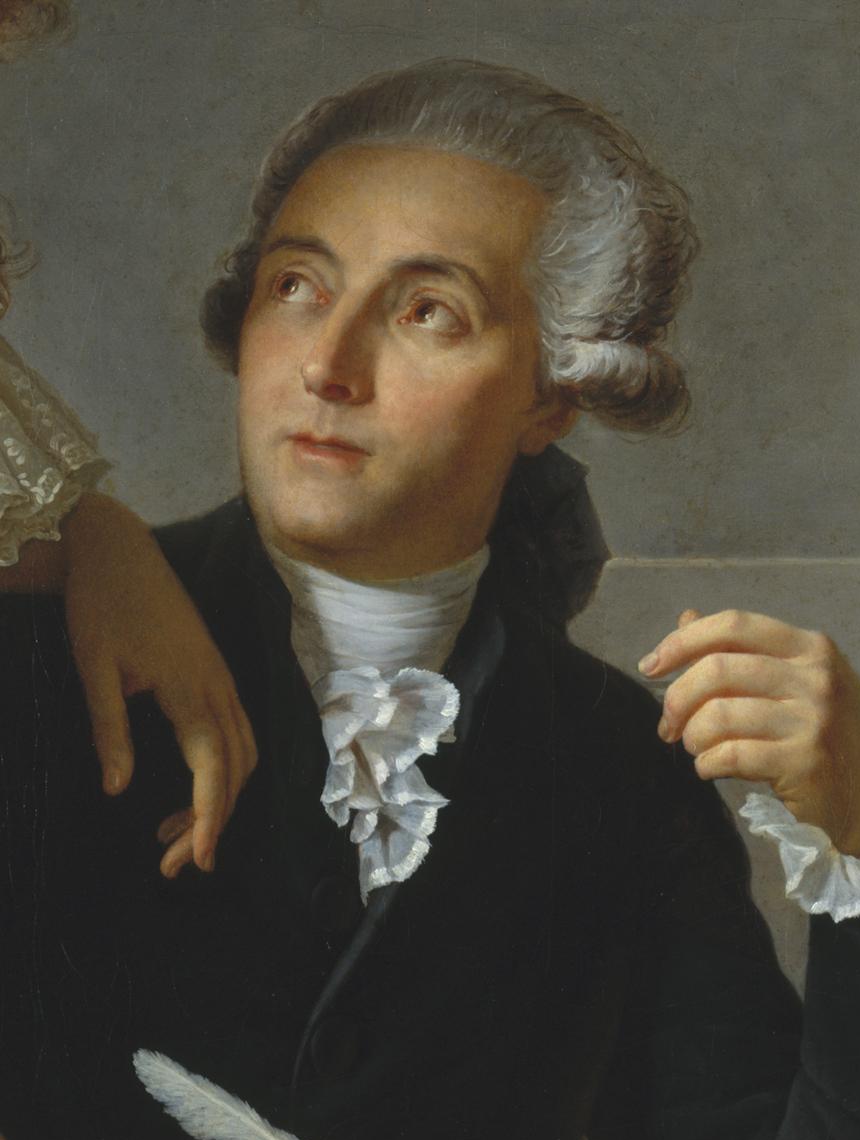
Mostly written by Herbert S. Klickstein for the collector Denis Duveen.
1982 CE
#1588.18
A bio-bibliography for the history of the biochemical sciences since 1800.
An index to bio-bibliographical articles listed alphabetically by scientist. Supplement published, Philadelphia, 1985.
1675 CE
#8451
A catalogue of chymicall books. In three parts. In the first and second parts are contained such chymical books as have been written originally, or translated into English: with a large account of their titles, several editions and volumes. Likewise in the third part is contained a collection of such things published in the Philosophical transactions of the Royal Society (for ten years together) as pertain to Chymistry, or the study of nature by art in the animal, vegetal, and mineral kingdoms. Collected by Will. Cooper, bookseller, at the pelican in Little-Britain, London.
The first bibliography of chemistry published in England. ESTC No. 00608591. ESTC Citation No. R20346. See William Cooper's A catalogue of chymical books, 1673-88: A verified edition by Stanford J. Linden (New York: G…
1946 CE
#751.3
A common factor in the enzymatic acetylation of sulfanilamide and of choline.
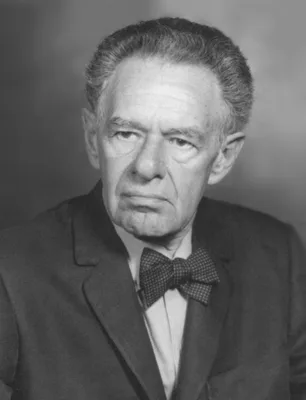
Lipmann shared the 1953 Nobel Prize in Physiology or Medicine for his discovery of coenzyme A, an important catalytic substance involved in the cellular conversion of food into energy. He first described the discovery…
1901 CE
#723
A contribution to the chemistry of proteids. I. A preliminary study of a hitherto undescribed product of tryptic digestion.
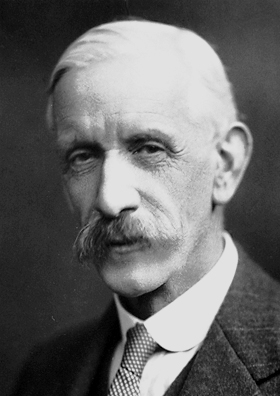
Isolation of tryptophan.
1662 CE
#666
A defence of the doctrine touching the spring and weight of the air.
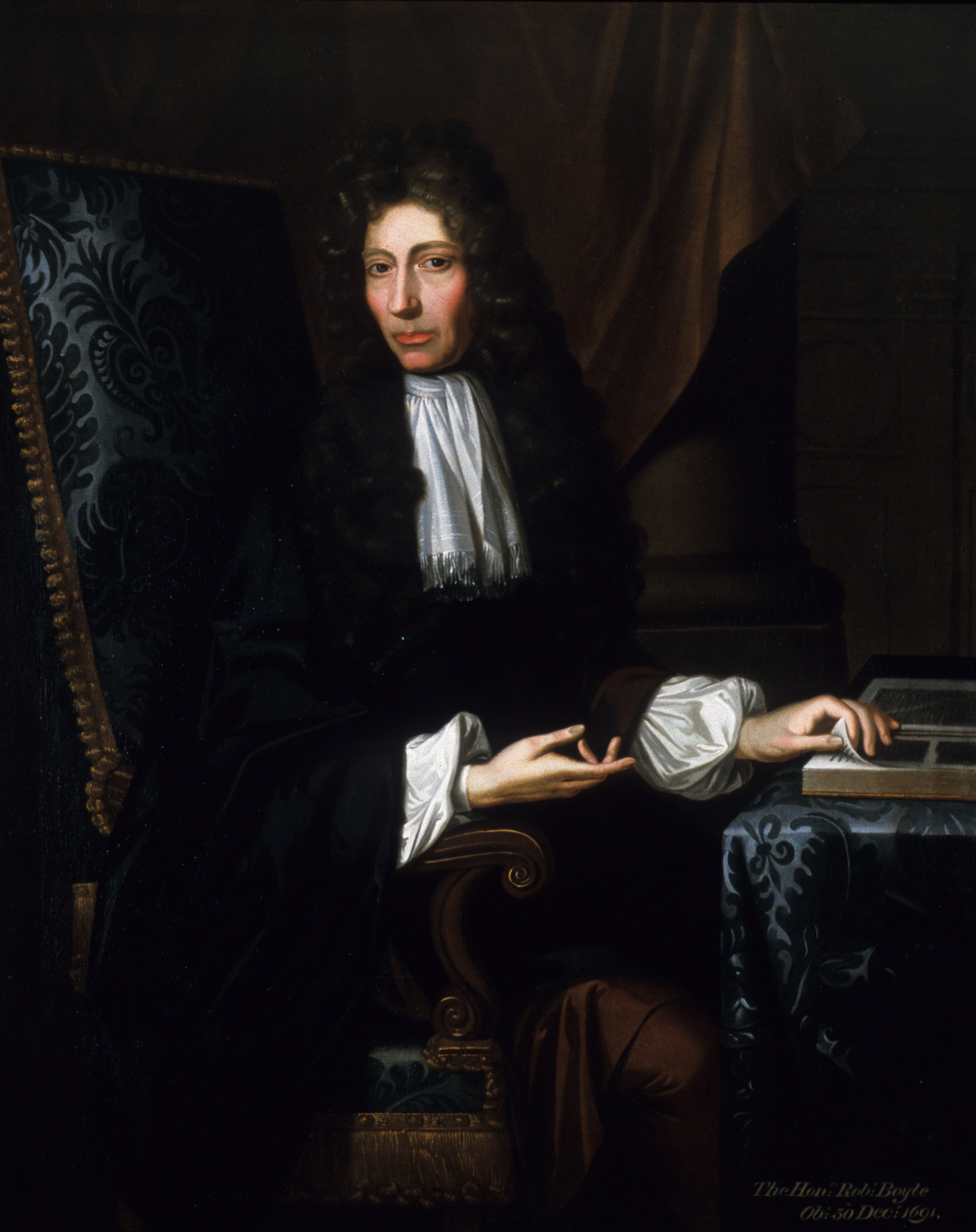
Boyle’s law. The above pamphlet was appended to the second edition of Boyle’s The spring and weight of the air, 1662. The relevant passage is reproduced inj. F. Fulton’s Selected readings in the hist…
1997 CE
#12326
A devotion to their science: Pioneer women of radioactivity.
1898 CE
#648
A digest of metabolism experiments in which the balance of income and outgo was determined.
1992 CE
#8773
A documentary history of biochemistry, 1770-1940. By Mikuláš Teich with Dorothy M. Needham.
1972 CE
#1588.10
A history of biochemistry. 5 vols.
Forms vols. 30-34 of Comprehensive biochemistry, edited by M. Florkin and E. H. Stotz.
1961 CE–1970 CE
#8472
A history of chemistry. Vol. 1, pt 1, Vols. 2-4.
The most comprehensive history of chemistry, with many bibliographical references. Vol. 1, pt. 2 never published.
2013 CE
#7556
A history of geology and medicine.
1902 CE–1909 CE
#10875
A history of Hindu chemistry from the earliest times to the middle of the sixteenth century, A.D. With Sanskrit texts, variants, translation and illustrations. 2 vols.
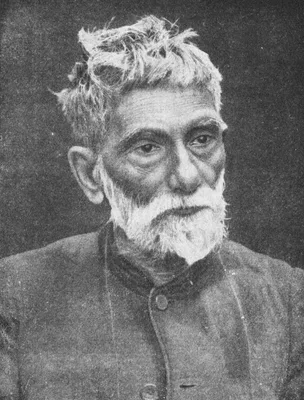
Digital facsimile of the 1903 revised 2nd ed. plus the 1st ed. of vol. 2 from the Internet Archive at this link.
1957 CE
#11653
A history of luminescence: From the earliest times until 1900.
A history of bioluminescence, the production and emission of light by living organisms.
1937 CE
#12831
A new apparatus for electrophoretic analysis of colloidal mixtures.
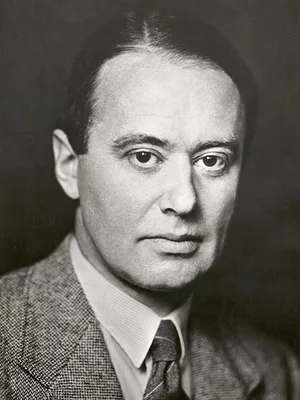
Between 1931 and 1937, with financial support from the Rockefeller Foundation, Tiselius developed his "Tiselius apparatus" for moving boundary electrophoresis. In this paper he demonstrated that electrophoresis separa…
1977 CE
#6926
A new method for sequencing DNA.
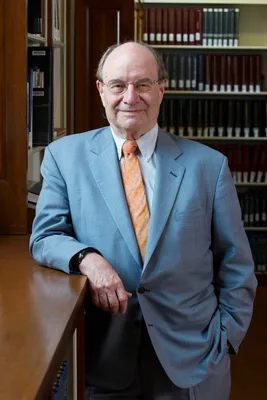
The Gilbert-Maxam method for sequencing DNA. This paper is available from PNAS at this link. In 1980 Gilbert shared the 1980 Nobel Prize in Chemistry with Frederick Sanger and Paul Berg. Berg received half of the priz…
1912 CE
#741.1
A new method for the determination of total nitrogen in urine.
Folin introduced several micro-methods for the determination of nitrogen, urea, creatine, etc.
2012 CE
#11844
A programmable dual RNA-guided DNA endonuclease in adaptive bacterial immunity.
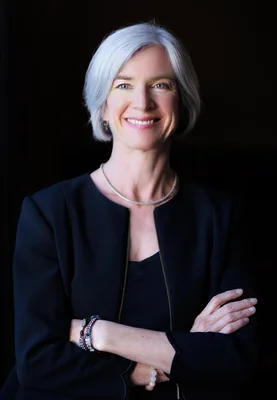

Order of authorship in the original publication: Jinek, Chylinski, Fonfar, Hauer, Doudna, Charpentier. Doudna, Charpentier and colleagues showed for the first time that the CRISPR evolutionary immune tool of bacteria …
1893 CE
#11425
A select bibliography of chemistry 1492-1892.
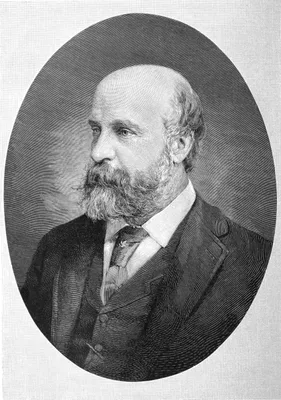
Bolton, a chemist, was the earliest American bibliographer of chemistry. His first edition, which atempted to list "the principal books on chemistry published in Europe and America from the rise of the literature to t…
1933 CE
#5221
A sixth venereal disease. Climatic bubo, lymphogranuloma inguinale, esthioméne, chronic ulcer and elephantiasis of the genito-ano-rectal region, inflammatory stricture of the rectum.
In this exhaustive review of the literature, Stannus considered all the conditions he discussed to be different manifestations of infection by the same organisms – the agent causing lymphogranuloma venereum. Inc…
1925 CE
#749
A study of the oxidation of the ammonium salts of normal saturated fatty acids and its biological significance.
1886 CE
#707
A text-book of human physiology, including histology and microscopical anatomy....by L. Landois. Translated from the fifth German edition. With additions by William Stirling. 2 vols.
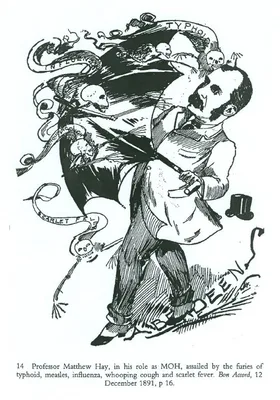
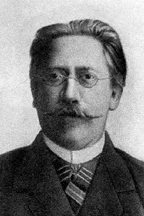
Second edition in English. Matthew Hay devised a test for the determination of bile acids in the urine, published in vol. 1, p. 381. Digital facsimile from the Hathi Trust at this link.
1958 CE
#6911
A three-dimensional model of the myoglobin molecule obtained by x-ray analysis.
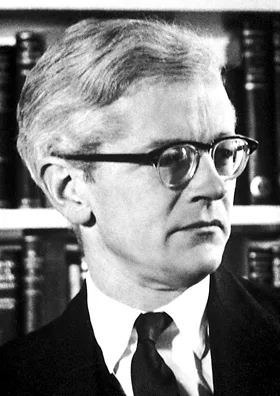
Initial paper on the first solution of the three-dimensional molecular structure of a protein. Computing the molecular structure in 3 dimensions was possible through the use of the Cambridge EDSAC stored-program elect…
1884 CE
#1415.1
A treatise on the chemical constitution of the brain.
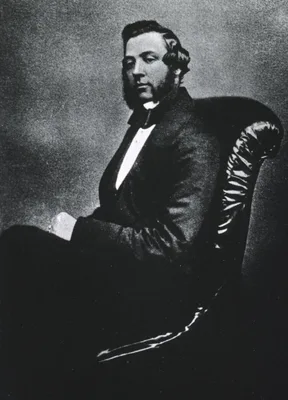
Thudichum, a German emigré, discovered cephalins and myelins in brain tissue. An enlarged German edition of his book was published at Tübingen, 1901. See biography by D. L. Drabkin, 1958, which includes an…
1784 CE
#13467
A treatise on the glandular disease of Barbadoes: Proving it to be seated in the lymphatic system.
Digital facsimile from Google Books at this link.
1905 CE
#727
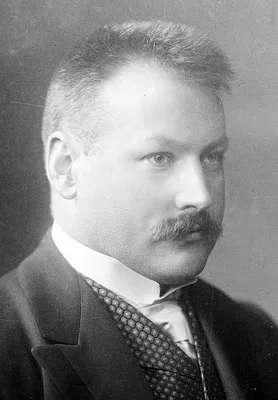
Abbau und Aufbau der Eiweisskörper im tierischen Organismus.
1945 CE
#14284
Acetylation of sulfanilamide by liver homogenates and extracts.
Discovery of co-enzyme A and its importance for intermediary metabolism. This discovery illuminated “the process by which cells make available the energy to drive their manufacturing processes” (Judson, p.…
1838 CE
#676
Action de l’acide hydrochlorique sur la protéine.
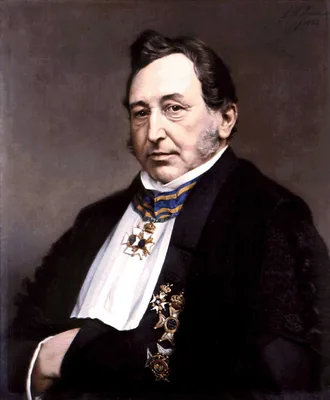
Mulder gave the name protéine (protein) to a substance which he believed to be the essential constituent of all organized bodies. Later, with Liebig, he found there was no such definite compound, but the work r…
1960 CE
#12996
Acute pulmonary edema of high altitude.
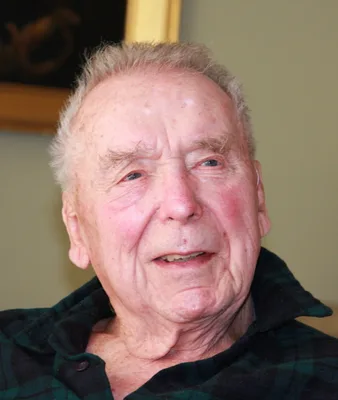
Houston described four individuals who developed "edema of the lungs" as a result of high elevation activities. "He described chest X-rays with edema and non-specific changes on EKG. Even though these cases had been t…
1994 CE
#8029
Afrikanische Arzneipflanzen und Jagdgifte.
Translated into English by Aileen Porter as African ethnobotany: Poisons and drugs. Chemistry - Pharmacology - Toxicology (Chapman & Hall, 1996).
1968 CE–1977 CE
#11331
Alchemy and the occult; a catalogue of books and manuscripts from the collection of Paul and Mary Mellon given to Yale University Library. Compiled by Ian MacPhail, with essays by R. P. Multhauf and Aniela Jaffé and additional notes by William McGuire. 4 vols.
1897 CE
#719.1
Alkoholische Gärung ohne Hefezellen.
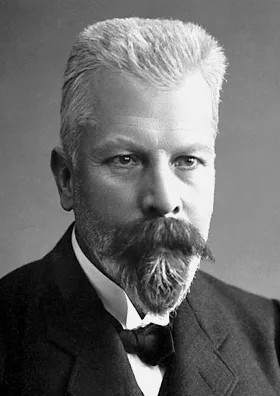
Discovery of cell-free fermentation, the turning point in the study of enzymes. In 1907 Buchner was awarded the Nobel Prize in Chemistry "for his biochemical researches and his discovery of cell-free fermentation."
1811 CE
#1389.1
Analyse de la matière cérèbrale de l’homme et de quelques animaux.
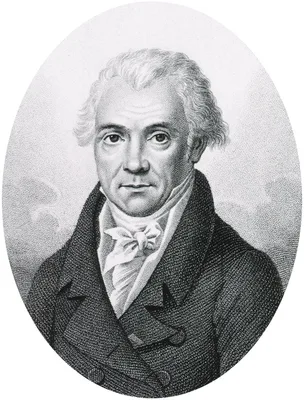
First complete chemical analysis of the nervous system.
1839 CE
#992
Analyses comparées des alimens consommés et des produits rendus par une vache laitière.
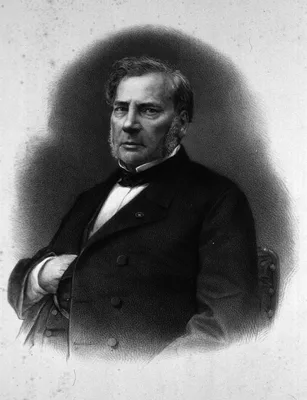
The first analysis of foodstuffs and fertilizers. Boussingault made a balance of intake and outgo of nutrients in food and excreta.
1654 CE
#1098.1
Anatomia hepatis … subjiciuntur nonnulla de lymphae-ductibus nuper repertis.
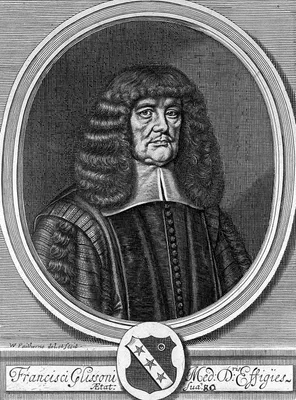
Independently of Bartholin and Rudbeck, George Joyliffe (1621-58) observed the lymphatics. He communicated his discovery to Glisson early in 1652 and the latter included an account in the above work (Cap. xxxi). See N…
1874 CE–1875 CE
#1110
Anatomie, physiologie, pathologie des vaisseaux lymphatiques.
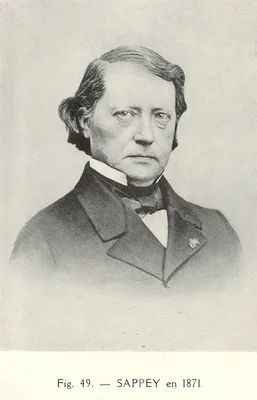
Notable for its illustrations.
1954 CE–1960 CE
#5352.3
Annotated bibliography of filariasis and elephantiasis. 5 parts.
South Pacific Commission Technical Papers, Nos. 65, 88, 109 (and Supplement), 124, and 160.
1980 CE
#8175
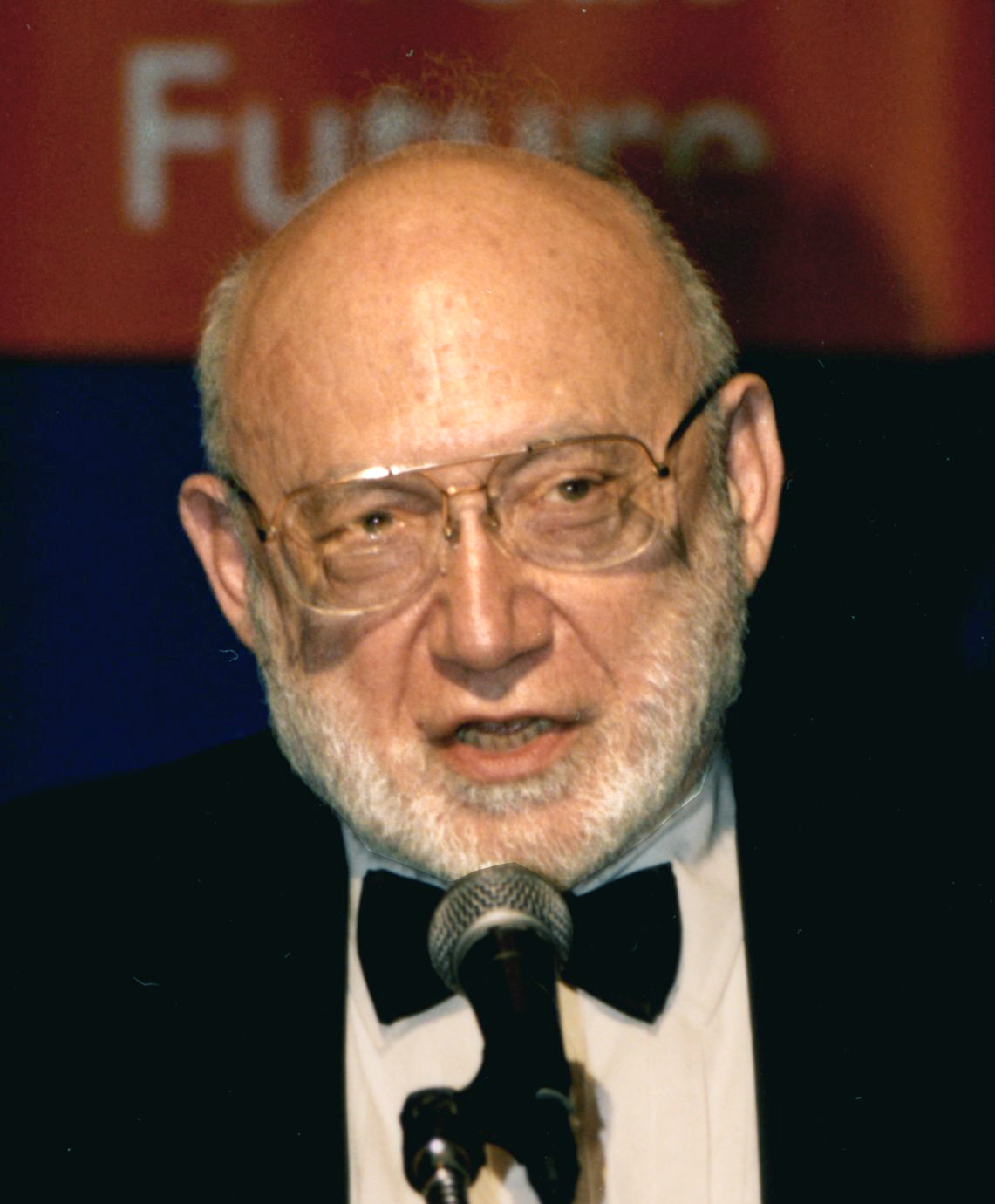
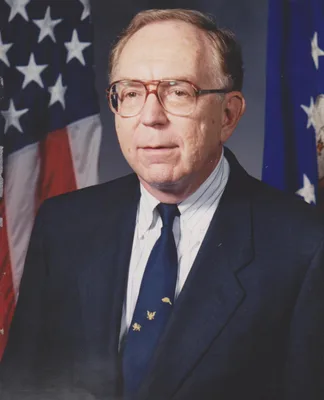
Applications of artificial intelligence for organic chemistry: The Dendral project.
2000 CE
#13982
Architecture of RNA polymerase II and implications for the transcription mechanism.
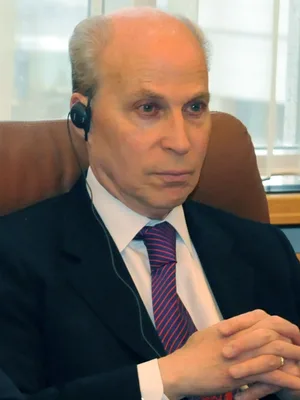
Kornberg devoted two decades to the development of methods to visualize the atomic structure of RNA polymerase and its associated protein components. Initially, Kornberg took advantage of expertise with lipid membrane…
1895 CE
#14310
Argon, a new constituent of the atmosphere.
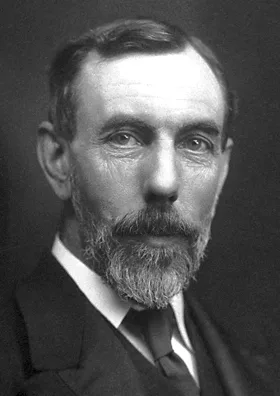
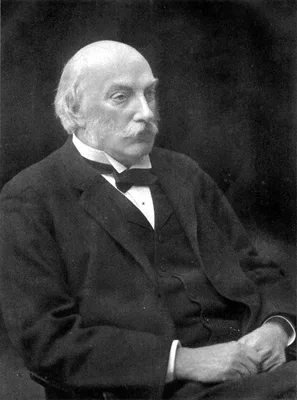
Discovery of argon, the first discovery of an inert gas. In 1904 Ramsay was awarded the Nobel Prize in Chemistry "in recognition of his services in the discovery of the inert gaseous elements in air, and his determina…
1853 CE
#684
Atlas der physiologischen Chemie.
1943 CE
#12192
Barometric pressure: Researches in experimental physiology. Translated from the French by Mary Alice Hitchcock and Fred A. Hitchcock. [Foreward by John F. Fulton].
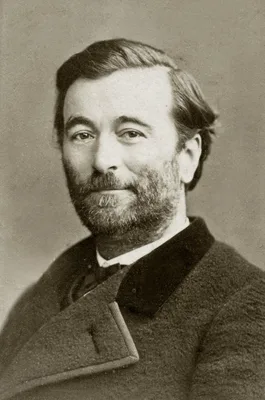
Digital facsimile from the Internet Archive at this link.
1924 CE
#1036
Basal metabolism in health and disease.
1898 CE–1899 CE
#720
Bedeutung der Stereochemie fur die Physiologie.
1868 CE
#693
Beitrag zur Kenntniss der Gallen-und Harnpigmente.
Jaffe discovered urobilin in the urine.