
Facets
Browse across eight MeSH (opens in new tab) facets — era, geography, science, specialty, technology, history, culture, and reference. Select one tag per group; counts update across the others.
Clear filtersFacet filters
Geography
Specialties & Disease
- Anatomy & Pathology 77
- Cardiology & Blood 0
- Neurology & Psychiatry 13
- Obstetrics & Reproductive 5
- Infectious Disease (General) 0
- Surgery & Anesthesia 12
- Public Health 4
- Immunology & Dermatology 1
- General Clinical Medicine 48
- Military Medicine 9
- Psychology 0
- Alternative & Fringe Medicine 3
- Pediatrics 1
- Ophthalmology & Vision 5
- ENT & Hearing 6
- Urology & Nephrology 7
- Gastroenterology & Hepatology 1
- Pulmonary & Respiratory 0
- Rheumatology, Rehab & Pain 0
- Internal, Emergency & Geriatric 1
- Veterinary Medicine 0
- Epidemiology & Demography 0
- Physiology & Embryology 9
- Dentistry 5
- Plagues & Epidemics 7
- Microbiology & Virology 1
Social & Historical Studies
Institutions & Culture
Reference & Scholarly Works
Drugs & Technology
137 entries match Early Modern [K01.400.475]
1496 CE
#12846
Diaria de bello Carolino, with a dedication letter from the author to the Doge Augustinus Barbadicus, Venice 21.3.1496, to the Venetian Councilors Sebastianus Baduarius and Hieronymus Bernardus, Venice 27.8.1496, and two poems on the Gauls and on the work of Quintius Aemilianus Cimbriacus.
An eyewitness account of the retreat from Italy of Charles VIII of France in 1495, written by a physician of Verona, who was chief surgeon of the Venetian troops in the campaign. Although the book is not written prima…
1889 CE
#362
Die Anatomie des Heinrich von Mondeville. Nach einer Handschrift der Königlichen Bibliothek zu Berlin von Jahre 1304 zum ersten Male herausgegeben von J. Pagel.
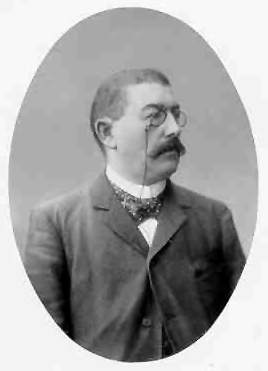
Mondeville was the first teacher known to have lectured with the aid of illustrations, using 13 charts of human anatomy. He lectured at Montpellier. Digital facsimile from the Medical Heritage Library, Internet Archiv…
1926 CE
#5141
Die ersten gedruckten Pestschriften.
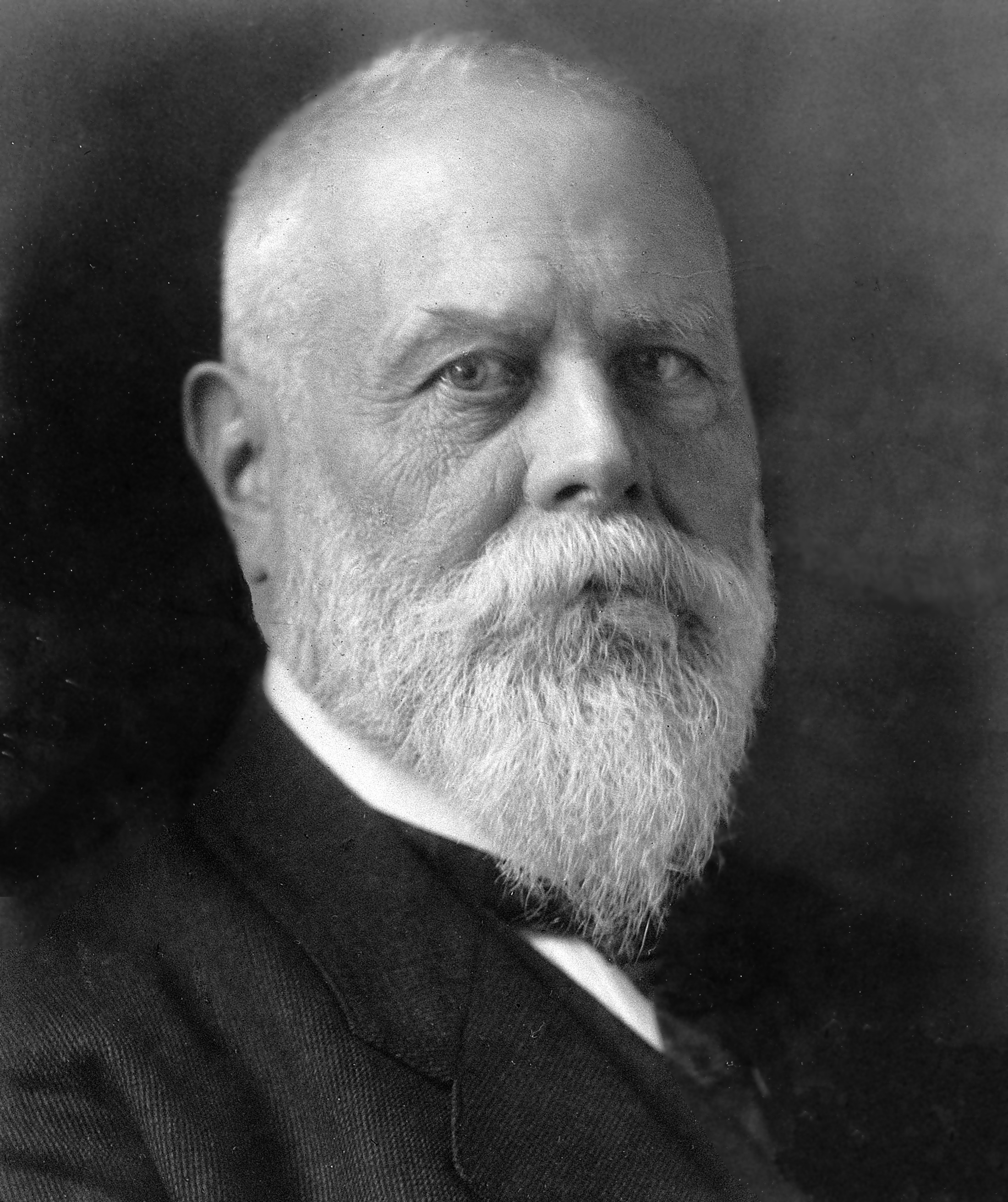
Includes descriptions of 130 incunabula.
1893 CE
#6765
Die hebräischen Uebersetzungen des Mittelalters. 2 vols.
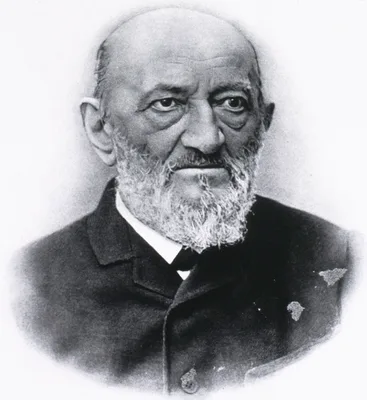
Reprinted, 1956.
1564 CE
#3668.1
Dix livres de la chirurgie avec le magasin des instruments necessaires à icelle.
Paré’s first general treatise on surgery, and the most comprehensive of his treatises before his collected works (1575). Dix livres included Paré's first description of the use of the ligature in a…
1985 CE
#11949
Doctors and medicine in early Renaissance Florence.
1539 CE
#10165
Epistola docens venam axillarem dextri cubiti in dolore laterali secandam: & melancholium succum ex venae portae ramis ad sedem pertinentibus, purgari.
In this early study, written in the form of a letter to his friend and mentor Imperial Physician, Nicolaus Florenas, who had encouraged him to study medicine, Vesalius reported his study of the venous system of the hu…
1546 CE
#1810.1
Epistola, rationem modumque propinandi radicis Chynae decocti…
In this work on the discovery and therapeutic use of the china root (Smilax china) in the treatment of syphilis, Vesalius described the first attempt to formulate methods of identification of an exotic drug. He also o…
1841 CE
#12685
Études sur André Vésale: Précédées d'une notice historique sur sa vie et ses écrits.
Digital facsimile from Google Books at this link.
1572 CE–1573 CE
#1539
Externarum et internarum principalium humani corporis partium tabulae.
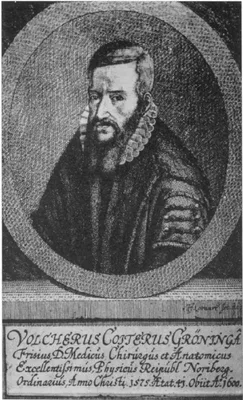
Coiter made several important contributions to the study of human anatomy, and was the first to elevate comparative anatomy to the rank of an independent branch of biology. His Externarum et internarum principalium hu…
1493 CE–1494 CE
#363.1
Fascicolo di medicina. Tr: Sebastianus Manilius. Add: Petrus de Tussignano: Consilium pro peste evitanda. Mundinus: Anatomia (Ed: Petrus Andreas Morsianus).
This Italian translation contains an entirely new and more extensive series of woodcuts and additional text. The dramatically improved and more realistic illustrations, which were reproduced in the numerous later edit…
1491 CE
#363
Fasciculus medicinae. Add: Petrus de Tussignano: Consilium pro peste evitanda.
A collection of short medical treatises which circulated widely in manuscript, some as early as the 13th century, and was perhaps attributed by the printers to its former owner, Johannes von Kirchheim, a professor of …
1529 CE
#9349
Galeni Pergameni libri anatomici, quorum indicem versa patina indicabit. Edited by Giacomo Berengario da Carpi.
![GALEN, [Κλαύδιος Γαληνός; Galen of Pergamon] (129 – 216)](/media/portraits/21)
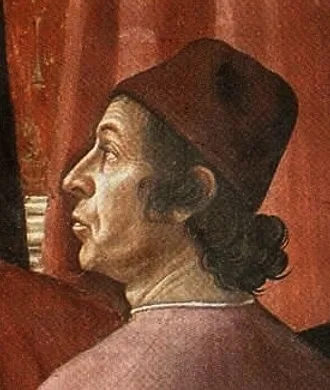
First printed edition in Latin of Galen's De anatomicis administrationis, as translated from the Greek by Demetrios Chalkokondyles under the title De anatomicis aggressionibus. Other works in this collection edited by…
1858 CE
#6757
Graphische lncunabeln für Naturgeschichte und Medicin. Enthaltend Geschichte und Bibliographie der ersten naturhistorischen und medicinischen Drucke des XV. und XVI. Jahrhunderts, welche mit illustrirenden Abbildungen versehen sind.
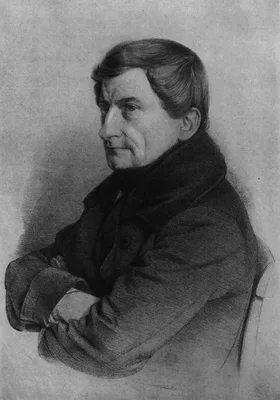
Reprint, Munich, 1924, Hildesheim, 1963.
1538 CE
#9091
Guenter von Andernach: Institutionum anatomicarum secundum Galeni sententiam ad candidatos medicinae libri quatuor per Joannem Guinterium Andernacum medicum ab Andrea Vesalio Bruxellensi auctiores & emendatiores redditi.
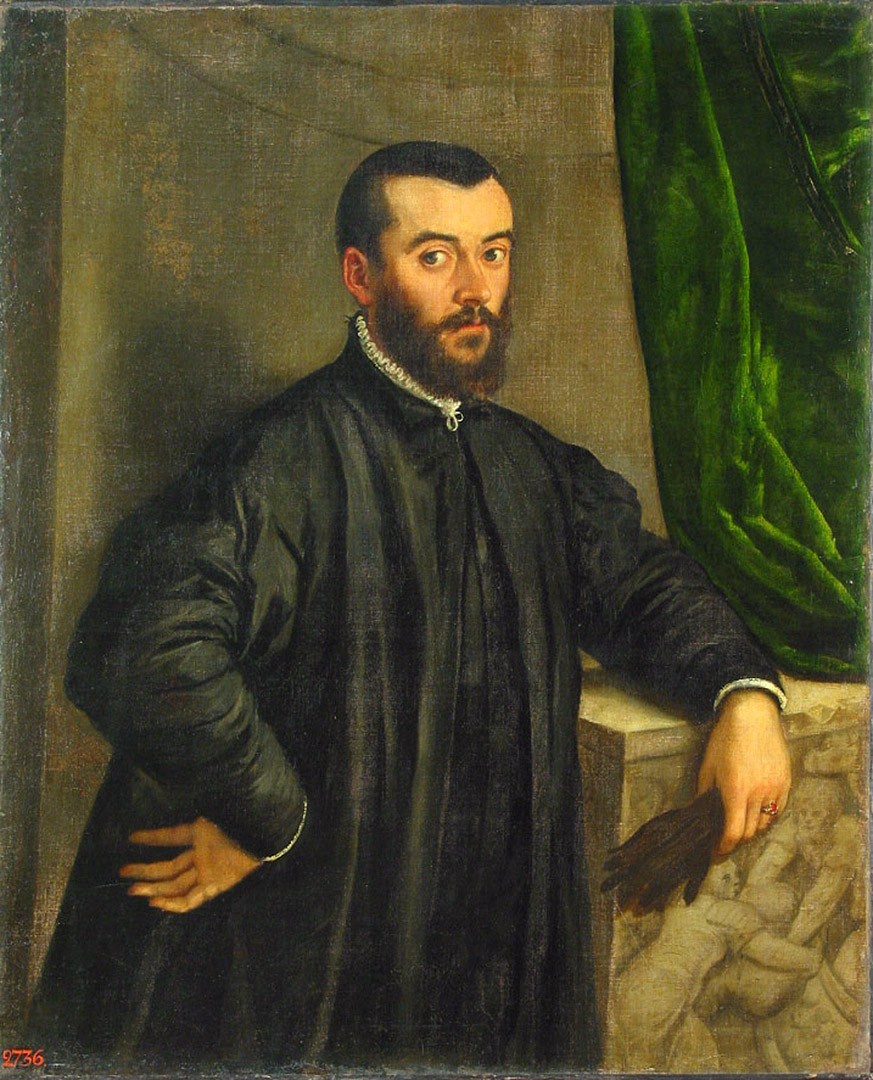
Shortly after the publication of Tabulae anatomicae sex, Vesalius completed this revision of Institutiones anatomicae, a Galenic anatomical text by his teacher Johann Guinter first published in 1536. Vesalius justifie…
1979 CE
#9769
Health, medicine and mortality in the sixteenth century. Edited by Charles Webster.
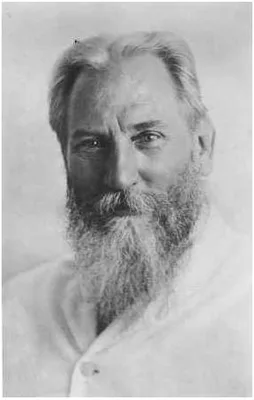
Chapter 11 is an analysis of the life and work of librarian and key early pioneer in medical informatics, Sanford V. Larkey by Margaret Pelling. Another chapter, by Paul Slack, “Mirrors of health and treasures o…
1999 CE
#7153
Herbs and herbalism in the Middle Ages and Renaissance
1570 CE
#35
Hieronymi Mercurialis Variarum lectionum libri quatuor. In quibus complurium, maximeq́ue medicinae scriptorum infinita paenè loca vel corrupta restituuntur, vel obscura declarantur. Alexandri Tralliani De lumbricis epistola, ejusdem Mercurialis opera, & diligentia Graecè, & Latinè nunc primùm edita ...
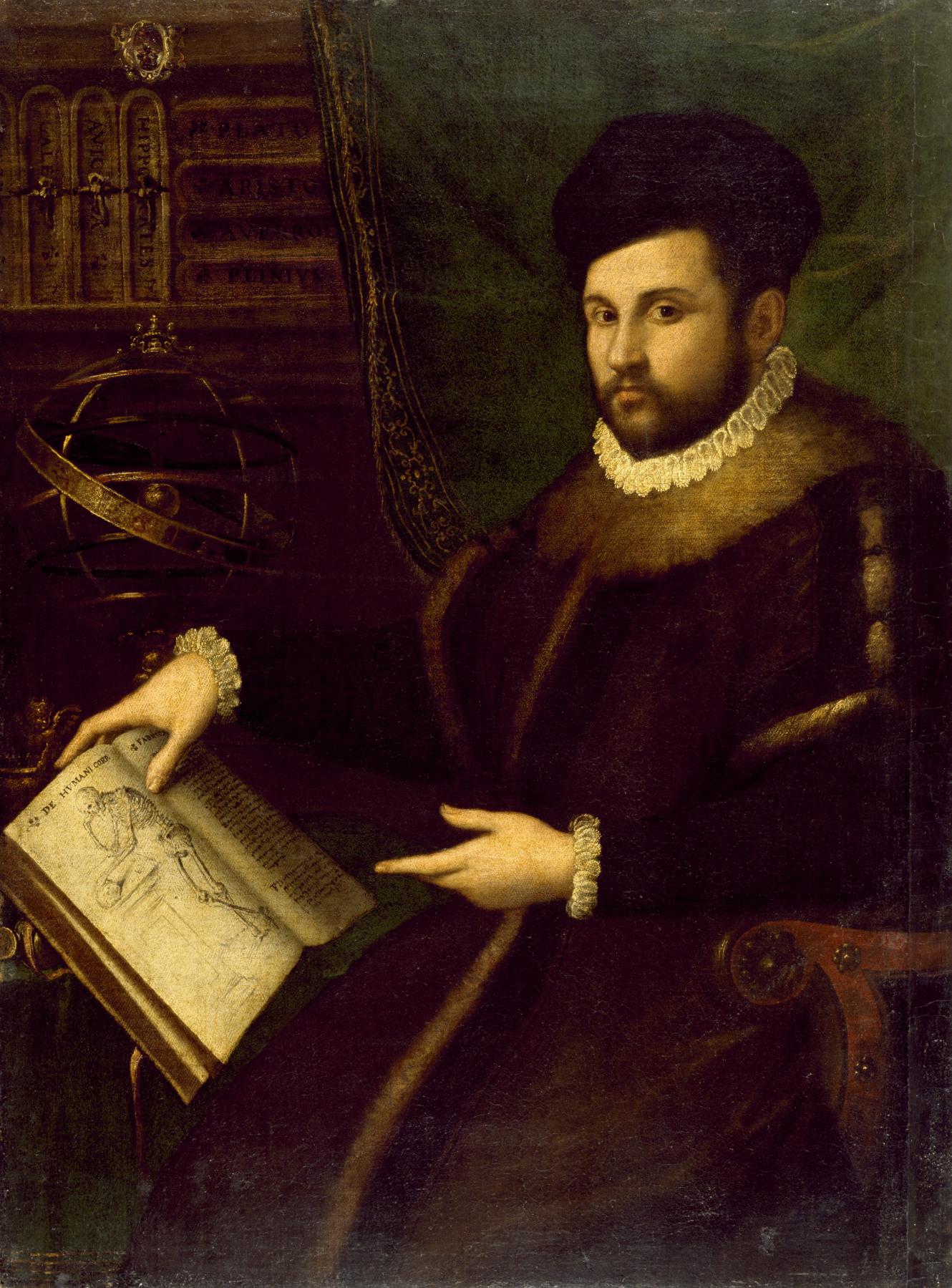
Includes the first printed edition of the Greek text and Latin translation by Mercuriale of Alexander's De vermis epistola. Alexander's original description of worms and vermifuges make him the first parasitologist. D…
1525 CE
#6820
Hippocratis Coi medicorum omnium longe principis, octoginta volumnia quibus maxima ex parte, annorum circiter duo millia Latina caruit lingua. . . .translated by Marco Fabio Calvo
![HIPPOCRATES, [Ἱπποκράτης; Hippocrates of Kos] (-460 – -370)](/media/portraits/50)
The first collected edition of the Hippocratic collection in the Latin translation of Marco Fabio Calvo of Ravenna, dedicated to Pope Clement VII. "This volume, which preceded the first, Aldine, edition of the Greek t…
1556 CE
#378.02
Historia de la composicion del cuerpo humano…
Historia de la composicion del cuerpo humano Spanish physician Juan Valverde de Amusco was issued in Rome at the press of Antonio Salamanca. This was the first great original medical book in Spanish and the most origi…
2007 CE
#8050
History, medicine, and the traditions of Renaissance learning.
2006 CE
#7629
Human anatomy: A visual history from the Renaissance to the digital age.
A popular history, with excellent illustrations; probably the first history of anatomy to include a chapter (by Ackerman, project director for the National Library of Medicine's Digital Human Project) on "Anatomy in t…
1999 CE
#9748
Hygiene in the early modern medical tradition.
1898 CE–1901 CE
#364
I manoscritti de Leonardo da Vinci della Reale Biblioteca di Windsor. Pubblicata da Teodoro Sabachnikoff. Transcritti e annotati da Giovanni Piumati. 2 vols.
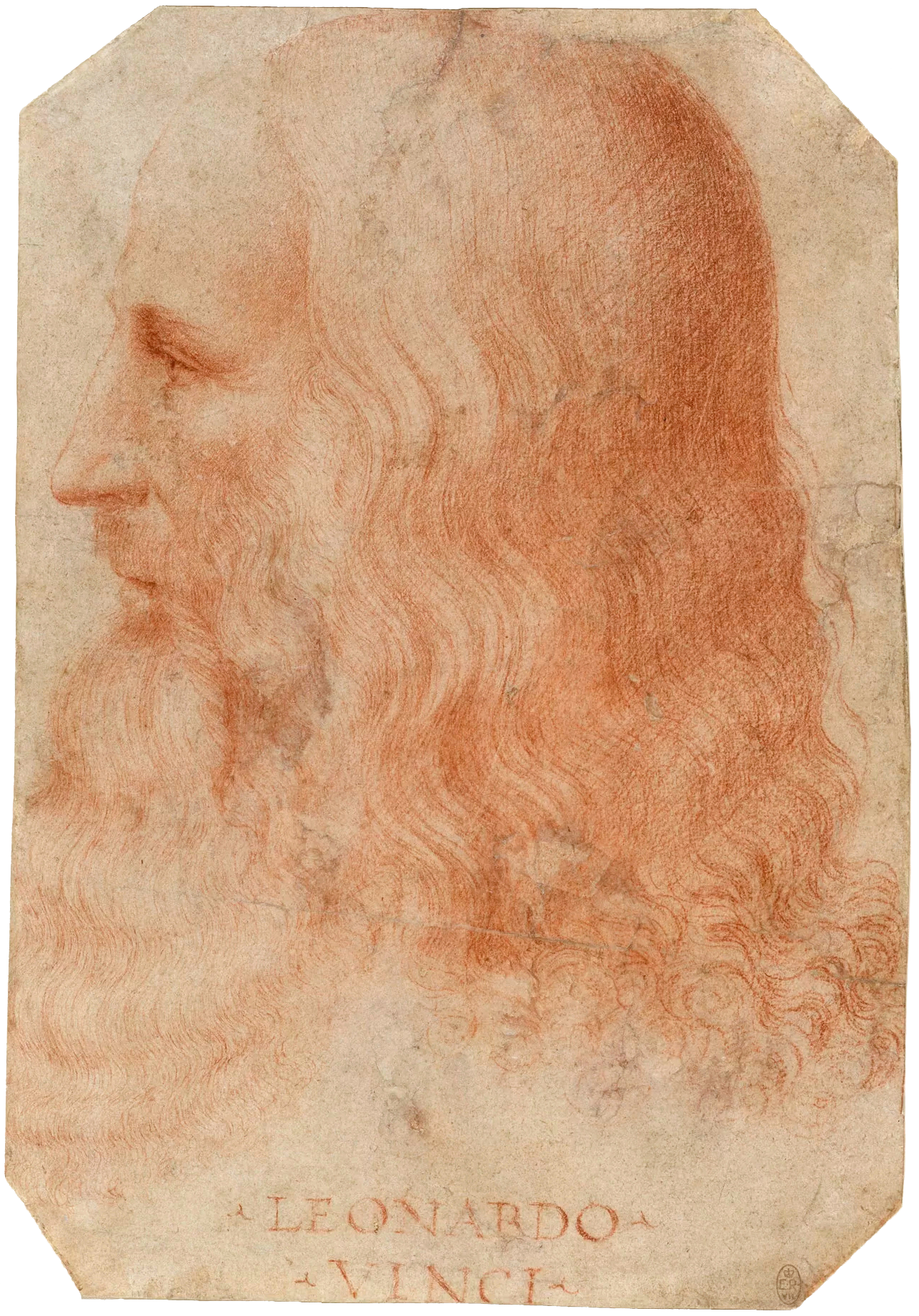
Includes folios A & B of his anatomical MSS. Text in French and Italian.
1603 CE
#1541
In Galeni librum de ossibus.
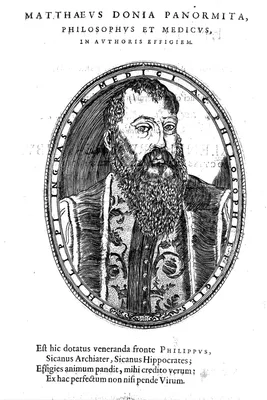
Ingrassia is by some accredited with the discovery of the stapes; he also observed the sound-conducting capacity of the teeth.
2020 CE
#13668
In the shadow of Vesalius: An exciting series of new insights into life and work of Andreas Vesalius and his friends. Edited by Robrecht Van Hee.
1923 CE
#6769
Incunabula medica. A study of the earliest printed medical books, 1467-1480.
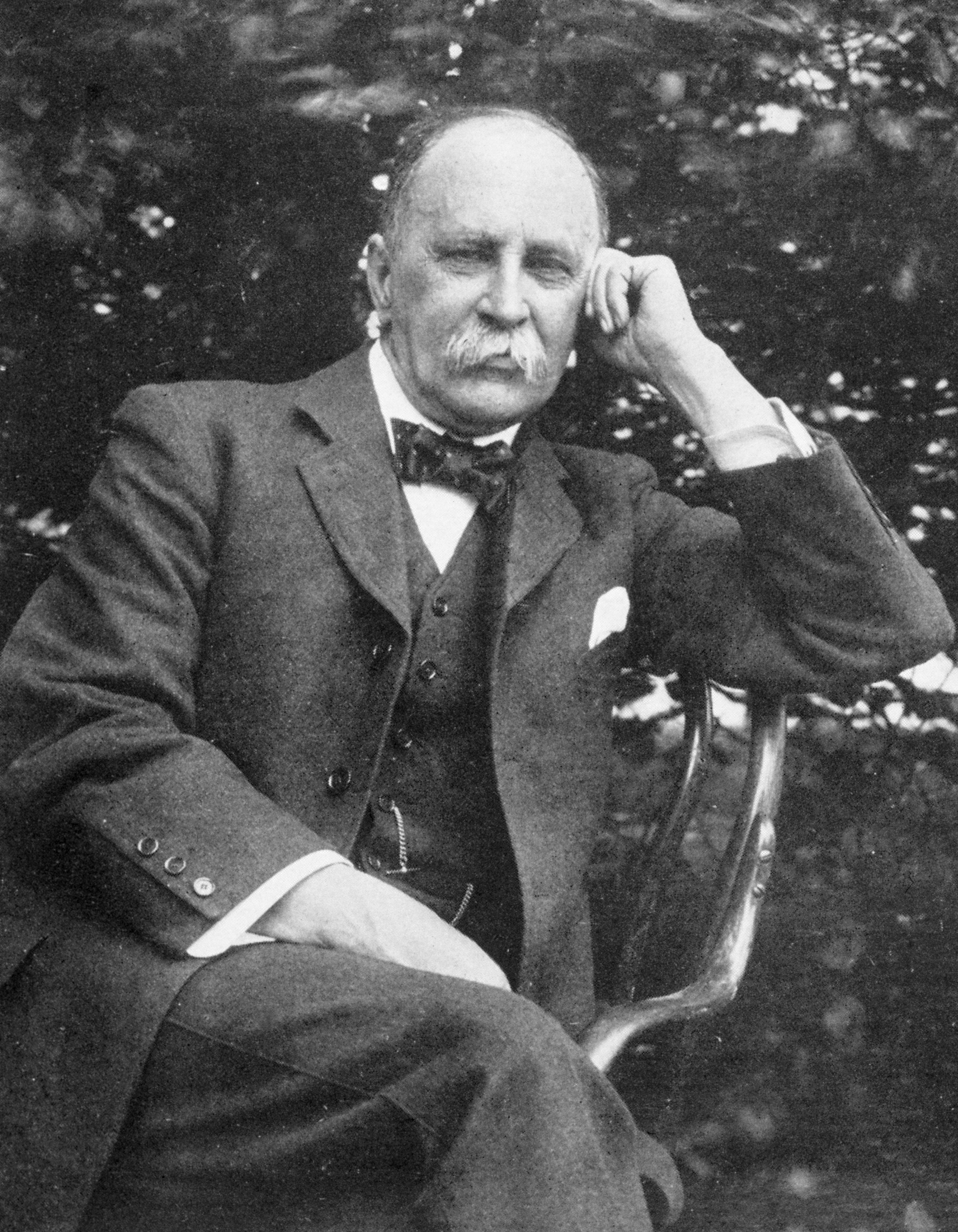
Bibliographical Society Publication. Based on Osler’s presidential address to the Bibliographical Society in 1914, with minor editing for posthumous publication by Archibald Malloch and W. W. Francis. Introducti…
1938 CE
#6776
Incunabula scientifica et medica. Short title list.
3,000 editions of 1,000 incunabula. Reprinted from Osiris, vol.IV. Reprinted, Hildesheim, 1963.
1980 CE
#11220
Incunabula Short Title Catalogue (ISTC).
https://data.cerl.org/istc/_search The Incunabula Short Title Catalogue (ISTC) , an electronic bibliographic database maintained by the British Library, seeks to catalogue all known incunabula. The database lists book…
1536 CE
#7204
Institutiones anatomicae secundum Galeni sententiam.
A handbook presenting the principles of Galenic anatomy in a form that was easily accessible to medical students. It epitomized the revolution in the teaching of anatomy, and the new emphasis on dissection, that occur…
1522 CE
#368
Isagoge breves perlucide ac uberime in anatomiam humani corporis a communi medicorum academia usitatam.
One year after publishing his Commentary on Mondino, Giacomo Berengario da Carpi issued an abbreviated version or Isagoge, with most of the same woodcuts. This was the book by which Berengario's contributions to anato…
2004 CE
#11503
Jean Fernel's On the hidden causes of things: Forms, souls and occult diseases in Renaissance medicine.
1474 CE
#5552
La ciroxia vulgarmente fata.
![SALICETO, Guglielmo da [WILLIAM OF SALICETO] (1210 – 1277)](/media/portraits/6798)
Saliceto was Professor of Surgery at Bologna about 1268; his treatise on surgery, written about 1275, was the leading work on the subject in the 13th century. William broke with tradition by claiming that pus formatio…
1994 CE
#7547
La fabbrica del corpo: Libri e dissezione nel Rinascimento.
Translated into English by John Tedeschi and Anne C. Tedeschi as Books of the body: Anatomical ritual and Renaissance learning, Chicago: University of Chicago Press, 1999.
1906 CE
#6554
La médecine et les médecins en France à l’époque de la Renaissance.
Wickersheimer, librarian of University of Strasbourg, contributed several scholarly works on the history of medicine.
1545 CE
#2139
La méthode de traicter les playes faictes par hacquebutes et aultres bastons à feu: & de celles qui sont faictes par fleches, dardz & semblables: assy des combustions specialement faictes par la pouldre à canon.
Paré’s first book was his treatise on gunshot wounds. He is one of the greatest of the military surgeons, and is particularly remembered for his abandonment of the practice of cauterization of gunshot wou…
1555 CE–1556 CE
#9773
Le benefice commun de tout le monde, ou commodité de vie d’vn chascun, pour la conseruation de santé: Remedes segretz tirées des plantes contre toutes maladies. 3 vols.
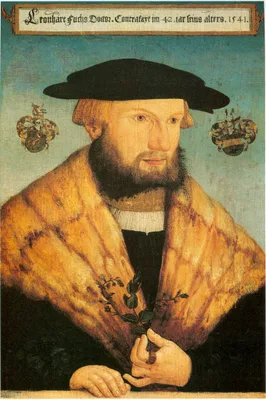
A vernacular guide for living a healthy life compiled from the writings of Fuchs. Includes herbal and dietary remedies, recipes for oils, pills and other preparations to treat maladies such as fever, plague and wounds.
1575 CE
#284
Lectiones Gabrielis Falloppi de partibus similaribus humani corporis, ex diversis exemplari eus a Volchero Coiter summa cum diligentia collecta. His accessere diversorum animalium sceletorum explicationes iconibus artificiosis, et genuinis illustratae.
Coiter, a pupil of Fallopius and Eustachius, became town physician of Nuremberg. His book on comparative osteology, contained in his edition of the lectures of Fallopius, extended his studies begun in his work of 1572…
1952 CE
#366
Leonardo da Vinci on the human body. The anatomical, physiological, and embryological drawings of Leonardo da Vinci. With translations, emendations, and biographical introduction by Charles D. O'Malley and J. B. de C. M. Saunders.
Includes 215 plates.
1911 CE–1916 CE
#365
Leonardo da Vinci: Quaderni d’anatomia I-VI. Fogli della Royal Library di Windsor, pubblicati da Ove C.L. Vangensten, A. Fonahn, H. Hopstock. 6 vols.
Leonardo, “the greatest artist and scientist of the Italian Renaissance, was the founder of iconographic and physiologic anatomy” (Garrison). He made over 750 sketches of all the principal organs of the bo…
1930 CE
#5010
Les malades de l’esprit et leurs médecins du XVIe siècle. Les étapes des connaissances psychiatriques de la Renaissance à Pinel.
1575 CE
#5565
Les oeuvres de M. Ambroise Paré.
Paré was the greatest of the army surgeons before Larrey. Born in poor circumstances, he became the most famous surgeon in France. He is particularly remembered for his abandonment of boiling oil and the cauter…
1502 CE
#363.4
Liber anathomie corporis humani & singulorum membrorum illius.
“The first systematic and sufficiently detailed examination of the human body since Mundinus, far outstripping the latter in scientific accuracy” (Lind, Pre-Vesalian anatomy, 10, also 141-56). See also Nos…
1536 CE
#1536
Liber introductorius anatomiae sive dissectionis corporis humani; in quo quam plurima membra, operationes, & utilitates tam ab antiquis, quam a modernis praetermissa manifestantur.
A practical manual for dissection, showing how to carry out an anatomy from the first incision onwards. Massa based his work on his experience gained from numerous dissections that he had undertaken in the hospital of…
1477 CE
#10725
Liber phsionomiae [and other works].
![SCOT, Michael [Michael Scotus] (1175 – 1232)](/media/portraits/12461)
"Composed between 1209 and 1226, the first of the two primary texts discusses human generation — anatomy, physiology, astrology, sexual behavior, conception and the health of the fetus. The second part, the Phys…
1542 CE
#374
Libro de anatomia In: Remedio de cuerpos humanos y silva de experiencias y otras cosas utilissimas: nuevamente compuesto…
Text in Spanish and Latin. Digital facsimile from Google Books at this link.
1551 CE
#378.01
Libro de la anathomia del hombre.
The first Spanish anatomy book in the Spanish language, the second anatomy book ever published in Spain, and the work that introduced Vesalian illustrations to Spain. The text is a version of Henri de Mondeville&rsquo…
1995 CE
#8129
Medical ethics in the Renaissance.
The first comprehensive examination of medical ethics in the Renaissance.
1587 CE
#11101
Medicina universa, ex lectiones eius caeterisque opusculis, tum impressis, tum scriptis collecta, & in tres tomos nunc primum decenti ordine digesta, studio & opera Martini Weindrichii.
Montanus became a professor of practical medicine at Ferrara and at the University of Padua in 1539. His greatest innovation was to introduce clinical medicine into the curriculum as a way to integrate medical theory …
2017 CE
#8570