Facets
Browse across eight MeSH (opens in new tab) facets — era, geography, science, specialty, technology, history, culture, and reference. Select one tag per group; counts update across the others.
Clear filtersFacet filters
Geography
Specialties & Disease
- Anatomy & Pathology 765
- Cardiology & Blood 914
- Neurology & Psychiatry 1,256
- Obstetrics & Reproductive 550
- Infectious Disease (General) 147
- Surgery & Anesthesia 1,551
- Public Health 1,129
- Immunology & Dermatology 1,404
- General Clinical Medicine 480
- Military Medicine 436
- Psychology 202
- Alternative & Fringe Medicine 383
- Pediatrics 247
- Ophthalmology & Vision 412
- ENT & Hearing 293
- Urology & Nephrology 309
- Gastroenterology & Hepatology 316
- Pulmonary & Respiratory 233
- Rheumatology, Rehab & Pain 188
- Internal, Emergency & Geriatric 123
- Veterinary Medicine 165
- Epidemiology & Demography 397
- Physiology & Embryology 923
- Dentistry 259
- Plagues & Epidemics 1,279
- Microbiology & Virology 1,080
Social & Historical Studies
Institutions & Culture
Reference & Scholarly Works
1,279 entries match Plagues & Epidemics [C01.252]
1856 CE
#2384
First demonstration of the experimental inoculability of syphilis. The information is given in a discussion on the subject by the Society of Physicians of the Palatinate; it appeared anonymously, without title, and id…
1799 CE
#10511
A description of the American yellow fever, which prevailed at Charleston, in South Carolina, in the year 1748.
Digital facsimile from U.S. National Library of Medicine at this link.
1983 CE
#6996
Isolation of a T-lymphotropic retrovirus from a patient at risk for acquired immune deficiency syndrome (AIDS).

Isolation of the human immunodeficiency virus (HIV-1). In 2008 Barré-Sinoussi and Montagnier shared half of the Nobel Prize in Physiology and Medicine "for their discovery of human immunodeficiency virus." The …
1896 CE
#11380
L'action bactericide des eaux de la Jumna et du Gange sur le vibrion du cholera.
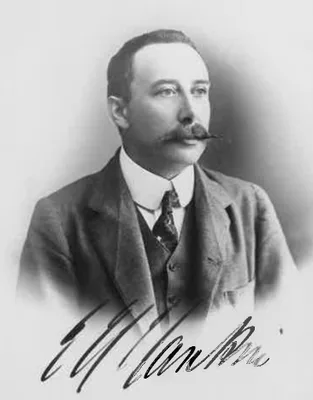
Hankin described the antibacterial activity of a then-unknown source in the Ganges and Jumna Rivers in India. He noted that "It is seen that the unboiled water of the Ganges kills the cholera germ in less than 3 hours…
2008 CE
#9878
The politics of vaccination: Practice and policy in England, Wales, Ireland and Scotland, 1800-1874.
2013 CE
#10414
"Good tuberculosis men": The Army Medical Department's stuggle with tuberculosis.
Digital facsimile from cs.amedd.army.mil at this link.
1918 CE
#11922
"Spanish influenza," "Three-day fever," "The flu".
Public health advice from the U.S. Public Health Service published during the pandemic.
1916 CE
#10522
"The path of the destroyer": A history of leprosy in the Hawaiian Islands, and thirty years research into the means by which it has been spread.
Digital facsimile from the Internet Archive at this link.
1904 CE
#5317
“Tick fever”.
Ross and Milne discovered the causative agent in the African variety of relapsing (tick) fever.
2016 CE
#10779
1970s and 'Patient 0' HIV-1 genomes illuminate early HIV/AIDS history in North America.

By genetic analysis of HIV, Worobey, Lemey and colleagues from the social sciences "cleared" Gaëtan Dugas, a Canadian air steward, who previously had been identified by name as Patient Zero--the source of the epi…
1951 CE
#5262.4
2:4-Diaminopyrimidines – a new series of antimalarials.
Preparation and laboratory tests of pyrimethamine. With L. G. Goodwin, G. H. Hutchings, I. M. Rollo, and P. B. Russell.
1951 CE
#5262.5
A 2:4-diamino pyrimidine in the treatment of proguanil-resistant laboratory malarial strains.
Pyrimethamine (daraprim).
1985 CE
#11206
A bibliography of Edward Jenner, 1749-1823
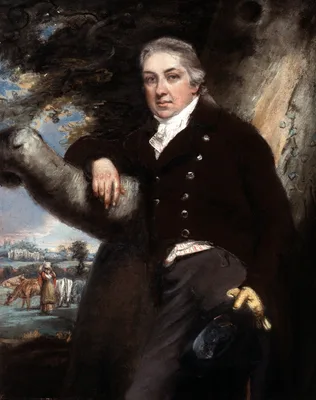
Revised second edition of Lefanu's A bio-bibliography of Edward Jenner (1951). The annotations in this bibliography form a kind of biographical narrative of Jenner's life and achievements.
1972 CE
#5289.4
A bibliography on Chagas’s disease (1909-1969)
Index-Catalogue of Medical and Veterinary Zoology, Special Publication No. 2.
1913 CE
#3192.1
A biological classification of pneumococci by means of immunity reactions.
Dochez and Gillespie differentiated four types of pneumococci.
1552 CE
#5522
A boke, or conseill against the disease commonly called the sweate, or sweatyng sicknesse.
First English book on sweating sickness, and the first devoted to a single disease to be published in England. Caius’s work appeared a year after the last epidemic visit of the disease. From it we learn that the…
1799 CE
#1675.1
A brief history of epidemic and pestilential diseases. 2 vols.
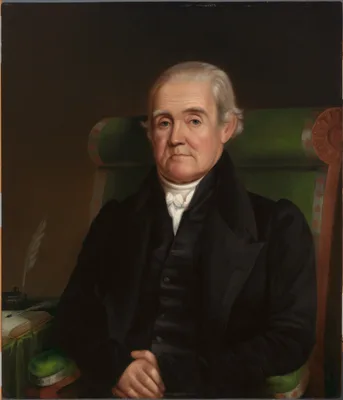
“The best general summary of epidemiological opinion at the beginning of the nineteenth century; and few works surpass it as a compendium of earlier speculations in this field”. (Winslow). A great linguist…
1677 CE
#5406
A brief rule to guide the common-people of New-England how to order themselves and theirs in the small pocks, or measels.
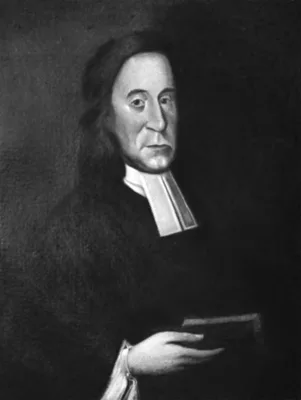
The first medical publication of North America and the only one to appear in the 17th century. Only one copy of the original printing of this broadside survived, written by Thacher, a Boston minister. The sheet was re…
#13552
A catalogue of rare syphilis books held in the Special Collections Department of the University of Glasgow.
https://www.gla.ac.uk/media/Media_389083_smxx.pdf Describes and illustrates in color over 200 rare books from the 15th century to 1820, including those in the Hunterian Collection, with links to more extensive online …
1770 CE
#1772
A chronological history of the weather and seasons and of the prevailing diseases in Dublin. With their various periods, successions, and revolutions, during the space of forty years. With a comparative view of the difference of the Irish climate and diseases, and those of England and other countries ...
Rutty kept continuous records of weather and diseases in Dublin from 1724-64. On page 75 of this work is the first clear description of relapsing fever. Digital facsimile from the Hathi Trust at this link.
1997 CE
#8862
A ciéncia dos trópicos: A arte médica no Brasil do sécolo XVIII.
1976 CE
#10781
A cluster of arthritis in children and adults in Lyme, Connecticut.
The first publication on Lyme Disease. Abstract from the Proceedings of the 40th Annual Scientific Session of the American Rheumatism Association. Order of authorship in the original paper was Steere, Malawista, Snydm…
1721 CE
#9521
A Collection of Very Valuable and Scarce Pieces relating to the last Plague in the year 1665. viz. I. Orders drawn up and published by the Lord Mayor and Aldermen of the City of London to prevent the spreading of the infection. II. An account of the first rise, progress, symptoms and cure of the Plague, being the substance of a letter from Doctor Hodges to a person of quality. III. Necessary directions for the prevention for cure of the plague, with divers remedies of small charge by the College of Physicians. IV. Reflections on the Weekly Bills of Mortality, so far as they relate to all the plagues which have happend in London from the year 1592 to the Great Plague in 1665, and some other particular diseases. With a preface shewing the usefulness of this collection: some errors of Dr. Mead, and his misrepresentations of Dr. Hodges and some authors. To which is added An Account of the plague at Naples in 1656, etc. [Compiled by William Beckett.].
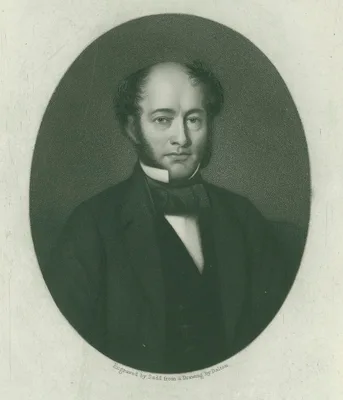
Attributed to William Beckett by OCLC. Digital facsimile of the 1721 second edition from the Internet Archive at this link.
1898 CE
#2335
A comparative study of bovine tubercle bacilli and of human bacilli from sputum.
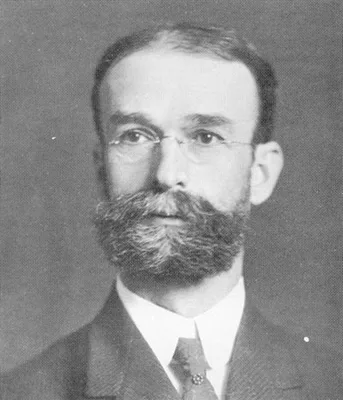
First clear differentiation between the bovine and human types of tubercle bacillus.
1900 CE
#12007
A comparative study of the biological characters and pathogenesis of bacillus X (Sternberg), bacillus icteroides (Sanarelli), and the Hog Cholera Bacillus (Salmon and Smith).
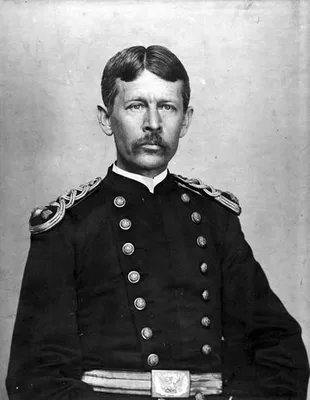
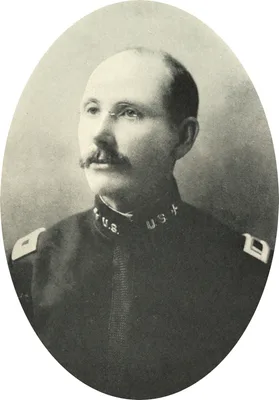
Order of authorship in the original publication: Reed, Carroll. In this paper of monograph length the authors irrefutably proved that yellow fever was not caused by a bacterial infection, allowing them to concentrate …
1902 CE
#5435.1
A concise history of small-pox and vaccination in Europe.
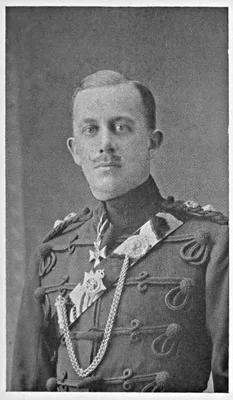
A comprehensive summary, in tabular form.
1793 CE
#5452
A description of the malignant, infectious fever prevailing at present in Philadelphia; with an account of the means to prevent infection, and the remedies and method of treatment, which have been found most successful.
Digital facsimile from the Internet Archive at this link.
1679 CE
#9909
A discourse of the state of health in the island of Jamaica. With a provision therefore calculated from the air, the place, and the water: the customs and manners of living, &c.
The first English book on tropical medicine. Digital facsimile from Google Books at this link.
1750 CE
#5418
A discourse on the preparation of the body for the small-pox; and the manner of receiving the infection.
Thomson, a physician in Philadelphia, was the originator of the American method of inoculation against smallpox. Printed by Benjamin Franklin. Digital facsimile from dla.library.upenn.edu at this link.
1757 CE
#5050
A dissertation on the malignant, ulcerous sore-throat.
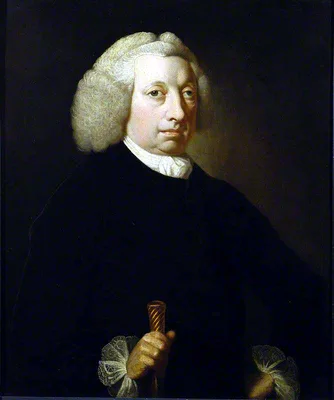
Huxham’s reputation rests mainly on his Essays on fevers, but he also left an excellent account of diphtheria. Although he failed to differentiate the disease from scarlatinal angina, he was the first to observe…
1957 CE
#2419.2
A fluorescent test for treponemal antibodies.
Fluorescent treponemal antibody test. With V. H. Falcone and A. Harris.
1832 CE
#10526
A geographical and statistical account of the epidemic cholera: From its commencement in India to its entrance into the United States: Comprehended in a series of maps and tables, exhibiting the names of places visited by the pestilence, the time of its commencement, the number of cases, and deaths, and duration, at each place: Compiled from a great variety of printed and manuscript documents.
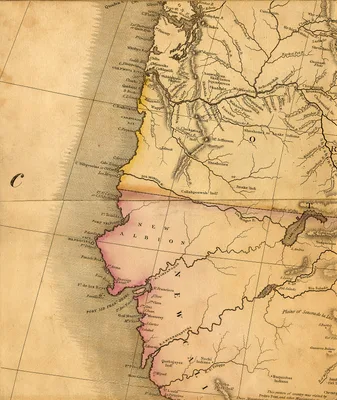
Tanner, a prolific cartographer, wished to provide a geographic account of the spread of the worldwide cholera epidemic of 1817. Statistics concerning the epidemic, he complained, were "given in such a loose and uncon…
1876 CE
#5111.3
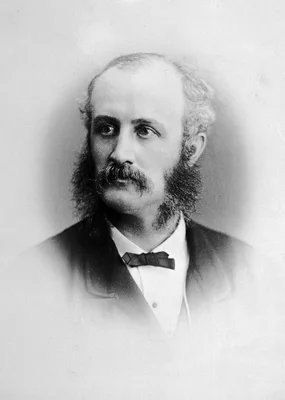
A history of Asiatic cholera.
1970 CE
#5145
A history of bubonic plague in the British Isles.
From The Great Pestilence of 1348 to the Plague of London in 1665, discussing efforts to control the disease, and its impacts on social and economic life.
1891 CE–1894 CE
#1680
A history of epidemics in Britain. Vol. 1: From A. D. 664 to the extinction of plague. Vol. 2: From the extinction of plague to the present time.
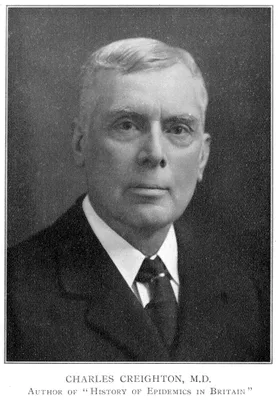
A classical contribution to modern epidemiology, of which Creighton may be said to have been the founder. Reprinted with new introductory material, 1965. Digital facsimile from the Internet Archive at this link.
1962 CE
#2432.1
A history of syphilis.
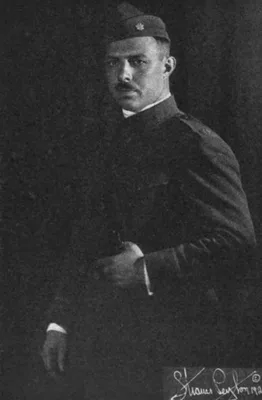
1939 CE
#2268
A history of tropical medicine. 2 vols.
An exhaustive history of the subject to the time of writing.
1722 CE
#10199
A journal of the plague year: Being observatrions or memorials, of the most remarkable occurrences, as well publick as private, which happened in London during the last great visitation in 1665. Written by a citizen who continued all the while in London. Never made publick before.
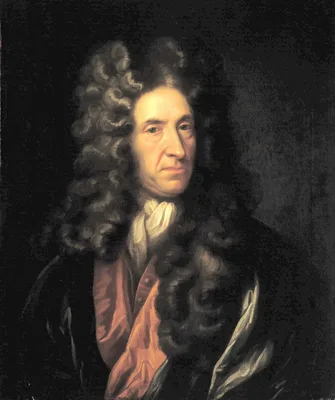
Though he may be most widely remembered as a novelist--especially for Robinson Crusoe, Defoe was an English trader, writer of non-fiction as well as fiction, journalist, pamphleteer and spy. This book is an account of…
1723 CE
#1689
A letter … containing, a comparison between the mortality of the natural small pox, and that given by inoculation.

Jurin was an enthusiastic supporter of inoculation against smallpox, and proved statistically that the fatality of inoculated smallpox is very much less than the fatality of natural smallpox. This is one of the earlie…
1927 CE
#4653
A leukoenkephalitis periaxialis concentricaról.
“Baló’s disease” – encephalitis periaxialis concentrica. Translation in Arch. Neurol. Psychiat. (Chicago), 1928, 19, 242-64.
1938 CE
#12593
A medical survey of the republic of Guatemala, by George Cheever Shattuck. With the collaboration of Joseph C. Bequaert, Margaret M. Hilferty, Jack H. Sandground [and] Samuel Drury Clark.
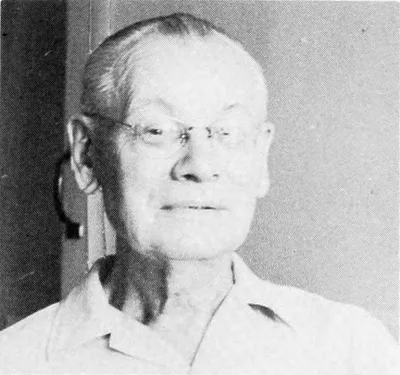
Organized and directed by the Department of Tropical Medicine, Harvard School of Public Health. Digital facsimile from the Hathi Trust at this link.
1997 CE
#9385
A melancholy scene of devastation: The public response to the 1793 Philadelphia yellow fever epidemic. Edited by J. Worth Estes and Billy G. Smith.
1911 CE
#2404
A method for the pure cultivation of pathogenic Treponema pallidum (Spirochaeta pallida).
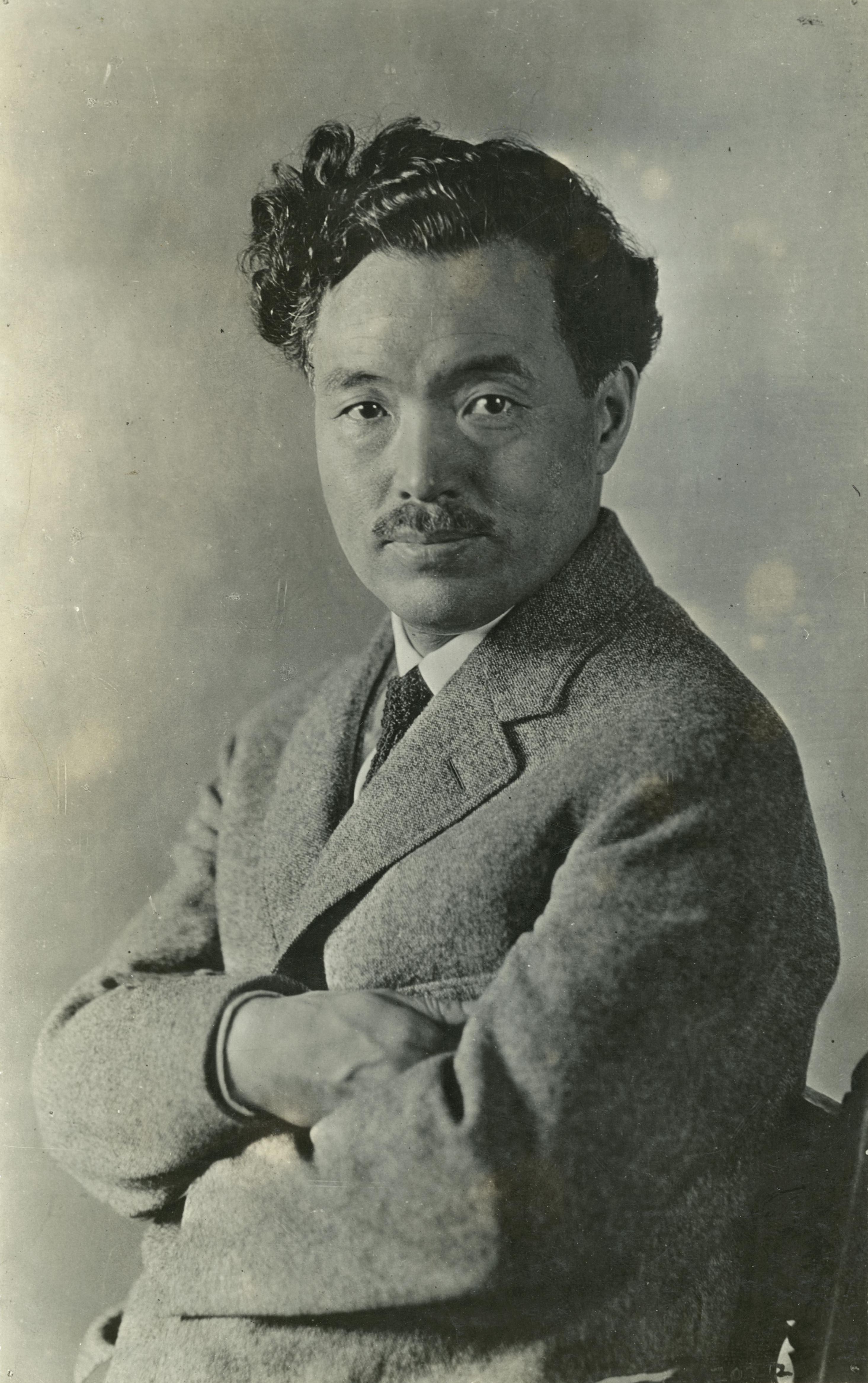
Pure culture of T. pallidum first obtained. Digital facsimile from digitalcommon.oshu.edu at this link.
1909 CE
#5379
A micro-organism which apparently has a specific relationship to Rocky Mountain spotted fever. A preliminary report.
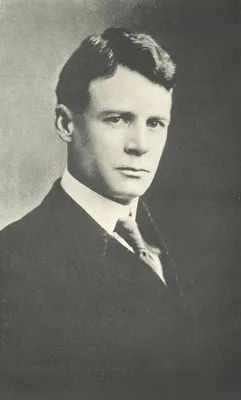
Description of the causal organism, in blood smears.
1946 CE
#2418.1
A microflocculation test for syphilis using cardiolipin antigen: preliminary report.

V. D. Research Laboratory test (Harris test). With A. A. Rosenberg and L. M. Riedel.
1901 CE–1910 CE
#346
A monograph of the Culicidae, or mosquitoes. Mainly compiled from the collections received at the British Museum from various parts of the world in connection with the cause of malaria conducted by the Colonial Office and the Royal Society. 4 vols. and atlas.
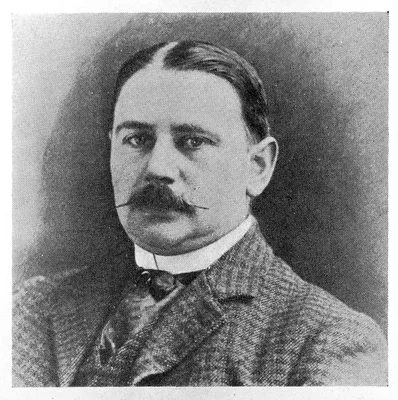
Digital facsimile from the Internet Archive at this link.
1920 CE
#2410
A more rapid and improved method of demonstrating spirochetes in tissues (Warthin and Starry’s cover-glass method).
Warthin and Starry’s method.
1794 CE
#5453.1
A narrative of the proceedings of the black people during the late awful calamity in Philadelphia, in the year 1793: and a refutation of some censures thrown upon them in some late publications.
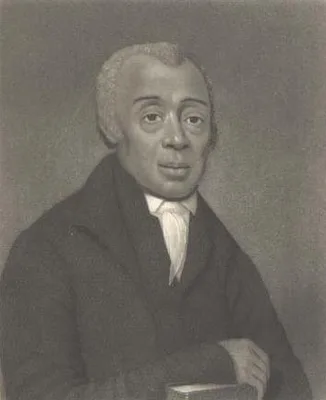
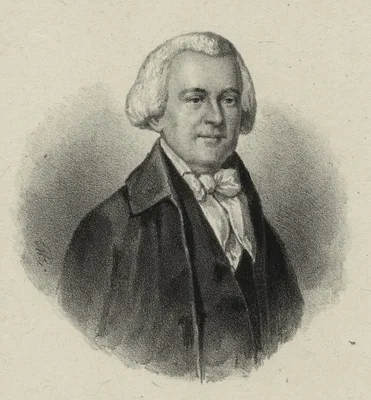
A refutation of slights by Matthew Carey in his Short account of the malignant fever, lately prevalent in Philadelphia (1793; No. 5451) to the important contributions of black people, many of whom served as nurses and…
1940 CE
#10951
A neurotropic virus isolated from the blood of a native in Uganda.
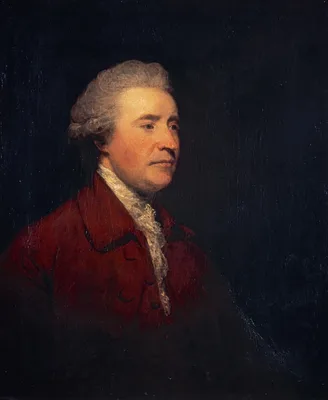
Order of authorship in the original paper: Smithburn, Hughes, Burke. In 1937 the authors isolated a virus from the blood of an adult female with fever from the Omogo West Nile district of Uganda, and named it West Nil…
1950 CE
#2352