
Facets
Browse across eight MeSH (opens in new tab) facets — era, geography, science, specialty, technology, history, culture, and reference. Select one tag per group; counts update across the others.
Clear filtersFacet filters
Geography
Specialties & Disease
- Anatomy & Pathology 77
- Cardiology & Blood 0
- Neurology & Psychiatry 13
- Obstetrics & Reproductive 5
- Infectious Disease (General) 0
- Surgery & Anesthesia 12
- Public Health 4
- Immunology & Dermatology 1
- General Clinical Medicine 48
- Military Medicine 9
- Psychology 0
- Alternative & Fringe Medicine 3
- Pediatrics 1
- Ophthalmology & Vision 5
- ENT & Hearing 6
- Urology & Nephrology 7
- Gastroenterology & Hepatology 1
- Pulmonary & Respiratory 0
- Rheumatology, Rehab & Pain 0
- Internal, Emergency & Geriatric 1
- Veterinary Medicine 0
- Epidemiology & Demography 0
- Physiology & Embryology 9
- Dentistry 5
- Plagues & Epidemics 7
- Microbiology & Virology 1
Social & Historical Studies
Institutions & Culture
Reference & Scholarly Works
Drugs & Technology
77 entries match Early Modern [K01.400.475] · Anatomy & Pathology [G02.149 / C23]
1502 CE
#12771
Historia corporis humani sive anatomiae.
"... a descriptive anatomy in the style of Mundinus. It concludes with a final chapter on the praise of dissection. He expresses the need for a clinical examination rather than uncritical trust in the authorities &ldq…
1943 CE
#8096
A bio-bibliography of Andreas Vesalius.
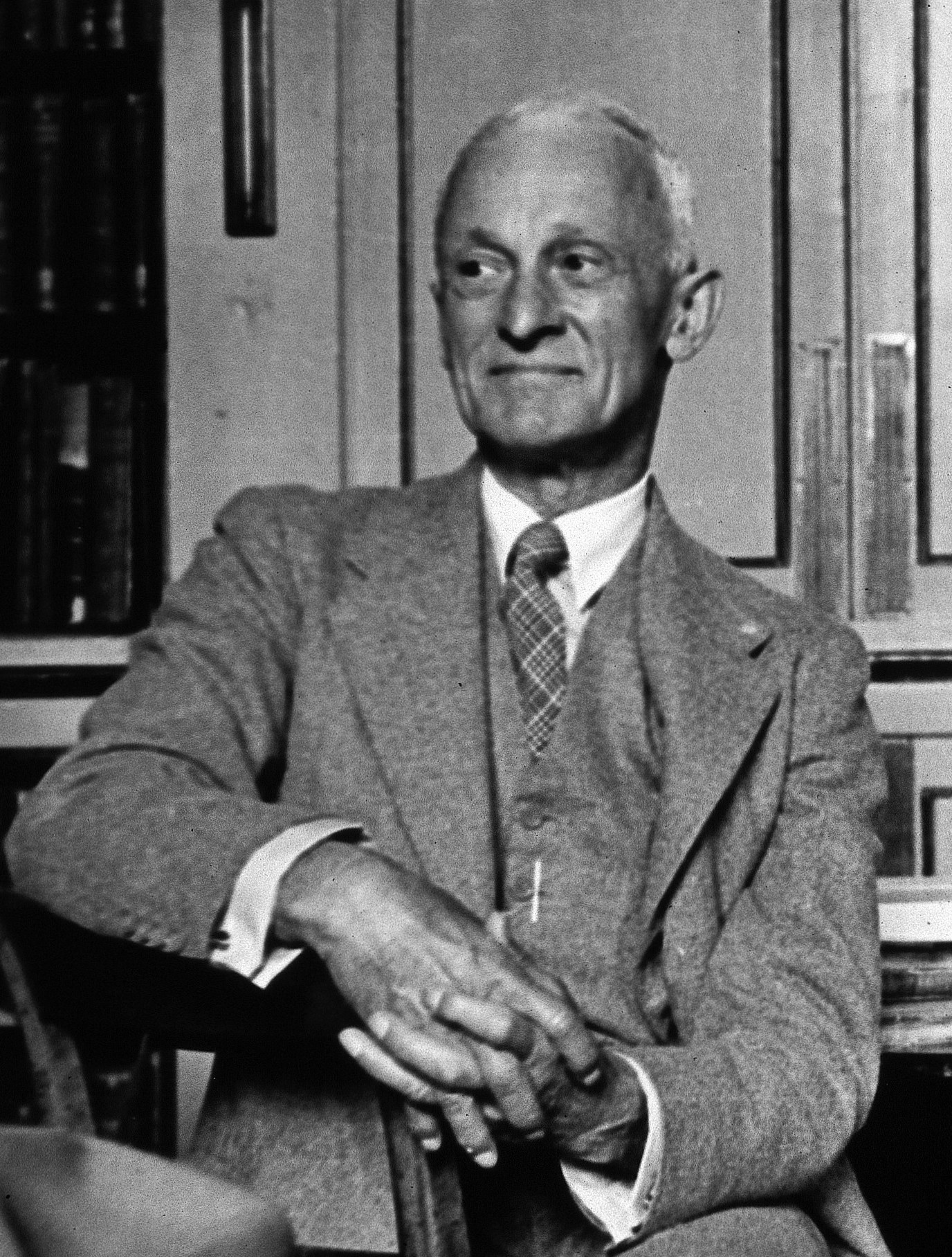
The standard annotated bibliography of Vesalius's works, known for its unusual system of numbering entries. Posthumously edited for publication by John F. Fulton and Arturo Castiglioni. Digital facsimile of the 1943 e…
1577 CE
#6836
A profitable treatise of the anatomie of mans body.
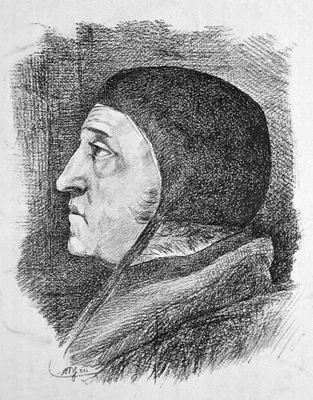
A small book, of which only two copies survived, at the British Library and Cambridge University. As first shown by J F Payne in 1896, this work is very similar to a manuscript (MS 564) in the Wellcome Library. This m…
1594 CE
#10373
Alphabet anatomic, auquel est contenue l'explication exacte des parties du corps humain: Réduites en tables selon l'ordre de dissection ordinaire, avec l'ostéologie et plusieurs observations particulières. Avec l'osteologie, & plusieurs observations particulieres.
This innovative didactic work divided the study of anatomy into 91 tables, set in type, but without images. It was unusually popular, with eleven editions in the seventeenth century as well as translations into Latin …
1536 CE
#370
Anatomia capitis humani.
The first work on the anatomy of the head. Elegantly illustrated with 11 woodcuts. English translation in No. 461.3.
1478 CE
#361
Anatomia.
First dated printed edition of the first medieval book devoted solely to anatomy, written by Mondino for his students in 1316. An earlier, but undated edition, of which only 3 copies are recorded, appeared in Padua ab…
1537 CE
#371
Anatomiae, hoc est, corporis humani dissectionis pars prior.
Dryander was among the first to make illustrations after his own dissections. His unfinished guide to dissection entitled Anatomiae, expanded from the Anatomia published the previous year, is one of the most important…
1597 CE
#437
Anatomica corporis virilis et muliebris historia.
1535 CE
#369
Anatomica methodus, seu de sectione humani corporis contemplatio.
Includes the first description of the ileo-caecal valve. Laguna, a Spanish anatomist, travelled much in Europe and became physician to Charles V. English translation in No. 461.3. Digital facsimile of the 1535 edition…
1585 CE
#7595
Anatomicae praelectiones.
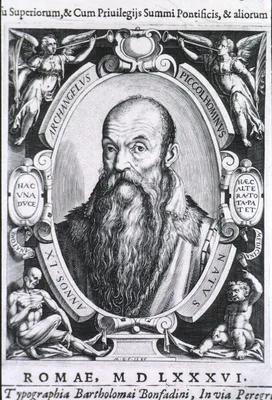
First description of a clear distinction between what is now known as gray and white matter in the central nervous system. The work also includes the first attempt to illustrate the brain in a sagittal view. The nine …
1574 CE
#1479
Anatomici libri II … In altero de musculis, palpebrarum atque oculorum motibus deservientibus, accurate disseritur.
First exact description of the lacrimal duct. Carcano gave the true position of the lacrimal gland and showed the route taken by the tears.
1926 CE
#8362
Anatomies de Mondino dei Luzzi et de Guido de Vigevano. Par Ernest Wickersheimer.
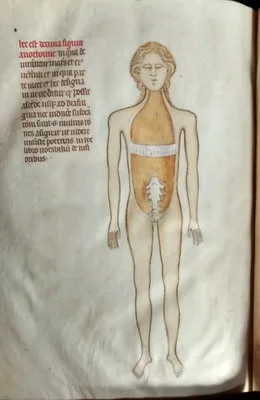
Facsimile of the 1478 edition of Mondino's Anothomia along with the text and 18 plates from Guido de Vigevano's (fl. 14th century) Anathomia. Vigevano's manuscript, completed in 1345, is MS. 569 in the Musée Co…
1964 CE
#12693
Andreas Vesalius of Brussels, 1514-1564.
1959 CE
#372.1
Andreas Vesalius's first public anatomy at Bologna, 1540. An eyewitness report by Baldasar Heseler, together with his notes on Matthaeus Curtius's lectures on Anatomia Mundini. Edited, with an introduction, translation into English and notes by Ruben Eriksson.
A unique manuscript discovery helping us to bridge the gap in the development of Vesalius’s ideas between the Tabulae anatomicae sex (1538) and the Fabrica (1543). Vesalius typically preceded his anatomical demo…
1992 CE
#9139
Anothomia di Mondino de' Liuzzi da Bologna, XIV secolo. Edited by Piero P.Giorgi, Gian Franco Pasini, & Albertina Cavazza.
1501 CE
#363.3
Antropologium de ho[min]is dignitate, natura, et p[ro]prietatibus.
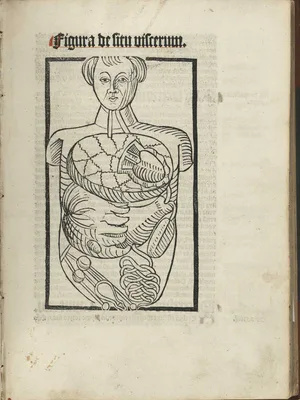
Includes the first illustrations of the viscera in a printed book. The four woodcuts are derived with modifications from Peyligk (No. 363.2). This work also contains the first mention ever of the word anthropology (in…
1521 CE
#367
Commentaria cum amplissimis additionibus super anatomia Mundini una cum textu ejusdem in pristinum et verum nitorem redacto.
Giacomo Berengario da Carpi (Jacobus Berengarius Carpensis, Jacopo Barigazzi, Giacomo Berengario da Carpi or simply Carpus) introduced iconography and independent anatomical observation into the teaching of anatomy. H…
1545 CE
#376.1
Compendiosa totius anatomie delineatio, aere exarata.
![GEMINUS, Thomas [Thomas Lambrit; Thomas Lambert] (1510 – 1562)](/media/portraits/532)
Compendiosa totius anatomie delineatio by Belgian engraver, mathematical and surgical instrument maker, Thomas Geminus (Thomas Lambert or Lambrit) was a slightly abridged version of Vesalius's Epitome illustrated with…
1980 CE
#366.1
Corpus of the anatomical studies in the collection…at Windsor Castle. Edited by K.D. Keele and C. Pedretti. 3 vols.
Splendid edition reproducing all of the drawings in color, and with the original chronology and integrity of the drawings restored. Text provides transliteration of Leonardo’s notes in the original Italian plus …
1551 CE
#12945
Curationum medicinalium centuria prima, multiplici variaque rerum cognitione referta. Praexfixa est eiusdem auctoris commentatio, in qua docetur, quomodo se medicus habere debeat in introitu ad aegrotantem, simulque de crisi, & diebus decretoriis, in qui artem medicam exercent, & quotidie pro salute aegrotorum in collegium descendunt longe utilissima.
Lusitano has been credited with early recognition of the circulation of the blood. How much he might have understood the circulation remains in doubt; however, through dissections of the Azygos vein, he was the first …
1531 CE
#359
De anatomicis administrationibus libri novem.
![GALEN, [Κλαύδιος Γαληνός; Galen of Pergamon] (129 – 216)](/media/portraits/21)
First separate printed edition in Latin, translated by Johann Guinter von Andernach, of Galen's dissection manual, in which Galen both described his dissection techniques and described anatomical details that were pre…
1545 CE
#378
De dissectione partium corporis humani.
De dissectione partium corporis humani libri tres by French physician, writer, and translator, Charles Estienne, of the Estienne printing dynasty, is one of the most interesting woodcut books of the French Renaissance…
2009 CE
#9677
De Fasciculus medicinae opnieuv bekeken (Academia Regia Belgica Medicinae-Dissertationes, Series Historica, DSH, 11).
A detailed analysis of all the editions of Ketham's Fasciculus.
1555 CE
#377
De humani corporis fabrica libri septem.
Containing Vesalius’s final published revisions of the text, this edition is also superior for its enlarged format, improved typography and printing, better paper, larger woodcut initials, and changes to the let…
1543 CE
#375
De humani corporis fabrica libri septem.
Published when the author was only 29 years old, the Fabrica revolutionized not only the science of anatomy but how it was taught. Throughout this encylopedic work on the structure and workings of the human body, Vesa…
1587 CE
#7337
De humano foetu liber tertio editus, ac recognitus. Eiusdem anatomicarum observationum liber: ac De tumoribus secundum locos affectos liber nunc primum editi.
First edition of Aranzi's Anatomicarum observationum published with the third edition of De humano foetu. In the Anatomicarum observationum Aranzi pointed out that the eye muscles arise from the margin of the optic ca…
1532 CE
#368.1
De indiciis et praecognitionibus, opus apprime utile medicis. Eiusdem in anatomicen introductio luculenta et brevis.
The first anatomical text by an Englishman, but only a very brief account of 15 pages. The only known copy of the original edition is in the British Library. Edwardes made the first recorded dissection in England (153…
1559 CE
#378.1
De re anatomica libri xv.
Colombo was a pupil of Vesalius, and succeeded him in the chair of anatomy at Padua before proceeding to chairs first at Pisa and later at Rome. His book, published just after his death, rectified a number of anatomic…
1541 CE
#373.1
Des aller fürtrefflichsten…erschaffen. Das is des menchen…warhafftige beschreibung oder Anatomi…
This plagiarism of Vesalius’s Tabulae anatomicae sex contains 25 woodcuts by Hans Baldung Grien (1484/1485-1545), and represents the artist’s only contribution to medical illustration. The woodcuts include…
1549 CE
#8931
Dialogus de re medica compendiaria ratione, præter quædam alia, universam Anatomen humani corporis perstringens, summè necessarius omnibus Medicinæ canditatis.
The first Spanish medical book based on the writings of Vesalius, written by Vesalius’s student Pedro Jimeno, whose activities “constituted the cornerstone of the Valencian School of Anatomy and the Spanis…
1889 CE
#362
Die Anatomie des Heinrich von Mondeville. Nach einer Handschrift der Königlichen Bibliothek zu Berlin von Jahre 1304 zum ersten Male herausgegeben von J. Pagel.
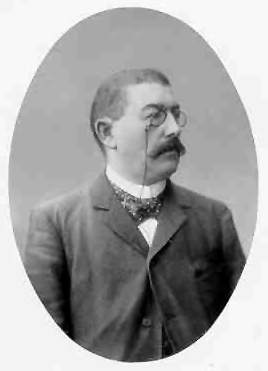
Mondeville was the first teacher known to have lectured with the aid of illustrations, using 13 charts of human anatomy. He lectured at Montpellier. Digital facsimile from the Medical Heritage Library, Internet Archiv…
1546 CE
#1810.1
Epistola, rationem modumque propinandi radicis Chynae decocti…
In this work on the discovery and therapeutic use of the china root (Smilax china) in the treatment of syphilis, Vesalius described the first attempt to formulate methods of identification of an exotic drug. He also o…
1841 CE
#12685
Études sur André Vésale: Précédées d'une notice historique sur sa vie et ses écrits.
Digital facsimile from Google Books at this link.
1572 CE–1573 CE
#1539
Externarum et internarum principalium humani corporis partium tabulae.
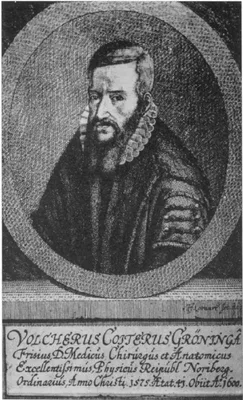
Coiter made several important contributions to the study of human anatomy, and was the first to elevate comparative anatomy to the rank of an independent branch of biology. His Externarum et internarum principalium hu…
1493 CE–1494 CE
#363.1
Fascicolo di medicina. Tr: Sebastianus Manilius. Add: Petrus de Tussignano: Consilium pro peste evitanda. Mundinus: Anatomia (Ed: Petrus Andreas Morsianus).
This Italian translation contains an entirely new and more extensive series of woodcuts and additional text. The dramatically improved and more realistic illustrations, which were reproduced in the numerous later edit…
1491 CE
#363
Fasciculus medicinae. Add: Petrus de Tussignano: Consilium pro peste evitanda.
A collection of short medical treatises which circulated widely in manuscript, some as early as the 13th century, and was perhaps attributed by the printers to its former owner, Johannes von Kirchheim, a professor of …
1529 CE
#9349
Galeni Pergameni libri anatomici, quorum indicem versa patina indicabit. Edited by Giacomo Berengario da Carpi.
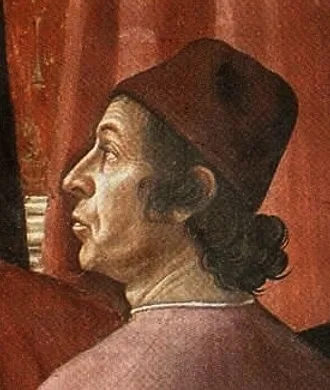
First printed edition in Latin of Galen's De anatomicis administrationis, as translated from the Greek by Demetrios Chalkokondyles under the title De anatomicis aggressionibus. Other works in this collection edited by…
1538 CE
#9091
Guenter von Andernach: Institutionum anatomicarum secundum Galeni sententiam ad candidatos medicinae libri quatuor per Joannem Guinterium Andernacum medicum ab Andrea Vesalio Bruxellensi auctiores & emendatiores redditi.
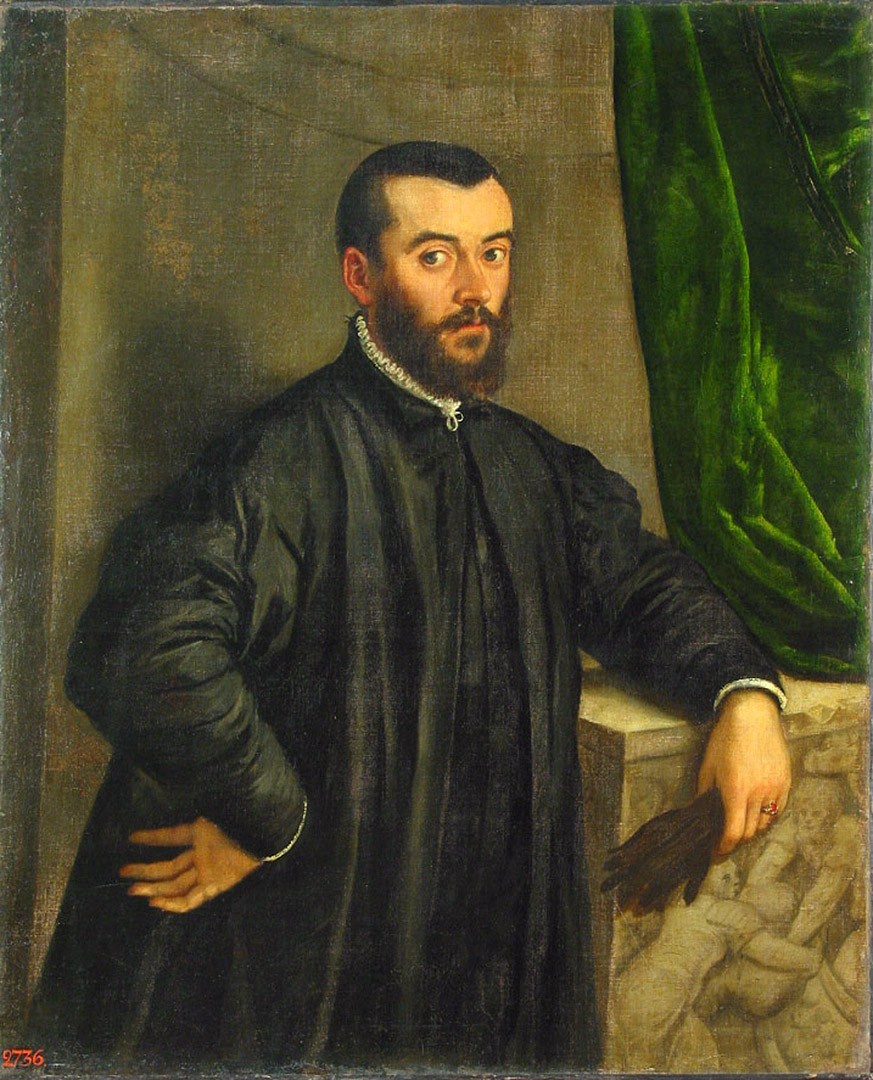
Shortly after the publication of Tabulae anatomicae sex, Vesalius completed this revision of Institutiones anatomicae, a Galenic anatomical text by his teacher Johann Guinter first published in 1536. Vesalius justifie…
1556 CE
#378.02
Historia de la composicion del cuerpo humano…
Historia de la composicion del cuerpo humano Spanish physician Juan Valverde de Amusco was issued in Rome at the press of Antonio Salamanca. This was the first great original medical book in Spanish and the most origi…
2006 CE
#7629
Human anatomy: A visual history from the Renaissance to the digital age.
A popular history, with excellent illustrations; probably the first history of anatomy to include a chapter (by Ackerman, project director for the National Library of Medicine's Digital Human Project) on "Anatomy in t…
1898 CE–1901 CE
#364
I manoscritti de Leonardo da Vinci della Reale Biblioteca di Windsor. Pubblicata da Teodoro Sabachnikoff. Transcritti e annotati da Giovanni Piumati. 2 vols.
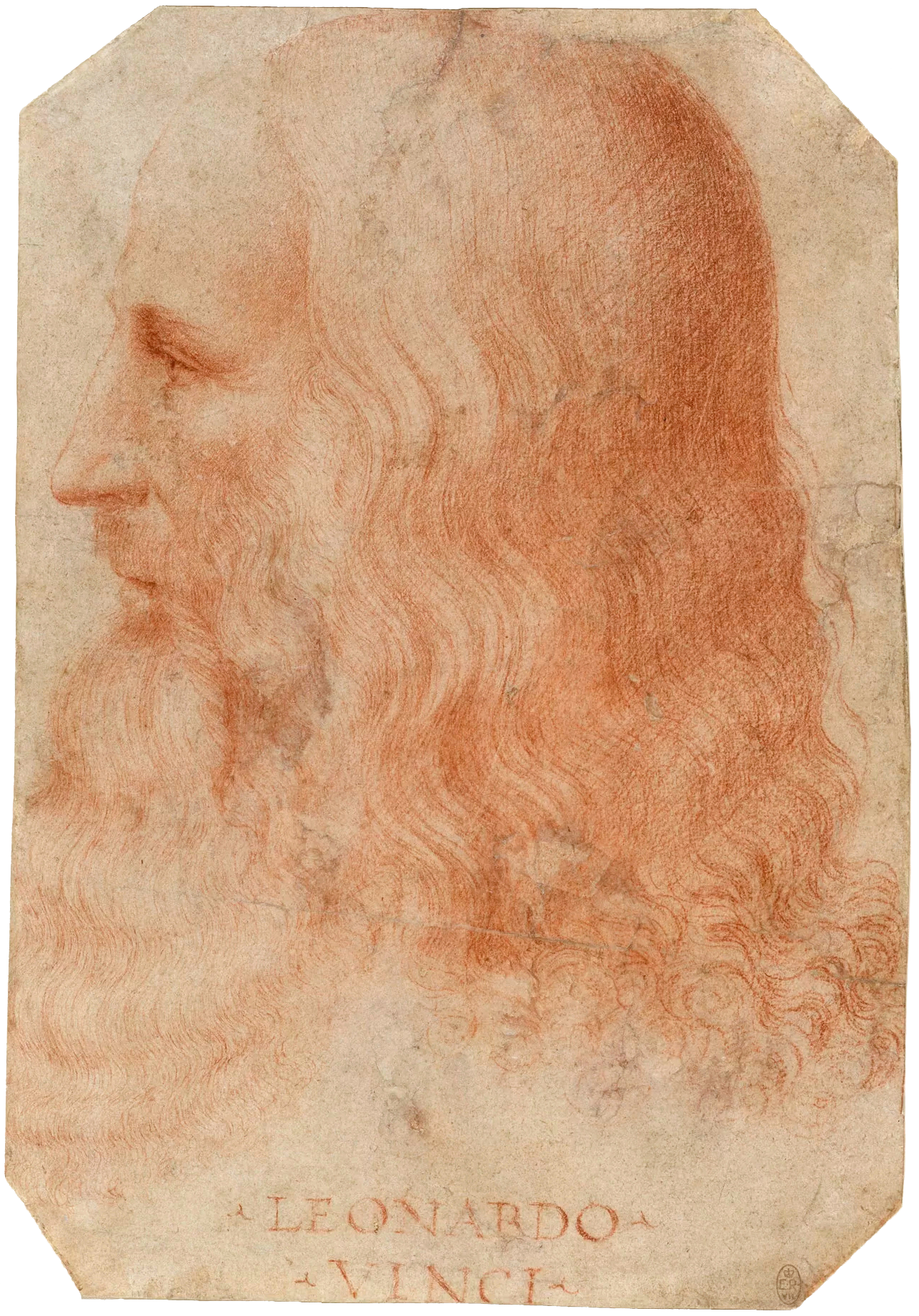
Includes folios A & B of his anatomical MSS. Text in French and Italian.
1603 CE
#1541
In Galeni librum de ossibus.
Ingrassia is by some accredited with the discovery of the stapes; he also observed the sound-conducting capacity of the teeth.
2020 CE
#13668
In the shadow of Vesalius: An exciting series of new insights into life and work of Andreas Vesalius and his friends. Edited by Robrecht Van Hee.
1536 CE
#7204
Institutiones anatomicae secundum Galeni sententiam.
A handbook presenting the principles of Galenic anatomy in a form that was easily accessible to medical students. It epitomized the revolution in the teaching of anatomy, and the new emphasis on dissection, that occur…
1522 CE
#368
Isagoge breves perlucide ac uberime in anatomiam humani corporis a communi medicorum academia usitatam.
One year after publishing his Commentary on Mondino, Giacomo Berengario da Carpi issued an abbreviated version or Isagoge, with most of the same woodcuts. This was the book by which Berengario's contributions to anato…
1474 CE
#5552
La ciroxia vulgarmente fata.
![SALICETO, Guglielmo da [WILLIAM OF SALICETO] (1210 – 1277)](/media/portraits/6798)
Saliceto was Professor of Surgery at Bologna about 1268; his treatise on surgery, written about 1275, was the leading work on the subject in the 13th century. William broke with tradition by claiming that pus formatio…
1994 CE
#7547
La fabbrica del corpo: Libri e dissezione nel Rinascimento.
Translated into English by John Tedeschi and Anne C. Tedeschi as Books of the body: Anatomical ritual and Renaissance learning, Chicago: University of Chicago Press, 1999.
1575 CE
#284
Lectiones Gabrielis Falloppi de partibus similaribus humani corporis, ex diversis exemplari eus a Volchero Coiter summa cum diligentia collecta. His accessere diversorum animalium sceletorum explicationes iconibus artificiosis, et genuinis illustratae.
Coiter, a pupil of Fallopius and Eustachius, became town physician of Nuremberg. His book on comparative osteology, contained in his edition of the lectures of Fallopius, extended his studies begun in his work of 1572…
1952 CE
#366
Leonardo da Vinci on the human body. The anatomical, physiological, and embryological drawings of Leonardo da Vinci. With translations, emendations, and biographical introduction by Charles D. O'Malley and J. B. de C. M. Saunders.
Includes 215 plates.
1911 CE–1916 CE
#365
Leonardo da Vinci: Quaderni d’anatomia I-VI. Fogli della Royal Library di Windsor, pubblicati da Ove C.L. Vangensten, A. Fonahn, H. Hopstock. 6 vols.
Leonardo, “the greatest artist and scientist of the Italian Renaissance, was the founder of iconographic and physiologic anatomy” (Garrison). He made over 750 sketches of all the principal organs of the bo…