
Facets
Browse across eight MeSH (opens in new tab) facets — era, geography, science, specialty, technology, history, culture, and reference. Select one tag per group; counts update across the others.
Clear filtersFacet filters
Geography
Specialties & Disease
- Anatomy & Pathology 8
- Cardiology & Blood 7
- Neurology & Psychiatry 25
- Obstetrics & Reproductive 13
- Infectious Disease (General) 2
- Surgery & Anesthesia 30
- Public Health 99
- Immunology & Dermatology 6
- General Clinical Medicine 23
- Military Medicine 107
- Psychology 1
- Alternative & Fringe Medicine 29
- Pediatrics 6
- Ophthalmology & Vision 2
- ENT & Hearing 0
- Urology & Nephrology 0
- Gastroenterology & Hepatology 3
- Pulmonary & Respiratory 1
- Rheumatology, Rehab & Pain 2
- Internal, Emergency & Geriatric 5
- Veterinary Medicine 1
- Epidemiology & Demography 38
- Physiology & Embryology 6
- Dentistry 7
- Plagues & Epidemics 81
- Microbiology & Virology 30
Social & Historical Studies
Institutions & Culture
Reference & Scholarly Works
741 entries match United States [Z01.058]
2004 CE
#8044
Altering American Consciousness: The history of alcohol and drug use in the United States, 1800-2000.
2001 CE
#10115
America's botanico-medical movements: Vox populi.
1961 CE
#11420
America's pre-pharmacopeial literature.
2012 CE
#9971
American canopy: Trees, forests and the making of a nation.
1996 CE
#7856
American cardiology: The history of a specialty and its college.
1830 CE–1836 CE
#9485
American conchology, or descriptions of the shells of North America illustrated from coloured figures from original drawings executed from nature. 7 parts. Parts 1–6: New Harmony, 1830–1834; Part 7: Philadelphia, 1836.
The printer or publisher of part 7 is not identified. Digital facsimile from the Biodiversity Heritage Library at this link.
1824 CE–1828 CE
#9484
American entomology, or descriptions of the insects of North America. Illustrated by coloured figures from original drawings executed from nature. 3 vols.
Plates by Titian Ramsay Peale, H. Bridport, C. A. Lesueur, W. W. Wood, and C. Tiebout; engraved by Tiebout, G. Lang, and Longacre. Digital facsimile from the Internet Archive at this link.
2004 CE
#9799
American household botany: A history of useful plants 1620-1900.
1962 CE
#6786.4
American medical bibliography 1639-1783.
Lists and describes 719 books, pamphlets, and broadsides, 506 almanacs, 25 magazines, and 224 newspapers published in the area now forming the U.S.A.
1828 CE
#6710
American medical biography. 2 vols.
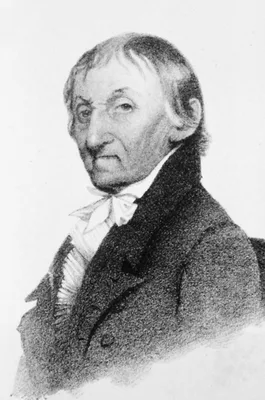
Thacher was the first American medical historian. The above biography is a valuable source of information on the early medical history of the United States. Reprinted, New York, Da Capo Press, 1967.
1845 CE
#6711.1
American medical biography…
Biographies of American physicians who died after publication of Thacher (No. 6710). Reprint, New York, Milford House, 1967.
1817 CE–1820 CE
#1842
American medical botany, being a collection of the native medicinal plants of the United States, containing their botanical history and chemical analysis, and properties and uses in medicine, diet and the arts. 3 vols.
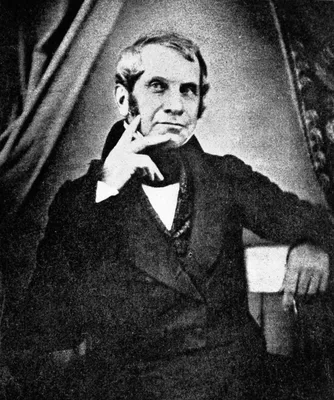
Bigelow was professor of materia medica and botany at Harvard. This work included native American remedies. It was the first book printed in the United States to include color plates printed in color. See R.J. Wolfe, …
1985 CE
#6786.28
American medical imprints, 1820-1910. 2 vols.
The work of over 40 years, this catalogue describes over 36,000 books, pamphlets, and broadsides, arranged by decade, from 1820-1910, with a comprehensive index. Included is an essay: 19th century American medical lit…
1947 CE
#6595
American medical research, past and present.
1987 CE
#10431
American medical schools and the practice of medicine: A history.
1887 CE
#8716
American medicinal plants; an illustrated and descriptive guide to the American plants used as homoeopathic remedies: Their history, preparation, chemistry and physiological effects. Illustrated by the author.
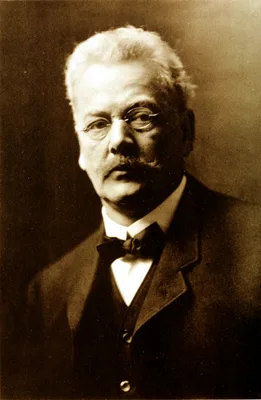
Plates printed by chromolithography. Digital facsimile from the Internet Archive at this link.
1984 CE
#8622
American medicine and statistical thinking, 1800-1860.
1981 CE
#6596.5
American medicine in transition, 1840-1910.
2010 CE
#9931
American nursing: A history of knowledge, authority, and the meaning of work.
1825 CE–1828 CE
#9499
American ornithology; or, the natural history of birds inhabiting the United States, not given by Wilson. 4 vols.
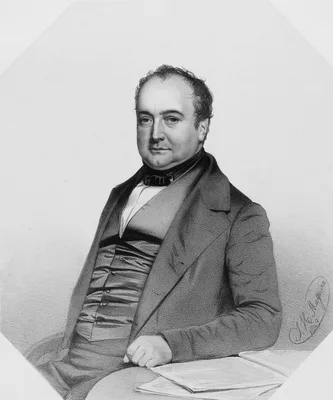
Bonaparte, nephew of Napoleon, set out to document birds in the United States that were not mentioned by Alexander Wilson.
1808 CE–1814 CE
#9498
American ornithology; or, the natural history of the birds of the United States: Illustrated with plates engraved and colored from original drawings taken from nature. 9 vols.
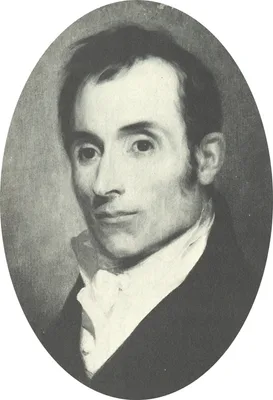
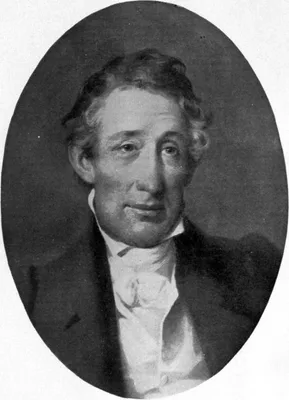
Considered the "father of American ornithology," Wilson was the greatest American ornithologist before Audubon. Wilson died with the 7th volume in press, and the 8th and 9th volumes were completed by Wilson's friend G…
1972 CE
#10432
American physicians in the nineteenth century: From sects to science.
1997 CE
#6966
American surgery: An illustrated history.
1997 CE
#6906
American surgical instruments: The history of their manufacture and a directory of instrument makers to 1900.
1933 CE
#6592
Amerika und die Medizin.
This is not a systematic history of American medicine, but an account of the most important landmarks in the development of medical science and teaching in the United States. An English translation, American Medicine,…
1790 CE
#2925.1
An account of an aneurism in the thigh, perfectly cured by the operation.
The first femoral ligation reported in America, and the first paper on a surgical topic to be published in an American medical periodical.
1789 CE
#5470
An account of the bilious remitting fever. In his Medical inquiries and observations, 1, 104-21
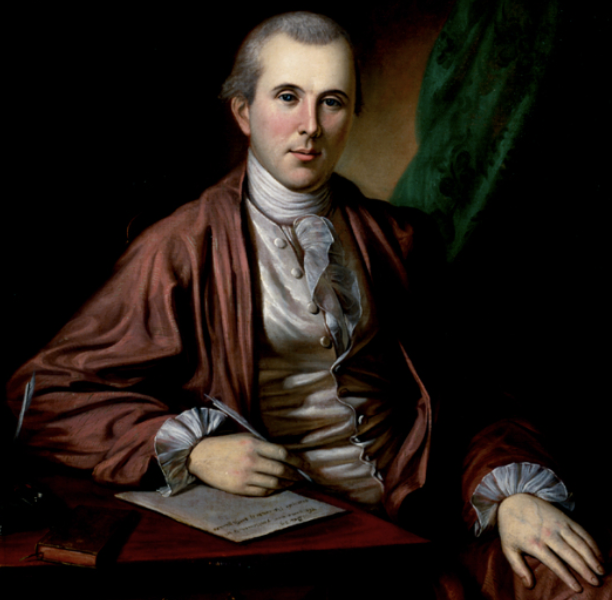
One of the first important accounts of dengue (“breakbone fever”). Rush described the Philadelphia outbreak of 1780.
1794 CE
#5453
An account of the bilious remitting yellow fever, as it appeared in the city of Philadelphia in the year 1793.
Benjamin Rush was the most eminent figure in Philadelphia medicine in his day. His description of the yellow fever epidemic of 1793 is classic. He did magnificent work in treating the sick during the epidemic and in p…
1796 CE
#13162
An account of the epidemic fever which prevailed in the city of New York, during part of the summer and fall of 1795.
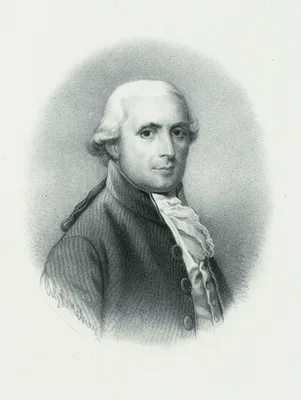
Traces the spread of yellow fever in late July, 1795, to the ship Zephyr, recently arrived from the West Indies. After spreading to nearby ships and then into the neighborhoods surrounding the port, the epidemic kille…
1722 CE
#5414
An account of the method and success of inoculating the small pox in Boston in New England.
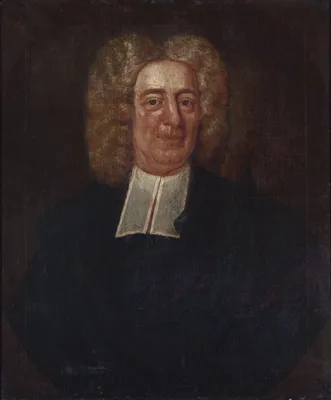
Mather republished reports of earlier writers on inoculation. He persuaded Boylston to adopt the practice in June 1721, and he supported Boylston during a period of great opposition to inoculation.
1776 CE
#1773
An account of the weather and diseases of South-Carolina. 2 vols.
Originally published in the Gentleman’s Magazine, 1751-54.
1839 CE
#13896
An account of the yellow fever which appeared in the city of Galveston, Republic of Texas, in the autumn of 1839, with cases and dissections,
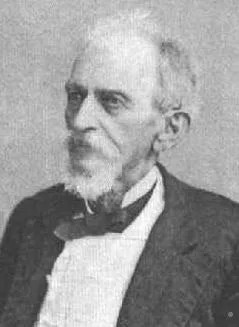
In 1839 Smith treated the victims of a yellow fever epidemic in Galveston while writing reports about the treatment of the disease in the Galveston News. As a result of this experience, he wrote the first treatise on …
1822 CE
#9523
An account of the yellow fever which occurred in the city of New York, in the year 1822, to which is prefixed a brief sketch of the different pestilential diseases, with which this city was afflicted, in the years 1798, 1799, 1803 & 1805, with the opinion of several of our most eminent physicians, respecting the origin of the disease, its prevention and cure.To which is added a correct list of all the deaths by yellow fever during the late season.
Digital facsimile from the Internet Archive at this link.
1674 CE
#13261
An account of two voyages to New-England. Wherein you have the setting out of a ship, with the charges; The prices of all necessaries for furnishing a planter and his family at his first coming: a description of the countrey [sic], natives, and creatures; with their merchantil [sic] and physical use; the government of the countrey as it is now possessed by the English, &c. A large chronological table of the most remarkable passages, from the first discovering of the continent of America, to the year 1673.
Josselyn first visited America in 1638-39 and returned from 1663 to 1671. His second and more extensive book includes an herbal, with numerous botanical as well as medical and surgical descriptions, and is considered …
1883 CE
#7816
An Alphabetical list of the battles of the War of the Rebellion: with dates, from Ft. Sumter, S.C., April 12 and 13, 1861, to Kirby Smith's surrender, May 26, 1865. Compiled from the official records of the office of the Adjutant-General and the Surgeon-General, U.SA. by J. W. Wells and N. A. Strait, Revised by Newton A. Strait, with the addition of many incidents of the war, giving the number killed, wounded and missing in each of the important battles, Union troops engaged, names of the Generals killed and wounded in both armies; also the total number of enlistments, number discharged, number wounded, number missing, number of deaths, number killed in battle....And a roster of all the regimental surgeons and assistant surgeons of the late war and hospital service.
This was the most complete edition; prior editions were issued in 1875 and 1882. In 1990 Norman Publishing of San Francisco reprinted the 1883 edition with a new index to surgeons and an introduction by Ira M. Rutkow.…
1998 CE
#10332
An alternative Path: The making and remaking of Hahnemann Medical College and Hospital.
"When Hahnemann Medical College was founded in Philadelphia in 1848, it was the only institution in the world to offer an M. D. degree in homeopathy, a therapeutic and intellectual alternative to orthodox medicine. Th…
2001 CE–2008 CE
#7524
An annotated catalogue of the Edward C. Atwater collection of American popular medicine and health reform. 3 vols.
1803 CE
#10445
An epistle to a friend, on the means of preserving health, promoting happiness; and prolonging the life of man to its natural period. Being a summary view of inconsiderate and useless habits that derange the system of nature, thereby causing premature old age and death : with some thoughts on the best means of preventing and overcoming disease.
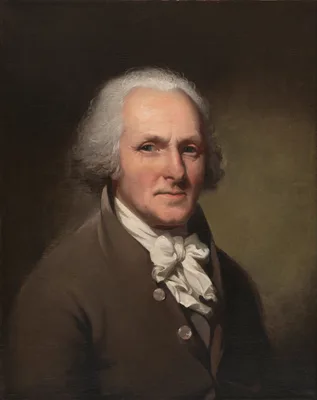
Written by the first great American painter. Digital facsimile from the Internet Archive at this link.
1863 CE
#7812
An epitome of practical surgery for field and hospital.
Digital facsimile from the Internet Archive at this link.
1743 CE
#5416
An essay on inoculation, occasioned by the small-pox being brought into South Carolina in the year 1738.
After its initial popularity, inoculation fell into disuse in England. Kirkpatrick, who became a prominent inoculator in England after experience in America, helped considerably in reviving its popularity. He attempte…
1745 CE
#2094
An essay on the West-India dry-gripes… to which is added, an extraordinary case in physick.
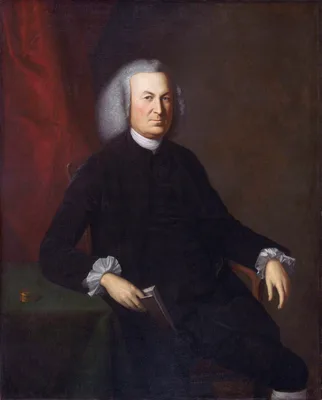
Cadwalader, an American pupil of Cheselden, left a classical account of lead colic and lead palsy. This was later shown by Benjamin Franklin, printer of the above work, to be due to the consumption of Jamaica rum whic…
1792 CE
#1775
An historical account of the climates and diseases of the United States of America, and of the remedies and methods of treatment, which have been found most useful and efficacious, particularly in those diseases which depend upon climate and situation: collected pricipally from personal observation, and the communications of physicians of talents and experience, residing in the several states.
Digital facsimile from the Medical Heritage Library, Internet Archive, at this link.
1726 CE
#5415
An historical account of the small-pox inoculated in New-England, upon all sorts of persons, whites, blacks, and of all ages and constitutions: With some account of the nature of the infection in the natural and inoculated way, and their different effects on human bodies; with some short directions to the unexperienced in this method of practice .
Boylston was the first in America to inoculate for smallpox, at Boston on 26 June 1721. "During a smallpox outbreak in 1721 in Boston, he inoculated about 248 people[5] by applying pus from a smallpox sore to a small …
1850 CE
#10295
An historical sketch of the state of medicine in the American Colonies, from their first settlement to the period of the Revolution.
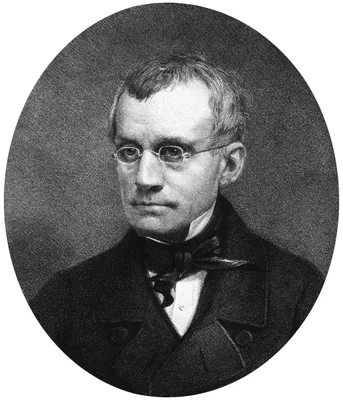
A pioneering historical interpretation of the development of medicine in the 13 colonies up to the American Revolution. Digital facsimile from the Internet Archive at this link. This is the second, significantly expan…
1810 CE
#4675
An inaugural dissertation on the disease termed petechial, or spotted fever. Submitted to the Examining Committee of the Medical Society of Connecticut, for the county of Hartford.
This graduation dissertation was the first published brochure on cerebrospinal meningitis. Digital facsimile from U.S. National Library of Medicine at this link.
1797 CE
#7687
An inquiry into the cause of the prevalence of the yellow fever in New-York.
Includes four early plot maps; Seaman was one of the first to create maps that attempted to show the spread of contagious disease.
1856 CE
#12319
Anatomical and surgical lectures.
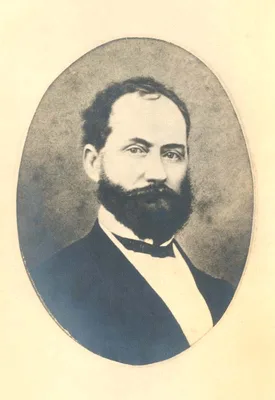
A one-page advertising circular dated December 10, 1856 advertising Cooper's first course of private lectures in San Francisco. Cooper, founder of California’s (and the West Coast’s) first medical school, …
c. 1838 CE
#11310
Anatomical cabinet, belonging to R. D. Mussey, M.D., Professor of Surgery in the Medical College of Ohio. Printed for the use of pupils.
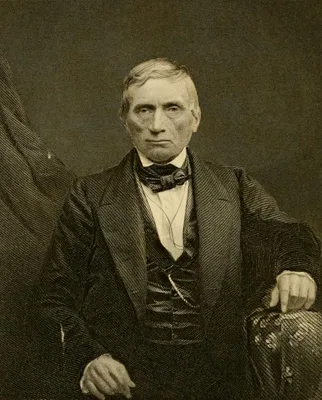
This 20-page pamphlet described Mussey's personal collection of anatomical and pathological specimens. No place of printing or date of publication is indicated in the pamphlet; because of the reference to the Medical …
1785 CE
#1836.1
Arbustrum Americanum: the American grove, or, an alphabetical catalogue of forest trees and shrubs…
Like his cousin, John Bartram (No. 1832), Marshall maintained a private botanical garden. According to W. Darlington the above work is “the first truly indigenous botanical essay published in the Western Hemisph…
1784 CE–1787 CE
#11618
Arctic zoology. 3 vols.
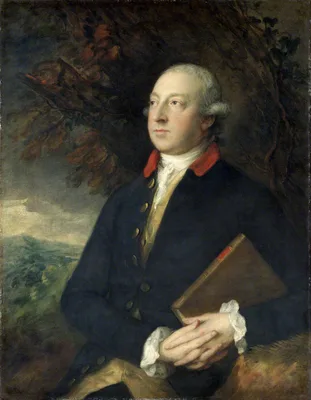
Pennant had "intended to write a "Zoology of North America" but as he explained in the "Advertisement", since he felt mortified by the loss of British control over America, this was changed to Arctic Zoology.[22] The …