
Facets
Browse across eight MeSH (opens in new tab) facets — era, geography, science, specialty, technology, history, culture, and reference. Select one tag per group; counts update across the others.
Clear filtersFacet filters
Geography
Specialties & Disease
- Anatomy & Pathology 8
- Cardiology & Blood 2
- Neurology & Psychiatry 12
- Obstetrics & Reproductive 3
- Infectious Disease (General) 5
- Surgery & Anesthesia 13
- Public Health 38
- Immunology & Dermatology 10
- General Clinical Medicine 78
- Military Medicine 25
- Psychology 3
- Alternative & Fringe Medicine 16
- Pediatrics 4
- Ophthalmology & Vision 6
- ENT & Hearing 0
- Urology & Nephrology 0
- Gastroenterology & Hepatology 1
- Pulmonary & Respiratory 2
- Rheumatology, Rehab & Pain 1
- Internal, Emergency & Geriatric 2
- Veterinary Medicine 7
- Epidemiology & Demography 18
- Physiology & Embryology 1
- Dentistry 5
- Plagues & Epidemics 90
- Microbiology & Virology 42
Social & Historical Studies
Institutions & Culture
Reference & Scholarly Works
Drugs & Technology
42 entries match Asia & Pacific [Z01.586] · Microbiology & Virology [C01.748]
1896 CE
#11380
L'action bactericide des eaux de la Jumna et du Gange sur le vibrion du cholera.
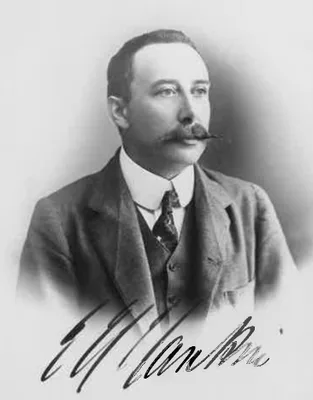
Hankin described the antibacterial activity of a then-unknown source in the Ganges and Jumna Rivers in India. He noted that "It is seen that the unboiled water of the Ganges kills the cholera germ in less than 3 hours…
2019 CE
#10916
A new segmented virus associated with human febrile illness in China.

Order of authorship in the original paper: Wang, Ze-Dong; Wang, Bo; Wei, Feng. Discovery of a new tick-borne virus that the authors name the "Alongshan virus" (ALSV) in the family Flaviridae. Digital facsimile from ne…
1923 CE
#12109
A treatise on influenza, with special reference to the pandemic of 1918.
Sen, company doctor on the Hurmutty Tea Estate in Assam, estimated that the pandemic killed about 15,000,000 people in India.
1936 CE
#4659
A virus isolated in 1935 epidemic of summer encephalitis in Japan.
T. Taniguchi, M. Hosokawa, and S. Kuga established a virus etiology for Japanese B encephalitis.
1879 CE
#11248
Additional notes on filaria sanguinis hominis and filiaria disease.
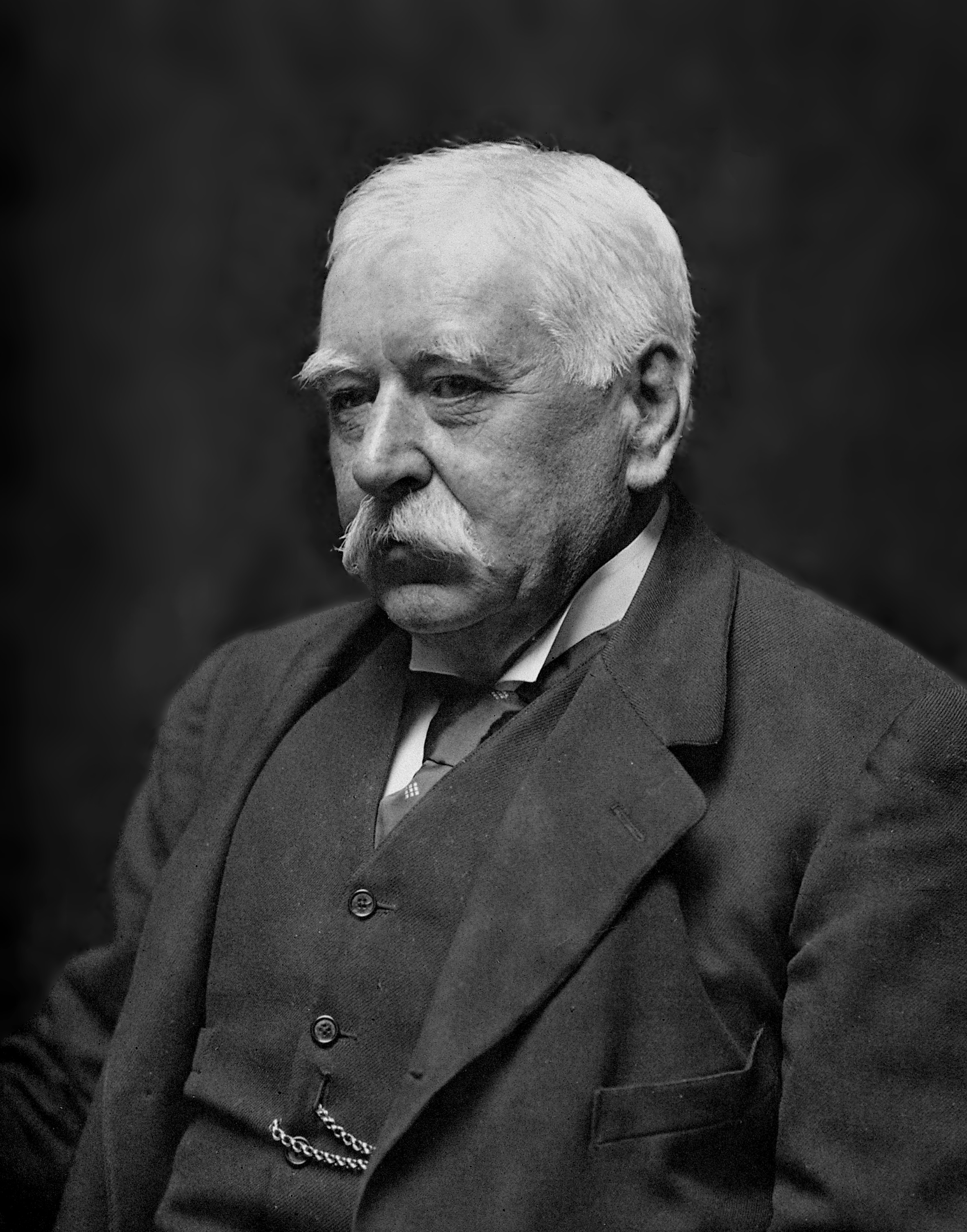
On p. 36 of this paper Manson first described nocturnal periodicity in Filaria Bancrofti, an adaptation to the nocturnal biting habits of their mosquito vector. (Thanks to Juan Weiss for this reference and its interpr…
1912 CE
#5159
An account of the discovery of a hitherto undescribed infective disease occurring among the population of Rangoon.
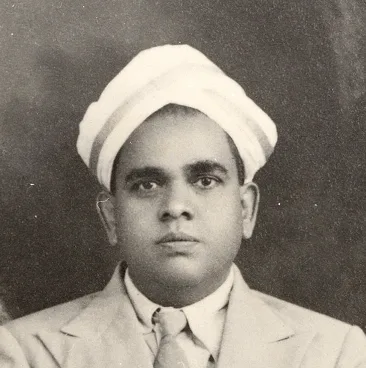
First description of melioidosis. Together with C.S. Krishnaswami, Whitmore identified Burkholderia pseudomallei, the causative agent of melioidosis (also known as "Whitmore's disease") in opium addicts in Rangoon in …
1954 CE–1960 CE
#5352.3
Annotated bibliography of filariasis and elephantiasis. 5 parts.
South Pacific Commission Technical Papers, Nos. 65, 88, 109 (and Supplement), 124, and 160.
1936 CE
#5480
Cultivation of the viruses of sandfly fever and dengue fever on the chorioallantoic membrane of the chick-embryo.
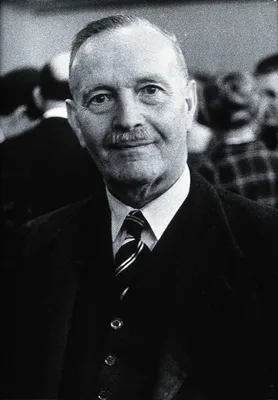
Cultivation of the virus of phlebotomus fever. With R. S. Rao and C. S. Swaminath.
1879 CE
#5376.1
Das japanische Fluss- oder Ueberschwemmings-fieber, eine acute Infectionskrankheit.
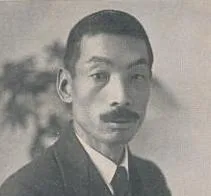
Early scientific account of tsutsugamushi fever.
1957 CE
#4729.1
Degenerative disease of the central nervous system in New Guinea. The endemic occurrence of “Kuru” in the native population.

First description of Kuru, a disease occurring in natives of New Guinea. Cause of the disease was unknown. "It is now widely accepted that kuru was transmitted among members of the Fore tribe of Papua New Guinea via f…
1914 CE
#5350.2
Der Zwischenwirt des Schistosomum japonicum Katsurada.
Miyairi and Suzuki confirmed that snails are the intermediate hosts of S. japonicum, and their paper completed the description of the life cycle from ova to snail intermediate host. Translation in Kean (No. 2268.1), p…
1880 CE
#5346.2
Distoma ringeri.
Manson made a fundamental contribution to knowledge on paragonimiasis with his description of its etiology and of the parasite. He named it Distoma ringeri after Dr. Ringer, who recovered it from the lung at necropsy;…
1911 CE
#5189
Experiments undertaken to test the efficacy of the ipecac treatment of dysentery.
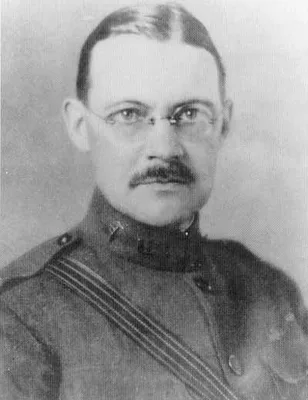
Vedder demonstrated the amoebicidal action of emetine; his work led to the general adoption of emetine in the treatment of amoebic dysentery.
2016 CE
#10096
Farewell to the god of plague: Chairman Mao's campaign to deworm China.

2011 CE
#10918
Fever with thrombocytopenia associated with a novel Bunyavirus in China.
Order of authorship in the original paper: Yu, Liang, Zhang. Discovery of a new virus, suspected by the authors to be tick-borne. The authors named the virus, "severe fever with thrombocytopenia syndrome virus" (SFTSV…
1877 CE
#5345
Filaria sanguinis hominis.
1877 CE
#10787
Filiaria sanguinis hominis - mature form.
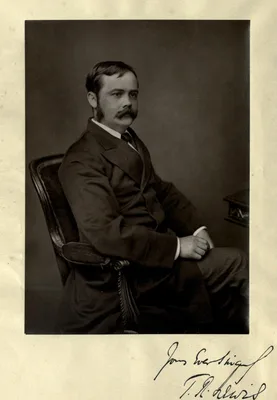
Lewis made the critical connection/association of the worm, Filaria sanguinis,(Wuchereria bancrofti ) to Elephantiasis. This brief account appears to be a third person account summarizing Lewis's work written by an ed…
2015 CE
#10919
Haemaphysalis longicornis ticks as reservoir and vector of severe fever with thrombocytopenia syndrome virus in China.
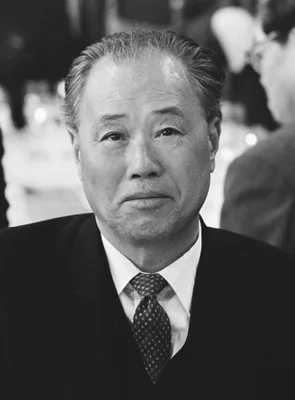
Order of authorship in the original paper: Luo, Zhao, Wen. Discovery that the tick H longicornis can transmit the SFTSV transstadially and transovarially, and could potentially be both the reservoir and vector of the …
1928 CE
#5351
Hydatid disease. Its pathology, diagnosis and treatment.
Dew’s book remains the authoritative source. His many contributions to the knowledge of hydatid disease are summarized in it.
1968 CE
#10841
Kuru and cannibalism.

Medical anthropologists Lindenbaum and Glass demonstrated that Kuru was transmitted in New Guinea by cannibalism--particularly by eating the brains of infected victims, which were the reservoir of prions. Order of aut…
1894 CE
#5125
La peste bubonique à Hong-Kong.
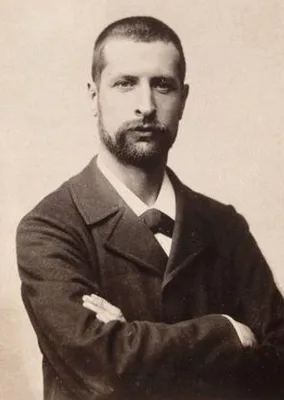
Yersin discovered the plague bacillus Pasteurella (Yersinia) pestis, isolating it from excised buboes. He published the first account of this organism. Preliminary note in C. R. Acad. Sci. (Paris), 1894, 119, 356.
1953 CE
#3215.3
Newborn virus pneumonitis (type Sendai). II. The isolation of a new virus possessing hemagglutinin activity.
M. Kuroya, N. Ishida, and T. Shiratori isolated the first recognized Sendai (para-influenza) virus.
1888 CE
#5323
Note on the occurrence of a minute blood-spirillum in an Indian rat.
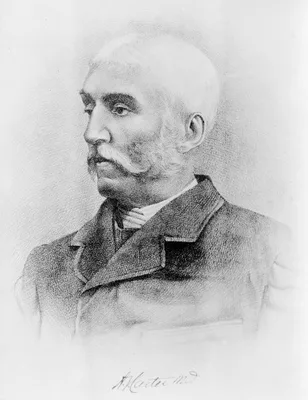
Demonstration of Spirillum minus, later shown to be a cause of rat-bite fever. (See also No. 5327).
1871 CE
#5344.8
On a haemotozoon inhabiting human blood. Its relation to chyluria and other diseases.
Independently of Demarquay (No. 5344.3) and Wucherer (No. 5344.6), Lewis found microfilariae in the urine and blood in chyluria. He was first to use the term Filaria sanguinis hominis for the parasite.
1924 CE
#5301.1
On a Herpetomonas found in the gut of the sandfly, Phlebotomus argentipes, fed on kala-azar patients.
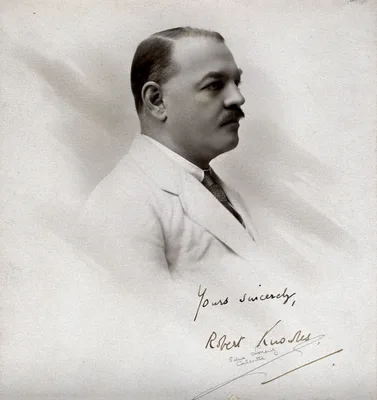
Demonstration that L. donovani is capable of reproduction in Phlebotomus. With R. O. Smith.
1861 CE
#4047
On a new and striking form of fungus disease, principally affecting the foot, and prevailing endemically in many parts of India.
First modern description of mycetoma of the foot – “Madura foot”, “Carter’s mycetoma”. It was mentioned by E. Kaempfer in his Amoenitates exoticae, Lemgo, 1712, p. 561. Colebrook at…
1874 CE
#4066
On mycetoma, or the fungus disease of India.
See No. 4047.
1902 CE
#5362.1
On the causal relationship between “ground itch”, or “pani-ghao”, and the presence of the larvae of the Ankylostoma duodenale in the soil.
While a medical officer in the tea plantations in Assam, India, Bentley demonstrated the mode of entry of Ankylostoma into the body.
1921 CE
#5350.7
On the life cycle of Fasciolopsis buski Lankester.
1818 CE
#5182.1
Practical observations on fever, dysentery and liver complaints as they occur amongst European troops in India. With introductory remarks on the disadvantages of selecting boys for Indian military service.
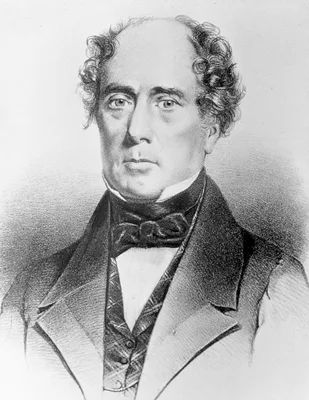
Ballingall distinguished between amoebic and bacillary dysentery. Digital facsimile from the Internet Archive at this link.
1843 CE
#8807
Practical observations on the principal diseases affecting the health of the European and native soldiers in the north-western provinces of India with a supplement on dysentery.
Digital facsimile from the Internet Archive at this link.
1914 CE
#5350.3
Report of the Bombay Bacteriological laboratory for the year 1913.
Experimental demonstration, on pp. 14-16, of the complete life cycle of Dracunculus medinensis, the parasite causing Dracunculiasis, popularly known as Guinea-worm disease.
1940 CE
#5398.2
Rickettsia disease of Malaya. Identity of tsutsugamushi and rural typhus.
Lewthwaite and Savoor showed scrub typhus to be identical to tsutsugamushi fever.
1912 CE
#5324
Salvarsantherapie der Rattenbisskrankheit in Japan.
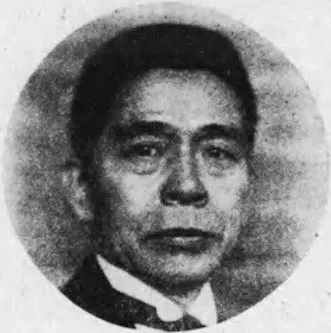
Salvarsan first used in the treatment of rat-bite fever.
1876 CE
#5344.11
Sur la maladie dite diarrhée de Cochinchine.
Normond found Strongyloides stercoralis, the causal parasite in strongyloidiasis. English translation in Kean (No. 2268.1).
1904 CE
#5349.1
The aetiology of a parasitic disease (in Japanese)
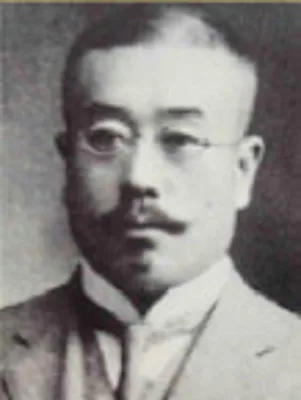
First description of Schistosoma japonicum. Translation in Kean (No. 2368.1), p. 518.
1917 CE
#4648
The Australian epidemics of an acute polio-encephalomyelitis (X disease).
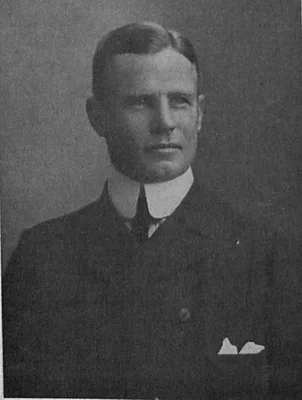
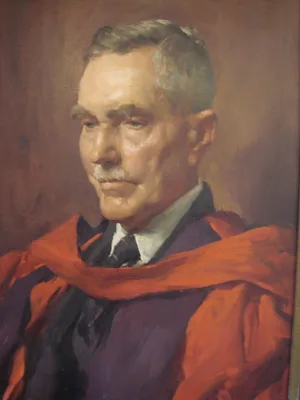
Campbell was Australia's first neurologist. This paper described Murray Valley encephalitis (Australian X disease). Cleland and Campbell isolated a virus from the cerebral tissue of three patients.
1904 CE
#2438
The cultivation of the Bacillus leprae.
Rost cultivated the leprosy bacillus, and he prepared leprolin, formerly used in treating leprosy.
1883 CE
#2455
The Filaria sanguinis hominis and certain new form of parasitic disease in India, China and warm countries.
A collection of several papers written by Manson.
1878 CE
#5270.1
The microscopic organisms found in the blood of man and animals, and their relation to disease.
First description of a trypanosome (T. lewisi) in a mammal. Seoarate edition in book form with the same title: Calcutta: Office of the Superintendent of Government Printing, 1879.
1925 CE
#5394
Tropical typhus in the Federated Malay States, with a compilation on epidemic typhus.
Bull. Inst. med. Res., F. M. S., No. 2. Drew attention to scrub typhus in Malaya.
1907 CE
#5350.1
Ueber den Wohnort von Schistosomum japonicum. [Japanese text.]
Fujinami and Nakamura identified the intermediate host of S. japonicum. Abstract in Arch. Schiffs-u. Tropenhyg., 1908, 12,471. Later (1909, 6, 224-52) they demonstrated that infection occurred by skin penetration. Eng…