
Facets
Browse across eight MeSH (opens in new tab) facets — era, geography, science, specialty, technology, history, culture, and reference. Select one tag per group; counts update across the others.
Clear filtersFacet filters
Geography
Specialties & Disease
- Anatomy & Pathology 1
- Cardiology & Blood 1
- Neurology & Psychiatry 0
- Obstetrics & Reproductive 0
- Infectious Disease (General) 0
- Surgery & Anesthesia 0
- Public Health 5
- Immunology & Dermatology 7
- General Clinical Medicine 3
- Military Medicine 0
- Psychology 0
- Alternative & Fringe Medicine 0
- Pediatrics 0
- Ophthalmology & Vision 0
- ENT & Hearing 1
- Urology & Nephrology 1
- Gastroenterology & Hepatology 1
- Pulmonary & Respiratory 1
- Rheumatology, Rehab & Pain 0
- Internal, Emergency & Geriatric 0
- Veterinary Medicine 0
- Epidemiology & Demography 0
- Physiology & Embryology 16
- Dentistry 1
- Plagues & Epidemics 0
- Microbiology & Virology 2
Social & Historical Studies
Institutions & Culture
Reference & Scholarly Works
Drugs & Technology
76 entries match Professions & Education [M01 / N02] · Chemistry & Biochemistry [K01.900.200]
1958 CE
#752.6
Studies on polynucleotides. I. A new and general method for the chemical synthesis of the C5'-C3' intemucleotide linkage. Synthesis of deoxyribo-dinucleotides.
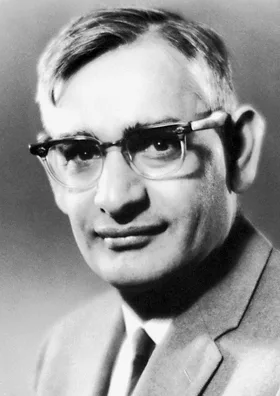
In 1968 Khorana shared the Nobel Prize in Physiology or Medicine with R. W. Holley and M. W. Nirenberg "for their interpretation of the genetic code and its function in protein synthesis." H. G. Khorana, T. M. Jacob, …
1898 CE
#2003
Sur une substance nouvelle radio-active, contenue dans la pechblende.
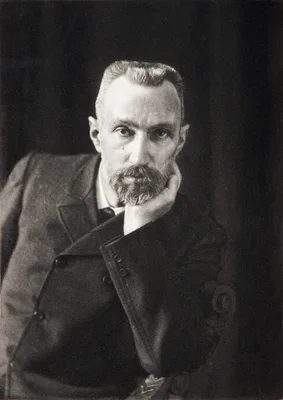
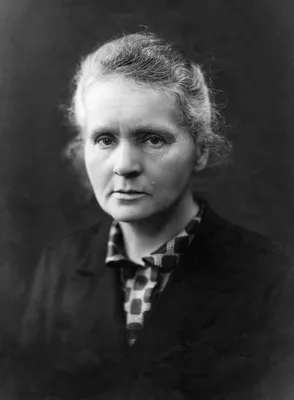
The Curies, studying the radioactivity of minerals containing uranium and thorium, isolated from pitchblend a substance which they called radium and which they showed to possess an astonishing degree of radioactivity.…
1933 CE
#14280
Synthesis of ascorbic acid.
Haworth and Hirst successfully synthesized vitamin C in the laboratory. This was the first vitamin to be artificially produced. Their breakthrough made it possible for vitamin C, or ascorbic acid as Haworth called it,…
1923 CE
#9333
The absorption and translocation of lead by plants: A contribution to the application of the method of radioactive indicators in the investigation of the change of substance in plants.
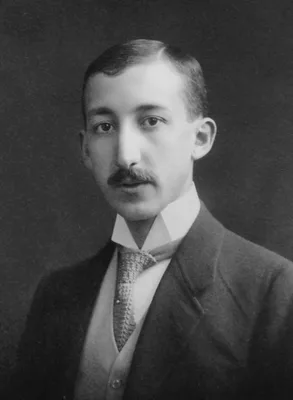
The first application of radioactive tracers in biological studies. Digital facsimile from PubMedCentral at this link. Hevesy received the 1943 Nobel Prize in Chemistry "for his work on the use of isotopes as tracers …
1955 CE
#6928
The crystal structure of the hexacarboxylic acid derived from B12 and the molecular structure of the vitamin.
The final structure of vitamin B12. With J. Pickworth, J.H. Robertson, K.N. Trueblood, R.J. Prosen, J. G. White. In 1964 Hodgkin was awarded the Nobel Prize in Chemistry "for her determinations by X-ray techniques of …
1981 CE
#14224
The crystallization of ribsomal proteins from the 50 S subunit of the Escherichia coli and Bacillus stearothermophilus ribosome.
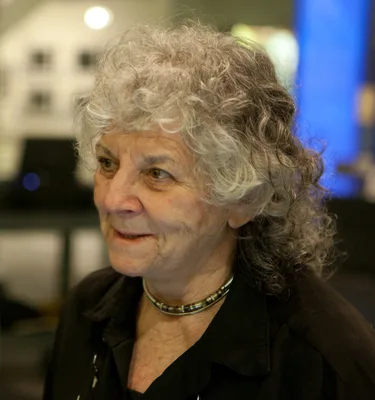
The authors crystallized fragments of the 50S subunit of a thermophile bacterium’s ribosome to 3 angstroms resolution. Order of authorship in the original publication: Appelt, Dyck, et al., Yonath. Digital facsi…
1955 CE
#1207
The disulphide bonds of insulin.
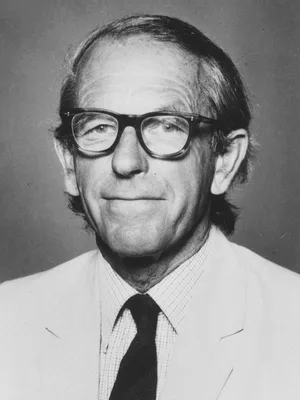
Sanger sequenced the amino acids of insulin, the first of any protein. His work “revealed that a protein has a definite constant, genetically determined sequence—and yet a sequence with no general rule for…
1963 CE
#14305
The genetic control of tertiary protein structure studies with mode systems.
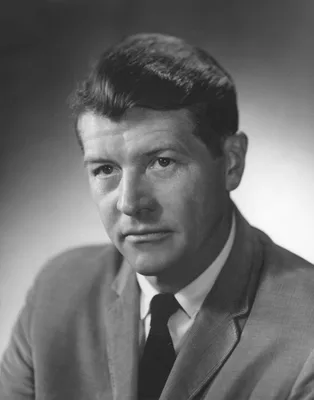
In 1972 Anfinsen shared half of the Nobel Prize in Chemistry with Stanford Moore and William H. Stein for "for his work on ribonuclease, especially concerning the connection between the amino acid sequence and biologi…
1926 CE
#14025
The isolation and crystallization of the enzyme urease.
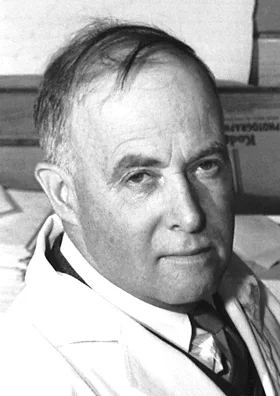
Sumner first isolated and crystallized an enzyme (urease) and proved that enzymes are proteins. One month after publication of the above paper Sumner reinforced his discovery by recrystalizing urease, publishing a fol…
1930 CE
#12830
The moving boundary method of studying the electrophoresis of proteins. (Nova Acta Reg. Soc. Scient. Upsaliensis, IV, 7, No. 4.)
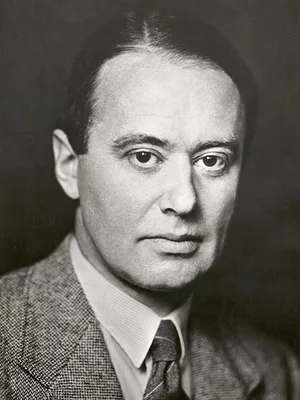
Tilesius's doctoral dissertation introduced the laboratory technique of moving-boundary electrophoresis, a technique for separation of chemical compounds by electrophoresis in free solution. For this work, and the wor…
1957 CE
#752.5
The nature and mode of action of oxidation enzymes. Nobel Lecture, December 12, 1955. In: Festschrift Arthur Stoll, pp. 35-47.
In 1955 Theorell was awarded the Nobel Prize in Physiology or Medicine "for his discoveries relating to the nature and mode of action of oxidation enzymes."
1957 CE
#7386
The path of carbon in photosynthesis.
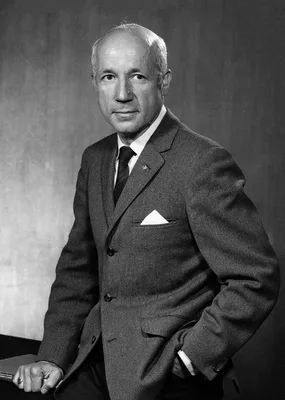
Discovery of the Calvin cycle, also known as the Calvin–Benson–Bassham (CBB) cycle, or reductive pentose phosphate cycle or C3 cycle — a series of biochemical redox reactions that take place in the s…
2006 CE
#13094
The Pauling catalogue. Ava Helen and Linus Pauling papers at Oregon State University. Edited by Christoffer Petersen and Cliff Mead. 6 vols.
Vol. 1. Timeline, correspondence, publications, manuscripts & typescripts of articles, speechs, and books. Vol. 2. Science, Research Notebooks. 1917 Linus Pauling Diary. Vol. 3. Peace, Ava Helen Pauling, travel, honor…
1960 CE
#14306
The sequence of the amino acid residues in performic acid-oxidized ribonuclease.

In 1959 Moore and Stein announced the first determination of the complete amino acid sequence of an enzyme, ribonuclease. In 1972 Moore and Stein shared half of the Nobel Prize in Chemistry with Christian B. Anfinsen …
2000 CE
#13953
The structural basis of ribosome activity in peptide bond synthesis.
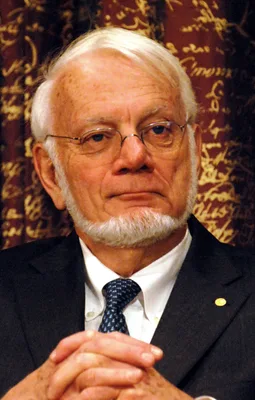
With Poul Nissen, Jeffrey Hansen, Nenad Ban, Peter B. Moore. Steitz shared the 2009 Nobel Prize in Chemistry with Venkatraman Ramakrishnan and Ada Yonath "for studies of the structure and function of the ribosome."
1951 CE
#6846
The structure of proteins: Two hydrogen-bonded configurations of the polypeptide chain.
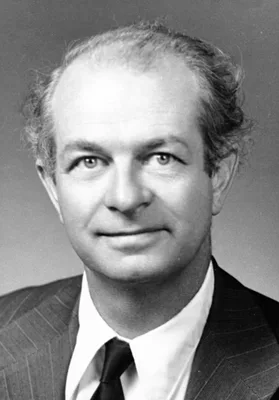
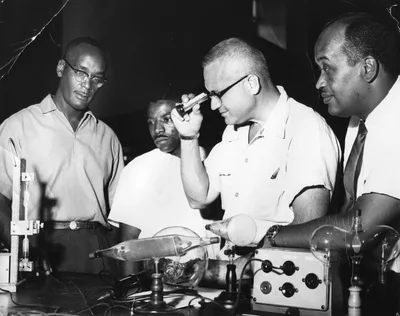
Pauling, his crystallographer R. B. Corey, and African-American physicist and chemist H.R. Branson announced the α-helix, a principal structural feature of proteins. Digital facsimile from the National Academy o…
1998 CE
#14332
The structure of the potassium channel: Molecular basis of K+ conduction and selectivity.

The authors determined the first high resolution structure of an ion channel, called KcsA from the bacterium Streptomyces lividans. The structure that they revealed was perfectly adapted to allow entry of potassium io…
1945 CE
#2659.4
The synchrotron: a proposed high energy particle accelerator.
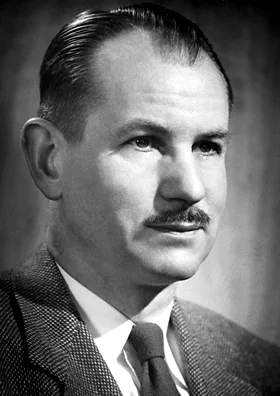
In 1951 McMillan shared the Nobel Prize in Chemistry with Glenn Theodore Seaborg "for their discoveries in the chemistry of the transuranium elements."
1953 CE
#1175.3
The synthesis of an octapeptide amide with the hormonal activity of oxytocin.
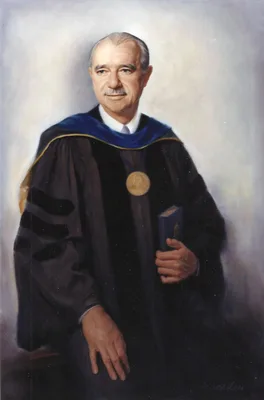
Synthesis of oxytocin. With C. Ressler, J. M. Swan, C. W. Roberts, P. G. Katsoyannis, and S. Gordon. In 1955 Vigneaud was awarded the Nobel Prize in Chemistry "for his work on biochemically important sulphur compounds…
1975 CE
#14182
Three-dimensional model of purple membrane obtained by electron microscopy.
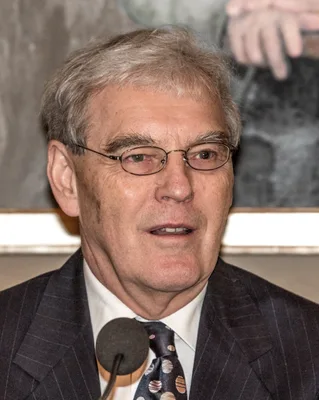
The invention of Cryogenic electron microscopy (cryo-EM). The novel technique was achieved by "by applying the method to tilted specimens, and using the principles put forward by De Rosier and Klug (GM - 13935), for t…
1993 CE
#14341
Tuning the activity of an enzyme for unusual environments: Sequential random mutagenesis of subtilisin E for catalysis in dimethylformamide.
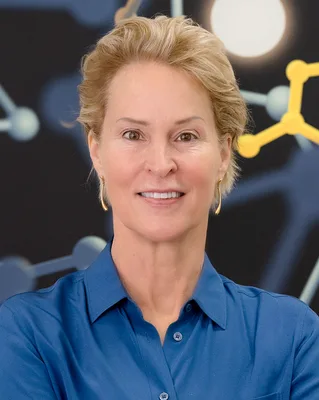
Arnold introduced a biochemical molecule manipulating technique to mimic the process of natural selection in creating new enzymes adapted to a specific catalytic reaction. She directed evolution of subtilisin E to obt…
1931 CE
#1195
Ueber die chemische Untersuchung der Sexualhormone.
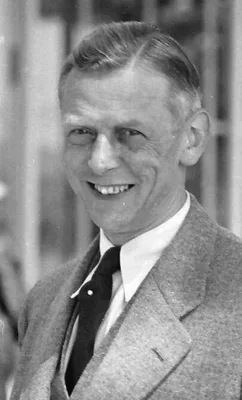
The male sex hormone, androsterone, was isolated in crystalline form by Butenandt. In 1939 Butenandt received half of the Nobel Prize in Chemistry "for his work on sex hormones." The other half was awarded to Leopold …
1929 CE
#969
Ueberden Absorptionsspektrum des Atmungsferments.
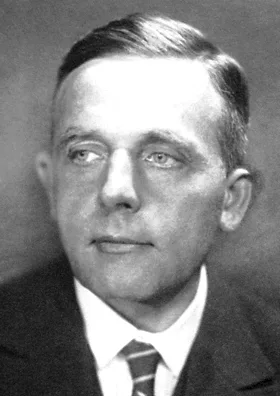
Warburg discovered the nature and function of the respiratory ferment. In 1931 Warburg was awarded the Nobel Prize in Physiology or Medicine "for discovery of the nature and mode of action of the respiratory enzyme."
1882 CE–1883 CE
#702
Zur Chemie des Zellkerns.
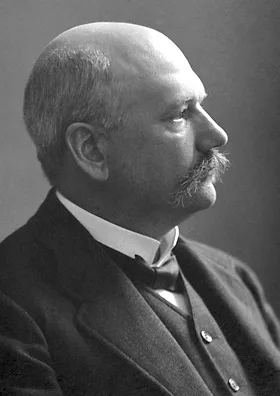
Among the many important contributions of Kossel was his study of the chemistry of the cell and cell-nucleus. Kossel correctly concluded that the function of nuclein is neither to act as a storage substance nor to fur…
1931 CE
#14238
Zur Kenntnis des Vitamins-A aus Fischtranen.
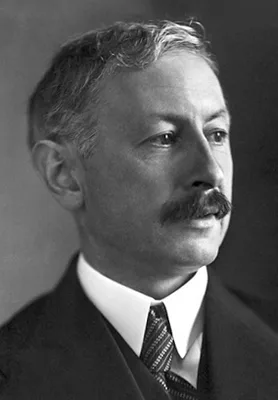
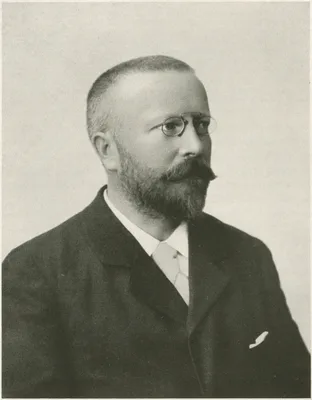
In 1930 Karrer established the correct formula for carotene (the chief precursor of vitamin A), the first demonstration of the chemical structure of a vitamin. Shortly thereafter, he was able to determine the formula …
1960 CE
#14240
β-Hydroxy-β-methyl-glutaryl coenzyme A reductase, cleavage and condensing enzymes in relation to cholesterol formation in rat liver.
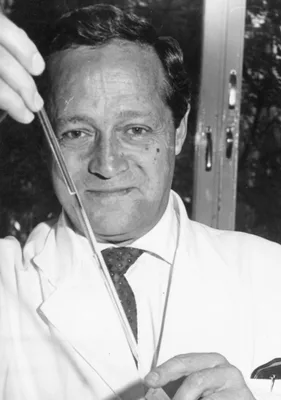
In 1964 Feodor Lynen shared the Nobel Prize in Physiology or Medicine with Konrad Bloch “for their discoveries concerning the mechanism and regulation of the cholesterol and fatty acid metabolism.” Order o…