
Facets
Browse across eight MeSH (opens in new tab) facets — era, geography, science, specialty, technology, history, culture, and reference. Select one tag per group; counts update across the others.
Clear filtersFacet filters
Geography
Specialties & Disease
- Anatomy & Pathology 5
- Cardiology & Blood 1
- Neurology & Psychiatry 1
- Obstetrics & Reproductive 2
- Infectious Disease (General) 0
- Surgery & Anesthesia 0
- Public Health 10
- Immunology & Dermatology 7
- General Clinical Medicine 8
- Military Medicine 1
- Psychology 1
- Alternative & Fringe Medicine 5
- Pediatrics 0
- Ophthalmology & Vision 0
- ENT & Hearing 0
- Urology & Nephrology 0
- Gastroenterology & Hepatology 1
- Pulmonary & Respiratory 0
- Rheumatology, Rehab & Pain 0
- Internal, Emergency & Geriatric 1
- Veterinary Medicine 0
- Epidemiology & Demography 0
- Physiology & Embryology 49
- Dentistry 10
- Plagues & Epidemics 1
- Microbiology & Virology 10
Social & Historical Studies
Institutions & Culture
Reference & Scholarly Works
Drugs & Technology
149 entries match Professions & Education [M01 / N02] · Zoology & Animal Sciences [K01.900.500.750]
1981 CE
#13285
Establishment in culture of pluripotential cells from mouse embryos.
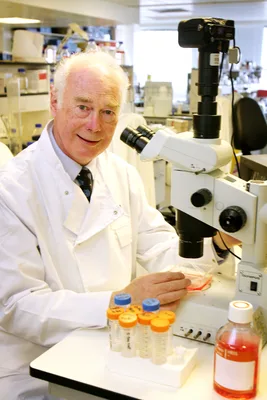
Evans and Kauffman were the first to identify, isolate and successfully culture embryonic stem cells using mouse blastocysts. This discovery opened the doors to the creation of “murine genetic models” -- m…
1863 CE
#165
Evidence as to man’s place in nature.
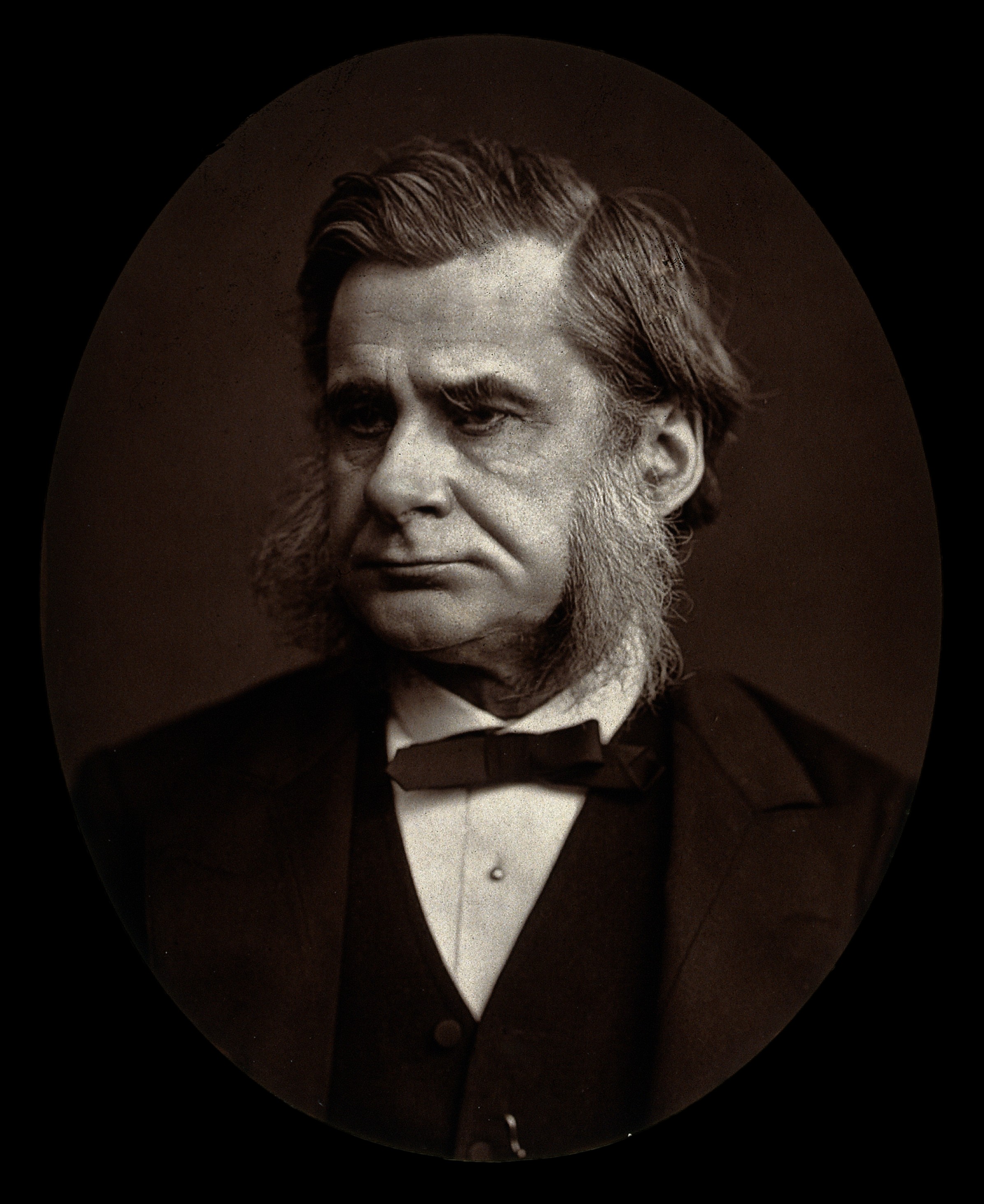
Huxley showed that in the visible characters man differs less from the higher apes than do the latter from lower members of the same order of primates. He also provided the first thorough and detailed comparative desc…
1962 CE
#13562
Extraction, purification and properties of Aequorin, a bioluminescent protein from the luminous hydromedusan, Aequorea.
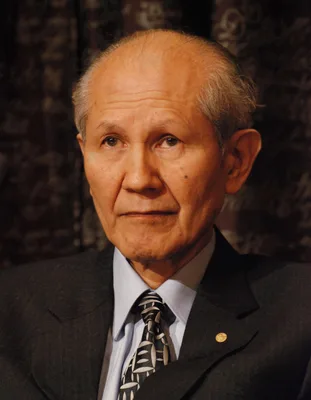
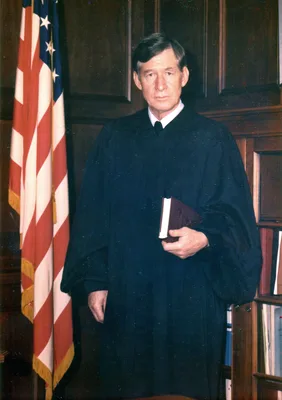

Shimomura reported the discovery of green fluorescent protein (GFP) in a single footnote in this paper that was otherwise devoted to an entirely different bioluminescent protein: photoprotein aequorin. This may be the…
1959 CE
#14141
Factors affecting the activity of muscle phosphorylase b kinase.
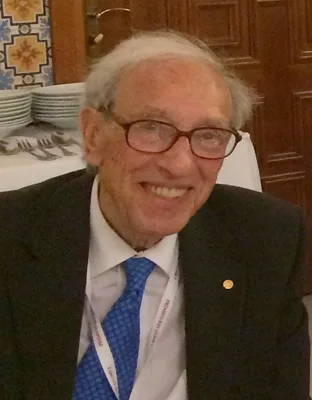
In 1992 Krebs and Fischer were awarded the Nobel Prize in Physiology or Medicine "for their discoveries concerning reversible protein phosphorylation as a biological regulatory mechanism." Digital facsimile from PubMe…
1985 CE
#14339
Filamentous fusion phage: Novel expression vectors that display cloned antigens on the virion surface.
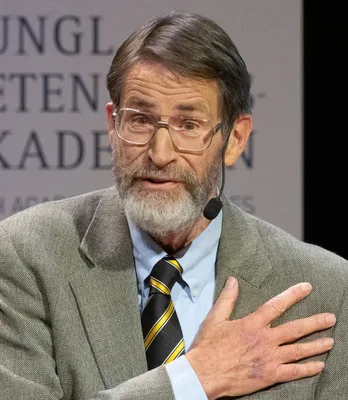
In this paper Smith invented "phage display technology," a technique where a specific protein sequence is artifically inserted into the coat protein gene of a bacteriophage, causing the protein to be expressed on the …
1975 CE
#2660.27
From the molecular biology of oncogenic DNA viruses to cancer. Les Prix Nobel en 1975, pp. 172-80.
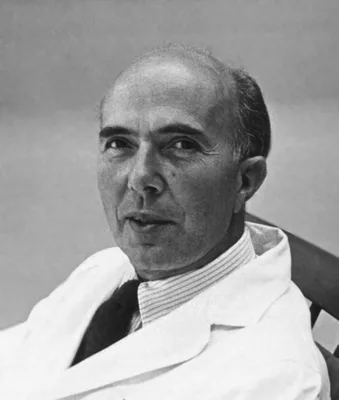
In 1975 Dulbecco shared the Nobel Prize in Physiology or Medicine with David Baltimore and Howard Martin Temin "for their discoveries concerning the interaction between tumour viruses and the genetic material of the c…
1941 CE
#254.3
Genetic control of biochemical reactions in Neurospora.
Beadle and Tatum proposed the "one gene, one enzyme" hypothesis in 1941. This was a restatement of ideas originally proposed by Archibald Garrod (No. 244.1) in 1908. 1958 Beadle and Tatum shared the Nobel Prize in Phy…
1976 CE
#14253
Genetic control of the cell division cycle in the fission yeast Schizosaccharomyces pombe.

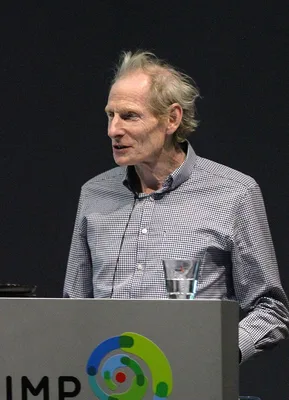
"Beginning in 1976, Nurse identified the gene cdc2 in fission yeast (Schizosaccharomyces pombe). This gene controls the progression of the cell cycle from G1 phase to S phase and the transition from G2 phase to mitosi…
1974 CE
#13934
Genetic control of the cell division cycle in yeast.

In 2001 Hartwell shared the Nobel Prize in Physiology or Medicine with Tim Hunt and Sir Paul M. Nurse "for their discoveries of key regulators of the cell cycle." See also No. 13933. In this paper the authors demonstr…
1949 CE
#2526.1
Genetic recombinations leading to production of active bacteriophage from ultraviolet inactivated bacteriophage particles.
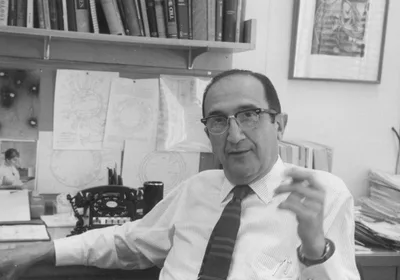
In 1969 Luria shared the Nobel Prize in Physiology or Medicine in with Delbrück (No. 2578.5) and A. D. Hershey (No. 256) "for their discoveries concerning the replication mechanism and the genetic structure of vi…
1961 CE
#256.9
Genetic regulatory mechanisms in the synthesis of proteins.
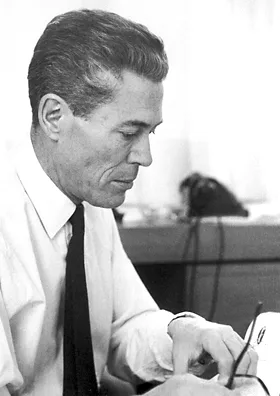
In 1965 Jacob, Monod, and André Lwoff shared the Nobel Prize in Physiology or Medicine "for their discoveries concerning genetic control of enzyme and virus synthesis."
1778 CE–1793 CE
#8222
Geographische Geschichte des Menschen und der allgemein verbreiteten vierfüßigen Thiere: nebst einer hieher gehörigen Zoologischen Weltcharte. 3 vols.
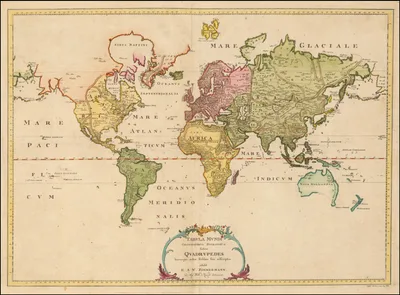
Digital facsimile from the Bayerische StaatsBibliothek at this link.
1994 CE
#13564
Green fluorescent protein as a marker for gene expression.


Chalfie and colleagues showed that the green fluorescent protein (GFP) from the jellyfish Aequorea victoria, could be used as a visible marker for protein localization and expression in vivo, in bacteria and worm cell…
1655 CE
#9324
Health's improvement, or rules for preparing all sorts of food used in this nation. Written by that ever famous Thomas Muffet, Doctor in physick: Corrected and enlarged by Christopher Bennet, Doctor in Physick, and fellow of the Colledg of Physitians in London.
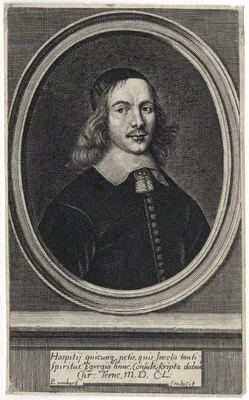
Moffet's work in nutrition was collected in his book Health's Improvement, which was designed more for the layman than for physicians. It also contains the first list of British wildfowl, recognizing for the first tim…
1953 CE
#256.4
Helical structure of crystalline deoxypentose nucleic acid.
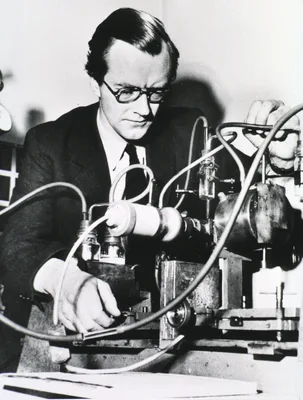
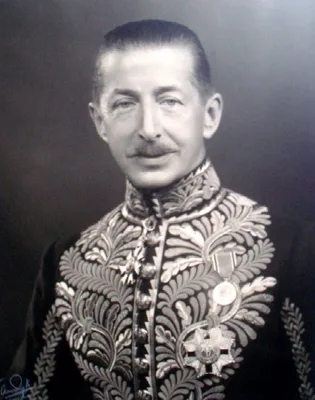
In 1962 Wilkins shared the Nobel Prize in Physiology or Medicine with Crick and Watson "for their discoveries concerning the molecular structure of nucleic acids and its significance for information transfer in living…
2021 CE
#14026
Highly accurate protein structure prediction with AlphaFold.
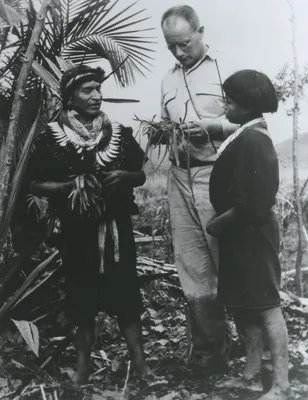


Abstract: "Proteins are essential to life, and understanding their structure can facilitate a mechanistic understanding of their function. Through an enormous experimental effort1,2,3,4, the structures of around 100,0…
1590 CE
#2244
Historia natural y moral de las Indias.
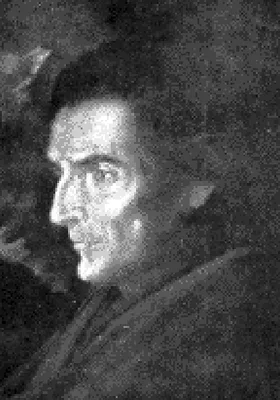
One of the earliest detailed and realistic descriptions of the New World. Acosta hypothesized that the indigenous peoples of Latin America had migrated from Asia. He also divided the native peoples into three barbaria…
1469 CE
#89
Historia naturalis, libri XXXVII.
The most ancient Western encyclopedia extant, Pliny’s Historia contained essentially all that was known in his time concerning geography, mineralogy, anthropology, botany, zoology and meteorology. Books XX-XXXII…
1623 CE
#10491
Historia vitae & mortis. Sive, titulus secundus in historia naturali & experimentali ad condendam philosophiam: Quae est instaurationis magnae pars tertia.
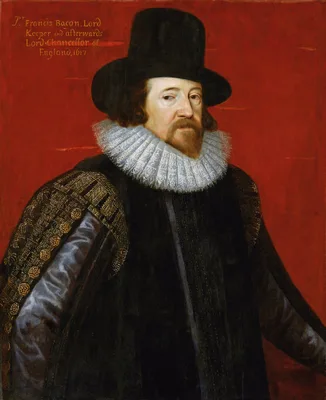
This was Bacon's direct contribution to medicine or medical philosophy, with natural and experimental observations on the prolongation of life. Translated into English as The History naturall And experimentall, of lif…
1973 CE
#11074
Identification of a novel cell type in peripheral lymphoid organs in mice. I. Morphology, quantitation, tissue distribution.
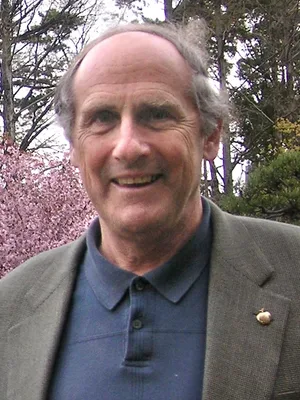
Order of authorship in the original publication: Steinman, Cohn. In this paper Steinman announced his discovery of the dendritic cell. Digital facsimile from PubMedCentral at this link. In 2011 Steinman received half …
1985 CE
#8388
Identification of a specific telomere terminal transferase activity in Tetrahymena extracts.
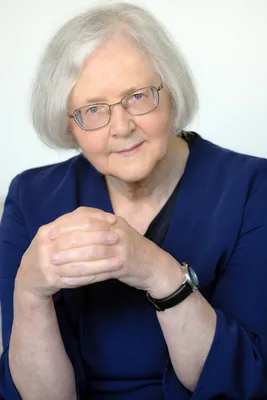
Blackburn and Grieder discovered telomerase in the ciliate Tetrahymena. In 2009 Blackburn and Grieder shared the Nobel Prize in Physiology or Medicine with Jack W. Szostak "for the discovery of how chromosomes are pro…
1952 CE
#256
Independent functions of viral protein and nucleic acid in growth of bacteriophage.
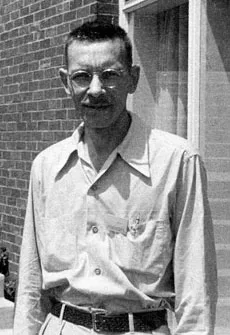
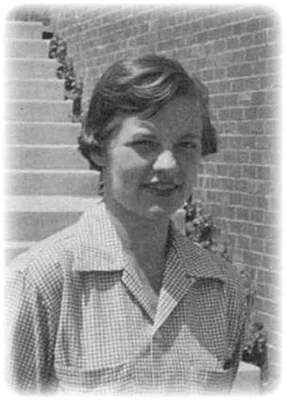
DNA shown to be the carrier of genetic information in virus reproduction. In 1969 Hershey shared the Nobel Prize in Physiology or Medicine with S. E. Luria and M. Delbrück for "for their discoveries concerning th…
1946 CE
#2578.5
Induced mutations in bacterial viruses.
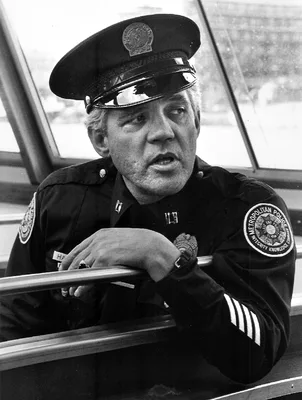
Genetic recombination in bacteriophages. In 1969 Delbrück shared the Nobel Prize with A. D. Hershey and S. E. Luria "for their discoveries concerning the replication mechanism and the genetic structure of viruses."
2006 CE
#13287
Induction of pluripotent stem cells from mouse embryonic and adult fibroblast cultures by defined factors.

Takahashi and Yamanaka reprogrammed mice fibroblast cells, which can produce only other fibroblast cells, to become pluripotent stem cells, which have the capacity to produce many different types of cells. This they a…
1912 CE
#6917
Interferenz-Erscheinungen bei Röntgenstrahlen. . . . Eine quantitative Prüfung der Theorie für die Interferenz-Erscheinungen bei Röntgenstrahlen
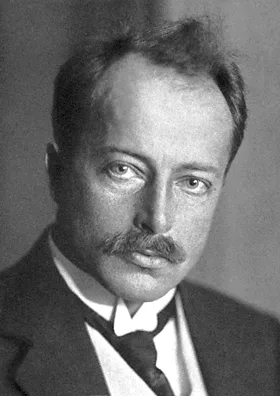
Discovery of the diffraction of X-rays in crystals. Laue’s discovery was of dual importance: it allowed the subsequent investigation of X-radiation by means of wavelength determination, and it provided the means…
1935 CE
#2524.5
Isolation of a crystalline protein possessing the properties of tobacco-mosaic virus.
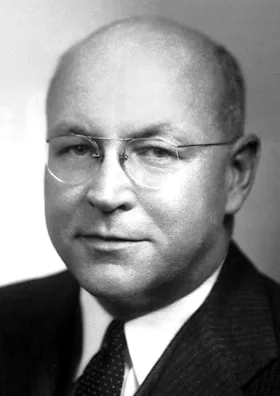
Stanley first crystallized a virus— tobacco mosaic virus. The following year Bawden, Pirie, Bernal and Fankuchen (No. 12005) showed that tobacco mosaic virus molecules are asnisometric and consist of ribonucleop…
1986 CE
#10009
L'Art dentaire à travers la peinture.
1884 CE–1885 CE
#11120
Le mal qu'on a dit des médecins. Première série: auteurs grecs & Latins. Deuxième série: Auteurs français jusqu'a Molière. 2 vols.
Digital facsimile from the Internet Archive at this link. Selections were translated , with annotations by T. C. Minor as The Evil that has been said of doctors: Extracts from early writers. (Cincinnati: Reprint from …
1903 CE
#11119
Les seins dans l'histoire.
Digital facsimile from the Internet Archive at this link.
1932 CE
#12060
Light and life. Address delivered at the opening meeting of the International Congress on Light Therapy in Copenhagen 15. August 1932.
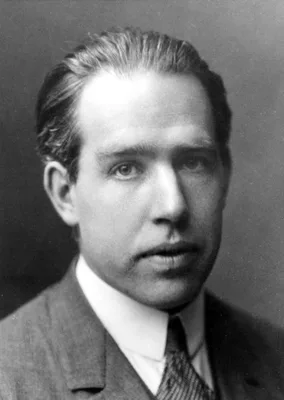
In 1922 Bohr was awarded the Nobel Prize in Physics "for his services in the investigation of the structure of atoms and of the radiation emanating from them." Including Bohr's 1932 address, Light and life, in the Nob…
1983 CE
#14140
Mammalian beta-adrenergic receptors. Structural differences in beta 1 and beta 2 subtypes revealed by peptide maps.
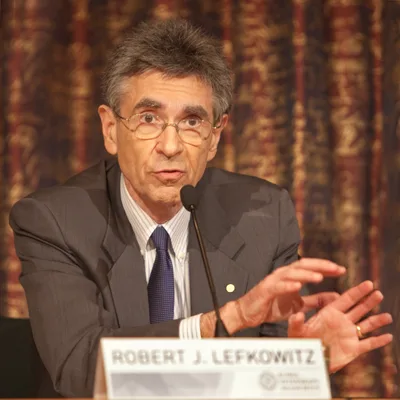
Lefkowitz and colleagues showed that there are two different types of beta receptors, distinguishing them as Beta-1 and Beta-2. They noticed that each has specific pharmacological characteristics. Order of authorship …
1980 CE
#3705.2
Manners and customs of dentistry in Ukiyoe
Reproduces all the classic Japanese prints that concern the teeth or dentistry. By Nakahara, Yoshihisa Shindo, and Kuninori Homma.
2022 CE
#14059
Masters of health: Racial science and slavery in U.S. medical schools.
2017 CE
#9907
Medicalizing blackness: Making racial difference in the Atlantic world, 1780-1840.
1934 CE
#12990
Meharry Medical College: A history.
The first history of an African-American medical school written by an African-American. Meharry Medical College, founded in 1876 as the Medical Department of Central Tennessee College, was the first medical college fo…
1984 CE
#14263
Molecular analysis of the period locus in Drosophila malanogaster and identification of a transcript involved in biological rhythms.

Rosbach and colleagues, including Jeffrey C. Hall, sequenced the Drosophila period gene in 1984. Full text available from cell.com at this link. Order of authorship in the original publication: Reddy, Zehring, Wheeler…
1953 CE
#256.3
Molecular structure of nucleic acids. A structure for deoxyribose nucleic acid.
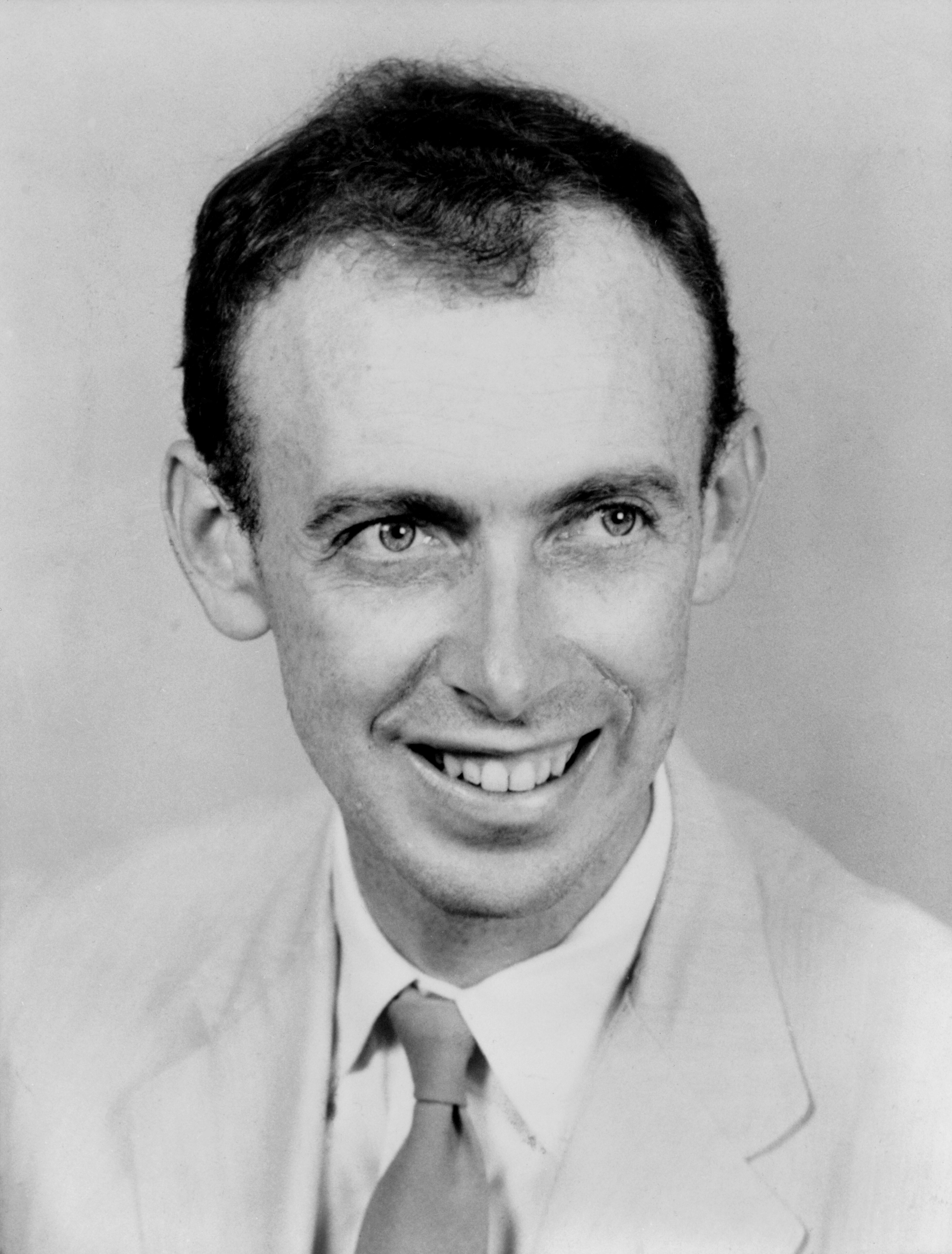
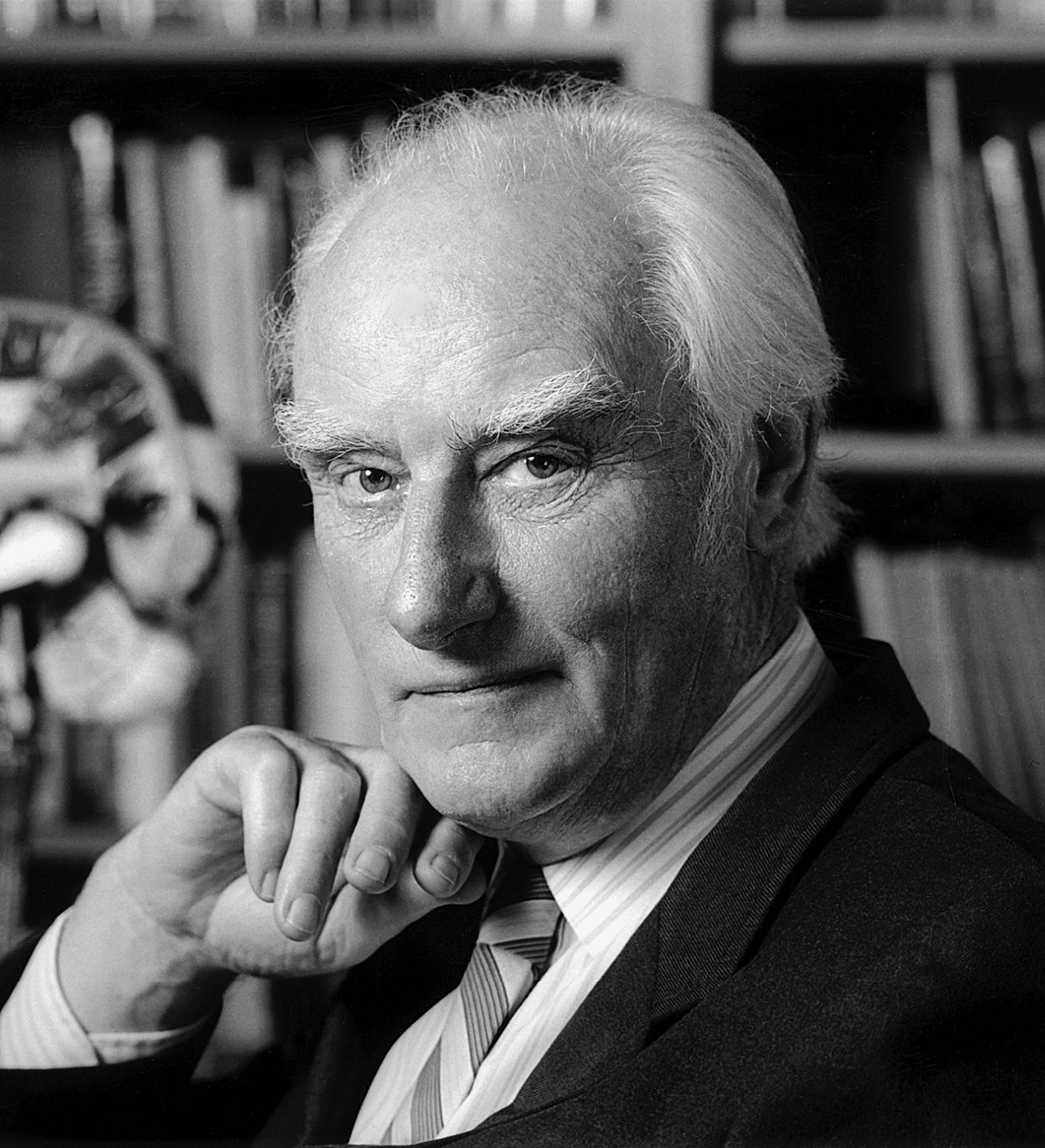
Watson and Crick shared the Nobel Prize with M. H. F. Wilkins (No. 256.4) "for their discoveries concerning the molecular structure of nucleic acids and its significance for information transfer in living material." L…
1978 CE
#13986
Mutagenesis at a specific position in a DNA sequence.
Smith and Hutchison introduced site-directed mutagenesis, or oligonucleotide-directed mutagenesis, into molecular biology, resolving the problem of how to determine the effect of a single mutant gene with efficiency. …
2000 CE
#13883
NDA II. The story of America's second National Dental Association.
1840 CE
#6604.94
Némésis médicale illustrée, recueil de satires par François Fabre....contenant trente vignettes dessinées par M. Daumier... 2 vols.
The only medical book illustrated by Honoré Daumier (1808-79), and a great satire in verse on the medical profession. Digital facsimile from BnF Gallica at this link.
1961 CE
#12015
No time for prejudice: A story of the integration of negroes in nursing in the United States.
Primarily a history of the National Association of Colored Graduate Nurses [NACGN], which existed for the express purpose of "promoting unity within the nursing profession and furthering the cause of democracy." Integ…
1525 CE
#12773
Opuscula nuper in lucem aedita quorum nomina proxima habentur pagella.
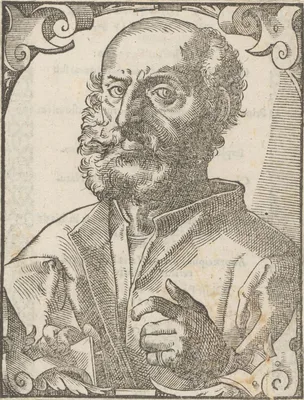
Thomaeus's commentary on Aristotle's Mechanica includes an explanation of the action of a dental forceps illustrated with two small woodcut illustrations on page XXXXI. This was the first printed dental illustration. …
1988 CE
#8791
Passage of darkness: The Ethnobiology of the Haitian zombie.
1929 CE
#13079
Pathfinders: A history of the progress of colored graduate nurses. With biographies of many prominent nurses.
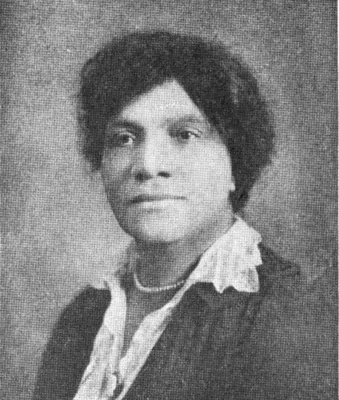
Digital facsimile from the Hathi Trust at this link.
1993 CE
#14301
Posttranscriptional regulation of the heterochronic gene lin-14 by lin-4 mediates temporal pattern formation in C. elegans.

The authors cloned and generated the sequence of the lin-14 gene. They discovered that a segment in lin-14 mRNA (messenger RNA), was necessary for its inhibition by lin-4. Ruvkun and Ambros (No. 14010) then compared r…
1998 CE
#13957
Potent and specific genetic interference by double-stranded RNA in Caenorhabditis elegans.
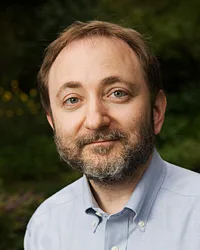
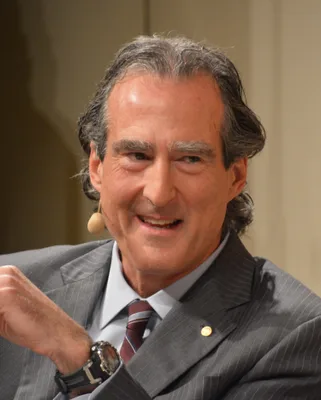
The authors reported that tiny snippets of double-stranded RNA (dsRNA) effectively shut down specific genes, driving the destruction of messenger RNA (mRNA) with sequences matching the dsRNA. As a result, the mRNA can…
1983 CE
#9313
Preparation of the Haitian zombi poison.
According to popular accounts, zombies are innocent victims, raised in a comatose trance from their graves by malevolent Voodoo priests (bokors), and forced to toil indefinitely as slaves. Davis traced the material ba…
2007 CE
#10371
Race & medicine in nineteenth and early twentieth-century America.
1642 CE
#6612.9
Religio medici.
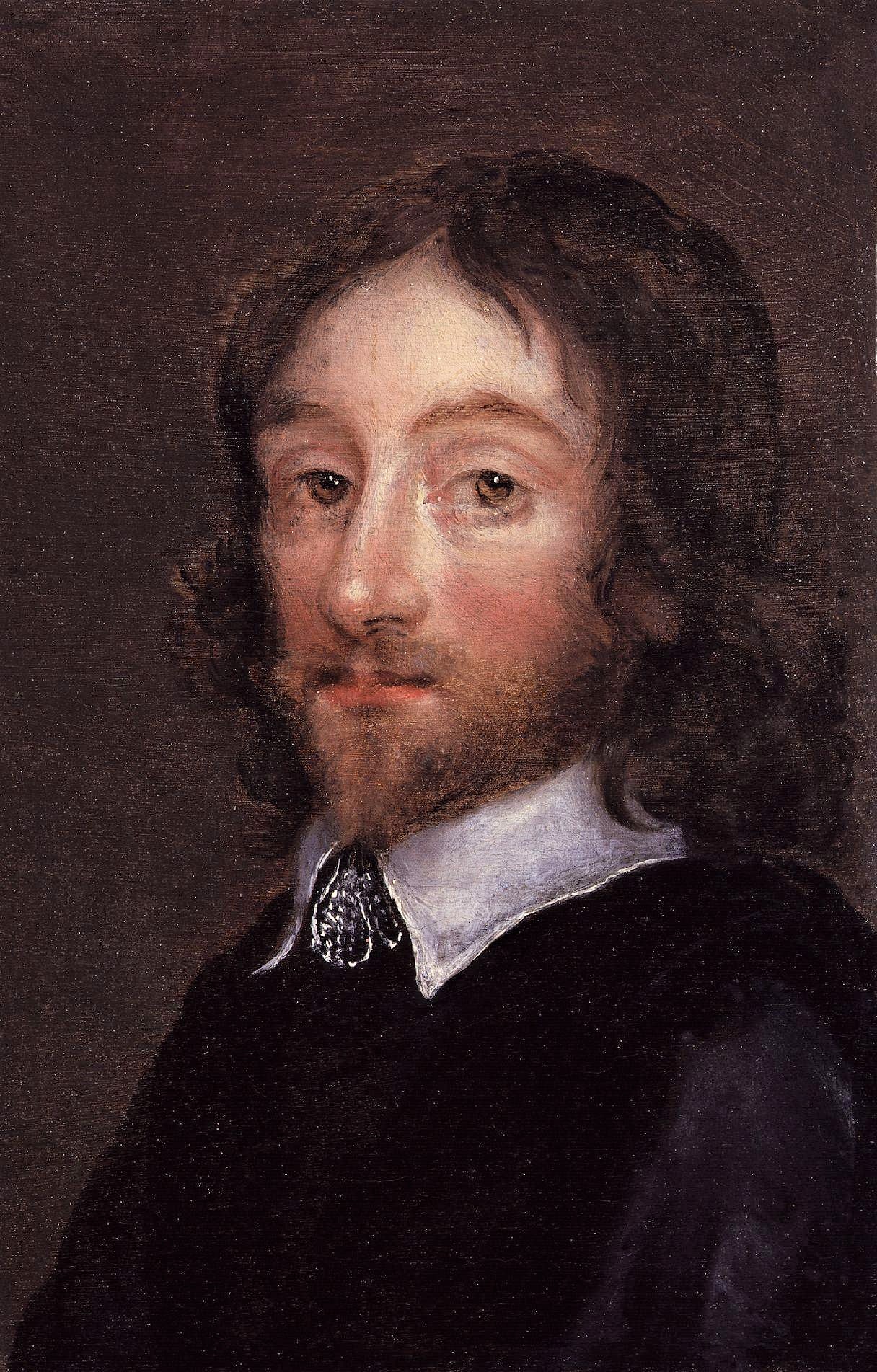
The most famous work of English literature written by a physician. Browne did not intend to have it published, but manuscripts of the work circulated privately. Two unauthorized and inaccurate editions were issued sur…
1977 CE
#14143
Resolution of some components of adenylate cyclase necessary for catalytic activity.
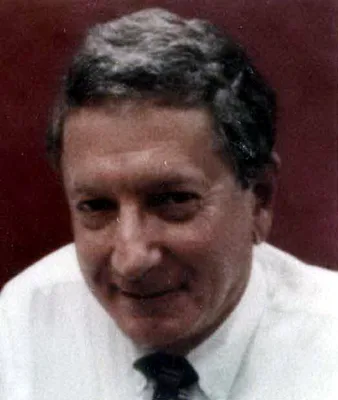
Goodman shared the 1994 Nobel Prize in Physiology or Medicine with Martin Rodbell "for their discovery of G-proteins and the role of these proteins in signal transduction in cells." In this paper Goodman and Ross show…