
Facets
Browse across eight MeSH (opens in new tab) facets — era, geography, science, specialty, technology, history, culture, and reference. Select one tag per group; counts update across the others.
Clear filtersFacet filters
Geography
Specialties & Disease
- Anatomy & Pathology 43
- Cardiology & Blood 13
- Neurology & Psychiatry 44
- Obstetrics & Reproductive 19
- Infectious Disease (General) 3
- Surgery & Anesthesia 48
- Public Health 154
- Immunology & Dermatology 61
- General Clinical Medicine 83
- Military Medicine 32
- Psychology 16
- Alternative & Fringe Medicine 52
- Pediatrics 6
- Ophthalmology & Vision 7
- ENT & Hearing 12
- Urology & Nephrology 7
- Gastroenterology & Hepatology 7
- Pulmonary & Respiratory 2
- Rheumatology, Rehab & Pain 6
- Internal, Emergency & Geriatric 12
- Veterinary Medicine 4
- Epidemiology & Demography 18
- Physiology & Embryology 203
- Dentistry 259
- Plagues & Epidemics 26
- Microbiology & Virology 44
Social & Historical Studies
Institutions & Culture
Reference & Scholarly Works
Drugs & Technology
44 entries match Microbiology & Virology [C01.748] · Professions & Education [M01 / N02]
1983 CE
#6996
Isolation of a T-lymphotropic retrovirus from a patient at risk for acquired immune deficiency syndrome (AIDS).
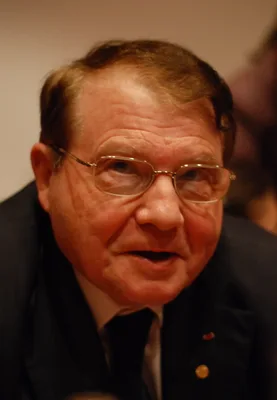
Isolation of the human immunodeficiency virus (HIV-1). In 2008 Barré-Sinoussi and Montagnier shared half of the Nobel Prize in Physiology and Medicine "for their discovery of human immunodeficiency virus." The …
1910 CE
#2637
A transmissible avian neoplasm (sarcoma of the common fowl).
Original description of the chicken sarcoma (Rous sarcoma). Rous demonstrated that sarcomatous tumors in hens could be transmitted to normal hens by the injection of cell-free filtrates (virus) of the original tumor. …
1684 CE
#2464.1
An abstract of a letter…Sep. 17, 1683. Containing some microscopical observations, about animals in the scurf of the teeth.
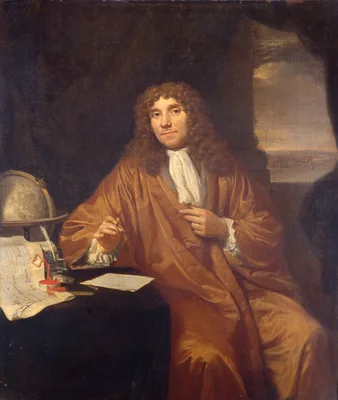
Records discovery of bacteria in the mouth, with the first illustrations of the basic types – what were much later called cocci (round or oval), bacilli (rod-shaped) and spiriillum (spiral) forms. Although Leeuw…
1977 CE
#11043
An amazing sequence arrangement at the 5' ends of adenovirus 2 messenger RNA.
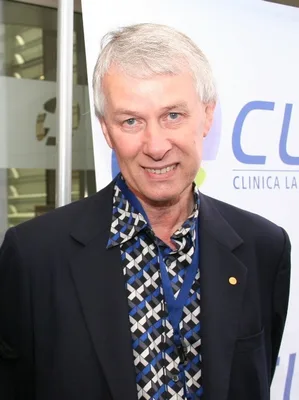
Discovery of introns. In 1993 Roberts shared the Nobel Prize in Physiology or Medicine with Phillip A. Sharp "for their discoveries of split genes." It was frequently suggested that Chow deserved a share of that prize…
1922 CE–1925 CE
#3691
An investigation into the aetiology of dental caries. I: The nature of the destructive agent and the production of artificial caries. II" The biological characteristics and distribution of B. acidolphilus odontolyticus. III: Further experiments on the production of artificial caries. IV: Accessory factors in dental caries. (1) Reaction of the saliva (2) Acid resistance of teeth.(3) Bacteriotropic action of saliva.
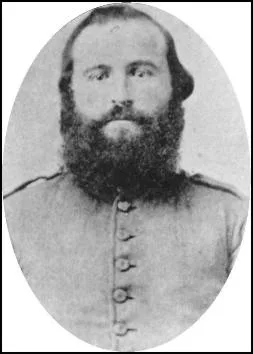
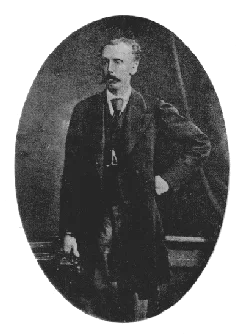
Isolation of Lactobacillus odontolyticus I and II from carious teeth. Digital facsimile of part 1 from PubMedCentral at this link. Digital facsimile of part 4 from PubMedCentral at this link.
1970 CE
#12321
Australia antigen (a hepatitis-associated antigen). Purification and physical properties.
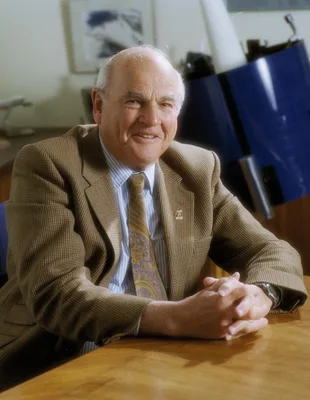

Purification of the Australia antigen and investigation of its physical properties. (Order of authorship in the original publication: Millman, Loeb, Bayer, Blumberg.) Blumberg shared the 1976 Nobel Prize in Physiology…
2007 CE
#14128
Beyond the White House, waging peace, fighting disease, and building hope.

President Carter devoted half of this book to Guinea worm disease, nature of the illness, its epidemiology, its cause and the current importance from a public health and human suffering standpoint. Carter's leadership…
1895 CE
#2547
Contribution à l’ étude du sérum chez les animaux vaccinés.
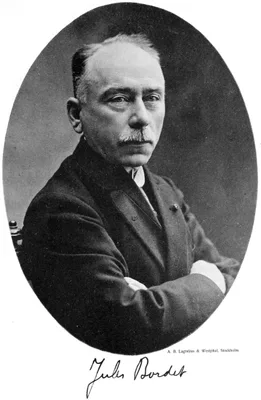
In Bordet’s classic paper on the properties of the sera of immunized animals he showed that two different substances (now known as sensitizing antibody and complement) are involved in the phenomenon of bacteriol…
1949 CE
#4671.1
Cultivation of the Lansing strain of poliomyelitis virus in cultures of various human embryonic tissues.
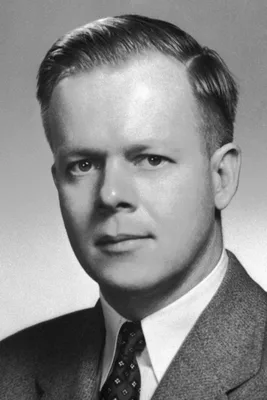
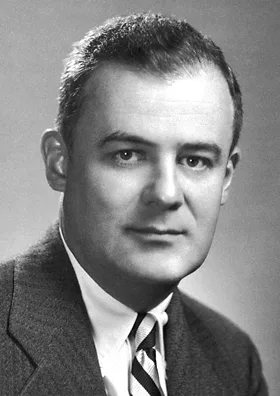
Enders, Weller, and Robbins grew the poliomyelitis virus in cultures of different tissues. Their method proved of great value in virus research, and removed the final obstacles to vaccine production. In 1974 Enders, W…
1882 CE
#2331
Die Aetiologie der Tuberkulose.
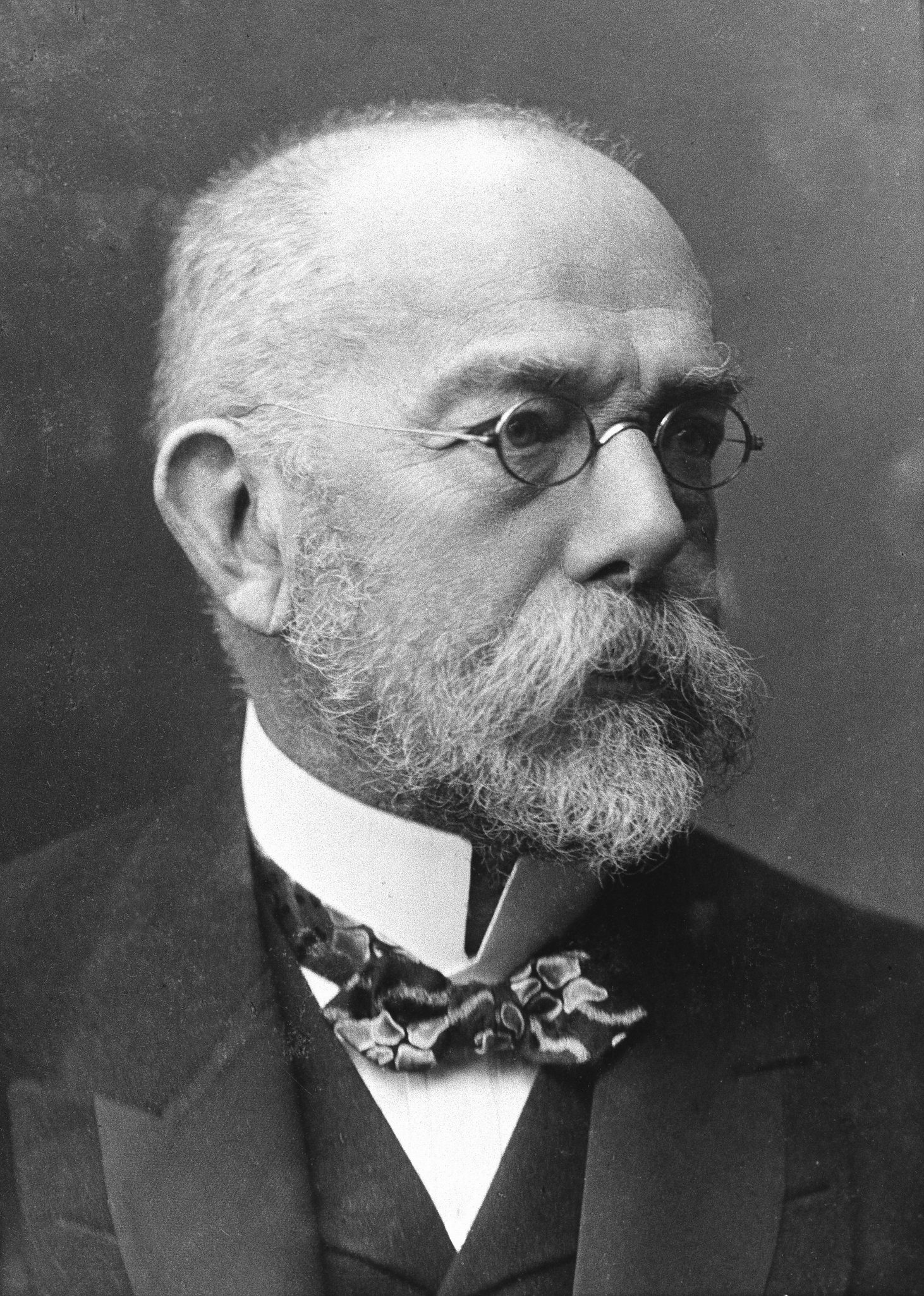
Discovery of the tubercle bacillus announced March 24, 1882. This paper also contains a statement of “Koch’s postulates”. See also Nos. 2536 and 5167. Koch published a fuller account as "Die Aetiolog…
1769 CE
#5304
Essay on the natural history of Guiana, in South America. Containing a description of many curious productions in the animal and vegetable systems of that country. Together with an account of the religion, manners, and customs of several tribes of its Indian inhabitants. Interspersed with a variety of literary and medical observations. In several letters....
Bancroft was an English physician who lived for many years in South America. He noted the transmission of yaws by flies (p. 385 of his book). Digital facsimile from the Internet Archive at this link.
1975 CE
#2660.27
From the molecular biology of oncogenic DNA viruses to cancer. Les Prix Nobel en 1975, pp. 172-80.
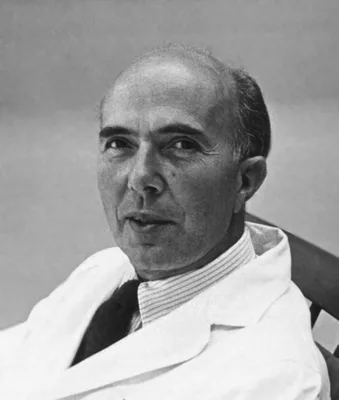
In 1975 Dulbecco shared the Nobel Prize in Physiology or Medicine with David Baltimore and Howard Martin Temin "for their discoveries concerning the interaction between tumour viruses and the genetic material of the c…
1946 CE
#255.4
Gene recombination in Escherichia coli.
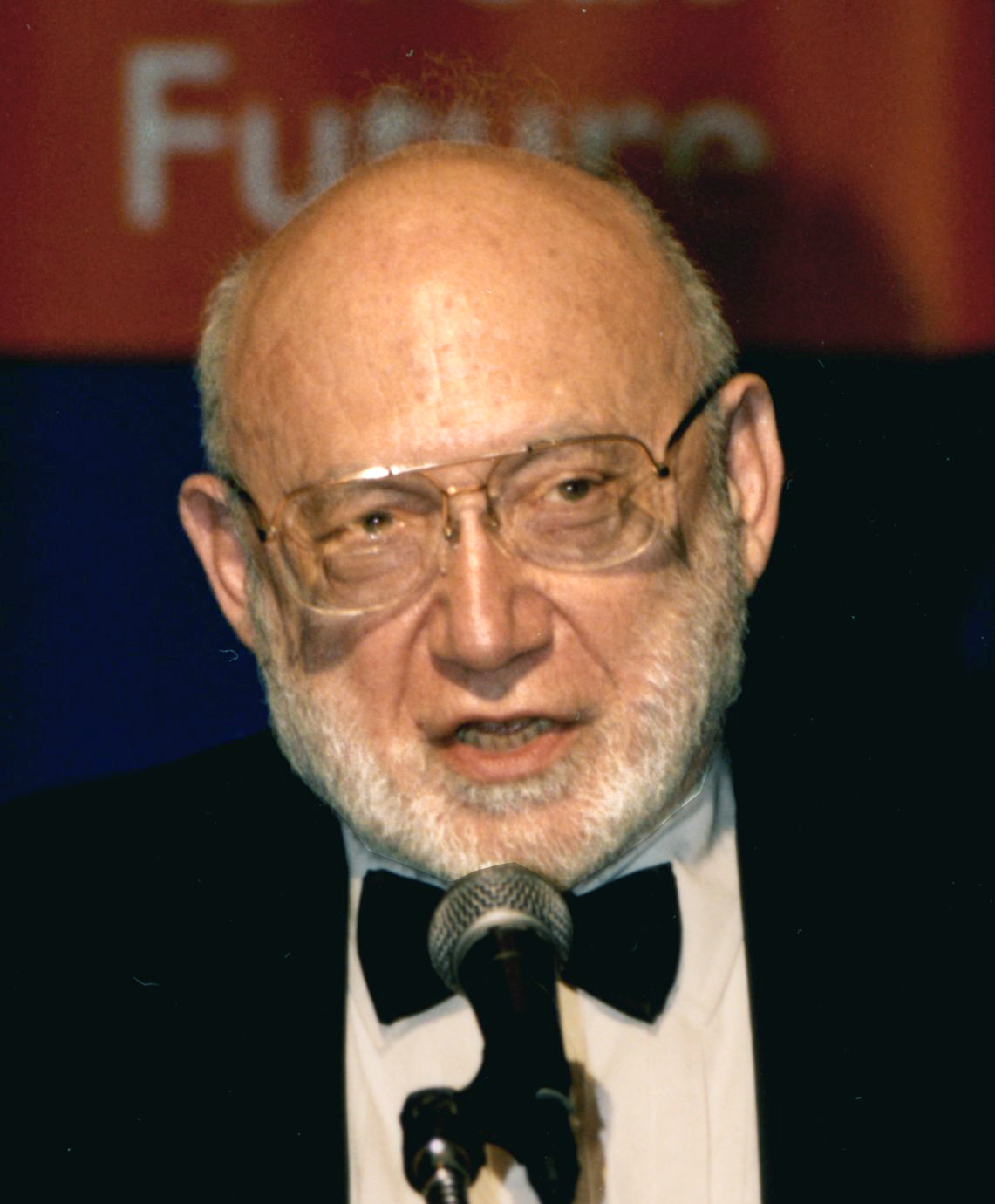
Discovery of sexual processes in the reproduction of bacteria. In 1958 Lederberg shared the Nobel Prize in Physiology or Medicine with Tatum and Beadle (No. 254.3) "for his discoveries concerning genetic recombination…
1949 CE
#2526.1
Genetic recombinations leading to production of active bacteriophage from ultraviolet inactivated bacteriophage particles.
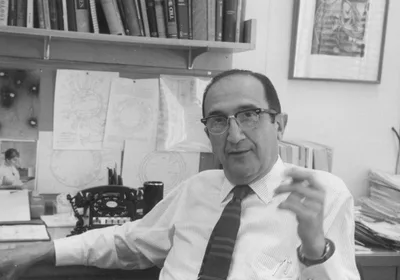
In 1969 Luria shared the Nobel Prize in Physiology or Medicine in with Delbrück (No. 2578.5) and A. D. Hershey (No. 256) "for their discoveries concerning the replication mechanism and the genetic structure of vi…
1967 CE
#12662
Herpes-type virus and chromosome marker in normal leukocytes after growth with irradiated Burkitt cells.
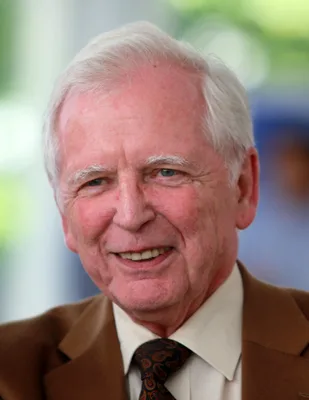

Hausen and colleagues showed for the first time that a cancer virus (Epstein-Barr virus) can transform healthy cells (lymphocytes) into cancer cells. This showed that viruses can cause cancer cell formation. (Order of…
1952 CE
#256
Independent functions of viral protein and nucleic acid in growth of bacteriophage.
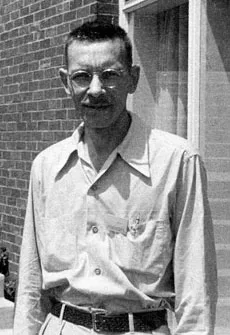
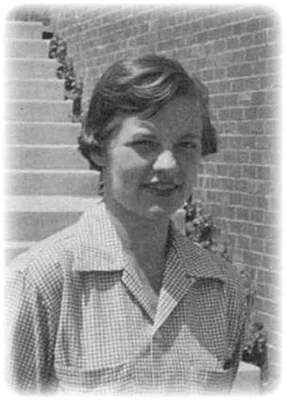
DNA shown to be the carrier of genetic information in virus reproduction. In 1969 Hershey shared the Nobel Prize in Physiology or Medicine with S. E. Luria and M. Delbrück for "for their discoveries concerning th…
1946 CE
#2578.5
Induced mutations in bacterial viruses.
Genetic recombination in bacteriophages. In 1969 Delbrück shared the Nobel Prize with A. D. Hershey and S. E. Luria "for their discoveries concerning the replication mechanism and the genetic structure of viruses."
1989 CE
#12653
Isolation of a cDNA clone derived from a blood-borne non-A, non-B viral hepatitis genome.

In this paper Houghton and colleagues named “hepatitis C” for the first time. They cloned and isolated the viral RNA genome and demonstrated that a patient who had high antibodies to a ‘native/wild s…
1935 CE
#2524.5
Isolation of a crystalline protein possessing the properties of tobacco-mosaic virus.
Stanley first crystallized a virus— tobacco mosaic virus. The following year Bawden, Pirie, Bernal and Fankuchen (No. 12005) showed that tobacco mosaic virus molecules are asnisometric and consist of ribonucleop…
1968 CE
#10841
Kuru and cannibalism.
Medical anthropologists Lindenbaum and Glass demonstrated that Kuru was transmitted in New Guinea by cannibalism--particularly by eating the brains of infected victims, which were the reservoir of prions. Order of aut…
1982 CE
#10140
Novel proteinaceous infectious particles cause Scrapie.
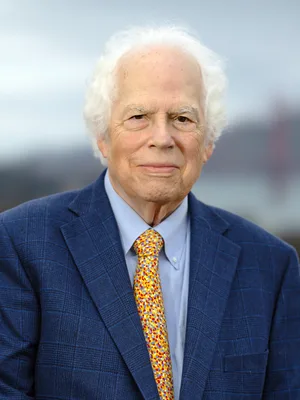
In 1997 Prusiner was awarded the Nobel Prize in Physiology or Medicine "for his discovery of Prions - a new biological principle of infection." In his 1982 paper Prusiner proposed a completely novel explanation for th…
1922 CE
#1910.1
On a remarkable bacteriolytic element found in secretions and tissues.
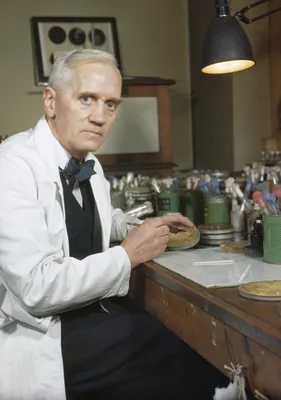
Lysozyme, an antimicrobial enzyme that is a component of secretions such as tears and saliva. Digital facsimile from royalsocietypublishing.org at this link
1897 CE
#5247
On some peculiar pigmented cells found in two mosquitoes fed on malarial blood.
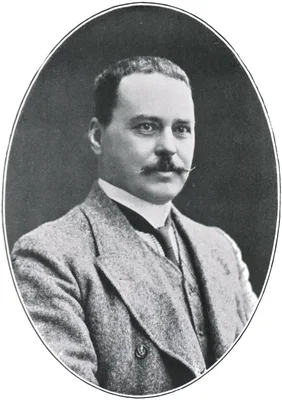
Ross proved that the mosquito was responsible for the transmission of malaria. On 20 August 1897, he found Laveran’s Plasmodium in the stomach of the Anopheles mosquito after it had fed on the blood of malaria p…
1929 CE
#1933
On the antibacterial action of cultures of a penicillium, with special reference to their use in the isolation of B. influenzae.
Discovery of the growth-inhibiting action of Penicillium on certain bacteria. In 1945 Fleming shared the Nobel Prize in Physiology or Medicine with Ernst Boris Chain and Sir Howard Walter Florey "for the discovery of …
1920 CE
#86.2
Papers and addresses by William Henry Welch. [Edited by Walter C. Burket]. 3 vols.
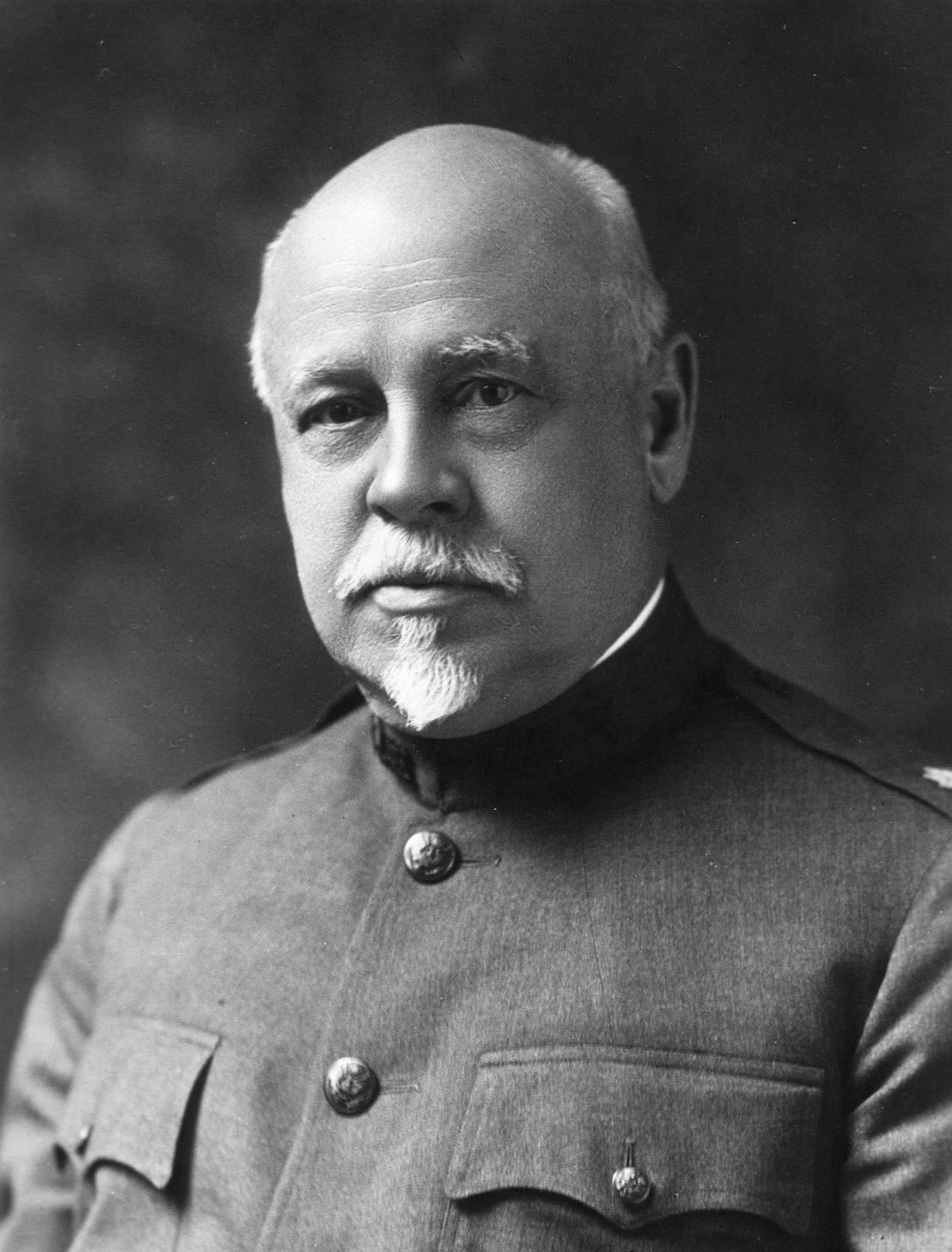
Vol. 1: Pathology and preventive medicine. Vol. 2: Bacteriology. Vol. 3: Medical education, history, miscellaneous subjects, and Welch's bibliography. Introduction by Simon Flexner. Digital facsimile from the Internet…
1910 CE–1911 CE
#5384
Recherches experimentales sur le typhus exanthématique.
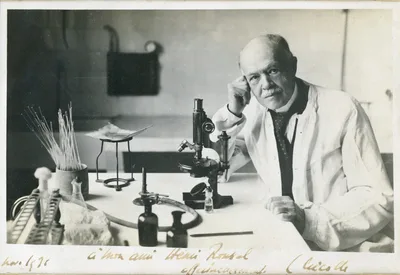
Nicolle demonstrated the transmission of typhus by the body louse Pediculus corporis. He also produced the disease in monkeys and guinea-pigs by the injection of infected blood. Preliminary communication in C. R. Acad…
1974 CE
#7453
Restriction of in vitro T cell-mediated cytotoxicity in lymphocytic choriomeningitis within a syngeneic or semiallogeneic system.

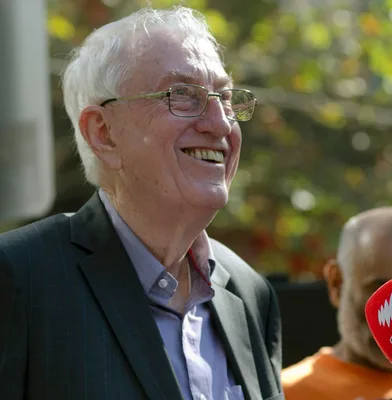
Doherty and Zinkernagel discovered how a class of white blood cells known as T cells kill virus-infected cells in the body, and so present the spread of viruses. In 1998 Zinkernagel and Doherty were awarded the Nobel …
1921 CE
#2573
Results of experimental studies on focal infection and elective localization.
Rosenow showed that focal infection could by caused by bacteria in teeth, etc.
1970 CE
#2660.23
RNA-dependent DNA polymerase in virions of Rous sarcoma virus.
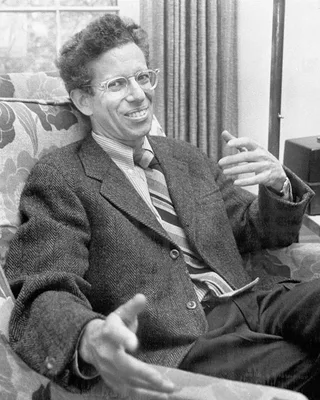
Discovery of reverse transcriptase. "In 1969, Temin and a postdoctoral fellow, Satoshi Mizutani, began searching for the enzyme that was responsible for the phenomenon of viral RNA being transferred into proviral DNA.…
1952 CE
#13938
Rôle des cations bivalents dans l'induction du développement du prophage par les agents reducteurs.
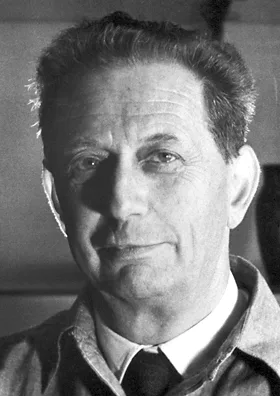
Lwoff gave the name "prophage" to the form in which the genome of the bacteriophage is perpetuated in lysogenic bacteria. The bacteriophages produced by these bacteria, known as temperate bacteriophages, can therefore…
1977 CE
#11044
Spliced segments at the 5' terminus of adenovirus 2 late mRNA.

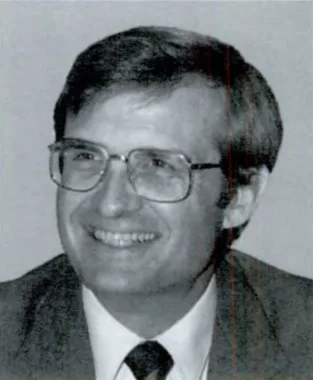
Discovery of introns simultaneously with Roberts, Chow, Broker (No. 11043). Sharp's electron microscopist, Berget, visualized the introns in the electron microscope. James D. Watson took note of the profound significa…
1985 CE
#11060
Structure of the protein subunit in the photosynthetic reaction centre of Rhodopseudomonas viridis at 3 Å resolution.
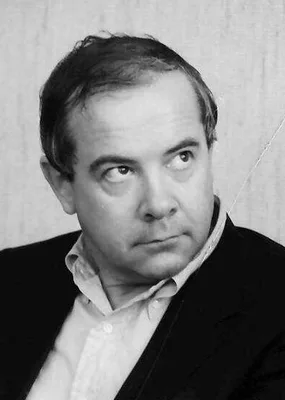

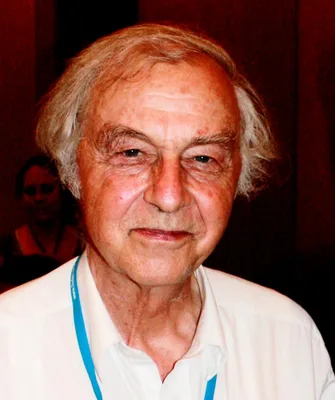
Discovery of the three-dimensional structure of a protein complex found in certain photosynthetic bacteria, called the photosynthetic reaction center. This was the first elucidation of the 3D crystal structure of any …
1894 CE
#3308.1
Studien zur bacteriellen Diagnostik der Diphtherie und der Anginen.
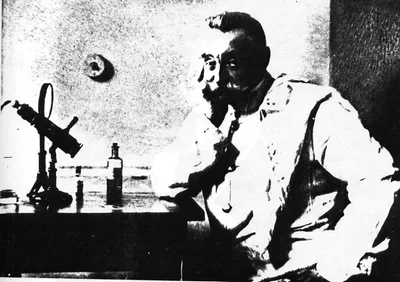
“Plaut’s angina” (necrotizing ulcerative gingivostomatitis). He noted the association of fusiform bacilli in ulcerating lesions of the tonsils. Vincent (see No. 3309) gave the first comprehensive des…
1922 CE
#12656
Studies in the specific study of the bacteriology of dental cavities.
Rodríguez discovered that three types of the Lactobacillus species of bacteria, during the process of fermentation, are the causes of cavities. Digital facsimile from Google Books at this link.
1896 CE
#3309
Sur l’étiologie et sur les lésions anatomo-pathologiques de la pourriture d’hôpital.
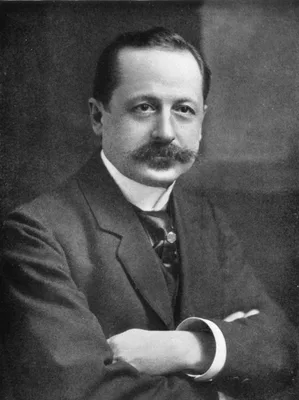
Vincent described a fusiform bacillus and a spirillum which, in association, were responsible for hospital gangrene. Later, in Arch. int. Laryng., 1898, 11, 44-48, he showed these two organisms to be present in &ldquo…
1968 CE
#13947
The integrated state of viral DNA in SV40-transformed cells.
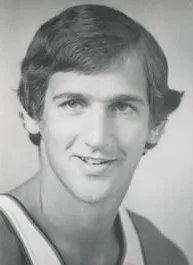
Dulbecco and his group demonstrated that the infection of normal cells with certain types of viruses (oncoviruses) led to the incorporation of virus-derived genes into the host-cell genome, and that this event lead to…
1890 CE
#3687
The micro-organisms of the human mouth.
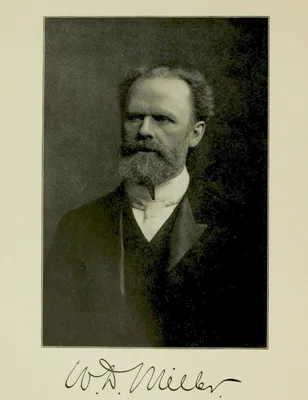
In 1884 Miller became professor of dentistry at the University of Berlin, the first foreigner ever to receive a professorial appointment at a German University. Inspired by study of bacteriology under Robert Koch, Mil…
1937 CE
#5467
The use of yellow fever virus modified by in vitro cultivation for human immunization.
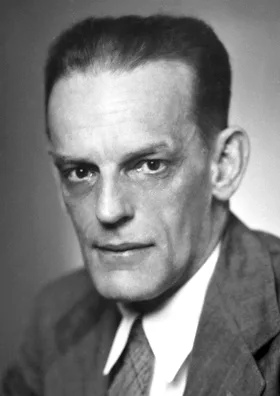
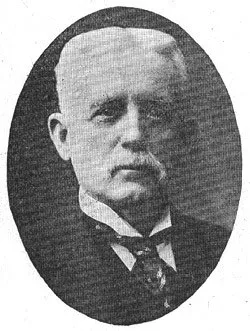
Immunization without the use of immune serum. In 1951 Theiler was awared the Nobel Prize in Physiology or Medicine "for his discovery of an effective vaccine against yellow fever." This was the first Nobel Prize award…
1978 CE
#13540
Transmissible agent in non-A, non-B hepatitis.

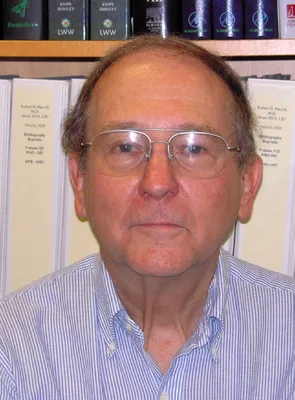
The first paper recording the discovery of what was, eleven years later in 1989, named the hepatitis C virus (see No. 12653). Harvey Alter and colleagues inoculated the serum/plasma of 4 patients with non-A/non-B hepa…
1997 CE
#13541
Transmission of hepatitis C by intrahepatic inoculation with transcribed RNA.

Rice and colleagues constructed a viral RNA genome with the 3’ region and a consensus region to exclude potential inactivating mutations, which was then injected into the liver of chimps. That RNA, specifically …
1971 CE
#4729.2
Transmission of two subacute spongiform encephalopathies of man (Kuru and Creutzfeldt–Jakob disease) to New World monkeys.
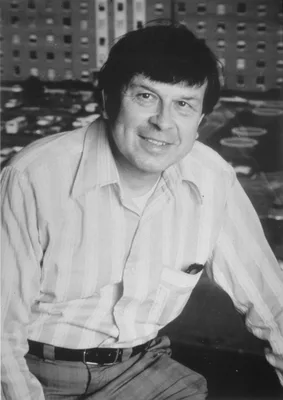
Following Hadlow's suggestion (1959), Gadjusek was able to transmit Kuru and Creutzfeldt–Jakob disease to primates through cerebral inoculations. Similarity in the clinical course of the diseases and in the cell…
1881 CE
#5236
Un nouveau parasite trouvé dans le sang plusieurs malades atteints de fièvre palustre.
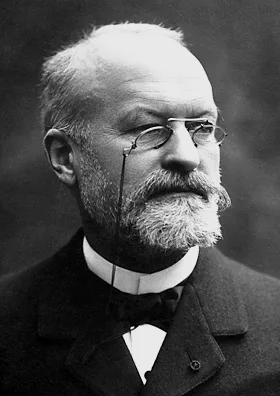
Laveran first saw the malaria parasite on 20 October 1880; he at once recognized its significance. He named it Oscillaria malariae. English translation in Kean (No. 2268.1). Laveran also published a monograph on the d…
1983 CE
#8475
Unidentified curved bacilli on gastric epithelium in active chronic gastritis.

In 2005 Marshall and Warren shared the Nobel prize in Physiology or Medicine "for their discovery of the bacterium Helicobacter pylori and its role in gastritis and peptic ulcer disease." See also their follow-up pape…
1970 CE
#2660.22
Viral RNA-dependent DNA polymerase: RNA-dependent DNA polymerase in virions of RNA tumour viruses.
In 1970 Baltimore and Temin discovered that certain viruses that have their genes in the form of RNA can copy the RNA "backward" into DNA in infected cells. The enyzme, reverse transcriptase, enables the manufacture o…