
Facets
Browse across eight MeSH (opens in new tab) facets — era, geography, science, specialty, technology, history, culture, and reference. Select one tag per group; counts update across the others.
Clear filtersFacet filters
Geography
Specialties & Disease
- Anatomy & Pathology 77
- Cardiology & Blood 1
- Neurology & Psychiatry 26
- Obstetrics & Reproductive 16
- Infectious Disease (General) 0
- Surgery & Anesthesia 10
- Public Health 15
- Immunology & Dermatology 6
- General Clinical Medicine 7
- Military Medicine 1
- Psychology 7
- Alternative & Fringe Medicine 6
- Pediatrics 3
- Ophthalmology & Vision 2
- ENT & Hearing 1
- Urology & Nephrology 2
- Gastroenterology & Hepatology 0
- Pulmonary & Respiratory 1
- Rheumatology, Rehab & Pain 0
- Internal, Emergency & Geriatric 0
- Veterinary Medicine 2
- Epidemiology & Demography 4
- Physiology & Embryology 6
- Dentistry 6
- Plagues & Epidemics 14
- Microbiology & Virology 1
Social & Historical Studies
Institutions & Culture
Reference & Scholarly Works
Drugs & Technology
7 entries match General Clinical Medicine [G02] · Arts, Literature & Humanities [K01.090] · Zoology & Animal Sciences [K01.900.500.750]
1980 CE
#366.1
Corpus of the anatomical studies in the collection…at Windsor Castle. Edited by K.D. Keele and C. Pedretti. 3 vols.
Splendid edition reproducing all of the drawings in color, and with the original chronology and integrity of the drawings restored. Text provides transliteration of Leonardo’s notes in the original Italian plus …
1969 CE
#6610.8
Das Bild des Kranken. Die Darstellung äusserer Veränderungen Durch innere Leiden und ihrer Heilmassnahmen von der Renaissance bis in unsere Zeit.
1545 CE
#378
De dissectione partium corporis humani.
De dissectione partium corporis humani libri tres by French physician, writer, and translator, Charles Estienne, of the Estienne printing dynasty, is one of the most interesting woodcut books of the French Renaissance…
1952 CE
#366
Leonardo da Vinci on the human body. The anatomical, physiological, and embryological drawings of Leonardo da Vinci. With translations, emendations, and biographical introduction by Charles D. O'Malley and J. B. de C. M. Saunders.
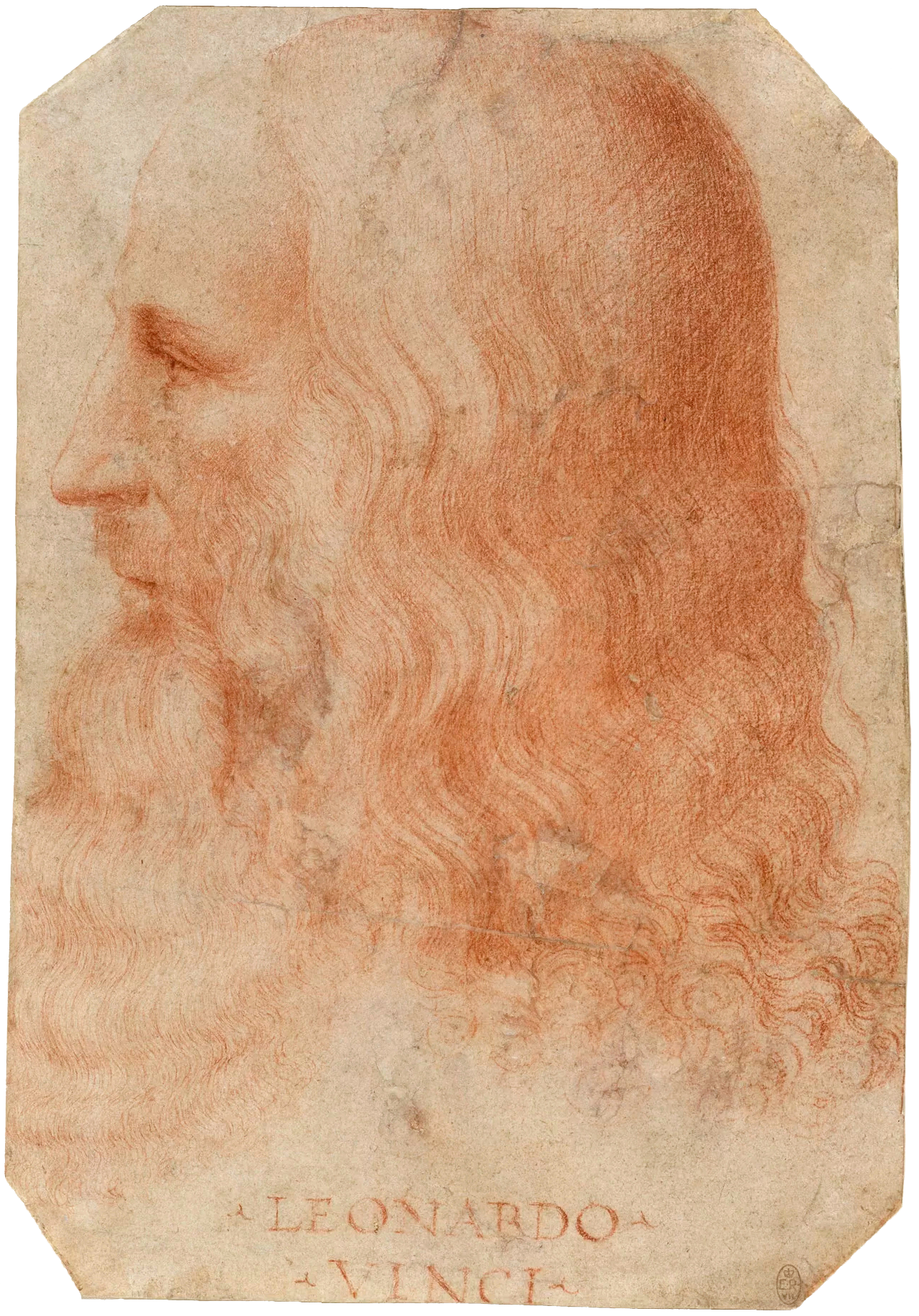
Includes 215 plates.
1911 CE–1916 CE
#365
Leonardo da Vinci: Quaderni d’anatomia I-VI. Fogli della Royal Library di Windsor, pubblicati da Ove C.L. Vangensten, A. Fonahn, H. Hopstock. 6 vols.
Leonardo, “the greatest artist and scientist of the Italian Renaissance, was the founder of iconographic and physiologic anatomy” (Garrison). He made over 750 sketches of all the principal organs of the bo…
2004 CE
#10508
Mapping the Victorian social body.
"The cholera epidemics that plagued London in the nineteenth century were a turning point in the science of epidemiology and public health, and the use of maps to pinpoint the source of the disease initiated an explos…
1999 CE
#7032
Taking positions. On the erotic in Renaissance culture.
Of particular relevance to the history of medical literature is Chapter 8: "Mythology, Sexuality, and Science in Charles Estienne's Manual of Anatomy" (pp. 161-188). This refers to Estienne's De dissectione partium co…