
Facets
Browse across eight MeSH (opens in new tab) facets — era, geography, science, specialty, technology, history, culture, and reference. Select one tag per group; counts update across the others.
Clear filtersFacet filters
Geography
Specialties & Disease
- Anatomy & Pathology 9
- Cardiology & Blood 94
- Neurology & Psychiatry 78
- Obstetrics & Reproductive 17
- Infectious Disease (General) 5
- Surgery & Anesthesia 52
- Public Health 101
- Immunology & Dermatology 60
- General Clinical Medicine 46
- Military Medicine 16
- Psychology 9
- Alternative & Fringe Medicine 100
- Pediatrics 6
- Ophthalmology & Vision 5
- ENT & Hearing 3
- Urology & Nephrology 3
- Gastroenterology & Hepatology 10
- Pulmonary & Respiratory 9
- Rheumatology, Rehab & Pain 29
- Internal, Emergency & Geriatric 4
- Veterinary Medicine 8
- Epidemiology & Demography 13
- Physiology & Embryology 41
- Dentistry 7
- Plagues & Epidemics 92
- Microbiology & Virology 82
Social & Historical Studies
Institutions & Culture
Reference & Scholarly Works
100 entries match Alternative & Fringe Medicine [G02.403.750 / M01] · Pharmacology & Therapeutics [D01 / E02]
2004 CE
#8868
Medicinal plants in folk tradition: An ethnobotany of Britain and Ireland.
The first comprehensive account of medicinal uses of wild plants by the country folk of Britain and Ireland based on manuscript folklore sources as well as published sources. These included information gathered by the…
1932 CE
#6460
Medicine among the American Indians.
Reprinted, New York, Hafner, 1962.
1887 CE
#13259
Meine Wasser-Kur, durch mehr als 30 Jahre erprobt und geschrieben zur Heilung der Krankheiten und Erhaltung der Gesundheit.
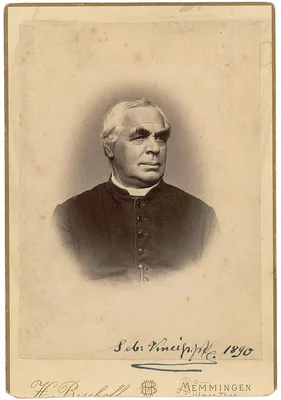
Kneipp was a Bavarian priest and not a physician. He learned about hydrotherapy and other methods of treatment later called naturopathic during the time he suffered from tuberculosis. Digital facsimile of the 1889 10t…
1999 CE
#9277
Memory, wisdom and healing: The history of domestic plant medicine.
1822 CE
#6988
New guide to health; or botanic family physician, containing a complete system of practice, upon a plan entirely new; with a description of the vegetables made use of, and directions for preparing and adminstering them to cure disease. To which is prefixed a narrative of the life and medical discoveries of the author.
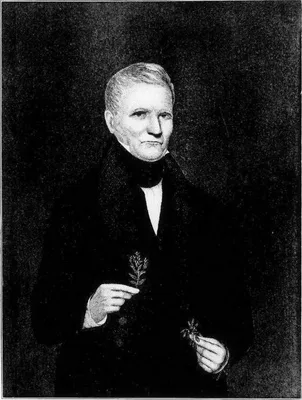
The "Bible" of Thomsonism or "Thomsonian medicine", which employed botanical remedies, often based on native American medicines. Digital facsimile from the Medical Heritage Library, Internet Archive, at this link.
1911 CE–1936 CE
#12412
Nostrums and quackery: Articles on the nostrum evil and quackery reprinted from the Journal of the American Medical Association. 3 vols.
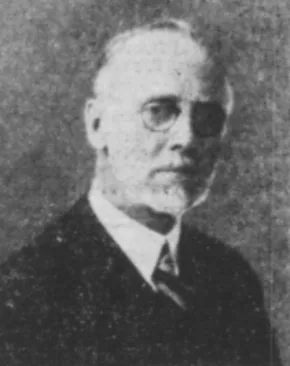
Cramp was director of the AMA's Propaganda for Reform Department. "In 1911, Cramp published the first of three volumes called Nostrums and Quackery,[3] which would become "a veritable encyclopedia on the nostrum evil …
1673 CE
#12972
Nova medicina spirituum: Curiosa scientia & doctrina, unanimiter hucusque neglecta, & à nemine meritò exculta, medicis tamen & physicis utilissima. In quâ Primo Spirituum naturalis constitutio, vita, sanitas temperamenta, ingenia, calidum innatum, phantasiae vires, ideae, astrorum influentiae, μετεμψύχωσις, rerum magnetissimi, sympatiae & antipatiae, qualitates hactenus occultae, aliaq; caeteroquin abstrusa & paradoxa; Dehinc spirituum praeternaturalis seu morbosa Dispositio, causae, curationes per naturam, per diaetam, per arcana majora, palingenesiam, magnetissimum seu sympatheismum, transplantationes, amuleta, ingenuè & dilucidè demonstrantur.
”A very curious work, attributing the causes of many diseases to spirits and basing their cure on this theory. There is a great deal on insanity. The methods of treatment are partly chemical, partly magnetical, …
1534 CE
#9864
Om UrteVand.
Petersen issued a second book, "On herbal extracts" in 1534. According to Stokker, Remedies and rituals: Folk medicine in Norway and the new land (2007) p. 111, Pedersen's two works together contained "250 medical her…
1844 CE
#12695
On superstitions connected with the history and practice of medicine and surgery.
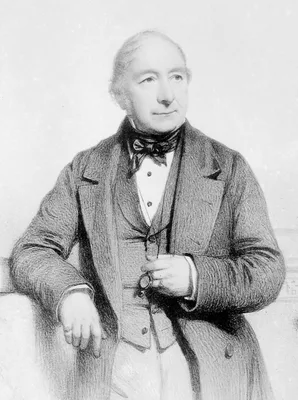
Digital facsimile from the Hathi Trust at this link.
1867 CE
#1996.3
On the electrolytic treatment of tumors, and other surgical diseases.
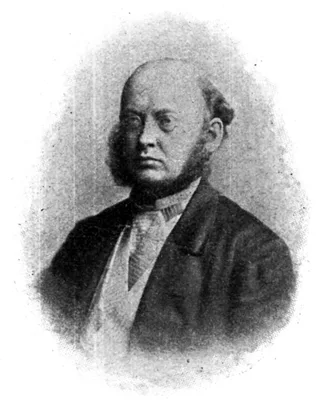
Althaus introduced Duchenne’s methods into England. He was the first to employ electrolysis for medical purposes. Greatly expanded third edition, 1873.
1837 CE
#4524
On the influence of electricity, as a remedy in certain convulsive and spasmodic diseases.
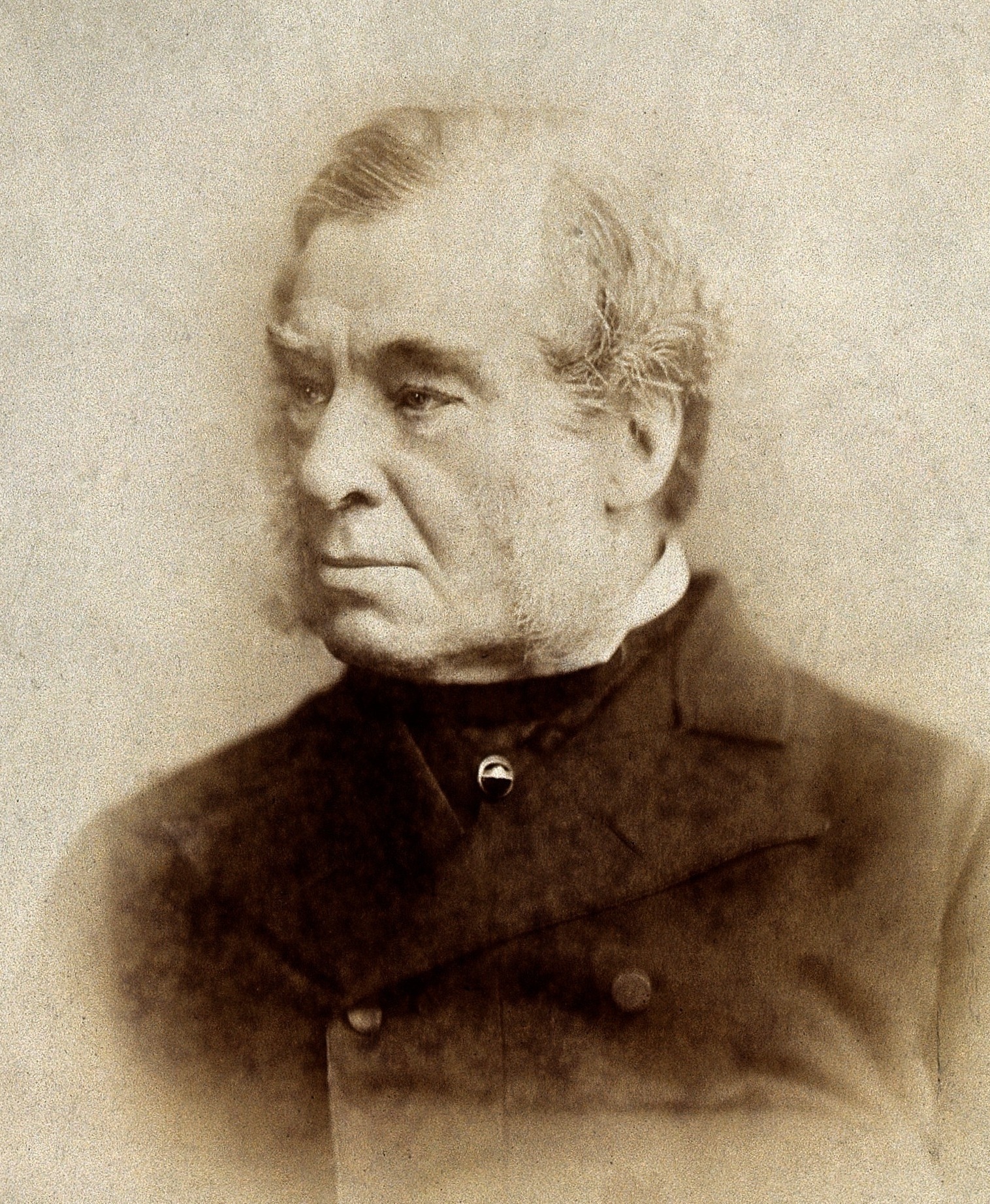
First therapeutic employment of static electricity.
1930 CE
#5977
Operative Behandlung von Netzhautabhebung mit Elektroendothermie und Trepanation; vorläufige Mitteilung.
Superficial diathermy treatment of retinal detachment. See also Arch Ophthal. (N.Y.), 1932, 7, 661-80.
1810 CE
#1966
Organon der rationellen Heilkunde.
Hahnemann, the founder of homeopathy, embodied his theories in the Organon. The minute doses set down by him did much to correct the evils of the polypharmacy of his time, in which overdosage was pervasive. Hahnemann …
1988 CE
#8791
Passage of darkness: The Ethnobiology of the Haitian zombie.
1971 CE
#10857
Peyote: an account of the origins and growth of the Peyote religion.
"The Peyote religion is a medico-religious cult. In considering native American medicines, one must always bear in mind the difference between the aboriginal concept of a medicinal agent and that of our modern Western…
1990 CE
#8877
Popular medicine in thirteenth-century England: Introduction and texts.
1829 CE
#9450
Praktische waarnemingen over eenige Javaansche geneesmiddelen, welke niet alleen vele uitheemsche medicamenten, die thans nog van Europa naar Java moeten worden overgezonden, kunnen vervangen, maar dezelve ook tegen eenige ziekten op het eiland Java heerschende, in werkzaamheid overtreffen.
An early account of Jamu (old spelling Djamu), the traditional medicine of Indonesia, especially Java. "It is a predominantly herbal medicine made from natural materials, such as parts of plants such as roots, bark, f…
1892 CE
#1999
Recherches d’électrothérapie: la voltaisation sinusoïdale.
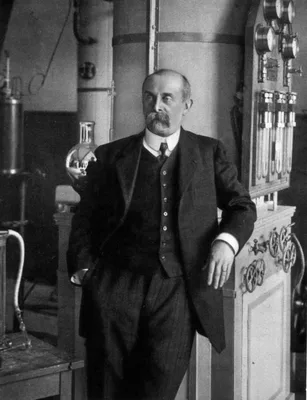
Introduction of high-frequency currents in electrotherapy.
1993 CE
#10872
Rio Tigre and beyond: The Amazon jungle medicine of Manual Cordova-Rios
1997 CE
#9910
Sacred leaves of Candomblé: African magic, medicine, and religion in Brazil.
"Candomblé, an African religious and healing tradition that spread to Brazil during the slave trade, relies heavily on the use of plants in its spiritual and medicinal practices. When its African adherents were…
1909 CE
#12411
Secret remedies, what they cost and what they contain. Based on analyses made for the British Medical Association.
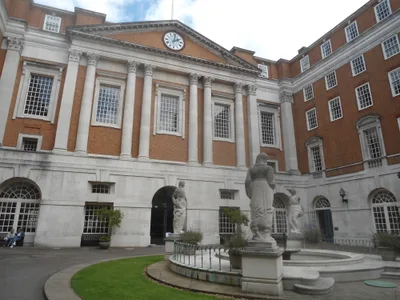
This exposé of useless or dangerous drugs was followed in 1912 by More secret remedies. What they cost & what they contain. Based on analyses made for the British Medical Association. Digital facsimile of the 1…
1546 CE
#9865
Skøn lystig ny Urtegaard.
Smid was one of the first writers on medicine in Scandinavia who was trained in medicine, but according to Stokker, Remedies and rituals: folk medicine in Norway and the new land (2007) p. 111 "had trouble succeeding …
1884 CE
#6079
Sur la faradisation utérine double ou bipolaire.
Apostoli was the first to employ the double faradic current in the electrotherapy of uterine diseases.
1994 CE
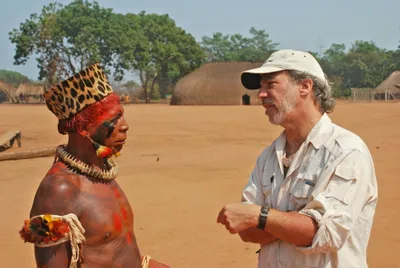
#9937
Tales of a shaman's apprentice: An ethnobotanist searches for new medicines in the Amazon rain forest.
1661 CE
#9671
Thanasima, kai dēlētēria: Tractatus de venenis. Or, a treatise of poysons. Their sundry sorts, names, natures and virtues, with their severall symptomes, signes diagnosticks, prognosticks, and antidotes. Wherein, are divers necessary questions discussed; the truth by the most learned, confirmed, by many instances, examples & stories illustrated; and, both philosophically and medically handled.
1835 CE
#1992
The coldwater cure, its principles, theory, and practice.
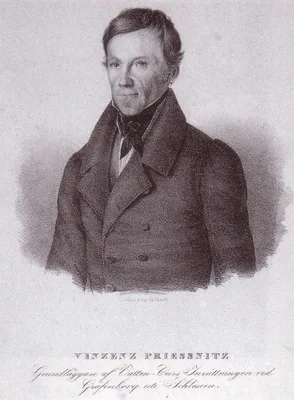
Priessnitz, a peasant farmer in Gräfenberg, Austrian Silesia, is generally considered the founder of modern hydrotherapy, which is used in alternative and orthodox medicine. Priessnitz stressed remedies such as s…
1699 CE
#7965
The dispensary: A poem. In six cantos.
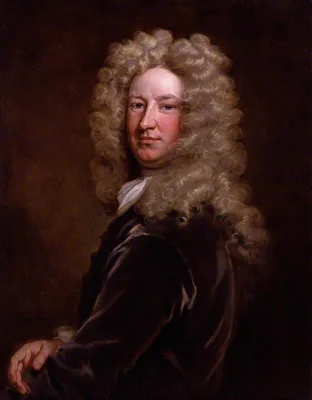
An aggressive criticism of quack medicines, apothecaries who produced them, and physicians who prescribed them.
1652 CE
#8588
The English physitian: Or, an astrologo-physical discourse of the vulgar herbs of this nation. Being a compleat method of physick, whereby a man may preserve his body in health; or cure himself, being sick, for three pence charge, with such things only as grow in England, as they being most fit for English bodies. Herein is also shewed, 1. The way of making plaisters, oyntments, oyls, pultisses, syrups, julips, or waters, of all sorts of physical herbs, that you may have them readie for your use at all times of the yeer. 2. What planet governeth every herb or tree (used in physick) that groweth in England. 3. The time of gathering all herbs, both vulgarly, and astrologically. 4. The way of drying and keeping the herbs all the yeer. 5. The way of keeping their juyces ready for use at all times. 6. The way of making and keeping all kind of useful compounds made of herbs. 7. The way of mixing medicines, according to cause and mixture of the disease, and part of the body afflicted.
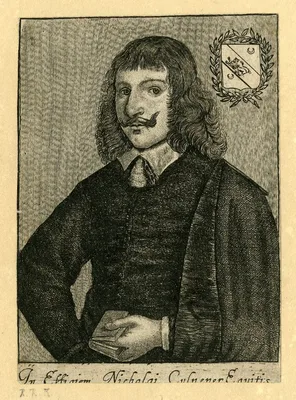
"Culpeper attempted to make medical treatments more accessible to laypersons by educating them about maintaining their health. Ultimately his ambition was to reform the system of medicine by questioning traditional me…
1852 CE–1853 CE
#10129
The flora homoeopathica: Or, illustrations and descriptions of the medicinal plants used as homoeopathic remedies. 2 vols.
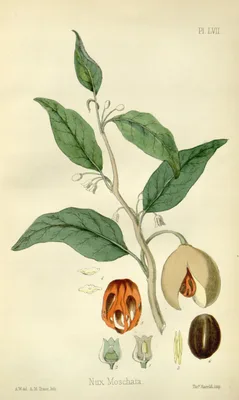
Hamilton detailed the symptoms of poisoning, records of successful use of the plant, and a description of its homeopathic uses. Finely illustrated with hand-colored plates, mostly by Henry Sowerby and his sister Charl…
1967 CE
#13258
The great American water-cure craze: A history of hydropathy in the United States.
1798 CE
#8654
The influence of metallic tractors on the human body, in removing various painful inflammatory diseases, such as rheumatism, pleurisy, some gouty affections, &c. &c: Lately discovered by Dr. Perkins, of North America; and demonstrated in a series of experiments and observations....by which the importance of the discovery is fully ascertained, and a new field of enquiry opened in the modern science of Galvanism, or animal electricity
In 1795 Dr. Elisha Perkins (1741-1799) of Connecticut introduced the use of “Metallic Tractors” for the treatment of a wide range of disorders, including pains in the head, face, teeth, breast, side, stoma…
2018 CE
#9792
The patent medicines industry in Georgian England: Constructing the market by the potency of print.
2001 CE
#9408
The people's doctors: Samuel Thomson and the American Botanical Movement 1790-1860.
"Samuel Thomson, born in New Hampshire in 1769 to an illiterate farming family, had no formal education, but he learned the elements of botanical medicine from a "root doctor," who he met in his youth. Thomson sought …
2013 CE
#13740
The power to cure: A brief history of therapeutic tattooing. In Philippe Della Casa & Constanze Witt (eds.) Tattoos and body modifications in antiquity.
Digital facsimile from academia.edu at this link.
1971 CE
#10858
The pre-Columbian mind: A study into the aberrant nature of sexual drives, drugs affecting behaviour and the attitude towards life and death, with a survey of psychotherapy in pre-Columbian America.
1961 CE
#12413
The toadstool millionaires.
Chronicles the rise of the patent medicine trade from its beginnings in colonial America until passage of the first federal food and drug law. Digital text available from quackwatch.org at this link.
1985 CE
#9889
The Traditional medical practitioner in Zimbabwe: His principles of practice and pharmacopoeia.
1980 CE
#10736
The way of the shaman: A guide to power and healing.
2019 CE
#13741
Therapeutic tattooing in the Arctic: Ethnographic, archaeological, and ontological frameworks of analysis.
Digital facsimile from Academia.edu at this link.
1973 CE
#2068.16
Therapeutics from the primitives to the 20th century, with an appendix: history of dietetics.
Includes a valuable bibliography. First published in German, Stuttgart, 1970.
1930 CE
#2009
Therapeutische Versuche im elektrischen Kurzwellenfeld.
Introduction of short-wave diathermy.
1993 CE
#9017
Tobacco and shamanism in South America.
A comprehensive ethnography of magico-religious, medicinal, and recreational tobacco use among native South American societies, based on a survey of nearly three hundred societies.
1841 CE–1843 CE
#1994
Ueber den Galvanismus als chemisches Heilmittel gegen örtliche Krankheiten.
Crusell began to use electrolysis as a cauterizing agent in 1839. See No. 5604.
1909 CE
#2007
Ueber Diathermie. (Transthermie, Thermopenetration.)
Nagelschmidt employed high frequency currents in treatment after the suggestions of Tesla and the work of Nernst, claiming priority over the latter in the use of this method. Nagelschmidt named this form of treatment …
1938 CE
#4962
Un nuovo metodo di shockterapia: “L’elettroshock”. (Riassunto.)
Introduction of electric convulsion therapy.
1801 CE
#1988.1
Versuche des Galvanismus zur Heilung einiger Krankheiten.
Grapengiesser was the first physician to use Volta’s “pile”, the first battery, which Volta first described in print in 1800. Grapengiesser “noted that in paralyzed muscle excitability could be…
1992 CE
#13344
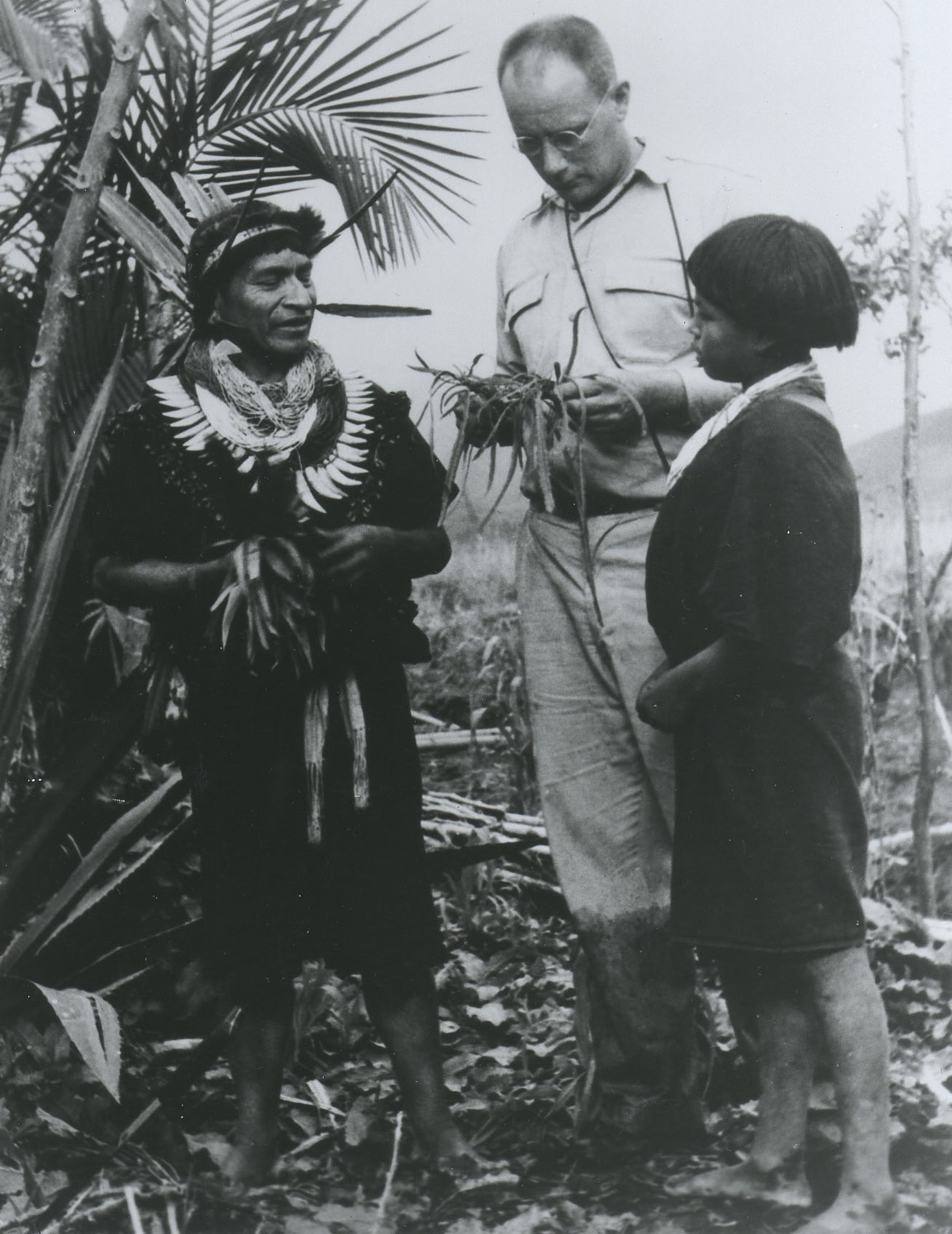
Vine of the Soul: Medicine men, their plants and rituals in the Columbian Amazonia.
1837 CE
#6865
Wirkungen des Schlangengiftes, zum aerztichen Gebrauche vergleichend zusammengestellt. Mit einer Einleigung über das Studium der homöopathischen Arzneimittellehr.
An early American homeopathic title on The Effects of Snake Poison Comparatively Arranged for Therapeutic Use. Hering assumed an analogy between snake venom and bacterial toxins. He drew his work from provings and tes…
1909 CE
#8797
Zulu medicine and medicine-men.

Digital facsimile from the Internet Archive at this link.
1744 CE
#1987.2
Zuschrifft an seine Zuhörer worinnen er ihnen seine Gedancken von der Electricität mittheilet und ihnen zugleich seine künftige Lectionen bekant macht.
Along with Kratzenstein, is the one of the first two works to discuss the possible therapeutic uses of electricity. Krüger predicted that the best results would be with paralyzed limbs. See No. 1987.1. Second edi…