
Facets
Browse across eight MeSH (opens in new tab) facets — era, geography, science, specialty, technology, history, culture, and reference. Select one tag per group; counts update across the others.
Clear filtersFacet filters
Geography
Specialties & Disease
- Anatomy & Pathology 9
- Cardiology & Blood 94
- Neurology & Psychiatry 78
- Obstetrics & Reproductive 17
- Infectious Disease (General) 5
- Surgery & Anesthesia 52
- Public Health 101
- Immunology & Dermatology 60
- General Clinical Medicine 46
- Military Medicine 16
- Psychology 9
- Alternative & Fringe Medicine 100
- Pediatrics 6
- Ophthalmology & Vision 5
- ENT & Hearing 3
- Urology & Nephrology 3
- Gastroenterology & Hepatology 10
- Pulmonary & Respiratory 9
- Rheumatology, Rehab & Pain 29
- Internal, Emergency & Geriatric 4
- Veterinary Medicine 8
- Epidemiology & Demography 13
- Physiology & Embryology 41
- Dentistry 7
- Plagues & Epidemics 92
- Microbiology & Virology 82
Social & Historical Studies
Institutions & Culture
Reference & Scholarly Works
82 entries match Microbiology & Virology [C01.748] · Pharmacology & Therapeutics [D01 / E02]
1926 CE
#1915
On the chemotherapy of neurosyphilis and trypanosomiasis.
Study of the effect of twelve different substances in neurosyphilis and trypanosomiasis.
1906 CE–1907 CE
#2084
On the poisons of Amanita phalloides.
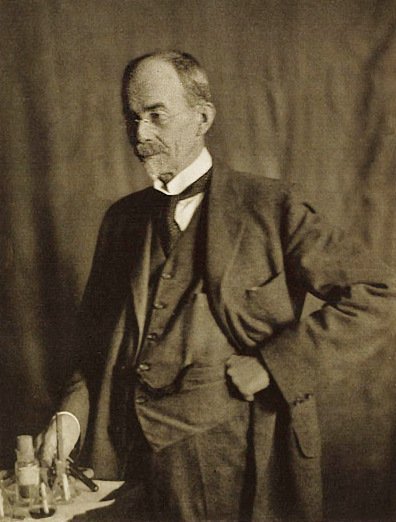
Abel and Ford showed that there were two poisons in the fungus Amanita phalloides, and that immunity against them could be attained. A further study on the subject by the same authors is in Arch. exp. Path. Pharmak., …
1932 CE
#10784
On the specific antibacterial properties of penicillin and potassium tellurite. Incorporating a method of demonstrating some bacterial antagonisms.
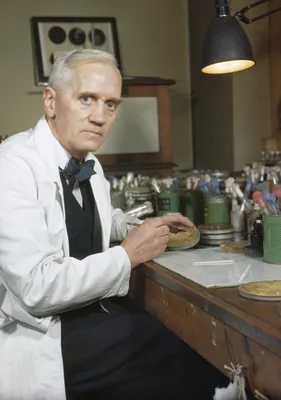
In this paper Fleming first described the use of penicillin as an antibacterial agent in man, and reported on experiments using it as a wound dressing for septic wounds. He also corrected the species name from Penicil…
2018 CE
#11480
Pathogen elimination by probiotic Bacillus via signaling interference.
Order of authorship in the original publication: Piewngam, Zheng, Nguygen....The authors discovered a mechanism by which probiotics help maintain a healthy microbiome. They showed that Bacillus subtilis can produce a …
1948 CE
#5261.2
Pentaquine (Sn-13,276), a therapeutic agent effective in reducing the relapse rate in vivax malaria.
Clinical trials of pentaquine. With B. Craige, R. Jones, C. M. Whorton, T. N. Pullman, and L. Eichelberger.
1908 CE
#9018
Philumeni de venenatis animalibus eorumque remediis capita XXXVIII ed. M. Wellmann. Corpus medicorum graecorum X 1, 1.
This work on venoms and their antidotes is the only surviving work of the Byzantine physician Philomenos. Within this context Philomenos also discusses the bites of rabid dogs. Digital facsimile from Corpus medicorum …
1821 CE
#10647
Phytographie médicale, ornée de figures coloriées de grandeur naturelle, ou l’on expose l’histoire des poisons tirés du règne végétal, et les moyens de remédier a leurs effets délétères, avec des observations sur les propriétés et les usages des plantes héroïques. 2 vols.
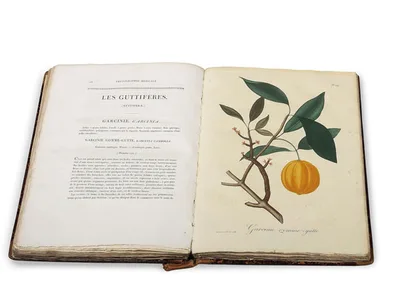
Perhaps the most beautiful book on botanic poisons and their antidotes, including narcotics. Plates 1-15 cover mushrooms, and plate 175 depicts Cannabis sativa. With 180 plates printed in color à la poupé…
2016 CE
#11375
Protective monotherapy against lethal Ebola virus infection by a potently neutralizing antibody.
The cited paper was immediately followed in the same issue of Science by: John Misasi, Morgan A. Gilman, Masaru Kanekiyo et al, "Structural and molecular basis for Ebola virus neutralization by protective human antibo…
1601 CE
#13812
Rariorum plantarum historia.
Describing approximately 100 new species, the Rariorum plantarum historia gathers accounts from Clusius’s earlier botanical tours of Spain (Rariorum aliquot stirpium per Hispanias observatarum historia, 1576) an…
1955 CE
#2527
Reconstitution of active tobacco mosaic virus from its inactive protein and nucleic acid components.
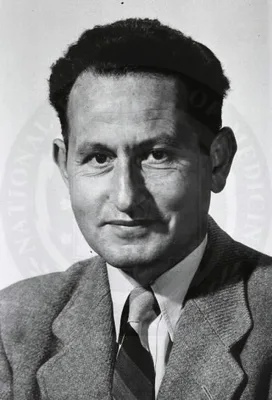
First reconstitution of a virus.
1688 CE
#7955
Remèdes contre les cours de ventre.
"The remedy here treated of is ipecacuanha: although its antidysenteric virtues had previously been made known in 1649 by the writings of Piso and Marggraf [No. 2263.1] it was left to Helvetius, about forty years subs…
1952 CE
#9719
Replica plating and indirect selection of bacterial mutants.
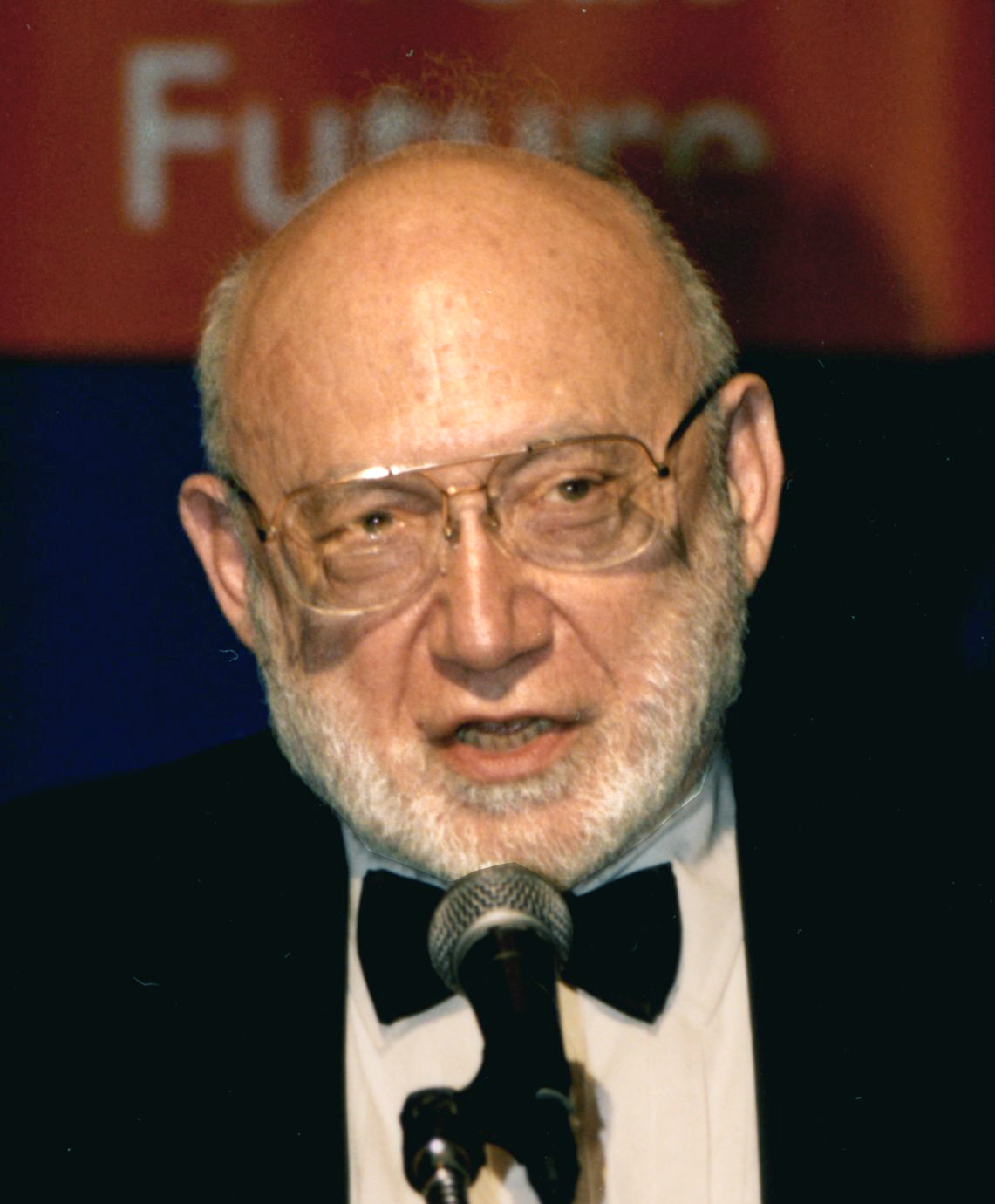
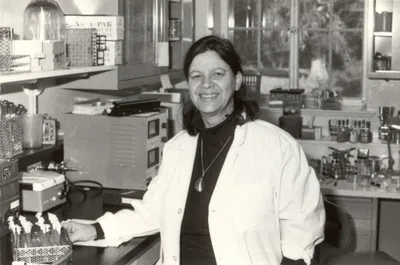
Demonstration of the mutational basis of antibiotic resistance. Digital facsimile from PubMedCentral at this link.
1905 CE
#5279
Report on trypanosomes, trypanosomiasis, and sleeping sickness, being an experimental investigation into their pathology and treatment.
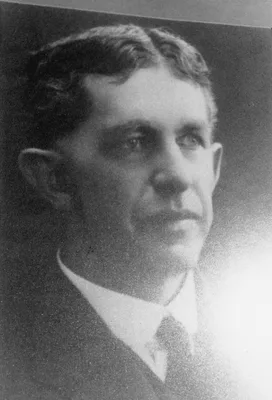
Thomas and Breinl discovered that arsanilic acid, was more potent in the treatment of laboratory trypanosomiasis than arsenic in inorganic form. As a crystalline powder it was introduced medically as Atoxyl. Thomas an…
1877 CE
#1997
Researches on the effect of light upon bacteria and other organisms.
Downes and Blunt were the first to demonstrate the bactericidal action of sunlight; they regarded the germicidal property of light as depending on oxidation.
1912 CE
#5324
Salvarsantherapie der Rattenbisskrankheit in Japan.
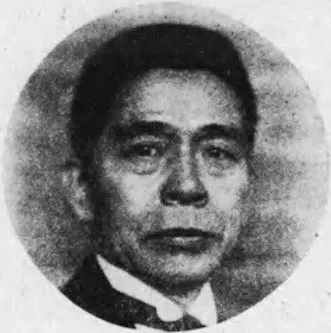
Salvarsan first used in the treatment of rat-bite fever.
1902 CE
#2110
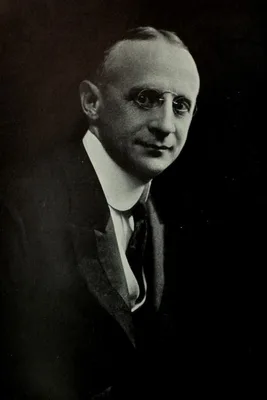
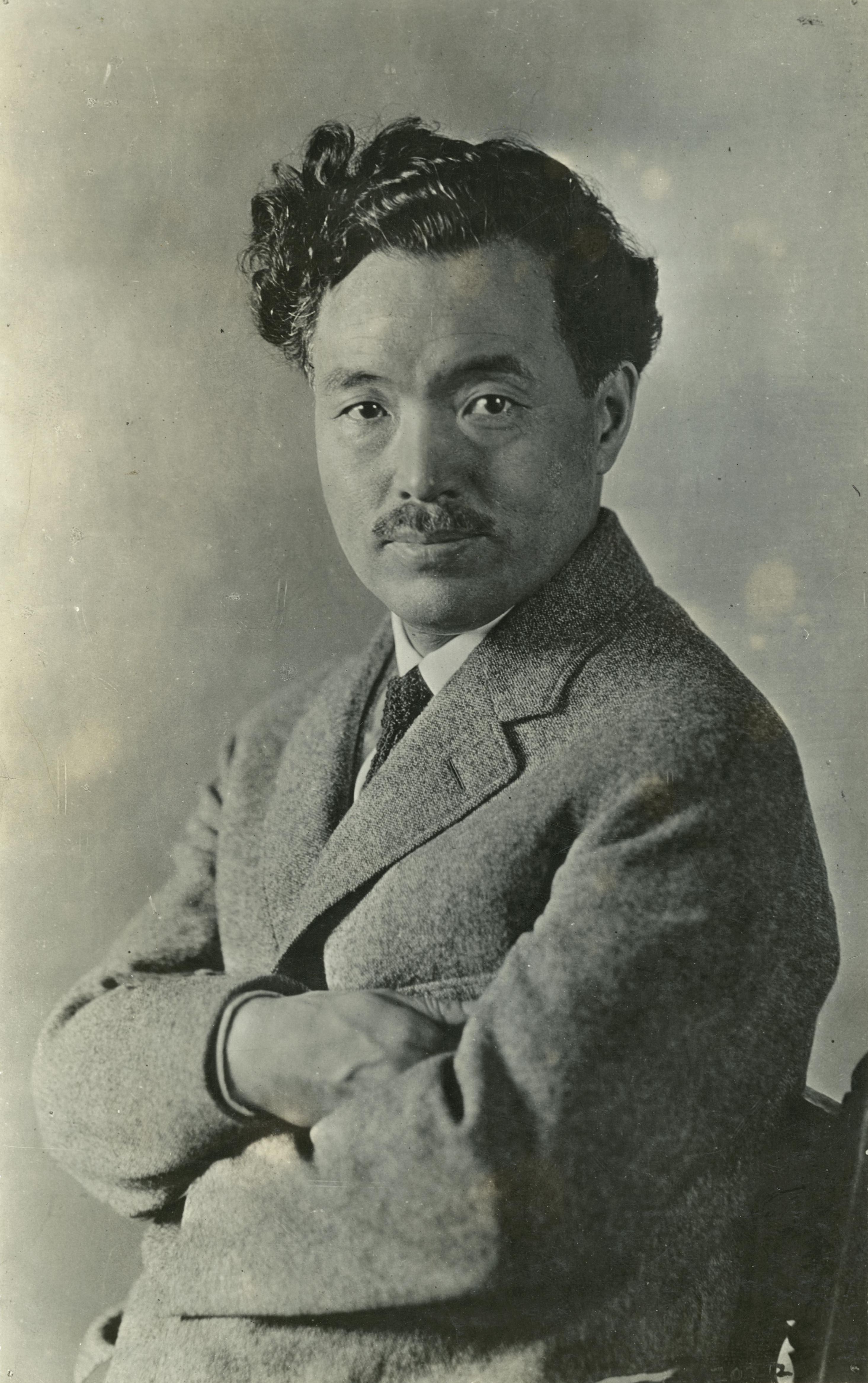
Snake venom in relation to haemolysis, bacteriolysis, and toxicity.
1968 CE
#9848
Soma: Divine mushroom of immortality.
Ethnomycologist and banker Wasson provided evidence for the important role that hallucinogenic mushrooms - in particular the ubiquitous mushroom Amanita muscaria (fly agaric) - play in various ancient and modern cultu…
1945 CE
#2350
Streptomycin in treatment of clinical tuberculosis: a preliminary report.
1947 CE
#5351.4
Sur la chimiothérapie de l’onchocercose. (Note préliminaire).

First effective chemotherapy (suramin) for onchocerciasis. With C. Heurard, E. Peel, and M. Wanson.
1821 CE–1832 CE
#10167
Systema mycologicum: Sistens fungorum ordines, genera et species, huc usque cognitas, quas ad normam methodi naturalis determinavit. 3 vols.
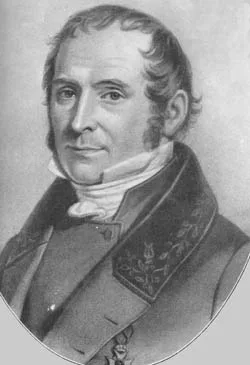
Fries's work represents the beginning of mycological nomenclature. Digital facsimile from Biodiversity Heritage Library at this link.
1985 CE
#11377
The association between idiopathic hemolytic uremic syndrome and infection by Verotoxin-producing Escherichia coli.
Order of authorship in the original publication: Karmali, Petric, Lim. The authors discovered that a hemolytic uremic syndrome, associated with E. coli 0157-H7 (first described in No. 11376), and which could not be cu…
1876 CE
#1932
The optical deportment of the atmosphere in relation to the phenomena of putrefaction and infection.
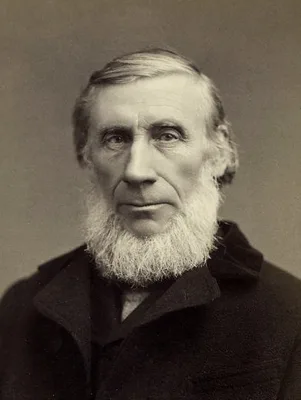
Tyndall observed the selective bacteria-inhibiting effect of Penicillium and the resistance of Ps. pyocyanea to it. See No. 2495.
1978 CE
#10168
The road to Eleusis: Unveiling the secret of the mysteries.
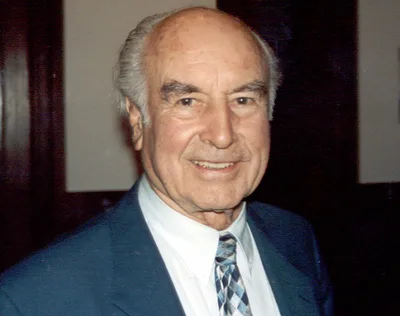
Argues that the psycho-active ingredient in the secret kykeion potion used in the Eleusinian mysteries was most likely the ergotism causing fungus Claviceps purpurea. Furthermore the book introduced the term "entheoge…
1675 CE
#12998
Theatrum fungorum oft het tooneel der Campernoelien. Waer inne vertoont wort de gedaente, ken-teeckens, natuere, crachten, voetsel, deught ende ondeught; mitsgaders het voorsichtigh schoonmaken ende bereyden van alderhande Fungien....
The first separate general work on fungi, describing edible and poisonous varieties. Digital facsimile from the Hathi Trust at this link.
1999 CE
#11071
Tobacco mosaic virus: Pioneering research for a century. A theme issue edited by B. D. Harrison and T. M. A. Wilson.

1888 CE
#2506
Ueber die Fleischvergiftung in Frankenhausen. a.K. und den Erreger derselben.
Discovery of Salmonella enteritidis, a cause of food poisoning.
1892 CE
#2506.2
Ueber die Mosaikkrankheit der Tabakspflanze.
The Russian botanist Ivanovski demonstrated that the agent responsible for tobacco mosaic disease could pass through the finest filter then available. This was the starting point of research into the etiology of virus…
1886 CE
#2503.1
Ueber die Mosaikkrankheit des Tabaks.
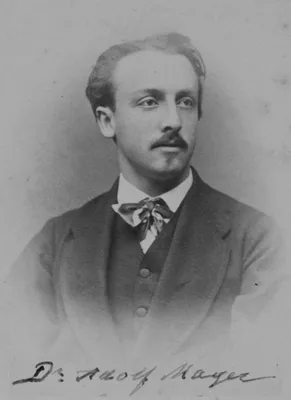
Mayer was first to describe and name tobacco mosaic disease and to demonstrate its infectious nature, that it could be transferred between plants, similar to bacterial infections. Translation in Phytopathological Clas…
1900 CE
#2515
Ueber die nach Gram färbbaren Bacillen des Säuglingsstuhles.
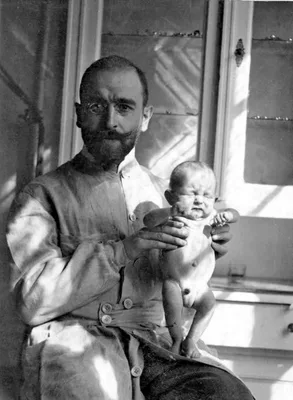
Isolation of Lactobacillus acidophilus.
1891 CE
#5241.1
Ueber die Wirkung des Methylenblau bei Malaria.
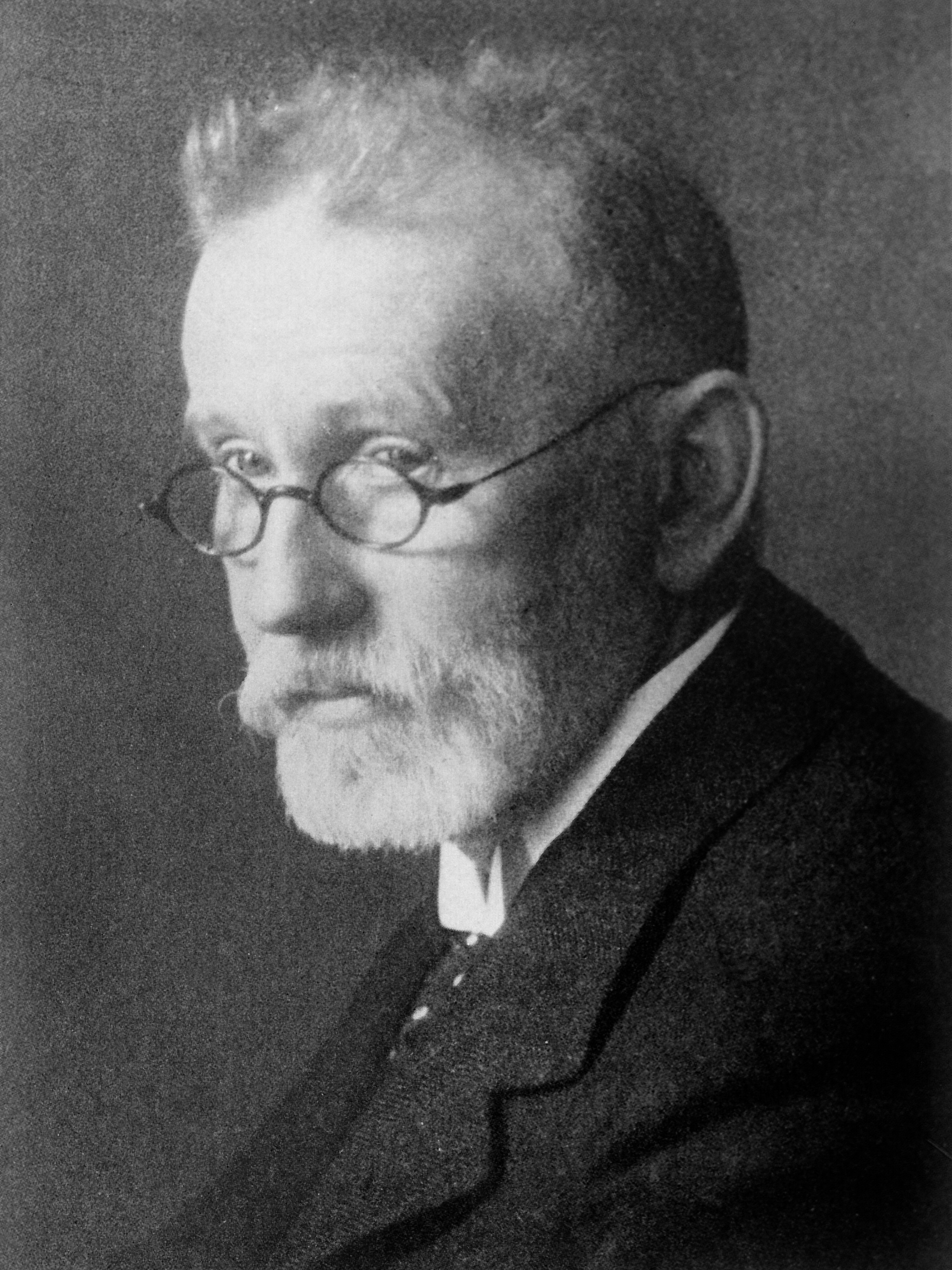
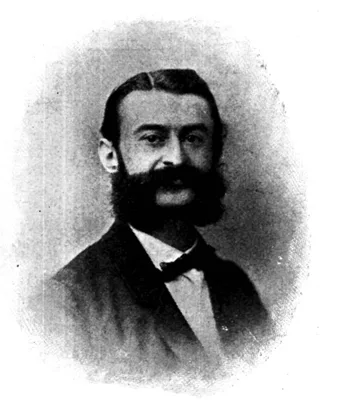
Guttmann and Ehrlich demonstrated methylene blue to be lethal in vitro for the malaria parasite – the beginning of Ehrlich’s work on chemotherapy.
1817 CE
#2468
Vergiftung durch verdorbene Würste.
Botulism first described. Kerner published an expanded study as Neue Beobachtungen über die in Würtemberg so häufig vorfallenden tödtlichen Vergiftung durch den Genuss geräuchter Würstem,…
1859 CE
#13815
Zoologie médicale exposé méthodique du régne animal basé sur l'anatomie, l'embryologie et la paléontologie comprenant la description des espèces employées en médicine de celles qui sont venimuses et de celles qui sont parasites de l'homme et des animaux. 2 vols.
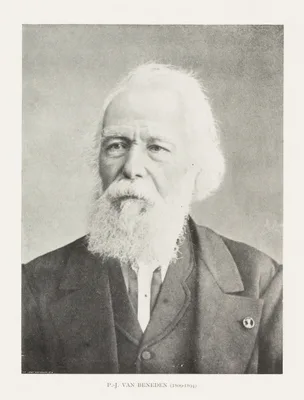
Digital facsimile from Biodiversity Heritage Library at this link.