
Facets
Browse across eight MeSH (opens in new tab) facets — era, geography, science, specialty, technology, history, culture, and reference. Select one tag per group; counts update across the others. What’s new in facet browse how facets relate to subjects and MeSH.
Clear filtersFacet filters
Geography
Specialties & Disease
- Anatomy & Pathology 9
- Cardiology & Blood 94
- Neurology & Psychiatry 78
- Obstetrics & Reproductive 17
- Infectious Disease (General) 5
- Surgery & Anesthesia 52
- Public Health 101
- Immunology & Dermatology 60
- General Clinical Medicine 46
- Military Medicine 16
- Psychology 9
- Alternative & Fringe Medicine 100
- Pediatrics 6
- Ophthalmology & Vision 5
- ENT & Hearing 3
- Urology & Nephrology 3
- Gastroenterology & Hepatology 10
- Pulmonary & Respiratory 9
- Rheumatology, Rehab & Pain 29
- Internal, Emergency & Geriatric 4
- Veterinary Medicine 8
- Epidemiology & Demography 13
- Physiology & Embryology 41
- Dentistry 7
- Plagues & Epidemics 92
- Microbiology & Virology 82
Social & Historical Studies
Institutions & Culture
Reference & Scholarly Works
1,672 entries match Pharmacology & Therapeutics [D01 / E02]
1498 CE
#11631
Nuovo ricettario composto dal Collegio dei Dottori di Firenze. Ed: Hieronymus dal Pozzo Toscanelli.
The pharmacopeia of Florence was probably the second pharmacopeia published in print. It included a list of approved drugs and described various methods of preparing them for use, together with proper weights and meas…
1809 CE
#11403
Observationes in Ordines plantarum naturales. Dissertatio prima complectens Anandrarum ordines Epiphytas, Mucedines, Gastromycos et Fungo.
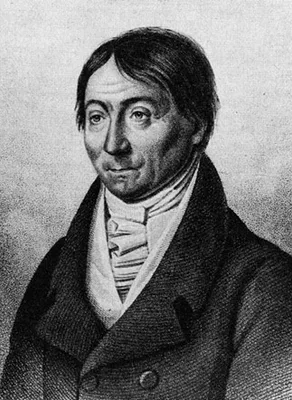
Link described Polyangium, the first bacterium to be described that is still recognized today. Link also described Penicillium for the first time.
1759 CE
#1770
Observations on the changes of the air and the concomitant epidemical diseases, in the Island of Barbados.
Hillary included good accounts of lead colic and infective hepatitis, and probably the first description of sprue (celiac disease).
1782 CE
#1835
Observations on the medical uses of the oleum jecoris aselli, or cod liver oil, in the chronic rheumatism, and other painful disorders.
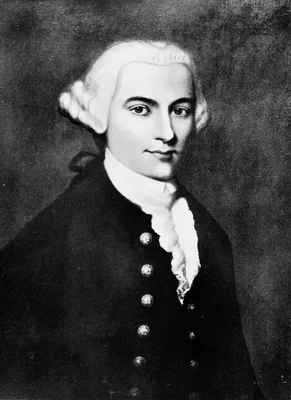
First record of the clinical use of cod liver oil in England.
1829 CE–1832 CE
#109
Observations on the organs and mode of fecundation in Orchideae and Asclepiadeae.
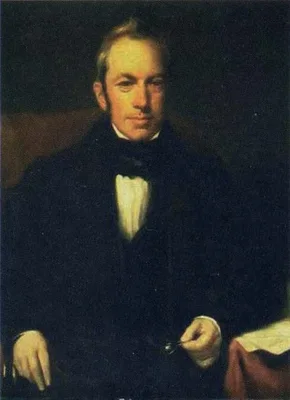
Discovery, in 1831, of the cell nucleus. First issued as a separate pamphlet: Observations on the Organs and Mode of Fecundation in orchideae and asclepiadeae ... [with:] Additional remarks ... London, [privately prin…
1828 CE–1829 CE
#2017
Observations on transfusion of blood.
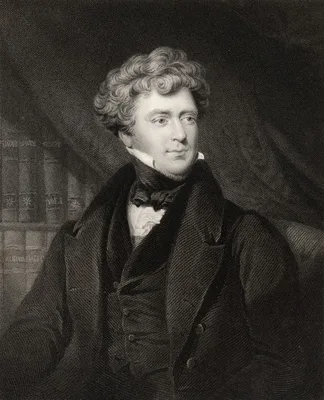
The first human to human transfusion in which the patient did not die. Blundell established the most fundamental points in transfusion, including the incompatibility of interspecies transfusion and the method of indir…
1818 CE
#10069
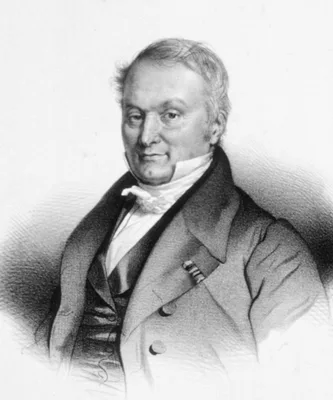
Oeuvres complètes de Bordeu, précédés d'une notice sur sa vie et sur ses ouvrages, par M. le Chevalier Richerand. 2 vols.
1851 CE–1876 CE
#31
Oeuvres d’Oribase, texte grec, en grande partie inédit…traduit pour la première fois en français; par les Drs. Bussemaker et Daremberg. 6 vols.
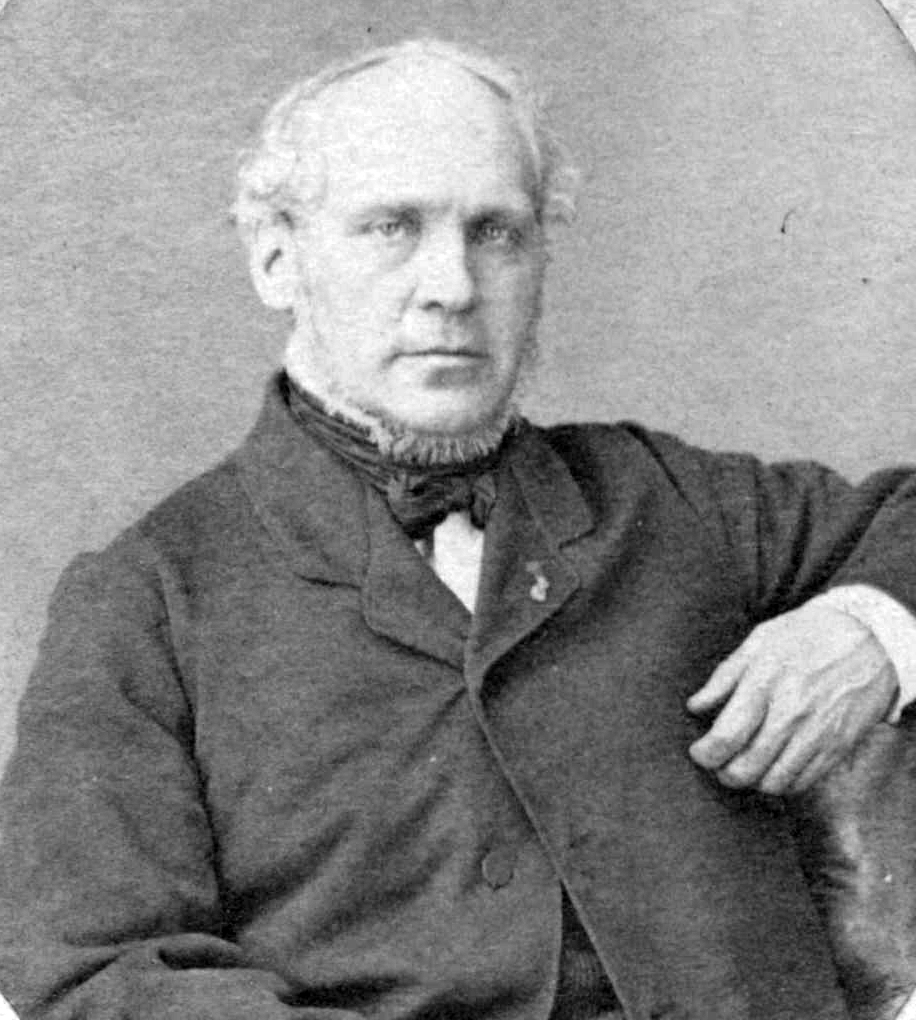
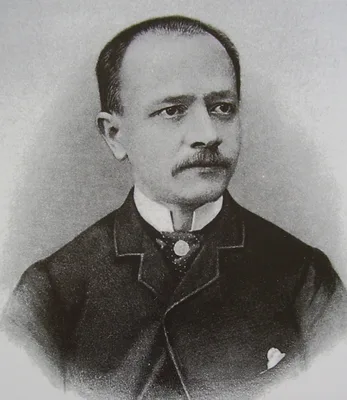
Oribasius was a compiler of existing knowledge rather than an original writer. His output was immense; he compiled the Synagoge, an encyclopedic digest of medicine, hygiene, therapeutics, and surgery from Hippocrates …
2009 CE
#12148
Of books and botany in early modern England: Sixteenth-century plants and print culture.
1685 CE
#11557
Of the reconcileableness of specifick medicines to the corpuscular philosophy to which is annexed a discourse about the advantages of the use of simple medicines.
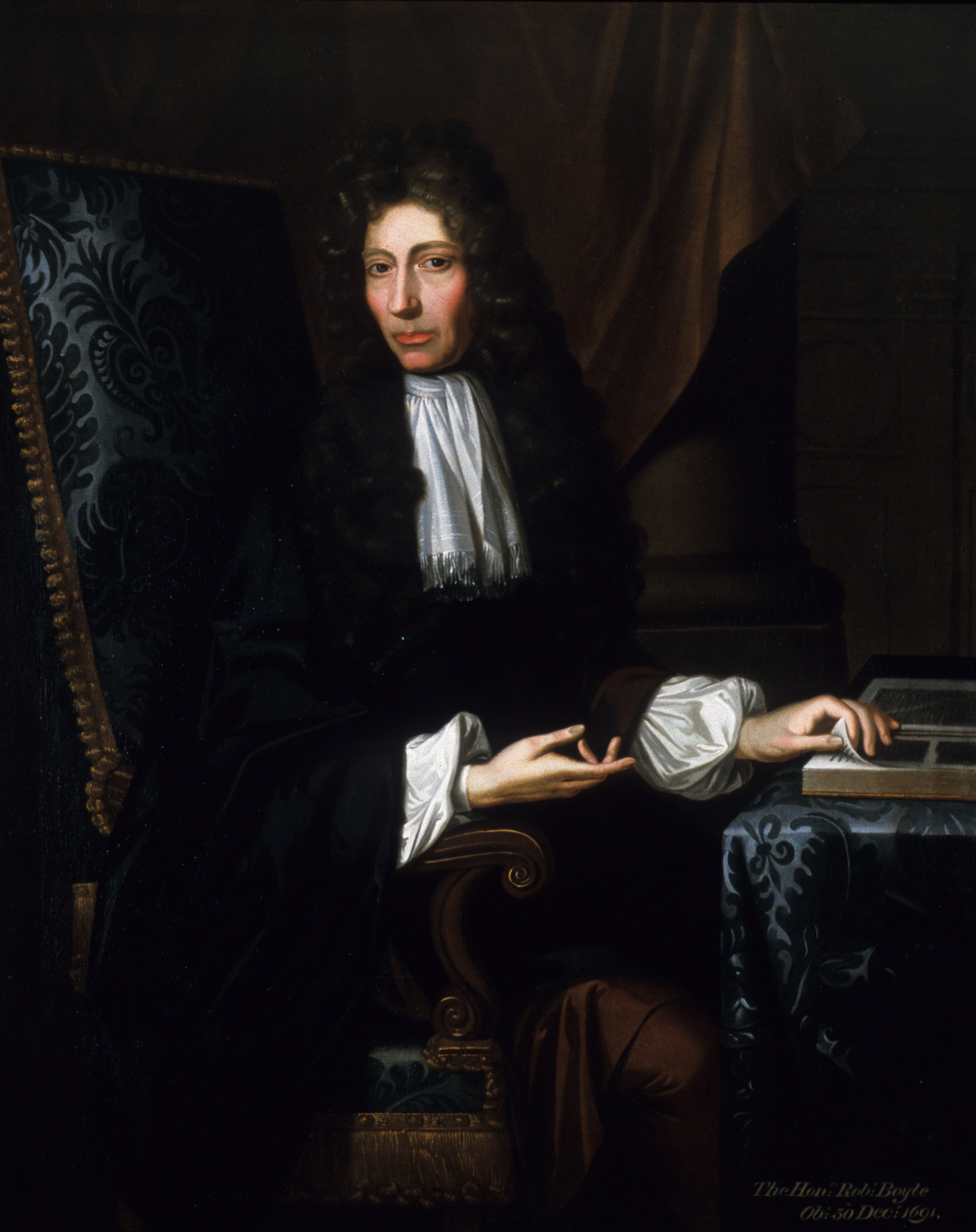
In this work on drug action or pharmacodynamics Boyle argued that remedies composed of only one or two ingredients were preferable to more complex drugs for two reasons. First, because the patient would experience few…
1896 CE
#2000
Om anvendelse medicinen af koncentrerede kemiske lysstraaler.
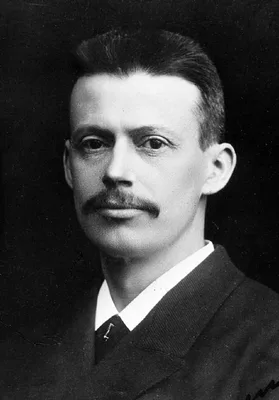
Finsen was the founder of modern phototherapy. He demonstrated the value of invisible light, the actinic or chemical ray, the ultra-violet ray, as therapeutic measures. Digital facsimile from wellcomecollection.org at…
1886 CE
#1883.01
Om Periodiske Depressionstilstande og deres Patogenese.
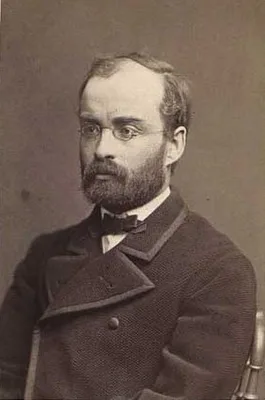
Lange was the first to use a mixture of drugs containing lithium carbonate for the preventive treatment of periodic depression. This work contains the “first unequivocal account of prophylactic drug treatment fo…
1534 CE
#9864
Om UrteVand.
Petersen issued a second book, "On herbal extracts" in 1534. According to Stokker, Remedies and rituals: Folk medicine in Norway and the new land (2007) p. 111, Pedersen's two works together contained "250 medical her…
1822 CE
#4521
On a peculiar disease resulting from the use of ardent spirits.
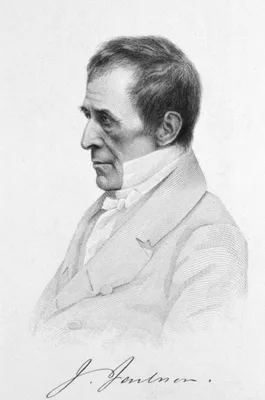
Jackson drew attention to alcoholic neuritis – arthrodynia a potu. Jackson was professor at Boston Medical School.
1922 CE
#1910.1
On a remarkable bacteriolytic element found in secretions and tissues.
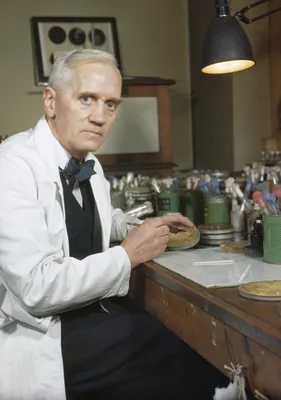
Lysozyme, an antimicrobial enzyme that is a component of secretions such as tears and saliva. Digital facsimile from royalsocietypublishing.org at this link
1840 CE
#2099
On a remarkable effect upon the human gums produced by the absorption of lead.
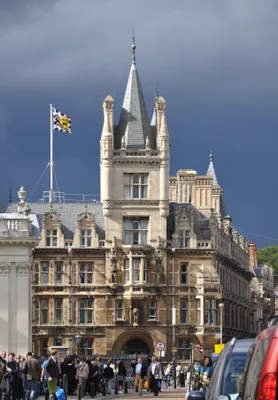
Burton was the first to note the blue line on the gums in lead poisoning – “Burton’s blue line" – an important diagnostic sign. He was physician to St. Thomas’s Hospital, London.
1898 CE
#2513
On an epidemic of gastro-enteritis associated with the presence of a variety of the Bacillus enteritidis (Gaertner), and with positive sero-diagnostic evidence (in vivo and in vitro).
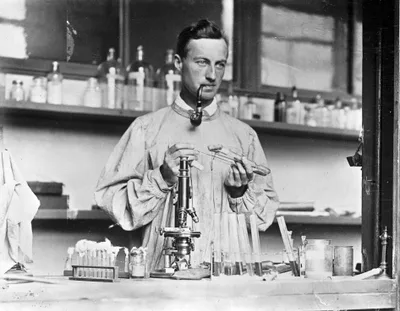
Discovery of Salm. Aertrycke in patients suffering from food poisoning.
1835 CE
#11723
On blood-letting: An account of the curative effects of the abstraction of blood; with rules for employing both local and general blood-letting in the treatment of diseases.
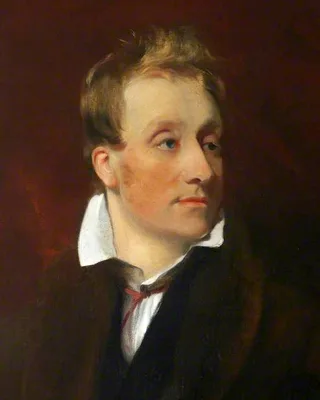
Wardrop "promoted blood-letting in an era when a few physicians, notably Pierre Louis of Paris, were discouraging the therapeutic approach" (W. Bruce Fye, "James Wardrop," Profiles in cardiology, 91.) Digital facsimil…
1929 CE
#9247
On Chinese medicine: Drugs of Chinese pharmacies in Malaya.
1831 CE
#216.3
On naval timber and arboriculture.
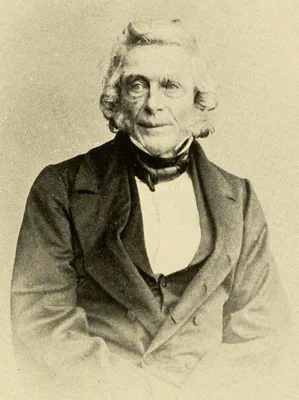
The “first clear and complete” anticipation of the Darwinian theory of evolution by natural selection. The appendix to Matthew’s work actually uses the expression, “natural process of selection…
1867 CE
#3914.1
On researches intended to promote an improved chemical identification of diseases.
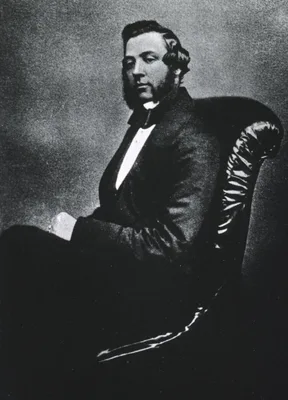
Discovery of the first porphyrin, hematoporphyrin (p. 227). Hematoporphyrin has also been used as an antidepressant and antipsychotic since the 1920s,
2008 CE
#7426
On speed: The many lives of amphetamine.
1844 CE
#12695
On superstitions connected with the history and practice of medicine and surgery.
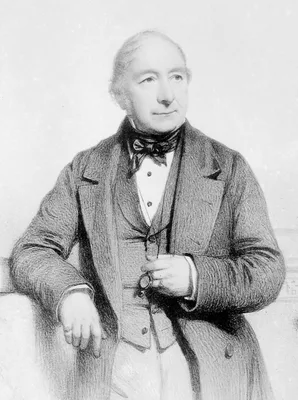
Digital facsimile from the Hathi Trust at this link.
1916 CE
#2085
On the ‘vomiting sickness’ of Jamaica.
Discovery of the cause of the “vomiting sickness of Jamaica”: ackee poisoning.
1913 CE
#849
On the action of drugs and the function of the anterior lymph hearts in cardiectomized frogs.
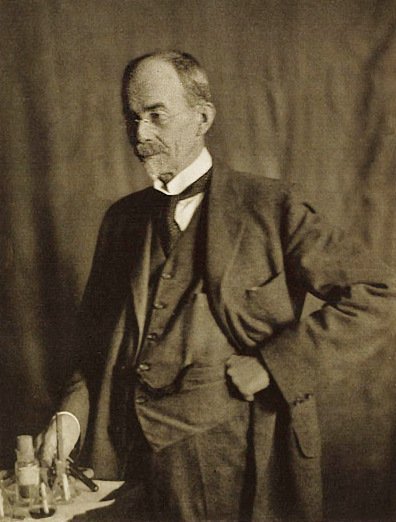
Abel was one of America’s most distinguished pharmacologists. See A. M. Harvey. "Pharmacology’s giant," Johns Hopk. med. J., 1974, 135, 245-58.
1874 CE
#11087
On the action of organic acids and their anydrides on the natural alkaloïds. Part I.
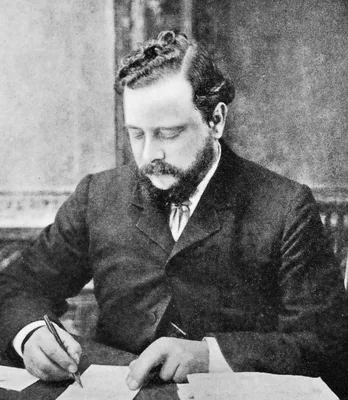
In quest of a non-addictive alternative to morphine, Wright experimented with combining morphine with various acids. He boiled anhydrous morphine alkaloid with acetic anhydride over a stove for several hours and produ…
1929 CE
#1933
On the antibacterial action of cultures of a penicillium, with special reference to their use in the isolation of B. influenzae.
Discovery of the growth-inhibiting action of Penicillium on certain bacteria. In 1945 Fleming shared the Nobel Prize in Physiology or Medicine with Ernst Boris Chain and Sir Howard Walter Florey "for the discovery of …
1926 CE
#1915
On the chemotherapy of neurosyphilis and trypanosomiasis.
Study of the effect of twelve different substances in neurosyphilis and trypanosomiasis.
1868 CE–1869 CE
#1867
On the connection between chemical constitution and physiological action.
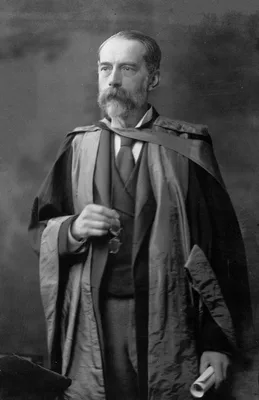
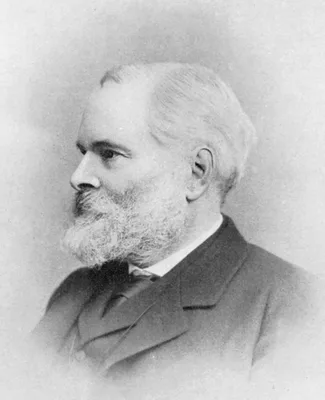
Brown and Fraser were the first to investigate the relationship between the chemical constitution of substances and their action upon the body. "Although Crum Brown apparently never contemplated the practice of medici…
1867 CE
#1996.3
On the electrolytic treatment of tumors, and other surgical diseases.
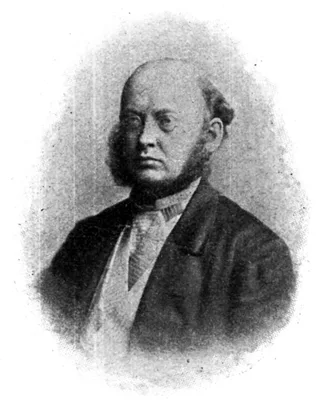
Althaus introduced Duchenne’s methods into England. He was the first to employ electrolysis for medical purposes. Greatly expanded third edition, 1873.
1859 CE
#7446
On the flora of Australia, its origin, affinities, and distribution; being an introductory essay to the Flora of Tasmania. Offprint from The Botany of the Antarctic Voyage of H. M. Discovery Ships ‘Erebus’ and ‘Terror’, Vol. III (Flora Tasmaniae), part I (June, 1859).
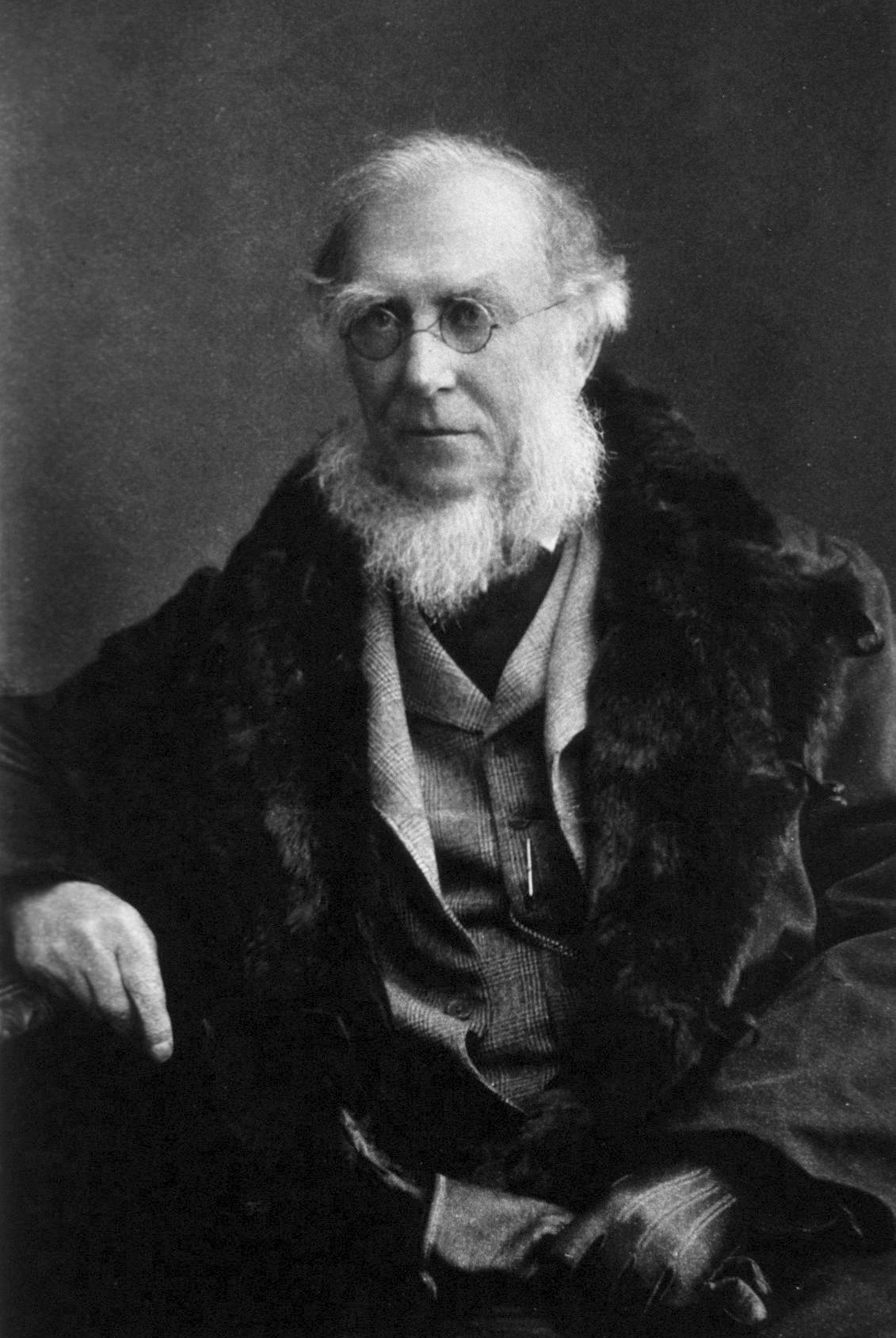
The first important botanical work by a supporter of Darwin’s theory of evolution by natural selection. Hooker, a botanist and plant geographer, had been a close friend of Darwin for many years, and was aware of…
1835 CE
#10108
On the influence of atmosphere and locality; change of air and climate; seasons; food; clothing; bathing; exercise; sleep; corporeal and intellectual pursuits, &c. &c. on human health; constituting elements of hygiéne.
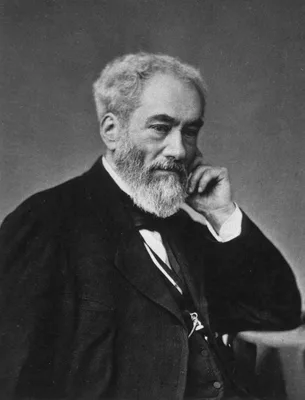
Digital facsimile from the Internet Archive at this link.
1837 CE
#4524
On the influence of electricity, as a remedy in certain convulsive and spasmodic diseases.
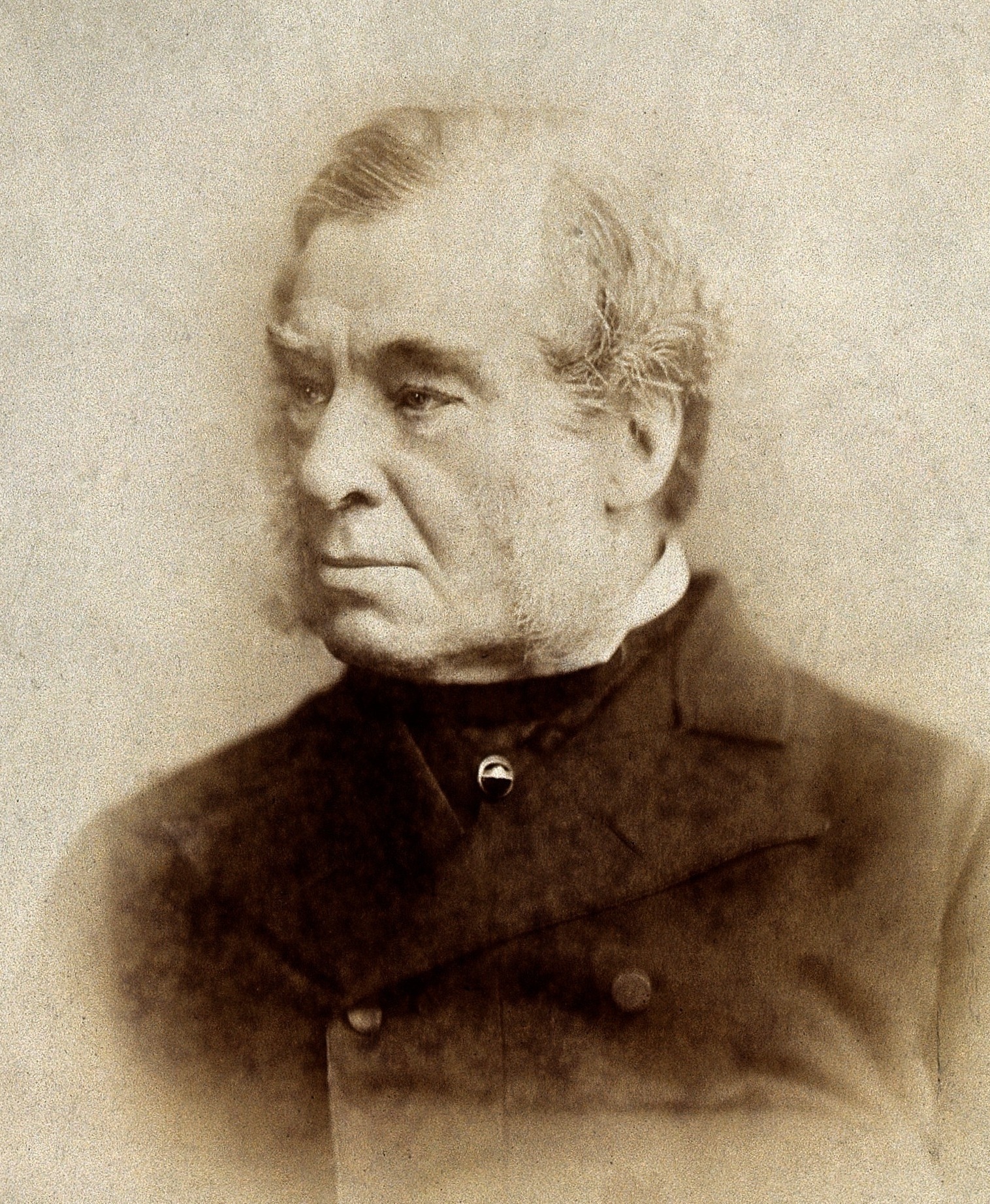
First therapeutic employment of static electricity.
1914 CE
#850
On the influence of the lymph hearts upon the action of convulsant drugs in cardiectomized frogs. II.
1854 CE
#10130
On the medicinal and toxicological properties of the cryptogamic plants of the United States.
Separate edition: New York: Baker, Godwin & Co, 1854. Digital facsimile from Google Books at this link.
1865 CE
#8910
On the movements and habits of climbing plants.
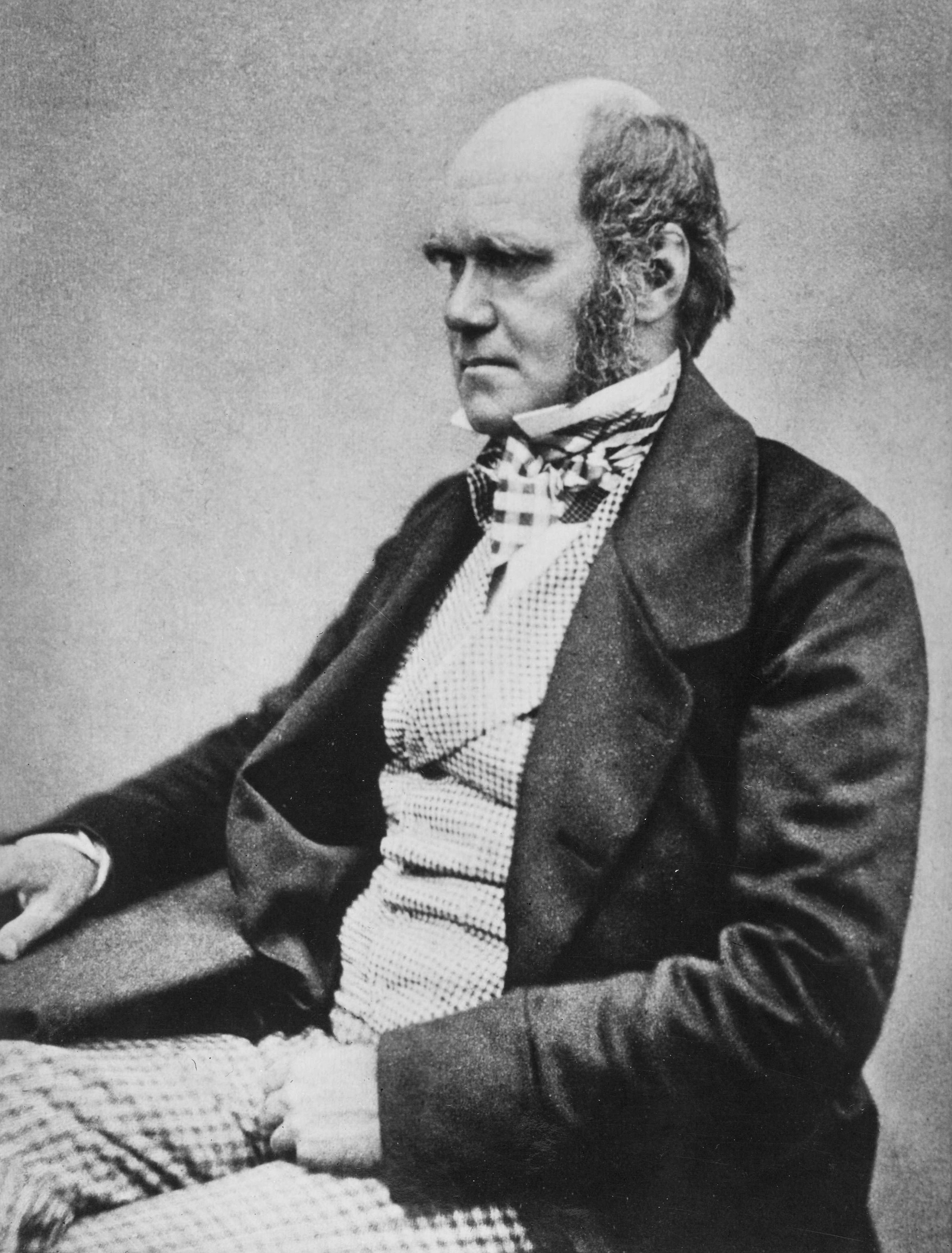
Darwin's report on his discoveries concerning the adaptive value of climbing for certain plants, including the development of circumnutation. Darwin waited ten years to publish the first edition in book form (1875) wi…
1867 CE
#1866.1
On the physiological action of the Calabar bean (Physostigma venenosum, Balf).
Isolation of eserine (physostigmine).
1906 CE–1907 CE
#2084
On the poisons of Amanita phalloides.
Abel and Ford showed that there were two poisons in the fungus Amanita phalloides, and that immunity against them could be attained. A further study on the subject by the same authors is in Arch. exp. Path. Pharmak., …
1905 CE
#1893.2
On the reaction of cells and of nerve-endings to certain poisons, chiefly as regards the reaction of striated muscle to nicotine and to curari.
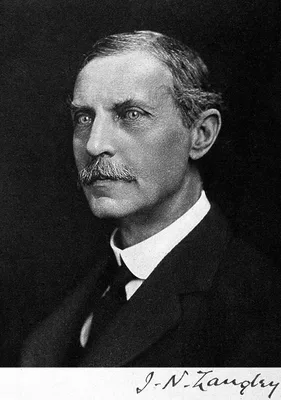
Langley introduced the concept of a receptor substance present in the biological object with which a drug has to interact in order to exert its biological effect. Digital facsimile from PubMedCentral at this link.
1909 CE
#1897
On the relation between the toxicity and chemical constitution of a number of derivatives of choline and analogous compounds.
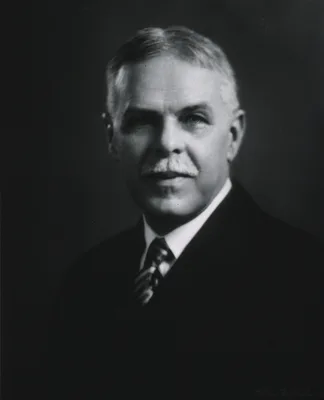
1895 CE
#2108
On the rendering of animals immune against the venom of the cobra and other serpents; and on the antidotal properties of the blood serum of the immunised animals.
Fraser investigated the possibilities of immunization against cobra venom and obtained “antivenene”, an antivenom serum.
1932 CE
#10784
On the specific antibacterial properties of penicillin and potassium tellurite. Incorporating a method of demonstrating some bacterial antagonisms.
In this paper Fleming first described the use of penicillin as an antibacterial agent in man, and reported on experiments using it as a wound dressing for septic wounds. He also corrected the species name from Penicil…
1878 CE
#4075.1
On the treatment of psoriasis by an ointment of chrysophanic acid.
Introduction of chrysarobin in dermatology.
1915 CE
#1903.2
On the use of certain antiseptic substances in the treatment of infected wounds.
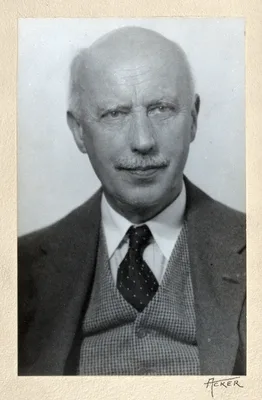
Eusol and chloramine-T. “Dakin’s solution” was employed by Carrel (No. 5642) in the Carrel–Dakin method of irrigation of wounds.
1867 CE
#2890
On the use of nitrite of amyl in angina pectoris.
Lauder Brunton was responsible for the introduction of amyl nitrite for the alleviation of angina. Reprinted in F. A. Willius & T. E. Keys: Cardiac classics, 1941, pp. 561-64.
1861 CE
#8914
On the various contrivances by which British and foreign orchids are fertilised by insects, and on the good effects of intercrossing.
Darwin's first work on plant fertilization and the first volume of evidence that he published to support the theories advanced in On the origin of species (1859). This was also the only book by Darwin that was issued …
1817 CE
#9701
On transfusion of blood in extreme cases of haemorrhage.
In 1816 Leacock, from Barbados, reported systematic experiments in Edinburgh on dogs and cats that established that donor and recipient must be of the same species, and recommended inter-human transfusion; he then ret…
1866 CE
#13251
On uncontrollable drunkenness considered as a form of mental disorder. With suggestions for its treatment, and the organization of sanitoria for dipsomanics.
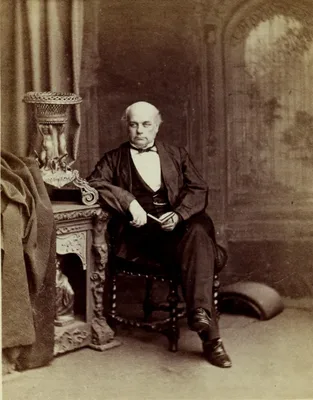
Digital facsimile from Google Books at this link.
2002 CE
#12416
One hundred years of heroin. Edited by David F. Musto with the assistance of Pamela Korsmeyer and Thomas W. Maulucci, Jr.
1598 CE
#13347
Onomatologia, seu nomenclatura stirpium quae in Horto Regio Monspeliensi recens constructo coluntur.
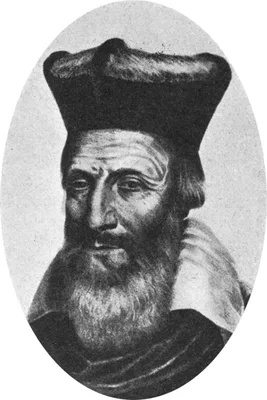
The first catalogue of medicinal plants in the Jardin des plantes de Montpellier, founded by Richer de Belleval in 1593. This was the first medical botanical garden in France. Reprinted in Opuscules de Pierre Richer d…