
Facets
Browse across eight MeSH (opens in new tab) facets — era, geography, science, specialty, technology, history, culture, and reference. Select one tag per group; counts update across the others. What’s new in facet browse how facets relate to subjects and MeSH.
Clear filtersFacet filters
Geography
Specialties & Disease
- Anatomy & Pathology 9
- Cardiology & Blood 94
- Neurology & Psychiatry 78
- Obstetrics & Reproductive 17
- Infectious Disease (General) 5
- Surgery & Anesthesia 52
- Public Health 101
- Immunology & Dermatology 60
- General Clinical Medicine 46
- Military Medicine 16
- Psychology 9
- Alternative & Fringe Medicine 100
- Pediatrics 6
- Ophthalmology & Vision 5
- ENT & Hearing 3
- Urology & Nephrology 3
- Gastroenterology & Hepatology 10
- Pulmonary & Respiratory 9
- Rheumatology, Rehab & Pain 29
- Internal, Emergency & Geriatric 4
- Veterinary Medicine 8
- Epidemiology & Demography 13
- Physiology & Embryology 41
- Dentistry 7
- Plagues & Epidemics 92
- Microbiology & Virology 82
Social & Historical Studies
Institutions & Culture
Reference & Scholarly Works
1,672 entries match Pharmacology & Therapeutics [D01 / E02]
1844 CE
#13074
Pharmacopoea Castrensis Ottomano. Pharmacopée militaire Ottomane.
The first original pharmacopoeia printed in the Ottoman Empire, with an original text by the Austrian physician Karl Ambros Bernard. The text of this pharmacopeia was in French and Latin, accompanied by Italian terms.…
1681 CE
#13139
Pharmacopoea persica ex idiomate persico in latinum conversa. Tafsir-i murakkabat-i qarabadin-i parsi [-i Muzaffar b. Muhammad as-Sifa`i] ba-dast-i Angelus Karmelit.
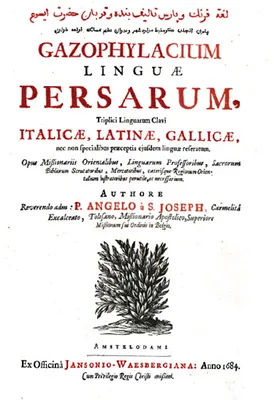
The editor, Joseph Labrosse, "was born in Toulouse in 1636 and entered a Carmelite order, taking the name of Fr. Angelus of St Joseph. In 1662 he went to Rome and studied Arabic for two years before travelling to Isfa…
1641 CE
#12811
Pharmacopoeia Bruxellensis: Jussu amplissimi senatus edita.
The first Brussels pharmacopeia, modeled after the first Paris pharmacopeia. Digital facsimile from Google Books at this link.
1818 CE
#13075
Pharmacopoeia Geniki.
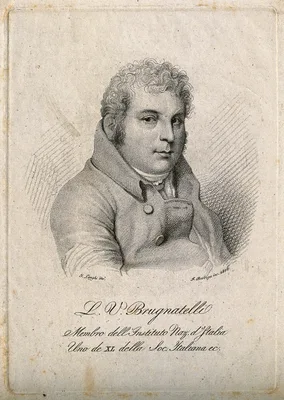
The first pharmacopeia printed in Turkey. This was a translation into Greek from Brugnatelli's Farmakopoea ad uso degli Speziali, e Medici Moderni della Repubblica Italiana. The printer in Istanbul was not identified.…
1720 CE
#1828.2
Pharmacopoeia Londinensis; or the London dispensatory…
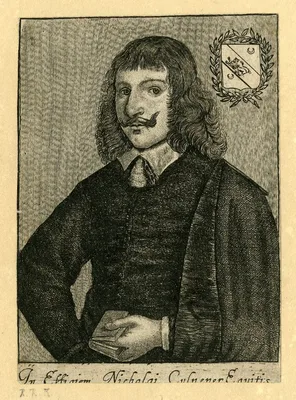
The first herbal printed in North America, and the first full-length medical book published in North America. From the 1653 London edition.
1618 CE
#1821
Pharmacopoeia Londinensis.
The first London pharmacopeia, issued by the (Royal) College of Physicians. The first edition was published on May 7, but contained many typographical errors; a corrected edition appeared on December 7, 1618. In the f…
1739 CE
#11613
Pharmacopoeia Matritensis, Regii, ac Supremi Hispaniarum protomedicatus auctoritate, jussu atque auspiciis nunc primum elaborata.
The first national pharmacopoeia issued in Spain, also controlling drug preparation and use for the Spanish empire. It included botanical, mineral and animal substances, and substances obtained from the Spanish empire…
1868 CE
#8817
Pharmacopoeia of India, prepared under the authority of Her Majesty's Secretary of State for India in Council
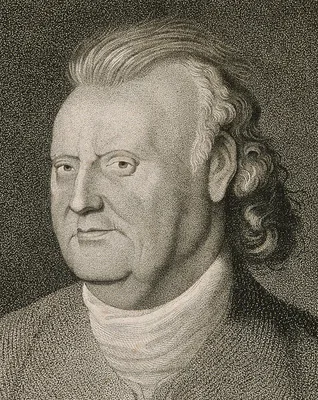
Waring was "Surgeon in Her Majesty's Indian Army." Digital facsimile from the Internet Archive at this link.
1820 CE
#1845
Pharmacopoeia of the United States of America. 1820
The first official US pharmacopoeia. Spalding began campaigning for a national pharmacopeia in 1815. His efforts finally bore fruit in a national convention that met in 1820 and adopted a pharmacopeia based mainly on …
1778 CE
#1834
Pharmacopoeia simpliciorum et efficaciorum.
The first original pharmacopeia published in the USA. Reproduced in facsimile, with translation, in The Badger Pharmacist, 1938. No. 22-25.
1561 CE
#10271
Pharmacopoeia, medicamentorum omnium quae hodie ad publica medentium munia officinis extant, tractationem & usum ex antiquorum medicorum praescripto continens, pharmacopoeis omnibus, atque etiam iis qui opus factitant medicum, valde utilis & necessaria.
Foes is credited with coining the word pharmacopeia in the title of this work. Digital facsimile from the Internet Archive at this link.
2001 CE
#11423
Pharmacopoeias and related literature in Britain and America, 1618–1847.
"Collected in this volume are the author’s historical and bibliographical studies of what may be described as the British and American literature of pharmacotherapeutics. The practitioner of medicine in the peri…
1546 CE
#1810
Pharmacorum omnium, quae quidem in usu sunt, conficiendorum ratio: Vulgo vocant dispensatorium pharmacopolarum, ex omni genere bonorum authorum, cum veterum tum recentium collectum, & scholiis utilissimis illustratum, in quibus obiter, plurium simplicium, hactenus non cognitorum, vera noticia traditur. Authore Valerio Cordo. Item De collectione, repositione, & duratione simplicium. De adulterationibus quorundam simplicium. Simplici aliquo absolute scripto, quid sit accipiendum. Antiballomena, id est, succedanea, sive quid pro quo. Qualem virum pharmacopolam esse conveniat. Cum Indice copioso.
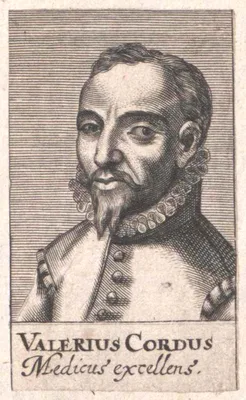
The first "real" pharmacopeia to be published. It was recognized as the official pharmacopeia of Nuremberg. Facsimile edition, 1934. Digital facsimile of the 1546 edition from Goethe Universität, Frankfurt am Mai…
1964 CE
#2068.7
Pharmacy in history.
Traces the origins of pharmacy in ancient civilizations and its development in England from medieval to modern times.
2013 CE
#10372
Pharmacy in World War II.
1990 CE
#11421
Pharmacy: An illustrated history.
1899 CE
#1891
Pharmakologisches über Aspirin (Acetylsalicylsäure).
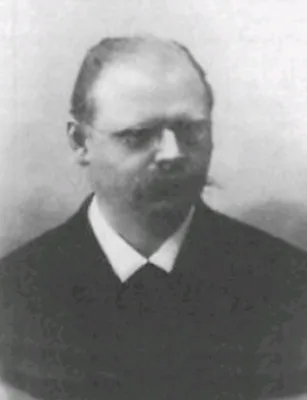
Acetylsalicylic acid (aspirin) introduced into medicine.
1751 CE
#11972
Philosophia botanica in qua explicantur fundamenta botanica cum definitionibus partium, exemplis terminorum, observationibus rariorum, adjectis figuris aeneis.
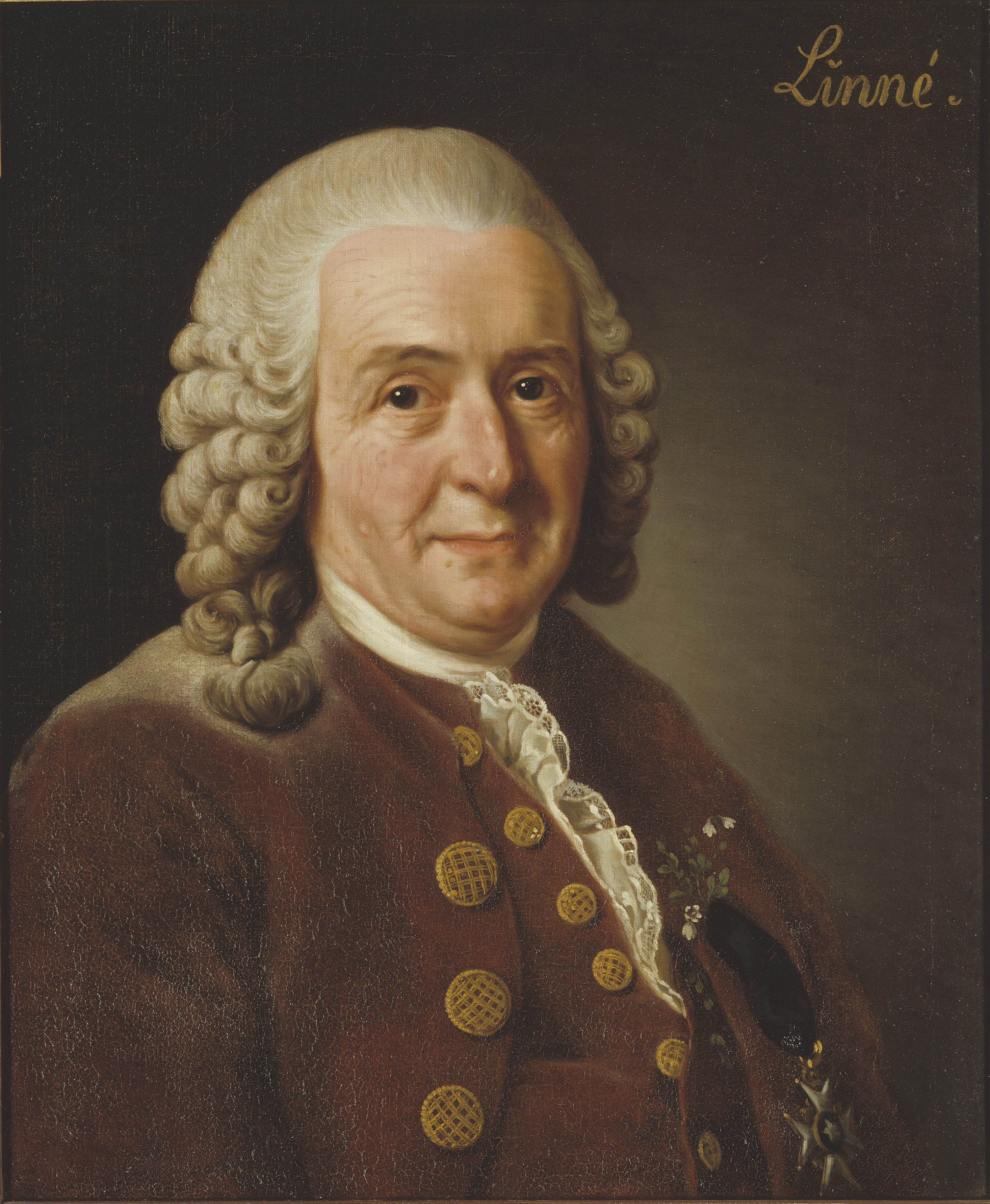
This work was "the first textbook of descriptive systematic botany and botanical Latin".[1] It also contains Linnaeus's first published description of his binomial nomenclature. "Philosophia Botanica represents a matu…
1908 CE
#9018
Philumeni de venenatis animalibus eorumque remediis capita XXXVIII ed. M. Wellmann. Corpus medicorum graecorum X 1, 1.
This work on venoms and their antidotes is the only surviving work of the Byzantine physician Philomenos. Within this context Philomenos also discusses the bites of rabid dogs. Digital facsimile from Corpus medicorum …
1932 CE
#2056
Physical therapy.
“Clio medica” series.
1947 CE
#13043
Physicians' desk reference to pharmaceutical specialties and biologicals. Richard R. Maehler, Editor of Compilation and Arrangement.
This work underwent its 71st edition in 2017.
1905 CE
#1894
Physiological and pharmacological studies of magnesium salts.
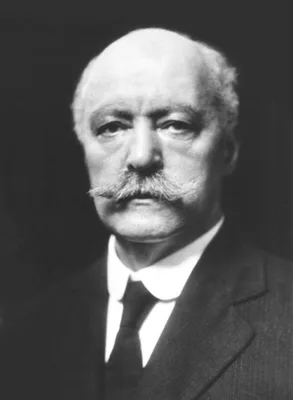
A study of the anesthetic and other effects of magnesium salts.
1903 CE
#11627
Physiological aspects of the liquor problem. Investigations made by and under the direction of W. O. Atwater, John S. Billings, H. P. Bowditch, R. H. Chittenden, and W. H. Welch Sub-Committee of the Committee of Fifty to Investigate the Liquor Problem. 2 vols.
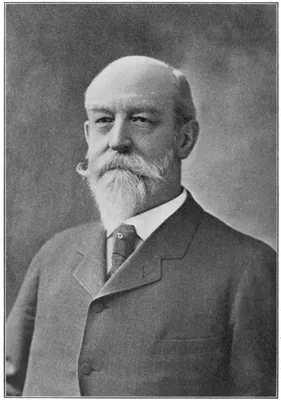
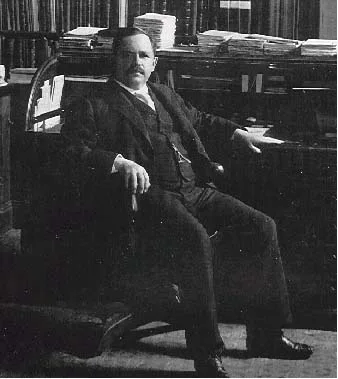
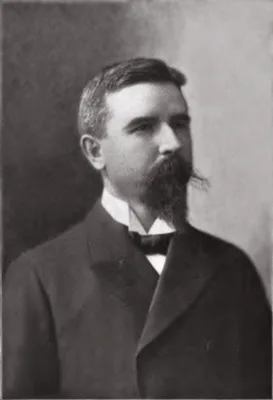
Digital facsimile from the Internet Archive at this link.
1917 CE
#1034
Physiologische und pharmakologische Versuche über die Dünndarmperistaltik.
"Trendelenburg preparation", a preparation used in determining the actions of pharmacological agents on peristalsis.
1856 CE
#2078
Physiologische Untersuchungen über die Wirkung einiger Gifte.
First investigation of the effects of poisons on muscular contraction.
1821 CE
#10647
Phytographie médicale, ornée de figures coloriées de grandeur naturelle, ou l’on expose l’histoire des poisons tirés du règne végétal, et les moyens de remédier a leurs effets délétères, avec des observations sur les propriétés et les usages des plantes héroïques. 2 vols.
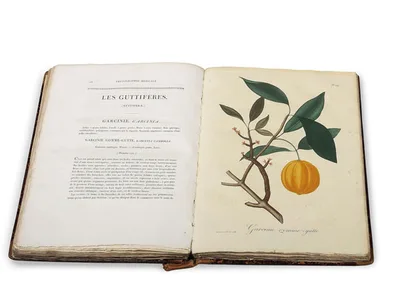
Perhaps the most beautiful book on botanic poisons and their antidotes, including narcotics. Plates 1-15 cover mushrooms, and plate 175 depicts Cannabis sativa. With 180 plates printed in color à la poupé…
2012 CE
#8389
Picturing the book of nature: Image, text, and argument in sixteenth-century human anatomy and medical botany.
1623 CE
#9868
Pinax theatri botanici.
The Pinax theatri botanici (English, Illustrated exposition of plants) described and classified about 6,000 species. "The classification system was not particularly innovative, using traditional groups such as "trees"…
1994 CE
#9187
Plant allometry: The scaling of form and process.
The first book to apply allometry— one definition of which is the study of the growth rate of an organism's parts in relation to the whole — to studies of the evolution, morphology, physiology, and reprodu…
1910 CE
#134
Plant animals: A study in symbiosis.
Digital facsimile from the Internet Archive at this link.
1992 CE
#9186
Plant biomechanics: An engineering approach to plant form and function.
The first comprehensive treatment of plant biomechanics. "Niklas analyzes plant form and provides a far deeper understanding of how form is a response to basic physical laws. He examines the ways in which these laws c…
1916 CE
#8154
Plant succession: An analysis of the development of vegetation.
A seminal work of ecological science, establishing a dynamic model of species succession toward an eventual "climax" equilibrium under the influence of climate and other factors in a given habitat. "From his observati…
1990 CE
#7025
Plant, animal & anatomical illustration in art & science: A bibliographical guide from the 16th century to the present day.
The first comprehensive listing of primary instructional or "how to draw" books, and non-scientific iconographical "pattern" books, published for artists and designers in the widest range of subjects concerning plants…
1884 CE–1888 CE
#12947
Plantae Davidianae ex Sinarum Imperio: Première partie: Plantes de Mongolie du Nord et du Centre de la Chine. Deuxieme Partie: Plantes du Thibet Oriental (Province de Moupine)
Catalogue of the very extensive collection of plants collected by the Lazarist missionary Father Armand David for the Musée d'Histoire Naturelle during his three major naturalist expeditions in China, Mongolia …
1945 CE
#13061
Plantas medicinale aromaticas o venenosas de Cuba. 2 vols.
2004 CE
#9861
Plants and empire: Colonial bioprospecting in the Atlantic world.

2000 CE
#11937
Plants in archeology: Identification manual of vegetative plant materials used in Europe and Southern Mediterranean to c. 1500.
"This is a practical guide to the identification of vegetative plant materials used from the early prehistoric to c.1500 AD in Europe and the southern Mediterranean. Geographic distribution and archaic names are inclu…
1952 CE
#2068
Plants of the Bible.
The most comprehensive treatise available on plants and plant products mentioned in the Bible.
1992 CE
#10856
Plants of the gods: Their sacred, healing and hallucinogenic powers.
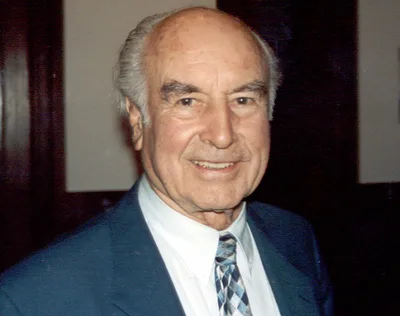
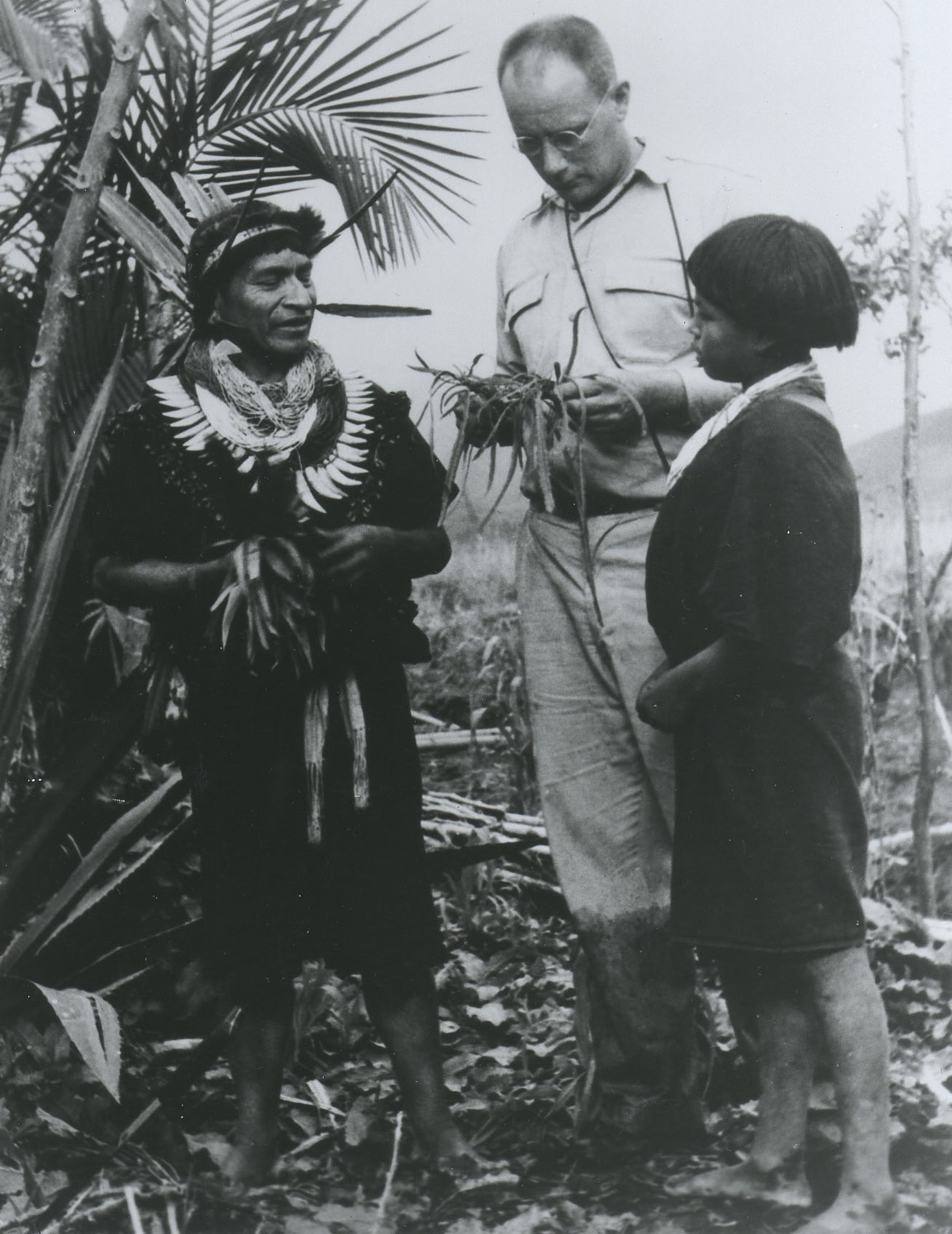
1940 CE
#9278
Plants used as curatives by certain Southeastern tribes.
Digital facsimile from herablstudies.net at this link.
1914 CE
#1976
Plasma removal with return of corpuscles (plasmaphaeresis).
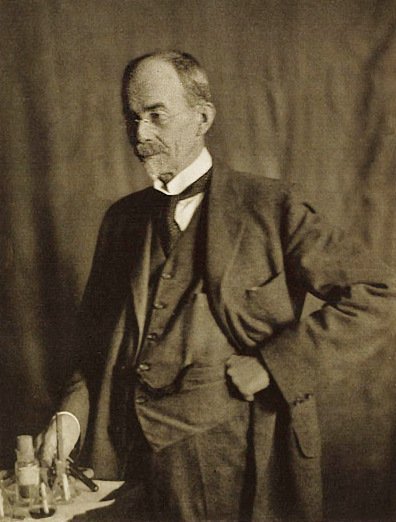
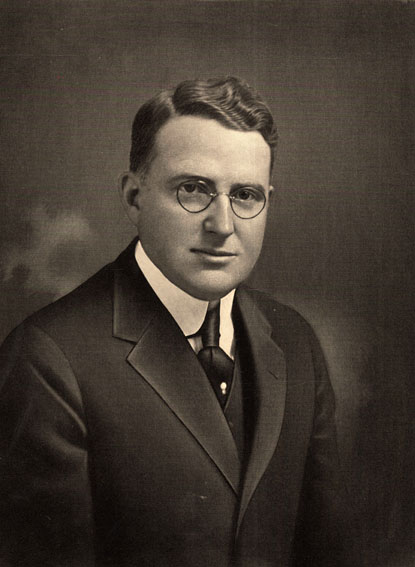
Report of a method of removal of plasma from the living animal, with return of the corpuscles after washing and separation by centrifugalization. See the authors' earlier papers in the same journal, 1914, 5, 275-316, …
1875 CE
#8443
Plinii Secundi quae fertur una cum Gargilli Martialis medicina: Nunc primum edita a Valentino Rose.
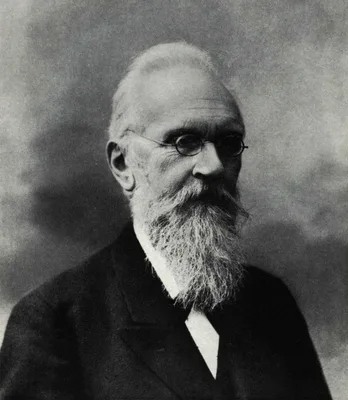
Fragments of Martialis's work (probably called De hortis), which treated of the cultivation of trees and vegetables, and also of their medicinal properties, survived, chiefly in the body of and as an appendix to the M…
1862 CE
#7792
Poetae bucolici et didactici: Theocritus, Bion, Moschus....Phile De animalibus, elephanti, plantis....
Manuel Philes of Ephesus wrote didactic poems on the characteristics of animals, chiefly based upon Aelian and Oppian, and a didactic poem of some 2000 lines, dedicated to Michael IX Palaiologos; on the elephant, and …
2010 CE
#9884
Poison eaters: Snakes, opium, arsenic, and the lethal show.
"This book is the first to explore the tradition of deliberate poison eating, its practitioners, and the substances that might nourish or kill them" (publisher).
2012 CE
#9778
Poison, detection and the Victorian imagination.
2018 CE
#12681
Poison, medicine, and disease in late medieval and early modern Europe.
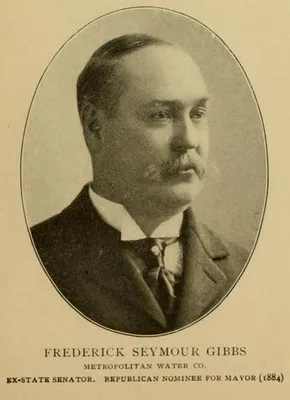
"...Drawing from a wide range of medical and natural philosophical texts—with an emphasis on treatises that focused on poison, pharmacotherapeutics, plague, and the nature of disease—this study brings to l…
1965 CE–1970 CE
#9663
Poisonous and venomous marine animals of the world
Volume 1: Invertebrates; Vols. 2 & 3: Vertebrates. An unusually elaborate and finely printed, illustrated and bound set funded by the Department of Defense. Over 2000 pages. The first 155pp of Vol. 1 are a "History of…
1848 CE
#10729
Poisons in relation to medical jurisprudence and medicine.
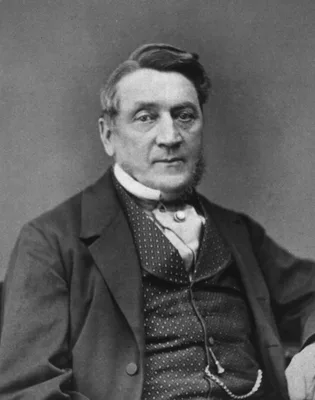
Taylor was the leading English toxicologist and medical witness of his time, and his works were revised, edited, and translated into other languages. He "performed an invaluable service in codifying legal precedents a…
1991 CE
#10036
Poisons of the past: Molds, epidemics, and history.
1947 CE
#1941
Polymyxin: a new chemotherapeutic agent.
With R. G. Shepherd and H. J. White.