
Facets
Browse across eight MeSH (opens in new tab) facets — era, geography, science, specialty, technology, history, culture, and reference. Select one tag per group; counts update across the others.
Clear filtersFacet filters
Geography
Specialties & Disease
- Anatomy & Pathology 134
- Cardiology & Blood 11
- Neurology & Psychiatry 36
- Obstetrics & Reproductive 26
- Infectious Disease (General) 5
- Surgery & Anesthesia 14
- Public Health 129
- Immunology & Dermatology 38
- General Clinical Medicine 28
- Military Medicine 11
- Psychology 16
- Alternative & Fringe Medicine 17
- Pediatrics 5
- Ophthalmology & Vision 2
- ENT & Hearing 3
- Urology & Nephrology 4
- Gastroenterology & Hepatology 4
- Pulmonary & Respiratory 3
- Rheumatology, Rehab & Pain 0
- Internal, Emergency & Geriatric 7
- Veterinary Medicine 11
- Epidemiology & Demography 12
- Physiology & Embryology 94
- Dentistry 10
- Plagues & Epidemics 44
- Microbiology & Virology 92
Social & Historical Studies
Institutions & Culture
Reference & Scholarly Works
Drugs & Technology
7 entries match Internal, Emergency & Geriatric [G02.403.810] · Zoology & Animal Sciences [K01.900.500.750]
1978 CE
#8387
A tandemly repeated sequence at the termini of the extrachromosomal ribosomal RNA genes in Tetrahymena.
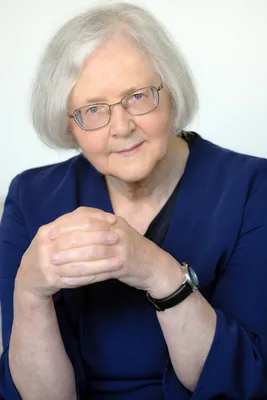
In 1975–1977, Blackburn, working as a postdoctoral fellow at Yale University with Gall, discovered the unusual nature of telomeres, with their simple repeated DNA sequences composing chromosome ends.
1985 CE
#8388
Identification of a specific telomere terminal transferase activity in Tetrahymena extracts.
Blackburn and Grieder discovered telomerase in the ciliate Tetrahymena. In 2009 Blackburn and Grieder shared the Nobel Prize in Physiology or Medicine with Jack W. Szostak "for the discovery of how chromosomes are pro…
1768 CE
#101
Prodromo di un opera da imprimersi sopra le riproduzione animali.
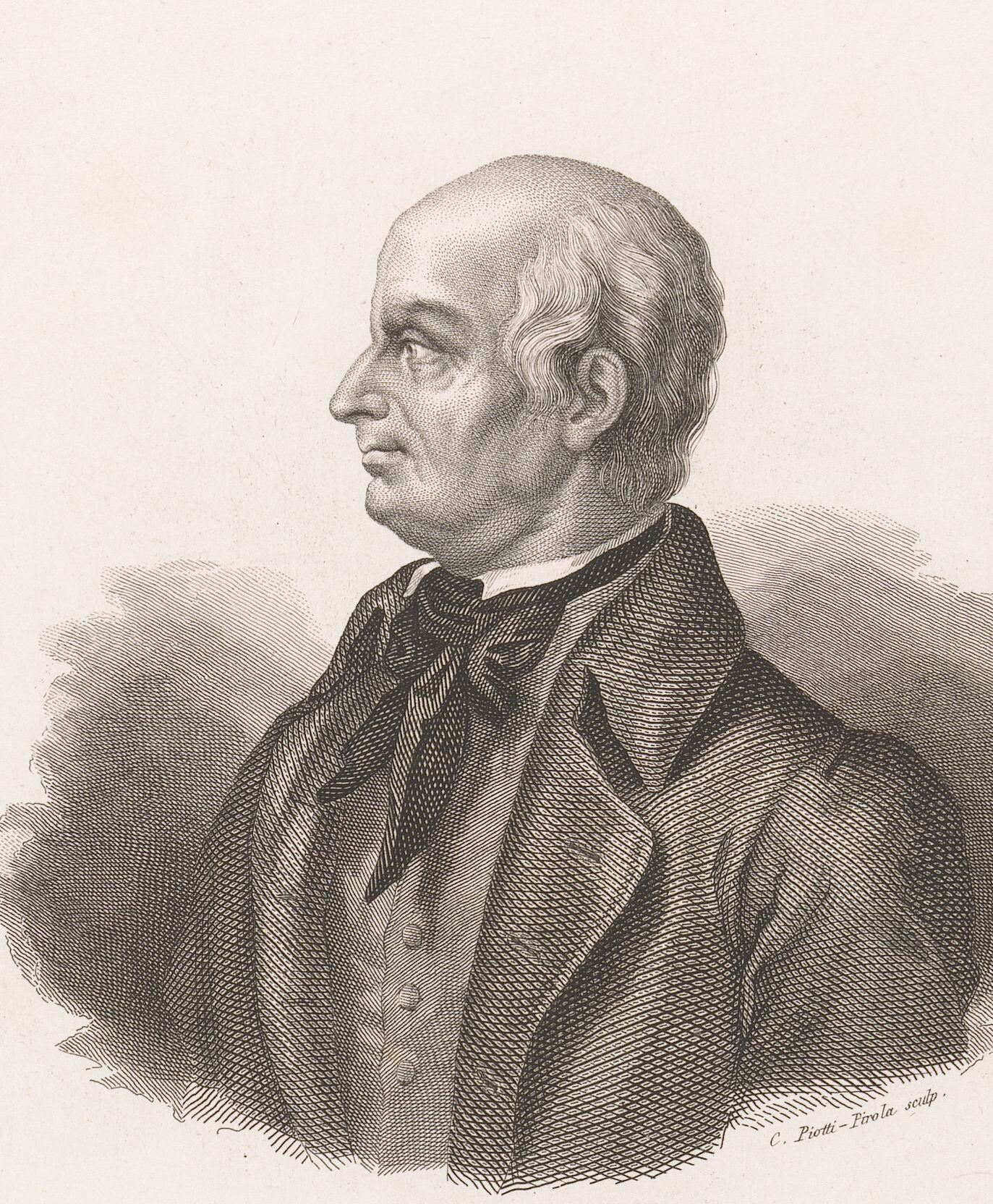
In this preliminary to a larger work on regeneration which was never published, Spallanzani described regenerative capacities of remarkable complexity and repetitiveness in the land snail, salamander and toad and frog…
1889 CE
#14344
The action of natural selection in producing old age, decay, and death. In Essays upon heredity and kindred biological problems by August Weismann; authorized translation edited by Edward B. Poulton, Selmar Schönland and Arthur E. Shipley, Chapter 1, "The duration of life," page 23.
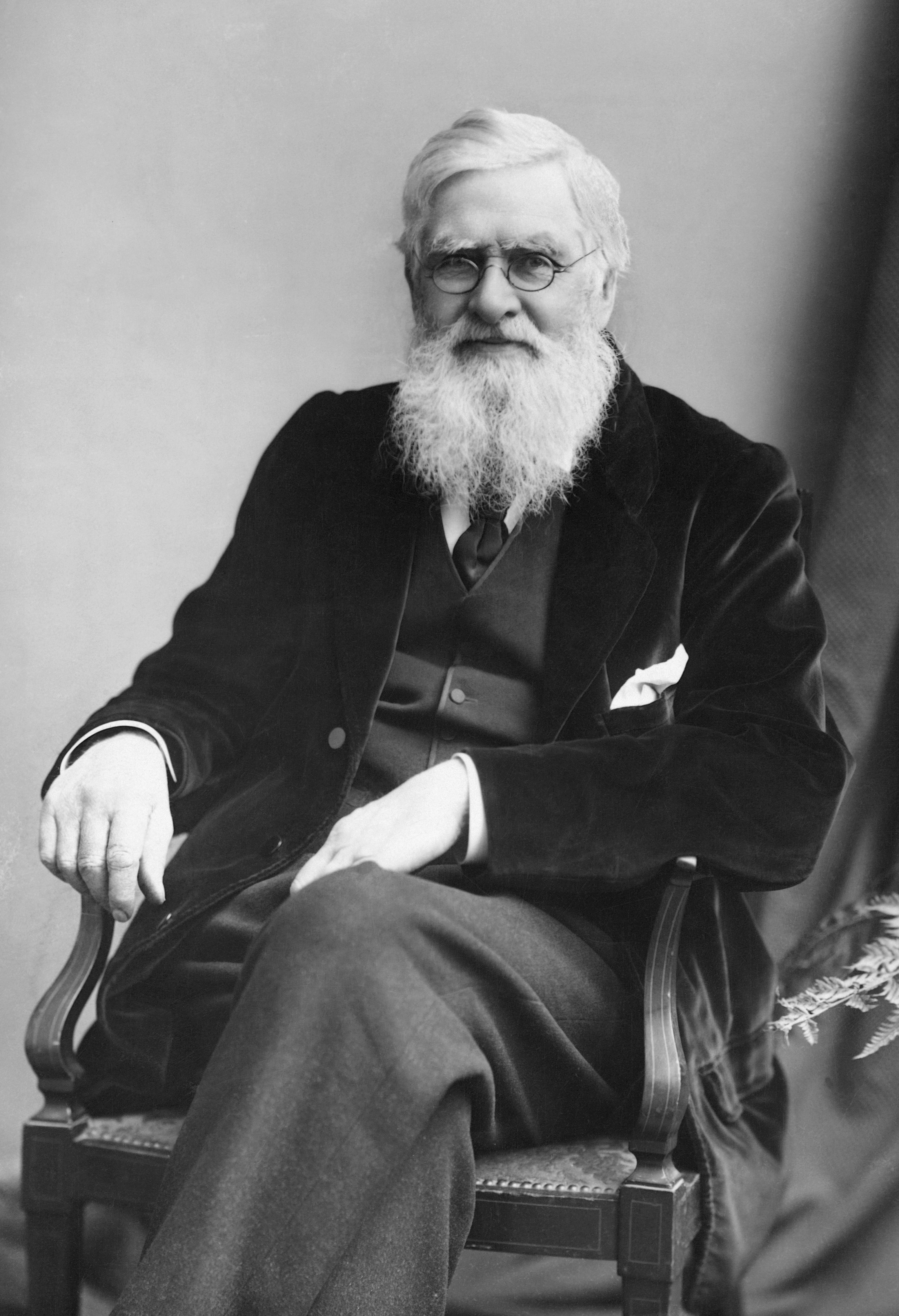
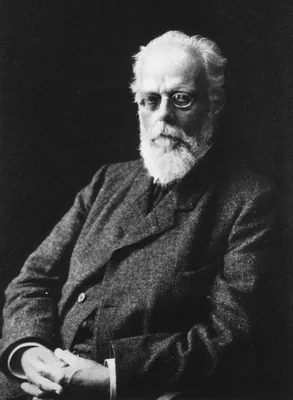
Wallace proposed the first evolutionary theory of aging. He stated that if too many people lived for a long time they would compete for resources needed for other members of the species that were of reproduction age. …
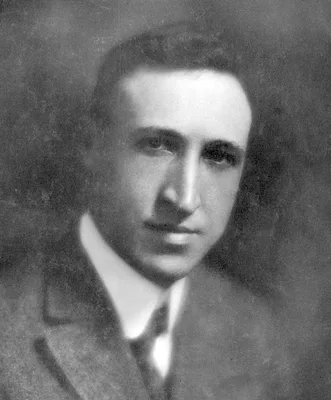
1923 CE
#138
The chemical basis of growth and senescence.
1908 CE
#132
The problem of age, growth and death.
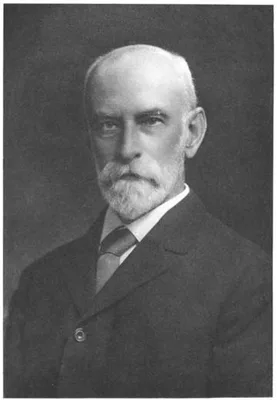
Minot’s theory of aging, based on cytomorphosis and the rate of growth. This work first appeared as a paper in vol. 7 of the Popular Science Monthly, 1907.
1961 CE
#8381
The serial cultivation of human diploid cell strains.
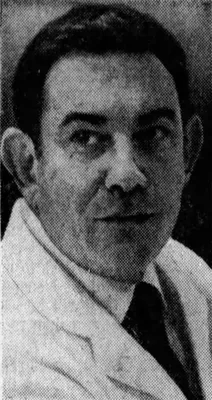
The Hayflick limit. Hayflick demonstrated that a population of normal human fetal cells in a cell culture will divide between 40 and 60 times. The population then enters a senescence phase.