
Facets
Browse across eight MeSH (opens in new tab) facets — era, geography, science, specialty, technology, history, culture, and reference. Select one tag per group; counts update across the others.
Clear filtersFacet filters
Geography
Specialties & Disease
- Anatomy & Pathology 0
- Cardiology & Blood 0
- Neurology & Psychiatry 4
- Obstetrics & Reproductive 0
- Infectious Disease (General) 0
- Surgery & Anesthesia 0
- Public Health 3
- Immunology & Dermatology 0
- General Clinical Medicine 0
- Military Medicine 0
- Psychology 1
- Alternative & Fringe Medicine 11
- Pediatrics 0
- Ophthalmology & Vision 0
- ENT & Hearing 0
- Urology & Nephrology 0
- Gastroenterology & Hepatology 0
- Pulmonary & Respiratory 0
- Rheumatology, Rehab & Pain 0
- Internal, Emergency & Geriatric 0
- Veterinary Medicine 0
- Epidemiology & Demography 0
- Physiology & Embryology 0
- Dentistry 0
- Plagues & Epidemics 1
- Microbiology & Virology 0
Social & Historical Studies
Institutions & Culture
Reference & Scholarly Works
Drugs & Technology
56 entries match Traditional & Indigenous [G02.403.700] · Pharmacology & Therapeutics [D01 / E02] · Race, Ethnicity & Colonial Medicine [K01.900.850]
2015 CE
#10275
A Cree healer and his medicine bundle: Revelations of indigenous wisdom: Healing plants, practices, and stories.

"With the rise of urban living and the digital age, many North American healers are recognizing that traditional medicinal knowledge must be recorded before being lost with its elders. A Cree Healer and His Medicine B…
1822 CE
#10751
A narrative of the life and medical discoveries of Samuel Thomson: Containing an account of his system of practice, and the manner of curing disease with vegetable medicine, upon a plan entirely new; to which is added an introduction to his New Guide to Health, or Botanic Family Physician containing the principles upon which the system is founded, with remarks on fevers, steaming, poison &c.
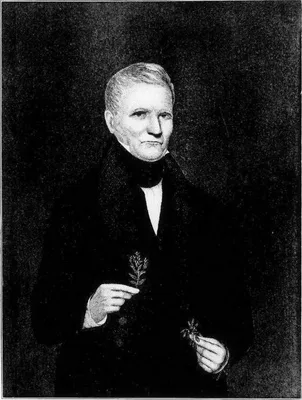
Thomson issued this introductory work shortly before publication of his New Guide. Three issues appeared in 1822: one with 180 pages, another with 182 pages including testimonials, and a 204 page issue with the introd…
1942 CE
#9284
A study of Delaware Indian medicine practice and folk beliefs.
In this publication Delaware refers to the name of the Native American people known as Lenape, or Leni Lenape, or Delaware people, rather than the U.S. state. In terms of geographical scope, the book covers traditiona…
1973 CE
#9274
Algonquin ethnobotany: An Interpretation of aboriginal adaptation in Southwestern Quebec. 2 vols.
1970 CE
#6467.1
American Indian medicine.
Volume 95 of The Civililization of the American Indian Series.
1817 CE–1820 CE
#1842
American medical botany, being a collection of the native medicinal plants of the United States, containing their botanical history and chemical analysis, and properties and uses in medicine, diet and the arts. 3 vols.
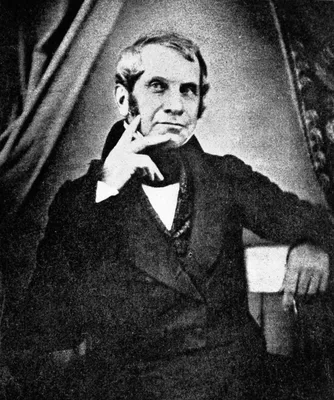
Bigelow was professor of materia medica and botany at Harvard. This work included native American remedies. It was the first book printed in the United States to include color plates printed in color. See R.J. Wolfe, …
1763 CE
#6970
An account of the success of the bark of the willow in the cure of agues.
Stone, a vicar from Chipping Norton, Oxfordshire, discovered that the bark of the willow tree (active ingredient: salicylic acid) was effective in reducing a fever. This was the first report in the scientific literatu…
1774 CE
#6451.90
An oration…containing an enquiry into the natural history of medicine among the Indians in North-America; and a comparative view of their diseases and remedies, with those of civilized nations.
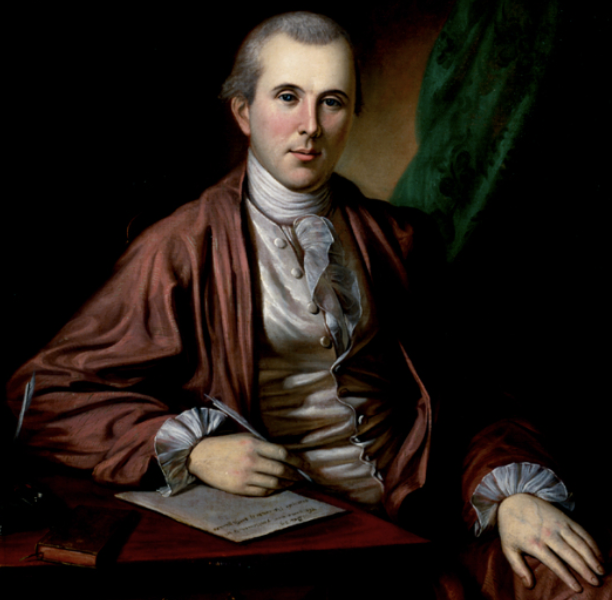
Rush was the first American physician to publish a detailed study of native American medicine. Digital facsimile from the Medical Heritage Library, Internet Archive, at this link.
1990 CE
#7513
Aztec medicine, health, and nutrition.
2000 CE
#9322
Biodiversity and native America. Edited by Paul E. Minnis and Wayne J. Elisens.
1814 CE
#9641
Botanic medicine: A new and complete American medical family herbal: Wherein is displayed the true properties and medical virtues of the plants, indigenous to the United States of America, together with Lewis' secret remedy newly discovered, which has been found infallible in the cure of that dreadful disease hydrophobia, produced by the bite of a mad dog.
Henry wrote that he had been a captive of the Indians during the Creek War and that he incorporated what he learned during his captivity. His work was one of the first illlustrated herbals published in the United Stat…
1975 CE
#9270
Cherokee plants their uses - a 400 year history.
1995 CE
#9630
Deadly medicine: Indians and alcohol in early America.
1751 CE
#1832
Descriptions, virtues, and uses of sundry plants of these northern parts of America, and particularly of the newly discovered Indian cure for the venereal disease.
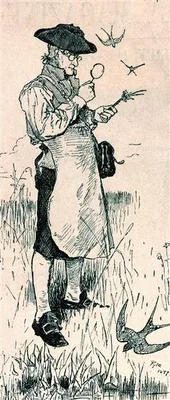
Bartram founded one of the first botanical gardens in America (at Kingsessing). Linnaeus referred to him as the “greatest natural botanist in the world”. A few copies of this 7-page work printed by Benjami…
1996 CE
#7002
Encyclopedia of native American healing.
1974 CE
#9285
Ethnobotany of the Blackfoot Indians.
1933 CE
#9348
Ethnobotany of the Forest Potawatomi Indians.
Digital facsimile from swsbm.com at this link.
1939 CE
#9323
Ethnobotany of the Hopi. Bulletin No. 15.
1923 CE
#9294
Ethnobotany of the Menomini Indians.
Digital facsimile from spiritoftherivers.wikispaces.com at this link.
1928 CE
#9289
Ethnobotany of the Meskwaki Indians.
1944 CE
#9282
Ethnobotany of the Navajo. Monographs of the School of American Research, No. 8.
Digital facsimile from uair.library.arizona.edu at this link.
1932 CE
#9295
Ethnobotany of the Ojibwe Indians.
Digital facsimile from nwic.edu at this link.
1916 CE
#9346
Ethnobotany of the Tewa Indians. Bureau of American Ethnology Bulletin 55.
Digital facsimile from the Internet Archive at this link.
1915 CE
#9293
Ethnobotany of the Zuñi Indians. Thirtieth annual report of the Bureau of American Ethnology.
Digital facsimile from swsbm.com at this link.
1976 CE
#11035
Hallucinogenic plants of North America.

1973 CE
#10735
Hallucinogens and Shamanism edited by Michael Harner.

Includes Harner's "The Role of Hallucinogenic Plants in European Witchcraft".
2001 CE
#9280
Healing plants: Medicine of the Florida Seminole Indians.
1997 CE
#8544
Iroquois medical botany.
"The first book to provide a guide to understanding the use of herbal medicines in traditional Iroquois culture. The world view of the Iroquois League or Confederacy - the Mohawk, Oneida, Onondaga, Cayuga, Seneca, and…
1787 CE
#1837
Materia medica Americana, potissimum regni vegetabilis.
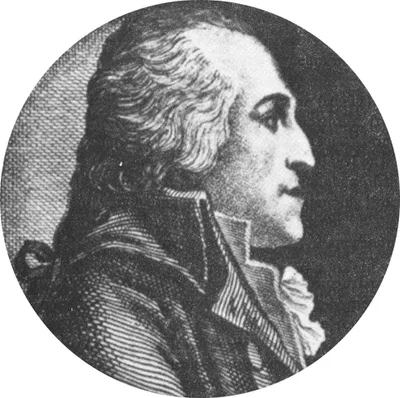
Schoepff came to America in 1777 as a surgeon with the Hessian troops employed by the British Forces. He returned to Germany in 1784 and compiled the first full American materia medica, describing about 400 plants, in…
1828 CE–1830 CE
#1849
Medical flora; or, manual of the medical botany of the United States of North America. Containing a selection of above 100 figures and descriptions of medical plants, with their names, qualities, properties, history &c; and notes or remarks on nearly 500 equivalent substitutes. 2 vols.
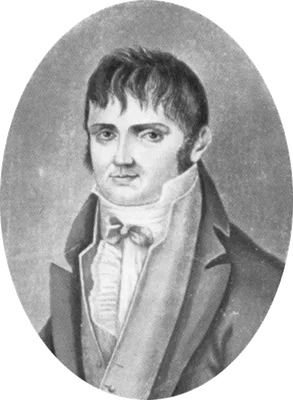
Rafinesque was a great botanist, conchologist, archaeologist, and economist. Born in a suburb of Istanbul, he was also a world citizen and a prolific writer with 939 works to his credit. He died in extreme poverty in …
1999 CE
#9292
Medicinal flora of the Alaska natives. A compilation of knowledge from literary sources of Aleut, Alutiiq, Athabascan, Eyak, Haida, Inupiat, Tlingit, Tsimshian, and Yupik traditional healing methods using plants.
Digital facsimile from uaa.alaska.edu at this link.
1957 CE
#9272
Medicinal uses of plants by Indian tribes of Nevada. Contributions toward a flora of Nevada. No. 45. Revised edition, with summary of pharmacological research by W. Andrew Archer, Nov. 26, 1957.
Digital facsimile from the Internet Archive at this link. (First published in 1941.)
1932 CE
#6460
Medicine among the American Indians.
Reprinted, New York, Hafner, 1962.
1998 CE
#7869
Native American ethnobotany.
Considered the definitive book on the subject documenting over 4,000 plants and roughly 44,000 uses, including medicinal usage.
2003 CE
#9669
Native American ethnobotany. A database of plants used as drugs, foods, dyes, fibers, and more, by native peoples of North America.
http://naeb.brit.org/ "As noted, In the spring of 2003, substantial revisions of the database were made, revising its looks, and adding links to the US Department of Agriculture PLANTS database. This means that comple…
1941 CE
#9281
Navajo Indian medical ethnobotany. University of New Mexico Bulletin, Anthropological Series, Vol. 3, No. 5.

Digital facsimile from herbaltherapeutics.net at this link.
1822 CE
#6988
New guide to health; or botanic family physician, containing a complete system of practice, upon a plan entirely new; with a description of the vegetables made use of, and directions for preparing and adminstering them to cure disease. To which is prefixed a narrative of the life and medical discoveries of the author.
The "Bible" of Thomsonism or "Thomsonian medicine", which employed botanical remedies, often based on native American medicines. Digital facsimile from the Medical Heritage Library, Internet Archive, at this link.
1672 CE
#1826.1
New-Englands rarities discovered: in birds, beasts, fishes, serpents, and plants of that country. Together with the physical and chyrurgical remedies wherewith the natives constantly use to cure their distempers, wounds, and sores…
The first detailed account of the natural history and botany of North America, including the first extensive study of native North American medicine.
1940 CE
#9278
Plants used as curatives by certain Southeastern tribes.
Digital facsimile from herablstudies.net at this link.
1997 CE
#9910
Sacred leaves of Candomblé: African magic, medicine, and religion in Brazil.
"Candomblé, an African religious and healing tradition that spread to Brazil during the slave trade, relies heavily on the use of plants in its spiritual and medicinal practices. When its African adherents were…
2017 CE
#9862
Secret cures of slaves: People, plants, and medicine in the eighteenth-century Atlantic world.

"Massive mortality among enslaved Africans and European planters, soldiers, and sailors fueled the search for new healing techniques. Amerindian, African, and European knowledges competed to cure diseases emerging fro…
1622 CE
#9633
Tabacologia: Hoc est, tabaci, seu nicotianae descriptio medico-cheirurgico-pharmaceutica: Vel eius praeparatio & usus in omnibus corporis humani incommodis.
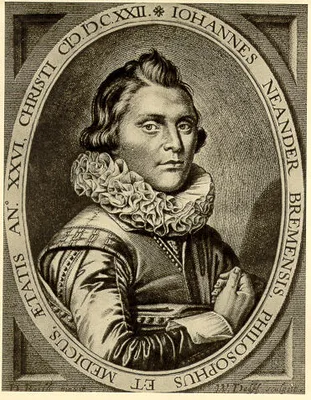
Neander described tobacco, its processing, and medical-pharmaceutical use. His book Includes images of the plants, of Indian, Oriental and European types of pipes, as well as depictions of cultivation and processing b…
1801 CE
#1838.2
The American herbal, or materia medica.
The first herbal both produced and printed in the United States, as opposed to those which were reprints of European works. Includes information on native American remedies. Digital facsimile from the Medical Heritage…
1672 CE
#7007
The American physician : or, a treatise of the roots, plants, trees, shrubs, fruit, herbs, etc., growing in the English Plantations in America ; ... whereunto is added a discourse of the Cacao-nut-Tree, and the use of its fruit ; with all the ways of making Chocolate
The earliest work in English on the medicinal virtues of North American tropical plants. Based on first-hand observations made in the West Indies, Evidence suggests that Hughes began his career in 1651 with a privatee…
1900 CE
#9475
The ethno-botany of the Coahuilla Indians.
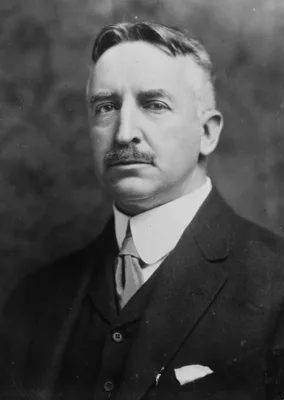
"The ʔívil̃uqaletem (or Ivilyuqaletem) are Native Americans of the inland areas of southern California.[2] Their original territory included an area of about 2,400 square miles (6,200 km2). The traditional Cahu…
1911 CE
#9347
The ethno-botany of the Gosiute Indians of Utah.
Digital facsimile from the Internet Archive at this link.
1936 CE
#9304
The ethnobiology of the Chiricahua and Mescalero Apache: A. the use of plants for food, beverages and narcotics. Ethnobiological studies in the American Southwest, Vol. 3. Biological series (Vol. 4, No. 5); Bulletin, University of New Mexico, whole, (No. 297).
1932 CE
#9283
The ethnobotany of the Acoma and Laguna Indians. M.A. thesis.
1836 CE
#9524
The Indian vegetable family instructer: Containing the names and descriptions of all the most useful herbs and plants that grow in this country, with their medicinal qualities annexed; also, a treatise on many of the lingering diseases to which mankind are subject, ... with a large list of recipes, which have been carefully selected from Indian prescriptions ... Designed for the use of families in the United States.
1938 CE
#13291
The peyote cult.
The history of the study of the cult, the various botanical questions surrounding peyote, its physiological action and the various ethnological, psychological and historical questions involved in its diffusion.