
Facets
Browse across eight MeSH (opens in new tab) facets — era, geography, science, specialty, technology, history, culture, and reference. Select one tag per group; counts update across the others.
Clear filtersFacet filters
Geography
Specialties & Disease
- Anatomy & Pathology 111
- Cardiology & Blood 7
- Neurology & Psychiatry 21
- Obstetrics & Reproductive 15
- Infectious Disease (General) 73
- Surgery & Anesthesia 12
- Public Health 348
- Immunology & Dermatology 21
- General Clinical Medicine 27
- Military Medicine 15
- Psychology 12
- Alternative & Fringe Medicine 14
- Pediatrics 4
- Ophthalmology & Vision 2
- ENT & Hearing 1
- Urology & Nephrology 3
- Gastroenterology & Hepatology 1
- Pulmonary & Respiratory 2
- Rheumatology, Rehab & Pain 5
- Internal, Emergency & Geriatric 8
- Veterinary Medicine 7
- Epidemiology & Demography 38
- Physiology & Embryology 16
- Dentistry 7
- Plagues & Epidemics 73
- Microbiology & Virology 21
Social & Historical Studies
Institutions & Culture
Reference & Scholarly Works
823 entries match Historiography & General Works [K01.900]
1998 CE
#10685
Oeuvres complètes, Tome VIII: Plaies, Nature des os, Coeur, Anatomie. Texte établi et traduit par Marie-Paul Duminil.
![HIPPOCRATES, [Ἱπποκράτης; Hippocrates of Kos] (-460 – -370)](/media/portraits/50)
Greek text with facing French translation and study of four short treatises of the Hippocratic Collection on anatomy and traumatology of different periods and origins: On sores (probably 5th cent. BCE), On the nature …
1851 CE–1876 CE
#31
Oeuvres d’Oribase, texte grec, en grande partie inédit…traduit pour la première fois en français; par les Drs. Bussemaker et Daremberg. 6 vols.
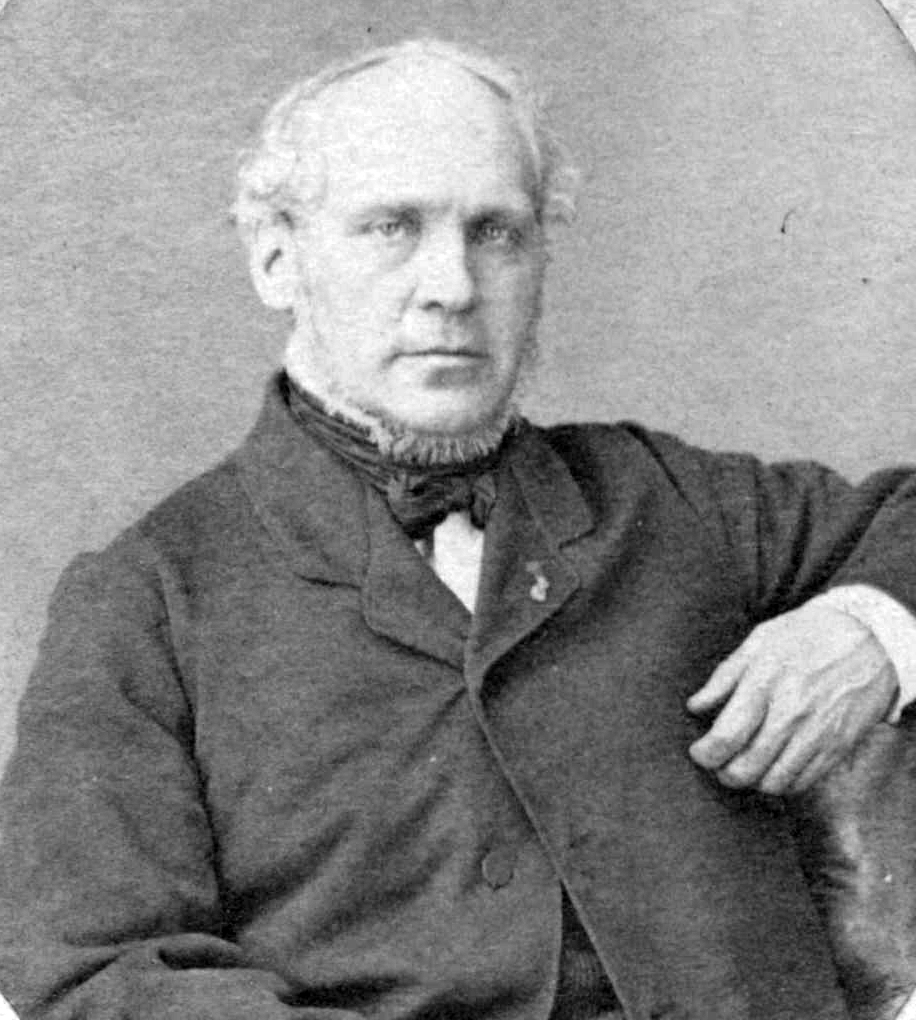
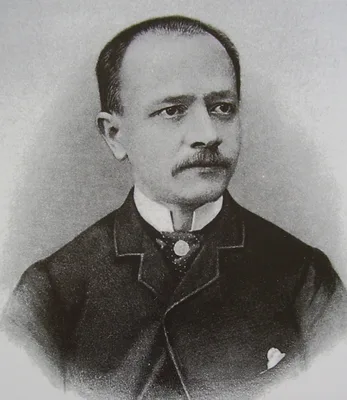
Oribasius was a compiler of existing knowledge rather than an original writer. His output was immense; he compiled the Synagoge, an encyclopedic digest of medicine, hygiene, therapeutics, and surgery from Hippocrates …
1859 CE–1864 CE
#70
Oeuvres médico-philosophiques et pratiques. 6 vols.
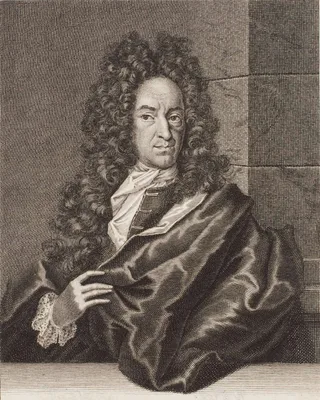
Stahl was responsible for the re-introduction of the idea of a “sensitive soul”, propounded by van Helmont. The Stahlian “animism” considered the body to be composed of passive or “dead&r…
1536 CE
#46
Omnia opera Ysaac in hoc volumini contenta: cum quibusdam alijs opusculis: Liber de definitionibus. Liber de elementis. Liber dietaru[m] vniversalium: cum co[m]me[n]to Petri Hispani. Liber dietarum particularium ... Liber de vrinis cum commento eiusdem. Liber de febribus. Pantechni decem libri theorices: et decem practices: cum tractatu de gradibus medicinarum Constantini. Viaticum Ysaac quod constantinus sibi attribuit. Liber de oculis Constantini. Liber des stomacho Constantini. Liber virtutum de simplici medicina Constantini. Compendium megatechni Galeni a Constantino compositum ; Cum tabula [et] repertorio omnium operum et questionum in co[m]mentis contentarum. Edited by Andreas Turinus.
Constantine was a Muslim from North Africa who converted to Christianity. His writings were first published with those of Isaac Judaeus in the above edition which includes many separate texts. Many of the writings of …
1912 CE
#8407
On mortality and the causes of death according to occupations. IN: Transactions of the 15th International Congress on Hygiene Demography, pp. 336-339.
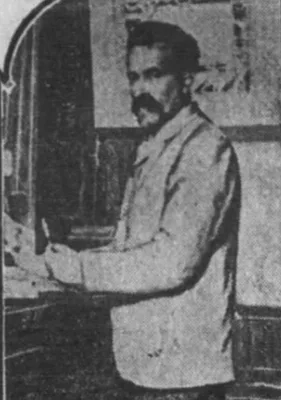
Bertillon, brother of Alphonse Bertillon, was Chief of Statistical Services for the city of Paris. His classification of diseases was based on the principle, adopted by Farr, of distinguishing between general diseases…
1880 CE
#444
Onomatologia anatomica. Geschichte und Kritik der anatomischen Sprache der Gegenwart, mit besonderer Berücksichtigung ihrer Barbarismen, Widersinnigkeiten, Tropen und grammatikalischen Fehler.
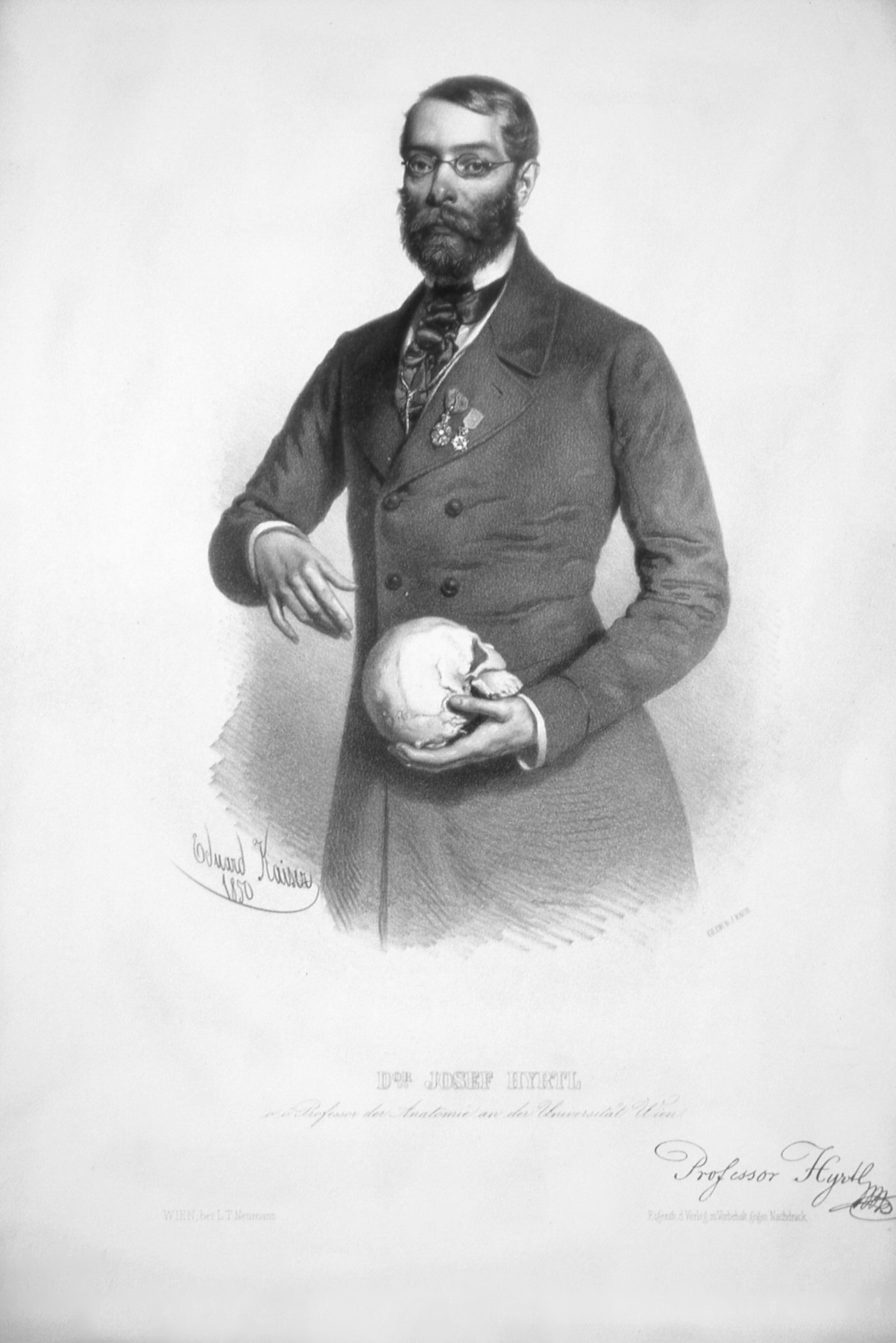
A classic work on anatomical terminology. Digital facsimile from Biodiversity Heritage Library at this link.
1775 CE–1776 CE
#75
Opera medica. 3 vols.
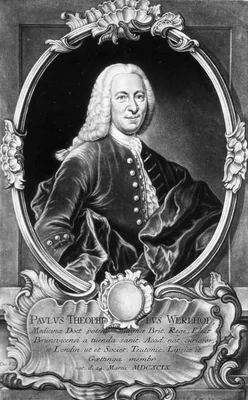
Werlhof, a contemporary and friend of Haller, is remembered for his classic description of purpura haemorrhagica (see No. 3052). He was Court physician at Hannover.
1740 CE–1753 CE
#72
Opera omnia physico-medica. (Supplementum, etc) 9 vols.
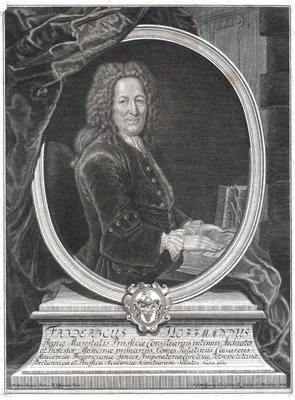
Hoffmann of Halle was the most important of the Iatromechanists. He believed an ether-like “vital fluid” to be present in the nervous system and to act upon the muscles, giving them “tonus”.
2003 CE
#10583
Origin of the life of a human being: Conception and the female according to ancient Indian medical and sexological literature.
1824 CE
#2531
Origines contagii.
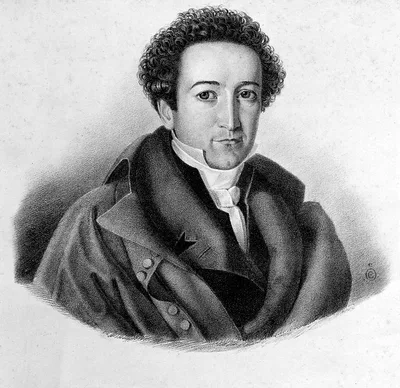
History of contagious disease in the ancient world through readings from the texts. A supplementary “Additamenta” was published in 1826. Digital facsimile of the 1824 edition from the Internet Archive at t…
2007 CE
#8077
Origins of American health insurance: A history of industrial sickness funds.

1981 CE
#10990
Oslerian pathology: An assessment and annotated atlas of museum specimens.
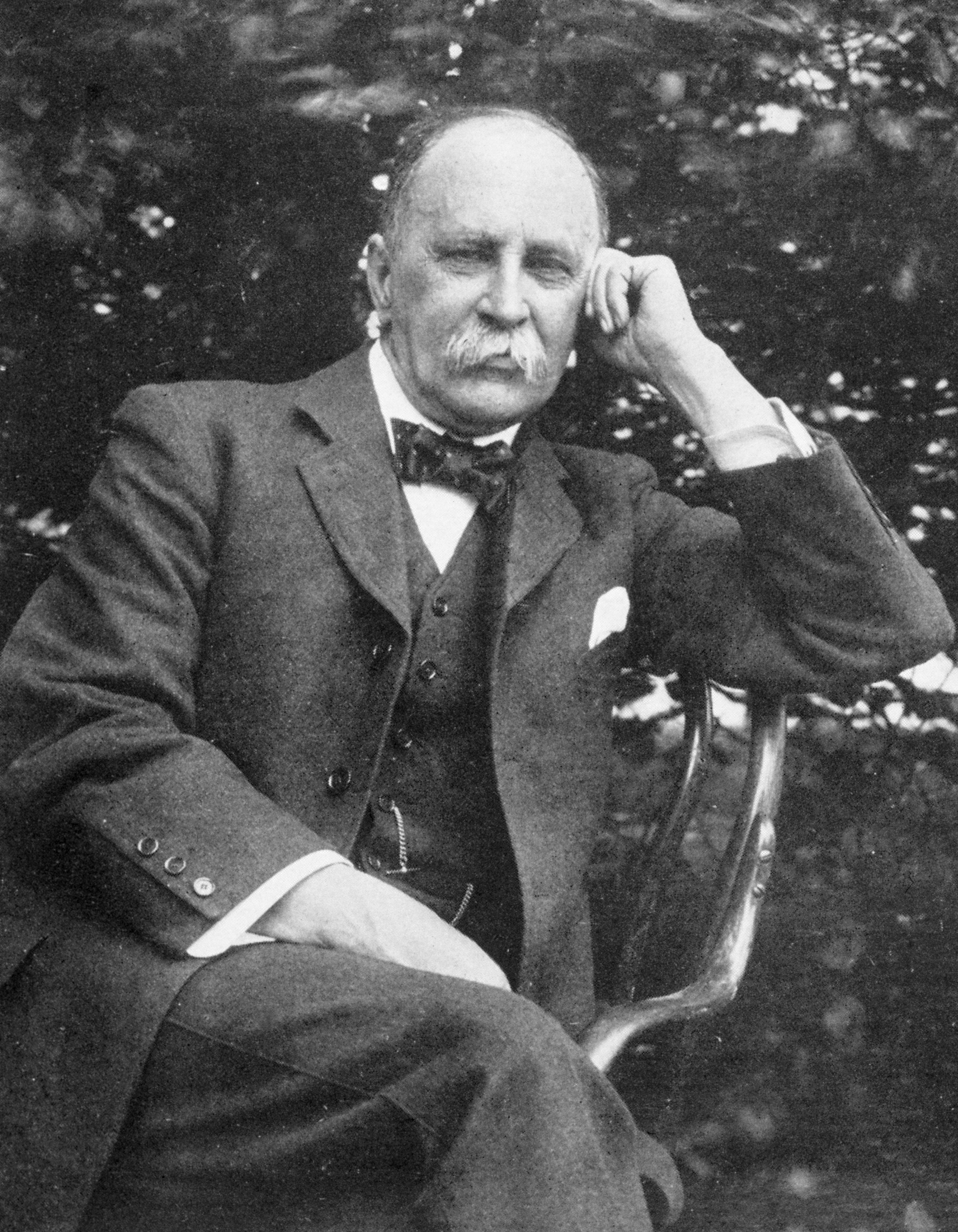
Covers the 55 remaining specimens of pathological preparations by William Osler preserved at McGill University. The book is divided into 4 sections: A: presentation and discussion of those aspects of Osler's activitie…
2017 CE
#9691
Pale Rider: The Spanish flu of 1918 and how It changed the world.
1977 CE
#12174
Palladius Kommentar zu Hippokrates ‘De fracturis’ und seine Parallelversion under dem Namen des Stephanus von Alexandria. Edited by Dieter Irmer. [Hamburger Philologische Studien 45].
1999 CE
#7546
Paper bodies: A catalogue of anatomical fugitive sheets 1538-1687. (Medical History, Supplement No. 19)
Describes bibliographically and illustrates the approximately 60 different surviving fugitive sheets together with essays on "The visual culture of Renaissance anatomy," "Anatomical fugitive sheets: Printing, prints a…
1875 CE
#2
Papyros Ebers: Das hermetische Buch über die Arzeneimittel der alten Ägypter in hieratischer Schrift, herausgegeben mit Inhaltsangabe und Einleitung versehen von Georg Ebers, mit Hieroglyphisch-Lateinischem Glossar von Ludwig [Christian] Stern, mit Unterstützung des Königlich Sächsischen Cultusministerium. 2 vols.
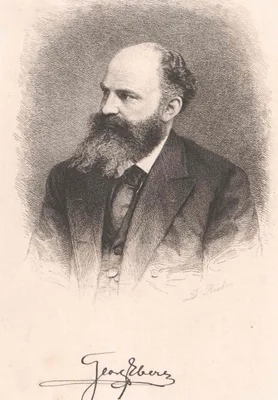
The Ebers Papyrus dates from about 1552 BCE. It measures 20.23 m. in length and 30 cm. in height, and is, along with the Edwin Smith Papyrus, one of the two most important surviving medical papyri. It was written in h…
1937 CE
#2319
Pathology.
Krumbhaar edited the Clio Medica series of volumes on the history of medicine, and contributed a history of pathology to it.
2000 CE
#7784
Permissible dose: A history of radiation protection in the twentieth century.

1989 CE
#12889
Phossy jaw and the French match workers: Occupational health and women in the Third Republic.

"The 1898 suppression of white phosphorous in the French match industry was a victory of organized labour. At a time when most French workers did not have the power to effect changes in the health and safety condition…
2009 CE
#7205
Picturing medical progress from Pasteur to polio: A history of mass media images and popular attitudes in America.

2012 CE
#8389
Picturing the book of nature: Image, text, and argument in sixteenth-century human anatomy and medical botany.
2015 CE
#8274
Plague and empire in the early modern Mediterranean world: The Ottoman experience, 1347-1600.
2012 CE
#7891
Plague, fear, and politics in San Francisco's Chinatown.

2012 CE
#8492
Plague, quarantines and geopolitics in the Ottoman empire.
An examination of Ottoman plague treatises and writers from the Black Death until 1923.
2006 CE
#9763
Plague, SARS, and the story of medicine in Hong Kong.
1989 CE
#8727
Plagues and politics: The story of the United States Public Health Service.

1990 CE
#7025
Plant, animal & anatomical illustration in art & science: A bibliographical guide from the 16th century to the present day.
The first comprehensive listing of primary instructional or "how to draw" books, and non-scientific iconographical "pattern" books, published for artists and designers in the widest range of subjects concerning plants…
2014 CE
#12380
Polio wars: Sister Kenny and the golden age of American medicine
"During World War II, polio epidemics in the United States were viewed as the country's "other war at home": they could be neither predicted nor contained, and paralyzed patients faced disability in a world unfriendly…
1990 CE
#9764
Politics and public health in revolutionary Russia, 1890-1918.
1926 CE
#10468
Population problems of the age of Malthus.
Includes chapters on birth and marriage rates relating to conditions of employment, also the influence of the Poor Laws on these rates. Other chapters concern agriculture and food and health of towns and factores, and…
1671 CE–1674 CE
#2197
Praxeos medicae idea nova. 4 vols.
Sylvius was a supporter of the Iatrochemical School. At Leiden he established the first university chemical laboratory in Europe. His extensive treatise on the diseases of children was first published as volume 4 of t…
1602 CE–1603 CE
#2195
Praxeos seu de cognoscendis, praedicendis, praecavendis, curandisque affectibus homini incommodantibus. 2 vols.
The first attempt at a classification of diseases according to symptoms. Over a period of 50 years Platter dissected more than 300 bodies and made many observations of value to pathological anatomy.
1840 CE
#7137
Précis de l'histoire de l'anatomie, comprenant l'examen comparatif des ouvrages des principaux anatomistes anciens et modernes.
Digital facsimile from Google Books at this link.
1948 CE
#2237.1
Presentation of two bone marrow elements: The “Tart” cell and the “L. E”. cell.
The Hargraves “L. E”. cell, a diagnostic aid in acute disseminated lupus erythematosus. With H. Richmond and R. J. Morton. First reported by Morton in A study of the bone marrow in cases of disseminated lu…
1988 CE
#9771
Problems of health care: The National Health Service before 1957.
2006 CE
#9376
Producing sexual desire: Changing sexual discourse in the Ottoman Middle East, 1500-1900.

2002 CE
#8034
Professional and popular medicine in France 1770-1830: The social world of medical practice.
"This is the first comprehensive study on a national scale of the entire range of medical practitioners who flourished in preindustrial and early industrial societies. Drawing on a wide variety of sources, it provides…
1940 CE
#6435
Progress in medicine: a critical review of the last hundred years.
2016 CE
#10662
Progressive mothers, better babies, race, public health, and the state in Brazil, 1850-1945.
1962 CE–1968 CE
#1671.5
Prostitution and society. A survey. 3 vols.
Vol. 1: Primitive, classical and oriental. Vol. 2: Prostitution in Europe and the New World. Vol 3: Modern sexuality.
2017 CE
#11033
Prostitution in the ancient Greek world.
2003 CE
#10215
Protecting America's health: The FDA, business, and one hundred years of regulation.
1994 CE
#12207
Protein and energy: A study of changing ideas in nutrition.
2009 CE
#10770
Public health and social justice in the age of Chadwick: Britain, 1800–1854.
2003 CE
#12371
Public health and the risk factor: A history of an uneven medical revolution.
"The acceptance of risk factors has produced changes in public health and medicine as profound as those that resulted from bacteriology and the germ theory of disease. . . . The risk factor concept has been controvers…
1972 CE
#12490
Public health and the state: Changing views in Massachusetts, 1842-1936.
1994 CE
#8802
Public health in British India: Anglo-Indian preventive medicine 1859-1914.
The first major study of public health in British India.
1989 CE
#12552
Public health in Papua New Guinea: Medical possibility and social constraint, 1884-1984.
2004 CE
#14033
Public health in Qajar Iran.
"Until Now, there have been no books and only a few articles available in English that deal with the actual practice of medicine in nineteenth and early twentieth-century Iran. Willem Floor’s Public Health in Qa…
1959 CE
#13800