Facets
Browse across eight MeSH (opens in new tab) facets — era, geography, science, specialty, technology, history, culture, and reference. Select one tag per group; counts update across the others.
Clear filtersFacet filters
Geography
Specialties & Disease
- Anatomy & Pathology 765
- Cardiology & Blood 914
- Neurology & Psychiatry 1,256
- Obstetrics & Reproductive 550
- Infectious Disease (General) 147
- Surgery & Anesthesia 1,551
- Public Health 1,129
- Immunology & Dermatology 1,404
- General Clinical Medicine 480
- Military Medicine 436
- Psychology 202
- Alternative & Fringe Medicine 383
- Pediatrics 247
- Ophthalmology & Vision 412
- ENT & Hearing 293
- Urology & Nephrology 309
- Gastroenterology & Hepatology 316
- Pulmonary & Respiratory 233
- Rheumatology, Rehab & Pain 188
- Internal, Emergency & Geriatric 123
- Veterinary Medicine 165
- Epidemiology & Demography 397
- Physiology & Embryology 923
- Dentistry 259
- Plagues & Epidemics 1,279
- Microbiology & Virology 1,080
Social & Historical Studies
Institutions & Culture
Reference & Scholarly Works
Drugs & Technology
147 entries match Infectious Disease (General) [C01]
1958 CE
#5546.6
A bibliography of internal medicine. Communicable diseases.
An extensive bibliography, and substantial excerpts from practically every important reference made to each of 30 communicable diseases, from 1800 onwards.
1770 CE
#1772
A chronological history of the weather and seasons and of the prevailing diseases in Dublin. With their various periods, successions, and revolutions, during the space of forty years. With a comparative view of the difference of the Irish climate and diseases, and those of England and other countries ...
Rutty kept continuous records of weather and diseases in Dublin from 1724-64. On page 75 of this work is the first clear description of relapsing fever. Digital facsimile from the Hathi Trust at this link.
1758 CE
#12396
A genuine narrative of the deplorable deaths of the English gentlemen and others who were suffocated in the Black Hole in Fort-William, at Calcutta, in the Kingdom of Bengal, in the night succeeding the 20th day of June, 1756, in a letter to a friend.
Holwell was a survivor of the Black Hole of Calcutta in Fort William, Calcutta , a poorly ventilated dungeon measuring 4.30 × 5.50 metres (14 × 18 feet), in which troops of S…
1971 CE
#4672.5
A history of poliomyelitis.
1972 CE
#14296
A human infection caused by monkeypox virus in Basankusu Territory, Democratic Republic of Congo.
Reports the first described case of Mpox in humans. It was thought that acquisition occurred through zoonotic contact. Order of authorship in the original paper: Ladnyj, Ziegler, Kima. (Thanks to Juan Weiss for this r…
1997 CE
#9385
A melancholy scene of devastation: The public response to the 1793 Philadelphia yellow fever epidemic. Edited by J. Worth Estes and Billy G. Smith.
1934 CE
#5045
A new antigen of B. typhosus. Its relation to virulence and to active and passive immunisation.
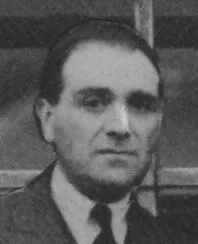
Vi antigens first described.
1982 CE
#11058
A new subtype of human T-cell leukemia virus (HTLV-II) associated with a T-cell variant of hairy cell leukemia.

Order of authorship in the original publication: Kalyanaraman, Sarngadharan,... Gallo. Discovery by Gallo of HTLV-II, which like HTLV-I, is carcinogenic. (Thanks to Juan Weiss for this entry and its interpretation.)
2003 CE
#10861
A novel coronavirus associated with severe acute respiratory syndrome.
Ksiazek and over 40 co-authors around the world published the lead article in the May 15, 2003 issue of the New England Journal of Medicine that was nearly entirely devoted to SARS. Order of authorship in the publishe…
1933 CE
#2524.2
A serological differentiation of human and other groups of hemolytic streptococci.
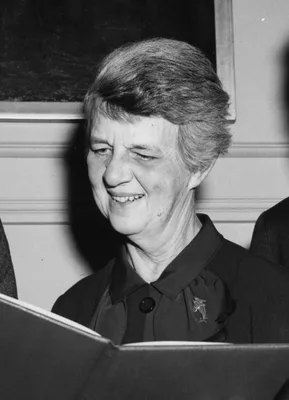
Lancefield determined the principal pathogenic strains of hemolytic streptococci and subdivided them into types. All important strains pathogenic to humans fall into Lancefield’s Group A.
1932 CE
#2656
A transmissible tumor-like condition in rabbits.
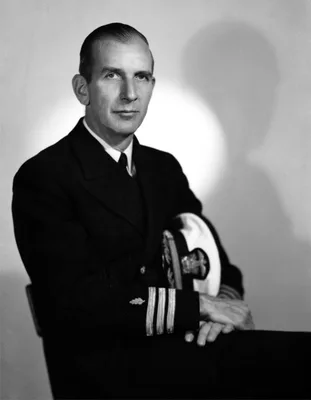
Shope papilloma virus (SPV), a benign infectious tumor due to a virus. This was the first mammalian tumor virus discovered. Full text from PubMedCentral at this link. See also Shope, "Infectious Papillomatosis of Rabb…
1830 CE
#2211
A treatise on fever.
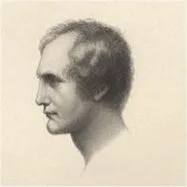
Both a doctor and a minister, Smith, physician to the London Fever Hospital, called himself, “physician to body and soul.” He argued that the poor are impoverished by fever and that fever was preventable. …
1862 CE
#2220
A treatise on the continued fevers of Great Britain.
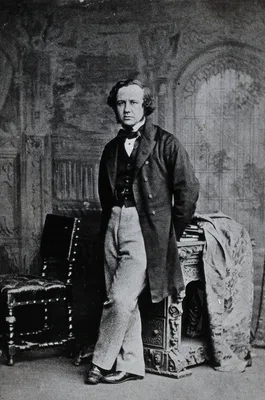
Murchison was one of the greatest clinical teachers London has ever known; of his many writings his book on continued fever is probably the most important. Digital facsimile from the Internet Archive at this link.
2003 CE
#12009
Angiotensin-converting enzyme 2 is a functional receptor for the SARS coronavirus.

The authors showed that the angiontensin-converting enzyme 2, abbreviated ACE2, is the obligative cell receptor for the SARS coronavirus (SARS-CoV). (Thanks to Juan Weiss for this reference and its interpretation.)
2004 CE
#9652
Anthrax: A history.
1889 CE
#10786
Antibiose et symbiose.
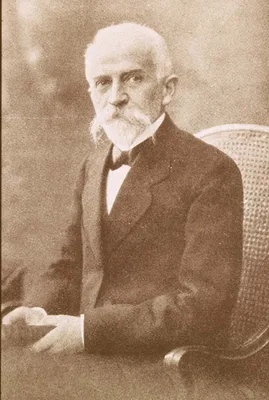
Villemin coined the term antibiosis and advanced the term from an evolutionary viewpoint. Though he presented the concept Villemin did not apply this concept to fight disease. (Thanks to Juan Weiss for this reference.)
2008 CE
#9683
Antimicrobial drugs: Chronicle of a twentieth century medical triumph.
Concerns the history of all anti-infectives, including antibacterial, antiviral, antifungal, antiprotozoal and anthelminthic agents.
1786 CE
#11711
Aphorismi de cognoscendis et curandis febribus.
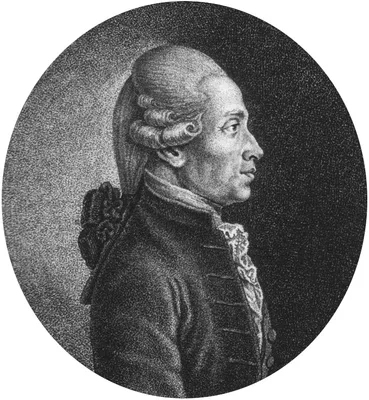
Stoll was one of the few physicians of the Viennese school who supported Auenbrugger's views on percussion. In this treatise on fevers Stoll referred favorably to the practice, and it is thought that Corvisart became …
1866 CE
#11487
Asiatic cholera: Its origin, history, and progress, for over two hundred years, and the devastations it has caused in the East and West; Its ravages in Europe and America in 1831-2, in 1848-9, in 1854-5, and in 1865-6 with a full description of the causes, nature, and character of the disease, its means of propagation, whether by the atmosphere or by contagion; its premonitory and distinctive symptoms; the best known means of preventing its attack both in communities and individuals; and the most effectual remedies for it according to the celebrated physicians who have treated It; Together with simple and plain directions for the care of those who from any cause can not obtain medical aid.
Digital facsimile from Google Books at this link.
2005 CE
#10864
Bats are natural reservoirs of SARS-like coronaviruses.
Dated October 28, 2005, roughly two years after the outbreak of SARS, the natural reservoirs of this class of coronaviruses was discovered. (Thanks to Juan Weiss for this entry and its interpretation.)
1982 CE
#5475.2
Bibliography of dengue fever and dengue-like illnesses, 1780-1981.
1970 CE
#5546.8
Bibliography of ticks and tickborne diseases from Homer (about 800 B.C.) to 31 December, 1969. Vol. 1.
Digital facsimile from Washington State University Digital Collections at this link.
1991 CE
#9262
Bilharzia: A history of imperial tropical medicine.
2014 CE
#10879
Brief report: Evidence for camel-to-human transmission of MERS coronavirus.
Dated June 26, 2014. Using viral genomics and PCR, the Saudi authors demonstrated that full genome sequences of a man, and the camel he had contact with, were identical. Available from nejm.org at this link. (Thanks t…
2012 CE
#10877
Brief Report: Isolation of a novel coronavirus from a man with pneumonia in Saudi Arabia.
This paper, dated November 8, 2012, characterized the virus up to and including its genome sequence, including radiology and imaging findings, lab findings, diagnosis and management. The authors tentatively named the …
1949 CE
#9384
Bring out your dead: The great plague of yellow fever in Philadelphia in 1793.
Reprinted with a new introduction by Kenneth R. Foster, Mary F. Jenkins, and Anna Coxe Toogood (Philadelphia: University of Pennsylvania Press, 1993).
2003 CE
#10862
Characterization of a novel coronavirus associated with severe acute respiratory syndrome.
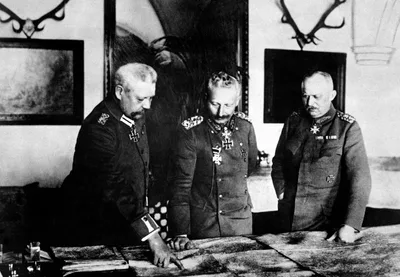

Dated May 30, 2003. Rota and team at the CDC determined the sequence of the complete genome of SARS-CoV, and characterized the viral genome. Order of authorship in the published paper was Rota, Oberste, Monroe....DeRi…
2014 CE
#10771
Cholera: A worldwide history.
2015 CE
#9202
Confronting contagion: Our evolving understanding of disease.
2018 CE
#9959
CONTAGION: Historical views of diseases and epidemics.
http://ocp.hul.harvard.edu/contagion/ This was the original version of this digital library. It includes commentary. It may be available through the Internet Archive, Archive-It facility or through the Wayback Machine…
2012 CE
#10418
Contagion: How commerce has spread disease.
2017 CE
#13088
Contagionism catches on. Medical ideology in Britain, 1730-1800.
"This book shows how contagionism evolved in eighteenth century Britain and describes the consequences of this evolution. By the late eighteenth century, the British medical profession was divided between traditionali…
2020 CE
#12013
Continual raving: A history of meningitis and the people who conquered it.

2003 CE
#10860
Coronavirus as a possible cause of severe acute respiratory syndrome.

Dated April 19, 2003, this paper identified and reproduced microscopic images of the novel viral agent. It was the first official journal publication on SARS. Order of authorship in the published paper was Peiris, Lai…
1885 CE
#2540
Das Sauerstoff-Bedürfniss des Organismus. Eine farbenanalytische Studie.
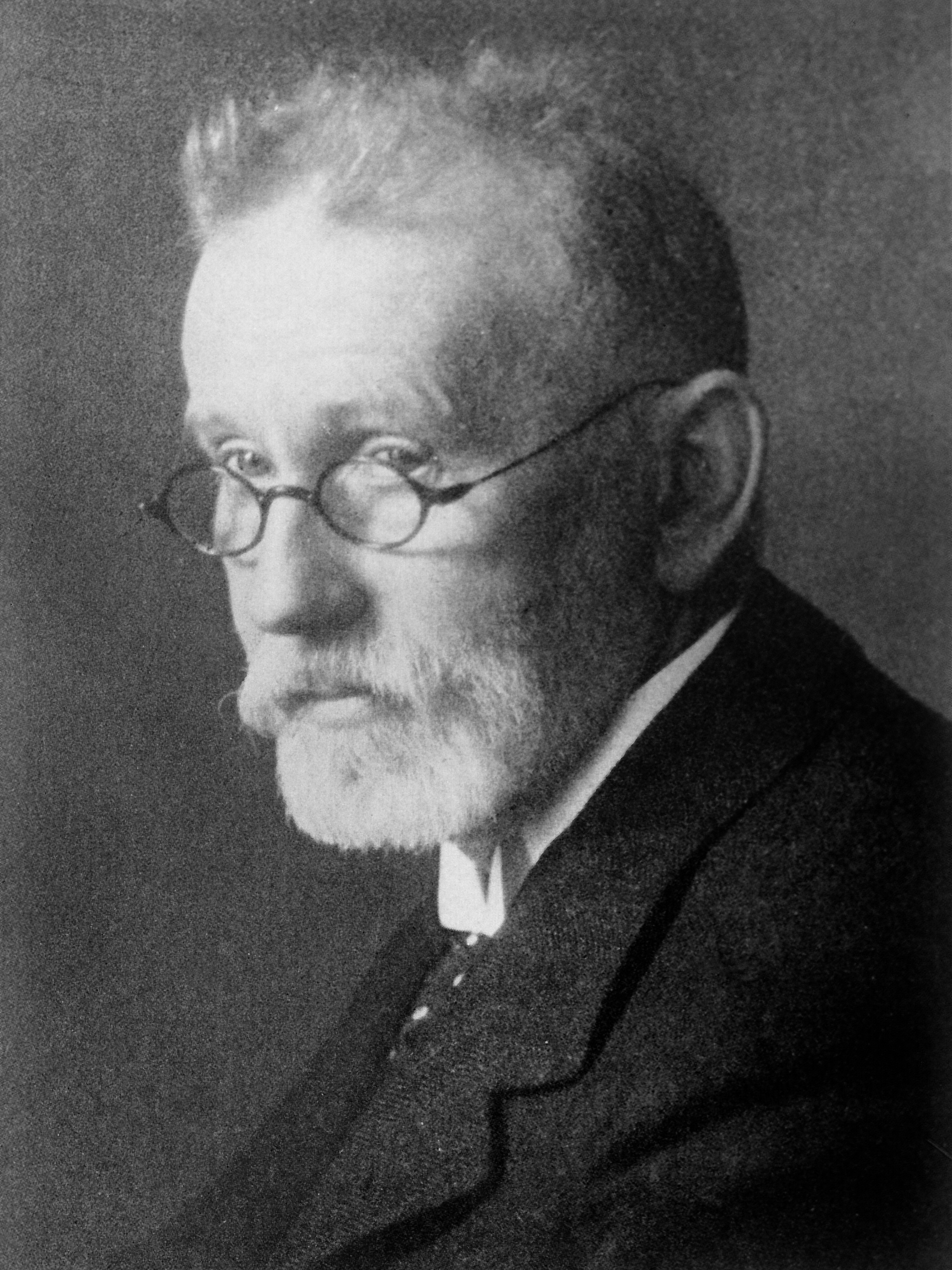
Includes the first statement of Ehrlich’s “side-chain” theory.
1627 CE
#2196
De febribus libri iv. Accessit ad calcem; ejusdem de dysenteria tractatus.
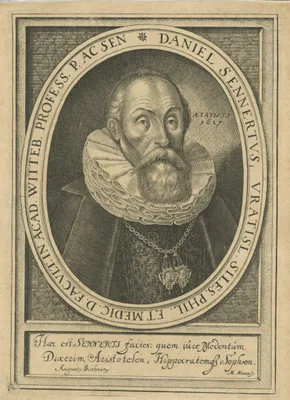
An important monograph on fevers.
1576 CE
#2193
De febribus opus sane aureum, non magis utile, quam rei medicae profitentibus necessarium. In quo trium sectarum clarissimi medici habentur, qui de hac re egerunt: Nempe Gaeci, Arabes, atque Latini, quorum nomina versa pagina indicabit.
DE FEBRIBUS
An anthology of selected writings on fevers by Greek, Arab and Latin authors, including Hippocrates, Galen, Paul of Aegina, Alexander of Tralles, Aetius, Oribasius, Nonus, Actuarius, Avicenna, Rhazes, Avenzoar, Averro…
1874 CE
#5235
De la fièvre bilieuse mélanurique des pays chauds comparée avec la fièvre jaune.
An important description of blackwater fever. Berenger-Féraud had experience with the disease in French West Africa.
1762 CE
#5021
De morbo mucoso.
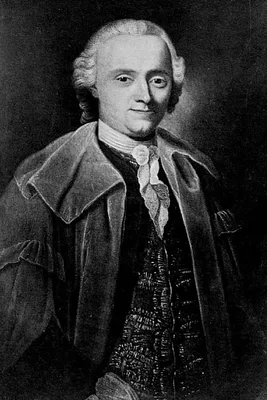
An exhaustive study of typhoid, which the writers confused with dysentery and relapsing fever.
1546 CE
#2528
De sympathia et antipathia rerum liber unus. De contagione et contagiosis morbis et curatione.
Though Fracastoro wrote this book more than a century before Leewenhoek invented the microscope, and could only express the theory of contagion in very general terms, this book represents a landmark in the development…
1896 CE
#5088
Der Keuchhusten.
An important history of whooping cough.
1871 CE
#2535
Die Ursache der infectiösen Wundkrankheiten.
Klebs, Professor of Pathology at Berne, Würzburg, Prague, Zurich, and Chicago, preceded Koch in investigations of the pathology of traumatic infection. He found bacteria in gunshot wounds, granulation tissue, etc…
2003 CE
#7941
Disease in the history of modern Latin America: From malaria to aids. Edited by Diego Armus.
1993 CE
#13187
Disease transmission by insects: Its discovery and 90 years of effort to prevent it.
1962 CE
#11850
Disinfected mail: Historical review and tentative listing of cachets, handstamp markings, wax seals, wafer seals and manuscript certifications alphabetically arranged according to countries, by K.F. Meyer, in collaboration with C. Ravasini ...[et al.].
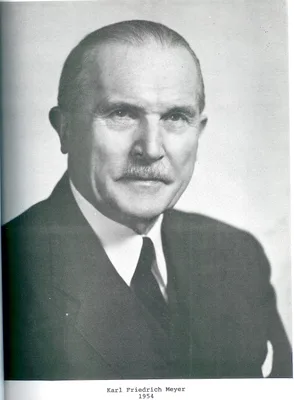
From the 15th to near the end of the 19th century attempts were made to decontaminate mail which had been in contact with plague, smallpox, cholera, and other contagious diseases.
1882 CE
#5921
Ein experimenteller Beitrag zur Pathogenese der sympathischen Augen-Entzündung.
Deutschmann was the chief protagonist of the infective theory of sympathetic ophthalmia.
2005 CE
#12113
Emergence of unique primate T-lymphotropic viruses among central African bushmeat hunters.


Order of authorship in the original publication: Wolfe, Heniene, Carr ...Birx.... "As of 2016, 301 terrestrial mammals were threatened with extinction due to hunting for bushmeat including primates, even-toed ungulate…
1992 CE
#8005
Enfermedad y sociedad en la crisis colonial del antiguo régimen: Nueva Granada en el tránsito del siglo XVIII al XIX, las epidemias de viruelas.
1923 CE
#6267
Epidemics 1, case 4. In: [Works] with an English translation by W.H. Jones.
![HIPPOCRATES, [Ἱπποκράτης; Hippocrates of Kos] (-460 – -370)](/media/portraits/50)
The earliest known description of puerperal fever.
1681 CE
#5161