
Facets
Browse across eight MeSH (opens in new tab) facets — era, geography, science, specialty, technology, history, culture, and reference. Select one tag per group; counts update across the others.
Clear filtersFacet filters
Geography
Specialties & Disease
- Anatomy & Pathology 43
- Cardiology & Blood 13
- Neurology & Psychiatry 44
- Obstetrics & Reproductive 19
- Infectious Disease (General) 3
- Surgery & Anesthesia 48
- Public Health 154
- Immunology & Dermatology 61
- General Clinical Medicine 83
- Military Medicine 32
- Psychology 16
- Alternative & Fringe Medicine 52
- Pediatrics 6
- Ophthalmology & Vision 7
- ENT & Hearing 12
- Urology & Nephrology 7
- Gastroenterology & Hepatology 7
- Pulmonary & Respiratory 2
- Rheumatology, Rehab & Pain 6
- Internal, Emergency & Geriatric 12
- Veterinary Medicine 4
- Epidemiology & Demography 18
- Physiology & Embryology 203
- Dentistry 259
- Plagues & Epidemics 26
- Microbiology & Virology 44
Social & Historical Studies
Institutions & Culture
Reference & Scholarly Works
Drugs & Technology
26 entries match Plagues & Epidemics [C01.252] · Professions & Education [M01 / N02]
1983 CE
#6996
Isolation of a T-lymphotropic retrovirus from a patient at risk for acquired immune deficiency syndrome (AIDS).

Isolation of the human immunodeficiency virus (HIV-1). In 2008 Barré-Sinoussi and Montagnier shared half of the Nobel Prize in Physiology and Medicine "for their discovery of human immunodeficiency virus." The …
2000 CE
#10033
A Plague of paradoxes: Aids, culture, and demography in Northern Tanzania.
1726 CE
#5415
An historical account of the small-pox inoculated in New-England, upon all sorts of persons, whites, blacks, and of all ages and constitutions: With some account of the nature of the infection in the natural and inoculated way, and their different effects on human bodies; with some short directions to the unexperienced in this method of practice .
Boylston was the first in America to inoculate for smallpox, at Boston on 26 June 1721. "During a smallpox outbreak in 1721 in Boston, he inoculated about 248 people[5] by applying pus from a smallpox sore to a small …
1826 CE
#10529
Clinique de la maladie syphilitique. Enrichie d’observations communiquées par messieurs Cullerier oncle, Cullerier neveu, Bard, Gama, Desruelles et autre médecins. Text and atlas.
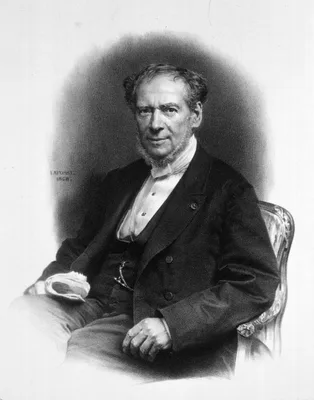
Includes 126 hand-colored engraved plates from drawings by Dupont the elder, assisted by Delestre the younger and Verollot, engraved by Johann Theodor Susemihl, a German engraver working in Paris, known for his zoolog…
1949 CE
#4671.1
Cultivation of the Lansing strain of poliomyelitis virus in cultures of various human embryonic tissues.
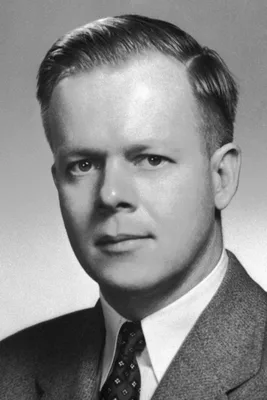
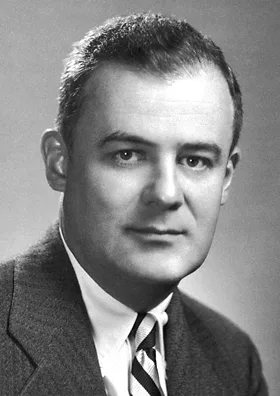
Enders, Weller, and Robbins grew the poliomyelitis virus in cultures of different tissues. Their method proved of great value in virus research, and removed the final obstacles to vaccine production. In 1974 Enders, W…
1882 CE
#2331
Die Aetiologie der Tuberkulose.
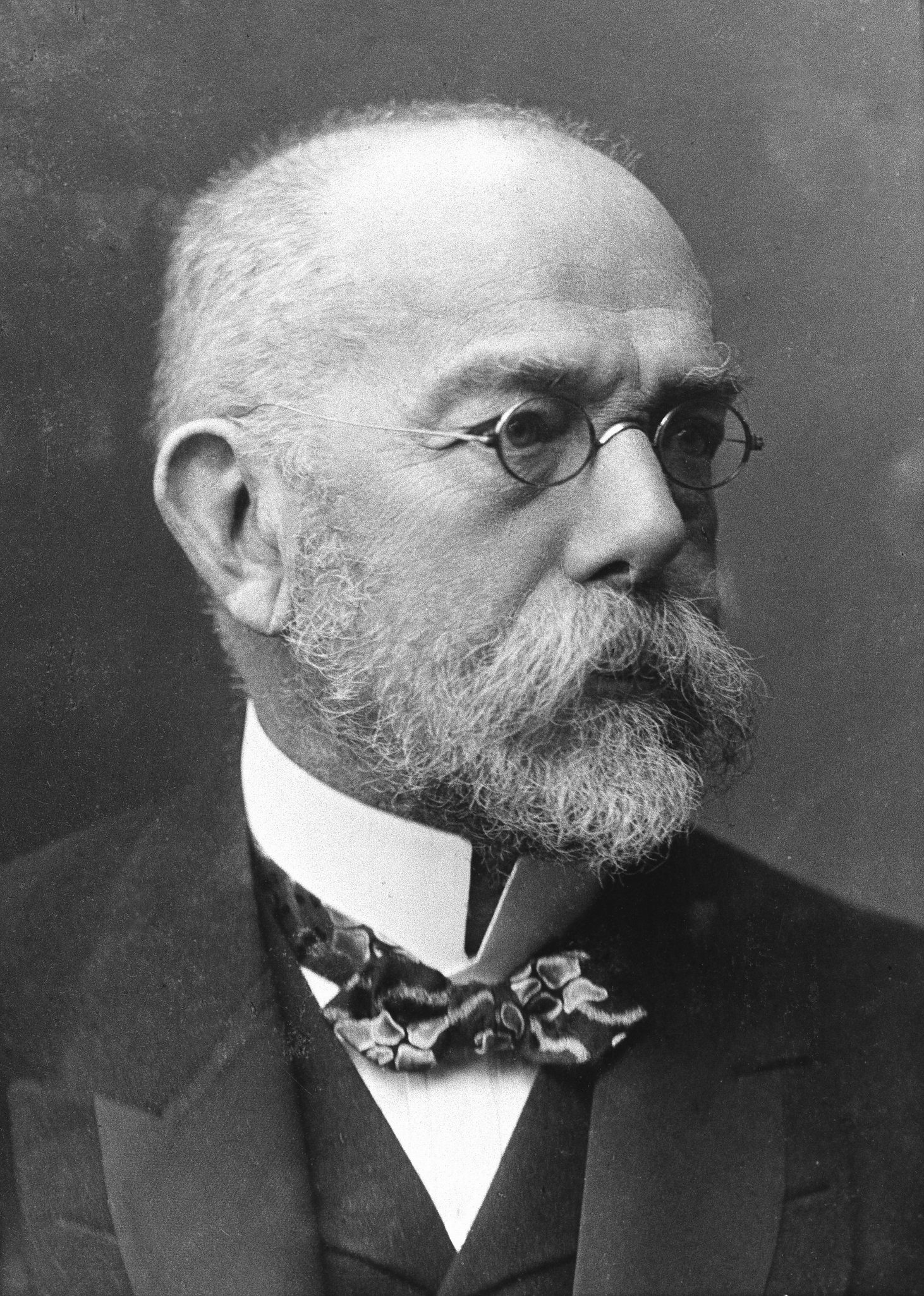
Discovery of the tubercle bacillus announced March 24, 1882. This paper also contains a statement of “Koch’s postulates”. See also Nos. 2536 and 5167. Koch published a fuller account as "Die Aetiolog…
1897 CE
#5064
Die Wertbestimmung des Diphtherieheilserums.
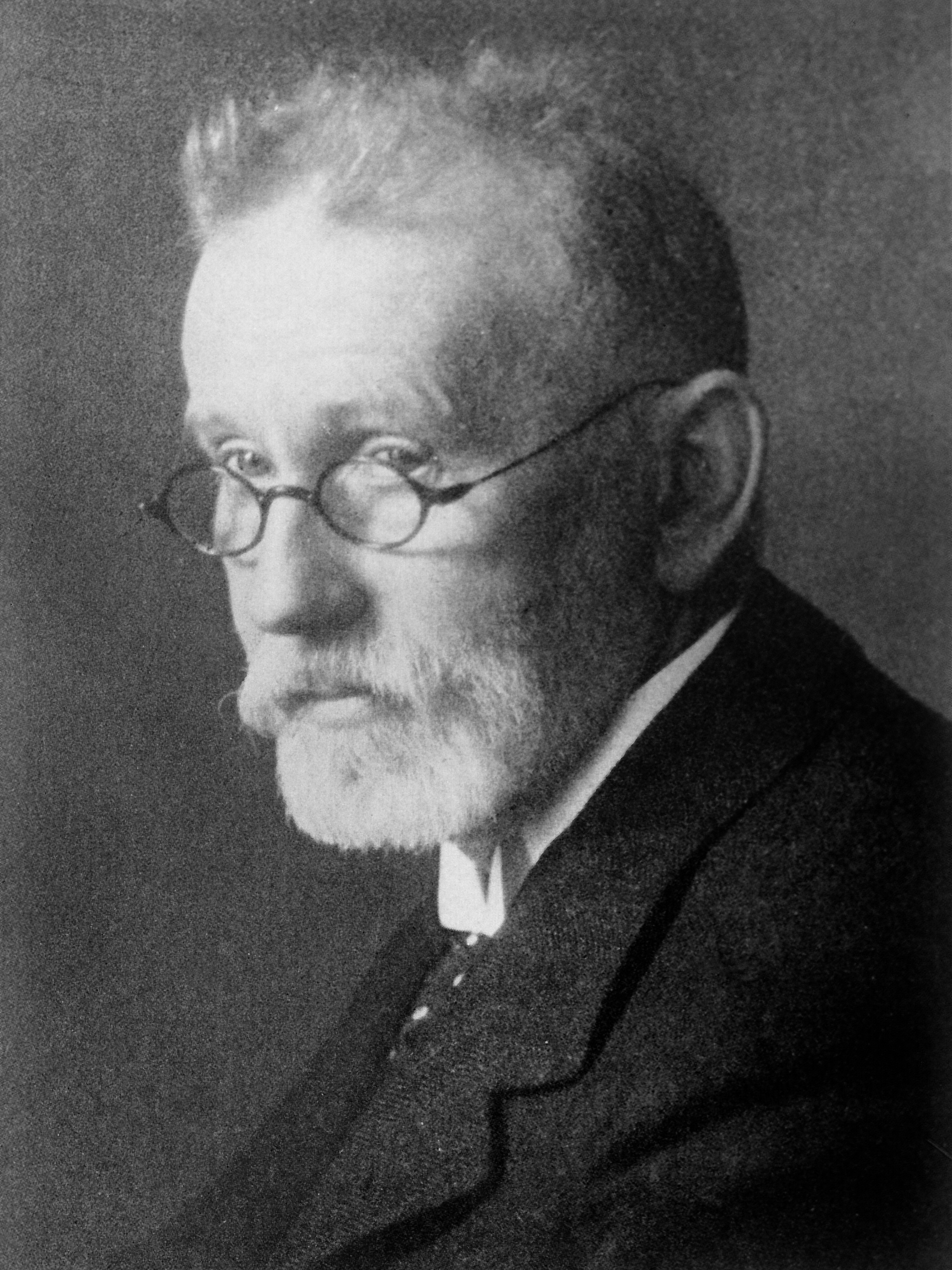
Ehrlich improved Behring’s diphtheria antitoxin through quantitative titration and established an international standard for this and other antitoxins. This was the beginning of the concept of biological standar…
1769 CE
#5304
Essay on the natural history of Guiana, in South America. Containing a description of many curious productions in the animal and vegetable systems of that country. Together with an account of the religion, manners, and customs of several tribes of its Indian inhabitants. Interspersed with a variety of literary and medical observations. In several letters....
Bancroft was an English physician who lived for many years in South America. He noted the transmission of yaws by flies (p. 385 of his book). Digital facsimile from the Internet Archive at this link.
2016 CE
#9895
Ethnographic plague: Configuring disease on the Chinese-Russian frontier.
"Challenging the concept that since the discovery of the plague bacillus in 1894 the study of the disease was dominated by bacteriology, Ethnographic Plague argues for the role of ethnography as a vital contributor to…
1926 CE
#10467
Health, wealth and population in the early days of the industrial revolution.
Chapters on water supply, 18th physicians and pioneers of public health, the hospital and dispensary movement, general hygiene and midwifery, rickets and scurvy, antiseptics, smallpox, anti-typhus campaign, malaria, etc.
1910 CE
#13217
Hygiene and morality: A manual for nurses and others, giving an outline of the medical, social, and legal aspects of the venereal diseases.
Digital facsimile from Google Books at this link.
2000 CE
#8504
Indigenous theories of contagious disease.
1575 CE
#5565
Les oeuvres de M. Ambroise Paré.
Paré was the greatest of the army surgeons before Larrey. Born in poor circumstances, he became the most famous surgeon in France. He is particularly remembered for his abandonment of boiling oil and the cauter…
2001 CE
#10799
Malaria: Poverty, race, and public health in the United States.

1876 CE–1877 CE
#2391
On irregular and defective tooth development.
“Moon’s molars”, the first molars in congenital syphilitics.
1897 CE
#5247
On some peculiar pigmented cells found in two mosquitoes fed on malarial blood.
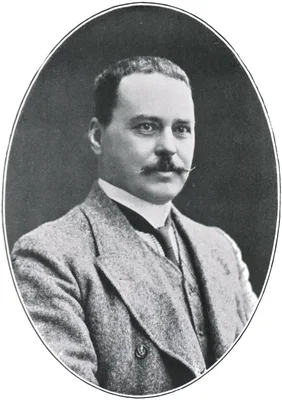
Ross proved that the mosquito was responsible for the transmission of malaria. On 20 August 1897, he found Laveran’s Plasmodium in the stomach of the Anopheles mosquito after it had fed on the blood of malaria p…
1514 CE
#5559.1
Practica in arte chirurgica copiosa… continens novem libros.
The first complete system of surgery after that of Guy de Chauliac. In 1503 Vigo became the personal surgeon to Pope Julius II. His Practica in arte chirurgia copiosa was completed in 1514 and first published in Latin…
1910 CE–1911 CE
#5384
Recherches experimentales sur le typhus exanthématique.
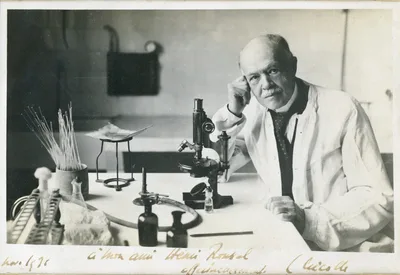
Nicolle demonstrated the transmission of typhus by the body louse Pediculus corporis. He also produced the disease in monkeys and guinea-pigs by the injection of infected blood. Preliminary communication in C. R. Acad…
1858 CE
#2386
Report on the effects of infantile syphilis in marring the development of the teeth.
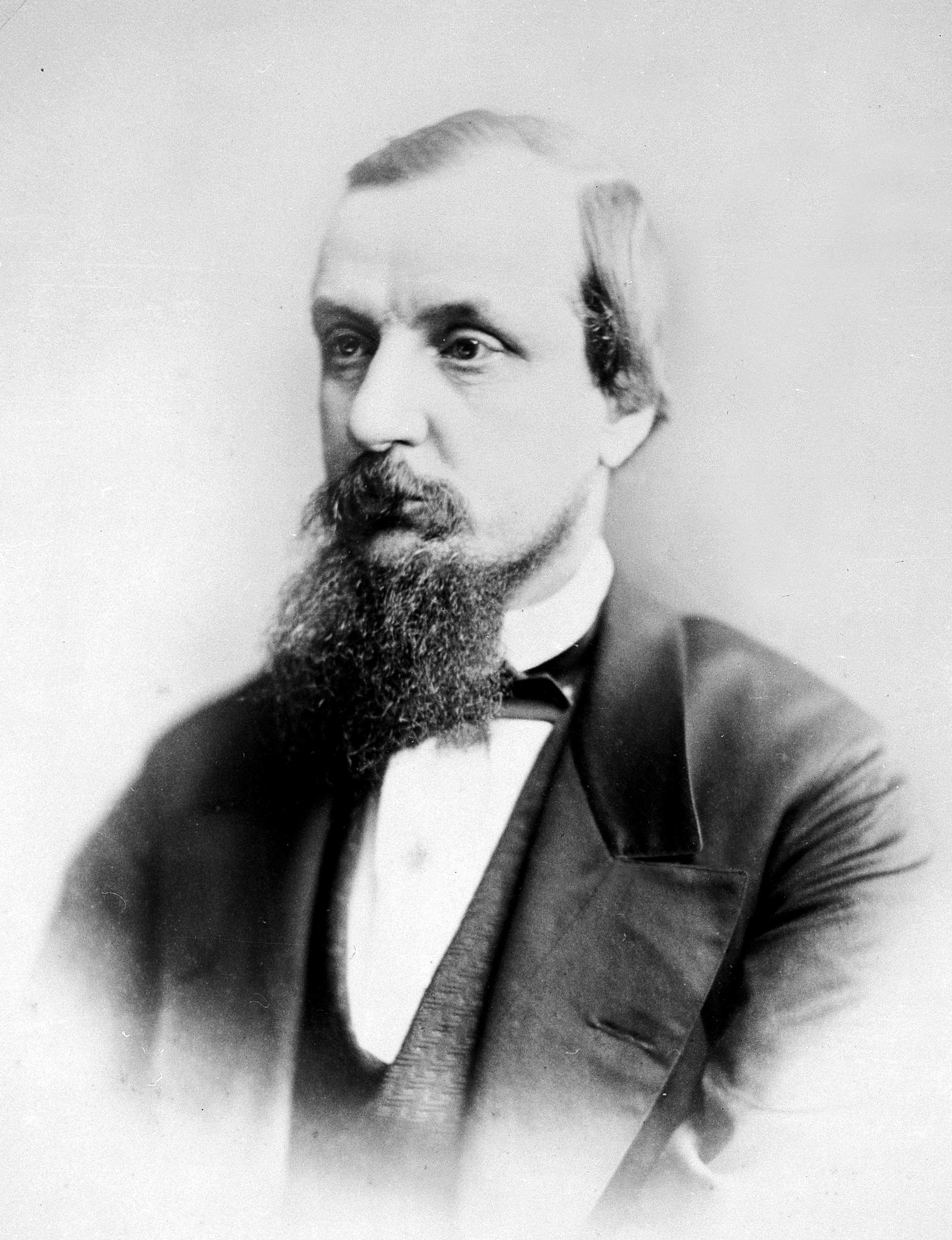
Hutchinson of St. Bartholomew’s Hospital, is memorable for his original description of the notched incisors (“Hutchinson’s teeth”) in congenital syphilis. His name is also associated with &ldqu…
2005 CE
#13622
Suppression of RNA recognition by toll-like receptors: The impact of nucleoside modification and the evolutionary origin of RNA.
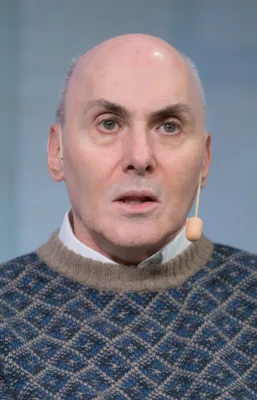
Karikó and Weissman discovered the nucleoside modifications that suppress the immungenicity of RNA, leading to their patents for the application of non-immunogenic, nucleoside-modified RNA (modRNA). This techno…
1874 CE
#7705
Sur les crânes artificiellement perforés à l'époque des dolmens.
Prunières separated postmortem trepanations and rondelles from antemortem operations, and also described tuberculous lesions in Neolithic bones.
1909 CE
#13476
The great white plague: Tuberculosis.
Digital facsimile from Google Books at this link.
1937 CE
#5467
The use of yellow fever virus modified by in vitro cultivation for human immunization.
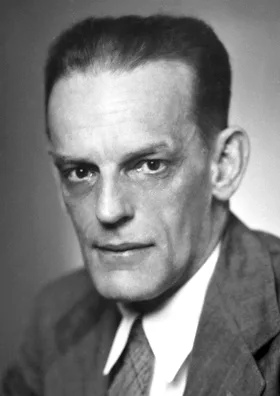
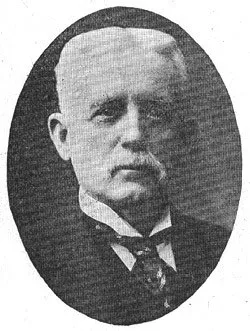
Immunization without the use of immune serum. In 1951 Theiler was awared the Nobel Prize in Physiology or Medicine "for his discovery of an effective vaccine against yellow fever." This was the first Nobel Prize award…
1890 CE
#2544
Ueber das Zustandekommen der Diphtherie-Immunität und der Tetanus-Immunität bei Thieren.
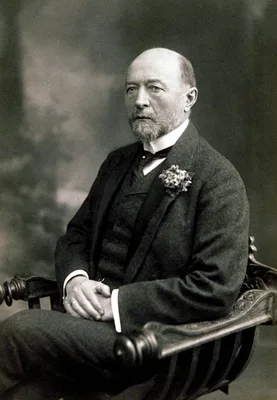
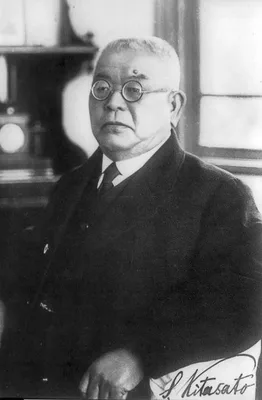
Antitoxins and their immunizing powers were discovered when Behring and Kitasato published their paper dealing with immunity to tetanus and diphtheria. This work laid the foundation of all future treatment with antito…
1918 CE–1919 CE
#4806
Ueber die Einwirkung der Malaria auf die progressive Paralyse.
In 1917 Wagner von Jauregg returned to the idea of the inoculation of paretics with malaria to induce pyrexia, first proposed by him in 1887 (Ueber die Einwirkung fieberhafter Erkrankungen auf Psychosen, Jb. Psychiat.…
1881 CE
#5236
Un nouveau parasite trouvé dans le sang plusieurs malades atteints de fièvre palustre.
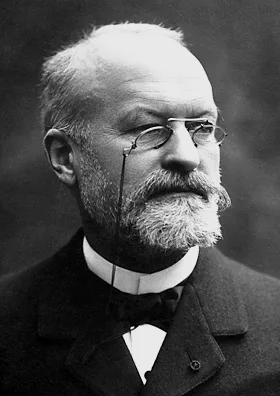
Laveran first saw the malaria parasite on 20 October 1880; he at once recognized its significance. He named it Oscillaria malariae. English translation in Kean (No. 2268.1). Laveran also published a monograph on the d…