
Facets
Browse across eight MeSH (opens in new tab) facets — era, geography, science, specialty, technology, history, culture, and reference. Select one tag per group; counts update across the others. What’s new in facet browse how facets relate to subjects and MeSH.
Clear filtersFacet filters
Geography
Specialties & Disease
- Anatomy & Pathology 765
- Cardiology & Blood 914
- Neurology & Psychiatry 1,256
- Obstetrics & Reproductive 550
- Infectious Disease (General) 147
- Surgery & Anesthesia 1,551
- Public Health 1,129
- Immunology & Dermatology 1,404
- General Clinical Medicine 480
- Military Medicine 436
- Psychology 202
- Alternative & Fringe Medicine 383
- Pediatrics 247
- Ophthalmology & Vision 412
- ENT & Hearing 293
- Urology & Nephrology 309
- Gastroenterology & Hepatology 316
- Pulmonary & Respiratory 233
- Rheumatology, Rehab & Pain 188
- Internal, Emergency & Geriatric 123
- Veterinary Medicine 165
- Epidemiology & Demography 397
- Physiology & Embryology 923
- Dentistry 259
- Plagues & Epidemics 1,279
- Microbiology & Virology 1,080
Social & Historical Studies
Institutions & Culture
Reference & Scholarly Works
914 entries match Cardiology & Blood [C14 / C15]
1944 CE
#12365
The diagnosis of rheumatic fever.
The Jones criteria (later revised in 1992 and 2015) for the diagnosis of acute rheumatic fever.
1909 CE
#6845
The differentiation and specificity of corresponding proteins and other vital substances in relation to biological classification and organic evolution: The crystallography of hemoglobins.
This massive work with 100 plates including 600 images, was the first large-scale investigation of species differences at the molecular level. Digital facsimile from the Internet Archive at this link.
1959 CE
#11405
The discovery of Dicumarol and its sequels.
An historical account of the discovery of the anticoagulant Warfarin by the primary investigator. The first use for this substance was rat poison. Digital facsimile from ahajournals.org at this link.
1854 CE
#2760
The diseases of the heart and aorta.
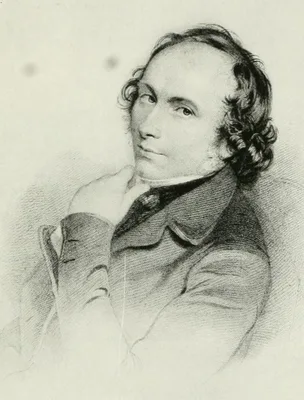
On pp. 320-27 is to be found Stokes’s account of fatty degeneration of the heart, in which he so well described the periodic form of respiration now known as “Cheyne–Stokes breathing.” Stokes a…
1949 CE
#4509
The effects of the adrenal cortical hormone 17-hydroxy-11-dehydrocorticosterone (compound E) on the acute phase of rheumatic fever: preliminary report.
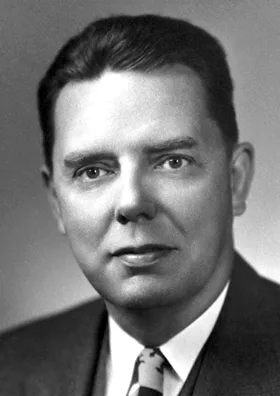
Compound E (cortisone) introduced in the treatment of rheumatic fever. With C. H. Slocumb, A. R. Barnes, H. L. Smith, H. F. Polley.
2001 CE
#12361
The eighteenth-century origins of angina pectoris: Predisposing causes, recognition and aftermath.
1910 CE
#12255
The electrocardiogram in clinical medicine: The string galvanometer and the electrocardiogram in health.
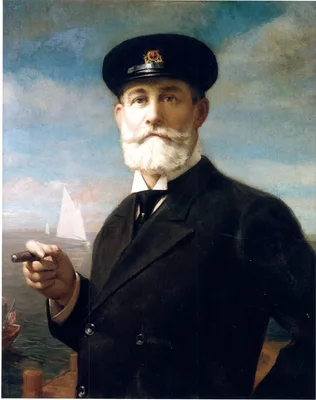
The first clinical paper on electrocardiography to appear in an American journal (Burch & DePasquale, A History of Electrocardiography,1990, 163.) James and Williams "published the first ECG recordings in the western …
1932 CE
#2863
The electrocardiographic diagnosis of coronary occlusion by the use of chest leads.
Introduction of chest leads.
1874 CE
#2906.1
The etiology of Bright’s disease and the prealbuminuric stage.
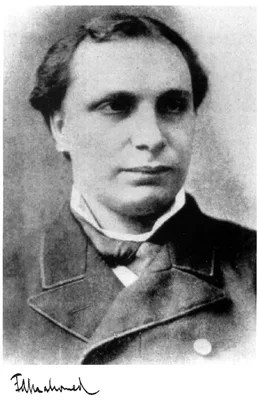
Mahomed proved that cases of “arteriocapillary fibrosis” were hypertensive, and showed that they may occur without renal involvement.
1900 CE
#4505
The etiology of rheumatic fever.
After extensive bacteriological researches, Poynton and Paine considered that a diplococcus was the cause of rheumatic fever.
1910 CE
#2834
The etiology of subacute infective endocarditis.
Libman and Celler found Strep. endocarditis to be the most common cause of subacute bacterial endocarditis.
1977 CE
#3161.42
The Evan Bedford library of cardiology. Catalogue of books, pamphlets and journals.
Descriptions of 1112 items, many with very informative annotations by Bedford, who donated his collection to the Royal College of Physicians. In addition to his clinical and research work in cardiology Bedford was an …
2006 CE
#12332
The evolution of cardiac catheterization and interventional cardiology.
1931 CE
#11570
The factor of infection in the rheumatic state.
Coburn demonstated that streptococcus is the infective agent in rheumatic fever that can lead to rheumatic heart disease.
1933 CE
#11668
The failing heart of middle life: The myocardiosis syndrome, coronary thrombosis, and angina pectoris with a section upon the medico-legal aspects of sudden death from heart disease.
"This pioneering monograph on the pathophysiology of coronary artery disease includes a detailed discussion of the recently recognized electrocardiographic features of myocardial infarction. Hyman invented a [external…
1933 CE
#1924.1
The fibrinolytic activity of hemolytic streptococci.
Tillett and Garner discovered a substance elaborated by a strain of haemolytic streptococcus which promoted lysis of fibrin and is now known as streptokinase.
1960 CE
#11767
The first Internation Symposium on Cardiology in Aviation. Conducted at the School of Aviation Medicine 12-13 November 1959. USAF Aerospace Medical Center (ATC). Edited by Lawrence E. Lamb.
1906 CE–1907 CE
#844
The form and nature of the muscular connections between the primary divisions of the vertebrate heart.
Discovery of the sinoatrial node, the “pacemaker of the heart”. Reprinted in Willius & Keys, Cardiac classics, 1941, pp. 747-62.
1914 CE
#12224
The four common types of heart disease: An analysis of 600 cases.
"The first appearance of Cabot's innovative classification of cardiac disease that was widely adopted" (W. Bruce Fye, American Cardiology. Baltimore, 1995, 49-50.)
2014 CE
#10214
The Framingham Heart Study and the epidemiology of cardiovascular diseases: A historical perspective.
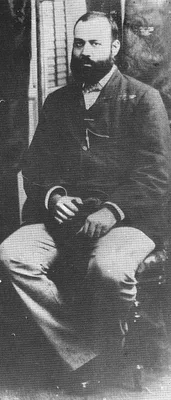

Full text available from PubMedCentral at this link.
1968 CE
#10213
The Framingham Study: An epidemiological investigation of cardiovascular disease.
"The Framingham Heart Study is a long-term, ongoing cardiovascular cohort study on residents of the town of Framingham, Massachusetts. The study began in 1948 with 5,209 adult subjects from Framingham, and is now on i…
1980 CE
#11579
The Framingham Study: The epidemiology of atherosclerotic disease.
"The twenty-four year Framingham Study is a landmark in epidemiological investigation. Largely as a result of this study of the life habits and health of almost 6,000 men and women, atherosclerosis is no longer viewed…
1937 CE
#2576.5
The genetic and antigenic basis of tumour transplantation.
Gorer made the initial discoveries which formed the basis of transplantation genetics. He studied mouse blood groups and described an antigen in erythrocytes (antigen II). His studies established the laws of transplan…
1885 CE
#2790
The Gulstonian Lectures, on malignant endocarditis.
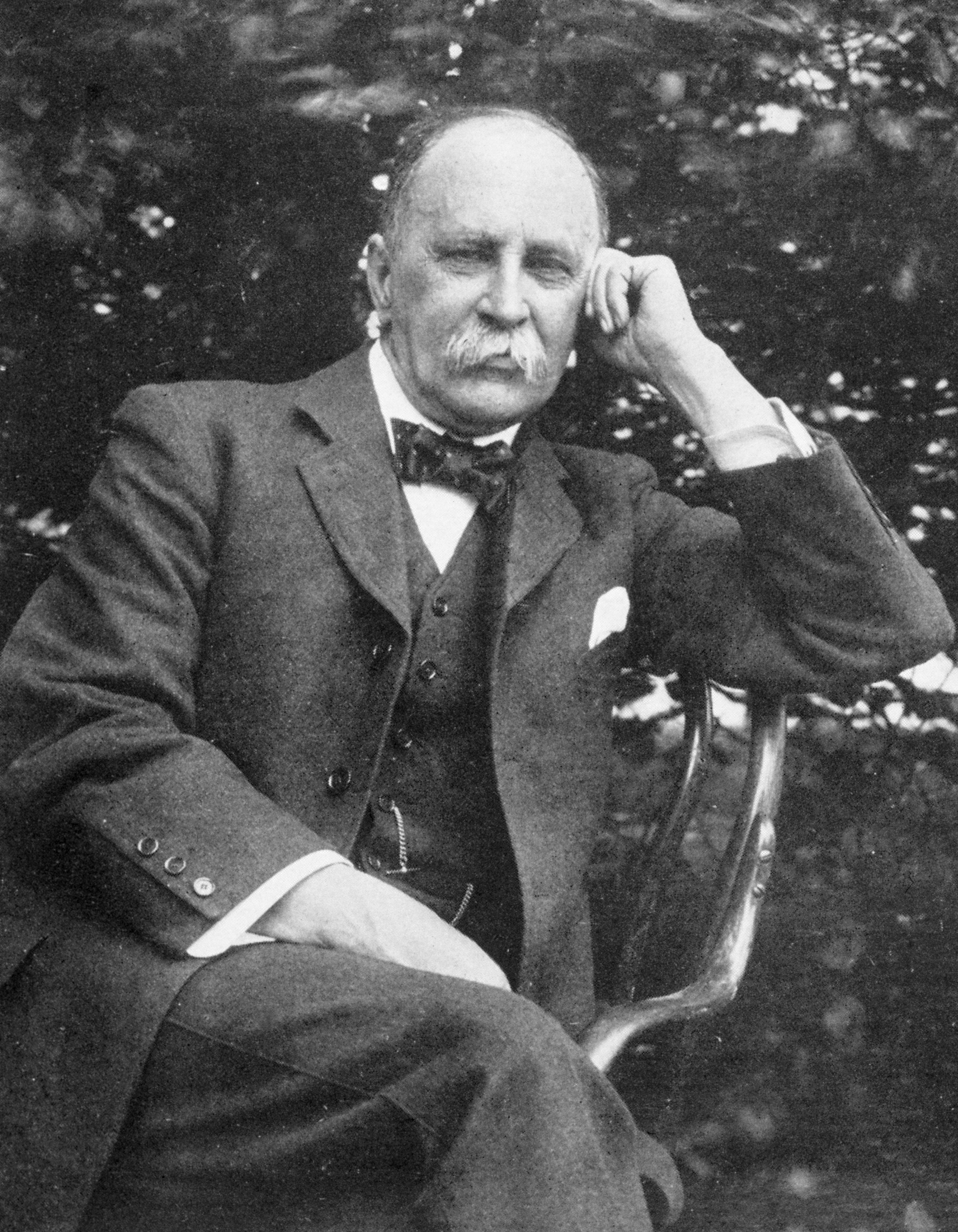
First comprehensive description of subacute bacterial endocarditis.
1934 CE
#3093
The haemostatic possibilities of snake-venom.
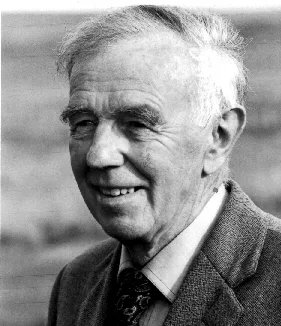
Snake venom used in the treatment of hemophilia.
1973 CE
#1588.13
The heart and the vascular system in ancient Greek medicine from Alcmaeon to Galen.
1757 CE
#2974
The history of an aneurysm of the aorta, with some remarks on aneurysms in general.
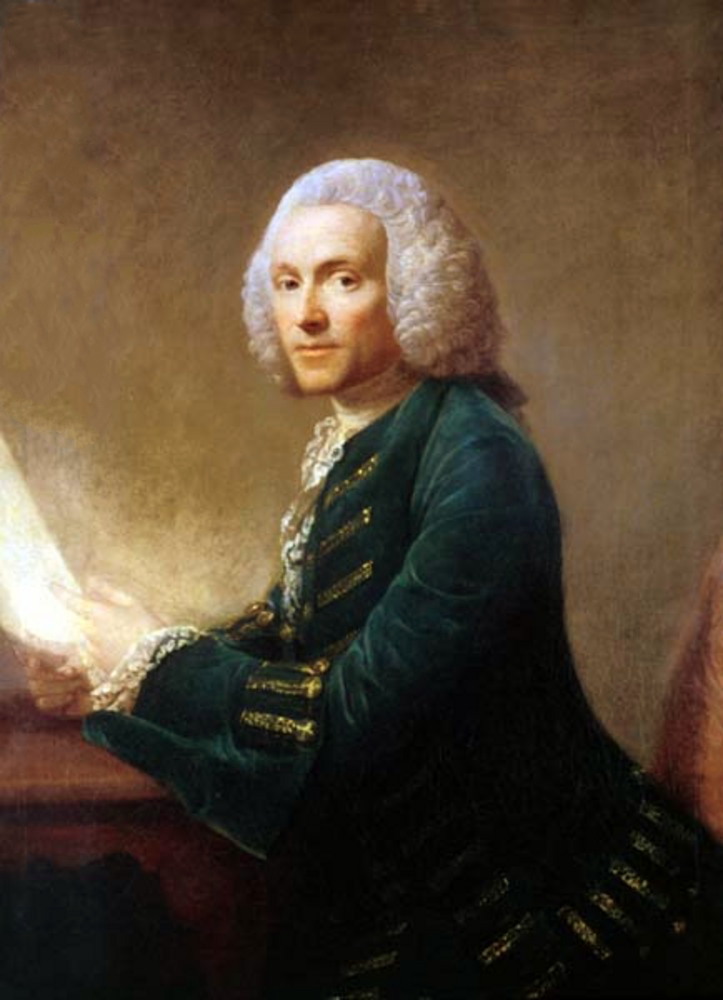
First recorded case of arteriovenous aneurysm.
1937 CE
#3157
The history of angina pectoris.
2013 CE
#7843
The history of blood transfusion in Sub-Saharan Africa.
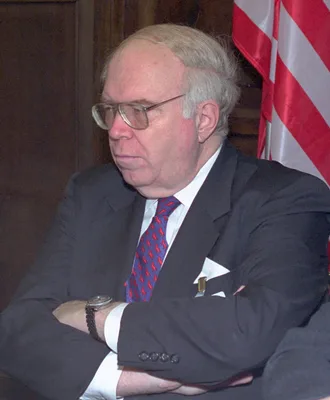
1994 CE
#8597
The history of cardiology.
1970 CE
#3161.3
The history of coronary heart disease.
A scholarly work with extensive bibliographies.
1964 CE
#3161.1
The history of electrocardiography.
Reprinted with new introduction by Joel D. Howell, San Francisco, Norman Publishing, 1990.
1929 CE
#11003
The history of hemostasis.
Reprinted with additions and corrections from Annals of Medical History, N. S. Vol. I, No. 2, March, 1929.
1949 CE
#3154.2
The inheritance of sickle cell anemia.
Genetic evidence that sickle-cell disease is inherited in a simple Mendelian manner.
2002 CE
#12378
The irritable heart of soldiers and the origins of Anglo-American cardiology: The U.S. Civil War (1861) to World War I (1918).
1913 CE
#5629
The kinetic theory of shock and its prevention through anoci-association (shockless operation).
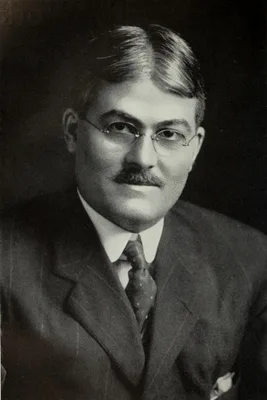
Crile advanced the anoci-association concept in which local and general anesthesia are combined in a sequence to eliminate pre-operative fear and tension.
1890 CE–1891 CE
#886
The life history of the formed elements of the blood, especially the red blood corpuscles.
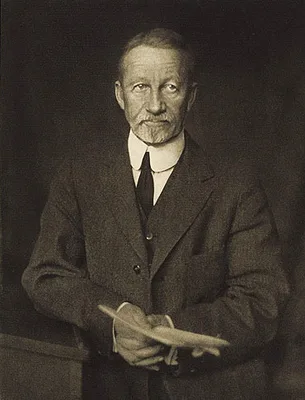
Includes description of “Howell’s bodies” seen in mature erythrocytes and called also “Howell–Jolly bodies” after the later description by J. M. J. Jolly.
1759 CE
#2884
The life of Edward, Earl of Clarendon: Lord High Chancellor of England and Chancellor of the University of Oxford. Containing, I. An Account of the chancellor's life from his birth to the restoration in 1660. II. A Continuation of the same, and of his history of the grand rebellion, from the restoration to his banishment in 1667. Written by himself. Printed from his original manuscripts, given to the University of Oxford by the Heirs of the late Earl of Clarendon. 3 vols.
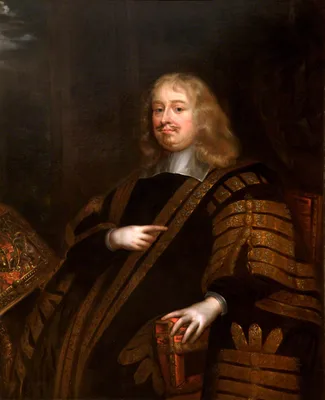
From the description given by the Earl of Clarendon in his autobiography, on vol. 1, p. 16, his father, Henry Hyde, almost certainly suffered from, and died of, angina pectoris. If this is really so, it is the first r…
1966 CE
#14342
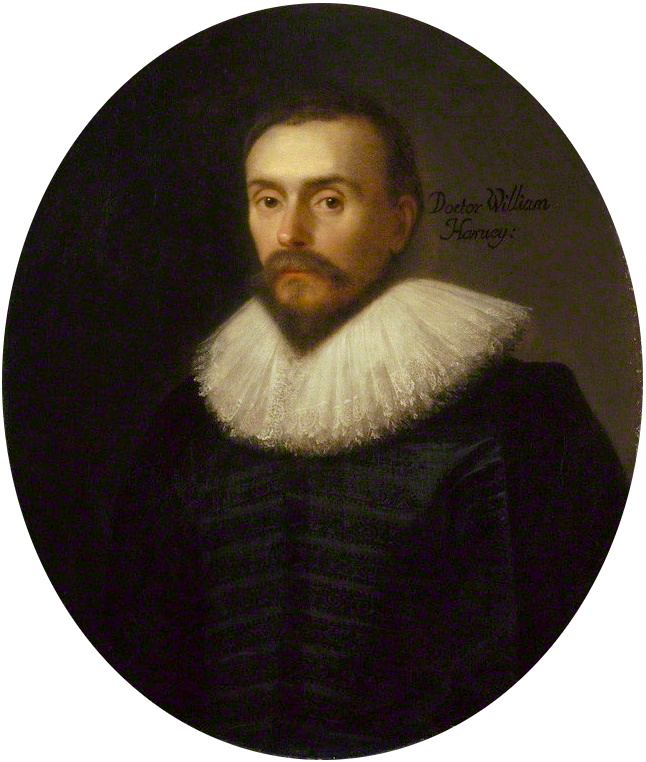
The life of William Harvey.
1918 CE
#852
The ligation of coronary arteries with electrocardiographic study.
2000 CE
#7995
The making of the pacemaker: Celebrating a lifesaving invention. Foreward [extensive] by Seymour Furman.
1911 CE
#2851
The mechanism of the heartbeat: With special reference to its clinical pathology.
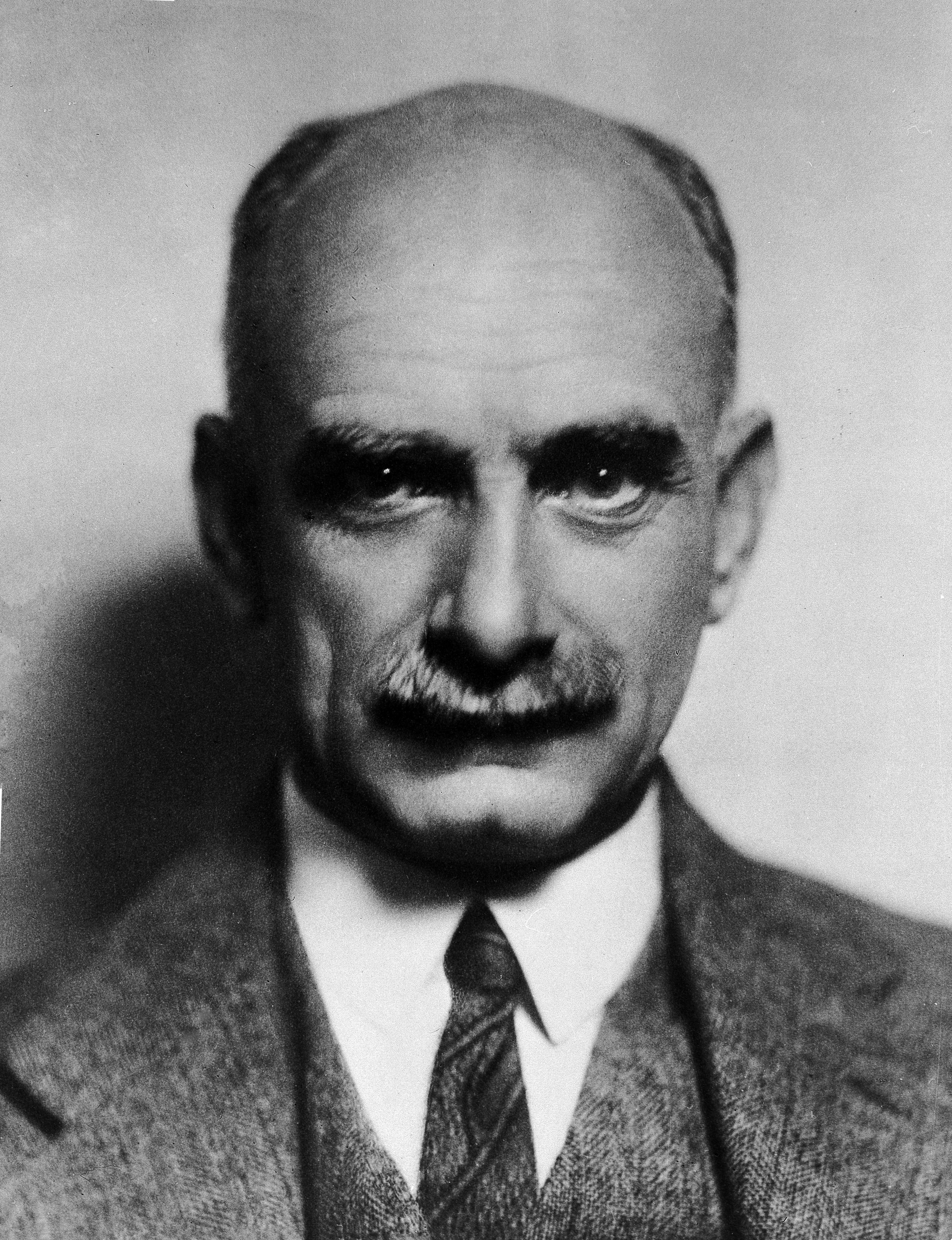
Sir Thomas Lewis was a pioneer in the application of electrocardiography to clinical medicine. His book was both an exhaustive treatise on the subject for its time, and a valuable bibliographical source. Second editio…
1665 CE–1666 CE
#2012
The method observed in transfusing the blood out of one live animal into another.
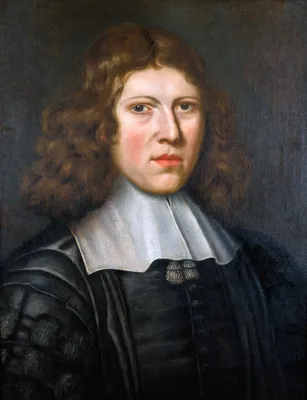
In February 1665 Lower successfully transfused dogs with blood.
1793 CE
#2281
The morbid anatomy of some of the most important parts of the human body.
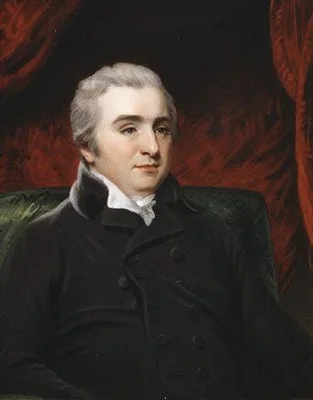
Baillie was a nephew and pupil of William Hunter. The above is the first systematic textbook of morbid anatomy, treating the subject for the first time as an independent science. See also Nos. 2736, 3167.1. Baillie wa…
1797 CE
#2736
The morbid anatomy of some of the most important parts of the human body. 2nd ed.
First clinical description of chronic obstructive pulmonary emphysema. The lung on which Baillie performed an autopsy before describing this condition is said to have been that of Samuel Johnson. P. 46: Baillie sugges…
1888 CE–1889 CE
#2794
The murmur of high-pressure in the pulmonary artery.
First description of the pulmonary diastolic murmur – the “Graham Steell murmur.” Reproduced in Willius & Keys, Cardiac Classics, 1941, pp. 680-85.
1927 CE
#1916
The nature of the vaso-dilator constituents of certain tissue extracts.
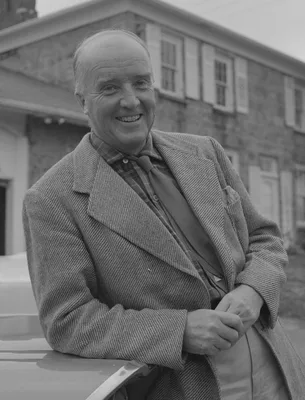
Proof that histamine occurs in certain organs in amounts sufficient to account for the depressant action of extracts of these organs. With H. H. Dale, H. W. Dudley, and W. V. Thorpe.
1906 CE
#897
The origin and nature of the blood plates.
Discovery of the role of the megakaryocytes in the formation of the blood platelets.
1897 CE
#11875
The origin of disease, especially of disease resulting from intrinsic as opposed to extrinsic causes. With chapters on diagnosis, prognosis and treatment. With one hundred and thirty-seven original illustrations.
The most valuable features of this work are the exceptionally fine and delicate histologic illustrations engraved on steel and printed on thick paper to eliminate show-through. Each image is faced with detailed explan…
1920 CE–1921 CE
#960