
Facets
Browse across eight MeSH (opens in new tab) facets — era, geography, science, specialty, technology, history, culture, and reference. Select one tag per group; counts update across the others.
Clear filtersFacet filters
Geography
Specialties & Disease
- Anatomy & Pathology 765
- Cardiology & Blood 914
- Neurology & Psychiatry 1,256
- Obstetrics & Reproductive 550
- Infectious Disease (General) 147
- Surgery & Anesthesia 1,551
- Public Health 1,129
- Immunology & Dermatology 1,404
- General Clinical Medicine 480
- Military Medicine 436
- Psychology 202
- Alternative & Fringe Medicine 383
- Pediatrics 247
- Ophthalmology & Vision 412
- ENT & Hearing 293
- Urology & Nephrology 309
- Gastroenterology & Hepatology 316
- Pulmonary & Respiratory 233
- Rheumatology, Rehab & Pain 188
- Internal, Emergency & Geriatric 123
- Veterinary Medicine 165
- Epidemiology & Demography 397
- Physiology & Embryology 923
- Dentistry 259
- Plagues & Epidemics 1,279
- Microbiology & Virology 1,080
Social & Historical Studies
Institutions & Culture
Reference & Scholarly Works
1,551 entries match Surgery & Anesthesia [E04 / G02.403.810]
1883 CE
#4471
Amputation du membre supérieur dans la contiguïté du tronc (désarticulation de l’omoplate).
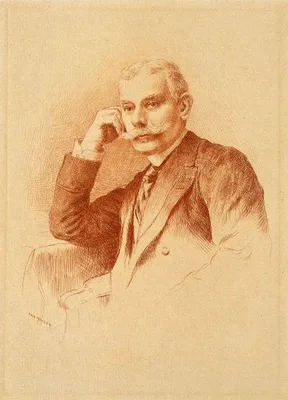
“Berger’s operation”, interscapulothoracic amputation. See also his monograph, Paris, Masson, 1887.
1853 CE
#4462
Amputations.
The first successful amputation of the hip-joint was performed by Brashear in 1806 at Bardstown, Kentucky; he first amputated the thigh through its middle third, and tied off the bleeding vessels; then he made a long …
1898 CE
#4474
Amputazione, disarticulazione et protesi.
Vanghetti was the first to suggest the use of the musculature remaining above the amputation stump to form a motor unit for artificial limbs – “kinematization of stumps”.
1770 CE
#4437
An account of a case in which the upper head of the os humeri was sawed off, a large portion of the bone afterwards exfoliated, and yet the entire motion of the limb was preserved.
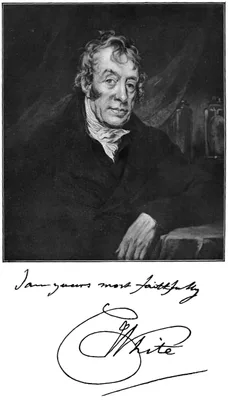
First recorded excision of the head of the humerus.
1828 CE
#4452
An account of a case of osteo-sarcoma of the left clavicle, in which exsection of that bone was successfully performed.
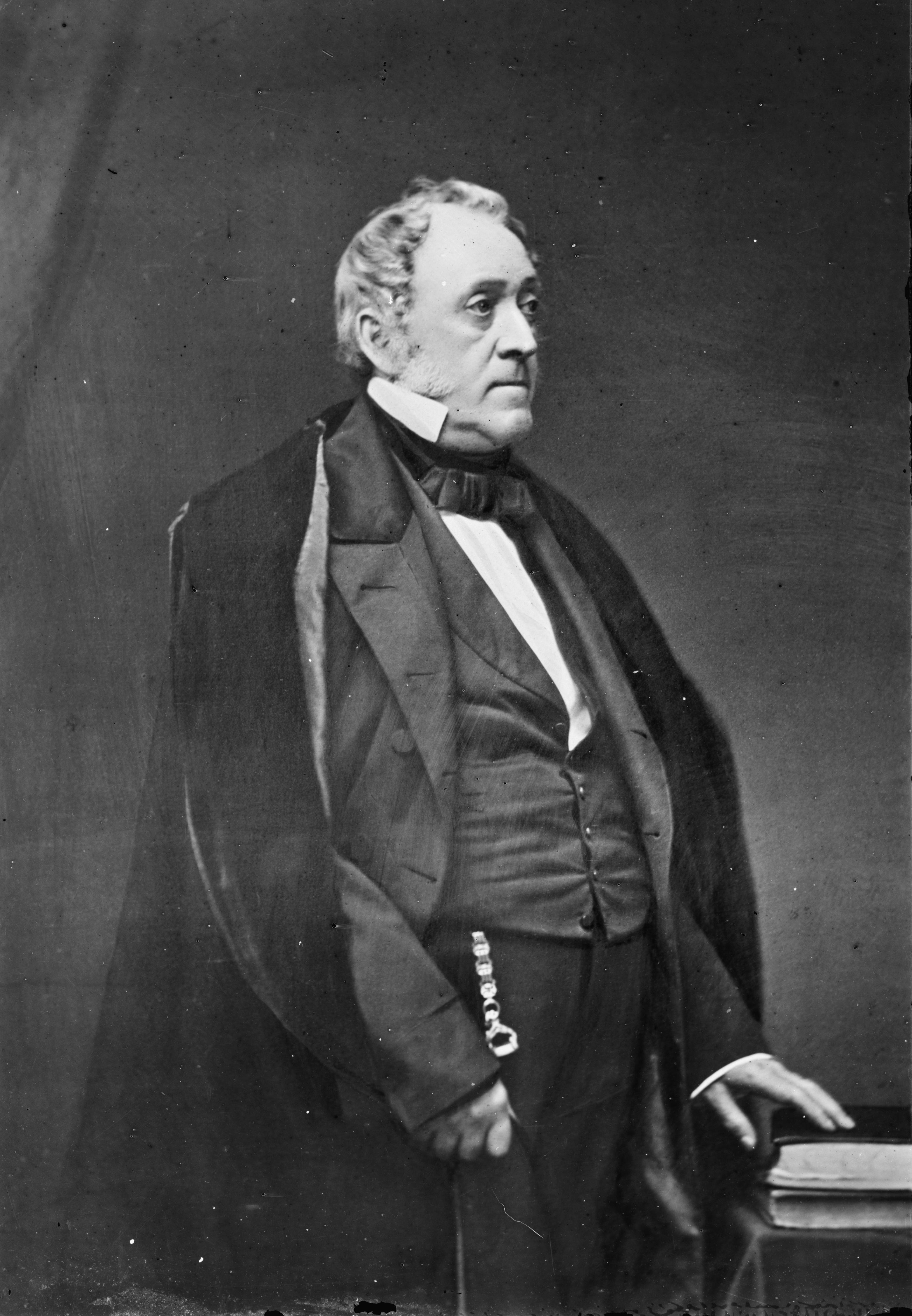
Valentine Mott was an outstanding figure in American surgery during the first half of the 19th century. A pupil of Astley Cooper, he particularly distinguished himself in vascular surgery and in operations involving t…
1762 CE
#4407
An account of a new method of reducing shoulders (without the use of an ambe) which have been several months dislocated, in cases where the common methods have proved inefficient.
White’s method of reducing shoulder dislocations by means of suspending the patient from the affected arm. This method either reduced the dislocation entirely, or moved the head of the humerus into a position wh…
1733 CE
#4438
An account of a new method of treating diseases of the joints of the knee and elbow.
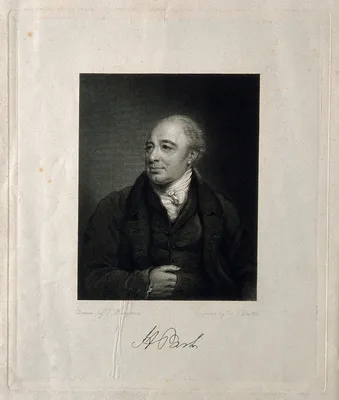
This was originally a letter to Pott. Park became famous for his operation of excision and arthrodesis as a treatment for destructive joint disease. The title page is misprinted “MDCCXXXIII”; the letter is…
1813 CE
#4309
An account of a successful method of treating diseases of the spine.
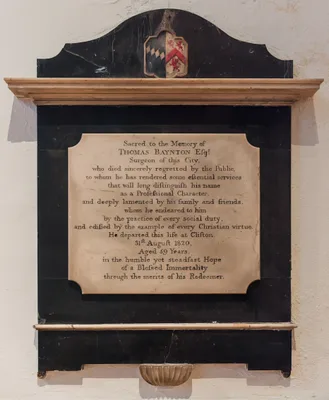
By his advocacy of absolute rest in the horizontal position without the aid of caustics and setons, Baynton can be said to have introduced the modern treatment of spinal caries in England. The book is dedicated to Edw…
1790 CE
#2925.1
An account of an aneurism in the thigh, perfectly cured by the operation.
The first femoral ligation reported in America, and the first paper on a surgical topic to be published in an American medical periodical.
1786 CE
#2925
An account of Mr. Hunter’s method of performing the operation for the popliteal aneurism.
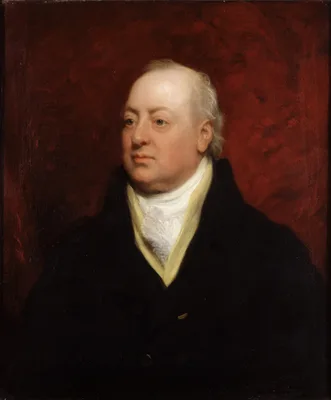
First description of John Hunter’s method of treating popliteal aneurysm. This consisted in a single ligature of the artery at a distance high in the healthy tissues. Recorded by his brother-in law. See also Tra…
1849 CE
#5664
An account of the first use of sulphuric ether by inhalation as an anaesthetic in surgical operations.
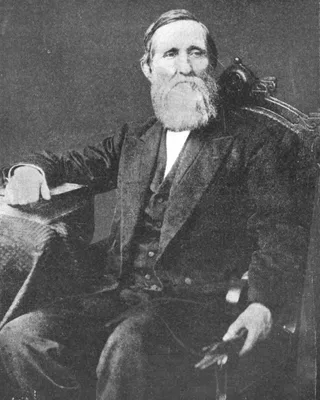
There is no doubt that Long was the first successfully to use ether vapor as an anesthetic. This was on 30 March 1842, at Jefferson, Georgia. Unfortunately he did not publish his results until others, notably Morton, …
1816 CE
#5737
An account of two successful operations for restoring a lost nose from the integuments of the forehead.
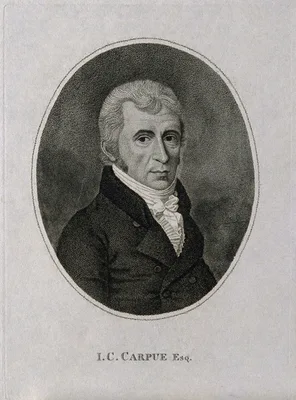
Carpue revived the Hindu method of rhinoplasty (see No. 5735.1), and reported two successful cases. Facsimile edition, with biography of Carpue by Frank C. McDowell and bibliography of his writings, Birmingham, Classi…
1881 CE
#5616
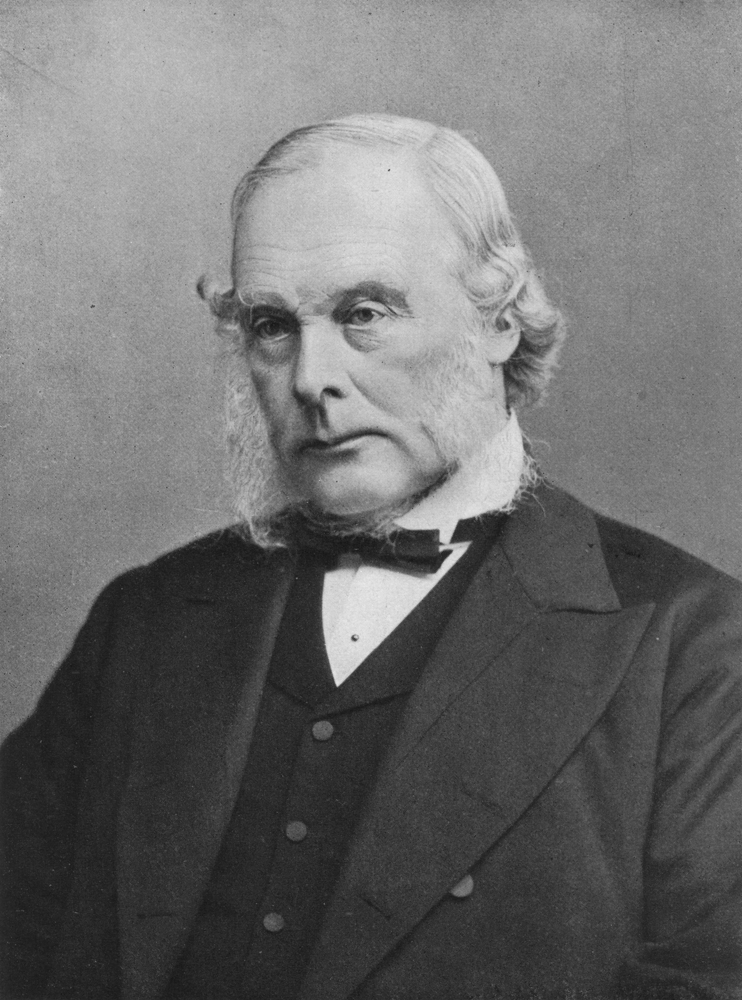
An address on the catgut ligature
1905 CE
#14147
An anatomical, experimental, and clinical study of acute phlegmons of the hand.
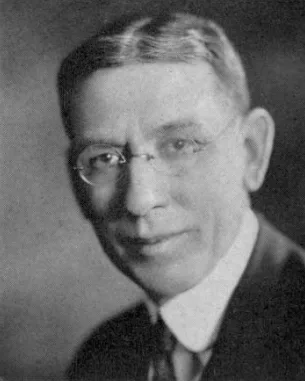
"Kanavel produced the classic paper on infection in Surgery, Gynecology and Obstetrics in 1905. In that paper, he described the anatomy and clinical study of acute infections of the hand. This clearly changed the cour…
1935 CE
#858.1
An apparatus for the culture of whole organs.
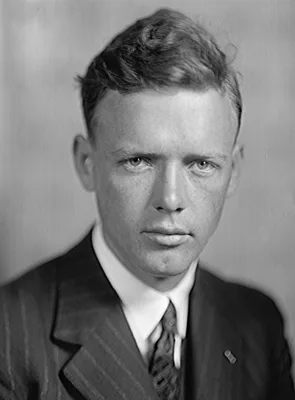
In 1931, the year before his son’s sensational kidnapping, the celebrity aviator began working with Alexis Carrel at the Rockefeller Institute on a perfusion pump which would allow the cultivation of whole organ…
1907 CE–1916 CE
#12
An English translation of the Sushruta Samhita, based on original Sankskrit text: Edited and published by Kaviraj Kunja Lal Bhishagratna. With a full and comprehensive introduction, translation of different readings, notes, comparative views, index, glossary and plates. 3 vols.
Digital facsimile from the Internet Archive at this link.
1802 CE
#9581
An entire, new, and original work; being a complete treatise upon spinae pedum; containing several important discoveries. Illustrated with copperplates exhibiting the different species of spinae.
The first original British work on podiatry, with several illustrations, one hand-colored. Disappointed at being refused a medical degree, Lion, a German Jewish émigré, wrote this book, taking the unusua…
1863 CE
#7812
An epitome of practical surgery for field and hospital.
Digital facsimile from the Internet Archive at this link.
1797 CE
#10481
An essay on burns: Principally upon those which happen to workmen in mines from the explosions of inflammable air (or hydrogen gas)....
Digital facsimile of the 1817 edition reprinting the 1797 work and the continuation (1800): A second essay on burns : in which an attempt is made to refute the opinions of Mr. Earle, and Sir W. Farquhar, lately advanc…
1745 CE
#2094
An essay on the West-India dry-gripes… to which is added, an extraordinary case in physick.
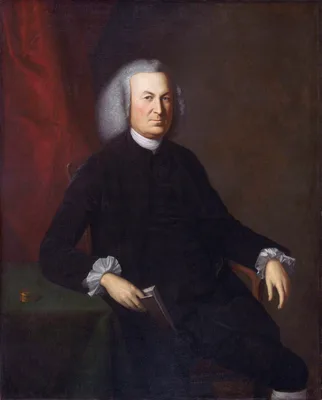
Cadwalader, an American pupil of Cheselden, left a classical account of lead colic and lead palsy. This was later shown by Benjamin Franklin, printer of the above work, to be due to the consumption of Jamaica rum whic…
1805 CE
#3430.1
An essay on wounds of the intestines.
The first serious attempt at repairing intestinal injuries in America, and the first use of dogs for experimental surgery in America.
1563 CE
#2140
An excellent treatise of wounds made with gonneshot.
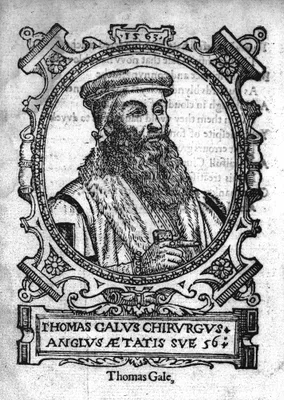
Gale, a contemporary of Paré, was surgeon in Henry VIII’s army at Montreuil. His book supported the views of Paré regarding the treatment of gunshot wounds, denying the poisonous effect of bullets;…
1901 CE
#5624
An experimental and clinical research into certain problems relating to surgical operations.
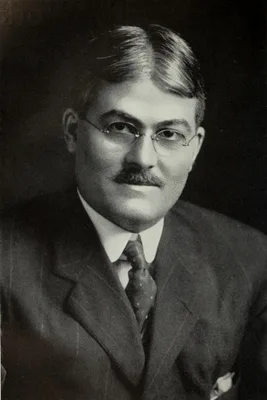
Crile made important contributions to knowledge regarding shock. He originated the theory that it is due to exhaustion of the vasomotor center. (See also No. 5629.) Chapter V: On the physiologic action of cocain and e…
1843 CE
#3446
An experimental and critical inquiry into the nature and treatment of wounds of the intestines.
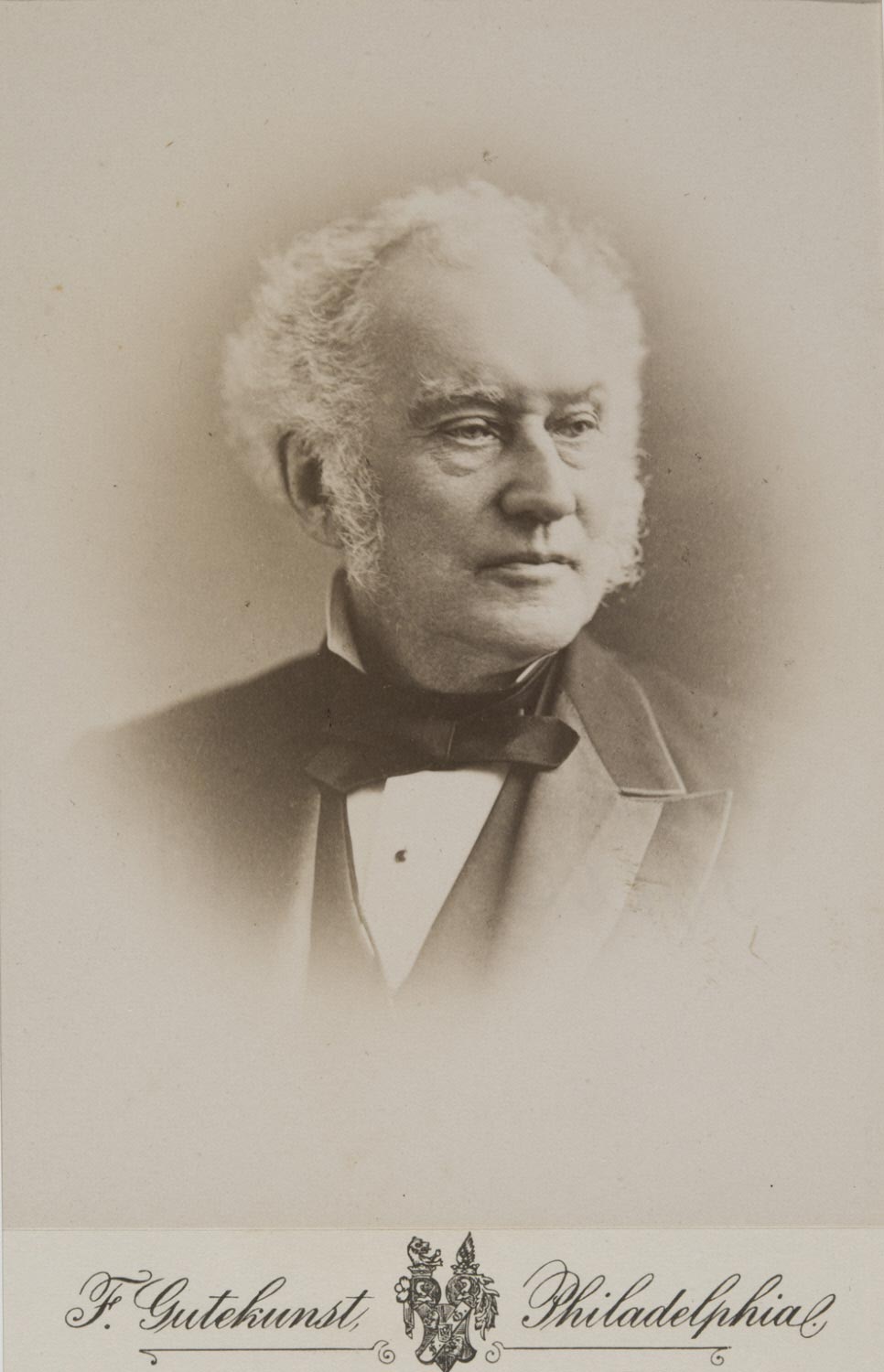
Reports of a series of experiments upon dogs to determine the best way to treat intestinal wounds. First published in West. J. Med. Surg., 1843. 7, 1-50, [81]-141, [161]-224.
1936 CE
#3037
An experimental method of providing a collateral circulation to the heart.
By attaching a pedicled omental graft to the surface of the heart (cardio-omentopexy), thus providing a collateral circulation to that organ, O’Shaughnessy made an important advance in the treatment of angina an…
1899 CE
#5622
An experimental research into surgical shock.
Crile saw and recorded elevations in systemic and portal venous pressures under experimental shock.
1837 CE
#5850.1
An inquiry into the possibility of transplanting the cornea, with the view of relieving blindness…
Bigger, a Dublin surgeon, successfully grafted a cornea of one gazelle onto that of another. According to this paper, he first performed this operation in 1835 while he was “a prisoner with a Nomadic tribe of Ar…
1812 CE
#3433
An inquiry into the process of nature in repairing injuries of the intestines.
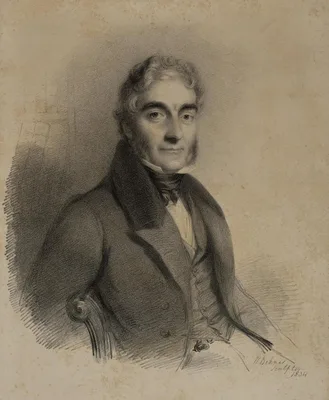
Travers’s researches on intestinal sutures recorded the first accurate knowledge on this subject.
1910 CE
#4380
An obscure affection of the hip-joint.
Juvenile osteochondritis deformans (“Calvé–Legg–Perthes disease”; see also Nos. 4381 and 4382.). Previously described by H. Waldenström, Z. orthop. Chir., 1909, 24, 486.
1867 CE
#3564
An operation for abscess of the appendix vermiformis caeci.
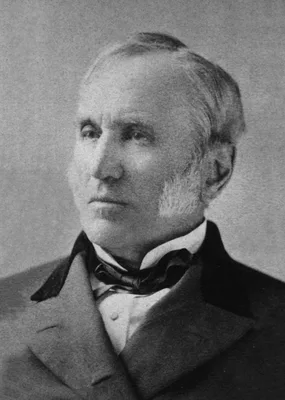
Parker was the first American to operate for appendicitis. In this paper he described a case from 1864, but mentioned a case he had operated on as early as 1843. He advocated the opening of the appendicular abscesses …
1885 CE
#4426.1
An operation for displaced semilunar cartilage.
The first deliberate and planned operation for the relief of internal derangement of the knee-joint caused by a displaced cartilage, i.e. repair of the meniscus. Annandale succeeded Lister as Professor of Clinical Sur…
1911 CE
#4383.1
An operation for progressive spinal deformities.
Spinal fusion first used for the treatment of scoliosis.
1881 CE
#5754.2
An operation for prominence of the auricles.
Otoplasty first described. Ely died very young from tuberculosis.
1938 CE
#6133
An operation for the cure of congenital absence of the vagina.
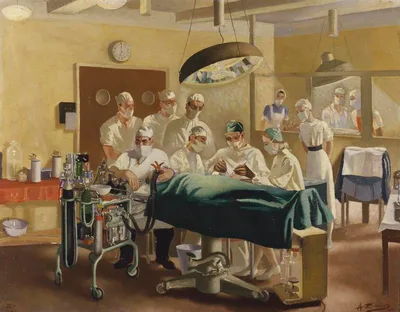
Mclndoe’s operation for the construction of an artificial vagina.
1920 CE
#3608.3
An operation for the radical cure of inguinal and femoral hernia.
First preperitoneal approach to hernia repair.
1901 CE
#3607
An operation for the radical cure of umbilical hernia.
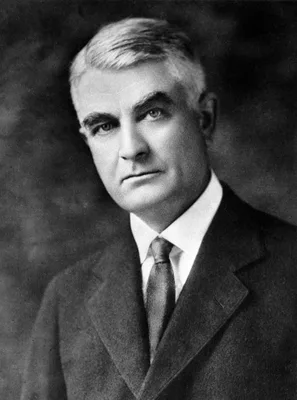
Mayo’s operation for umbilical hernia.
1939 CE
#3038.1
An oxygenator with a large surface–volume ratio.
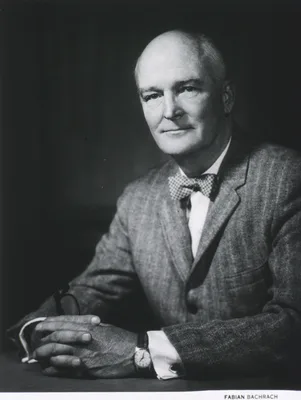
First heart–lung machine used successfully on an animal.
1928 CE
#5709.1
Anaesthesia for tonsillectomy and removal of adenoids.
Denis Browne ether inhaler.
1893 CE
#5682
Anaesthetics and their administration.
Hewitt, anesthetist to Edward VII, did much to develop the use of ether, and advanced our knowledge of the pharmacology of anesthetics. In 1892 he introduced the first practical gas and oxygen apparatus.
1921 CE
#5703
Anaesthetics in the plastic surgery of the face and jaws.
Intratracheal insufflation method of anesthetization. See also Magill, I. W., Lancet, 1921, 1, 918; 1923, 2, 229.
1856 CE
#2079
Analyse physiologique des propriétés des systèmes musculaires et nerveux au moyen de curare.
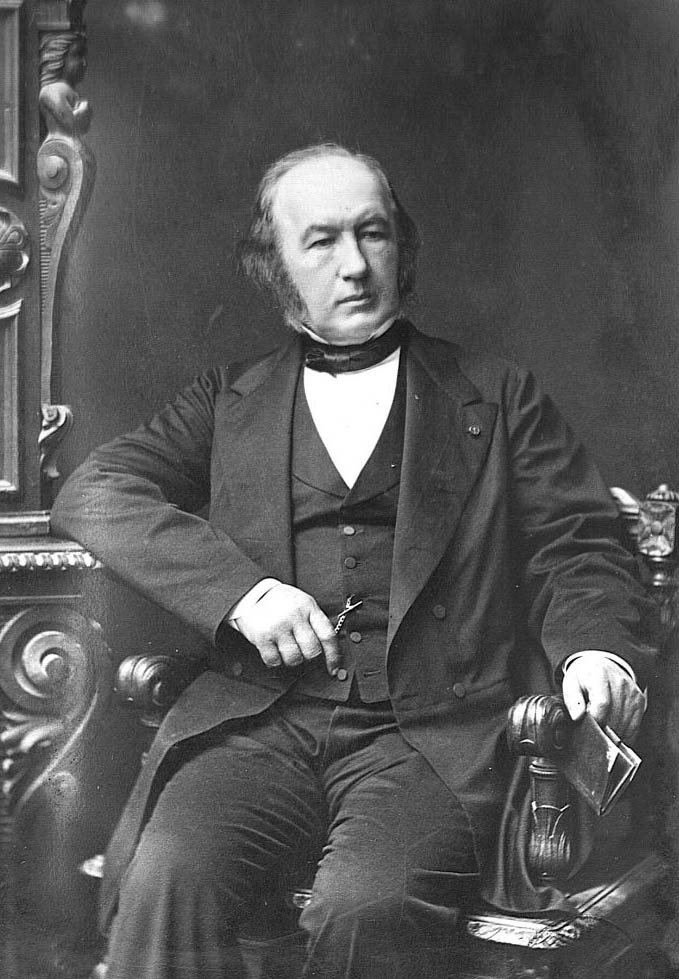
Bernard paralysed motor nerve-endings with curare and demonstrated the independent excitability of muscle. He showed that curare acted by stopping the transmission of impulses from motor nerves to voluntary muscles.
1946 CE
#3045
Anastomosis of the aorta to a pulmonary artery. Certain types in congenital heart disease.
With S. Smith and S. Gibson.
1672 CE
#384
Anatomia chirurgica.
First book devoted entirely to surgical anatomy.
1935 CE
#7798
Anatomia della lussazione congenita dell'anca.
Putti made many contributions to the understanding of congenital dislocation of the hip, a condition which was then endemic in Northern Italy.
1858 CE
#13193
Anatomie chirurgicale homolographique, ou Déscription et figures des principales regions du corps humain, representées de grandeur naturelle, d'après des sections planes pratiquées sur des cadavres congeles....
Contains 25 plates lithographed by Lemercier after drawings by the author representing natural size sections taken in horizontal, sagittal and oblique planes from various portions of the body. The first plate of the s…
1806 CE
#3582
Anatomisch-chirurgische Abhandlung über den Ursprung der Leistenbrüche
Includes description of “Hesselbach’s hernia” and “triangle”. He wrote a further volume on the subject in 1814.
1858 CE
#418
Anatomy, descriptive and surgical
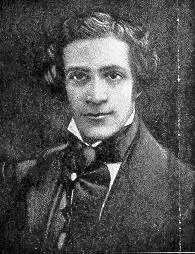
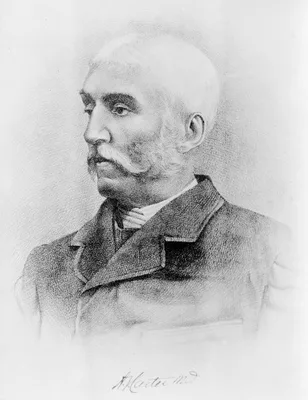
Gray’s textbook of anatomy remains today a standard work on the subject in the English-speaking world. The 37th edition appeared in 1989; the first American edition was published at Philadelphia, 1859. Digital f…
1946 CE
#8634
Ancient anodynes: Primitive anaesthesia and allied conditions.
1921 CE
#5702
Anestesia metamérica.
Introduction of epidural anesthesia.
1953 CE
#5729.1
Anesthesia: XL. The anesthetic action of trifluoroethyl vinyl ether.
Fluroxene, first fluorine-containing anesthetic. With C. J. Carr, Go Lu and F. K. Bell.