
United Kingdom
2,270 entries published in United Kingdom. 6 publication places.
1810 CE
#4924.1
Illustrations of madness: exhibiting a singular case of insanity… with a description of the tortures experienced by bomb-bursting, lobster-cracking and lengthening the brain.
The first medical book devoted to a single case of insanity, and the first illustration of an influencing machine, commonly complained of by paranoid patients.
1810 CE
#1765
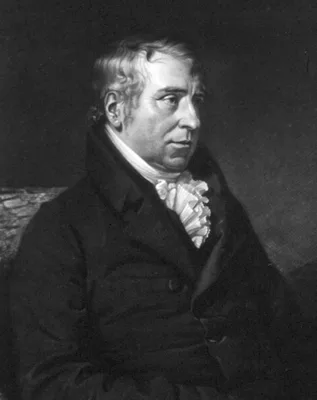
Letters on professional character and manners.
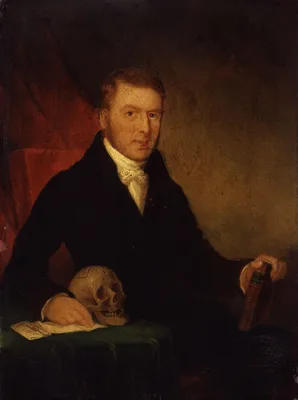
"A man of compassion, Bell made many enemies because he was outspoken about the unnecessary pain and suffering inflicted by incompetent surgeons practicing in Scotland. In 1800 he became involved in an unfortunate con…
1811 CE
#1254
Idea of a new anatomy of the brain.
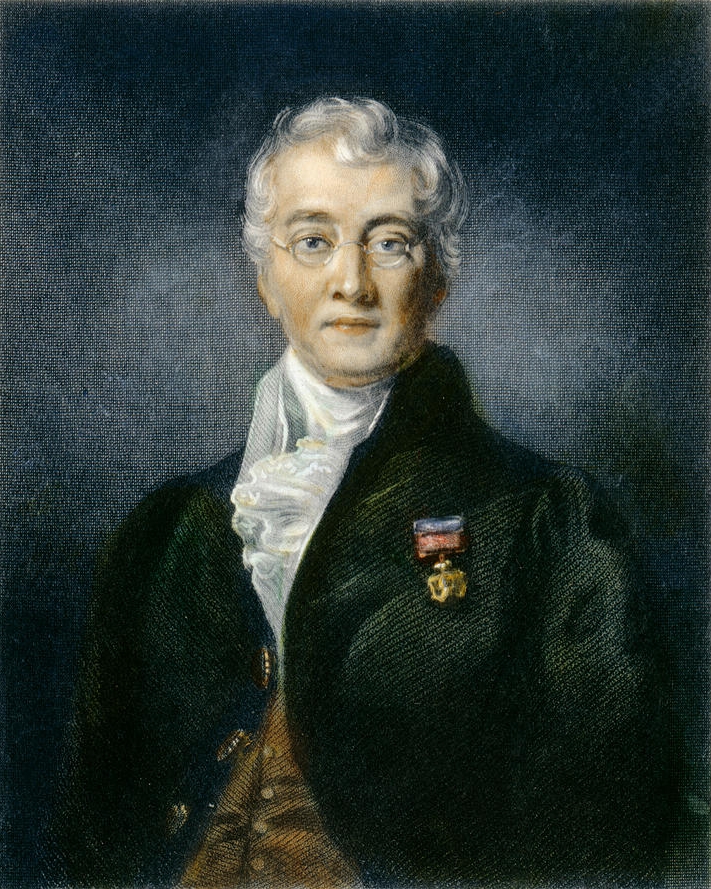
Contains first reference to experimental work on the motor functions of the ventral spinal nerve-roots, without, however, establishing the sensory functions of the dorsal roots. This very rare privately printed pamphl…
1811 CE
#13762
Journal of a tour in Iceland in the summer of 1809.
"In 1809 he went to Iceland to make a botanical survey for [Sir Joseph] Banks; his collections were lost in a fire at sea on the way home but with the aid of Banks’s notes from his own journey there in 1772 Hook…
1811 CE
#7321
Lachesis Lapponica, or a tour in Lapland, now first published from the original manuscript journal of the celebrated Linnaeus; by James Edward Smith. 2 vols.
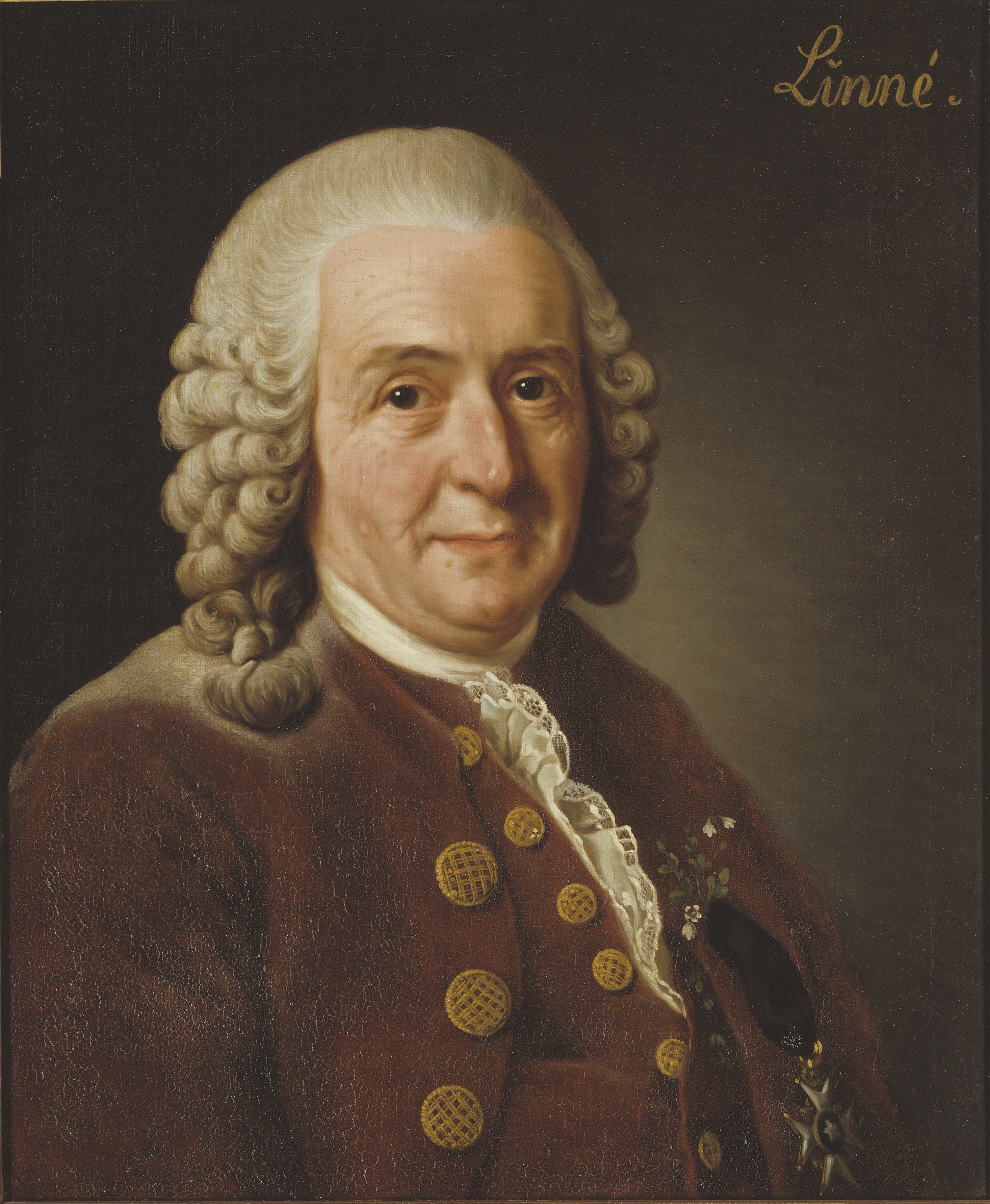
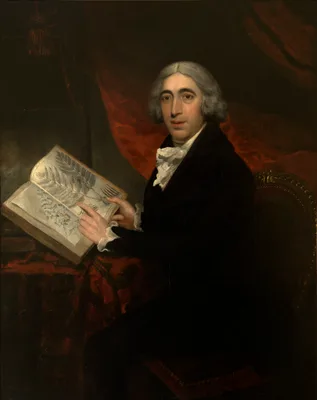
Digital facsimile from the Internet Archive at this link.
1811 CE
#3055
Observations on the surgical anatomy of the head and neck.
Burns was the first to suggest (p. 31) ligature of the innominate artery. His book describes “Burns’s space”, the fascial space at the suprasternal notch. The first recorded case of chloroma (myeloid…
1811 CE
#13755
Travels in the island of Iceland, during the summer of the year MDCCCX.
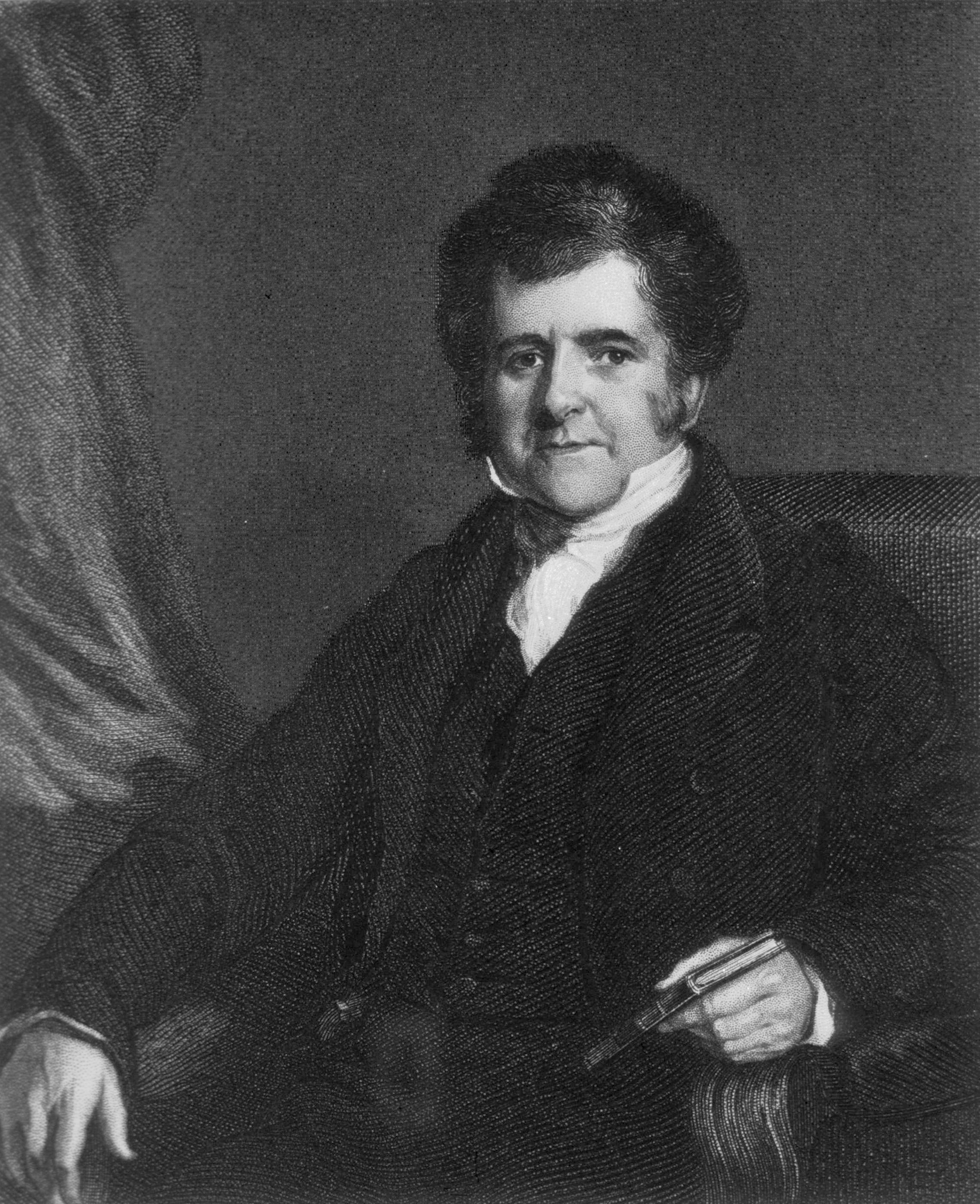
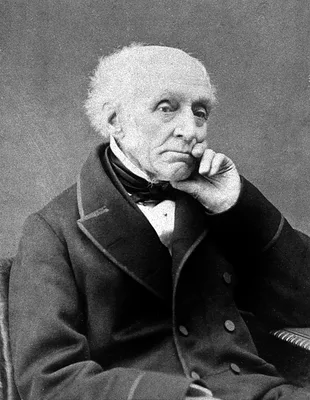
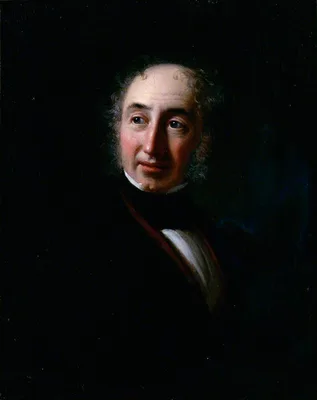
Only Mackenzie is credited with authorship on the title page. Holland and Bright accompanied Mackenzie on this voyage and exploration. On p. xi of the Preface Mackenzie indicates that he benefitted from Hooker's notes…
1812 CE
#3433
An inquiry into the process of nature in repairing injuries of the intestines.
Travers’s researches on intestinal sutures recorded the first accurate knowledge on this subject.
1812 CE
#4519.1
Cases of apoplexy and lethargy: with observations upon the comatose diseases.
Cheyne believed that cerebral anemia might be the cause of apoplexy, and described pathological cases of cerebral infarction and of cerebral hemorrhage. The work contains the first illustration of a subarachnoid hemor…
1812 CE
#8409
Catalogue of medical books, for the use of students attending lectures on the principles and practice of medicine; with an address to medical students, on the best method of prosecuting their studies.
This is the catalogue that Watt prepared of his own very carefully chosen medical library, and published for the use of his students. Because Watt chose the roughly 1000 books with great care the library is representa…
1813 CE
#4925
Tracts on Delirium tremens, on peritonitis, and on some other internal inflammatory affections, and on the gout.
Sutton named and described alcoholic delirium tremens, differentiating the condition from phrenitis. Digital facsimile from the Internet Archive at this link.
1813 CE
#7586
A general account of the Hunterian Museum, Glasgow; including historical and scientific notices of the various objects of art, literature, natural history, anatomical preparations, antiquities, & c. in that celebrated collection.
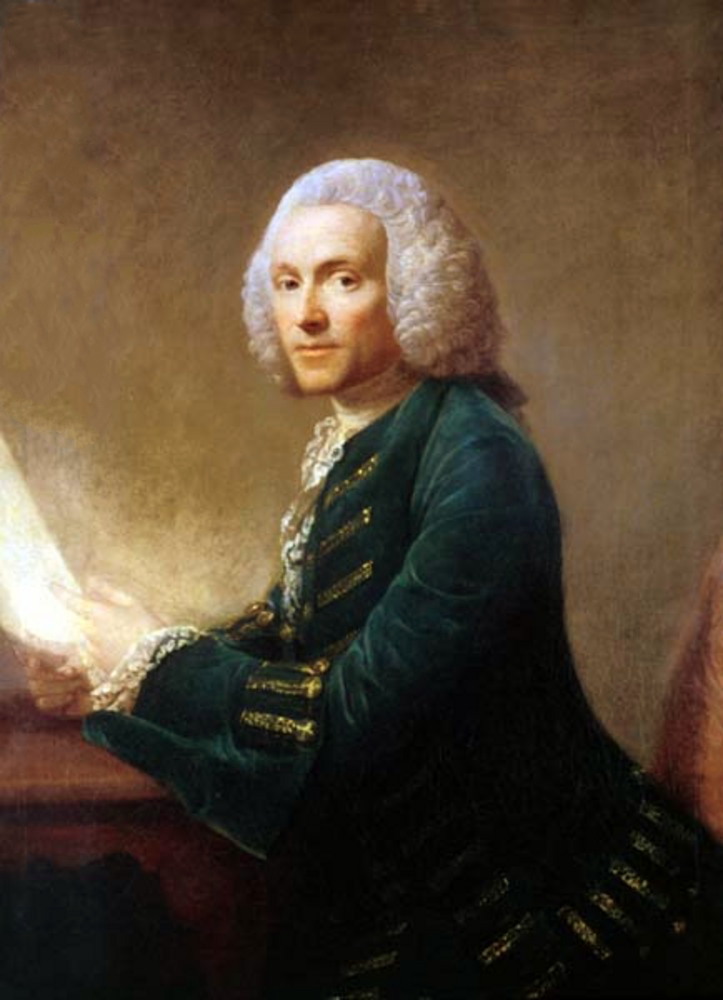
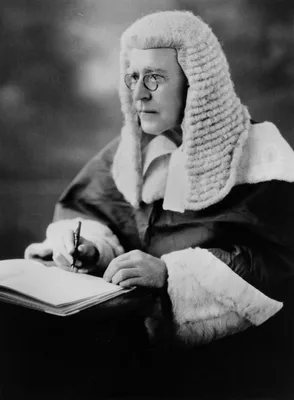
Digital facsimile from Google Books at this link.
1813 CE
#4021
A practical synopsis of cutaneous diseases according to the arrangement of Dr. Willan.
This was the most influential textbook of dermatology of the 19th century, and the work which conveyed Willan’s system to most of the medical world. Included in the book was material by Willan which remained unp…
1813 CE
#4309
An account of a successful method of treating diseases of the spine.
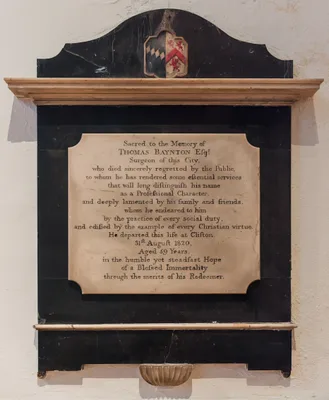
By his advocacy of absolute rest in the horizontal position without the aid of caustics and setons, Baynton can be said to have introduced the modern treatment of spinal caries in England. The book is dedicated to Edw…
1813 CE
#6751
An introduction to medical literature, including a system of practical nosology. Intended as a guide to students, and an assistant to practitioners.
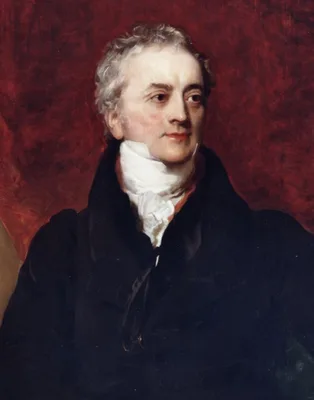
The remarkable Thomas Young compiled this bibliography of works which he considered necessary to a complete medical library. Second edition, 1823.
1813 CE
#2209
Observations on the nature and cure of dropsies.
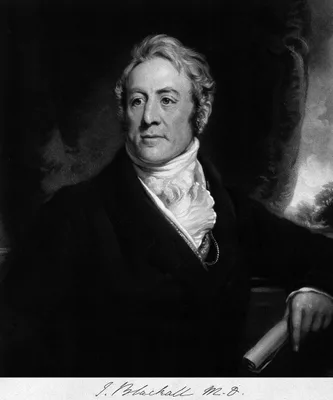
Blackall predated Bright in detecting albuminuria in association with edema. His book, of which the second edition is more important than the first, includes reports on cases of angina pectoris.
1813 CE
#159
Researches into the physical history of man.
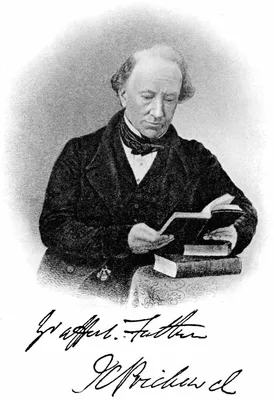
Prichard, a Bristol physician, classified and systematized facts relating to the races of men better than any previous writer. His interest in anthropology was stimulated by one of the pressing questions of his day: D…
1813 CE
#8211
The influence of tropical climates, more especially the climate of India, on European constitutions; the principal effects and diseases thereby induced, their prevention or removal, and the means of preserving health in hot climates, rendered obvious to to Europeans in every capacity: An essay .
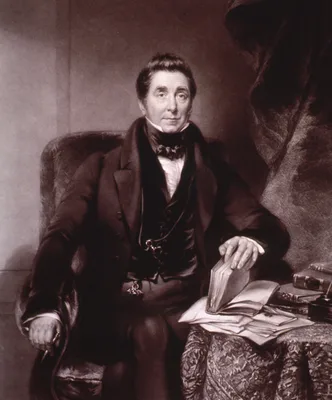
Digital facsimile from the Internet Archive at this link. Enlarged and retitled second edition: The influence of tropical climates on European constitutions: to which is added tropical hygiene, or the preservation of …
1813 CE
#5086.1
Treatise on the history, nature, and treatment of chincough: Including a variety of cases and dissections. To which is subjoined an inquiry into the relative mortality of the principal diseases of children, and the numbers who have died under ten years of age, in Glasgow, during the last thirty years.
Probably the second book on whooping cough, written after two of Watt's children died from the disease. After vaccination for smallpox was introduced, Watt found, as he had expected, that the number of deaths from tha…
1814 CE
#216.1
A treatise on the supposed hereditary properties of diseases, containing remarks on the unfounded terrors and ill-judged cautions consequent on such erroneous opinions; with notes, illustrative of the subject, particularly in madness and scrofula.
Adams was a pioneer in medical genetics. He distinguished between familial and hereditary diseases, saw that an increase in hereditary disease frequency in isolated areas could be caused by inbreeding, and suggested t…
1814 CE
#1604
An essay on dew.
For this work Wells was awarded the Rumford Medal of the Royal Society. His researches on the subject were of major importance in the development of the science of ventilation, particularly in its relation to relative…
1814 CE
#12762
An essay on the venereal diseases which have been confounded with syphilis, and the symptoms which exclusively arise from that poison. Illustrated by drawings of the cutaneous eruptions of true syphilis, and the resembling diseases.
Carmichael "subdivided venereal infections into four major classes, each of which he maintained had a distinct exciting poison, a peculiar primary manifestation and a separate series of constitutional affections. From…
1814 CE
#7876
Flora Americae septentrionalis; or, a systematic arrangement and description of the plants of North America. Containing, besides what have been described by preceding authors, many new and rare species, collected during twelve years travels and residence in that country. 2 vols.
The first survey of all plants of North America above Mexico, including more than 3,000 species and 470 genera; describes more than 100 species collected by the Lewis and Clark expedition. Digital facsimile from Botan…
1814 CE
#2740.1
Pathological researches. Essay I. On malformations of the human heart. [All published.]
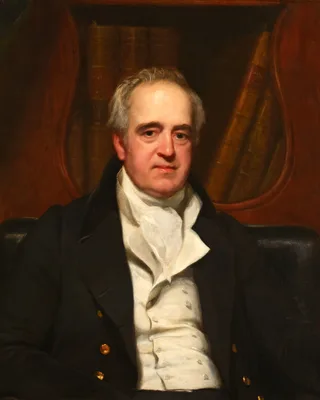
The first monograph on congenital defects of the heart.
1814 CE
#4021.1
Practical treatise on porrigo, or scald head, and on impetigo, the humid or running teter
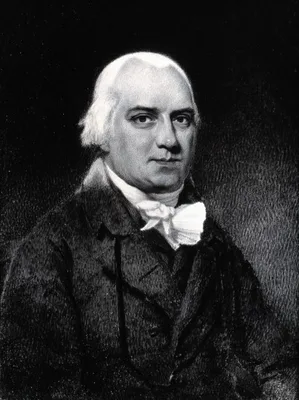
This treatise on infantile eczema is the only fascicule of the second volume of Willan’s On cutaneous diseases (No.4018) that ever appeared in print. It was edited for publication after Willan's death by his ste…
1814 CE–1828 CE
#315
Lectures on comparative anatomy, in which are explained the preparations in the Hunterian collection
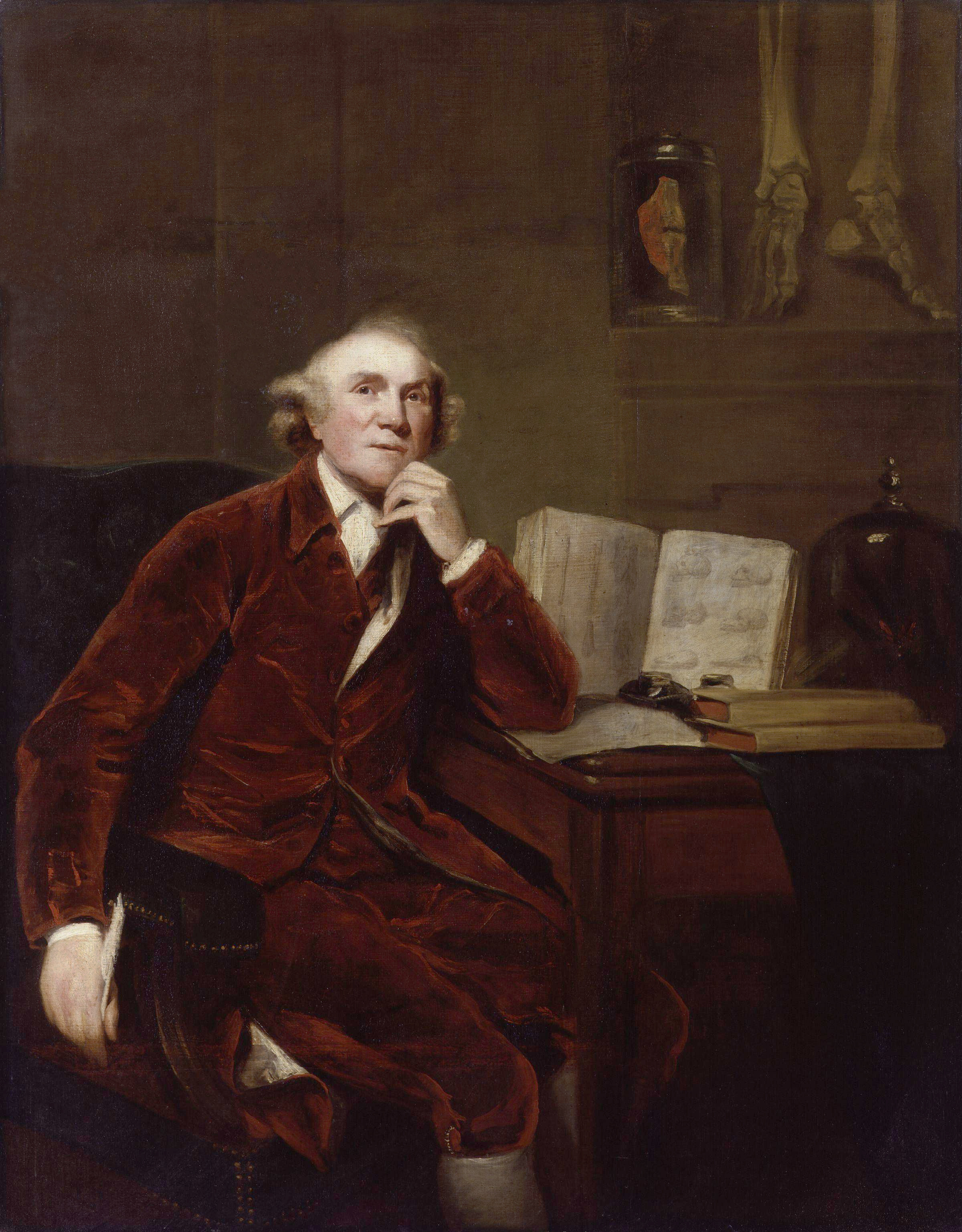
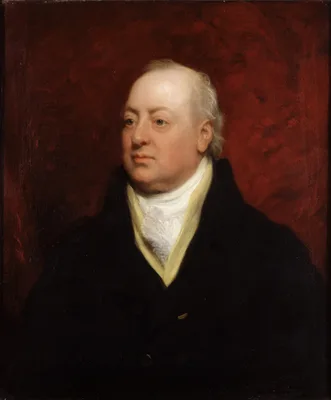
Home plagiarized this large work from the manuscripts of John Hunter, his late father-in-law, and, as a result, of immense importance for publication of Hunter’s researches, and for aspects of Hunter's collectio…
1815 CE
#7684
A descriptive catalogue of a museum of antiquities and foreign curiosities, natural and artifical, including models illustrative of military and naval affairs, armour and weapons, instruments of torture, polytheism, sepulchres, with the manner of depositing the dea, the costume of different nations, manuscripts, natural history, including anatomy &, &c, &c. Collected by P. Dick, Sloane-Street.
Publication date is estimated.
1815 CE
#2741
A treatise on the diseases of arteries and veins. 1 vol. and atlas.
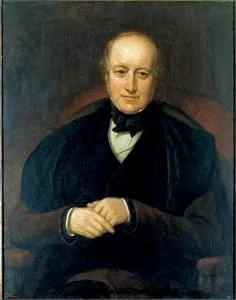
Includes the best illustrations of aneurysms and of aortic valvular endocarditis so far published, and the first description on non-sacculated dilatation of the aortic arch (“Hodgson’s disease”).
1815 CE
#4825
Commentaries on some of the most important diseases of children. Part the first.
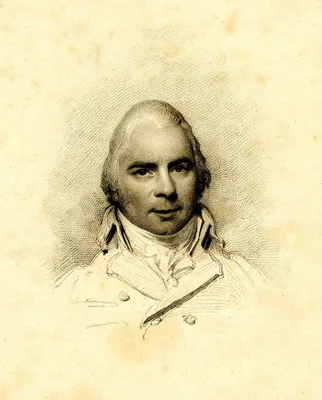
First account of infantile tetany is given on pp. 86-97. Clarke died before this work was published. In it he also gave a clear description of laryngismus stridulus. This disease, which consists in a sudden onset of d…
1815 CE
#7932
Journal of a mission to the interior of Africa, in the year 1805. Together with other documents, official and private, relating to the same mission. To which is prefixed an account of the life of Mr. Park.
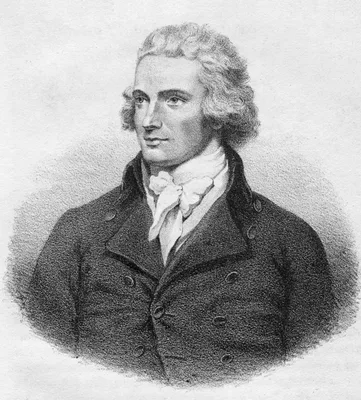
Park died in Africa in 1806, as a result of conflicts with native peoples. This volume includes the journal of Isaaco, an African, who served as Mungo Park's guide. Digital facsimile from the Internet Archive at this …
1815 CE
#2161
On gun-shot wounds of the extremities, requiring the different operations of amputation, with their after treatment.
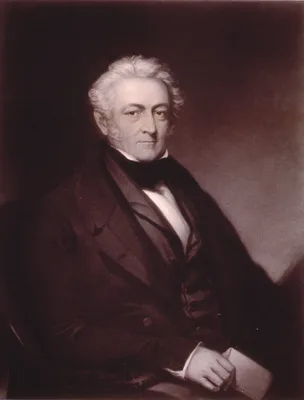
Guthrie was the leading British military surgeon during the first half of the 19th century. He served in the Napoleonic Wars; his book is one of the most important in the history of the subject.
1815 CE
#14176
Sketches of the medical schools of Paris.
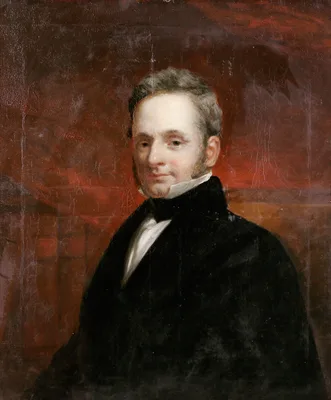
Crosse, a British surgeon whose name appears without the final "ed" on the title page, was a British surgeon who spent the winter of 1814-15 in Paris, where he wrote numerous letters to friends in london and Dublin de…
1815 CE
#13799
The history of the small pox.
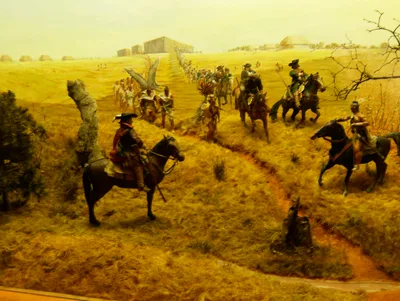
Digital facsimile from Google Books at this link.
1815 CE
#7368
Travels in the Ionian Isles, Albania, Thessaly, Macedonia, &c. during the years 1812 and 1813.
Digital facsimile from Google Books at this link.
1816 CE
#12024
A catalogue of the library of the Medical and Chirurgical Society of London. With a supplement.
Digital facsimile from Google Books at this link.
1816 CE
#11143
A practical account of the Mediterranean fever, as it appeared in the ships and hospitals of His Majesty's fleet on that station: With cases and dissections. To which are added facts and observations, illustrative of the causes, symptoms and treatment comprehending the history of the fever in the fleet, during the years 1810, 1811, 1813, and of the Gibraltar and Carthagena fevers.
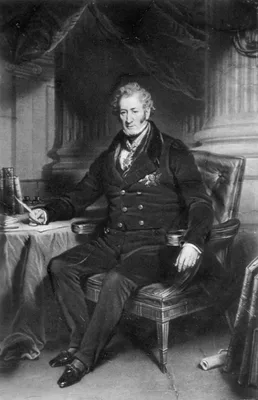
"Burnett in 1816 described an epidemic of a short term fever occurring among the Naval Forces engaged in the Siege of Malta in 1799, and this fever was almost certainly phlebotomus" (Coulter, The Royal Naval Medical S…
1816 CE
#11799
A treatise on the medicinal leech; including its medical and natural history, with a description of its anatomical structure; also, remarks upon the diseases, preservation, and management of leeches.
Digital facsimile from the Hathi Trust at this link.
1816 CE
#5737
An account of two successful operations for restoring a lost nose from the integuments of the forehead.
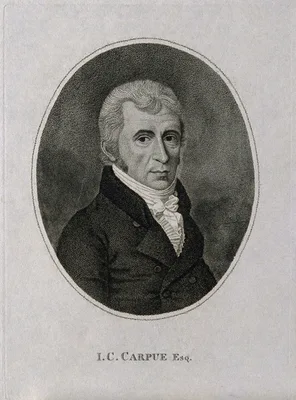
Carpue revived the Hindu method of rhinoplasty (see No. 5735.1), and reported two successful cases. Facsimile edition, with biography of Carpue by Frank C. McDowell and bibliography of his writings, Birmingham, Classi…
1816 CE
#2742
An experimental inquiry into the nature, cause and varieties of the arterial pulse: And into certain other properties of the larger arteries, in animals with warm blood.
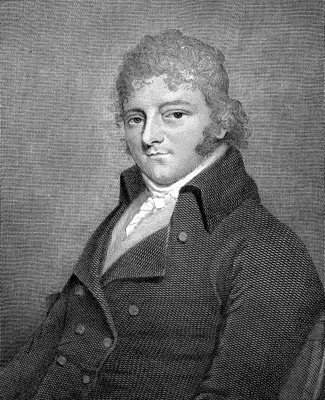
This work "included a summary of more than two dozen experiments he [Parry] conducted on a variety of mammals. In this book he discussed the pulsatile expansion of the arteries and importance of collaterals. Parry ref…
1816 CE
#4826
Notes on the swelling of the tops of the hands and feet, and on a spasmodic affection of the thumbs and toes, which very commonly attends it.
In his early account of chronic tetany, Kellie referred to carpo-pedal spasm and spasms of the glottis as part of the syndrome.
1817 CE
#6330
A cursory inquiry into some of the principal causes of mortality among children. With a view to assist in ameliorating the state of the rising generation, in health, morals, and happiness. To which is added an account of the universal dispensary for sick indigent children.
Davis called attention to the high infant mortality rate, especially in London. His suggestion that poor mothers should be instructed in the care of their infants resulted in a system of health-visiting by benevolent …
1817 CE
#1604.1
An essay on the disorders of old age, and on the means of prolonging life.
Carlisle, a distinguished surgeon and anatomist, advised young people to adopt a sound regimen early in life in order to secure longevity. Addressing himself directly to old people he described diseases common to the …
1817 CE
#4690
An essay on the shaking palsy.

“Parkinson’s disease”–paralysis agitans. Reprinted in Med. Classics, 1938, 2, 946-97. Facsimile edition, with biography of Parkinson by Macdonald Critchley, London, 1955. Digital facsimile from…
1817 CE
#3988
Delineations of cutaneous diseases exhibiting the characteristic appearances of the principal genera and species comprised in the classification of the late Dr. Willan; and completing the series of engravings begun by that author.
Bateman, the pupil of Willan, continued his teacher’s classification of skin diseases. The above work is notable for its 72 colored plates. Strictly speaking it is the first atlas of dermatology, as Willan&rsquo…
1817 CE
#7108
Medical jurisprudence as it relates to insanity, according to the laws of England.
The first English work on the forensic aspects of mental illness. Digital facsimile from Wellcome Forensics Collection, Internet Archive, at this link.
1817 CE
#12694
Memoirs of the life and writings of the late John Coakley Lettsom..., with a selection from his correspondence
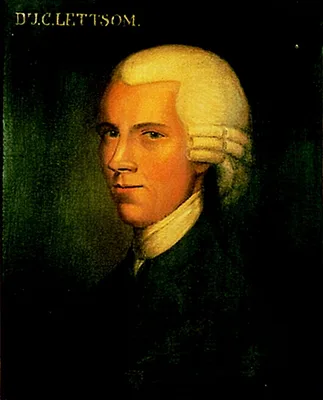
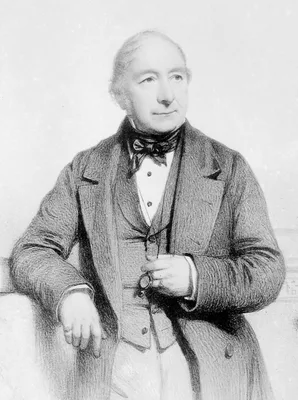
Digital facsimile from Google Books at this link.
1817 CE
#8816
Results of an investigation, respecting epidemic and pestilential diseases; including researches in the Levant, concerning the plague. 2 vols.
"From 1815 to 1817 Maclean travelled in Spain, Turkey, and the Levant, and he studied the plague at the Greek Pest Hospital at Constantinople, in the service of the Levant Company. His experiences in the Levant and in…
1818 CE
#10614
Catalogue of the museum of John Heaviside, Esq.: Comprising human anatomy, natural and morbid, comparative anatomy, and natural history.
Digital facsimile from the Internet Archive at this link.
1818 CE
#9692
Frankenstein; or, the modern prometheus. 3 vols.
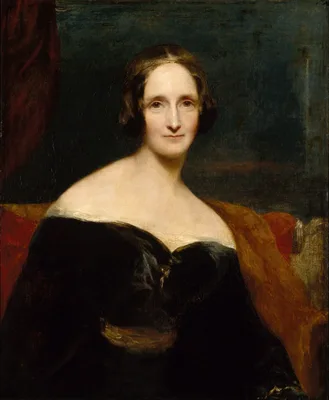
The full digitized text of the 1818 is available from the Internet Archive at this link.
1818 CE
#7369
Narrative of a journey in the interior of China, and of a voyage to and from that country, in the years 1816 and 1817; containing an account of the most interesting transactions of Lord Amherst's embassy to the court of Pekin and observations on the countries which it visited.
Digital facsimile from Google Books at this link.