
Facets
Browse across eight MeSH (opens in new tab) facets — era, geography, science, specialty, technology, history, culture, and reference. Select one tag per group; counts update across the others. What’s new in facet browse how facets relate to subjects and MeSH.
Clear filtersFacet filters
Geography
Specialties & Disease
- Anatomy & Pathology 9
- Cardiology & Blood 94
- Neurology & Psychiatry 78
- Obstetrics & Reproductive 17
- Infectious Disease (General) 5
- Surgery & Anesthesia 52
- Public Health 101
- Immunology & Dermatology 60
- General Clinical Medicine 46
- Military Medicine 16
- Psychology 9
- Alternative & Fringe Medicine 100
- Pediatrics 6
- Ophthalmology & Vision 5
- ENT & Hearing 3
- Urology & Nephrology 3
- Gastroenterology & Hepatology 10
- Pulmonary & Respiratory 9
- Rheumatology, Rehab & Pain 29
- Internal, Emergency & Geriatric 4
- Veterinary Medicine 8
- Epidemiology & Demography 13
- Physiology & Embryology 41
- Dentistry 7
- Plagues & Epidemics 92
- Microbiology & Virology 82
Social & Historical Studies
Institutions & Culture
Reference & Scholarly Works
1,672 entries match Pharmacology & Therapeutics [D01 / E02]
1964 CE
#7385
Smoking and health: report of the Advisory Committee to the Surgeon General of the Public Health Service.
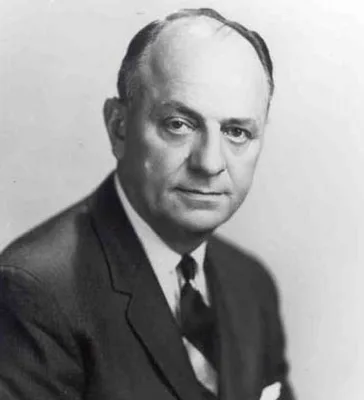
Definitive 386-page throughly documented study of the carcinogenic and pulmonologic effects of smoking, and the addictive aspects of nicotine. It was published under the supervision of Surgeon-General Luther Terry. Di…
1902 CE
#2110
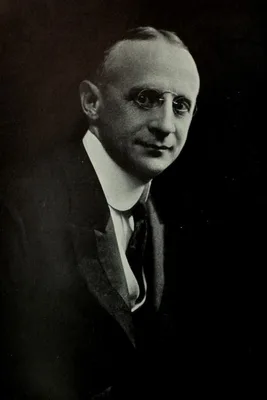
Snake venom in relation to haemolysis, bacteriolysis, and toxicity.
1909 CE
#2114
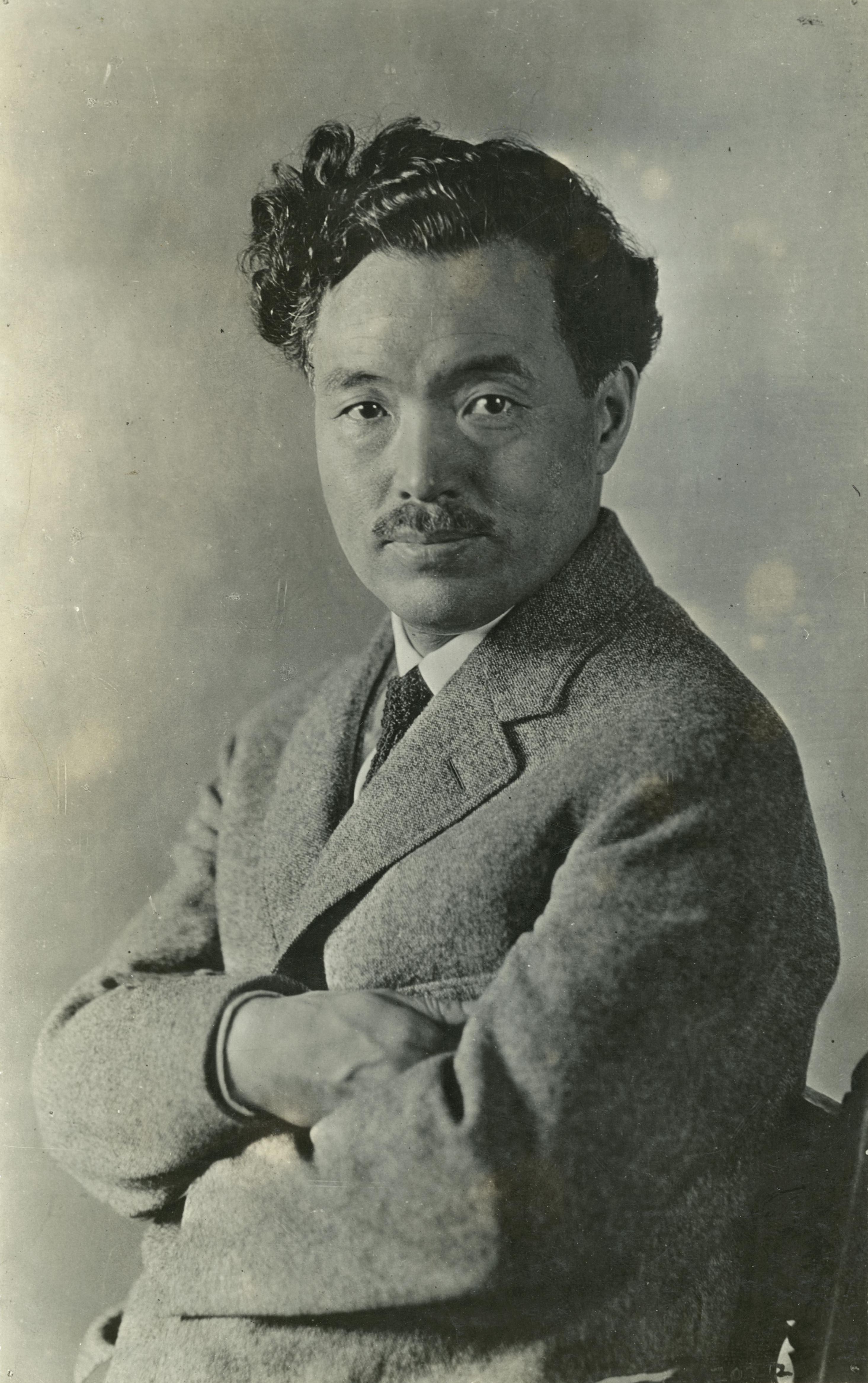
Snake venoms.
2012 CE
#8702
Social poison: The culture and politics of opiate control in Britain and France, 1821–1926.
1968 CE
#9848
Soma: Divine mushroom of immortality.
Ethnomycologist and banker Wasson provided evidence for the important role that hallucinogenic mushrooms - in particular the ubiquitous mushroom Amanita muscaria (fly agaric) - play in various ancient and modern cultu…
1819 CE
#2015.1
Some account of a case of obstinate vomiting, in which an attempt was made to prolong life, by the injection of blood into the veins.
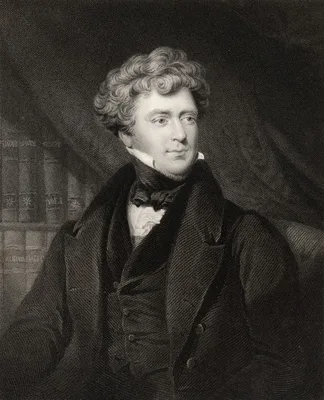
Records the first human to human transfusion. A man received 12 to 14 oz. of blood from several donors by means of Blundell’s funnel and syringe. He died 56 hours after the transfusion.
1914 CE
#8548
Some American medical botanists commemorated in our botanical nomenclature.
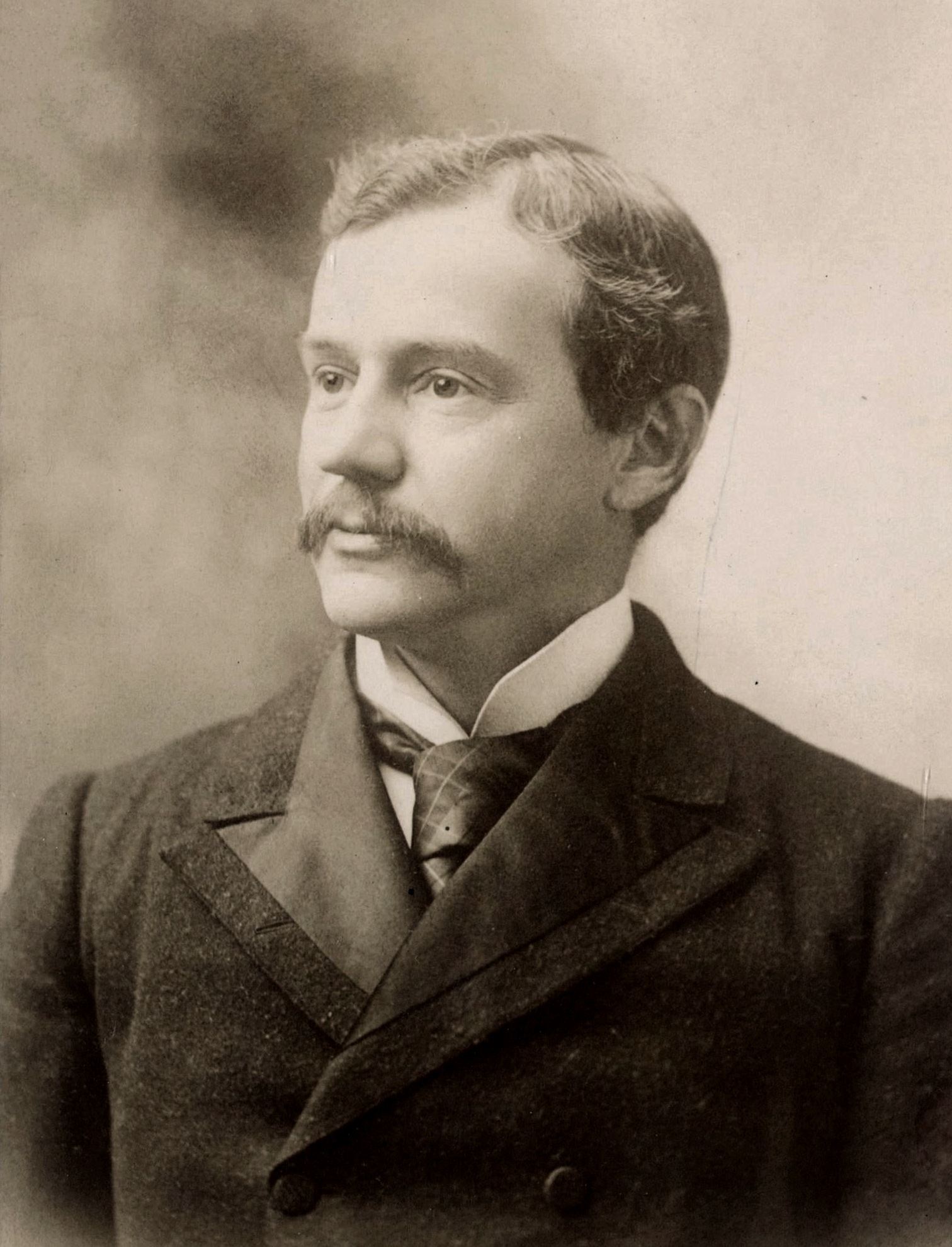
Digital facsimile from the Internet Archive at this link.
1779 CE–1787 CE
#2071
Some remarks on the effects of lignum quassiae amarae.
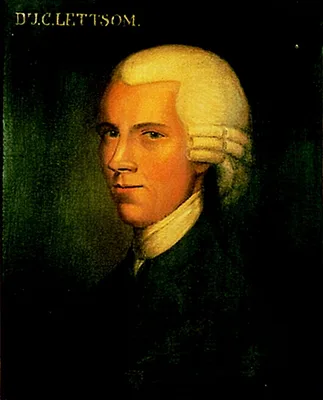
Includes (p. 151) “original account of alcoholism, which is incidentally the first paper on the drug habit” (Garrison).
1925 CE
#7785
Some unrecognized dangers in the use and handling of radioactive substances.

From autopsies on several young women who had painted radium dials, and ingested large cumulative doses by licking their brushes, Martland, medical examiner of Essex County, New Jersey, provided evidence that ingestio…
1903 CE
#4955
Sopra un’ alterazione del corpo calloso osservata in soggetti alcoolisti.
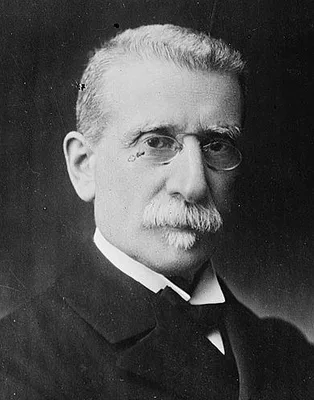
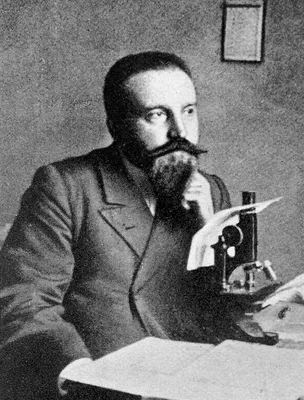
Marchiafava–Bignami disease – degeneration of the corpus callosum in alcoholism.
1988 CE
#11778
Southern African botanical literature, 1600-1988.
1753 CE
#99.1
Species plantarum. Exhibentes plantas rite cognitas ad genera relatas. Cum diferentiis specificis, nominibus trivialibus, synonymis selectis, locis natalibus, secundum systema sexuale digestas. 2 vols.
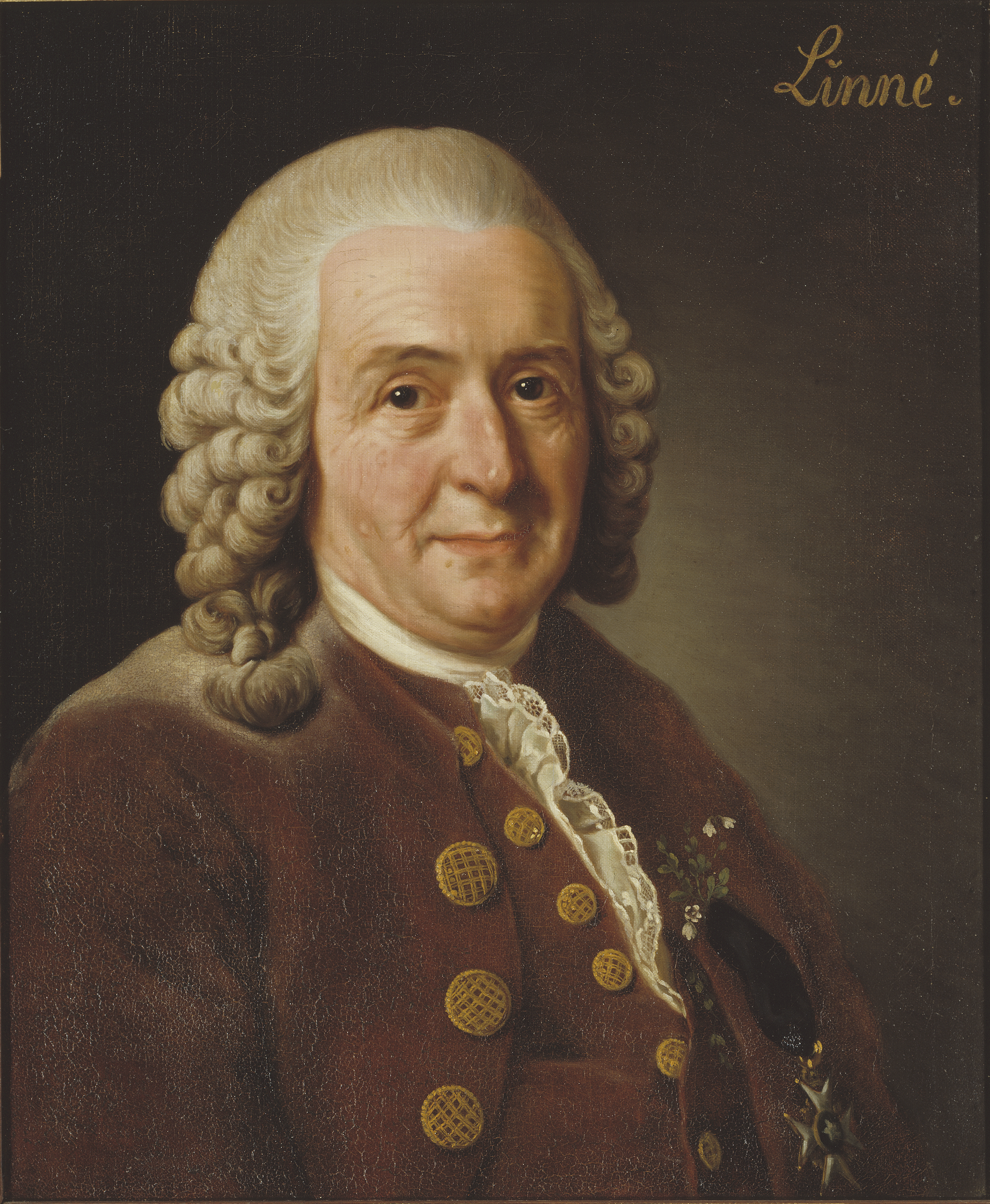
In this work Linnaeus introduced his full binomial naming system for plants (binomial nomenclature). Describing about 8,000 plant species from all over the world, the book demonstrated the value of a binomial system o…
1768 CE
#9517
Specimen medicum: Exhibens synopsin reptilium emendatam cum experimentis circa venena et antidota reptilium austriacorum.
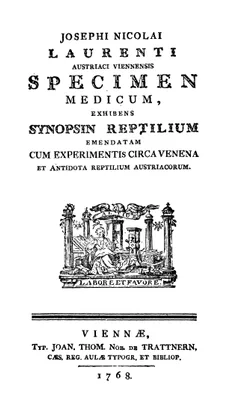
"Laurenti is considered the auctor of the class Reptilia (reptiles) through his authorship of Specimen Medicum, Exhibens Synopsin Reptilium Emendatam cum Experimentis circa Venena (1768) on the poisonous function of r…
1903 CE
#1893
Standardisation of disinfectants.
Rideal–Walker method for testing disinfectants.
1954 CE
#7085
Steroids. LIV.Synthesis of 19-Nov-17α-ethynyltestosterone and 19-Nor-17α-methyltestosterone.
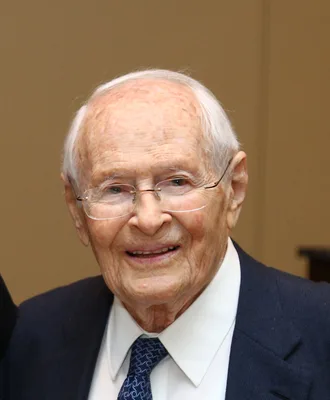
Synthesis of Norethisterone (or norethindrone) (or 19-nor-17α-ethynyltestosterone), the first highly active progestin analog that was effective when taken by mouth. This molecule became part of one of the first …
2020 CE
#13267
Strange blood: The rise and fall of lamb blood transfusion in 19th century medicine and beyond.
eBook version available at no cost from play.google.com at this link.
1945 CE
#1928.4
Streptococcal fibrinolysis. A proteolytic reaction due to a serum enzyme activated by streptococcal fibrinolysin.
Purification and concentration of Tillett and Garner’s (No. 1924.1) substance to produce streptokinase.
1945 CE
#2350
Streptomycin in treatment of clinical tuberculosis: a preliminary report.
1944 CE
#1935
Streptomycin, a substance exhibiting antibiotic activity against Grampositive and Gram-negative bacteria.
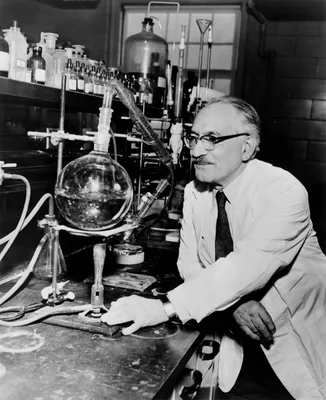
Introduction of streptomycin. Order of authorship: Schatz, Gregory, Waksman. In 1952 Waksman was awarded the Nobel Prize in Physiology or Medicine "for ingenious, systematic, and successful studies of the soil microbe…
1890 CE
#1885
Strophanthus hispidus; its natural history, chemistry, and pharmacology.
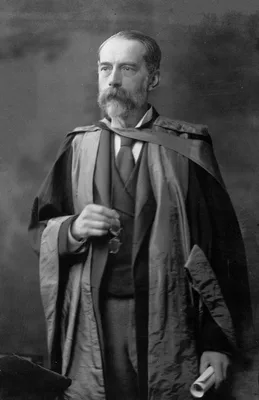
Introduction of Strophanthus hispidus.
1928 CE
#5256.1
Studies in malaria, with special references to treatment. Part IX. Plasmoquine in the treatment of malaria.
Clinical trials of pamaquin.
1939 CE
#1933.2
Studies in the biochemistry of micro-organisms. LX. Griseofulvin, C17H17O6Cl, a metabolic product of Penicillium griseo-fulvum Dierckx.
Isolation of griseofulvin. With H. Raistrick and P. Simonart.
1945 CE
#5260
Studies on synthetic antimalarial drugs.
F. H. S. Curd, D. G. Davey, and F. L. Rose synthesized proguanil (“paludrine”) and first tested it in avian malaria.
1945 CE
#5261
Studies on synthetic antimalarial drugs. XIII. Results of a preliminary investigation of the therapeutic action of 4888 (paludrine) on acute attacks of benign tertian malaria.
First use of proguanil in human malaria. With B. G. Maegraith, J. D. King, R. H. Townsend, T. H. Davey, and R. E. Havard.
1921 CE
#5287
Studies on the treatment of human trypanosomiasis with tryparsamide (the sodium salt of N-phenylglycineamide-p-arsonic acid).
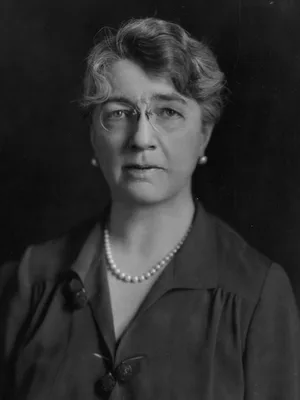
Introduction of tryparsamide in the treatment of trypanosomiasis.
1840 CE–1841 CE
#3058.1
Successful transfusion of blood.
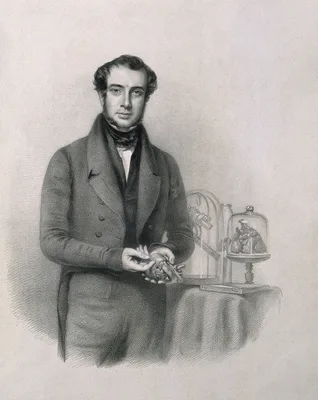
Blood transfusion used in treatment of hemophilia.
1941 CE
#1957
Succinyl sulfathiazole, a new bacteriostatic agent locally active in the gastrointestinal tract.
Introduction of sulfasuxidine.
1941 CE
#1956
Sulfadiazine. Therapeutic evaluation and toxic effects on four hundred and forty-six patients.
Introduction of sulphadiazine. With E. Strauss and O. L. Peterson.
1940 CE
#1954
Sulfanilylguanidine: a chemotherapeutic agent for intestinal infections.
Sulphaguanidine was introduced by E. K. Marshall, A. C. Bratton, H. J. White, and J. T. Litchfield.
1888 CE
#1884
Sulfonal, ein neues Schlafmittel.
Introduction of sulphonal, previously discovered by Baumann.
1859 CE
#12501
Sulle virtù igieniche e medicinali della coca e sugli alimenti nervosi in generale.
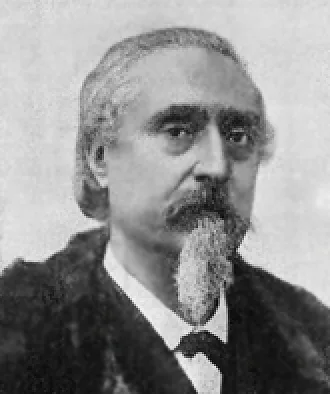
After a four-year stay in South America Mantegazza published this report on medical observations on the use of Erythroxylon coca leaves of the populations in the places where he stayed and practiced. He reported that,…
1942 CE
#1958
Sulphamethazine: Clinical trial of a new sulphonamide.
Sulfadimidine (also spelled Sulphadimidine) with G. S. Smith, R. W. Luxton, W. A. Ramsay, and J. Goldman. [Also designated as Vol. 239 by publishers of The Lancet.]
1525 CE
#1800
Sumario de la natural historia de las Indias.
First known description of the medicinal plants of Central America. Oviedo first described chigoe (“jiggers”?) in this book. "The book is divided into 86 chapters, focused mostly on American flora and faun…
1519 CE
#9962
Summa de Geografia que trata de todas las partidas e provincias del mundo en especial de las indias e trata largamente del arte del marcar...
This was the first book on the Americas printed in Spanish. "Enciso was the first conquistadore to take up his pen with educational intent." In this general treatise on geography Enciso included a discussion of the fa…
1578 CE
#8023
Summa y recopilacion de cirugia, con un arte para sangrar, muy util y provechosa.
Second edition, Mexico, 1595: Summa y recopilacion de cirugia, con un arte para sangrar, y examen de barberos ... va añadido en esta segunda impresion el origen ... de las reumas. López de Hinojos…
1887 CE
#1883.2
Sur l’action de l’antifébrine (acétanilide) et de quelques corps analogues.
Introduction of acetanilide (antifebrin).
1802 CE
#1838.3
Sur l’opium.
Isolation of alkaloids from opium.
1947 CE
#5351.4
Sur la chimiothérapie de l’onchocercose. (Note préliminaire).
First effective chemotherapy (suramin) for onchocerciasis. With C. Heurard, E. Peel, and M. Wanson.
1803 CE
#2097
Sur la colique, vulgairement appelée colique des peintres, des plombiers, du plomb, etc.
1884 CE
#6079
Sur la faradisation utérine double ou bipolaire.
Apostoli was the first to employ the double faradic current in the electrotherapy of uterine diseases.
1898 CE
#2003
Sur une substance nouvelle radio-active, contenue dans la pechblende.
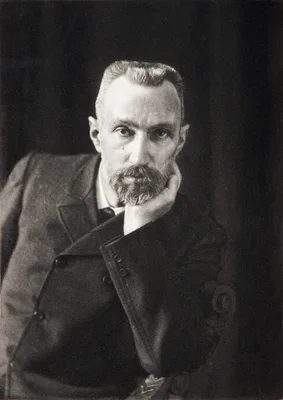
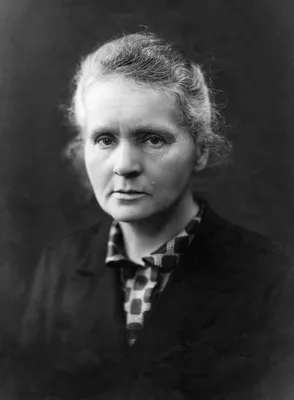
The Curies, studying the radioactivity of minerals containing uranium and thorium, isolated from pitchblend a substance which they called radium and which they showed to possess an astonishing degree of radioactivity.…
1924 CE
#86.3
Surgical papers.[Edited by Walter C. Burket]. 2 vols.
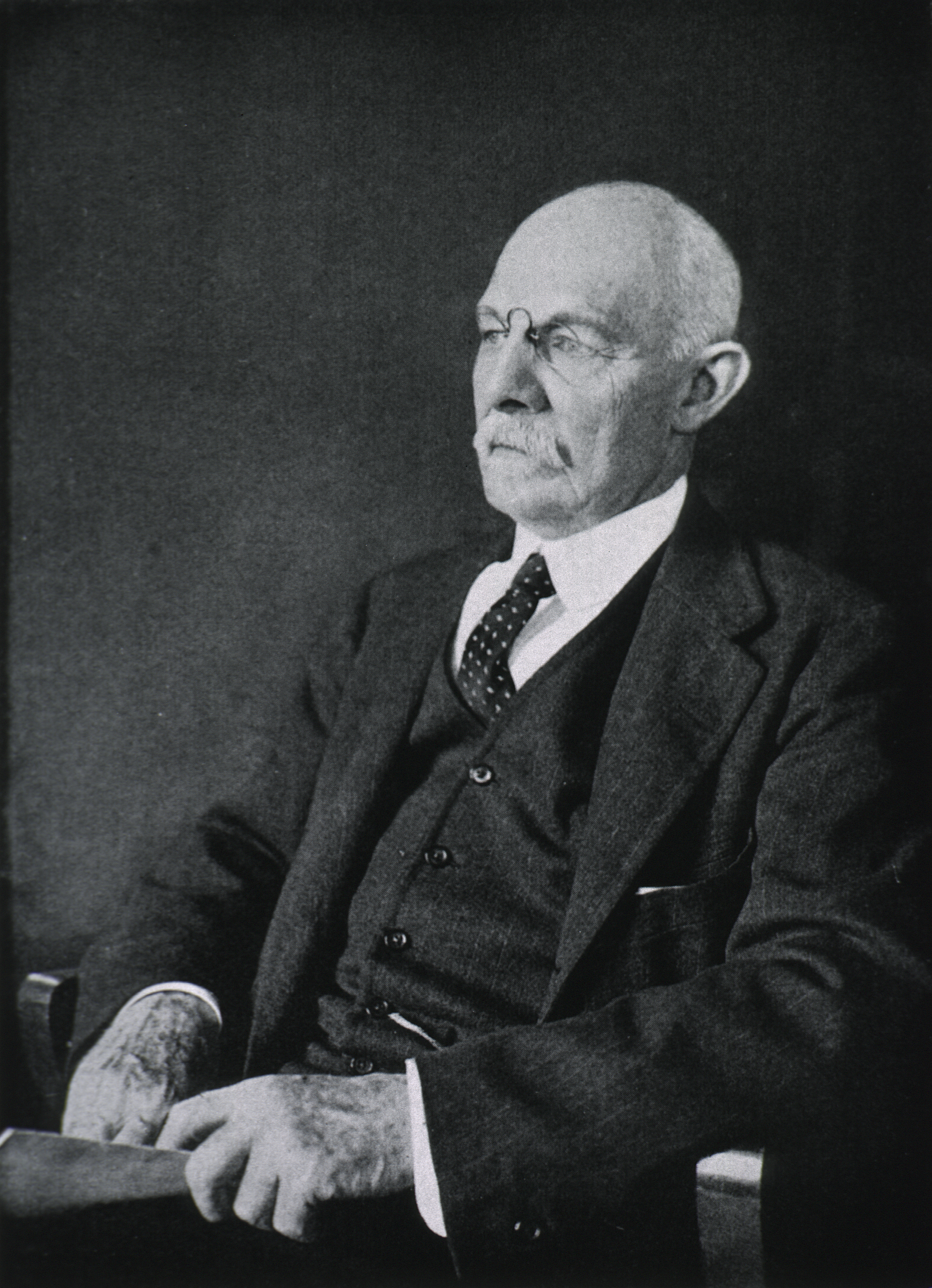
In spite of an addiction to cocaine hydrochlorate from experimentation with it as a surgical anesthetic in 1884 until his death, Halsted was among the greatest of all surgical innovators and teachers. While pioneering…
1844 CE–1850 CE
#11
Suśrutas. Áyruvédas. Id est medicinae systema a venerabili d'hanvantare demonstratum a Suśruta discipulo compositum. Nunc primum ex Sanksríta in Latinum sermonem vertit, introductionem, annotationes et rerum indicem adjecit Dr. Franciscus Hessler. 3 vols.
First translation of the Suśruta Samhitā into Latin, and the first publication of this text in the West. Suśruta is said to have lived in the 6th or 5th centuries, BCE. The principal medical contribution of the ancien…
1770 CE
#9204
Syllabus of a course of lectures on chemistry.
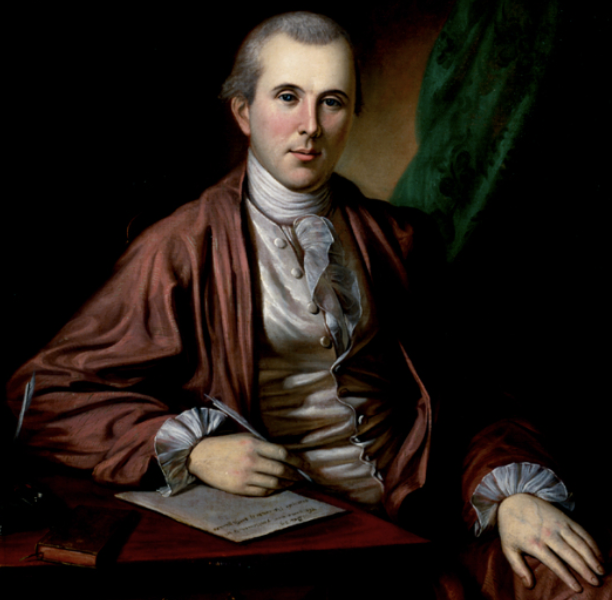
Rush inaugurated the first regular course of lectures on chemistry taught in America, at the College of Philadelphia. Includes much on pharmaceutical chemistry. Facsimile reprint with an introduction by L. H. Butterfi…
1664 CE
#145.51
Sylva, or a discourse of forest-trees, and the preservation of timber in His Majesty’s dominions.
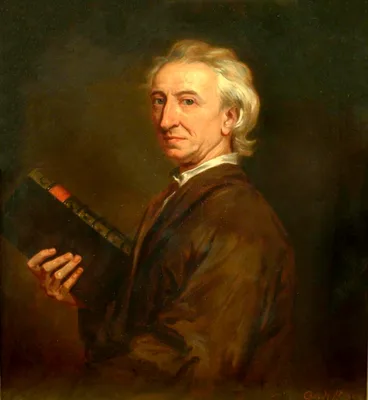
A protest against the careless destruction of England’s forests to fuel the furnaces of the glass and iron industries. The work was influential in establishing a much-needed program of reforestation that had a l…
1907 CE
#1895.1
Synthese des Imidazolyläthylamins.
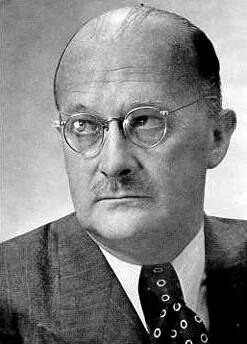
Synthesis of histamine.
1821 CE–1832 CE
#10167
Systema mycologicum: Sistens fungorum ordines, genera et species, huc usque cognitas, quas ad normam methodi naturalis determinavit. 3 vols.
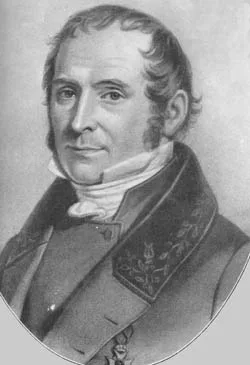
Fries's work represents the beginning of mycological nomenclature. Digital facsimile from Biodiversity Heritage Library at this link.
1735 CE
#99
Systema naturae per regna tria naturae, secundum classes, ordines, genera, species, cum characteribus, differentiis, synonymis, locis.
In Systema naturae Linnaeus developed the first logical and modern classifications of plants, animals and minerals. Its most valuable feature, the binomial nomenclature (genus and species), was probably devised in the…
1758 CE–1759 CE
#11880
Systema naturae per regna tria naturae, secundum classes, ordines, genera, species, cum characteribus, differentiis, synonymis, locis. Editio decima, reformata. 2 vols.
In the 10th edition of his Systema naturae, Linnaeus introduced binomial nomenclature for animals. He had previously introduced binomial nomenclature for plants in his Species Plantarum (1753). In this edition Linnaeu…
1622 CE
#9633
Tabacologia: Hoc est, tabaci, seu nicotianae descriptio medico-cheirurgico-pharmaceutica: Vel eius praeparatio & usus in omnibus corporis humani incommodis.
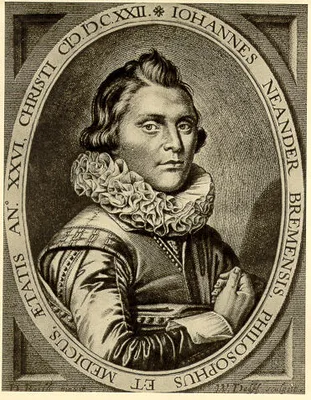
Neander described tobacco, its processing, and medical-pharmaceutical use. His book Includes images of the plants, of Indian, Oriental and European types of pipes, as well as depictions of cultivation and processing b…