Facets
Browse across eight MeSH (opens in new tab) facets — era, geography, science, specialty, technology, history, culture, and reference. Select one tag per group; counts update across the others. What’s new in facet browse how facets relate to subjects and MeSH.
Clear filtersFacet filters
Geography
Specialties & Disease
- Anatomy & Pathology 9
- Cardiology & Blood 94
- Neurology & Psychiatry 78
- Obstetrics & Reproductive 17
- Infectious Disease (General) 5
- Surgery & Anesthesia 52
- Public Health 101
- Immunology & Dermatology 60
- General Clinical Medicine 46
- Military Medicine 16
- Psychology 9
- Alternative & Fringe Medicine 100
- Pediatrics 6
- Ophthalmology & Vision 5
- ENT & Hearing 3
- Urology & Nephrology 3
- Gastroenterology & Hepatology 10
- Pulmonary & Respiratory 9
- Rheumatology, Rehab & Pain 29
- Internal, Emergency & Geriatric 4
- Veterinary Medicine 8
- Epidemiology & Demography 13
- Physiology & Embryology 41
- Dentistry 7
- Plagues & Epidemics 92
- Microbiology & Virology 82
Social & Historical Studies
Institutions & Culture
Reference & Scholarly Works
1,672 entries match Pharmacology & Therapeutics [D01 / E02]
1992 CE
#9568
The Cleveland herbal, botanical, and horticultural collections: A descriptive bibliography of pre-1830 works from the libraries of the Holden Arboretum, the Cleveland Medical Library Association, and the Garden Center of Cleveland.
1952 CE
#12615
The clinical application of antibiotics. Penicillin.
Printed on the title page: "This volume, although a separate publication, is a continuation of the work described in Antibiotics Volumes I and II, and may be read in conjunction with it." (Thanks to Juan Weiss for thi…
1835 CE
#1992
The coldwater cure, its principles, theory, and practice.
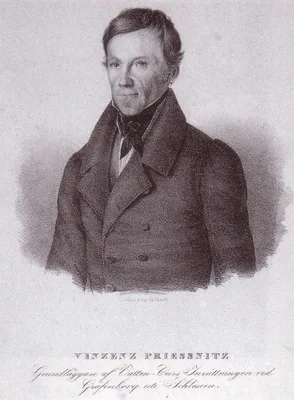
Priessnitz, a peasant farmer in Gräfenberg, Austrian Silesia, is generally considered the founder of modern hydrotherapy, which is used in alternative and orthodox medicine. Priessnitz stressed remedies such as s…
1904 CE
#2437
The constituents of chaulmoogra seeds.
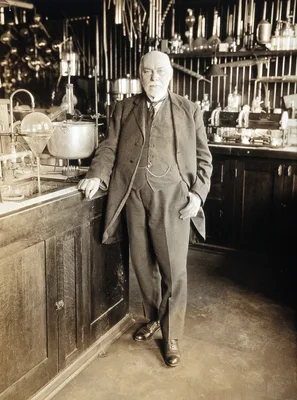
Hydnocarpus wightiana or Chaulmoogra is a tree in the Achariaceae family. The oil from seeds of Hydnocarpus wightiana or Chaulmoogra, a tree in the Achariaceae family, was widely used in Indian medicine and Chinese tr…
2002 CE
#8304
The creation of psychopharmacology
1912 CE
#7482
The depths of the ocean. A general account of the modern science of oceanography based largely on the scientific researches of the Norwegian Steamer Michael Sars in the North Atlantic.
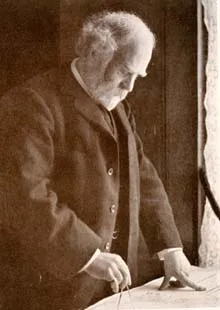
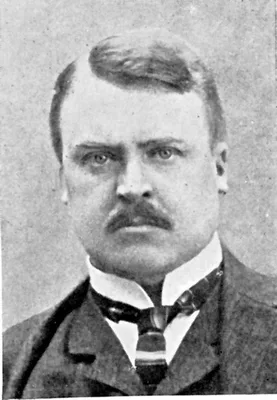
Digital facsimile from the Biodiversity Heritage Library, Internet Archive at this link.
1873 CE
#7483
The depths of the sea. An account of the general results of the dredging cruises of H. M. SS. 'Porcupine' and 'Lightning during the summers of 1868, 1869, and 1870, under the scientific direction of Dr. Carpenter, F.R.S., J. Gwyn Jeffreys, F.R.S., and Dr. Wyville Thomson, F.R.S.
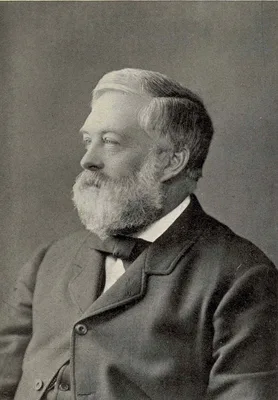
Digital facsimile from the Internet Archive at this link.
1992 CE
#7017
The development of American pharmacology. John J. Abel and the shaping of a discipline.
1951 CE
#2067
The development of pharmacopoeias.
Digital facsimile from PubMedCentral at this link.
1959 CE
#11405
The discovery of Dicumarol and its sequels.
An historical account of the discovery of the anticoagulant Warfarin by the primary investigator. The first use for this substance was rat poison. Digital facsimile from ahajournals.org at this link.
1699 CE
#7965
The dispensary: A poem. In six cantos.
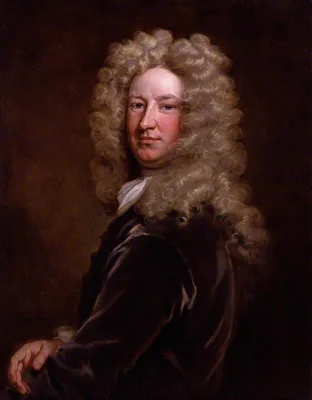
An aggressive criticism of quack medicines, apothecaries who produced them, and physicians who prescribed them.
2007 CE
#8278
The dispensatory of Ibn at-Tilmīd: Arabic text, English translation, study and glossaries by Oliver Kahl.
Critical Arabic edition, annotated English translation, introductory study, and two-way glossaries of the dispensatory composed around the middle of the 12th century CE by the Nestorian physician Ibn at-Tilmīḏ. The di…
1833 CE
#10824
The dispensatory of the United States of America.
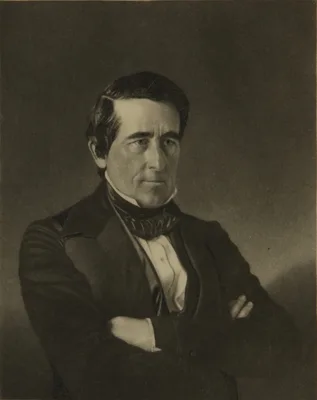
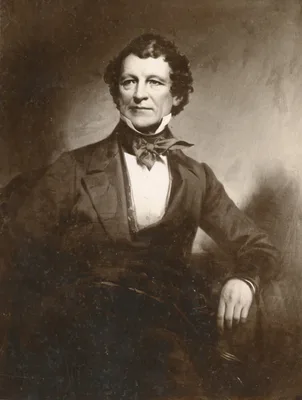
Digital facsimile of this, the first, and later editions from the Hathi Trust at this link.
1998 CE
#8336
The divine farmer's materia medica: A translation of the Shen Nong Ben Cao Jing by Yang Shou-zhong.
1928 CE
#12678
The divine origin of the craft of the herbalist.
A semi-popular account useful for its surveys of the earliest herbal literature: Egyptian, Sumerian, Assyrian, Greece, Syriac, Arabic, Coptic, Ethiopian (Abyssinian). Digital facsimile from the Internet Archive at thi…
2013 CE
#7544
The drug book: From Arsenic to Xanax, 250 milestones in the history of drugs.
1861 CE
#10049
The eastern, or Turkish bath: Its history, revival in Britain, and application to the purposes of health.
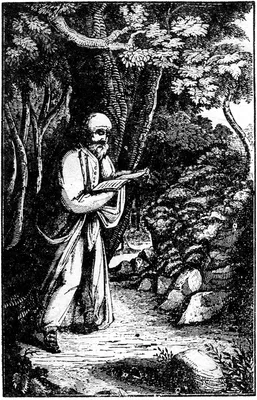
Digital facsimile from the Internet Archive at this link.
1947 CE
#13113
The effects of atomic bombs on health and medical services in Hiroshima and Nagasaki. The United States Strategic Bombing Survey, Medical Division.
Digital facsimile from U.S. National Library of Medicine at this link.
1876 CE
#8911
The effects of cross and self fertilisation in the vegetable kingdom.
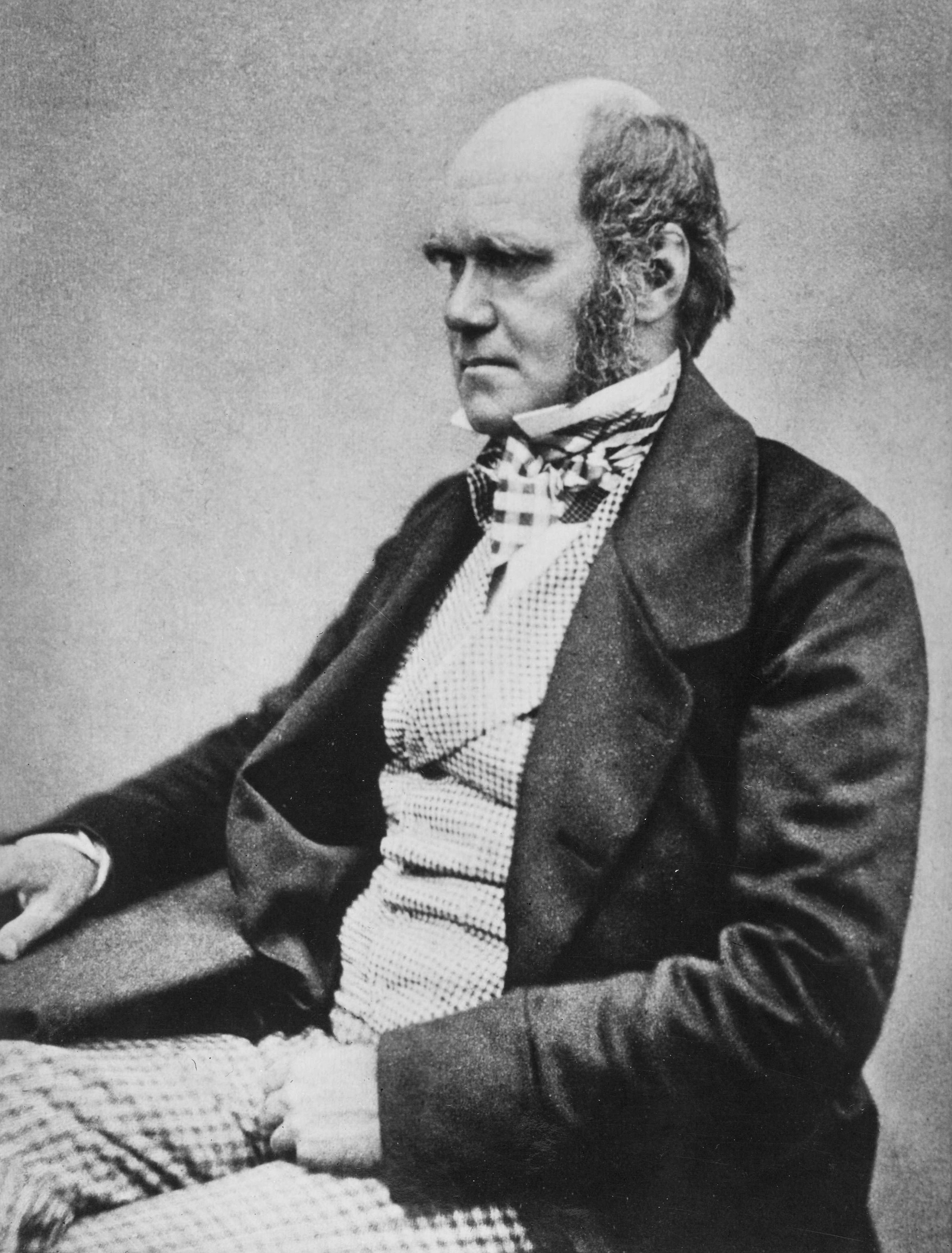
Darwin's report on over 12 years of experimentation with cross and self-fertilization on 57 species. In these experiments Darwin discovered and demonstrated the concept of hybrid vigor or heterosis.
1953 CE
#1931.2
The effects of progesterone and related compounds on ovulation and early development in the rabbit.
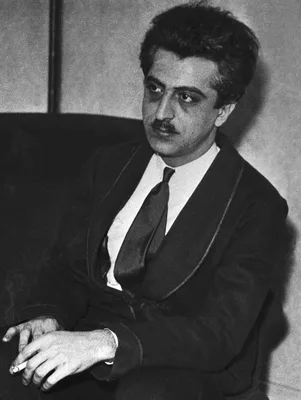
First practical demonstration of an oral contraceptive.
1839 CE–1840 CE
#1856
The elements of materia medica, comprehending the natural history, preparation, properties, composition, effects and uses of medicines. 2 vols.
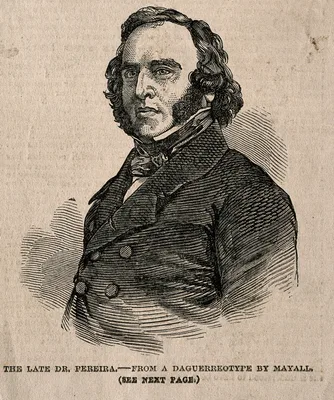
The first great English work on the subject, widely published and used in England and America. Pereira was Professor of Materia Medica at the School of Pharmacy set up by the Pharmaceutical Society of Great Britain. D…
2005 CE
#9672
The elements of murder: A history of poison.
1998 CE
#11892
The encyclopedia of psychoactive plants: Ethnopharmacology and its applications.
Describes the botany, history, distribution, cultivation, preparation, and dosage of more than 400 psychoactive plants and fungi. The encyclopedia also offers information on ritual and medicinal use. Also includes 168…
1998 CE
#8792
The encyclopedia of psychoactive substances.
1708 CE
#1828.1
The English physician.
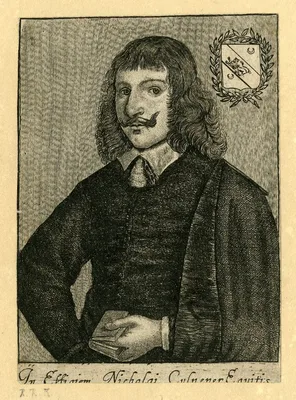
This reprint of Culpeper’s popular work on herbal remedies was the first medical book (94pp.) printed in North America.
1652 CE
#8588
The English physitian: Or, an astrologo-physical discourse of the vulgar herbs of this nation. Being a compleat method of physick, whereby a man may preserve his body in health; or cure himself, being sick, for three pence charge, with such things only as grow in England, as they being most fit for English bodies. Herein is also shewed, 1. The way of making plaisters, oyntments, oyls, pultisses, syrups, julips, or waters, of all sorts of physical herbs, that you may have them readie for your use at all times of the yeer. 2. What planet governeth every herb or tree (used in physick) that groweth in England. 3. The time of gathering all herbs, both vulgarly, and astrologically. 4. The way of drying and keeping the herbs all the yeer. 5. The way of keeping their juyces ready for use at all times. 6. The way of making and keeping all kind of useful compounds made of herbs. 7. The way of mixing medicines, according to cause and mixture of the disease, and part of the body afflicted.
"Culpeper attempted to make medical treatments more accessible to laypersons by educating them about maintaining their health. Ultimately his ambition was to reform the system of medicine by questioning traditional me…
1948 CE
#7802
The estimation of acetanilide and its metabolic products, aniline, N-acetyl p-aminophenol and p-aminophenol (free and total conjugated) in biological fluids and tissues.
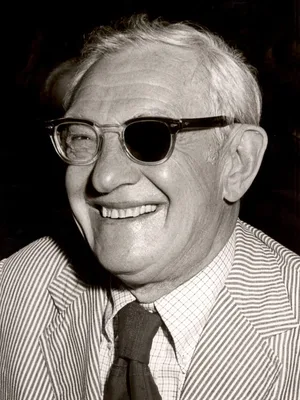
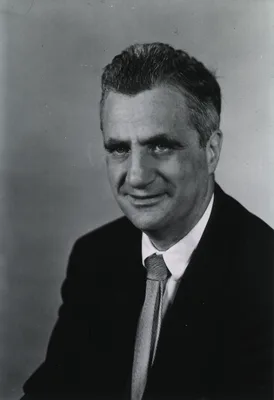
Brodie and Axelrod confirmed that paracetamol, also known as acetaminophen, was the major metabolite of acetanilide in human blood, and established that it was efficacious an analgesic. Unlike its precursors, paraceta…
1900 CE
#9475
The ethno-botany of the Coahuilla Indians.
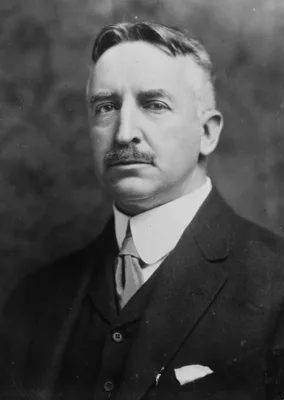
"The ʔívil̃uqaletem (or Ivilyuqaletem) are Native Americans of the inland areas of southern California.[2] Their original territory included an area of about 2,400 square miles (6,200 km2). The traditional Cahu…
1911 CE
#9347
The ethno-botany of the Gosiute Indians of Utah.
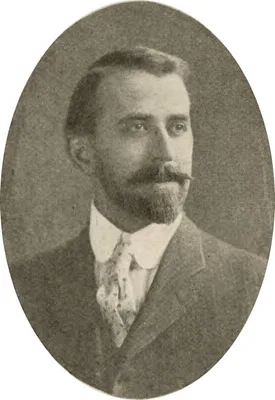
Digital facsimile from the Internet Archive at this link.
1936 CE
#9304
The ethnobiology of the Chiricahua and Mescalero Apache: A. the use of plants for food, beverages and narcotics. Ethnobiological studies in the American Southwest, Vol. 3. Biological series (Vol. 4, No. 5); Bulletin, University of New Mexico, whole, (No. 297).
1961 CE
#10854
The ethnobotany of pre-Columbian Peru.
"....based on analysis of 2200 wild and cultivated plant specimens with clearly defined archaeological contexts... Part I is a systematic ethnobotany with pertinent citations of the botanical and archaeological litera…
1932 CE
#9283
The ethnobotany of the Acoma and Laguna Indians. M.A. thesis.
1972 CE
#9918
The ethnobotany of the California Indians: A compendium of the plants, their users, and their uses.
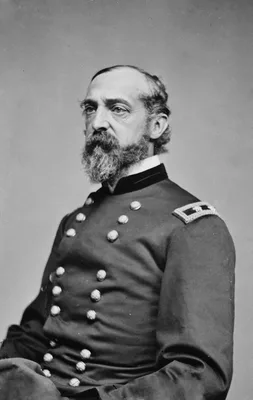
Revised, expanded, and updated edition, La Grande, OR: E-Cat Worlds, 2014.
1883 CE
#1874
The extra pharmacopoeia of unofficial drugs … With references to their use abstracted from the medical journals by W. Wynn Westcott.
29th edition, 1989.
1676 CE
#9511
The family physician, and the house apothecary: Containing I. Medicines against all such diseases people usually advise with apothecaries to be cured of, II. Instructions, whereby to prepare at your own houses all kinds of necessary medicines that are prepared by apothecaries, or prescribed by physicians, III. The exact prices of all drugs, herbs, seeds, simple and compound medicines, as they are sold at the druggists, or may be sold by the apothecaries, IV. That it's plainly made to appear, that in preparing medicines thus at your own houses, that it's not onely a far safer way, but you shall also save nineteen shillings in twenty, comparing it with the extravagant rates of many apothecaries.
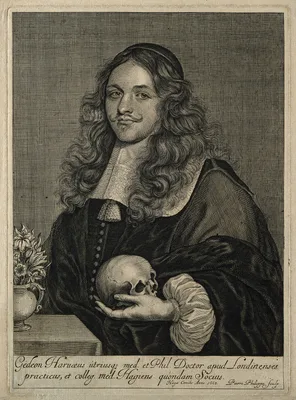
The text of the second edition (1678) is available from Early English Books Online at this link.
1721 CE
#13695
The farriers dispensatory, in three parts. Containing I. A description of the medicinal simples, commonly made use of in the diseases of horses, with their virtues and manner of operation, distributed into proper classes, &c. II. The preparations of simples, vegetable, animal and mineral ; with an explanation of the most usual terms, both in the chymical and galenical pharmacy. III. A number of useful compositions and receipts suited to the cure of all diseases, never before published; as also those of greatest account from Solleysell, Ruini, Blundevill, and other most celebrated authors, digested under their proper heads of powders, balls, drinks, ointments, charges, &c. The proper Method of compounding and making them, with many other useful observations and improvements tending to their right administration. To which is also added, a compleat index of all the medicines contained in the book, whether simple or compound, with a table of diseases pointing to the remedies proper in each malady.
1933 CE
#1924.1
The fibrinolytic activity of hemolytic streptococci.
Tillett and Garner discovered a substance elaborated by a strain of haemolytic streptococcus which promoted lysis of fibrin and is now known as streptokinase.
2007 CE
#9230
The first miracle drugs: How the sulfa drugs transformed medicine.
"In the decade from 1935-1945, while the Second World War raged in Europe, a new class of medicines capable of controlling bacterial infections launched a therapeutic revolution that continues today. The new medicines…
1852 CE–1853 CE
#10129
The flora homoeopathica: Or, illustrations and descriptions of the medicinal plants used as homoeopathic remedies. 2 vols.
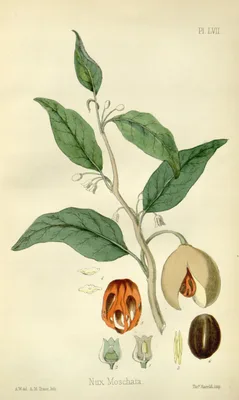
Hamilton detailed the symptoms of poisoning, records of successful use of the plant, and a description of its homeopathic uses. Finely illustrated with hand-colored plates, mostly by Henry Sowerby and his sister Charl…
1924 CE
#2646
The formation of a cancer-producing substance from isoprene (2-methyl-butadiene).
Kennaway produced carcinogenic tars by submitting acetylene or isoprene to high temperatures in an atmosphere of hydrogen, thus proving that some carcinogens are pure hydrocarbons.
1981 CE
#11966
The garden of eden: The botanic garden and the re-creation of paradise.
In the 15th century people still hoped that the original garden of Eden might be rediscovered, but in the 16th and 17th centuries efforts turned to collecting plants and attempting to re-create the wonder of the garde…
1597 CE
#11381
The garden of health conteyning the sundry rare and hidden vertues and properties of all kindes of simples and plants, together with the maner how they are to be vsed and applyed in medicine for the health of mans body, against diuers diseases and infirmities most common amongst men. Gathered by the long experience and industrie of William Langham, practitioner in phisicke.
An alphabetically arranged handbook of herbal remedies. The title page was misprinted 1579, but the work was actually printed in 1597. A list of the plants discussed is available from Early English Books Online at thi…
1731 CE
#13393
The gardeners dictionary: Containing the methods of cultivating and improving the kitchen, fruit and flower garden. As also, the physick garden, wilderness, conservatory and vineyard, according to the practice of the most experienc'd gardeners of the present age. Interspers'd with the history of the plants, the characters of each genus, and the names of all the particular species, in Latin and English, and an explanation of all the terms used in botany and gardening.
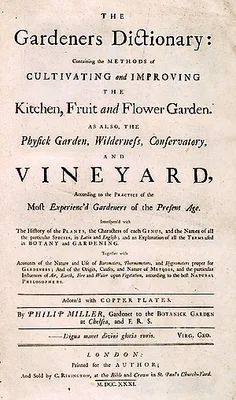
Miller was chief gardener and curator (or 'Hortulanus') at the Apothecaries' (later Physic) Garden in Chelsea. Besides covering methods of cultivation, Miller's Dictionary provided a systematic botanical compendium of…
1818 CE
#7771
The genera of North American plants, and a catalogue of the species to the year 1817. 2 vols.
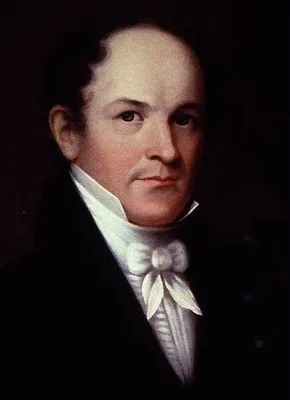
The first comprehensive botany of the United States. Digital facsimile from the Internet Archive at this link.
1967 CE
#13258
The great American water-cure craze: A history of hydropathy in the United States.
1934 CE
#8564
The Greek herbal of Dioscorides, illustrated by a Byzantine, A.D. 512; Englished by John Goodyer, A.D. 1655; edited and first printed, A.D. 1933, by Robert T. Gunther ... with three hundred and ninety-six illustrations.
![DIOSCORIDES, Pedanius [Πεδάνιος Διοσκουρίδης] (40 – 90)](/media/portraits/2028)
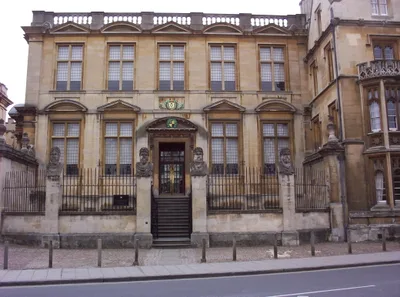
Goodyer's translation is considered more of a paraphrase than a translation.
1526 CE
#1802
The grete herball whiche geveth parfyt knowlege and understandyng of all maner of herbes and there gracyous vertues.
GRETE HERBAL
The first illustrated English herbal. It was mainly a translation of the French “Grant Herbier”.
1934 CE
#3093
The haemostatic possibilities of snake-venom.
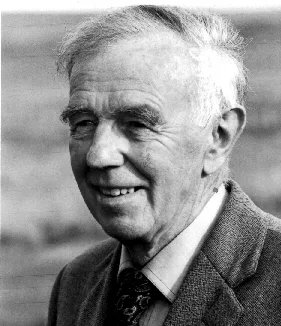
Snake venom used in the treatment of hemophilia.
1990 CE
#13343
The healing forest: Medicinal and toxic plants of the Northwest Amazonia.
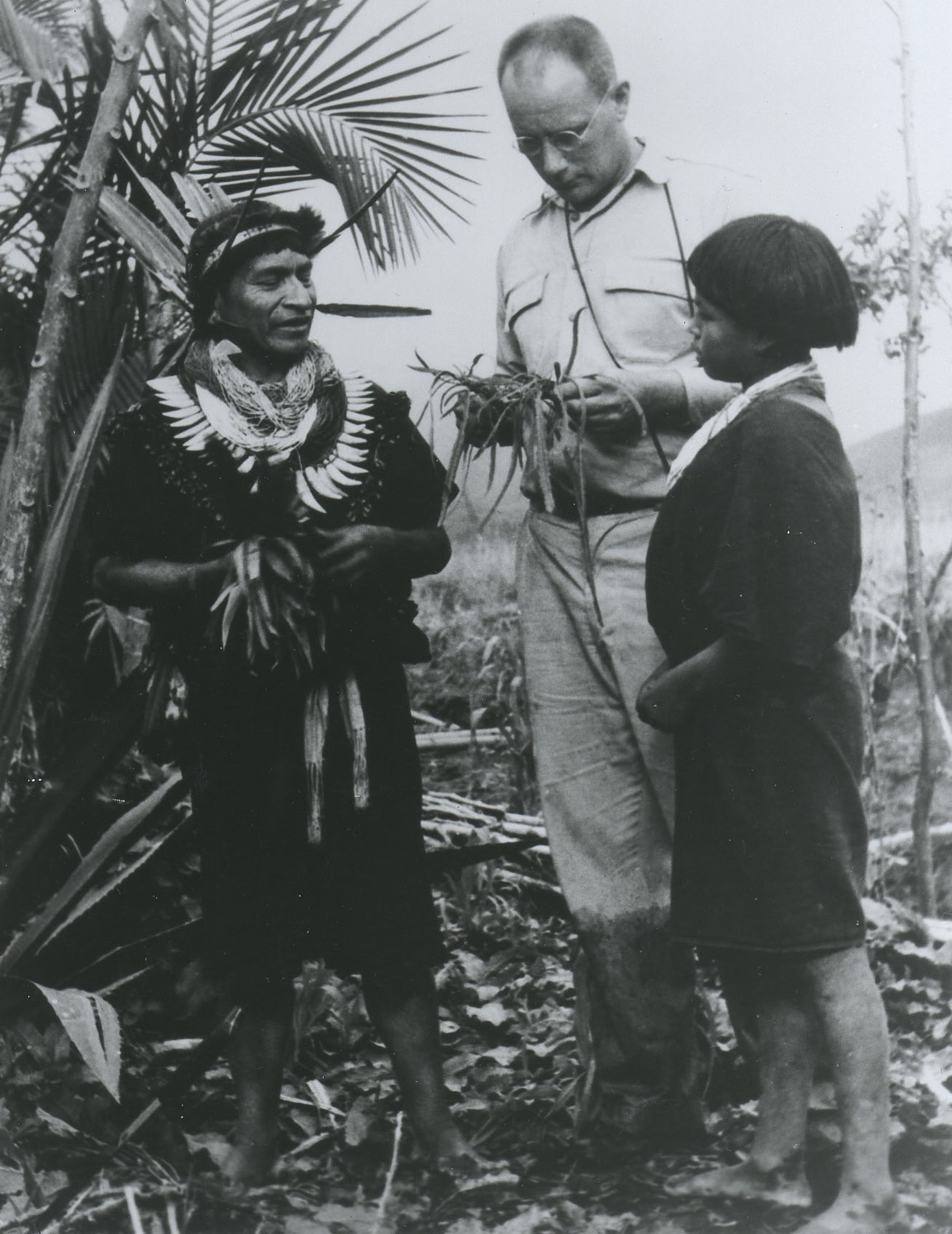
1927 CE
#11383