
Facets
Browse across eight MeSH (opens in new tab) facets — era, geography, science, specialty, technology, history, culture, and reference. Select one tag per group; counts update across the others.
Clear filtersFacet filters
Geography
Specialties & Disease
- Anatomy & Pathology 765
- Cardiology & Blood 914
- Neurology & Psychiatry 1,256
- Obstetrics & Reproductive 550
- Infectious Disease (General) 147
- Surgery & Anesthesia 1,551
- Public Health 1,129
- Immunology & Dermatology 1,404
- General Clinical Medicine 480
- Military Medicine 436
- Psychology 202
- Alternative & Fringe Medicine 383
- Pediatrics 247
- Ophthalmology & Vision 412
- ENT & Hearing 293
- Urology & Nephrology 309
- Gastroenterology & Hepatology 316
- Pulmonary & Respiratory 233
- Rheumatology, Rehab & Pain 188
- Internal, Emergency & Geriatric 123
- Veterinary Medicine 165
- Epidemiology & Demography 397
- Physiology & Embryology 923
- Dentistry 259
- Plagues & Epidemics 1,279
- Microbiology & Virology 1,080
Social & Historical Studies
Institutions & Culture
Reference & Scholarly Works
1,551 entries match Surgery & Anesthesia [E04 / G02.403.810]
1988 CE
#7952
A robot with improved absolute positioning accuracy for CT guided stereotactic brain surgery.
With Jin Hou, E. A. Jonckheere, and S. Hyati.
1983 CE
#7871
A short history of breast cancer.
1964 CE
#5813.5
A short history of surgical dressings.
Based on material collected by James Rawling Elliott (1905-1958).
1956 CE
#3047.9
A simple, expendable, artificial oxygenator for open heart surgery.
DeWall bubble oxygenator. With six co-authors.
1949 CE
#11987
A stereotaxic apparatus for intracerebral surgery.
"In 1947 Leksell visited Wycis in Philadelphia and then developed and described his instrument in a publication in 1949. This was the first example of a stereotactic system based on the principle of ‘‘cent…
1934 CE
#5716
A study of anesthesia and analgesia, with special reference to such substances as trichlorethylene and vinesthene (divinyl ether), together with apparatus for their administration.
Experimental use of trichlorethylene as anesthetic.
1807 CE–1809 CE
#5583
A system of operative surgery. 2 vols.
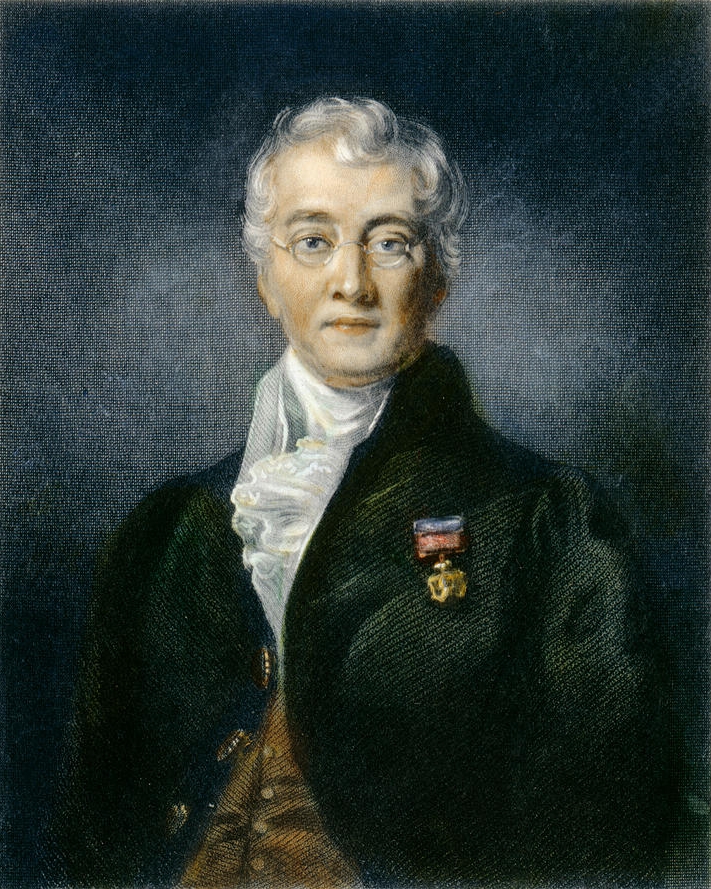
Famous as anatomist, physiologist, and neurologist, Charles Bell was also, like his brother John, an eminent surgeon. His artistic talent was even greater than that of his brother. (See No. 5588.)
1842 CE
#5596
A system of practical surgery.
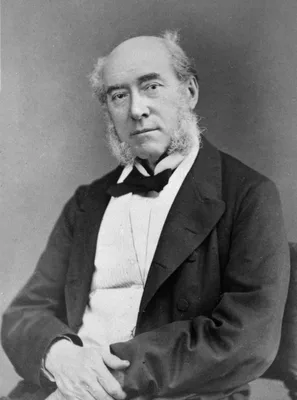
Fergusson was the founder of conservative surgery. He was surgeon of the Royal Infirmary, Edinburgh, before being appointed to the chair of surgery at King’s College Hospital, London, a position to which he was …
1859 CE
#5607
A system of surgery; pathological, diagnostic, therapeutic, and operative. 2 vols.
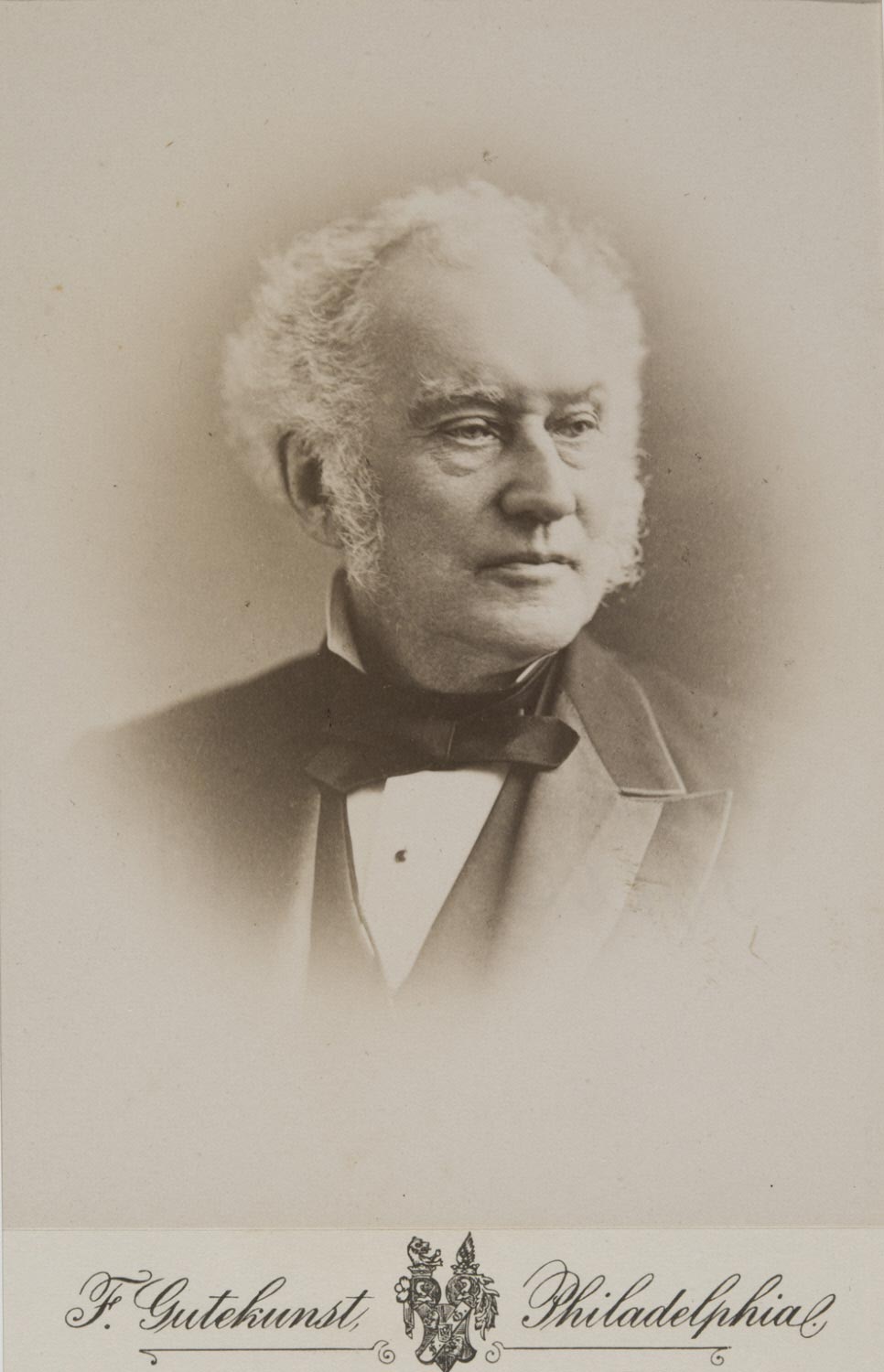
A profound intellect in 19th-century American surgery, Gross was both a surgical innovator and an outstanding author of numerous works that became classics. This massive treatise containing nearly 2500 pages was inten…
1783 CE–1788 CE
#5579
A system of surgery. 6 vols.
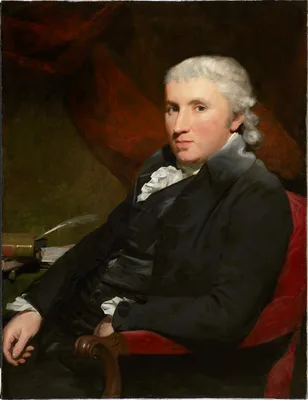
Bell studied under the Monros at Edinburgh. He was surgeon to the Royal Infirmary, Edinburgh, for 29 years. He improved the methods of amputation, introducing the “triple incision of Bell”. Above is his be…
1940 CE
#3041
A technique for splanchnic resection for hypertension; preliminary report.
Smithwick operation for hypertension.
1884 CE
#3482.1
A theoretical and practical treatise on the hemorrhoidal disease, givings its history, nature, cases, pathology, diagnosis, and treatment.
An encyclopedic work containing considerable history and a comprehensive bibliography. Digital facsimile from Google Books at this link.
1845 CE
#4325
A treatise on corns, bunions, the diseases of nails, and the general management of the feet.
Durlacher, surgeon chiropodist to Queen Victoria, gave the first description of anterior metatarsalgia (p. 52), to which the name “Morton’s metatarsalgia” has been given (see No. 4341). Digital facsi…
1822 CE
#4412.1
A treatise on dislocations, and on fractures of the joints.
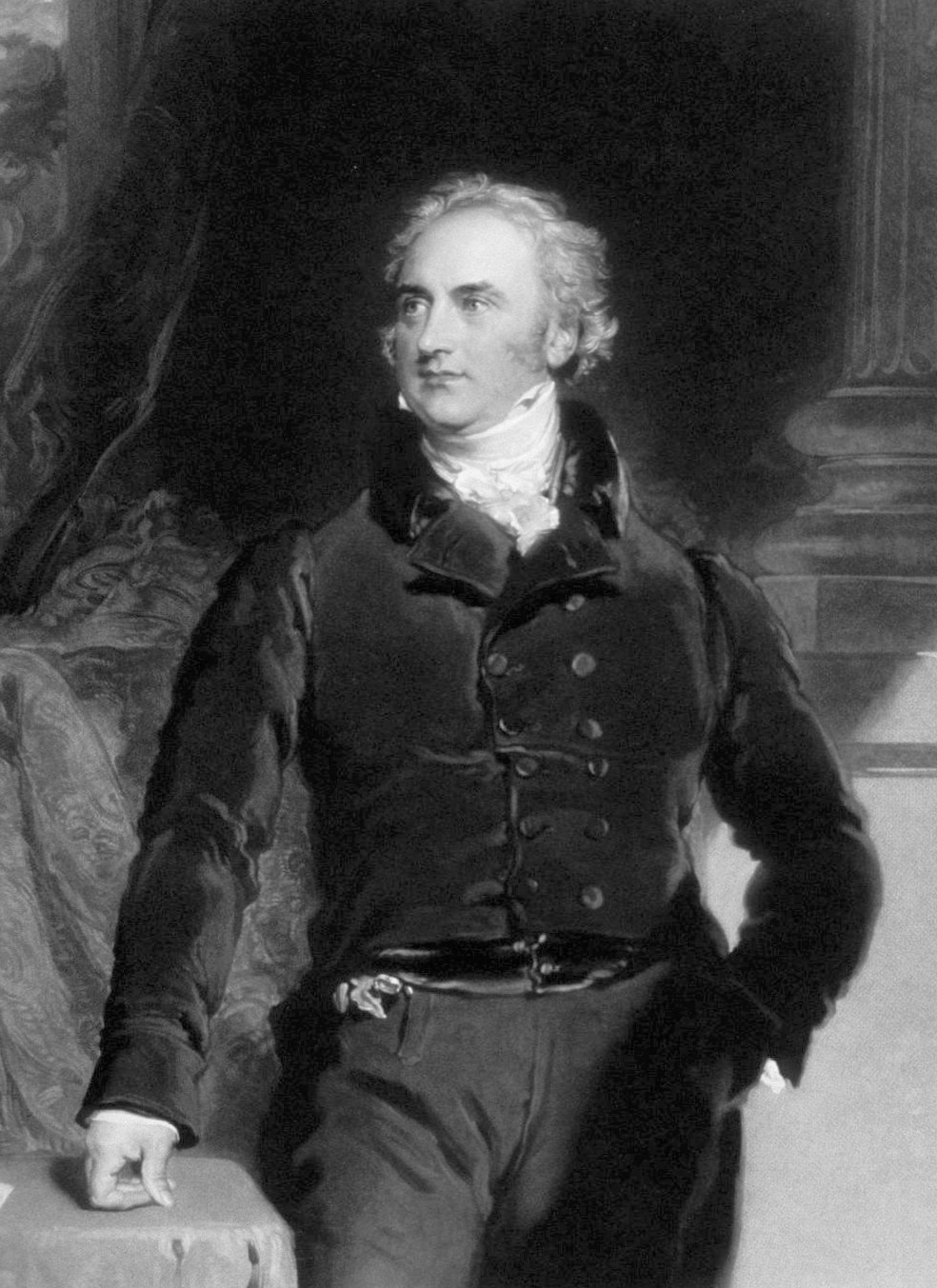
Through this and numerous subsequent editions this was the principal reference work on the subject in England and America for 30 years. “Many later clinical modifications were developed from Cooper’s metho…
1848 CE
#5661
A treatise on etherization in childbirth.
Channing was an early advocate of anesthesia in obstetrics. In his book, and in several earlier papers, he brought the importance of this branch of anesthesia into the foreground.
1847 CE
#4417.1
A treatise on fractures in the vicinity of joints and on certain forms of accidental and congenital dislocations.
The first important work on fractures by an Irish author. It includes the description of “Smith’s fracture”. In his chapter “On fractures of the bones of the forearm in the vicinity of the wris…
1861 CE
#7814
A treatise on gun-shot wounds: written for and dedicated to the surgeons of the Confederate States Army.
Digital facsimile from the Hathi Trust at this link.
1820 CE
#4445
A treatise on gun-shot wounds. 2nd. ed.
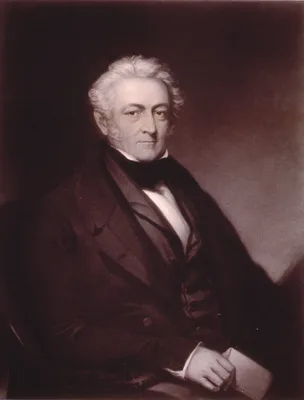
Successful amputation at the hip-joint, after the battle of Waterloo, 7 July, 1815.
1844 CE
#5598
A treatise on operative surgery.
Pancoast was Professor of Anatomy and Surgery at Jefferson Medical College. He was a fine operator and devised a number of new surgical operations and instruments. This was work contains 80 fine lithographed plates, a…
1756 CE
#3576
A treatise on ruptures.
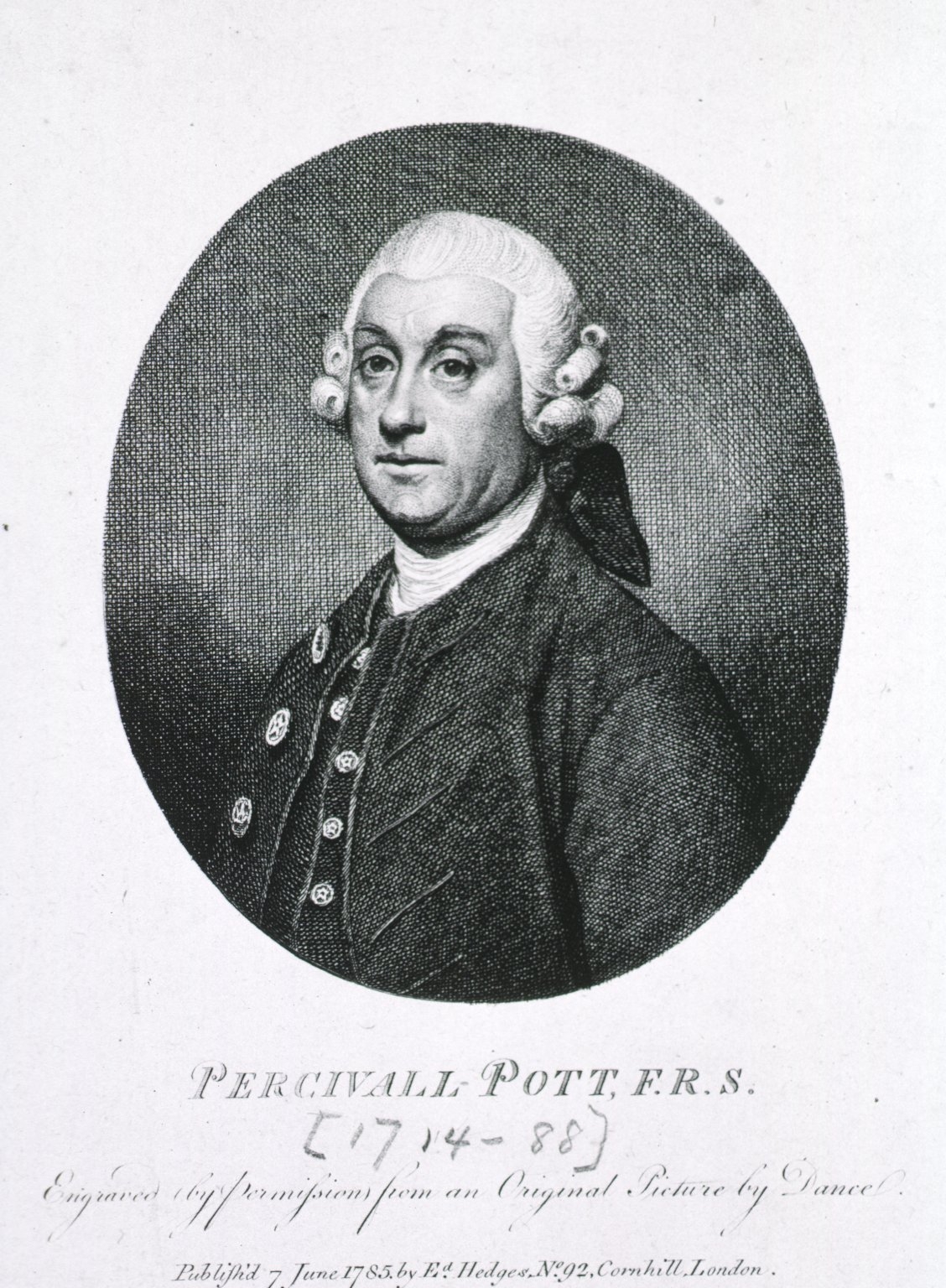
Pott was surgeon to St. Bartholomew’s Hospital. Through a fall in the street he was confined to bed for many days, and during that period wrote his classic book on hernia. He refuted many of the old theories con…
1794 CE
#2283
A treatise on the blood, inflammation, and gun-shot wounds.
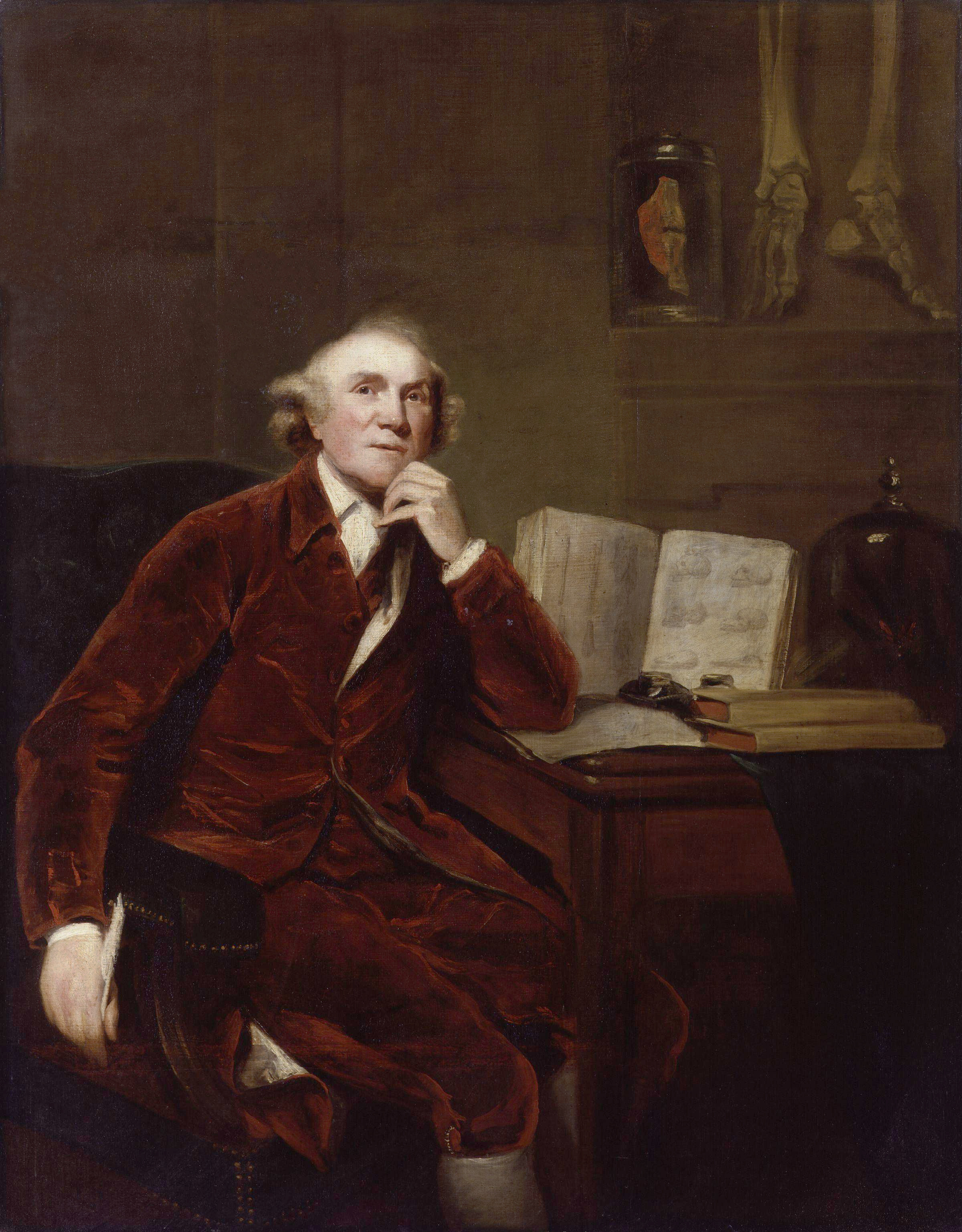
It was while serving with the army at Belle Isle during the Seven Years’ War that Hunter collected the material for his epoch-making book on inflammation and gunshot wounds. His studies on inflammation in partic…
1858 CE
#419
A treatise on the human skeleton, including the joints.
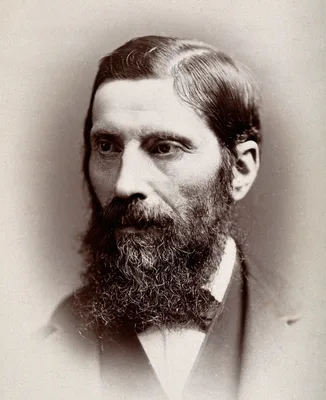
Humphry was professor of anatomy at Cambridge and became the first professor of surgery there. He founded the Journal of Anatomy and Physiology in 1867. “Humphry’s ligament” of the knee-joint is desc…
1847 CE
#5657.1
A treatise on the inhalation of the vapour of ether, for the prevention of pain in surgical operations; containing a numerous collection of cases in which it has been applied, with the names of the operators; history of the discovery - description of the apparatus - method of preparing the ether - remarks as to the time when the operation should commence, etc., etc., etc.
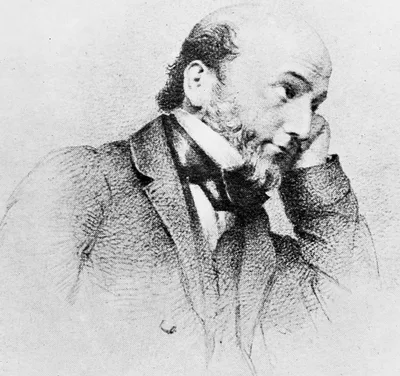
The first textbook of ether anesthesia, published in March, 1847. Robinson, a British dentist, was the first to use anesthesia in England, after receiving information from Henry Jacob Bigelow and Francis Boott. Digita…
1891 CE
#2965
A treatise on the ligation of the great arteries in continuity.
Includes Ballance’s scale of measurement of caliber of arteries.
1837 CE
#3441.1
A treatise on the malformations, injuries and diseases of the rectum and anus. Text and atlas.
The first American treatise on colon–rectal surgery.
1773 CE
#6270
A treatise on the management of pregnant and lying-in women, and the means of curing, but more especially of preventing the principal disorders to which they are liable. Together with some new directions concerning the delivery of the child and placenta in natural births. illustrated with cases.
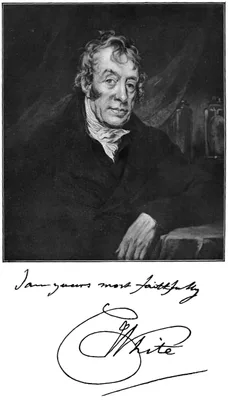
White was the first to state clearly in a text on midwifery the necessity of absolute cleanliness in the lying-in chamber, the isolation of infected patients, and adequate ventilation. He instituted the principle of u…
1809 CE
#9583
A treatise on the origin, nature, & treatment of corns, and those affections of the joints of the toes termed bunyons.
Guthery characterized himself on the title page as "Chirurgo-Podist to the Royal Family." Digital facsimile from Google Books at this link.
1778 CE
#5578
A treatise on the theory and management of ulcers.
Important classification of ulcers.
1948 CE
#3047
A venous shunt for marked mitral stenosis.
First pulmonary-azygos shunt operation for relief of mitral stenosis. Two further patients were operated upon later the same year; all three are reported in J. Amer. med. Ass.,1949, 140, 1259. A similar procedure was …
1791 CE
#4306
Abbildungen und Beschreibungen einiger Misgeburten.
Achondroplasia is first described on page 30 and pictured on plate 11. English translation in No. 2241.
1829 CE
#3438
Abcès développé dans le petit bassin.
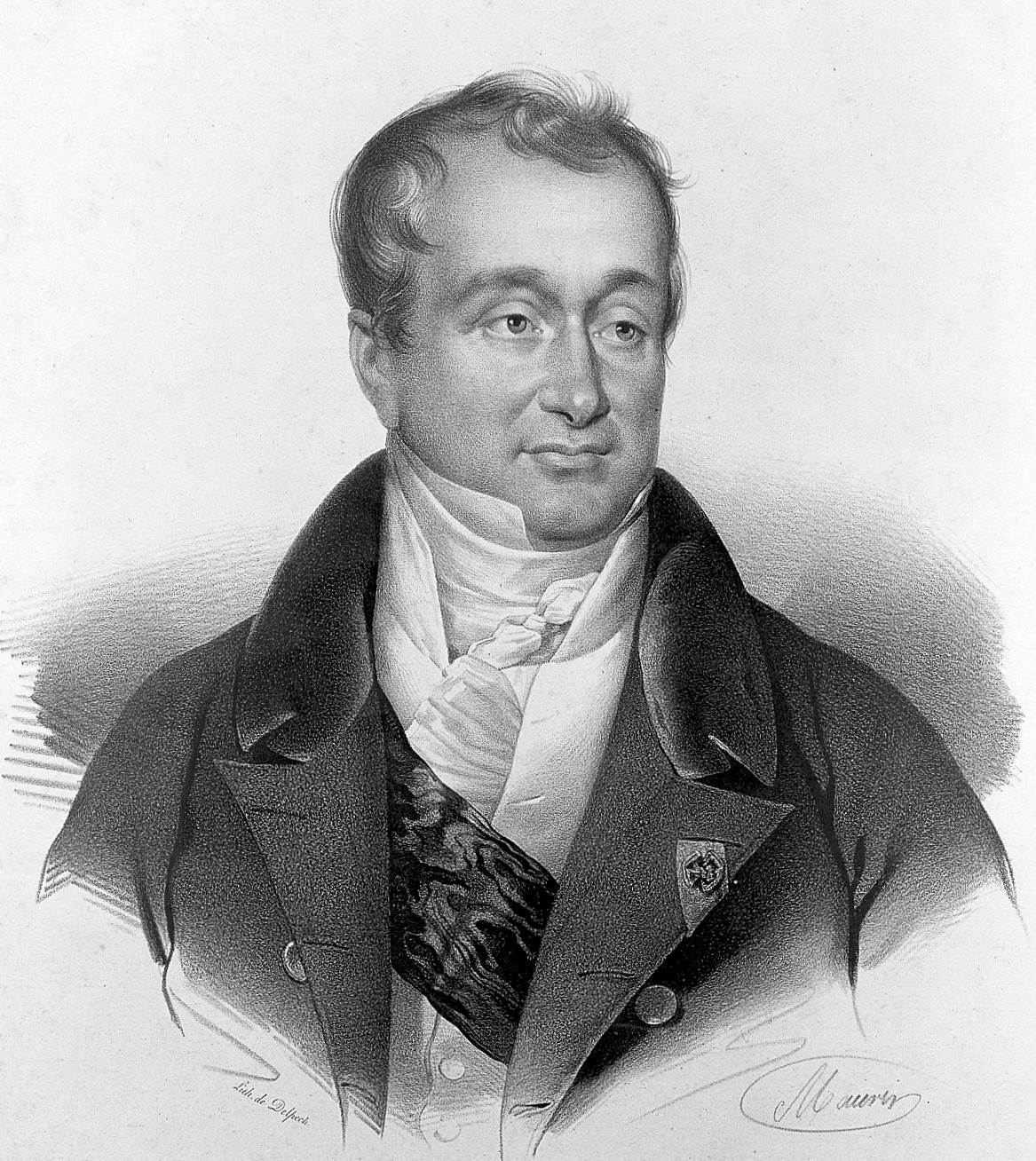
“Dupuytren’s abscess” of the right iliac fossa.
1778 CE–1779 CE
#3578
Abhandlung von den Brüchen.

Richter, lecturer on surgery at Göttingen, in his classic treatise on hernia, first described partial enterocele, or “Richter’s hernia” (Chap. 24).
1886 CE
#6084
Ablation des tumeurs flbreuses ou myomes du corps de l’utérus par la voie vaginale.
Péan’s method of morcellement of the uterus for the removal of tumors.
1850 CE
#4853
Abscess in the substance of the brain; the lateral ventricles opened by an operation.
Lateral ventricles of the brain first opened for the treatment of cerebral abscess.
1901 CE
#3606
Abstract of a clinical lecture on femoral hernia.
Battle’s operation for femoral hernia.
1825 CE
#2946
Account of a case in which both carotids were successfully tied.
In 1823 Macgill successfully ligated in continuity both primitive carotid arteries in the same subject within a month. He was the first American to do so.
1842 CE
#5650.1
Account of a case of sccessful amputation of the thigh during the mesmeric state.
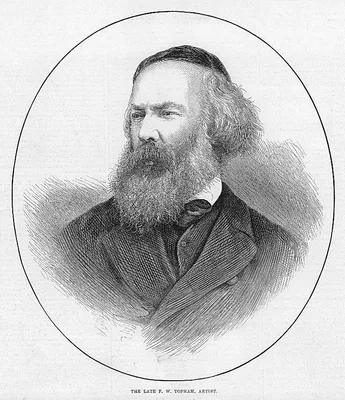
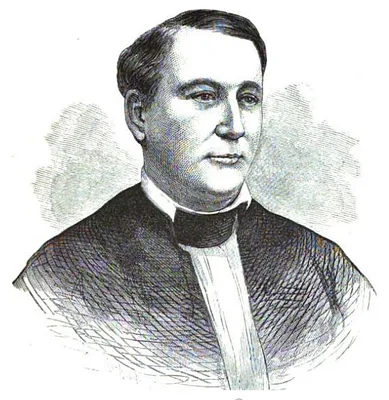
The original account of the first major operation performed in England using hypnosis as a form of anesthesia. The amputation was performed by Ward. Topham, a lawyer interested in mesmerism, performed the hypnosis. Th…
1824 CE
#2945
Account of an operation for the extirpation of a tumour in which a ligature was applied to the carotid artery.
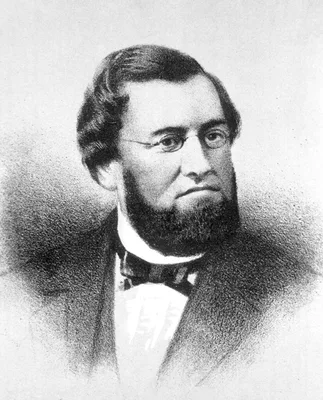
Cogswell ligated the primitive carotid on Nov. 4, 1803.
1836 CE
#2955
Account of the first successful operation, performed on the carotid artery, for aneurism, in the year 1808; with the post-mortem examination in 1821.
See No. 2929.
1819 CE
#2943
Account of the tying of the subclavian artery.
Dupuytren successfully ligated the subclavian artery on March 7, 1819.
1801 CE
#3880
Accroissement singulier en grosseur des os d’un homme âgé de 39 ans. In: Mélanges de chirurgie, 407-11.
Saucerotte described before the Académie de Chirurgie in 1772 a case of what is now known to have been acromegaly. This is the first known clinical description of the disease, and is one of the five cases inclu…
1893 CE
#4364
Achillodynie.
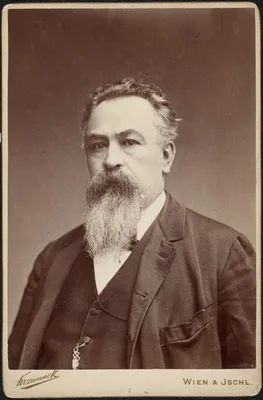
Tendo Achilles bursitis, “Albert’s disease”.
1864 CE
#11617
Acupressure: A new method of arresting surgical haemorrhage and of accelerating the healing of wounds.
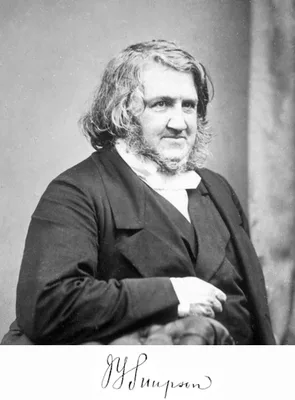
In 1858 Simpson described a new method of controlling blood loss during surgical operations – acupressure, not to be confused with the traditional Chinese medical technique similarly named. Simpson's technique, …
1857 CE
#11701
Adnotationes ad Rhinoplasticen. Commentatio quam consensu et auctoritate ....ad veniam legendi.
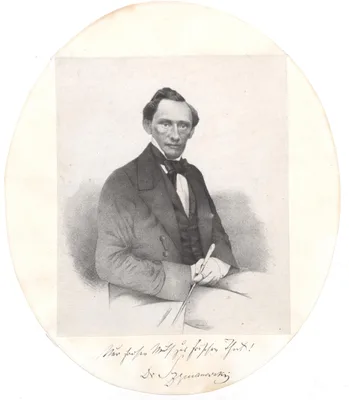
Digital facsimile of the 1847 edition from dspace.ut.ee at this link. Szymanoski's dissertation was translated into German as "Zur plastischen Chirurgie," Vierteljahrschrift für die praktische Heilkunde, 60 (1858…
1913 CE
#4884
Air in the ventricles of the brain, following a fracture of the skull.
Luckett’s finding of air in the ventricles gave Dandy (No. 4602) the idea for ventriculography.
1973 CE
#9353
Albucasis on surgery and instruments. A definitive edition of the Arabic text, with English translation and commentary by M. S. Spink and G. L. Lewis.
1920 CE
#4892
Algievélo-pharyngée essentielle. Traitement chirurgical.
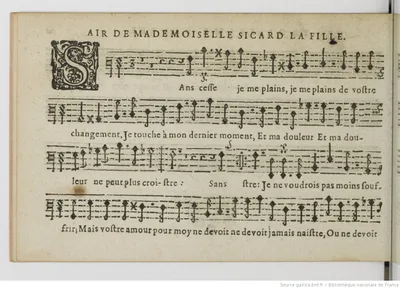
Idiopathic glossopharyngeal neuralgia described and treated.
1997 CE
#6966
American surgery: An illustrated history.
1997 CE
#6906
American surgical instruments: The history of their manufacture and a directory of instrument makers to 1900.
1843 CE
#4459
Amputation at the ankle-joint.
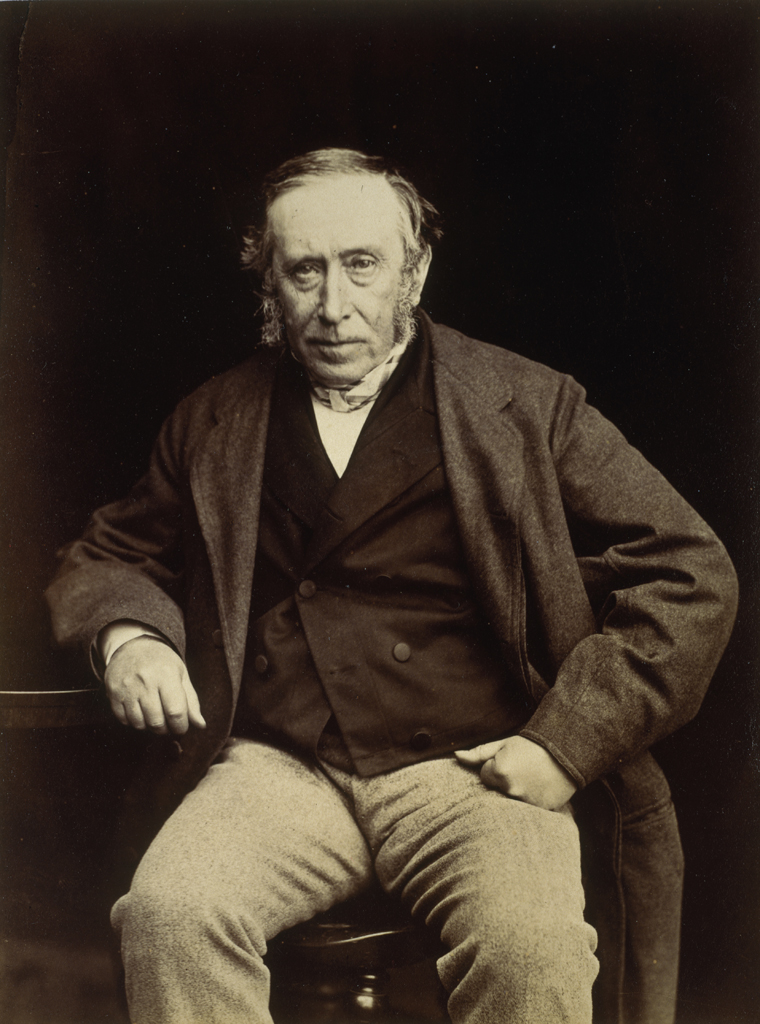
“Syme’s amputation” at the ankle joint, an operation first successfully performed by him on 8 Sept, 1842.