
United Kingdom
2,270 entries published in United Kingdom. 6 publication places.
1783 CE
#8923
A system of vegetables, according to their classes, orders, genera, species with their characters and differences.... Translated from the thirteenth edition (As published by Dr. Murray) of the Systema vegetabilium of the late professor Linneus; and from the Supplementum plantarum of the present professor Linneus
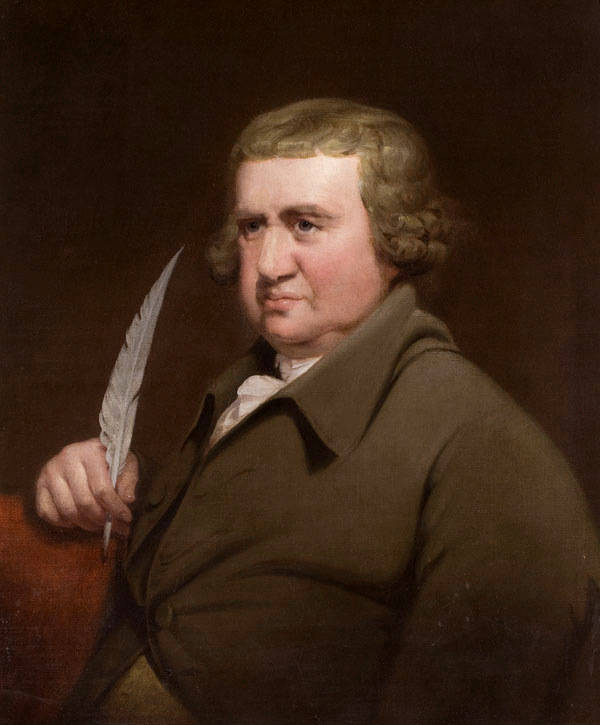
English translation of Linneus's Species plantarum (No. 99.1), edited by Charles Darwin's grandfather. Digital facsimile from the Biodiversity Heritage Library, Internet Archive, at this link.
1783 CE
#13867
A voyage from England to India, in the year MDCCLIV, and an historical narrative of the operations of the squadron and army in India, under the command of Vice-Admiral Watson and Colonel Clive, in the years 1755, 1756, 1757; including a correspondence between the Admiral and the Nabob Serajah Dowlah. Interspersed with some interesting passages relating to the manners, customs, &c. of several nations in Indostan. Also, a journey from Persia to England, by an unusual route. With an appendix, containing an account of the diseases prevalent in Admiral Watson's squadron, a description of most of the trees, shrubs, and plants of India, with their real, or supposed, medicinal virtues. Also a copy of a letter written by a late ingenious physician, on the disorders incidental to Europeans at Gombroon in the Gulf of Persia. Illustrated with a chart, maps, and other copper-plates.
Digital facsimile from wellcomecollection.org at this link.
1783 CE
#12164
Aphorisms in the application and use of the forceps and vectis, on preternatural labours, on labours attended with hemorrhage and with convulsions.
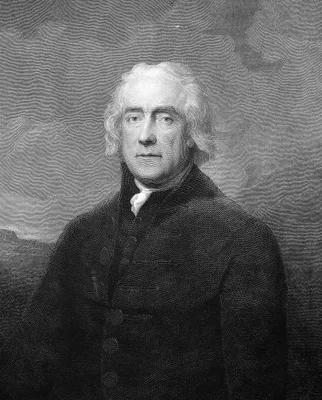
Denman "was the first physician whose authority made the practice general in England of inducing premature labour in cases of narrow pelvis and other conditions, in which the mother's life is imperilled by the attempt…
1783 CE
#1385
Observations on the structure and functions of the nervous system.
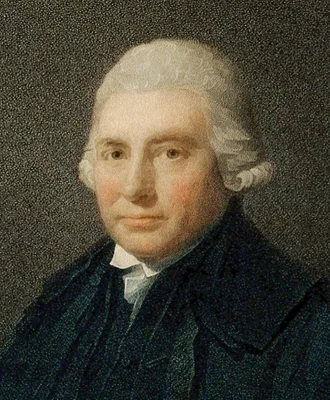
Monro discovered the communication between the lateral ventricles of the human brain with each other and with the third ventricle, the “foramen of Monro”. Alexander secundus was the greatest of the three M…
1783 CE
#1774
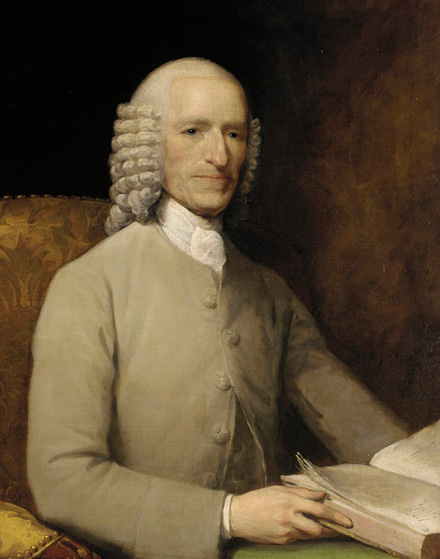
Observations on the weather and diseases of London. In his Works, 1, 145-240
1783 CE
#3676.2
Practical observations on the human teeth.
Woofendale was the first professional dentist to travel to the American colonies (1766) and to set up practice there. During his two years of practice in America he may have made the first set of artificial teeth cont…
1783 CE
#3360
Vox oculis. A dissertation on the … art of imparting speech to the naturally deaf; with a particular account of the academy of Messrs. Braidwood …
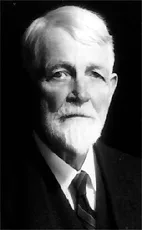
Thomas Braidwood (1715-1806) founded the first British school for the deaf and dumb, in Edinburgh. His method consisted of a combination of lip-reading and signs.
1783 CE–1788 CE
#5579
A system of surgery. 6 vols.
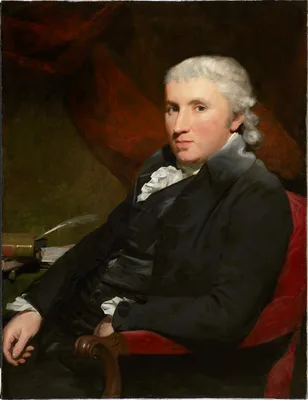
Bell studied under the Monros at Edinburgh. He was surgeon to the Royal Infirmary, Edinburgh, for 29 years. He improved the methods of amputation, introducing the “triple incision of Bell”. Above is his be…
1784 CE
#5645.91
A method of preventing or diminishing pain in several operations of surgery.
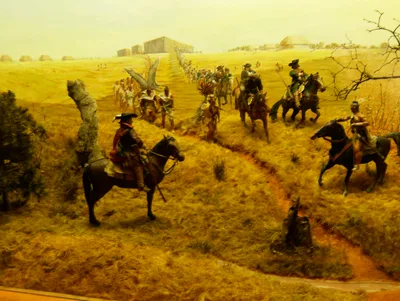
Moore revived the ancient concept of nerve compression, developing a special clamp for its use. John Hunter used Moore’s clamp in a leg amputation in 1784 in which analgesia was successfully obtained.
1784 CE
#2734.4
A treatise on the diseases of children.
Underwood laid the foundation of modern pediatrics. His work was superior to anything that had previously appeared and remained the most important book on the subject for sixty years, passing through many editions. Th…
1784 CE
#13467
A treatise on the glandular disease of Barbadoes: Proving it to be seated in the lymphatic system.
Digital facsimile from Google Books at this link.
1784 CE
#4920.1
First lines on the practice of physic. 4th ed. Vol. 3.
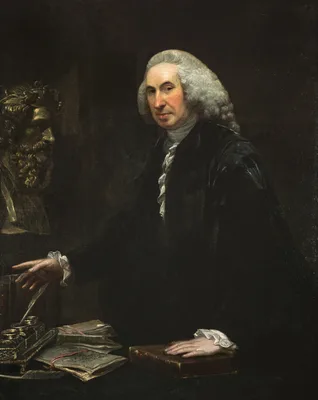
Cullen introduced the term “neuroses” (pp. 121-23).
1784 CE
#1732
On the uncertainty of the signs of murder, in the case of bastard children.
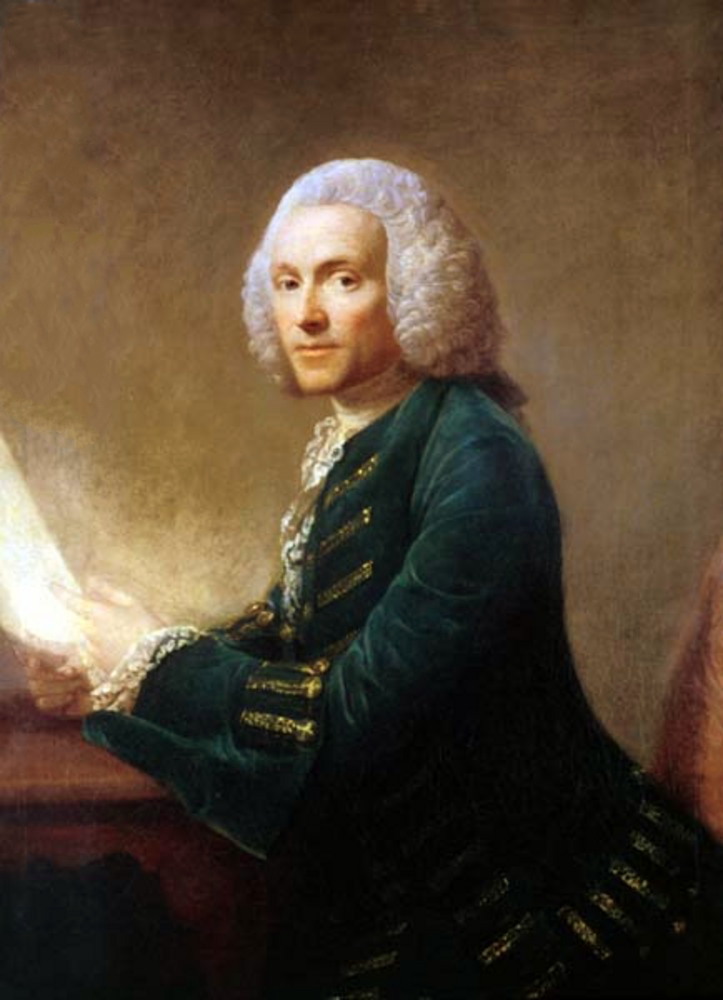
This essay on the signs of murder in illegitimate children is, in Garrison’s view, the most important early contribution to forensic medicine by a British writer.
1784 CE–1812 CE
#11742
[Vols I and II:] Figures of non-descript shells collected in the different voyages to the South Seas since the year 1764 ... [Vols III and IV:] The universal conchologist, exhibiting the figure of every known shell, accurately drawn and painted after nature: With a new systematic arrangement by the author.... 4 vols.
"The first two volumes, devoted to shells of the South Seas, were originally published as a separate work in 1784. Martyn then extended the work to four volumes with an additional 80 plates. ‘From the introducti…
1785 CE
#2158
Observations on the diseases incident to seamen.
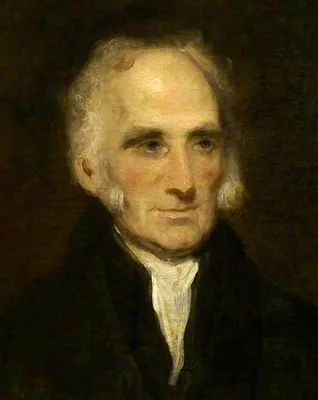
William Hunter recommended Blane as private physician to Admiral Rodney; Blane sailed with him to the W. Indies and became physician to the British Fleet. He was held in great esteem in the navy and was instrumental i…
1786 CE
#2137.2
A narrative of the two aerial voyages of Dr. Jeffries with Mons. Blanchard; with meteorological observations and remarks.
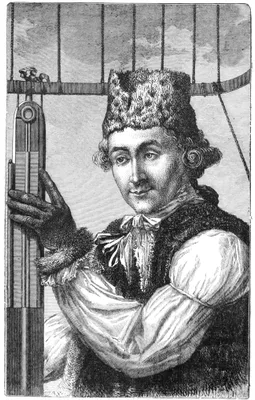
The first flight by a physician, the first crossing of the English channel by balloon, and the first international flight. Jeffries, an American, made a series of carefully planned scientific observations, emphasizing…
1786 CE
#2377
A treatise on the venereal disease.
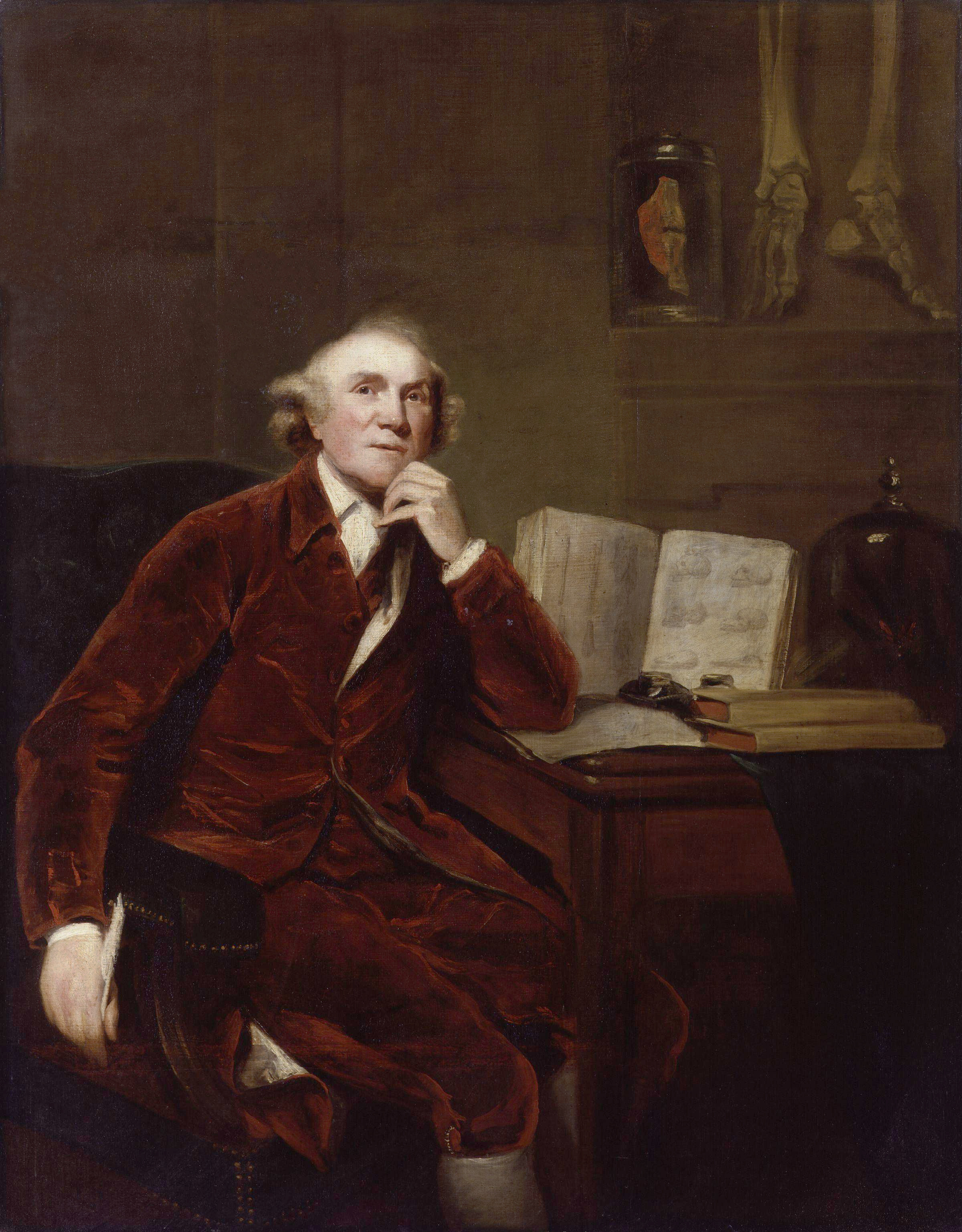
In Hunter's day venereal diseases were thought to be due to a single poison. To test this theory Hunter experimented with matter taken from a gonorrhoeal patient who, unknown to Hunter, also had syphilis. Hunter maint…
1786 CE
#309
Observations on certain parts of the animal oeconomy.
Includes John Hunter’s observations on the secondary sexual characteristics in birds, on the descent of the testis, on the air sac in birds, on the structure of the placenta, etc., together with the original des…
1786 CE
#3716
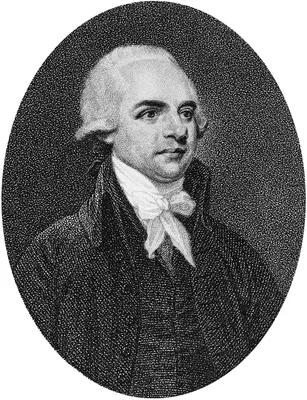
Observations on the scurvy.
1786 CE
#1103
The anatomy of the absorbing vessels of the human body.
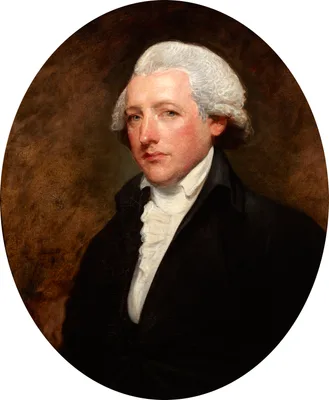
With Hunter and Hewson, Cruikshank laid the foundation of modern knowledge concerning the lymphatics. He was Dr. Johnson’s physician and William Hunter’s assistant.
1787 CE
#12163
A collection of engravings, tending to illustrate the generation and parturition of animals, and of the human species.
An idiosyncratic collection of rarely reproduced images with explanatory commentaries in English and French, concerning reproduction and obstetric complications in animals and humans. Topics include: The Funis of a nu…
1787 CE
#5198
First lines of theory and practice in venereal diseases.
First complete description of lymphatic chancre – “Nisbet’s chancre”.
1788 CE
#399.2
A description of all the bursae mucosae of the human body.
The first serious study of this subject and the most original anatomical work by the greatest of the Monro dynasty. See No. 1385.
1788 CE
#10004
A dissertation on the influence of passions upon disorders of the body.
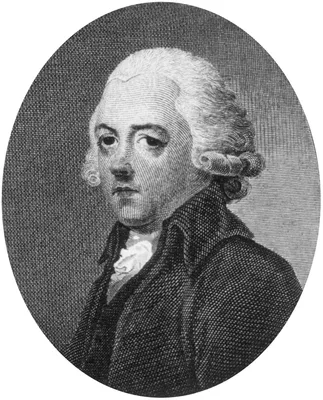
A treatise on the psychosomatic aspects of certain diseases. Digital facsimile from the Internet Archive at this link.
1788 CE
#10813
An account of the slave trade on the coast of Africa.
Falconbridge was a surgeon in the slave trade before becoming an abolitionist. Digital facsimile from Google Books at this link.
1788 CE
#2028.54
An essay on the recovery of the apparently dead.
Kite recommended the use of artificial respiration and was probably the first to recommend electric shock for resuscitation.
1788 CE
#1733
Elements of medical jurisprudence.
First textbook in English on medical jurisprudence.
1788 CE
#2028.53
The connexion of life with respiration; or, an experimental inquiry into the effects of submersion, strangulation, and several kinds of noxious airs, on living animals.
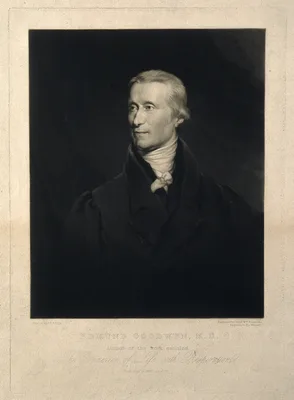
Goodwyn emphasized the importance of ventilation in resuscitation.
1789 CE
#13686
A historical account of the Royal Hospital for Seamen at Greenwich. M,DCC,LXXXIX.
"This describes the former Royal Naval Hospital at Greenwich, originally designed in 1664 by John Webb as a palace, and afterwards adapted for use as a Naval Hospital by Sir Christopher Wren, with the assistance of Ni…
1789 CE
#13763
A narrative of four journeys into the country of the Hottentots, and Caffraria. In the years one thousand seven hundred and seventy-seven, eight, and nine.
Trained in horticulture at Syon House, London, Paterson was sent in 1777 to the Cape of Good Hope to collect plants for the estate of the Countess of Strathmore, undertaking four journeys into the South African interi…
1789 CE
#1838
A treatise of the materia medica. 2 vols.
An expansion of Cullen’s “Lectures on materia medica”, 1773.
1789 CE
#8371
An arithmetical and medical analysis of the diseases and mortality of the human species.
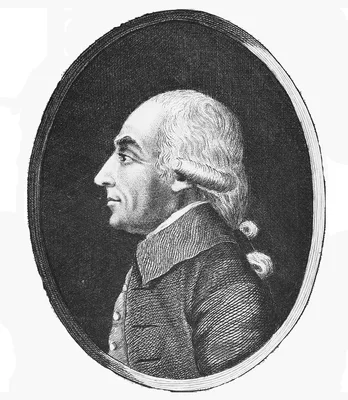
Black analyzed the London bills of mortality from 1701-1776. His work was the only study to provide a numerical account of insanity, a disease on people's minds because of George III's illness.
1789 CE
#10387
An essay on the preservation of the health of persons employed in agriculture, and on the cure of the diseases incident to that way of life.
Digital facsimile from Google Books at this link.
1789 CE
#11957
Hortus kewensis; or, a catalogue of the plants cultivated in the Royal Botanic Garden at Kew
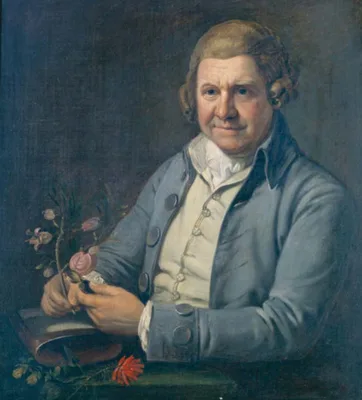
Digital facsimile from the Hathi Trust at this link.
1790 CE
#7657
A companion to the museum, (Late Sir Ashton Lever's) removed to Albion Street, the Surry end of Black Friar's Bridge.
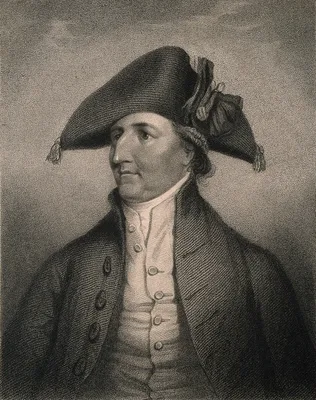
A room by room, case by case guide to Lever's celebrated museum of natural history and ethnography, authorshop of which is unidentified. Digital facsimile from Google Books at this link.
1790 CE
#13699
Culpeper's English physician; and complete herbal. To which are now first added upwards of one hundred additional herbs, with a display of their medicinal and occult properties, physically applied to the cure of all disorders incident to mankind. To which are annexed rules for compounding medicine according to the true system of nature, forming a complete family dispensatory and natural system of physic. Beautified and enriched with engravings of upwards of four hundred and fifty different plants, and a set of anatomical figures....
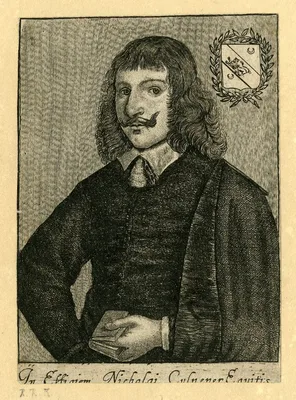
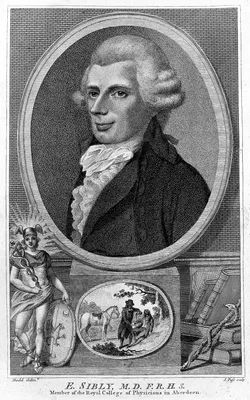
Digital facsimile from Biodiversity Heritage Library at this link.
1790 CE
#10002
Essays on fashionable diseases. The dangerous effects of hot and crouded rooms. The cloathing of invalids. Lady and gentlemen doctors. And on quacks and quackery. With the genuine patent prescriptions of Dr. James's fever power, Tickell's aetherial spirit, & Godbold's balsam, taken from the Rolls in Chancery, and under the seal of the proper officers; and also the ingredients and compostion of many of the most celebrated quack nostrums, as analized by several of the best chemists in Europe. By James M. Adair, Formerly M.D.... With a dedication to Philip Thicknesse ... To which is added a dramatic dialogue. Published for the benefit of the tin-miners in Cornwal
An attack on quack medicines, etc. with one of the most verbose title pages of the 18th century. Digital facsimile from the Internet Archive at this link.
1790 CE
#7366
Journal of a voyage to New South Wales with sixty five plates of non descript. animals, birds, lizards, serpents, curious cones of trees and other natural productions
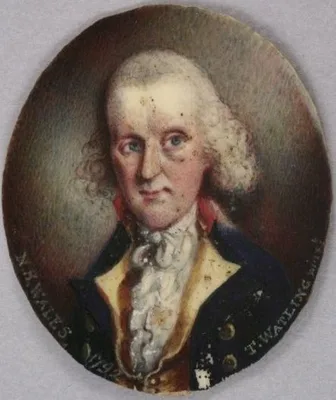
This work described many Australian species for the first time. It includes natural history illustrations after watercolor paintings by Sarah Stone. Digital facsimile from Biodiversity Heritage Library at this link
1790 CE
#7329
The anatomical instructor; or, an illustration of the modern and most approved methods of preparing and preserving the different parts of the human body, and of quadrupeds, by injection, corrosion, maceration, distention, articulation, modelling, &c.
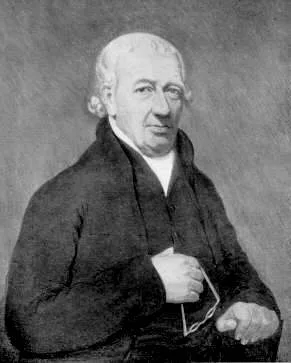
The first monograph on the preparation of anatomical specimens for museums, from various parts of the human body. Includes a method for injecting colored solutions to show the blood vessels of the head, and a method f…
1790 CE–1794 CE
#1838.1
Medical botany, containing systematic and general descriptions, with plates, of all the medicinal plants, indigenous and exotic, comprehended in the catalogues of the materia medica, as published by the Royal Colleges of Physicians of London and Edinburgh: Accompanied with a circumstantial detail of their medicinal effects, and of the diseases in which they have been most successfully employed. 3 vols. & Supplement.
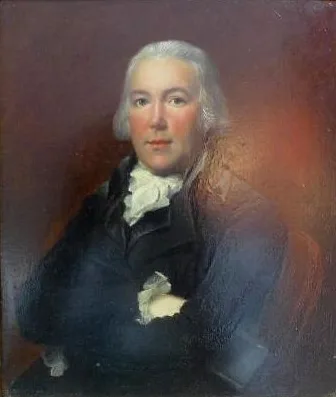
Issued in numbers from 1790-1795, this is the first edition in book form. This work, which underwent several later editions, remained the standard work on the plants of the British pharmacopoeia until the 1880s. Digit…
1790 CE–1814 CE
#13642
English botany; or, coloured figures of British plants, with their essential characters, synonyms, and places of growth. To which will be added, occasional remarks. 36 vols.
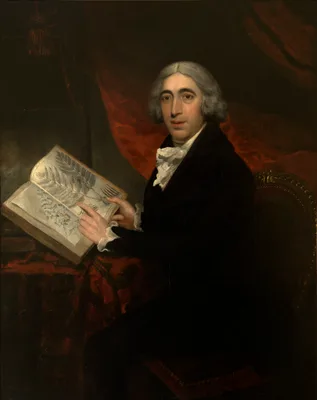
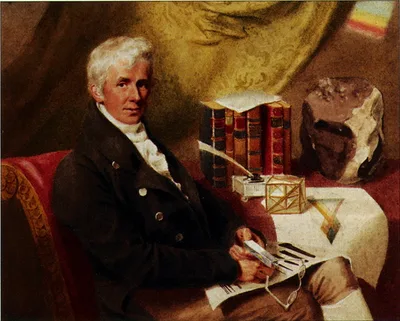
Issued in parts. Images by Sowerby; text by Sir James Edward Smith. Only Sowerby is credited on the title page. Includes 2,592 hand-colored plates of British plants. "Buyers of this work today must exercise extreme ca…
1791 CE
#9522
A treatise of the plague: Containing an historical journal, and medical account, of the plague, at Aleppo, in the years 1760, 1761, and 1762.
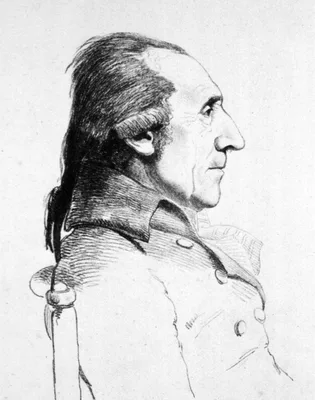
Digital facsimile from the Internet Archive at this link.
1791 CE
#10111
A treatise on the fevers of Jamaica, with some observations on the intermitting fever of America, and an appendix containing some hints on the means of preserving the health of soldiers in hot climates.
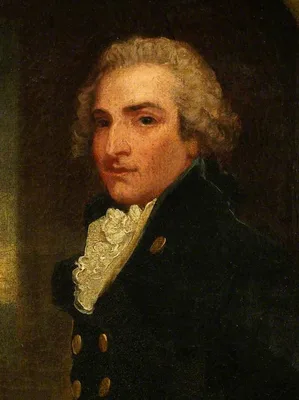
Digital facsimile from the Internet Archive at this link.
1791 CE
#12825
Icones selectæ plantarum, quas in Japonia collegit et delineavit; Engelbertus Kaempfer; ex archetypis in Museo Britannico asservatis. Edited by Sir Joseph Banks.
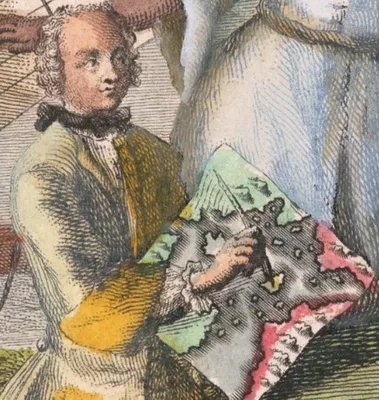
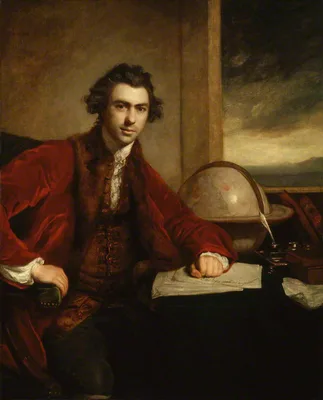
Sir Joseph Banks was responsible for publishing most of Kaempfer's studies of Japanese plants, which had remained unpublished for more than 70 years. This work introduced many Japanese plants to Western botanists. Dig…
1792 CE
#13055
Catalogus librorum in bibliotheca Societatis medicae Edinburgenae, secundum auctorum nomina dispositus.
Digital facsimile from wellcomecollection.org at this link. Later editions, 1799, 1804, 1812.
1792 CE
#3984
Dermato-pathologia; or practical observations, from some new thoughts on the pathology and proximate cause of diseases of the true skin.
An attempt to classify skin diseases upon the basis of their pathology.
1792 CE
#13816
The animal kingdom, or zoological system, of the celebrated Sir Charles Linnæus. containing a complete systematic description, arrangement, and nomenclature, of all the known species and varieties of the mammalia, or animals which give suck to their young; Class I Mammalia. Being a translation of that part of the Systema naturae, as lately published, with great improvements, by Professor Gmelin of Goettingen. Together with numerous additions from more recent zoological writers, and illustrated with copperplates.
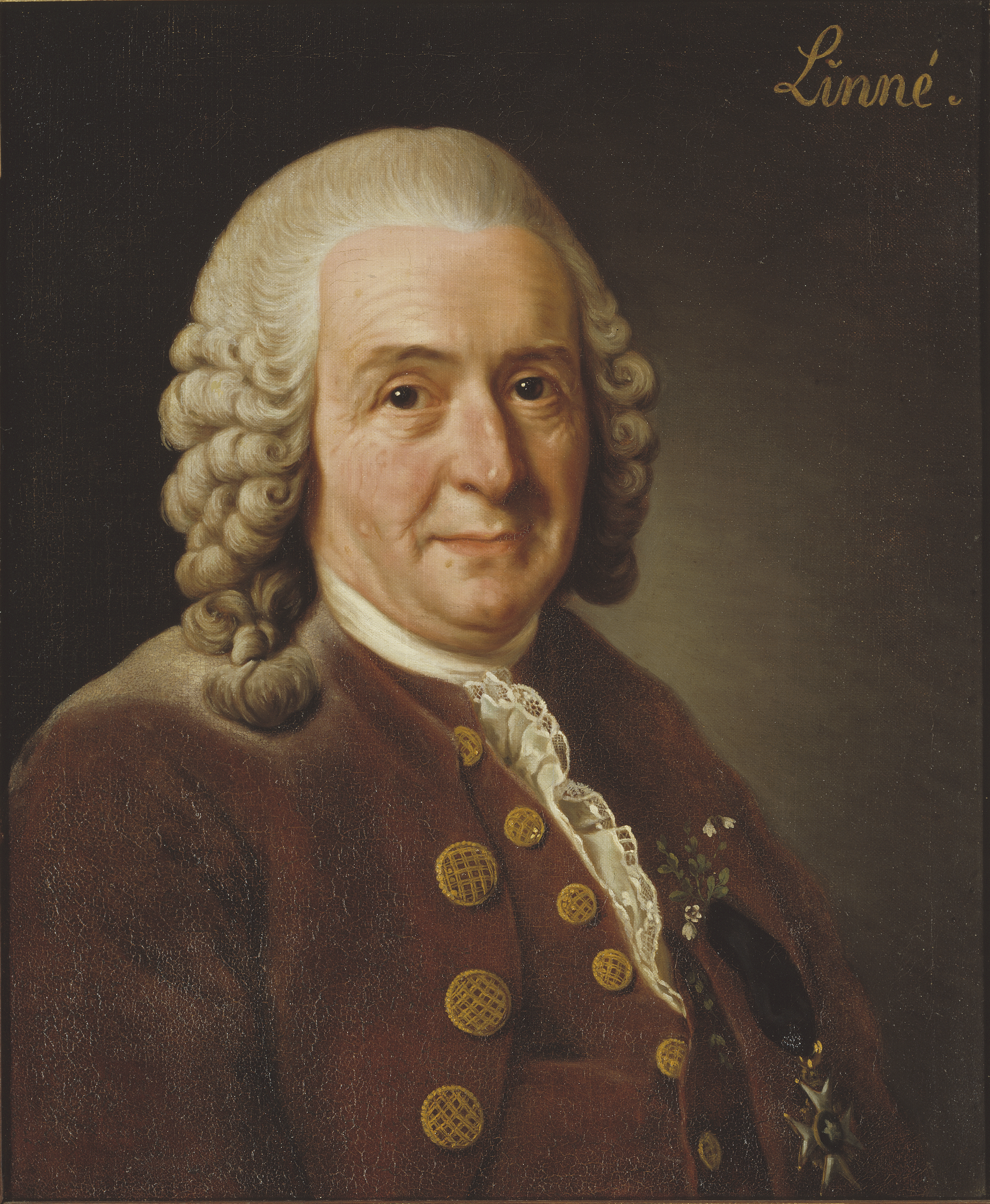
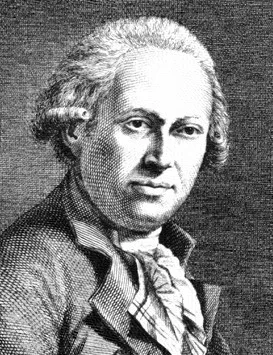
English translation of parts 1 and 2 of the 13th edition of Linnaeus's Systema naturae (1788-1793) edited by Johann Friedrich Gmelin. Digital facsimile from Biodiversity Heritage Library at this link.
1792 CE–1813 CE
#9087
The natural history of British insects; explaining them in their several states, with the periods of their transformations, their food, oeconomy, &c. Together with the history of such minute insects as require investigation by the microscope. The whole illustrated by coloured figures, designed and executed from living specimens. 16 vols.
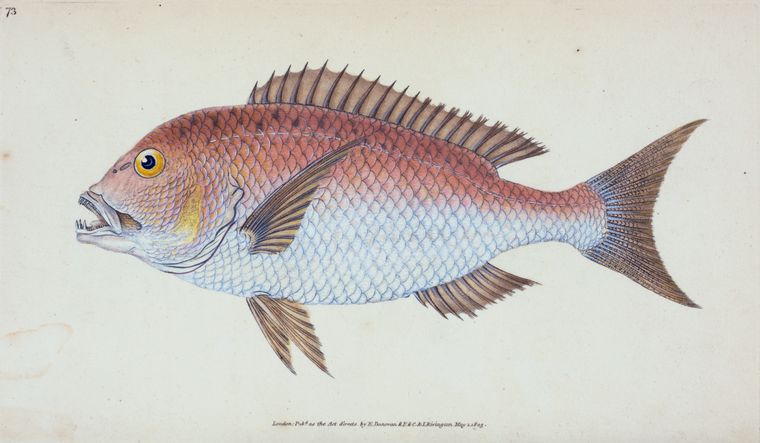
Includes a total of 576 plates, of which 568 were colored.
1793 CE
#13872
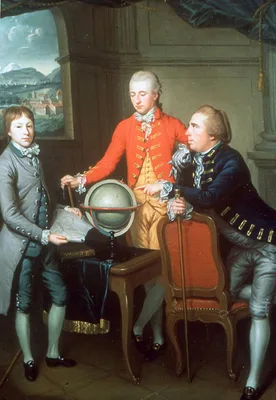
A journal during a residence in France, from the beginning of August, to the middle of December, 1792. To which is added, an account of the most remarkable events that happened at Paris from that time to the death of the late king of France.
1793 CE
#13619
A paper on the prevention and treatment of the disorders of the seamen and soldiers in Bengal. Presented to the Honourable Court of East-India Directors, in the year 1791.
Murray was in the Bengal Medical Service from 1782 to 1802. This was his report to the Directors of the East-India Company. Digital facsimile from the Internet Archive at this link.