
Facets
Browse across eight MeSH (opens in new tab) facets — era, geography, science, specialty, technology, history, culture, and reference. Select one tag per group; counts update across the others.
Clear filtersFacet filters
Geography
Specialties & Disease
- Anatomy & Pathology 5
- Cardiology & Blood 1
- Neurology & Psychiatry 1
- Obstetrics & Reproductive 2
- Infectious Disease (General) 0
- Surgery & Anesthesia 0
- Public Health 10
- Immunology & Dermatology 7
- General Clinical Medicine 8
- Military Medicine 1
- Psychology 1
- Alternative & Fringe Medicine 5
- Pediatrics 0
- Ophthalmology & Vision 0
- ENT & Hearing 0
- Urology & Nephrology 0
- Gastroenterology & Hepatology 1
- Pulmonary & Respiratory 0
- Rheumatology, Rehab & Pain 0
- Internal, Emergency & Geriatric 1
- Veterinary Medicine 0
- Epidemiology & Demography 0
- Physiology & Embryology 49
- Dentistry 10
- Plagues & Epidemics 1
- Microbiology & Virology 10
Social & Historical Studies
Institutions & Culture
Reference & Scholarly Works
Drugs & Technology
49 entries match Physiology & Embryology [G07 / G02.149] · Professions & Education [M01 / N02] · Zoology & Animal Sciences [K01.900.500.750]
1974 CE
#9942
The DNA of CAENORHABDITIS ELEGANS.
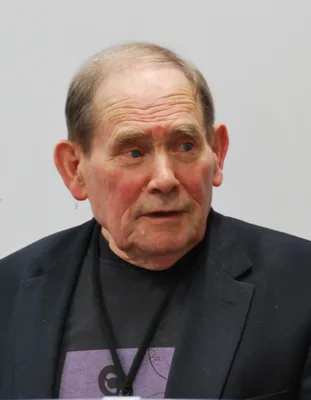
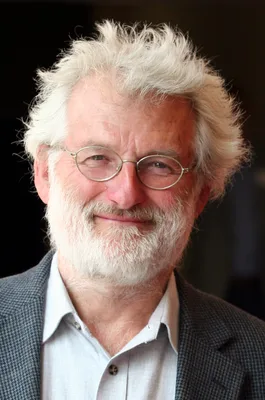
Digital facsimile from PubMedCentral at this link.
1994 CE
#14261
Ultrastructural analysis of the autophagic process in yeast: detection of autophagosomes and their characterization.
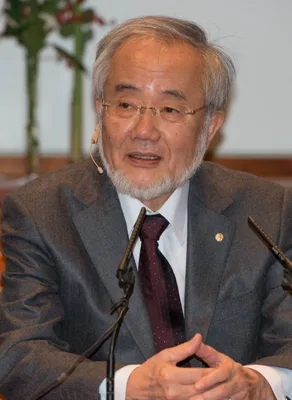
Order of authorship in the original publication: Baba, M., Takeshige, Baba, N., Ohsumi. In 2016 Oshuni received the Nobel Prize in Physiology or Medicine "for his discoveries of mechanisms for autophagy."
1966 CE
#14064
"Fertile" intestine nuclei.
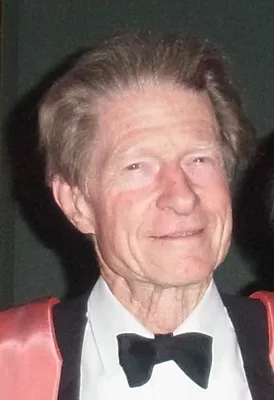
Gurdon and Uehlinger replaced the cell nucleus of frog ova with frog intestinal nuclei to generate tadpoles, some of which became fertile adult male and female frogs. In 2012 the Nobel Prize in Physiology or Medicine …
1999 CE
#14262
A pdf Neuropeptide gene mutation and ablation of PDF neurons each cause severe abnormalities of behavioral circadian rhythms in Drosophila.
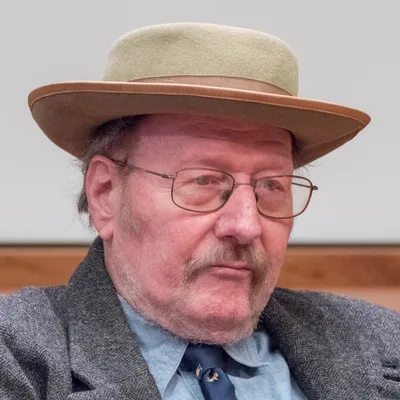

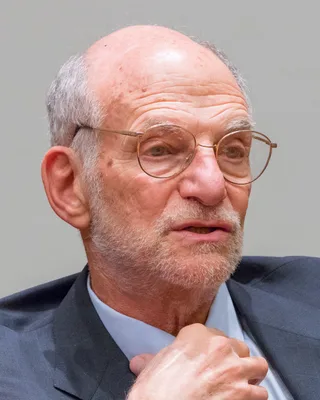
In 2017 Hall shared the Nobel Prize in Physiology or Medicine with Michael Rosbash and Michael W. Young “for their discoveries of molecular mechanisms controlling the circadian rhythm.” Order of authorship…
1970 CE
#6889
A restriction endonuclease from Hemophilus influenzae. II. Base sequence of the recognition site.
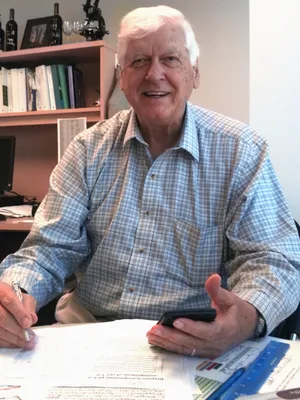
Discovery of the first type II restriction enzyme (HindII). Smith shared the 1978 Nobel Prize in Physiology or Medicine with Werner Arber and Daniel Nathans "for the discovery of restriction enzymes and their applicat…
1955 CE
#13685
A small particulate component of the cytoplasm.
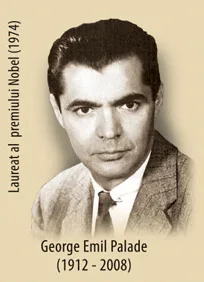
Palade first described the association of what were subsequently determined to ribosomes with membranes. He and Keith Porter subsequently named this structure the endoplasmic reticulum. Digital facsimile from PubMedCe…
1977 CE
#11043
An amazing sequence arrangement at the 5' ends of adenovirus 2 messenger RNA.
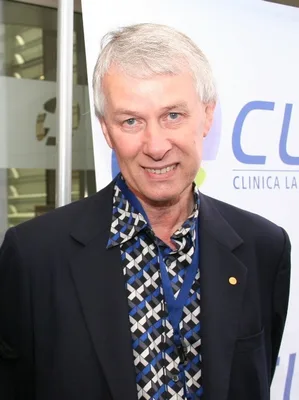
Discovery of introns. In 1993 Roberts shared the Nobel Prize in Physiology or Medicine with Phillip A. Sharp "for their discoveries of split genes." It was frequently suggested that Chow deserved a share of that prize…
1927 CE
#251.1
Artificial transmutation of the gene.
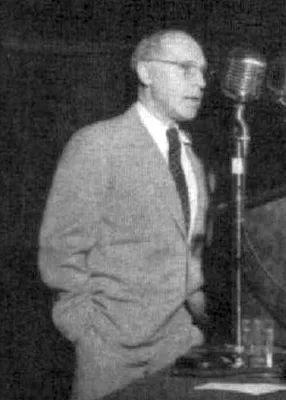
Muller showed that radiation causes mutations that are passed on from one generation to the next. This was the first suggestion that inherited traits might be altered or controlled, and it created a sensation: “…
2005 CE
#14257
Autonomous function of synaptotagmin 1 in triggering synchronous release independent of asynchronous release.
Südhof is credited with discovering much of the machinery mediating neurotransmitter release and presynaptic plasticity, beginning with the discovery of symaptotagmins and their role in neurostrasmitter release f…
1961 CE
#256.11
Characteristics and stabilization of DNAase-sensitive protein synthesis in E. coli extracts.
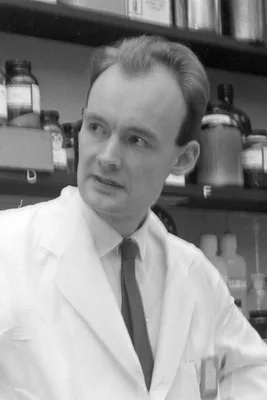
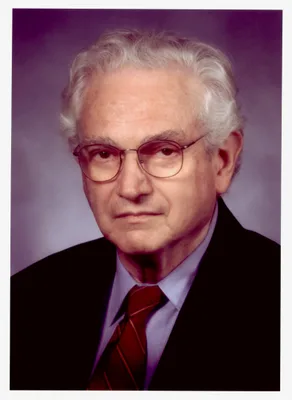
With Matthaei, Nirenberg demonstrated that messenger RNA is required for protein synthesis, and that synthetic messenger RNA preparations can be used to decipher various aspects of the genetic code. Nirenberg first re…
1983 CE
#14254
Cyclin: A protein specified by maternal mRNA in sea urchin eggs that is destroyed at each cleavage division.
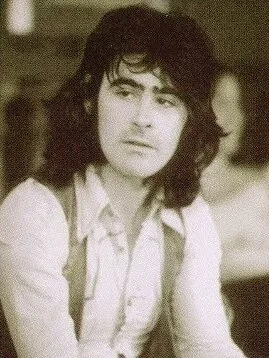
"It was at Woods Hole around July 1982, using Arbacia sea urchin eggs as his model organism, that he discovered cyclin proteins.[12] Cyclins play a key role in regulating the cell-division cycle.[16] Hunt was observin…
1946 CE
#14138
Die Tänze der Bienen.
Von Frisch discovered the waggle dance, a particular figure-eight dance of honey bees by which successful foragers can communicate information with other members of their colony about the direction and distance to pat…
1976 CE
#2660.28
DNA related to the transforming gene(s) of avian sarcoma viruses is present in normal avian DNA.
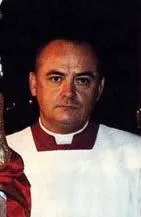
Discovery of the first “oncogene. In 1989 Varmus and Bishop shared the Nobel Prize for in Physiology or Medicine "for their discovery of the cellular origin of retroviral oncogenes."
1956 CE
#752.4
Enzymic synthesis of deoxyribonucleic acid.
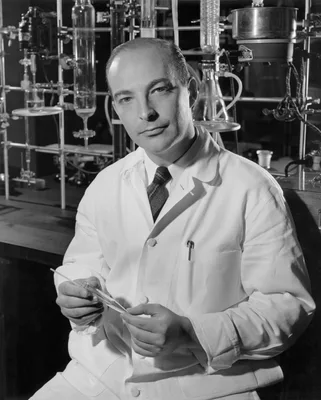
In 1959 Kornberg shared the Nobel Prize in Physiology or Medicine with Severo Ochoa "for their discovery of the mechanisms in the biological synthesis of ribonucleic acid and deoxyribonucleic acid." Order of authorshi…
1981 CE
#13285
Establishment in culture of pluripotential cells from mouse embryos.
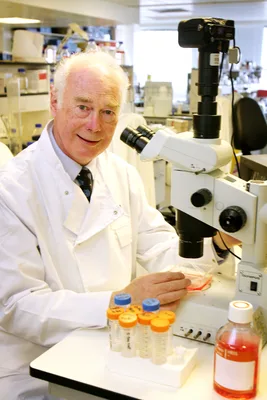
Evans and Kauffman were the first to identify, isolate and successfully culture embryonic stem cells using mouse blastocysts. This discovery opened the doors to the creation of “murine genetic models” -- m…
1959 CE
#14141
Factors affecting the activity of muscle phosphorylase b kinase.
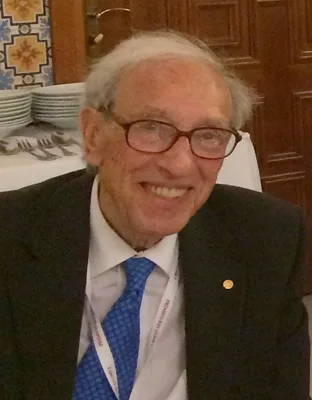
In 1992 Krebs and Fischer were awarded the Nobel Prize in Physiology or Medicine "for their discoveries concerning reversible protein phosphorylation as a biological regulatory mechanism." Digital facsimile from PubMe…
1975 CE
#2660.27
From the molecular biology of oncogenic DNA viruses to cancer. Les Prix Nobel en 1975, pp. 172-80.
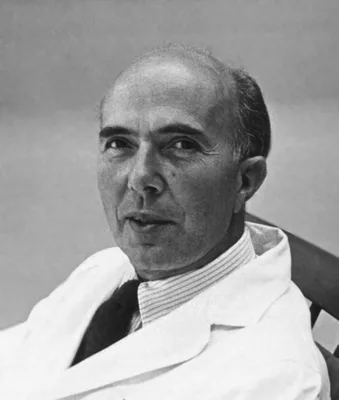
In 1975 Dulbecco shared the Nobel Prize in Physiology or Medicine with David Baltimore and Howard Martin Temin "for their discoveries concerning the interaction between tumour viruses and the genetic material of the c…
1941 CE
#254.3
Genetic control of biochemical reactions in Neurospora.
Beadle and Tatum proposed the "one gene, one enzyme" hypothesis in 1941. This was a restatement of ideas originally proposed by Archibald Garrod (No. 244.1) in 1908. 1958 Beadle and Tatum shared the Nobel Prize in Phy…
1976 CE
#14253
Genetic control of the cell division cycle in the fission yeast Schizosaccharomyces pombe.
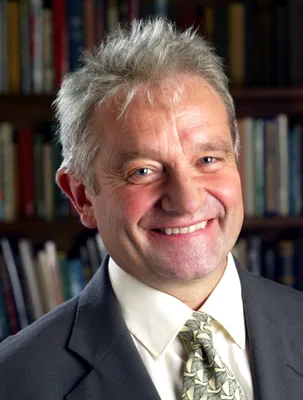
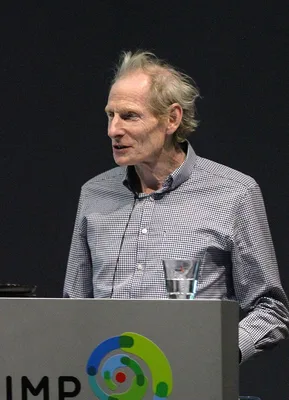
"Beginning in 1976, Nurse identified the gene cdc2 in fission yeast (Schizosaccharomyces pombe). This gene controls the progression of the cell cycle from G1 phase to S phase and the transition from G2 phase to mitosi…
1974 CE
#13934
Genetic control of the cell division cycle in yeast.
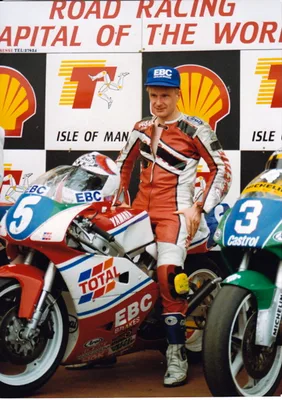
In 2001 Hartwell shared the Nobel Prize in Physiology or Medicine with Tim Hunt and Sir Paul M. Nurse "for their discoveries of key regulators of the cell cycle." See also No. 13933. In this paper the authors demonstr…
1949 CE
#2526.1
Genetic recombinations leading to production of active bacteriophage from ultraviolet inactivated bacteriophage particles.
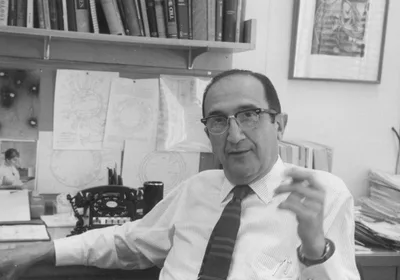
In 1969 Luria shared the Nobel Prize in Physiology or Medicine in with Delbrück (No. 2578.5) and A. D. Hershey (No. 256) "for their discoveries concerning the replication mechanism and the genetic structure of vi…
1961 CE
#256.9
Genetic regulatory mechanisms in the synthesis of proteins.
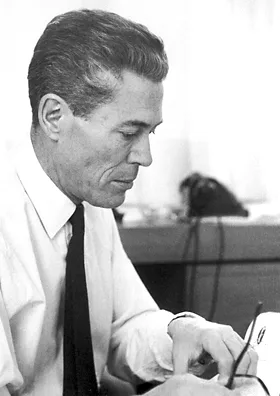
In 1965 Jacob, Monod, and André Lwoff shared the Nobel Prize in Physiology or Medicine "for their discoveries concerning genetic control of enzyme and virus synthesis."
1953 CE
#256.4
Helical structure of crystalline deoxypentose nucleic acid.
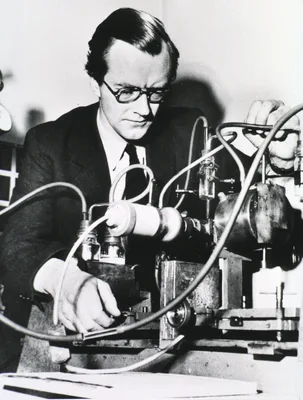
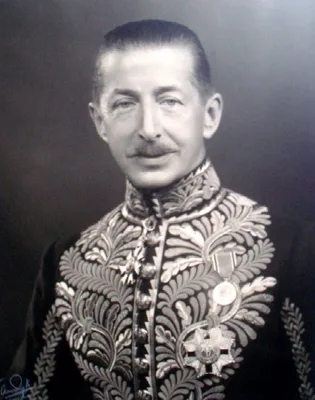
In 1962 Wilkins shared the Nobel Prize in Physiology or Medicine with Crick and Watson "for their discoveries concerning the molecular structure of nucleic acids and its significance for information transfer in living…
1590 CE
#2244
Historia natural y moral de las Indias.
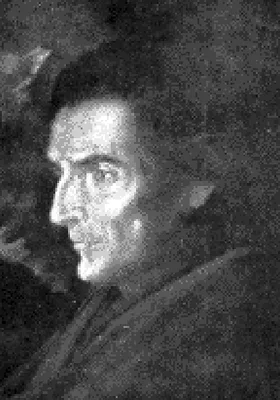
One of the earliest detailed and realistic descriptions of the New World. Acosta hypothesized that the indigenous peoples of Latin America had migrated from Asia. He also divided the native peoples into three barbaria…
1973 CE
#11074
Identification of a novel cell type in peripheral lymphoid organs in mice. I. Morphology, quantitation, tissue distribution.
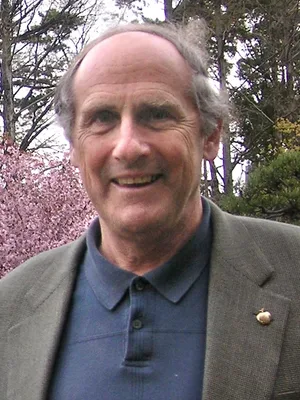
Order of authorship in the original publication: Steinman, Cohn. In this paper Steinman announced his discovery of the dendritic cell. Digital facsimile from PubMedCentral at this link. In 2011 Steinman received half …
1985 CE
#8388
Identification of a specific telomere terminal transferase activity in Tetrahymena extracts.
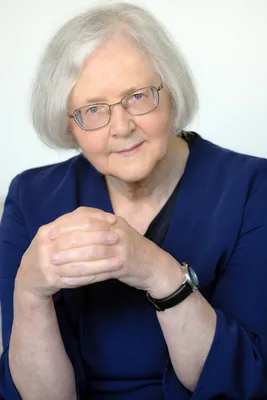
Blackburn and Grieder discovered telomerase in the ciliate Tetrahymena. In 2009 Blackburn and Grieder shared the Nobel Prize in Physiology or Medicine with Jack W. Szostak "for the discovery of how chromosomes are pro…
1952 CE
#256
Independent functions of viral protein and nucleic acid in growth of bacteriophage.
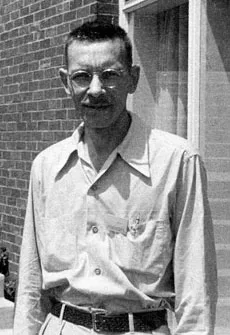
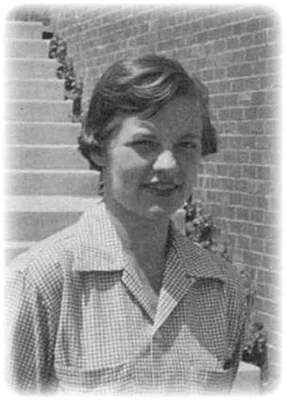
DNA shown to be the carrier of genetic information in virus reproduction. In 1969 Hershey shared the Nobel Prize in Physiology or Medicine with S. E. Luria and M. Delbrück for "for their discoveries concerning th…
1946 CE
#2578.5
Induced mutations in bacterial viruses.
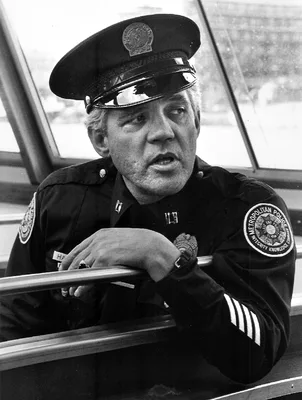
Genetic recombination in bacteriophages. In 1969 Delbrück shared the Nobel Prize with A. D. Hershey and S. E. Luria "for their discoveries concerning the replication mechanism and the genetic structure of viruses."
2006 CE
#13287
Induction of pluripotent stem cells from mouse embryonic and adult fibroblast cultures by defined factors.
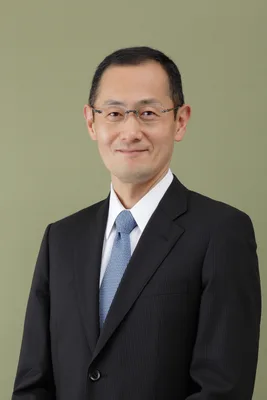
Takahashi and Yamanaka reprogrammed mice fibroblast cells, which can produce only other fibroblast cells, to become pluripotent stem cells, which have the capacity to produce many different types of cells. This they a…
1984 CE
#14263
Molecular analysis of the period locus in Drosophila malanogaster and identification of a transcript involved in biological rhythms.
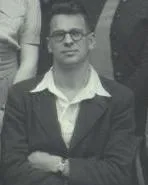
Rosbach and colleagues, including Jeffrey C. Hall, sequenced the Drosophila period gene in 1984. Full text available from cell.com at this link. Order of authorship in the original publication: Reddy, Zehring, Wheeler…
1953 CE
#256.3
Molecular structure of nucleic acids. A structure for deoxyribose nucleic acid.
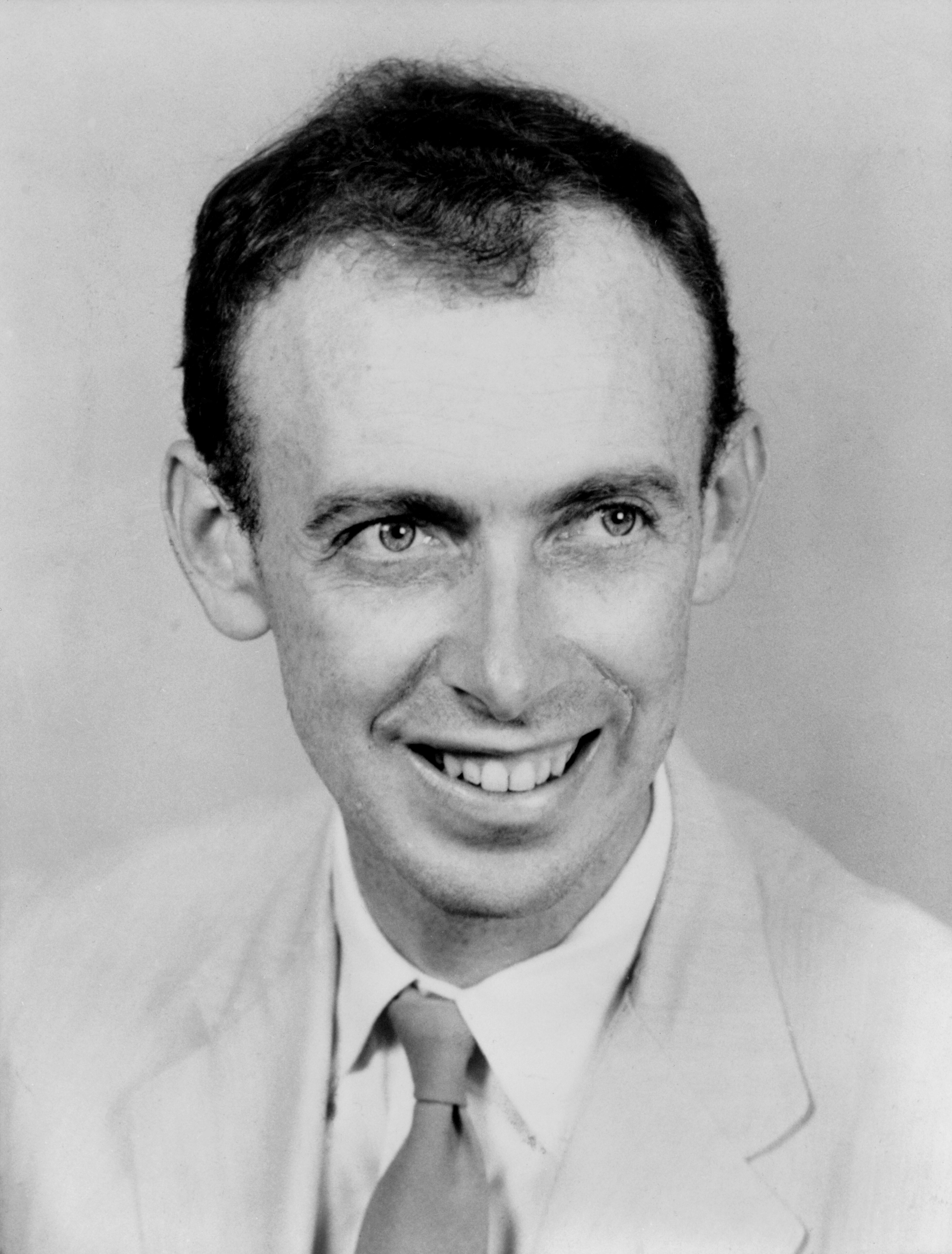
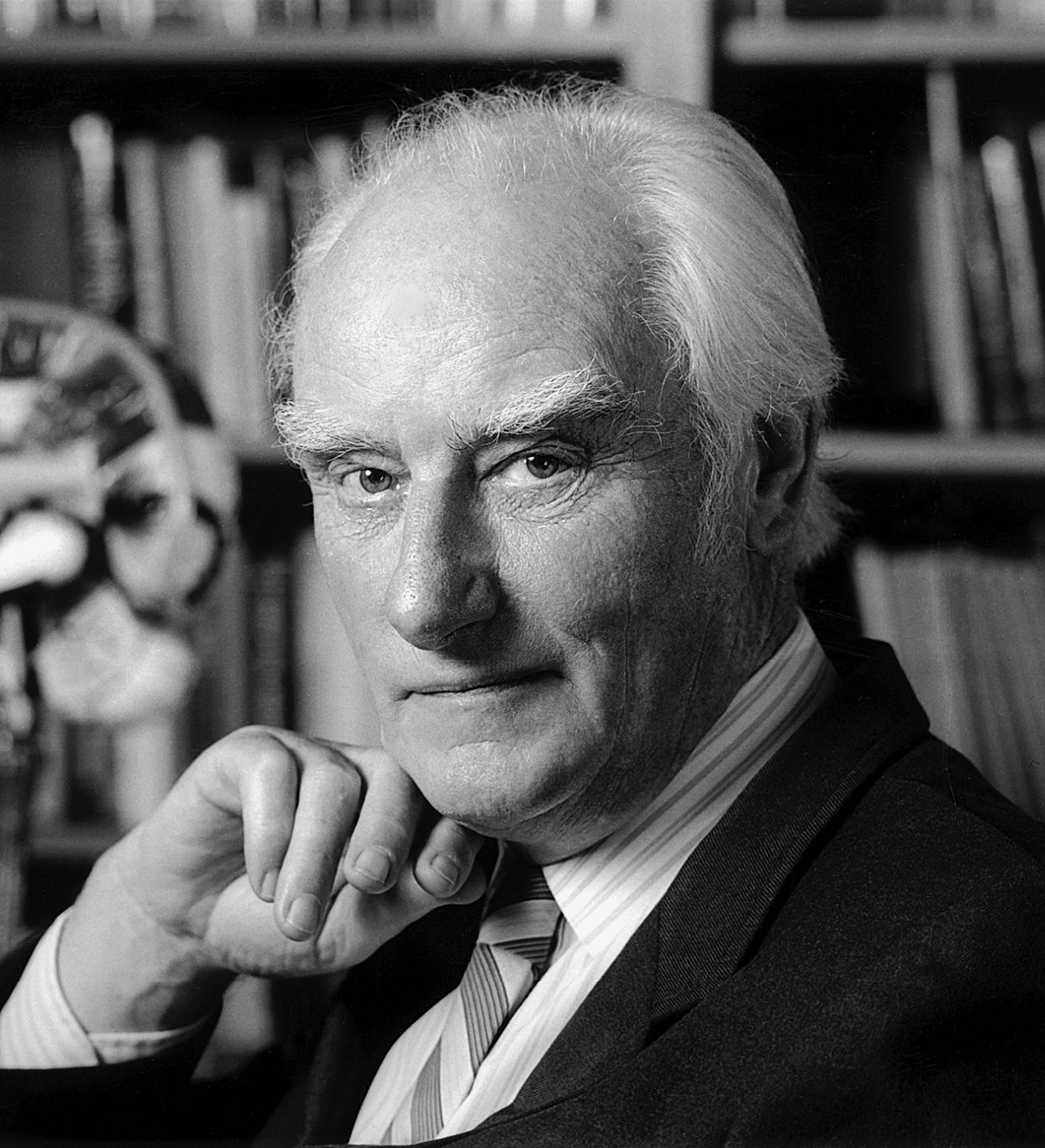
Watson and Crick shared the Nobel Prize with M. H. F. Wilkins (No. 256.4) "for their discoveries concerning the molecular structure of nucleic acids and its significance for information transfer in living material." L…
1993 CE
#14301
Posttranscriptional regulation of the heterochronic gene lin-14 by lin-4 mediates temporal pattern formation in C. elegans.
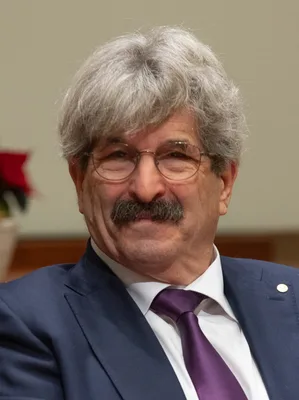

The authors cloned and generated the sequence of the lin-14 gene. They discovered that a segment in lin-14 mRNA (messenger RNA), was necessary for its inhibition by lin-4. Ruvkun and Ambros (No. 14010) then compared r…
1998 CE
#13957
Potent and specific genetic interference by double-stranded RNA in Caenorhabditis elegans.
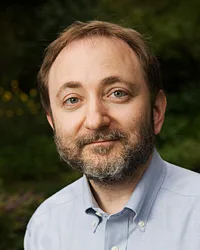
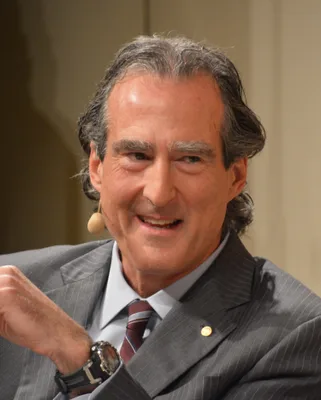
The authors reported that tiny snippets of double-stranded RNA (dsRNA) effectively shut down specific genes, driving the destruction of messenger RNA (mRNA) with sequences matching the dsRNA. As a result, the mRNA can…
1977 CE
#14143
Resolution of some components of adenylate cyclase necessary for catalytic activity.
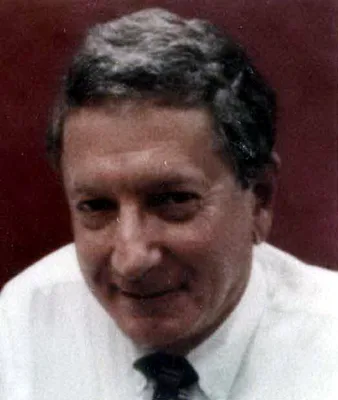
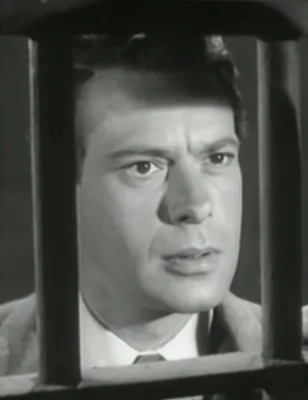
Goodman shared the 1994 Nobel Prize in Physiology or Medicine with Martin Rodbell "for their discovery of G-proteins and the role of these proteins in signal transduction in cells." In this paper Goodman and Ross show…
1984 CE
#14265
Restoration of circadian behavioral rhythms by gene transfer in Drosophila.
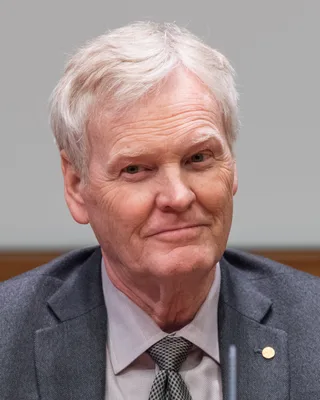
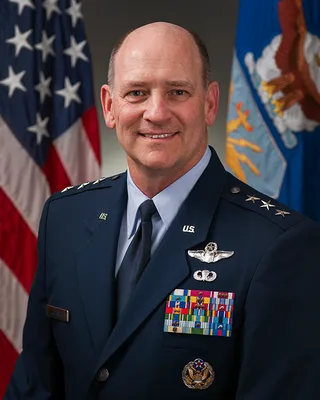
"At The Rockefeller University in the early 1980s, Young and his two lab members, Ted Bargiello and Rob Jackson, further investigated the circadian period gene in Drosophila. They constructed segments of recombinant D…
1970 CE
#2660.23
RNA-dependent DNA polymerase in virions of Rous sarcoma virus.
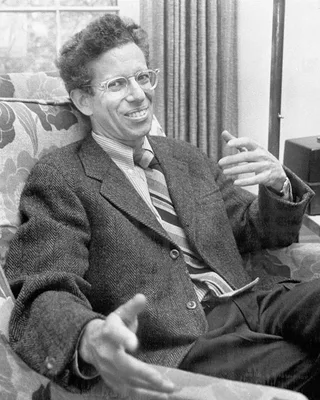
Discovery of reverse transcriptase. "In 1969, Temin and a postdoctoral fellow, Satoshi Mizutani, began searching for the enzyme that was responsible for the phenomenon of viral RNA being transferred into proviral DNA.…
1971 CE
#6890
Specific cleavage of simian virus 40 DNA by restriction endonuclease of Hemophilus influenzae.
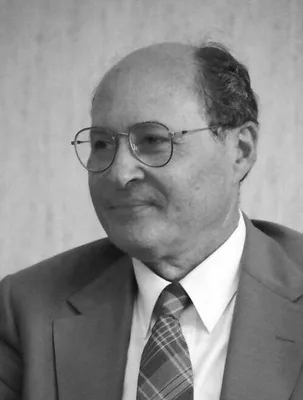
Nathans showed that the restriction enzyme discovered by Hamilton Smith cleaved SV40 DNA into 11 specific pieces. Nathans and his student Kathleen Danna wrote: "The availability of pieces of SV40 DNA from specific sit…
1977 CE
#11044
Spliced segments at the 5' terminus of adenovirus 2 late mRNA.

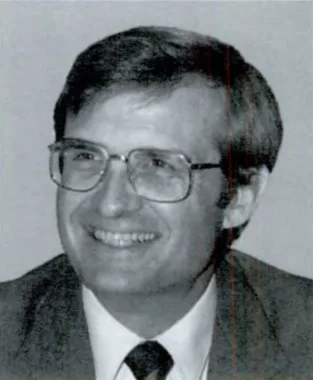
Discovery of introns simultaneously with Roberts, Chow, Broker (No. 11043). Sharp's electron microscopist, Berget, visualized the introns in the electron microscope. James D. Watson took note of the profound significa…
1965 CE
#257.2
Structure of a ribonucleic acid.
The complete sequence of an alanine transfer RNA determined – the first nucleic acid structure to be determined. With seven co-authors. In 1968 Holley shared the Nobel Prize in Physiology or Medicine with Har Go…
1958 CE
#752.6
Studies on polynucleotides. I. A new and general method for the chemical synthesis of the C5'-C3' intemucleotide linkage. Synthesis of deoxyribo-dinucleotides.
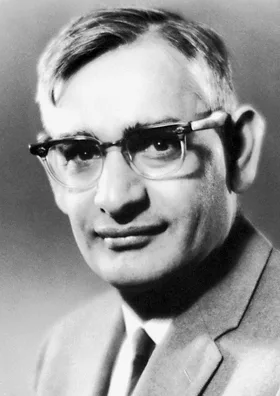
In 1968 Khorana shared the Nobel Prize in Physiology or Medicine with R. W. Holley and M. W. Nirenberg "for their interpretation of the genetic code and its function in protein synthesis." H. G. Khorana, T. M. Jacob, …
2005 CE
#13622
Suppression of RNA recognition by toll-like receptors: The impact of nucleoside modification and the evolutionary origin of RNA.
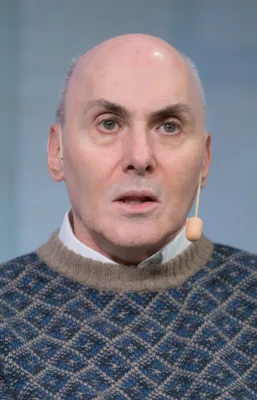
Karikó and Weissman discovered the nucleoside modifications that suppress the immungenicity of RNA, leading to their patents for the application of non-immunogenic, nucleoside-modified RNA (modRNA). This techno…
1993 CE
#14010
The C. elegans heterochronic gene lin-4 encodes small RNAs with antisense complementarity to lin-14.
Ambros and colleagues discovered the first known microRNA (miRNA), a small single-stranded non-coding RNA molecule (containing about 22 nucleotides) found in plants, animals and some viruses, that functions in RNA sil…
2014 CE
#7289
The complete genome sequence of a Neanderthal from the Altai Mountains.
First complete sequence of a Neanderthal genome. With more than 20 co-authors. In 2022 Pääbo was awarded the Nobel Prize in Physiology or Medicine "for his discoveries concerning the genomes of extinct homin…
1974 CE
#9941
The genetics of CAENORHABDITIS ELEGANS.
In 2002 Brenner shared the Nobel Prize in Physiology or Medicine in Physiology or Medicine with H. Robert Horvitz and John Sulston "for their discoveries concerning genetic regulation of organ development and programm…
1980 CE
#14256
The identification of 23 complementation groups required for post-translational events in the yeast secretory pathway.
See also: Novick, P., Ferro, S. and Schekman, R. "Order of events in the yeast secretory pathway," Cell, 25, 1981, 461-469. In 1979 Schekman devised a genetic selection for temperature-conditional secretion-defective …
1975 CE
#14249
Transfer of proteins across membranes. I. Presence of proteolytically processed and unprocessed nascent immunoglobulin light chains on membrane-bound ribosomes of murine myeloma. II. Reconstitution of functional rough microsomes from heterologous components.
"In 1975 Günther Blobel showed that in certain cases amino acids in a protein serve as an address label that determines where a protein is to be delivered. Amino acid sequences determine whether a protein is to b…
1980 CE
#14255
Transport of vesicular stomatitis virus glycoprotein in a cell-free extract.
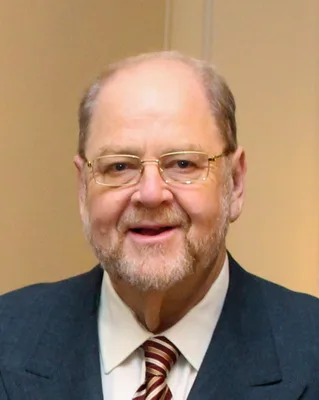
See also: Fries & Rothman, "Transitent activity of Golgi-like membranes as donors of vescular stomatitis viral glycoprotein in vitro," J. Cell. Biol., 90, 1981, 697-704. "Rothman's research[15] details how vesicles&md…
1970 CE
#2660.22
Viral RNA-dependent DNA polymerase: RNA-dependent DNA polymerase in virions of RNA tumour viruses.
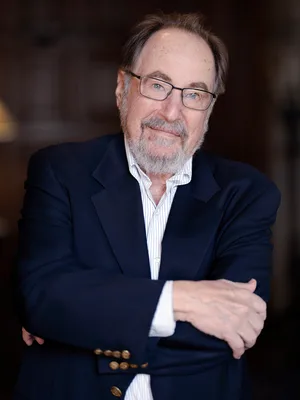
In 1970 Baltimore and Temin discovered that certain viruses that have their genes in the form of RNA can copy the RNA "backward" into DNA in infected cells. The enyzme, reverse transcriptase, enables the manufacture o…
1882 CE–1883 CE
#702
Zur Chemie des Zellkerns.
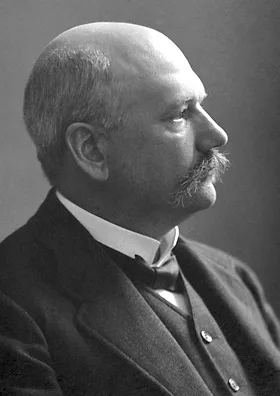
Among the many important contributions of Kossel was his study of the chemistry of the cell and cell-nucleus. Kossel correctly concluded that the function of nuclein is neither to act as a storage substance nor to fur…