
Facets
Browse across eight MeSH (opens in new tab) facets — era, geography, science, specialty, technology, history, culture, and reference. Select one tag per group; counts update across the others.
Clear filtersFacet filters
Geography
Specialties & Disease
- Anatomy & Pathology 134
- Cardiology & Blood 11
- Neurology & Psychiatry 36
- Obstetrics & Reproductive 26
- Infectious Disease (General) 5
- Surgery & Anesthesia 14
- Public Health 129
- Immunology & Dermatology 38
- General Clinical Medicine 28
- Military Medicine 11
- Psychology 16
- Alternative & Fringe Medicine 17
- Pediatrics 5
- Ophthalmology & Vision 2
- ENT & Hearing 3
- Urology & Nephrology 4
- Gastroenterology & Hepatology 4
- Pulmonary & Respiratory 3
- Rheumatology, Rehab & Pain 0
- Internal, Emergency & Geriatric 7
- Veterinary Medicine 11
- Epidemiology & Demography 12
- Physiology & Embryology 94
- Dentistry 10
- Plagues & Epidemics 44
- Microbiology & Virology 92
Social & Historical Studies
Institutions & Culture
Reference & Scholarly Works
Drugs & Technology
134 entries match Anatomy & Pathology [G02.149 / C23] · Zoology & Animal Sciences [K01.900.500.750]
1863 CE
#165
Evidence as to man’s place in nature.
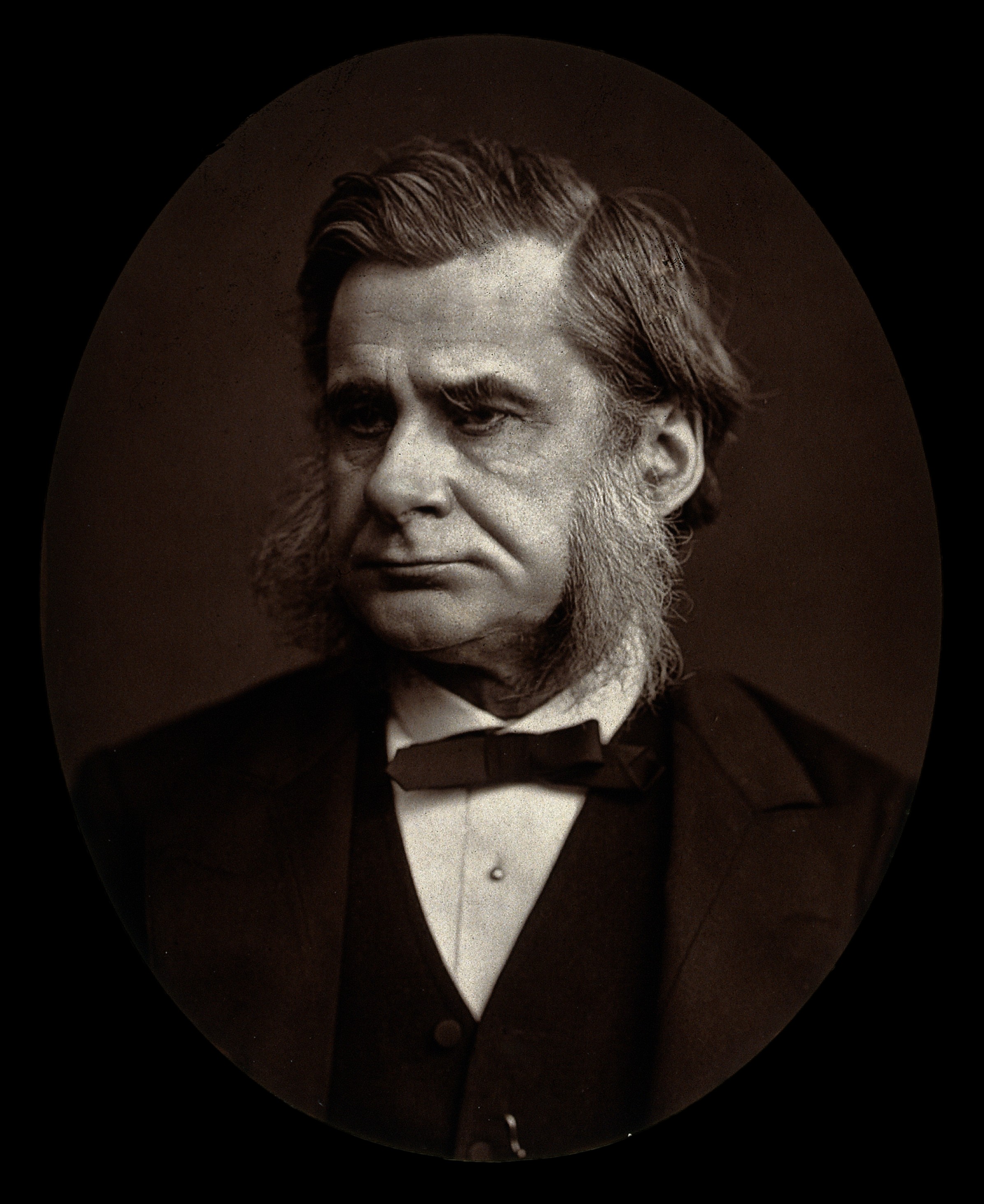
Huxley showed that in the visible characters man differs less from the higher apes than do the latter from lower members of the same order of primates. He also provided the first thorough and detailed comparative desc…
1493 CE–1494 CE
#363.1
Fascicolo di medicina. Tr: Sebastianus Manilius. Add: Petrus de Tussignano: Consilium pro peste evitanda. Mundinus: Anatomia (Ed: Petrus Andreas Morsianus).
This Italian translation contains an entirely new and more extensive series of woodcuts and additional text. The dramatically improved and more realistic illustrations, which were reproduced in the numerous later edit…
2001 CE
#7654
Five hundred years of medicine in art: An illustrated catalogue of prints and drawings from the Clements C. Fry collection in the Harvey Cushing / John Hay Whitney Medical Library.
2022 CE
#13917
Flesh and bones: The art of anatomy. By Monique Kornell. With contributions by Thisbe Gensler, Naoko Takahatake, Erin Travers.
Chapters by Monique Kornell are: 1. The Illustration of Anatomy, 2. The Living Dead: Animated Anatomy, 3. Arts and Anatomy Books, 4. Anatomy and the Antique, 5. "As Large as Nature": Life Size Anatomical Illustration,…
1992 CE
#11214
Georges Cuvier: An annotated bibliography of his published works
1852 CE
#440
Geschichte und Bibliographie der anatomischen Abbildung.
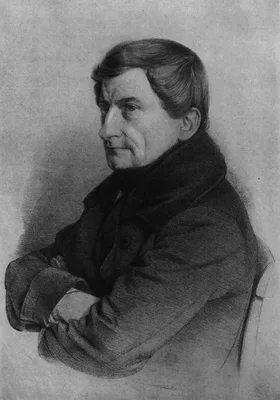
In this classic work Choulant traced the evolution of anatomical illustration from the early schematic plates up to his own time, including a valuable bibliography. Reprinted, Wiesbaden, 1974. An English translation b…
1556 CE
#378.02
Historia de la composicion del cuerpo humano…
Historia de la composicion del cuerpo humano Spanish physician Juan Valverde de Amusco was issued in Rome at the press of Antonio Salamanca. This was the first great original medical book in Spanish and the most origi…
1898 CE–1901 CE
#364
I manoscritti de Leonardo da Vinci della Reale Biblioteca di Windsor. Pubblicata da Teodoro Sabachnikoff. Transcritti e annotati da Giovanni Piumati. 2 vols.
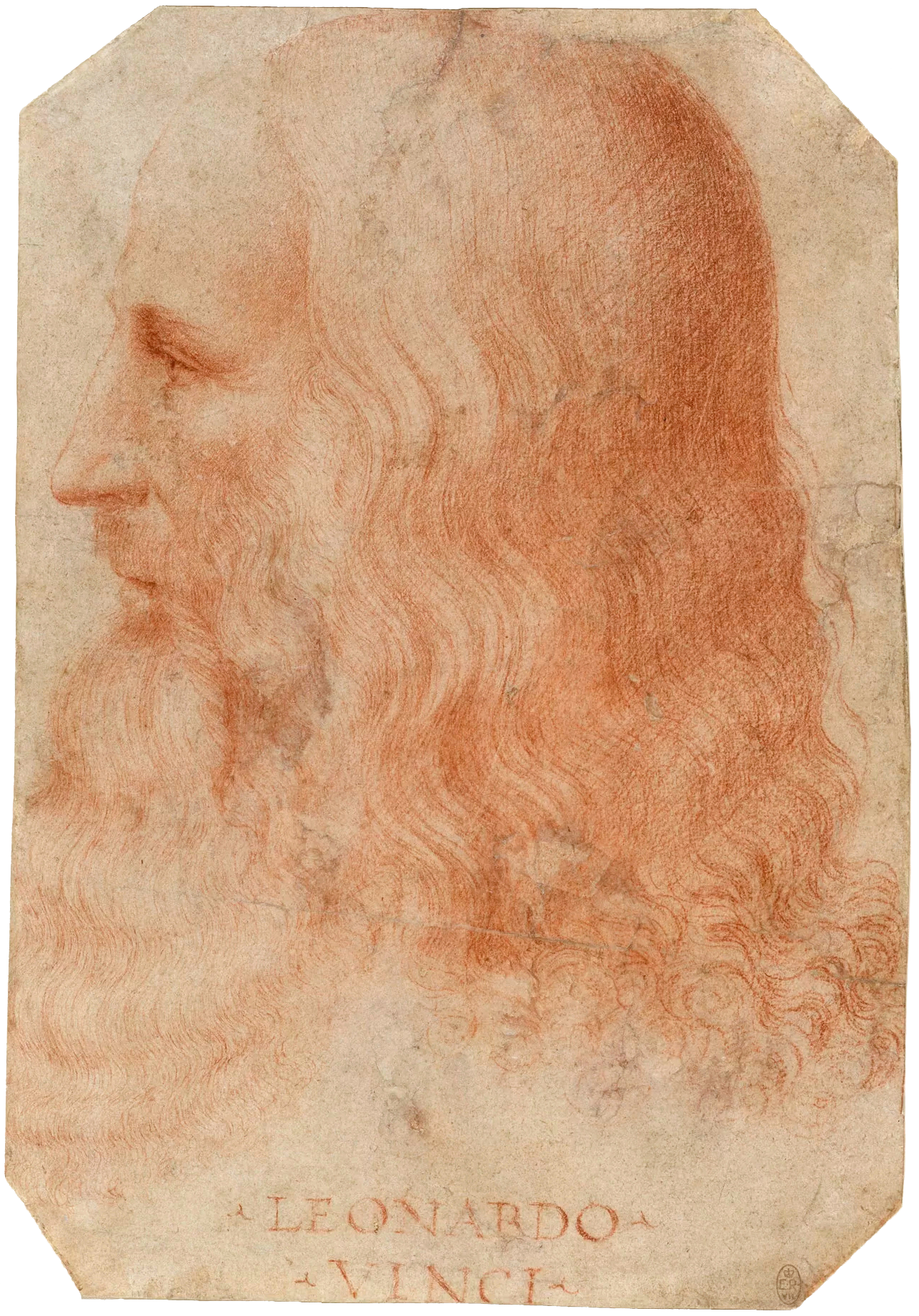
Includes folios A & B of his anatomical MSS. Text in French and Italian.
1821 CE
#9700
Icones cerebri simiarum et quorundam mammalium rariorum.
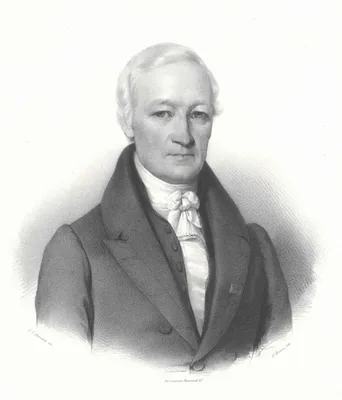
"Although a few more reports were published furing the next hundred years [after Tyson] it was Tiedemann alone who gave a more detailed account, on monkeys, in his... Icones Simiarum.... In monkeys he found the brain …
1608 CE
#8002
Il vero modo et ordine per dissegnar tutte le parti et membra del corpo humano.
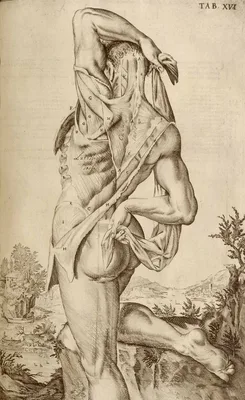
An entirely etched book of 40 leaves, drawn and etched by Fialetti, this was probably the first printed manual on drawing the human body, as distinct from earlier manuals on anatomy for artists. For further informatio…
1934 CE
#6622.1
John Keats’s anatomical and physiological note book …edited by Maurice Buxton Forman.
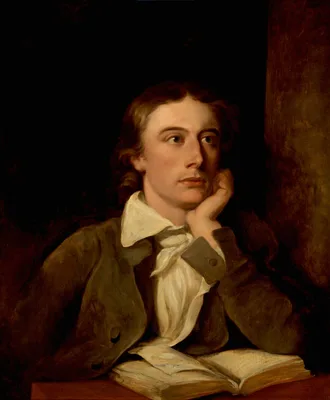
Keats was a pupil and dresser at Guy’s Hospital from 1815-16, and was licensed to practice upon completion of his studies. While struggling to launch his poetic career he was often tempted to practice medicine, …
1555 CE
#283
L'histoire de la nature des oyseaux, avec leurs descriptions, et naïfs portraicts retirez du naturel escrite en sept livres.
![BELON, Pierre [Pierre Belon du Mans; Petrus Bellonius Cenomanus] (1517 – 1564)](/media/portraits/9632)
Belon’s book on birds is well illustrated, including plates of the skeletons of man and bird side by side and in the same posture, to compare them bone for bone. Digital facsimile from the Internet Archive at th…
1551 CE
#278
L'histoire naturelle des estranges poissons marins, avec la vraie peincture & description du daulphin, & de plusieurs autres de son espece.
This, Belon’s first biological work, is regarded as the earliest modern scientific work in the field of comparative anatomy. Finely illustrated with woodcuts. Digital facsimile from the Internet Archive at this …
1982 CE
#6610.16
La curieuse destinée des planches anatomiques de Gerard de Lairese, peintre en Hollande – Lairesse, Bidloo, Cowper.
1961 CE
#7033
Lectures on the iconography of the Chirurgia of Vidus Vidius and the De dissectione of Estienne and Rivière. Given at the University of California Los Angeles October 1961
"Fifty copies of this collection of papers have beem printed for private circulation." Half title and cover title of the volume: Mannerism and Medical Illustration.
1952 CE
#366
Leonardo da Vinci on the human body. The anatomical, physiological, and embryological drawings of Leonardo da Vinci. With translations, emendations, and biographical introduction by Charles D. O'Malley and J. B. de C. M. Saunders.
Includes 215 plates.
1911 CE–1916 CE
#365
Leonardo da Vinci: Quaderni d’anatomia I-VI. Fogli della Royal Library di Windsor, pubblicati da Ove C.L. Vangensten, A. Fonahn, H. Hopstock. 6 vols.
Leonardo, “the greatest artist and scientist of the Italian Renaissance, was the founder of iconographic and physiologic anatomy” (Garrison). He made over 750 sketches of all the principal organs of the bo…
2011 CE
#10697
Leonardo da Vinci's anatomical world: Language, context and "disegno". Edited by Alessandro Nova and Domenico Laurenza.
1983 CE
#12308
Les maladies à l'aube de la civilisation occidentale. Recherches sur la réalité pathologique dans le monde grec préhistorique, archaïque et classique.
1554 CE–1555 CE
#282
Libri de piscibus marinis, in quibus verae piscium effigies expressae sunt. (Universae aquatilium pars altera.) 2 vols.
Rondelet wrote this book with the idea of verifying Aristotle, but in it he described many forms of fishes for the first time. The book is an accurate account of his investigation of Mediterranean fishes and marine an…
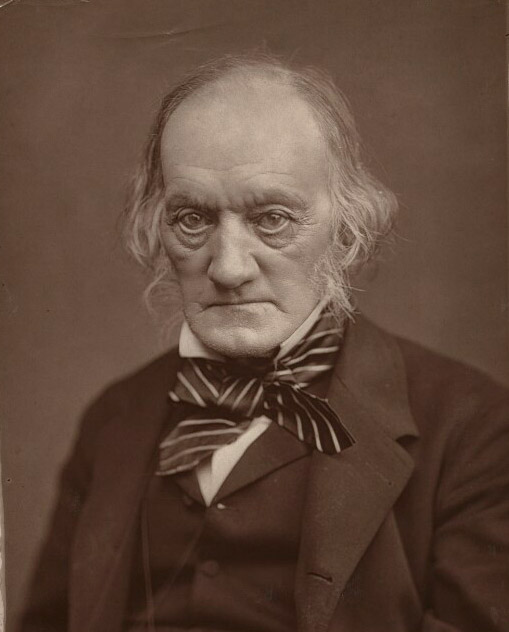
1832 CE
#325
Memoir on the pearly nautilus (Nautilus pompilius, Linn.).
1799 CE
#7292
Mémoire sur les espèces d’éléphans vivantes et fossiles.
Using comparative anatomy, Cuvier demonstrated that the African elephant was a separate species from the Indian elephant, and that the fossil or “mammoth” elephant was yet another species distinct from the…
1671 CE–1676 CE
#295
Mémoires pour servir à l’histoire des animaux. 2 vols.
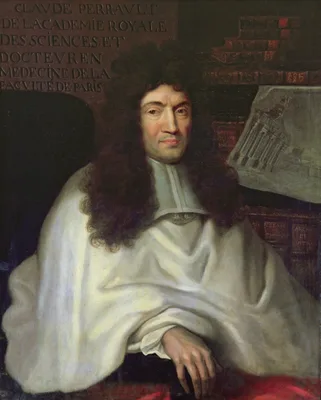
Perrault was the leader of a team of comparative anatomists that included Guichard Joseph Duverney, Jean Pecquet, Moyse Charas and Philippe de la Hire; they were often called the “Parisians” in contemporar…
1888 CE
#344
Mémoires sur le cerveau de l’homme et des primates publiés avec un introduction et des notes par Le docteur S. Pozzi.
Digital facsimile from the Biodiversity Heritage Library at this link.
1662 CE–1669 CE
#291
Metamorphosis naturalis, ofte historische beschryvinghe.... 3 vols.
Engraved frontispieces in Latin; text in Dutch. None of the volumes is dated. An edition in Latin, also undated, was issued by the same publisher in 3 vols. during the same years with the following title: Metamorphosi…
1665 CE
#262
Micrographia, or some physiological descriptions of minute bodies made by magnifying glasses; with observations and inquiries thereupon.
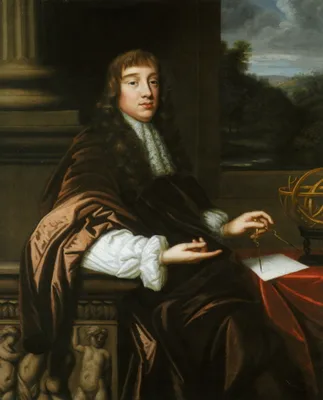
Hooke, at one time research assistant to Robert Boyle, was one of the greatest inventive geniuses of all time. This was the first book devoted entirely to microscopical observations, and also the first book to pair it…
1968 CE
#6916
Molecular pathology of human haemoglobin.
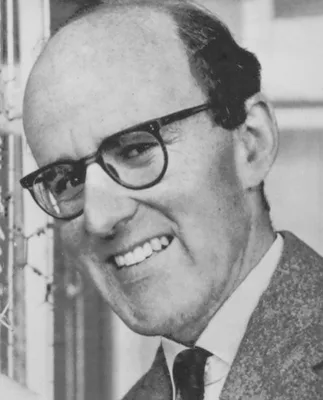
Perutz opened up "the field of 'molecular pathology,' relating a structural abnormality to a disease" (Aaron Klug, "Max Perutz 1914-2002," Science 295 ([2002] 2383). Specifically Perutz showed that hemoglobin molecule…
1681 CE
#297
Musaeum Regalis Societatis, or a catalogue and description of the natural and artificial rarities belonging to the Royal Society and preserved at Gresham College. Whereunto is subjoyned the comparative anatomy of stomachs and guts.
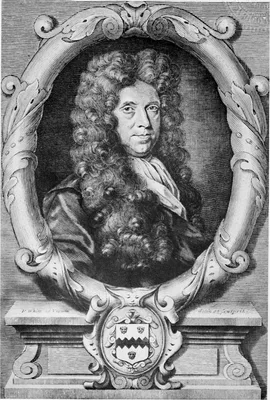
Grew, secretary to the Royal Society, compiled this illustrated catalogue of its museum, then housed at Gresham College. Published with the catalogue is Grew’s study of the stomach organs, which is the first zoo…
1541 CE
#373
Musculorum humani corporis picturata dissectio.
The first book in which each muscle was illustrated separately, with copper-plates of the bones and muscles of the upper limb from drawings by Girolamo da Carpi, which in realism and exactitude surpassed anything betw…
1724 CE
#392.1
Myotomia reformata.
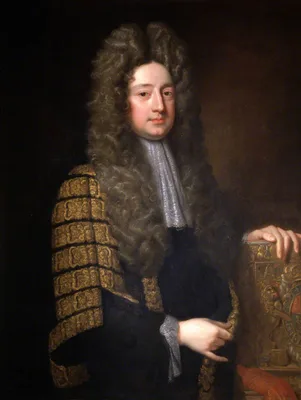
This work made a modest first appearance in 1694 as an octavo, but Cowper worked until his death on a new edition which was finally published posthumously under the supervision and at the expense of Richard Mead (1673…
1782 CE
#7376
Natuurkundige verhandelingen van Petrus Camper over den orang outang; en eenige andere aap-soorten. Over den rhinoceros met den dubbelen horen; en over het rendier.
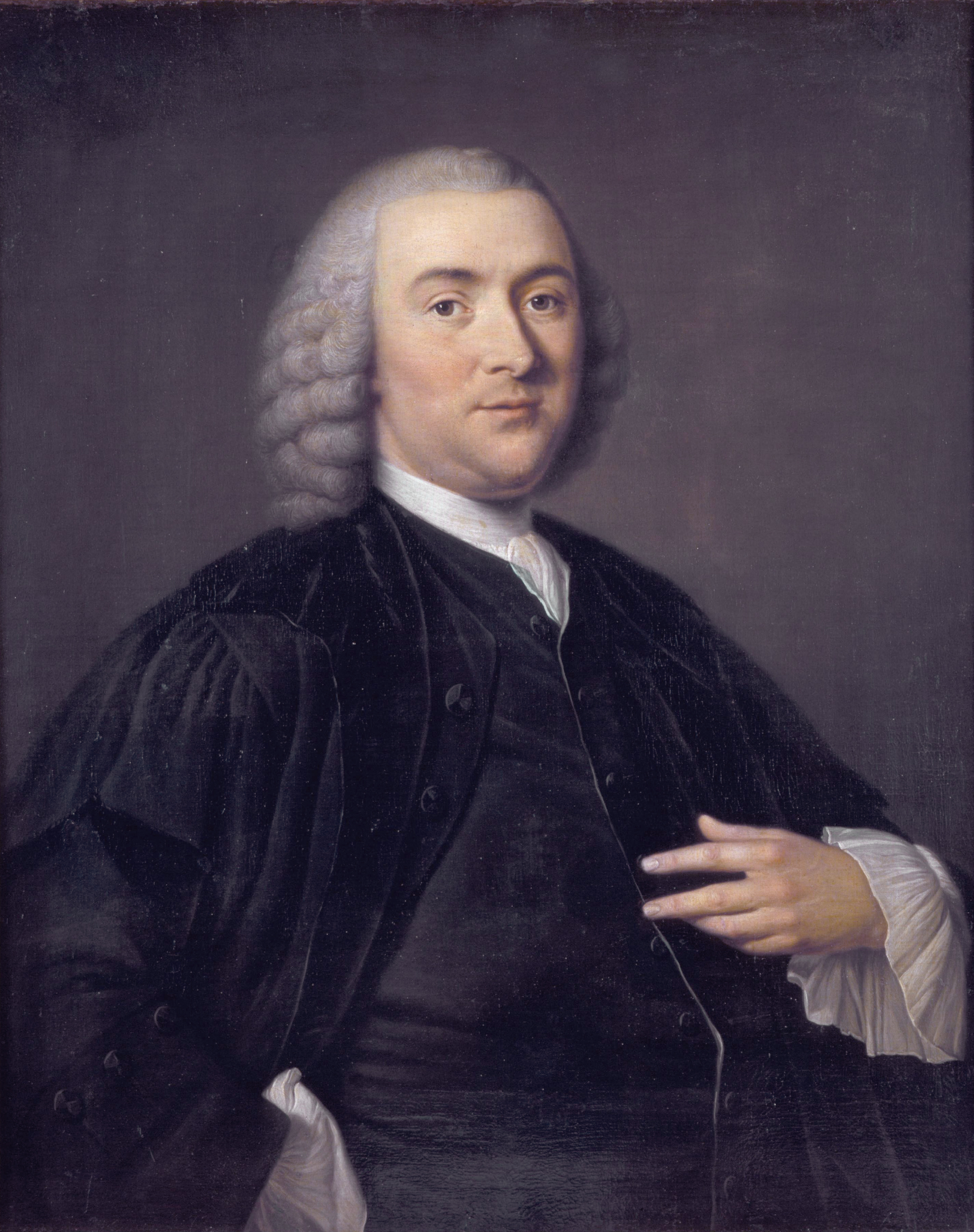
Having dissected five orang-outang cadavers, Camper showed that the Bornean orang-outang was a previously undescribed species, and showed that the structure of its vocal organs did not permit speech. Digital facsimile…
1837 CE
#7311
Note sur les ossements fossiles des terrains tertiaires de Simorre, de Sansan, etc., dans le département du Gers, et sur la découverte récente d’une mâchoire de singe fossile.
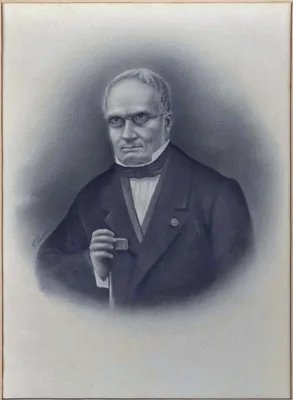
First published account of the discovery of the first anthropomorphic fossil ape. Lartet's discovery, made in 1836 at Sansan, was the first to challenge Cuvier’s assertion that both humans and apes were products…
1779 CE
#401.1
Nouveau recueil d’ostéologie et de myologie…
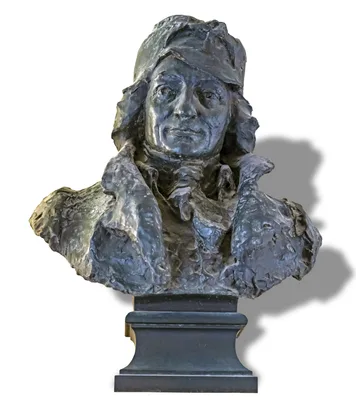
“Without contest the most beautiful of all anatomies for the artist and one of the most remarkable books of its time” (Hahn & Dumaitre). The plates in this work are more fantastic than any other anatomy, s…
1652 CE
#3737
Observationes medicae.
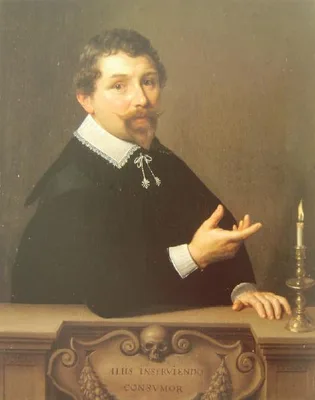
One of the earliest accounts of beri-beri is on pp. 300-05 of this work. Tulp, notable as the demonstrator in Rembrandt’s “Anatomy Lesson”, was among the first, in the same book, to describe the ileo…
1786 CE
#309
Observations on certain parts of the animal oeconomy.
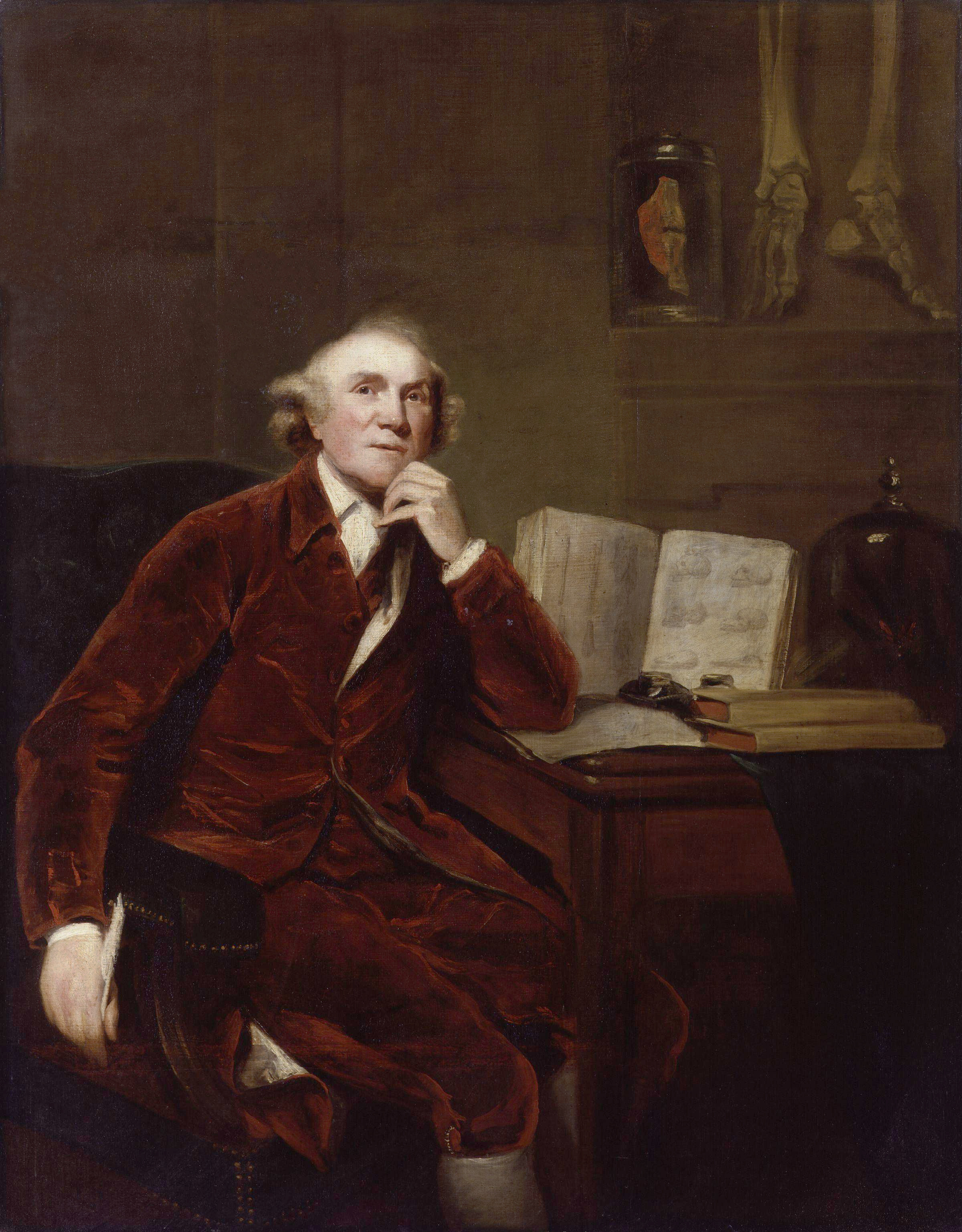
Includes John Hunter’s observations on the secondary sexual characteristics in birds, on the descent of the testis, on the air sac in birds, on the structure of the placenta, etc., together with the original des…
1866 CE–1868 CE
#336
On the anatomy and physiology of the vertebrates. 3 vols.
Vol. 1. Fishes and reptiles; Vol. 2. Birds; Vol. 3. Mammals. The most important work on the subject after Cuvier, based entirely on personal observations. Owen entitled his 40th and concluding chapter "Derivative hypo…
1848 CE
#330
On the archetype and homologies of the vertebrate skeleton.
Owen’s vertebral theory of the origin of the skull, later refuted by Thomas Huxley and others. "Owen began working systematically on problems of transcendental morphology in 1841, as part of his curatorial task …
1835 CE
#14316
On the osteology of the chimpanzee and orang utan.
Owen was the first anatomist, after Petrus Camper, to distinguish decisively between the chimpanzee and the orangutan. He began studying the anatomy of non-human primates in the 1830s, when the Regent’s Park Zoo…
1668 CE
#292
Onomasticon zoicon, plerorumque animalium differentias & nomina propria pluribus linguis exponens. Cui accedunt mantissa anatomica, et quaedam de variis fossilium generibus.
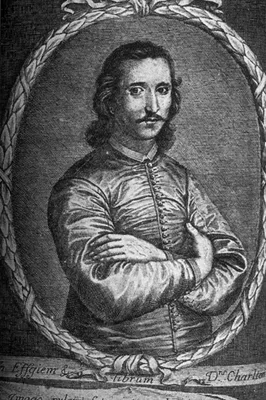
Gives a list of the English, Latin, and Greek names of all the then known animals. Digital facsimile from the Internet Archive at this link.
1686 CE–1718 CE
#265
Ontledingen en ontdekkingen.... 6 vols.
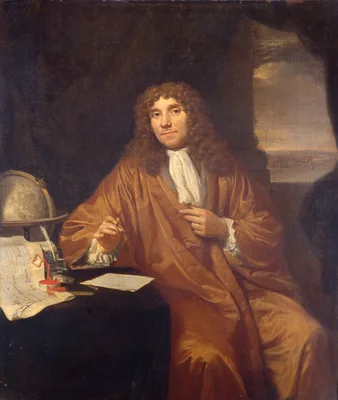
Leeuwenhoek, one of the first and also one of the greatest of the microbiologists, communicated many of his discoveries to the Royal Society in London. This set is a collection in Dutch of many contributions that van …
1725 CE
#8095
Opera omnia anatomica & chirurgica. Edited by Herman Boerhaave and Bernhard Siegfried Albinus. 2 vols.
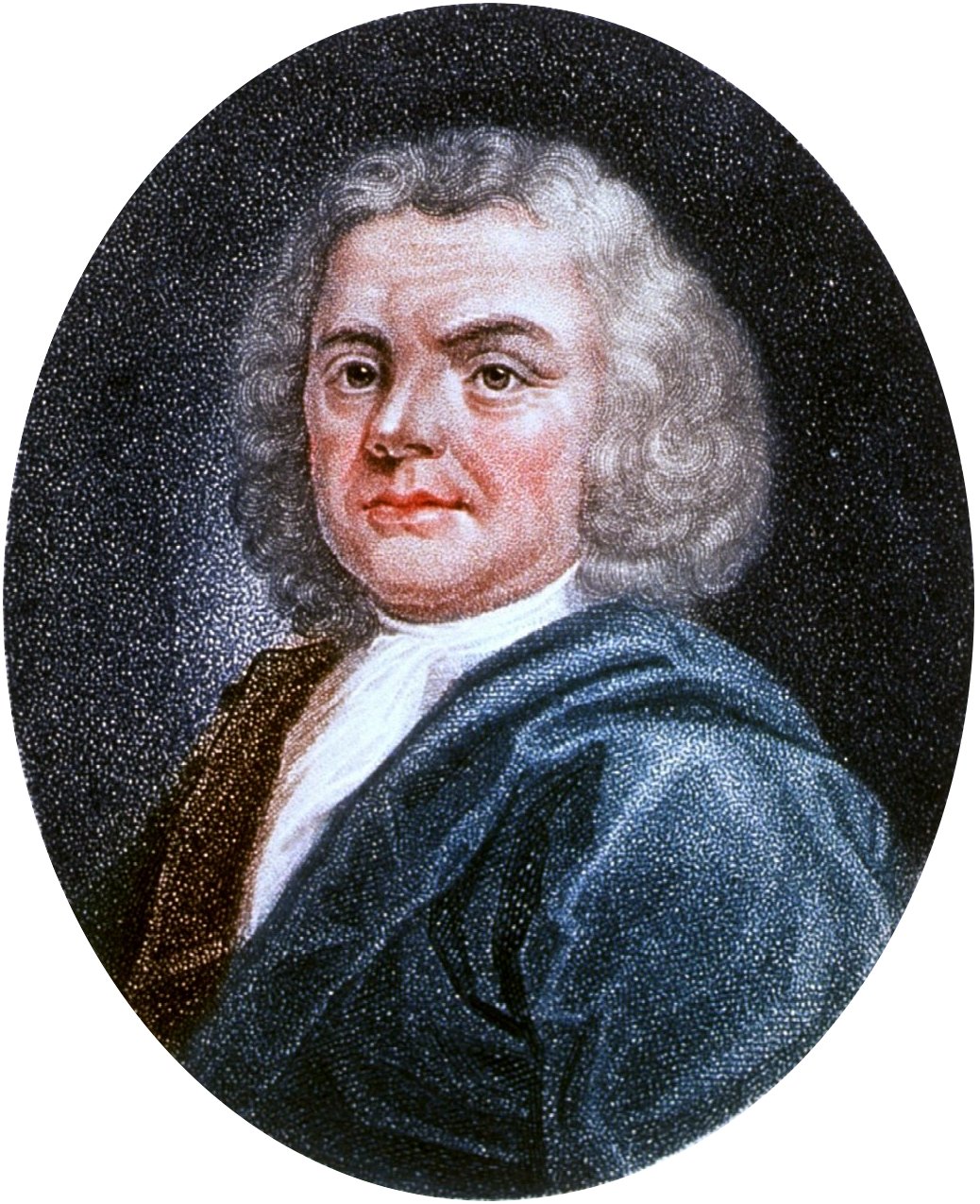
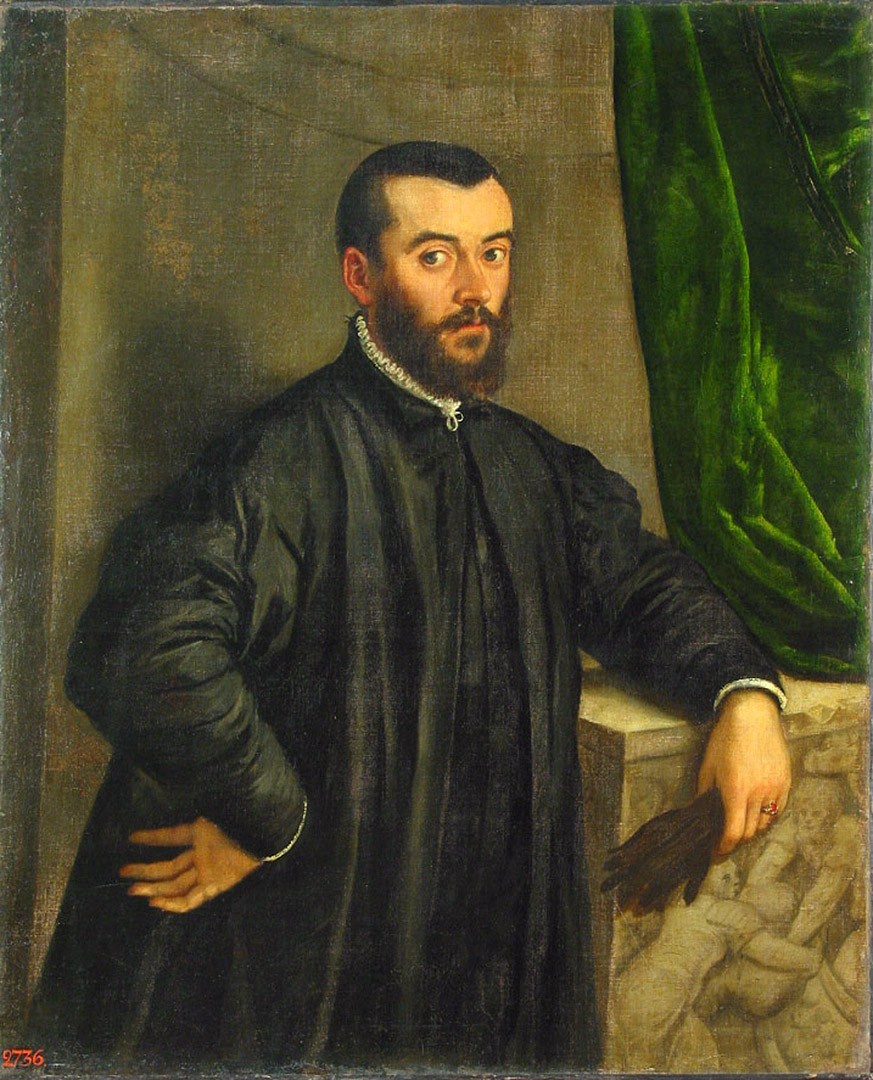
Vesalius's collected works with the famous woodcuts reproduced as copperplate engravings by Jan Wandelaar (1690-1759). Notably Boerhaave and Albinus had this edition published because Vesalius's works still had practi…
1479 CE
#17
Opera. In four parts dated: I) 15 Sept. 1479; II) 13 Oct. 1479; III) 21 Oct. 1479; IV) 8 Nov. 1479. Contents: [I] Praedicamenta, De interpretatione, Analytica priora (Tr: Boethius). Add: Porphyrius: Isagoge in Aristotelis Praedicamenta (Tr: Boethius). Gilbertus Porretanus: Liber sex principiorum. Boethius: Divisiones. [II] Analytica posteriora (Tr: Jacobus Veneticus). [III] Sophistici elenchi, Topica (Tr: Boethius). [IV] Physica (Tr: Guilelmus de Moerbeka).
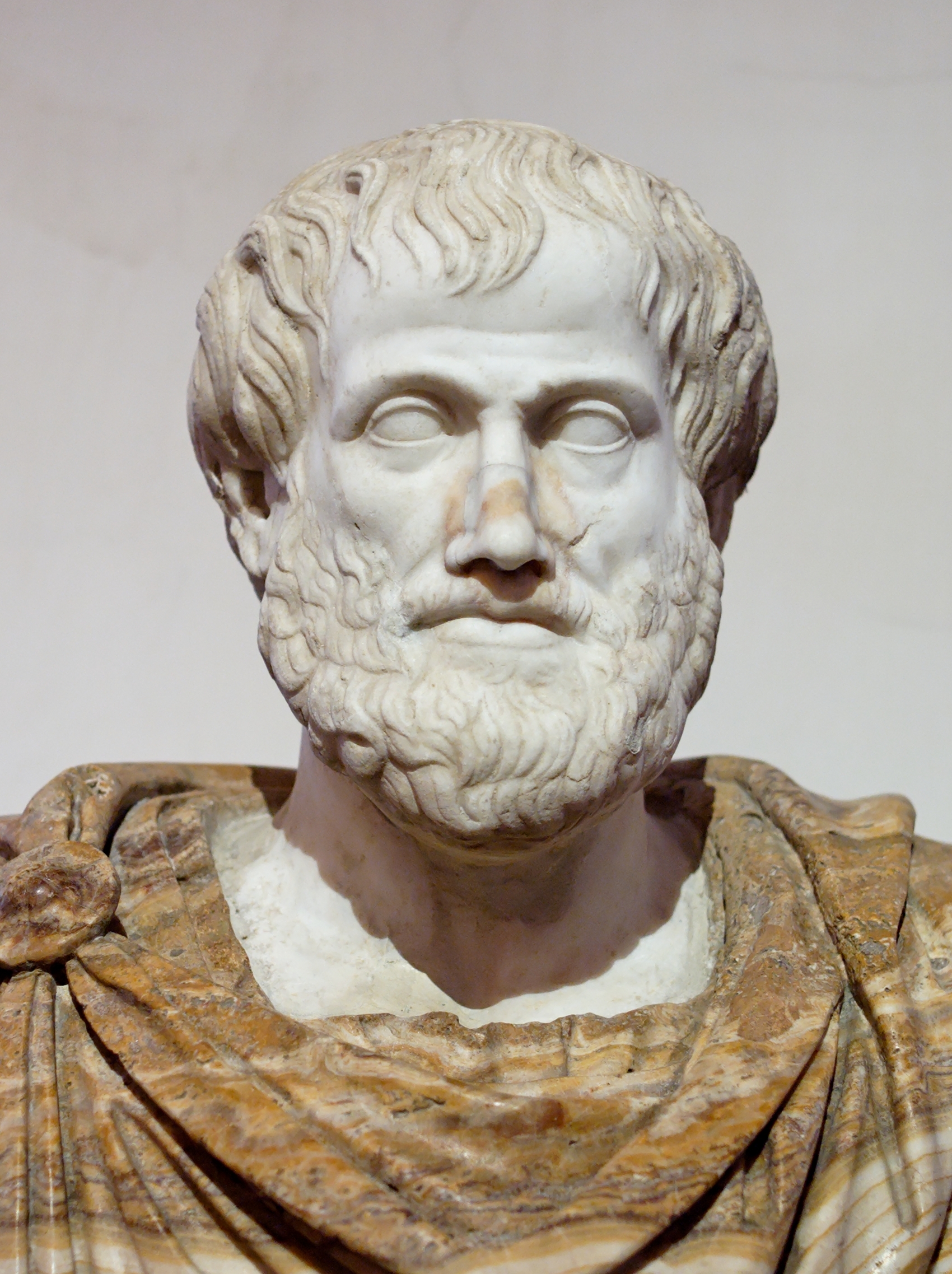
Aristotle, at one time tutor to Alexander the Great, was, among other things, the first observational biologist, and the founder of comparative anatomy. His views had a profound influence in determining the direction …
1699 CE
#153
Orang-outang, sive homo sylvestris: Or, the anatomy of a pygmie compared with that of a monkey, an ape, and a man.
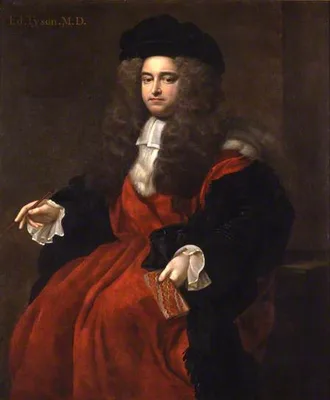
The earliest work of importance in comparative morphology. Tyson compared the anatomy of man and monkeys and between the two he placed the chimpanzee, which he regarded as the typical pygmy. This was the origin of the…
2017 CE
#8520
Osler Library Prints Collection.
http://digital.library.mcgill.ca/oslerprints/index.php "This varied collection of approximately 2,500 prints offers a fascinating look into the history of medicine through popular imagery. The medium of the print, bei…
1733 CE
#395
Osteographia, or the anatomy of the bones.
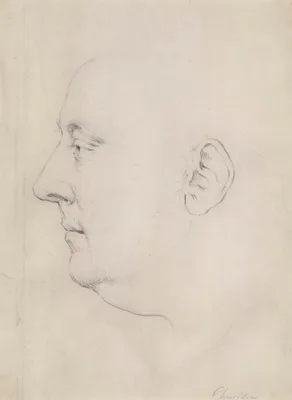
This splendidly designed and illustrated work contained full and accurate descriptions of all the human bones, as well as many of animals. Cheselden is the first person to have used the camera obscura to gain precisio…
1869 CE–1880 CE
#10292
Ostéographie des cétacés vivants et fossiles, comprenant la description et l'iconographie du squelette et du système dentaire de ces animaux, ainsi que des documents relatifs à leur histoire naturelle. Folio atlas + 3 vols. text.
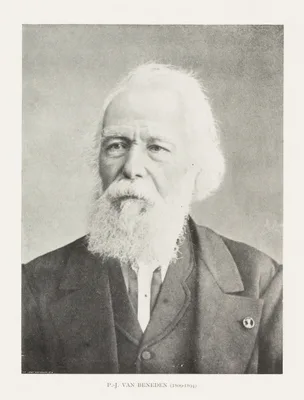
Digital facsimile from Biodiversity Heritage Library at this link.
1823 CE–1826 CE
#7242
Planches anatomiques du corps humain executes d’après les dimensions naturelles. Double elephant folio atlas and small folio text.
Considering that it is among the rarest of all anatomies, and certainly the largest and probably the most spectacular, it is remarkable that two nearly identical editions of Mascagni’s posthumous life-size anato…
1886 CE
#427
Plastische Anatomie des menschlichen Körpers.
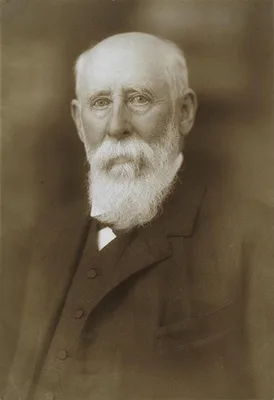
“Illustrated with lithographs from hand-drawings, photographs from the nude, ethnic studies of facial features…The text…is of unusual historic interest, and includes special chapters on the anatomy…
2004 CE
#10560
Rappresentare il corpo: Art e anatomia da Leonardo all'illuminismo.
Extensive book (324 pages, many color plates) issued in connection with an exhibition held in Bologna, December 2004 to March 2005, celebrating the fourth centenary of Ulisse Aldrovandi. A much-condensed guide to the …
1845 CE
#13543
Recherches historiques, zoologiques, anatomiques et paléontologiques sur la girafe, (Camelopardalis giraffa, Gmelin).
First comprehensive (124pp., 17 plates) anatomical study of the giraffe, conducted during a 20 day dissection of the huge animal in Toulouse. The authors entrusted the dissection to the Toulouse taxidermist, H. Traver…