
Facets
Browse across eight MeSH (opens in new tab) facets — era, geography, science, specialty, technology, history, culture, and reference. Select one tag per group; counts update across the others.
Clear filtersFacet filters
Geography
Specialties & Disease
- Anatomy & Pathology 765
- Cardiology & Blood 914
- Neurology & Psychiatry 1,256
- Obstetrics & Reproductive 550
- Infectious Disease (General) 147
- Surgery & Anesthesia 1,551
- Public Health 1,129
- Immunology & Dermatology 1,404
- General Clinical Medicine 480
- Military Medicine 436
- Psychology 202
- Alternative & Fringe Medicine 383
- Pediatrics 247
- Ophthalmology & Vision 412
- ENT & Hearing 293
- Urology & Nephrology 309
- Gastroenterology & Hepatology 316
- Pulmonary & Respiratory 233
- Rheumatology, Rehab & Pain 188
- Internal, Emergency & Geriatric 123
- Veterinary Medicine 165
- Epidemiology & Demography 397
- Physiology & Embryology 923
- Dentistry 259
- Plagues & Epidemics 1,279
- Microbiology & Virology 1,080
Social & Historical Studies
Institutions & Culture
Reference & Scholarly Works
923 entries match Physiology & Embryology [G07 / G02.149]
1551 CE
#12945
Curationum medicinalium centuria prima, multiplici variaque rerum cognitione referta. Praexfixa est eiusdem auctoris commentatio, in qua docetur, quomodo se medicus habere debeat in introitu ad aegrotantem, simulque de crisi, & diebus decretoriis, in qui artem medicam exercent, & quotidie pro salute aegrotorum in collegium descendunt longe utilissima.
Lusitano has been credited with early recognition of the circulation of the blood. How much he might have understood the circulation remains in doubt; however, through dissections of the Azygos vein, he was the first …
1727 CE
#7362
Cursus medicus Mexicanus juxtà sanguinis circulationem, & alia recentiorum inventa ad usum studentium....Paris prima physiologica [All Published]
The first textbook of physiology published in the Western hemisphere. Digital facsimile from Medical Heritage Library, Internet Archive at this link.
1968 CE
#752.7
Cyclic AMP.
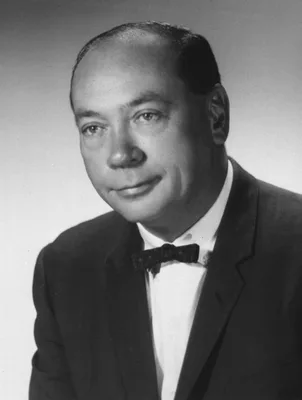
Sutherland elucidated the role of cyclic adenosine monophosphate, the second messenger mediating actions in a wide range of hormonal effects. In 1971 Sutherland was awarded the Nobel Prize in in Physiology or Medicine…
1983 CE
#14254
Cyclin: A protein specified by maternal mRNA in sea urchin eggs that is destroyed at each cleavage division.
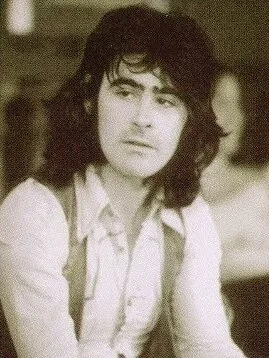
"It was at Woods Hole around July 1982, using Arbacia sea urchin eggs as his model organism, that he discovered cyclin proteins.[12] Cyclins play a key role in regulating the cell-division cycle.[16] Hunt was observin…
1998 CE
#14251
DARPP-32: Regulator of the efficacy of dopaminergic neurotransmission.
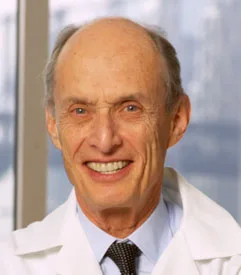
"Greengard's research focused on events inside the neuron caused by neurotransmitters. Specifically, Greengard and his fellow researchers studied the behavior of second messenger cascades that transform the docking of…
1892 CE
#641
Das Gesetz der Transformation der Knochen.
“Wolff’s law” stated that every change in form and function of a bone, or in its function alone, is followed by certain definite changes in its internal architecture and equally definite secondary al…
1922 CE–1931 CE
#7649
Das Leben des Menschen. Eine volkstümliche Anatomie, Biologie, Physiologie und Entwicklungsgeschichte des Menschen. 5 vols.
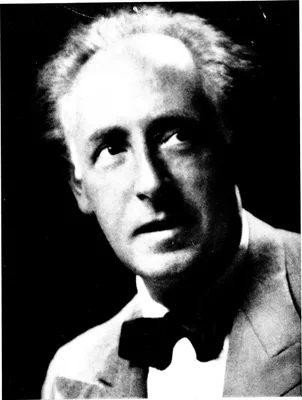
By developing a new infographics style of illustration in which physiological processes and other technical medical and biological concepts were often depicted as, or compared to machines, Kahn made medical and biolog…
1906 CE
#845
Das Reizleitungssystem des Säugethierherzens.
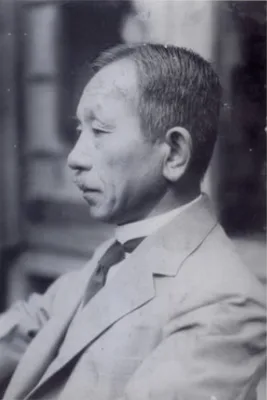
Tawara discovered and described the atrioventricular node – “node of Tawara”. Translated into English by Kozo Suma and Munehiro Shimada as The conduction system of the mammalian heart: An anatomical-…
1884 CE–1889 CE
#784
Das Venensystem des menschlichen Körpers. 2 pts. and atlas.
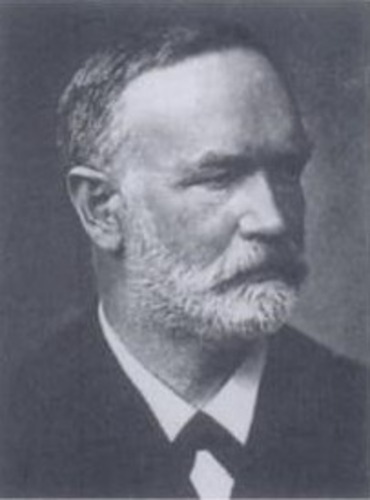
Like Braune’s other anatomical works, this is notable for its excellent illustrations.
1476 CE
#274
De animalibus. Translated by Theodorus Gaza. Edited by Ludovicus Podocarthus.
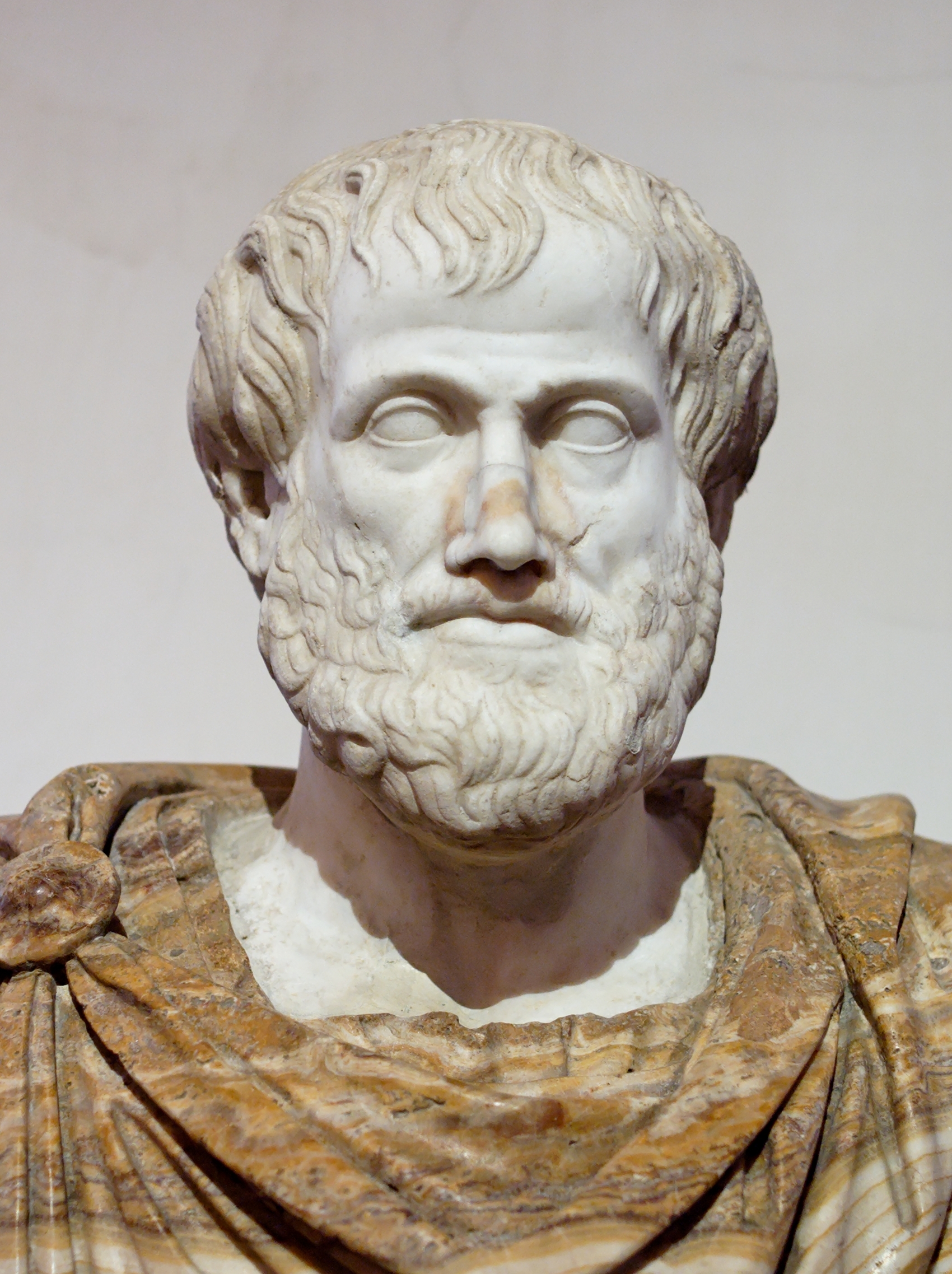
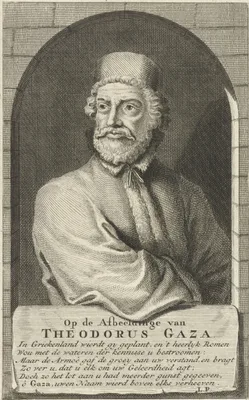
Includes Aristotle's De historia animalium, De partibus animalium, and De generatione animalium. Aristotle was the first scientist to gather empirical evidence about the biological world through observation. By his ca…
1638 CE
#11647
De calculo renum & vesicae liber singularis. Cum epistolis & consultationibus magnorum virorum.
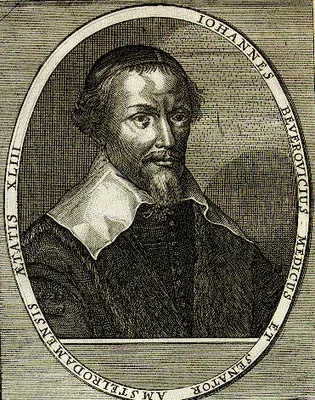
The first medical book to contain an endorsement of Harvey's theory of the circulation of the blood (originally published ten years earlier in 1628). Beverwijck began his work with a treatise on urinary and renal calc…
1537 CE
#7145
De corporis humani fabrica libri quinque a Junio Paulo Crasso Patavino in latinam orationem conversi. [Cum] Hippocratis praeterea Coi de purgatoriis medicamentis libellus perutilis, ac desideratus ab eodem Jun. Paulo Cras. Latinitate donatus.
![HIPPOCRATES, [Ἱπποκράτης; Hippocrates of Kos] (-460 – -370)](/media/portraits/50)
A Byzantine anatomical and physiological treatise almost entirely abridged from Galen's "De usu partium corporis humani," from which Theophilus now and then differed, and which he sometimes appears to have misundersto…
1796 CE
#13243
De corporis humani viribus conservatricibus dissertatio.
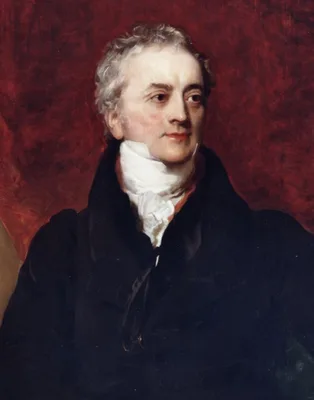
Young's thesis for his medical degree from Göttingen on the conservation of strength in the human body, which also contains, on the final four pages, the only extant fragment of Young's brief thesis on the human …
1828 CE
#12937
De foetu humano: Adnotationes anatomicae quibus praemissis viro perillustri Samueli Thomae de Soemmerring ... doctoratus in medicina impetrati semisaecularia gratulatur Universitas Literarum Regiomontana. Interprete Carlo Friderico Burdach.
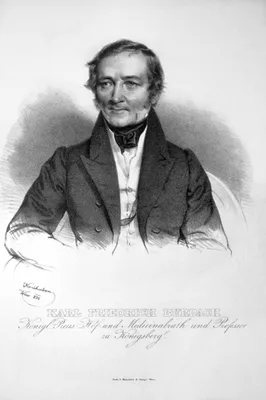
Reproduction of a drawing by Soemmerring of the first stages of embryonic development visible with the naked eye, with a note by Burdach. Digital facsimile from Bayerische StaatsBibliothek at this link.
1839 CE
#541
De formatione granulosa in nervis aliisque partibus organismi animalis.
In 1839 Purkynĕ was the first to use the term protoplasma, by which he described the embryonic ground substance. This fact is recorded in the inaugural dissertation of one of his students, J. Rosenthal.
1768 CE
#471
De formatione intestinorum praecipue.
One of the acknowledged classics of embryology. Wolff’s description of the formation of the chick’s intestine by the rolling inwards of a leaf-like layer of the blastoderm was important as proving his theo…
1621 CE
#466
De formatione ovi et pulli.
1604 CE
#465
De formato foetu.
Fabricius wrote at great length on embryology, inventing many theories, some of which were false. His illustrations marked a great advance on previous work. Fabricius recorded for the first time the dissection of seve…
1662 CE
#574
De homine figuris et latinitate donatus a Florentio Schuyl.
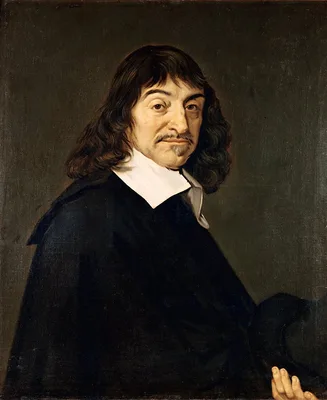
Descartes considered the human body a material machine, directed by a rational soul located in the pineal body. This book was the first attempt to cover the whole field of “animal physiology”. The work is …
1587 CE
#7337
De humano foetu liber tertio editus, ac recognitus. Eiusdem anatomicarum observationum liber: ac De tumoribus secundum locos affectos liber nunc primum editi.
First edition of Aranzi's Anatomicarum observationum published with the third edition of De humano foetu. In the Anatomicarum observationum Aranzi pointed out that the eye muscles arise from the margin of the optic ca…
1564 CE
#464
De humano foetu.
According to Charles Singer, Aranzi gave the first adequate printed account of the gravid uterus, and finally dispelled the idea of a human cotyledonous placenta. He gave by far the best description of fetal anatomy u…
1902 CE
#2590
De l’action anaphylactique de certains venins.
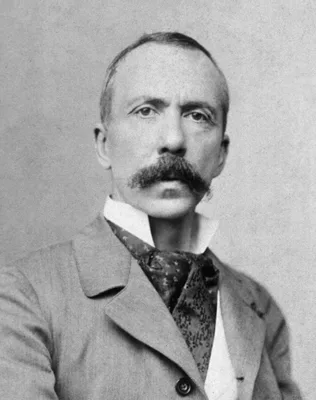
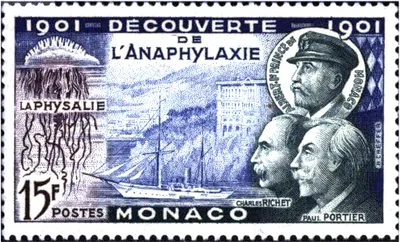
First full description of the phenomenon of “anaphylaxis,” the name of which was coined by Richet. Abbreviated English translation in Bibel, Milestones of immunology (1988). In 1913, Richet was awarded the…
1907 CE
#2599
De l’anaphylaxie en général et de l’anaphylaxie par la mytilocongestine en particulier.
In 1913 Richet was awarded the Nobel Prize in Physiology or Medicine "in recognition of his work on anaphylaxis."
1872 CE
#4543
De l’électrisation localisée et de son application à la pathologie et à la thérapeutique. 3me. éd.
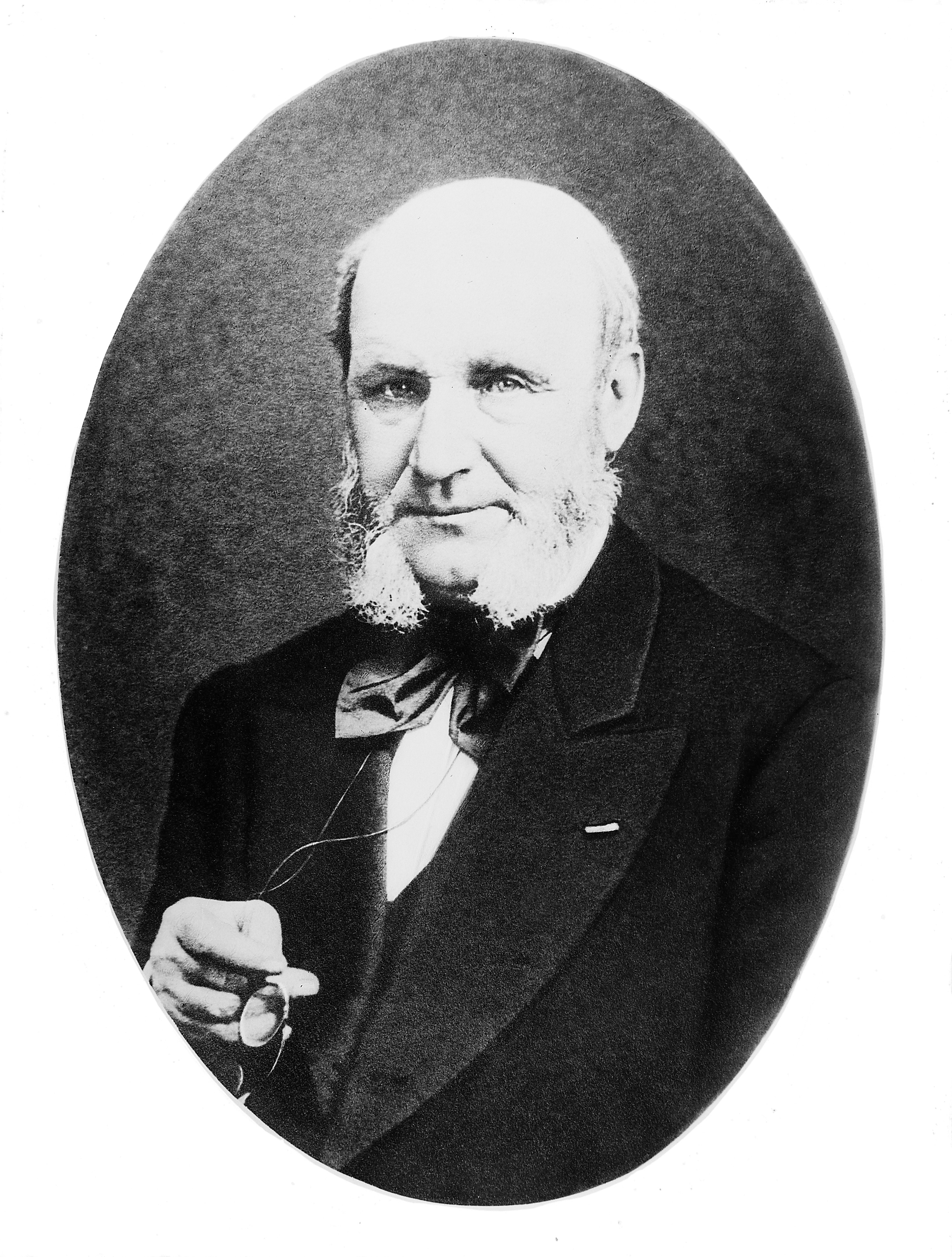
Early description, page 357, of partial brachial plexus paralysis, upper type (“Duchenne-Erb palsy”: see No. 4548). An English translation of the 3rd ed., by H. Tibbitts, actually appeared London in 1871, …
1855 CE
#1995
De l’électrisation localisée et de son application à la physiologie, à la pathologie, et à la thérapeutique.
Duchenne classified the electrophysiology of the entire muscular system and summed up his findings in the above work. The application of his results to pathological conditions marks him as the founder of electrotherap…
1858 CE
#774
De l’influence de deux ordres de nerfs qui déterminent les variations de couleur du sang veineux dans les organes glondulaires.
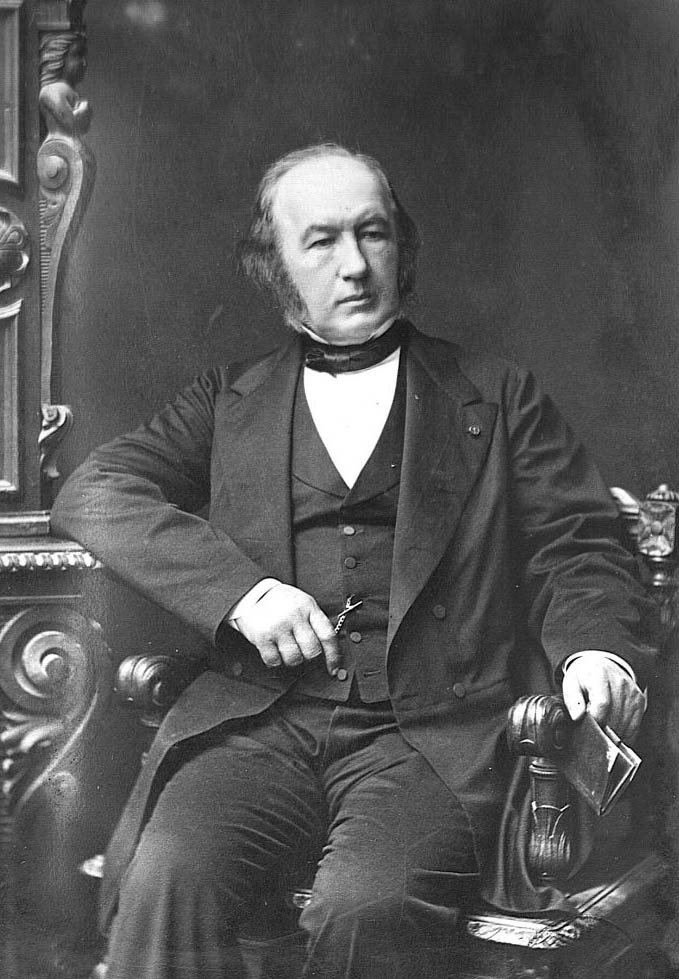
Discovery of the vasoconstrictor and vasodilator nerves and description of their function of regulating the blood supply to the different parts of the body.
1824 CE
#145.56
De l’influence des agens physiques sur la vie.
Edwards studied the influence of environmental factors on animal life, concluding that vital processes depend on external physical and chemical forces but are not entirely controlled by them. The work includes an acco…
1536 CE
#10961
De medicamentis empiricis physicis ac rationalibus liber.... Edited by Janus Cornarius. Item Claudii Galeni libri novem nunc primum Latini facti.... Jani Cornarii.
![GALEN, [Κλαύδιος Γαληνός; Galen of Pergamon] (129 – 216)](/media/portraits/21)
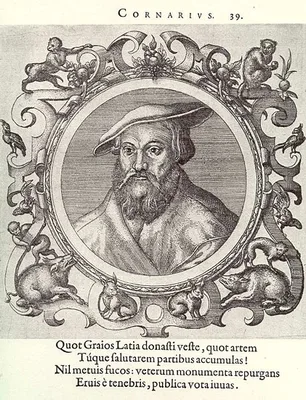
The Gallo-Roman physician Marcellus was born in Bordeaux. He may have served as magister officiorum under Theodosius I, or may have been royal physician. Sarton (Introduction to the history of science I, 391) consider…
1680 CE–1681 CE
#3669.3
De motu animalium. 2 pts.
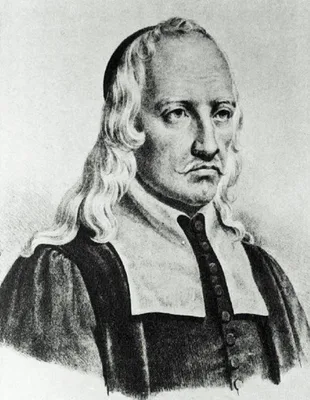
Borelli originated the neurogenic theory of the heart’s action and first suggested that the circulation resembled a simple hydraulic system. He was the first to insist that the heart beat was a simple muscular c…
1698 CE
#10657
De motu cordis adversaria analytica.
In this pioneering experimental study of coronary function, describing the first experimental tying of a coronary vessel, Chirac demonstrated that cardiac arrest occurs in response to coronary ligation. “A speci…
1664 CE
#576
De musculis et glandulis observationum specimen.
Stensen described the structure of muscles, the fibra motrix, confirming that contraction actually occurs in the muscle fibres, not in the tendon as Galen had thought. He attempted a geometrical description of muscle …
1542 CE
#572
De naturali parte medicinae libri septem.
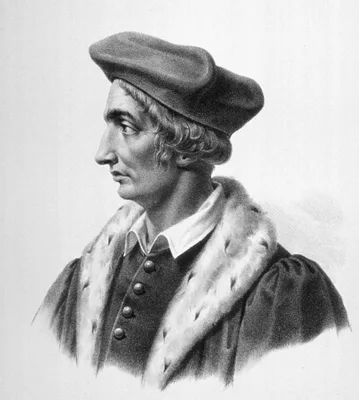
The earliest work devoted exclusively to physiology and the first to call the subject by that name. It was re-issued in 1554 as part of Fernel’s Medicina (No. 2271). Femel suggested that physicians should study …
1834 CE
#481
De necessitate aëris atmosphaerici ad evolutionem pulli in ovo incubito. Dissertatio inauguralis physiologica....
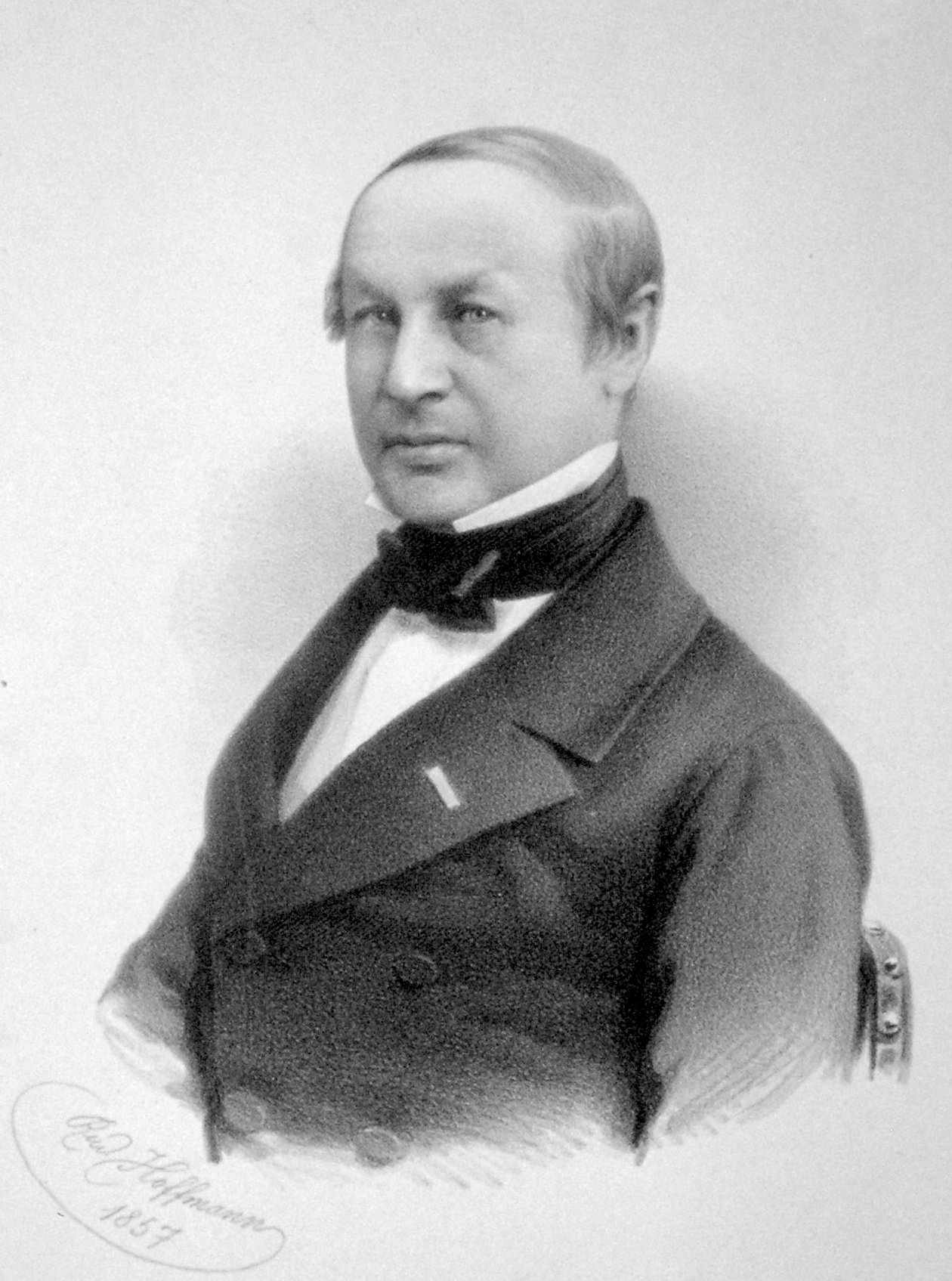
Proof that air is necessary in the development of the embryo. Digital facsimile from Google Books at this link.
1827 CE
#477
De ovi mammalium et hominis genesi.
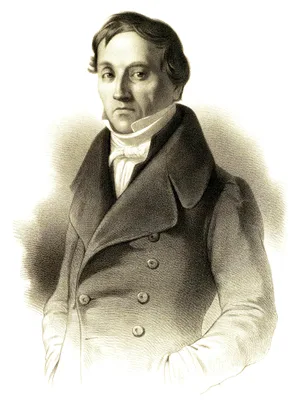
Announces Baer’s discovery of the mammalian ovum, the culmination of a search begun by scientists at least as early as the work of de Graaf in the 17th century (No. 1209). The pamphlet was reprinted in facsimile…
1673 CE
#468
De ovo incubato observationes.
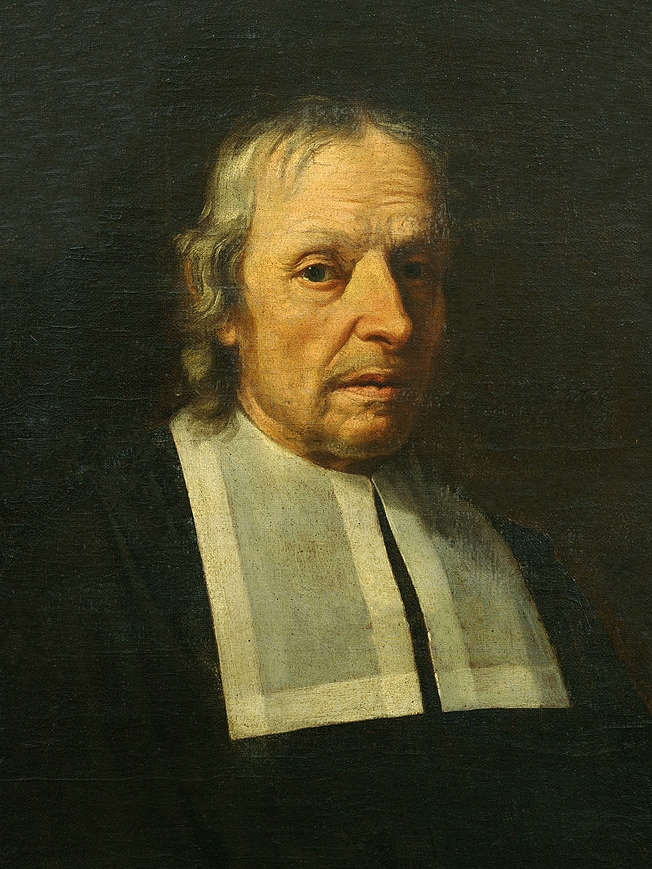
First accurate description, from the microscopical point of view, of the chick embryo. See No. 467.1. English translation in No. 534.1
1870 CE
#1467
De physiologie der spraakklanken.
Donders’s most important work was performed in the field of ophthalmology, but he wrote a classic treatise on the physiology of speech. Also published in Onderzoekingen gedaan in het Physiologisch Laboratoriumde…
1661 CE
#760
De pulmonibus observations anatomicae.
Discovery of the capillary circulation. Malpighi demonstrated that the pulmonary tissues are vesicular in nature and showed that the trachea ends in bronchial filaments. His De pulmonibus includes his demonstration of…
1533 CE
#12591
De pulsuum scientia libellus utilis & necessarius. Theophili ... de exacta retrimentorum vesicae cognitione, commentariolus, Albano Torino interprete.
First separate, and perhaps the first complete printed edition of the Byzantine physician's De pulsibus, edited by Alban Thorer. This text, in the Galenic tradition "largely mediated through the pseudo-Galenic tract "…
1664 CE
#575
De ratione motus musculorum.
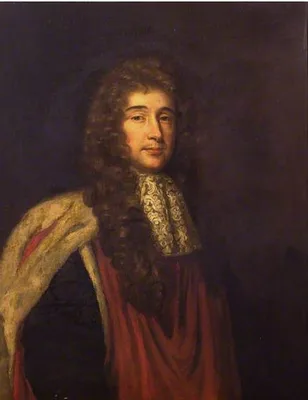
Croone accumulated a large fortune from his practice; with it his widow endowed the Croonian Lectures at the Royal College of Physicians, London. He believed muscular contraction to be brought about by the action of a…
1559 CE
#378.1
De re anatomica libri xv.
Colombo was a pupil of Vesalius, and succeeded him in the chair of anatomy at Padua before proceeding to chairs first at Pisa and later at Rome. His book, published just after his death, rectified a number of anatomic…
1664 CE
#974
De succi pancreatici natura et usu exercitatio anatomico-medica.
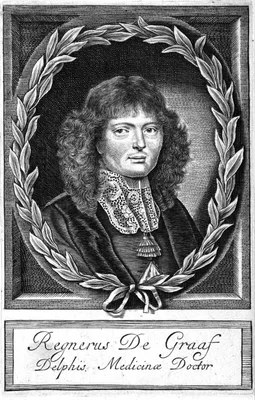
De Graaf was an early investigator of the pancreatic secretion. He collected the pancreatic juice of dogs by means of artificial pancreatic fistulae, commenting on the small quantity of juice secreted and on its alkal…
1683 CE
#4162
De urinis et pulsibus de missione sanguinis de febribus de morbis capitis, et pectoris.
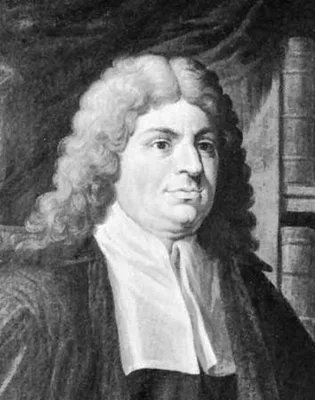
Bellini began to develop his hydraulic iatromechanics in this work, in which he considered the blood as a physical fluid with simple mechanical and mathematicizable properties. He realized the value of the urine as an…
1907 CE–1909 CE
#570
De usu partium libri XVII ad codicum fidem recensuit Georgius Helmreich. 2 vols.
First separate edition, edited from the prior printed editions and the surviving early manuscripts, of Galen's treatise on the function, use and purpose of the individual parts of the body. In this treatise Galen expl…
1603 CE
#757
De venarum ostiolis.
Fabricius, teacher of Harvey at Padua, discovered the venous valves, and illustrated them in life-size copperplates in this monograph. He failed to recognize their true function, however, considering their function si…
1791 CE
#593
De viribus electricitatis in motu musculari commentarius.
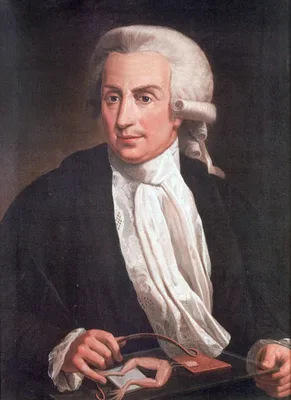
In the course of his experiments on irritable responses caused by static electricity applied to frog muscles, Galvani produced electric current from the contact of two different metals in a moist environment. Galvani …
1587 CE
#10660
De virtutibus et viciis cordis libri tres. Primus agit de virtutibus & functionibus cordis. Secundus de palpitatione cordis. Tertius de syncope.
The earliest separate treatise on cardiac physiology and pathology. Digital facsimile from Google Books at this link.
1773 CE
#11706
De' fenomeni della circolazione osservata nel giro universale de' vasi; de' fenomeni della circolazione languente; de' moti del sangue independenti dall'azione del cuore; e del pulsar delle arterie.
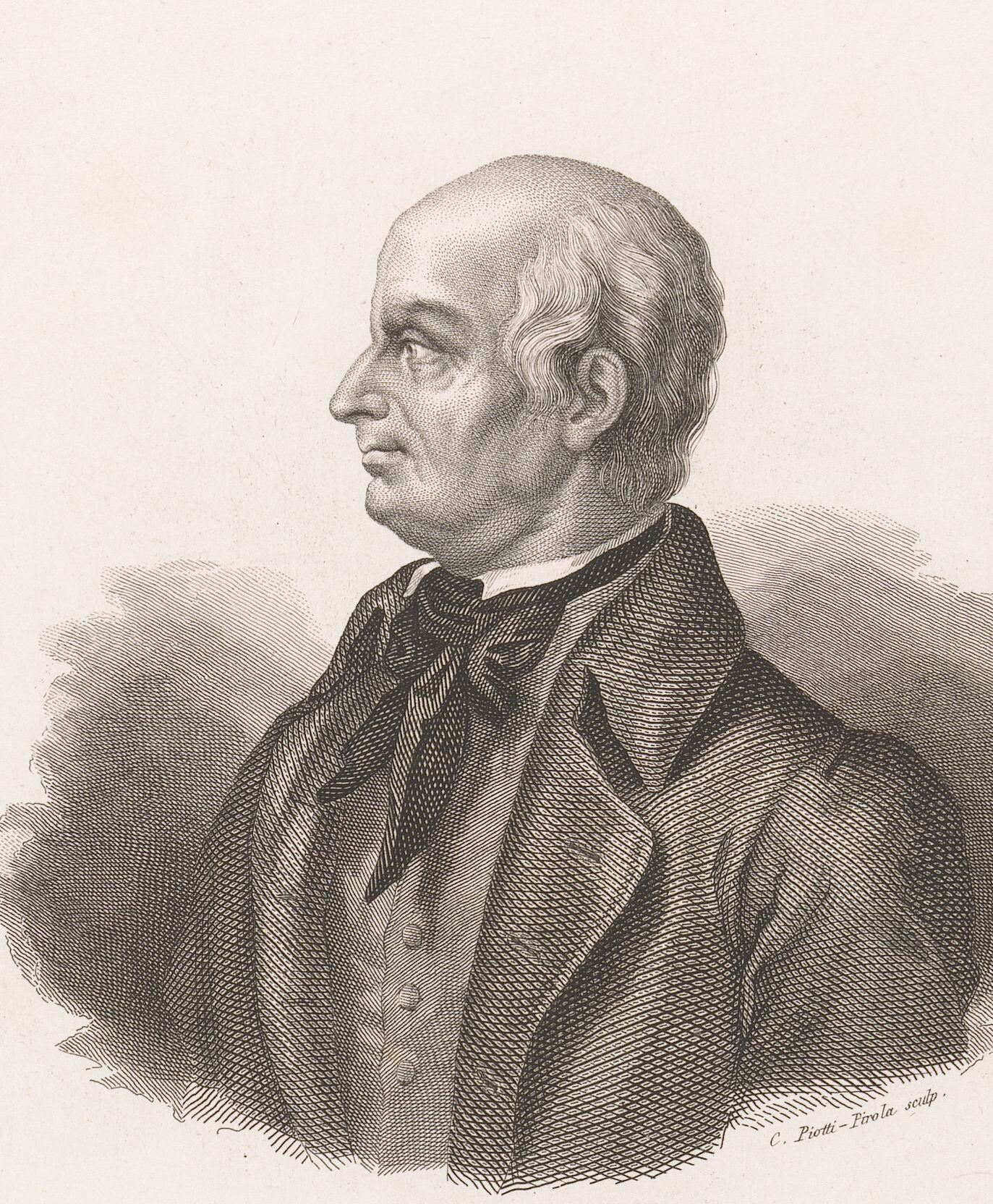
In four memoirs on the dynamics of the circulatory system resulting from 337 experiments recorded in this workSpallanzani studied the role of the circulation in every stage from embryo to adult, and it was through his…
1998 CE
#12112
Defective LPS signaling in C3H/HeJ and C57BL/10ScCr mice: Mutations in the Tlr4 gene.


Order of authorship in the original paper: Poltorak, Smirnova...Beutler. The authors, led by Beutler, showed that mice that harbor a mutation of the gene which codes for the production of the Toll-like receptor TLR4 q…
1909 CE
#655
Définition expérimentale de l’excitabilité.
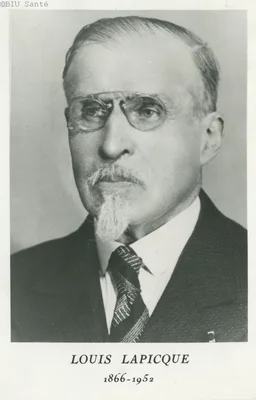
Lapicque first defined “chronaxia”, the duration of excitation of tissue. Partial translation in J. F. Fulton’s Selected readings in the history of physiology, 2nd ed., 1966, pp. 233-34.
1768 CE
#11710
Dell' azione del cuore ne' vasi sanguigni nuove osservasioni.
In this response to Haller's Deux mémoires sur le mouvement du sang (1756) (No. 11607) Spallanzani outlined his own findings on the action of the heart upon the blood vessels. "Haller's microscopic observations…