
Facets
Browse across eight MeSH (opens in new tab) facets — era, geography, science, specialty, technology, history, culture, and reference. Select one tag per group; counts update across the others.
Clear filtersFacet filters
Geography
Specialties & Disease
- Anatomy & Pathology 765
- Cardiology & Blood 914
- Neurology & Psychiatry 1,256
- Obstetrics & Reproductive 550
- Infectious Disease (General) 147
- Surgery & Anesthesia 1,551
- Public Health 1,129
- Immunology & Dermatology 1,404
- General Clinical Medicine 480
- Military Medicine 436
- Psychology 202
- Alternative & Fringe Medicine 383
- Pediatrics 247
- Ophthalmology & Vision 412
- ENT & Hearing 293
- Urology & Nephrology 309
- Gastroenterology & Hepatology 316
- Pulmonary & Respiratory 233
- Rheumatology, Rehab & Pain 188
- Internal, Emergency & Geriatric 123
- Veterinary Medicine 165
- Epidemiology & Demography 397
- Physiology & Embryology 923
- Dentistry 259
- Plagues & Epidemics 1,279
- Microbiology & Virology 1,080
Social & Historical Studies
Institutions & Culture
Reference & Scholarly Works
Drugs & Technology
765 entries match Anatomy & Pathology [G02.149 / C23]
1858 CE
#420
Des moyens chirurgicaux de favoriser la reproduction des os après les résections.
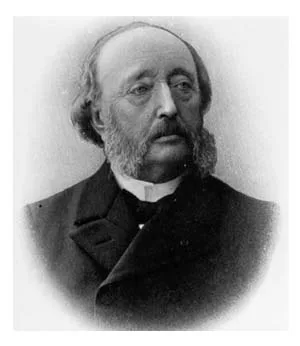
“Ollier’s layer”, the osteogenetic layer of the periosteum.
1755 CE
#1484
Descriptio anatomica oculi humani.
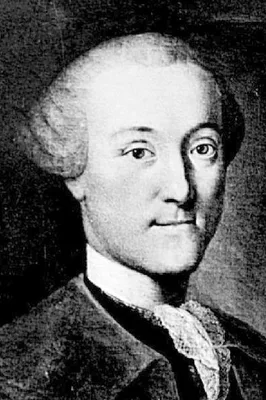
The first complete study of the anatomy of the eye, including the first description of the “zonule of Zinn” and the “annulus of Zinn”.
1826 CE
#7511
Descriptio musei anatomici.
Bleuland's catalogue of his museum of anatomical and pathological specimens. Digital facsimile from Universiteit Utrecht at this link.
1719 CE
#1215
Description de l’urèthre de l’homme.
“Littre’s glands” described.
1850 CE–1855 CE
#13157
Descriptive and illustrated catalogue of the histological series contained in the Museum of the Royal College of Surgeons of England. Vol. I. Elementary tissues of vegetables and animals; Vol. II. Structure of the skeleton of vertebrate animals. 2 vols.
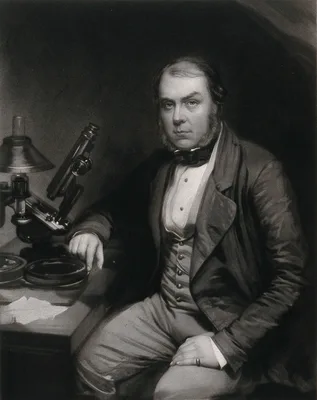
Digital facsimile from the Hathi Trust at this link.
1833 CE–1840 CE
#326
Descriptive and illustrated catalogue of the physiological series of comparative anatomy contained in the Museum [of the Royal College of Surgeons of England]. 5 vols.
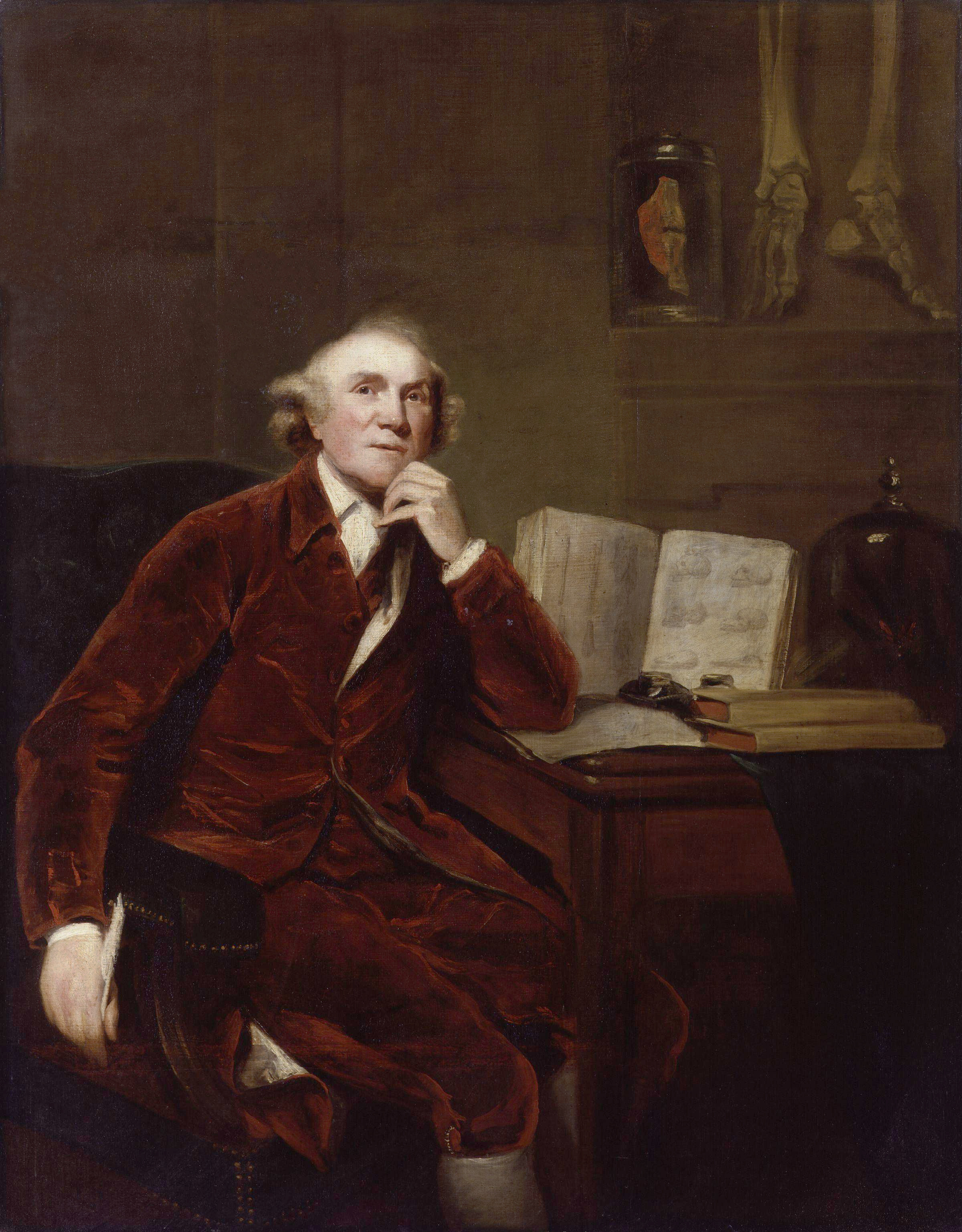
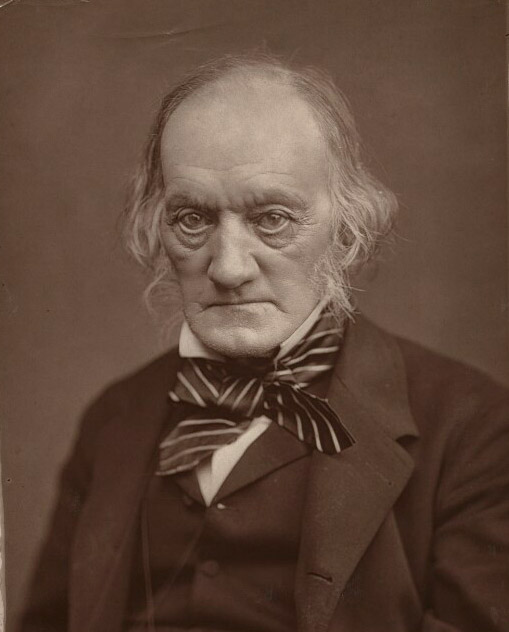
I. Organs of motion and digestion. 1833.--II. Absorbent, circulating, respiratory, and urinary systems. 1834.--III. pt. I. Nervous system and organs of sense. pt. II. Connective and tegumentary systems and peculiariti…
1893 CE–1903 CE
#10367
Descriptive catalogue of the anatomical and pathological specimens in the museum of the Royal College of Surgeons of Edinburgh. 3 Vols. Vols. 1 & 2 by Charles W. Cathcart; Vol. 3 by Theodore Shennan. Vol. 1.- The skeleton and organs of motion.
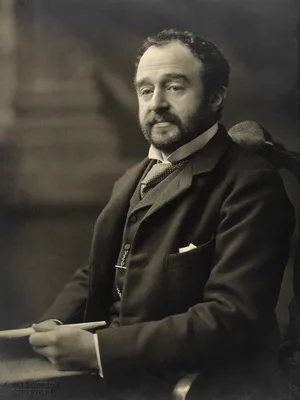
Digital facsimile of vol. 1 from the Biodiversity Heritage Library at this link.
1853 CE
#13860
Descriptive catalogue of the osteological series contained in the museum of the Royal College of Surgeons of England. 2 vols.
Digital facsimile from wellcomecollection.org at this link.
1891 CE
#10365
Descriptive catalogue of the Pathological Museum of St. Mary's Hospital.
Based on manuscript catalogue begun by Charles Murchison in 1855 and continued by subsequent curators, including Dr. Broadbent.--Preface, p. [3. ]Digital facsimile from the Internet Archive at this link.
1966 CE–1972 CE
#7500
Descriptive catalogue of the pathological series in the Hunterian Museum of the Royal College of Surgeons of England: A selection of surviving specimens illustrating [John] Hunter's opinions on the nature of diseases, experiments and observations on cases in surgery. 2 vols.
1846 CE–1849 CE
#13859
Descriptive catalogue of the pathological specimens contained in the museum of the Royal College of Surgeons of England. 5 vols.
Vol.1: General pathology -- Vol.2: Pathology of the blood, and organs of locomotion -- Vol.3 Pathology of the organs of digestion, absorption and circulation -- Vol.4: Pathology of the respiratory and urinary organs, …
1834 CE–1840 CE
#10380
Descriptive catalogue of the preparations in the Museum of the Royal College of Surgeons in Ireland. Vol. I. (Anatomy). Vol. 2. (Pathology).
Digital facsimile from the Internet Archive at this link.
1943 CE
#13597
Diagnosis of uterine cancer by the vaginal smear.
"In 1943, after a three-year period of concentrated collaborative experience with the vaginal smear for the diagnosis of gynecologic cancer, Papanicolaou and Traut published their widely heralded monograph, Diagnosis …
1549 CE
#8931
Dialogus de re medica compendiaria ratione, præter quædam alia, universam Anatomen humani corporis perstringens, summè necessarius omnibus Medicinæ canditatis.
The first Spanish medical book based on the writings of Vesalius, written by Vesalius’s student Pedro Jimeno, whose activities “constituted the cornerstone of the Valencian School of Anatomy and the Spanis…
1753 CE
#7800
Dictionaire anatomique suivi d'une bibliothèque anatomique et physiologique.
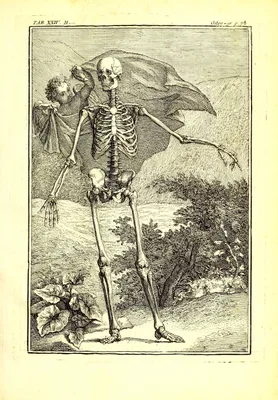
An anatomical dictionary with most of the entries cross referenced to related structures, followed by a very extensive bibliography of anatomical and physiological works. Digital facsimile from Google Books at this link.
1889 CE
#362
Die Anatomie des Heinrich von Mondeville. Nach einer Handschrift der Königlichen Bibliothek zu Berlin von Jahre 1304 zum ersten Male herausgegeben von J. Pagel.
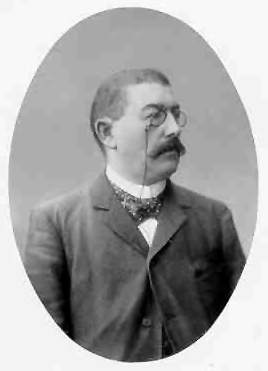
Mondeville was the first teacher known to have lectured with the aid of illustrations, using 13 charts of human anatomy. He lectured at Montpellier. Digital facsimile from the Medical Heritage Library, Internet Archiv…
1913 CE–1914 CE
#435
Die Anatomie des Menschen. 3 pts.
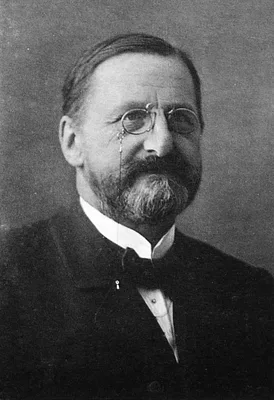
1895 CE
#432
Die anatomische Nomenclatur.
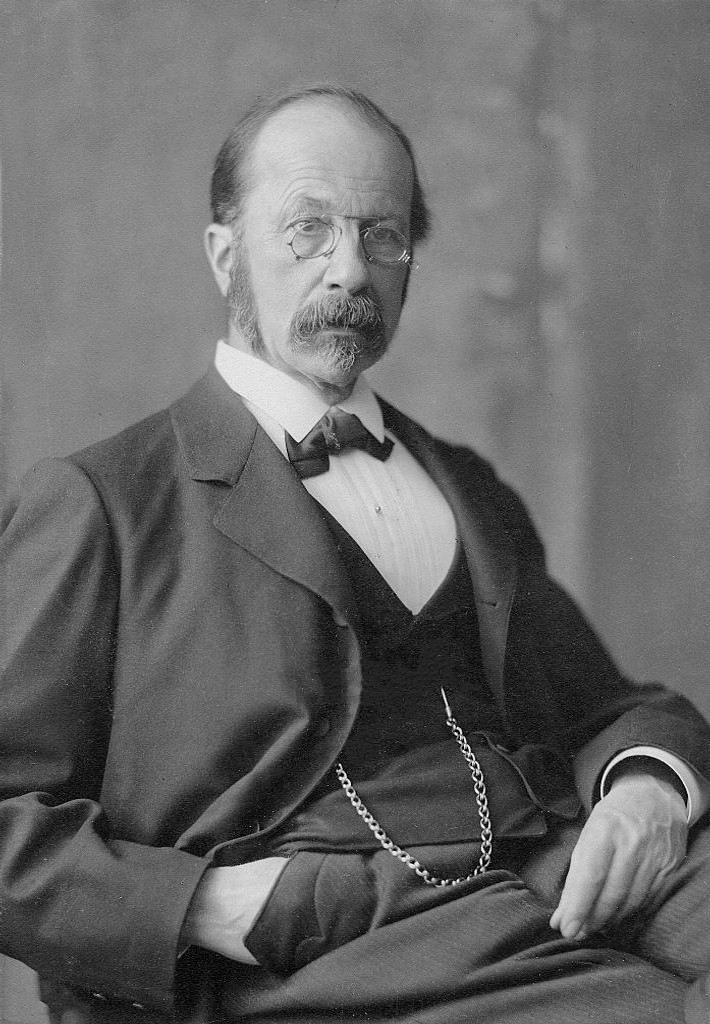
His was largely responsible for the Basle Nomina Anatomica, the first attempt to produce a standard anatomical nomenclature. English translation by L.F. Barker, 1907.
1904 CE
#449
Die Anfänge der Anatomie bei den alten Kulturvölkern.
Abhandlungen zur Geschichte der Medizin, Breslau, Heft 9.
1858 CE
#2299
Die Cellularpathologie in ihrer Begründung auf physiologische und pathologische Gewebelehre.
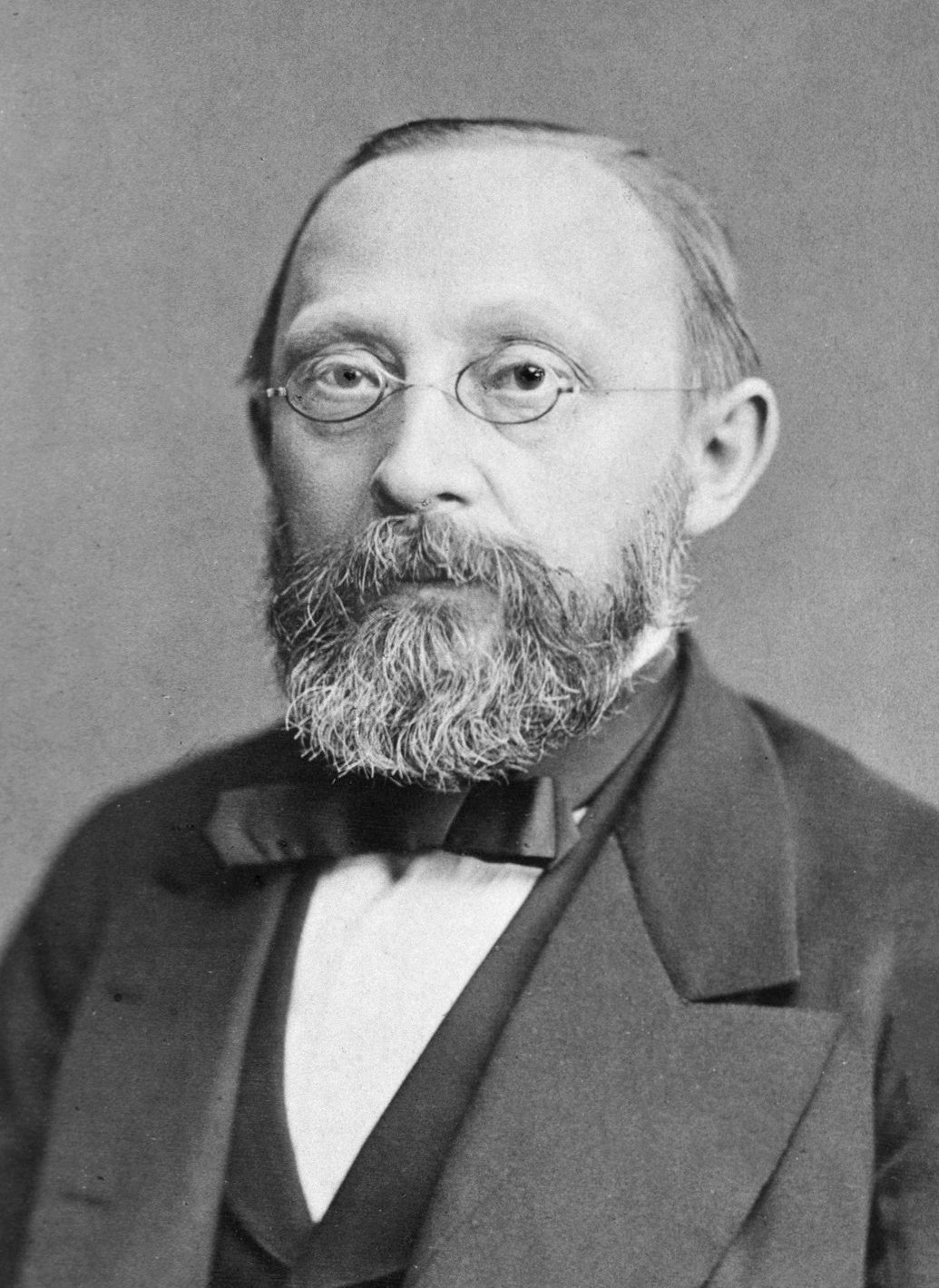
Virchow was the greatest figure in the history of pathology. His best work, Die Cellularpathologie, is one of the most important books in the history of medicine and the foundation stone of cellular pathology. The Eng…
1873 CE
#425
Die Corrosions-Anatomie und ihre Ergebnisse: mit 18 chromolithographirten Tafeln.
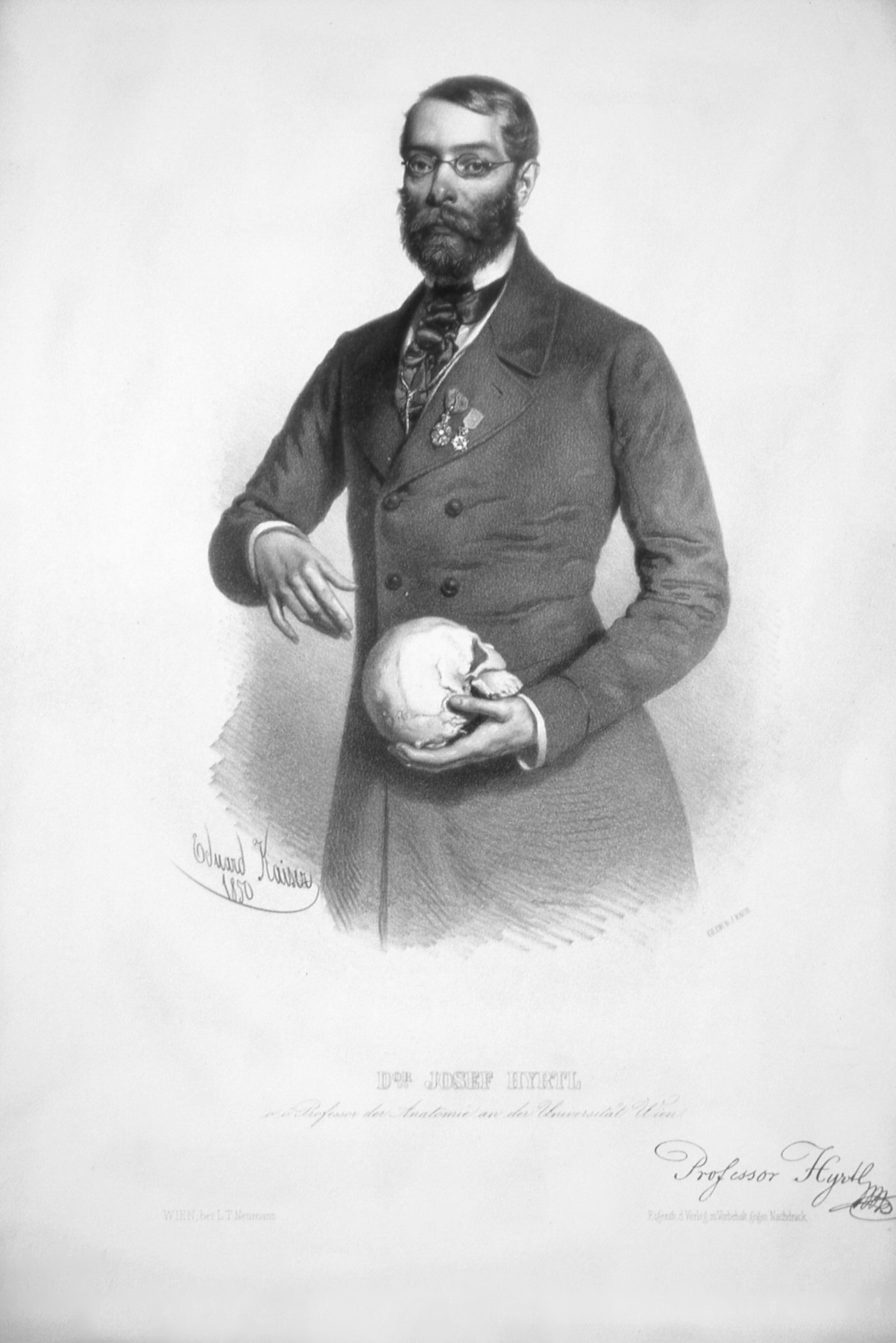
Hyrtl significantly enhanced the techniques of corrosion anatomy, a technique of preparing anatomical specimens invented by Frederik Ruysch. He built up a collection unsurpassed in Europe. In this work Hyrtl described…
1875 CE
#2778
Die Defecte der Scheidewände des Herzens.
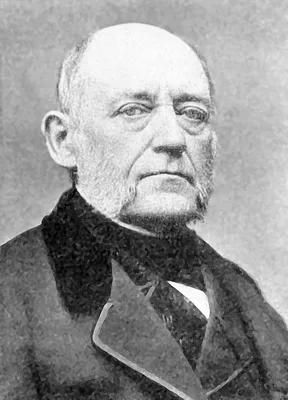
Rokitansky’s memoir on defects of the septum of the heart was his last work, and possibly his greatest. It represented 14 years’ study of the subject.
1870 CE
#423
Die descriptive und topographische Anatomie des Menschen.
1869 CE
#549
Die Einschmelzungs-Methode, ein Beitrag zur mikroskopischen Technik.
Introduction of paraffin embedding
1885 CE
#9544
Die elephantiastischen Formen. Eine umfassende Darstellung der angeborenen und erworbenen Elephantiasis sowie aller verwandten Leiden.
This atlas illustrates the various changes that occur under the collective term elephantiasis, including tumors of the blood and lymphatic vessels, fibromas, neuromas, papillomas. Goldschmid 258.
1894 CE
#4000
Die Histopathologie der Hautkrankheiten.
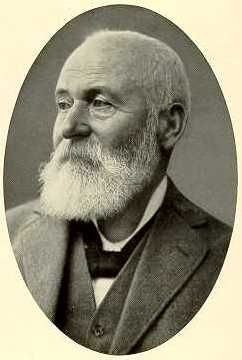
This monumental work is a landmark in dermatological history. Sir Norman Walker translated it into English in 1896. Unna, short in stature but a giant among dermatologists, initiated the study of the skin by means of …
1872 CE
#6188
Die Lage des Uterus und Foetus am Ende der Schwangerschaft nach Durchschnitten an gefrornen Cadavern
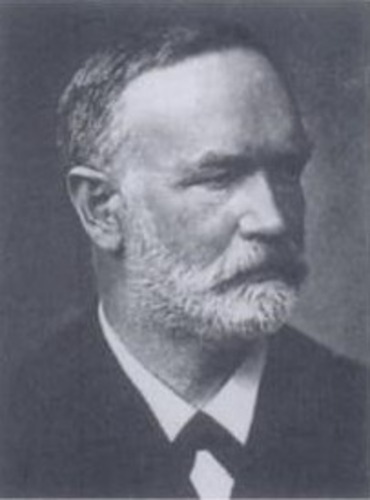
Supplement to No. 424.
1862 CE
#1108
Die Lymphgefässe und ihre Beziehung zum Bindegewebe.
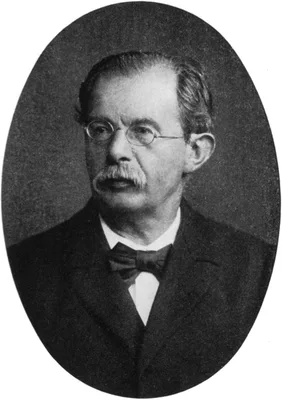
“Recklinghausen’s canals”, the lymph canaliculi.
1844 CE
#11148
Die männlichen und weiblichen Wollust-Organe des Menschen und einiger Säugetiere.
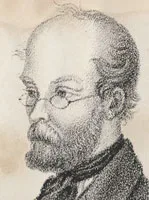
Kobelt provided the first comprehensive and accurate description of the function of the clitoris.Digital facsimile from digi.ub.uni-heidelberg at this link.
1847 CE
#2296
Die pathologischen Pigmente.
On the origin and chemical composition of extracellular and intracellular pigments, and on the supposed formation of new cells by the membranous envelopment of pigmented blood corpuscles or pigment granules.
1876 CE
#2304
Die Sections-Technik im Leichenhause des Charité-Krankenhauses.
On the technique of dissection. English translation, London, 1876.
1871 CE
#2535
Die Ursache der infectiösen Wundkrankheiten.
Klebs, Professor of Pathology at Berne, Würzburg, Prague, Zurich, and Chicago, preceded Koch in investigations of the pathology of traumatic infection. He found bacteria in gunshot wounds, granulation tissue, etc…
1665 CE
#1099
Dilucidatio valvularum in vasis lymphaticis et lacteis.
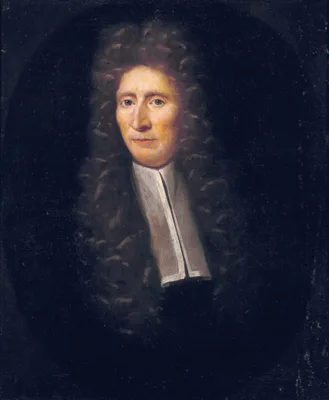
First description of the valves of the lymphatics, discovered by Ruysch. Facsimile reprint, Niewkoop, De Graaf, 1964.
1983 CE
#11091
Disease in ancient man: A report of an international symposium on disease in ancient man. Edited by Gerald D. Hart.
1967 CE
#2312.6
Diseases in antiquity: a survey of the diseases, injuries and surgery of early populations.
1995 CE
#7499
Diseases in wax: A history of the medical moulage.
1708 CE
#763
Disputatio medica inauguralis de circulo sanguinis in corde.
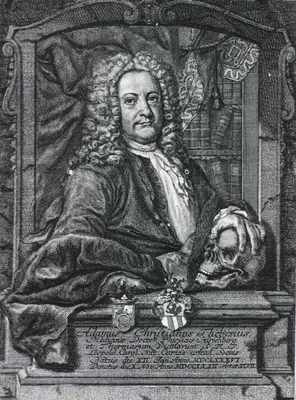
First description of the coronary valves and the venae thebesii.
2012 CE
#10708
Dissection on display: Cadavers, anatomists and public spectacle.
2009 CE
#7567
Dissection: Photographs of a rite of passage in American medicine 1880-1930.
1892 CE–1895 CE
#429
Dissections illustrated.
“Brodie’s ligament”, the transverse humoral ligament, described.
1720 CE
#976
Dissertatio anatomica qua novum bilis diverticulum circa orificium ductus choledochi ut et valvulosam colli vesicae felleae constructionem ad disceptandum proponit.
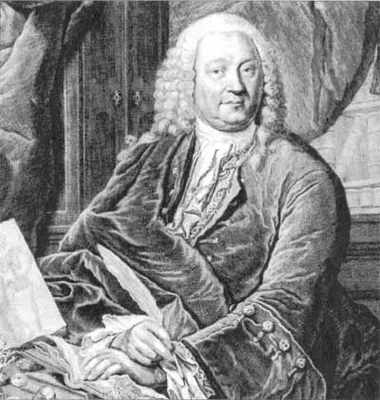
Following Vater’s classic description of the ampulla of the bile duct, it was named the “ampulla of Vater”.
1736 CE
#7507
Dissertatio de arteries et venis intestinorum hominis. Adjecta icon coloribus distincta.
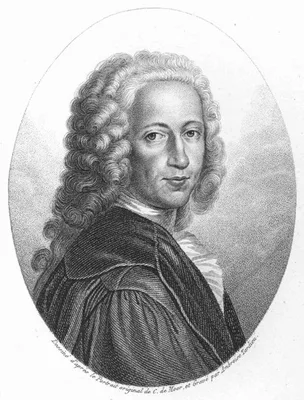
The small color mezzotint printed by the painter Jan Ladmiral included with this pamphlet on the arteries and veins of the human intestine was among the earliest applications of full color printing, and the first use …
1669 CE
#293
Dissertatio epistolica de bombyce.
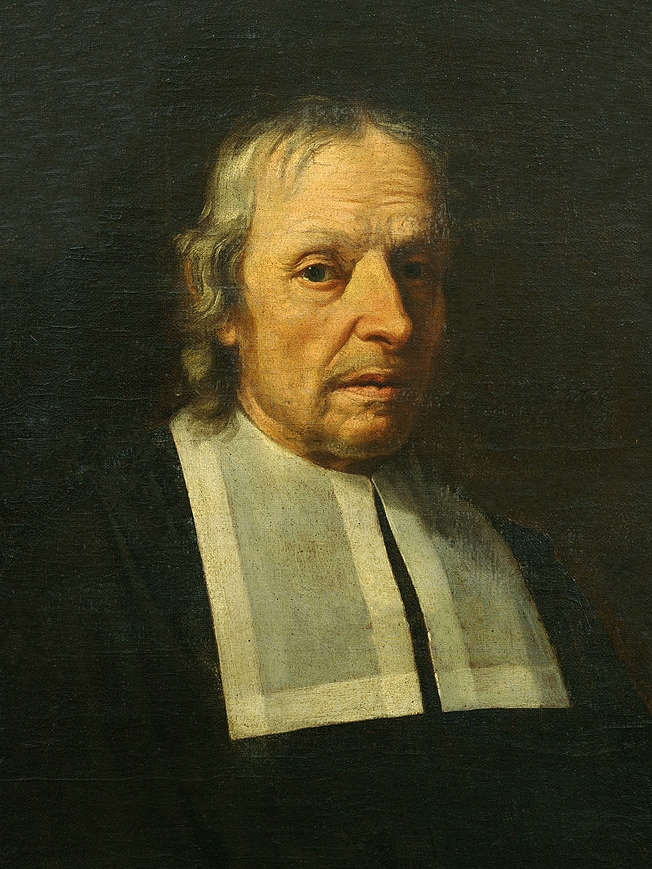
Malpighi’s work on the silkworm represents the first monograph on an invertebrate and records one of the most striking pieces of research work on his part. He dissected the silkworm under the microscope with gre…
1778 CE
#1383
Dissertatio inauguralis anatomica de basi encephali et originibus nervorum cranio egredientium libri quinque.
The first accurate enumeration of the 12 cranial nerves, superseding that of Willis (No. 1378). Soemmerring is notable for his accuracy in anatomical illustration. This was his thesis. The same publisher issued an edi…
1743 CE
#765.1
Dissertationem inauguralem de vera nervi intercostalis origine.
Taube described the carotid body and named it “ganglion minutum”, See J. Pick, J. Hist. Med., 1959, 14, 61-73.
1778 CE
#1551
Dissertations sur l’organe de l’ouie. 1. De l’homme. 2. Des reptiles. 3. Des poissons.
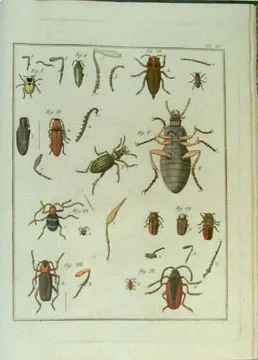
2006 CE
#6839
Dream Anatomy... Anatomy and the artistic imagination.
Catalogue of an exhibition held at the National Library of Medicine from October 9, 2002 to July 21, 2003. In May 2015 the website built for the exhibition was available at http://www.nlm.nih.gov/dreamanatomy/.
1684 CE
#974.2
Du ductu salivati hactenus non descriptio.
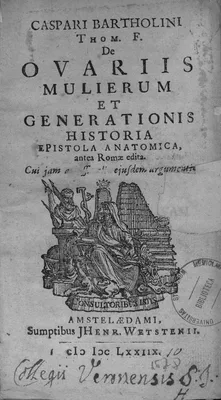
“Bartholin’s duct” and “gland”, the sublingual salivary gland and ducts.
1984 CE
#461.4
Early history of human anatomy, from antiquity to the beginning of the modern era.

1908 CE
#452
Ein Beitrag zur Geschichte der Anatomie im Mittelalter, speziell der anatomischen Graphik nach Handschriften des 9. bis 15. Jahrhunderts.
Studien zur Geschichte der Medizin, Leipzig, Heft 4. Reprinted Hildesheim, 1964.