
United Kingdom
2,270 entries published in United Kingdom. 6 publication places.
1743 CE
#1596
A description of ventilators.
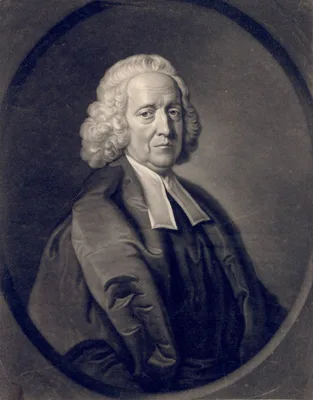
Hales devised a ventilator, by means of which fresh air could be introduced into jails, mines, hospitals, the holds of ships, etc. The invention met with immediate approval and contributed much towards health of those…
1743 CE
#306
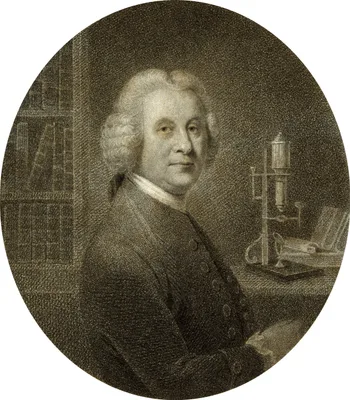
An attempt towards a natural history of the polype.
1743 CE
#5416
An essay on inoculation, occasioned by the small-pox being brought into South Carolina in the year 1738.
After its initial popularity, inoculation fell into disuse in England. Kirkpatrick, who became a prominent inoculator in England after experience in America, helped considerably in reviving its popularity. He attempte…
1743 CE–1745 CE
#6799
A medicinal dictionary: Including physic, surgery, anatomy, chymistry, and botany, in all their branches relative to medicine. Together with a history of drugs; An account of their various preparations, combinations, and uses; and an introductory preface tracing the progress of physic, and explaining theories which have principally prevail'd in all ages of the world. With copper plates. 3 vols.
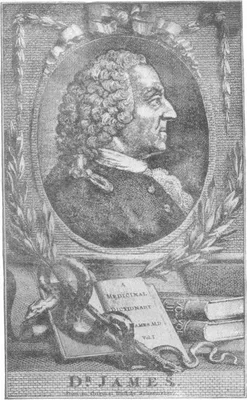
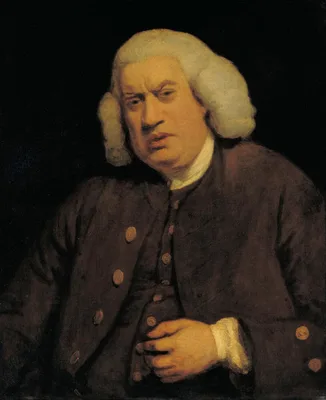
The largest, most exhaustive and most learned medical dictionary written in English prior to the early 19th century. Samuel Johnson wrote the dedication and some of the articles. This was Johnson’s first venture…
1744 CE
#3355
Instruments proposed to remedy some kinds of deafness proceeding from obstructions in the external and internal auditory passages.
Cleland, an army surgeon, devised the method of catheterization of the Eustachian tube by way of the nose; he designed the instruments necessary for the operation.
1744 CE
#10814
The art of preserving health: A poem.
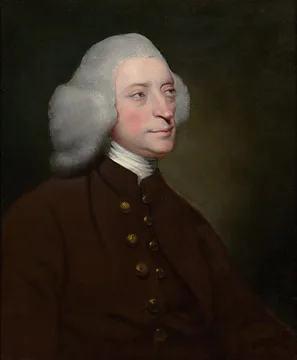
John Armstrong was the brother of George Armstrong. Digital facsimile from the Internet Archive at this link. The edition consisted of 1250 of which 50 were on "fine paper."
1744 CE
#11991
The method of treating gunshot wounds.
Describes surgical cases that Ranby treated under Lord Stair in the German campaign up to the Battle of Dettingen. While the Earl of Stair exercised operational control, the Allied army was nominally commanded by Geor…
1745 CE
#1831
Aνтιθηεριακά. An essay on mithridatium and theriaka.
Heberden’s first printed work. His criticism of current superstitions conceming these two concoctions resulted ultimately in their removal from the pharmacopoeia. No publisher's name appears on the title page. D…
1746 CE
#8869
Medicina Britannica; or, a treatise on such physical plants as are generally to be found in the fields or gardens of Great-Britain: Containing a particular account of their nature, virtues, and uses. Together with the observations of the most learned physicians, as well ancient as modern, communicated to the late ingenious Mr. Ray, and the learned Dr. Sim. Pauli. Adapted more especially to the occasions of those, whose condition or situation of life deprives them, in a great measure, of the helps of the learned. To which are added, three indexes: The first containing the England and Latin names of the plants treated of: The second of the diseases, and their remedies: The third to the notes.
Short focused his book on the medical uses of plants readily available in England. Many of the plants recommended in the traditional herbal literature were difficult to find in England. Digital facsimile from the Biod…
1747 CE
#5417
De variolis et morbillis liber.
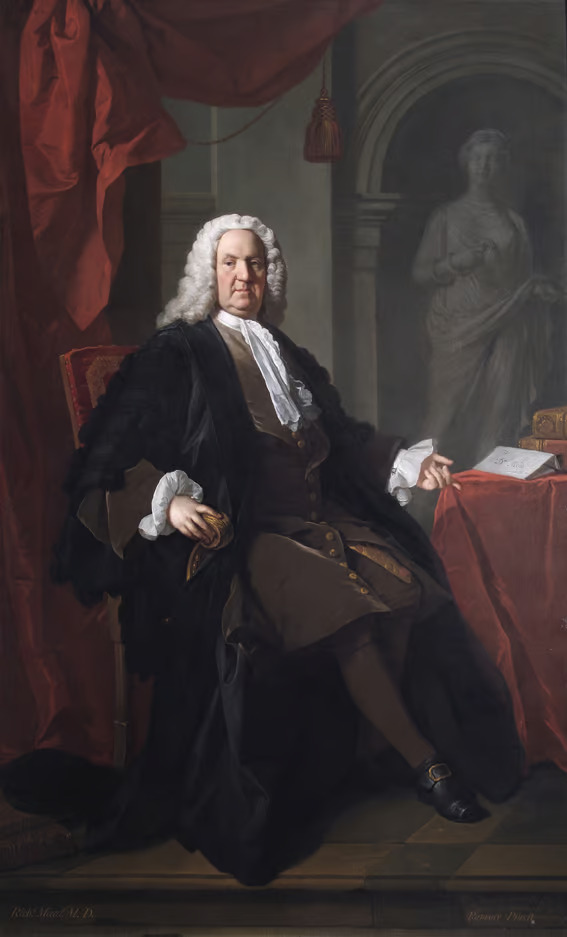
Includes a Latin translation of Rhazes’s commentary on smallpox. Mead favored inoculation, and his great authority and influence contributed to a more general acceptance of this measure. English translation enti…
1747 CE
#9149
Primitive physick; or, an easy and natural method of curing most diseases.
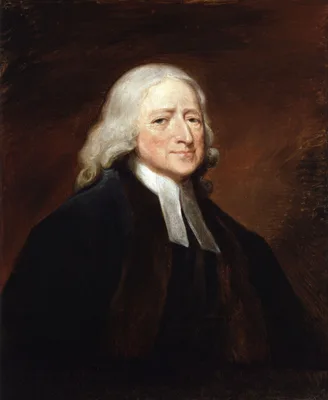
Wesley, an English cleric, theologian, and evangelist, was a leader of a revival movement within the Church of England known as Methodism. Digital facsimile of the 14th American edition, Philadelphia, 1770, from the I…
1748 CE
#5049
An account of the sore throat attended with ulcers.
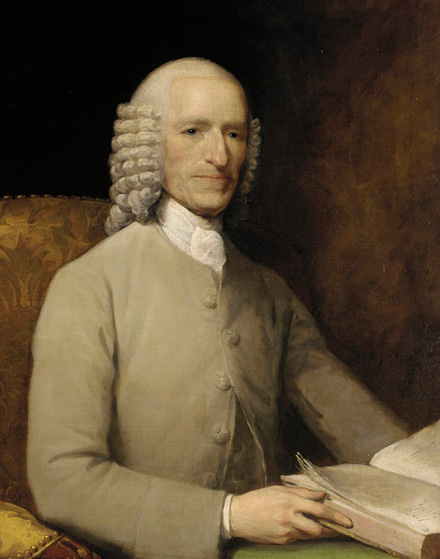
First authoritative account of both diphtheria and scarlatinal angina, although failing to differentiate between the two conditions. Reprinted in Med. Classics, 1940, 5, 58-99.
1748 CE
#6322
An essay upon nursing, and the management of children, from their birth to three years of age.
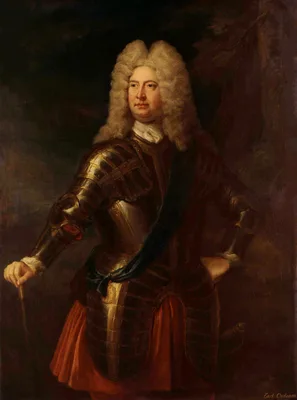
Cadogan’s famous essay laid down rules on the nursing, feeding, and clothing of infants, and filled a great need at a time when infant welfare was much neglected through the ignorance of those concerned. As a re…
1749 CE
#13625
A general chronological history of the air, weather, seasons, meteors, &c. In sundry places and different times; more particularly for the space of 250 years. Together with some of their most remarkable effects on animal (especially human) bodies and vegetables. 2 vols.
Digital facsimile from Google Books at this link.
1750 CE
#2201
An essay on fevers.
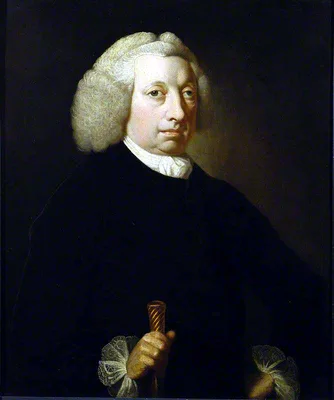
Huxham’s best work. He was well known in the west of England and wrote important monographs on diphtheria and on Devonshire colic. Huxham seemed to appreciate that a difference existed between typhus and typhoid…
1750 CE
#1692
New observations, natural, moral, civil, political, and medical, on city, town, and country bills of mortality.
Original and suggestive work on vital statistics, showing vividly the changing conditions of life as he saw it (Greenwood).
1750 CE
#5374
Observations on the nature and cure of hospital and jayl-fevers.
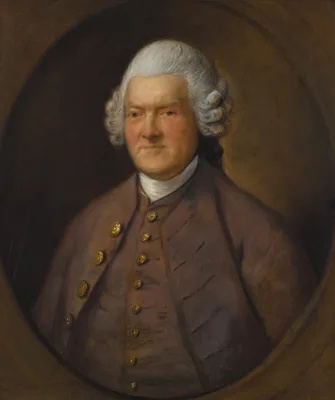
Pringle was a strong advocate of better ventilation in prisons and hospitals as a means of preventing typhus, which he showed to be identical with “hospital fever”.
1751 CE
#1381
An essay on the vital and other involuntary motions of animals.
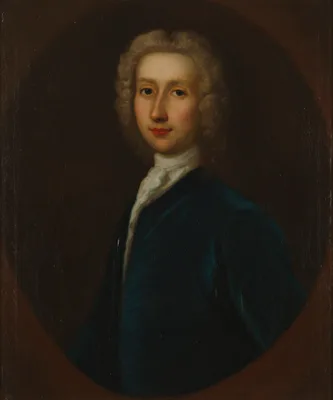
Whytt, famous Edinburgh neurophysiologist, was the first to prove that the response of the pupils to light is a reflex action (“Whytt’s reflex”). He described this reflex at length and mentioned that…
1751 CE
#6268
An essay towards a complete new system of midwifery, theoretical and practical.
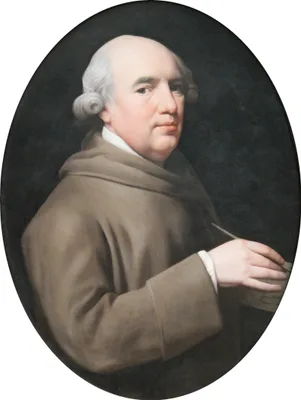
Burton was the first to suggest that puerperal fever is contagious, and the first to give a detailed discussion of Caesarean section. Laurence Steme satirized him as “Dr. Slop” in The life and opinions of …
1751 CE
#1674
Observations on the epidemical diseases in Minorca. From the year 1744 to 1749.
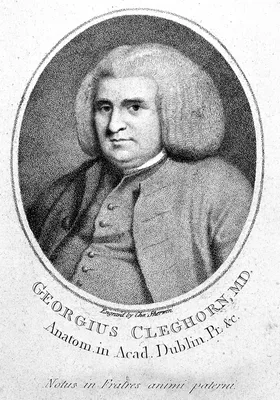
Cleghorn left a good account of several diseases and conditions not previously observed, among them epidemic jaundice. He included accounts of many post-mortems. Digital facsimile from the Internet Archive at this link.
1751 CE
#7677
Observations on the inhabitants, climate, soil, rivers, productions, animals, and other matter worthy of notice. Made by Mr. John Bartram, in his travels from Pensilvania to Onondago, Oswego and the Lake Ontario, in Canada. To which is annex'd, a curious account of the cataracts at Niagara, by Mr. Peter Kalm....
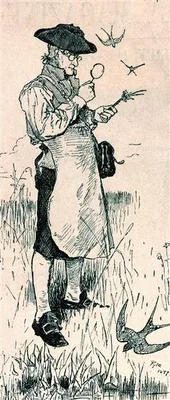
Digital facsimile from Biodiversity Heritage Library at this link.
1752 CE
#6154
A treatise on the theory and practice of midwifery.
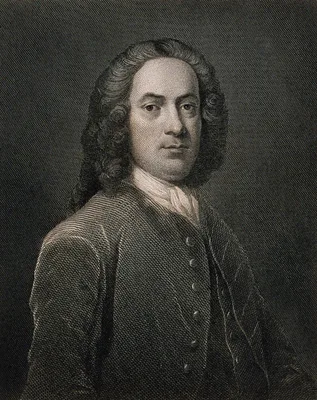
Smellie contributed more to the fundamentals of obstetrics than virtually any individual. In his Treatise he described more accurately than any previous writer the mechanism of parturition, stressing the importance of…
1752 CE
#2150
Observations on the diseases of the army, in camp and garrison.
Pringle, founder of modern military medicine, was Physician-General of the British Army from 1744 to 1752. His books lay down the principles of military sanitation and the ventilation of barracks, gaols, hospital ship…
1752 CE–1770 CE
#1675
Observationes de aëre et morbis epidemicis. 3 vols.
Huxham made daily records of the weather and prevailing diseases; his aim was to establish a relationship between atmospheric conditions and disease. The work was first published in 1728; vol. 1 and 2 of the edition g…
1753 CE
#3713
A treatise of the scurvy.
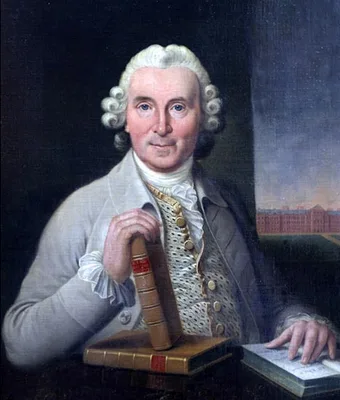
Lind, founder of naval hygiene in England, wrote a classic treatise on scurvy, in which he described many important experiments he made on the disease. These experiments have been called “the first deliberately …
1754 CE
#6154.1
A sett [sic] of anatomical tables, with explanations, and an abridgment, of the practice of midwifery…
The celebrated atlas for No. 6154, which is a complete work in itself. The 39 superb engravings include 26 after drawings by Jan van Rymsdyk, which are preserved in the Hunterian Collection at the University of Glasgo…
1754 CE
#7127
Bibliotheca Meadiana, sive catalogus librorum Richardi Mead, M.D. qui prostabunt venales sub hasta, apud Samuelem Baker ... Londini, die lunae, 18vo. Novembris, M.DCC.LIV., iterumque die lunae, 7mo. Aprilis, M.DCC.LV.
Mead's library consisted of upwards of 10,000 printed volumes, and many rare and valuable manuscripts. The collection was especially rich in medical works, and in early editions of the classics; it realized over &poun…
1754 CE
#919
Dissertatio medica inauguralis de humore acido a cibis orto, et magnesia alba.
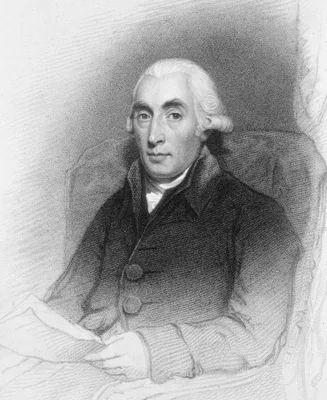
Isolation of carbon dioxide. English translation, Minneapolis, 1973.
1754 CE
#7678
The natural history of Carolina, Florida, and the Bahama Islands, containing the figures of birds, beasts, fishes, serpents, insects, and plants, particulary the forest trees, shrubs, and other plants, not hitherto described, or very incorrectly figured by authors. Together with their descriptions in English and French. To which are added, observations on the air, soil, and waters with remarks upon agriculture, grain, pulse, roots, &c. To the whole is prefixed a new and correct map of the countries treated of / by the late Mark Catesby; revised by Mr. [George] Edwards. 2 vols.
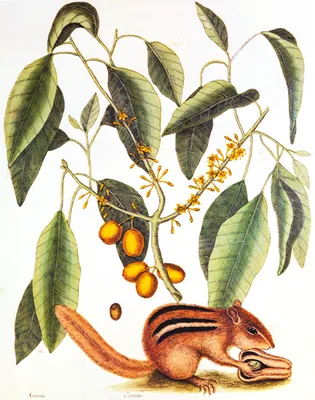
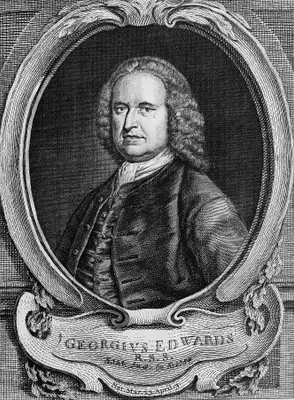
Second edition, edited by ornithologist George Edwards. Digital facsimile from the Internet Archive at this link.
1754 CE
#4968
Traité des sensations. 2 vols.
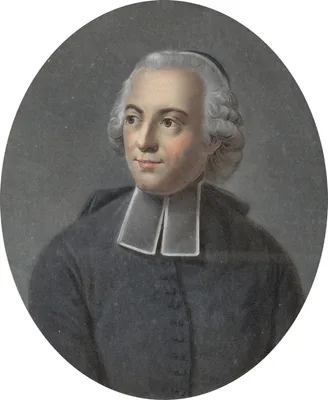
Condillac considered that we perceive only what our senses supply in the form of sensations: the “real being” of things is beyond us. English translation, London, 1930.
1755 CE
#12706
An essay towards the natural history of the corallines, and other marine productions of the like kind, commonly found on the coasts of Great Britain and Ireland. To which is added the description of a large marine polype taken near the North Pole, by the whale-fishers, in the summer 1753.
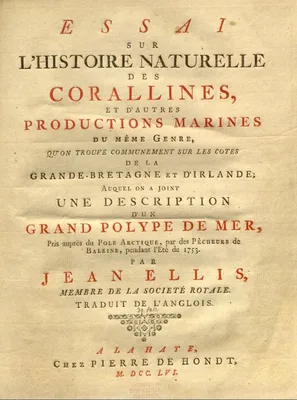
The first work to state the animal nature of corals, which had previously been regarded as marine plants. It has been asserted that although unsigned, some of the plates are after drawings by Ehret. Digital facsimile …
1755 CE
#10510
An historical account of the several plagues that have appeared in the world since the year 1346. With an enquiry Into the present prevailing opinion, that the plague is a contagious distemper, capable of being transported in merchandize, from one country to another. In which the absurdity of such notions is exposed, and the arguments that have been made use of to support them, refuted. To which are added a particular account of the yellow fever, shewing its periodical appearance to be similar to the plague. Also observations on Dr Mackenzie's letters; read before the Royal Society on this subject. And an abstract of Capt. Isaac Clemens's voyage in the Sloop Fawey, from their arrival in the Mould of Algiers, to the sinking of her, on a supposition that the plague was on board her. Taken from his log-book
Digital facsimile from Google Books at this link.
1755 CE
#12699
Authentic memoirs of the life of Richard Mead. [By Matthew Maty]
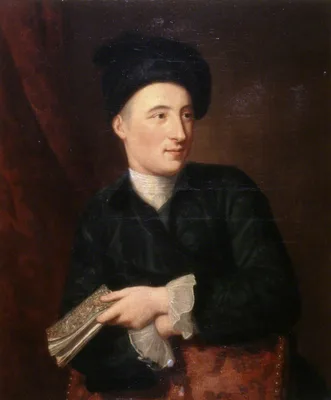
Digital facsimile from Google Books at this link.
1755 CE
#9507
Medica sacra; or a commentary on the most remarkable diseases, mentioned in the Holy Scriptures. Translated from the Latin under the author's inspection by Thomas Stack. To which are prefixed memoirs of the life and writings of the learned author.
First published by Brindley in Latin in 1749. This is the best edition. Digital facsimile from the Hathi Trust at this link.
1755 CE
#5124
Tentamen de inoculandi peste.
Weszprémi proposed preventive inoculation against plague.
1756 CE
#3356
A method proposed to restore the hearing, when injured from an obstruction of the tuba Eustachiana.
Wathen condemned Guyot’s method of Eustachian catheterization, and suggested a method of relieving catarrhal deafness by means of injections into the Eustachian tube through a catheter passed into the nose. Wath…
1756 CE
#3576
A treatise on ruptures.
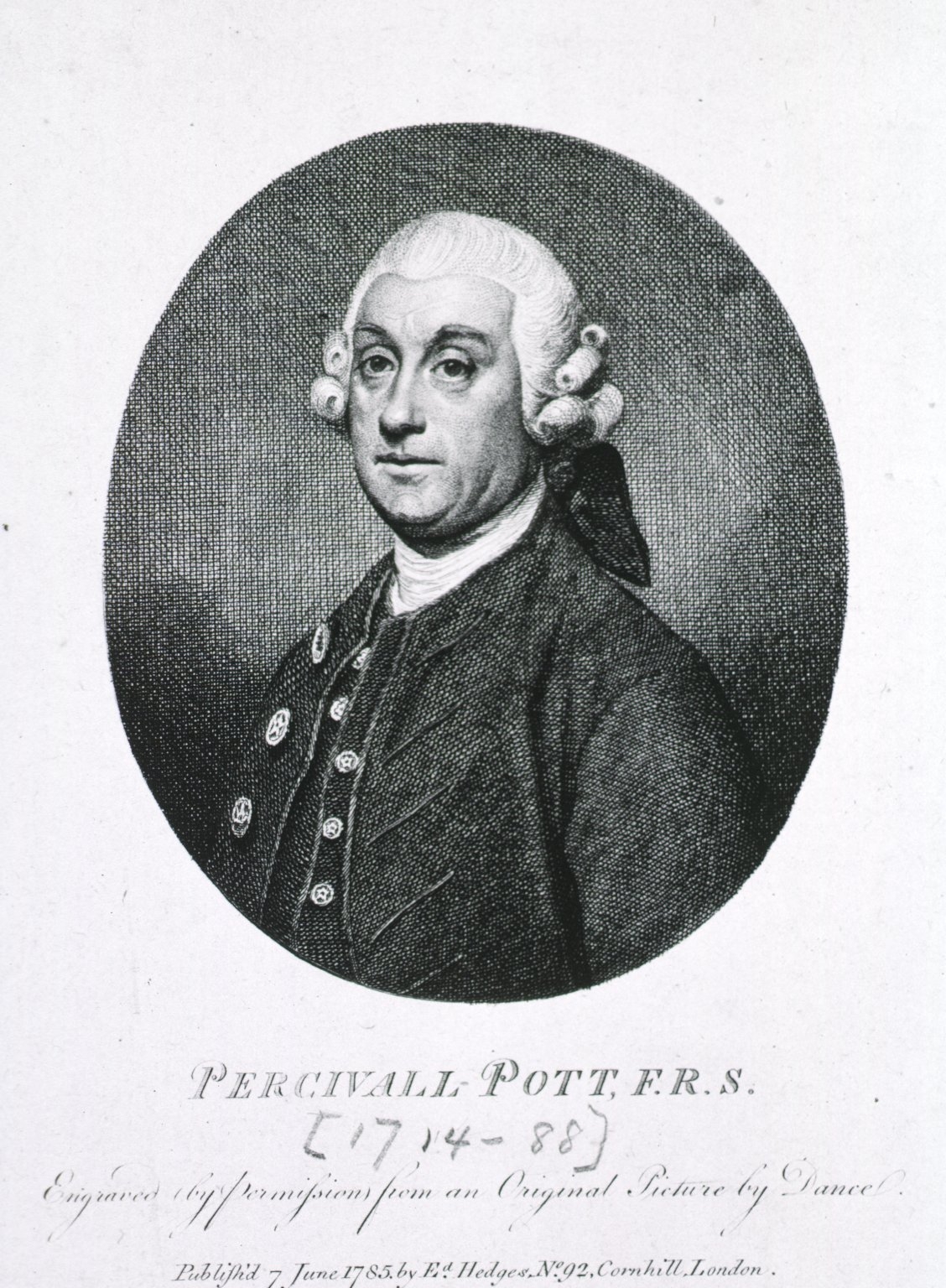
Pott was surgeon to St. Bartholomew’s Hospital. Through a fall in the street he was confined to bed for many days, and during that period wrote his classic book on hernia. He refuted many of the old theories con…
1756 CE
#8927
A. Cornelius Celsus. Of Medicine. In eight books. Translated with notes critical and explanatory by James Grieve.
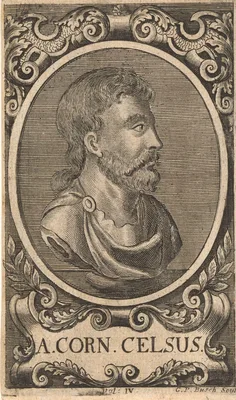
First English translation of Celsus De medicina. That it was translated into English for the first time in the mid-eighteenth century is a reflection of the use of Latin as the international language of medicine and s…
1756 CE
#7489
An essay on the demonstration of the human structure, half as large as nature, in four tables, from the pictures painted after dissections, for that purpose.
Four large mezzotint plates issued with an accompanying text.
1756 CE
#5290
Natural history of Aleppo and parts adjacent.
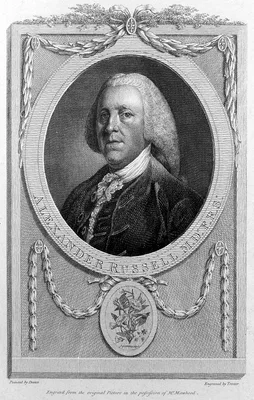
Includes (Chap, iv) a good account of “Aleppo boil”, which Russell found to be endemic in Aleppo. Digital facsimile from the Internet Archive at this link.
1756 CE
#13448
The civil and natural history of Jamaica. In three parts, containing 1. An accurate description of that Island, its situation and soil; with a brief account of its former and present state, government, revenues, produce, and trade. II. A history of the natural productions, including the various sorts of native fossils, perfect and imperfect vegetables, quadrupedes, birds, fishes, reptiles and insects; with their properties and uses in mechanics, diet, and physic. III. An account of the nature of climate in general, and their different effects upon the human body; with a detail of the diseases arising from this source, particularly within the tropics....illustrated with fifty copper-plates...in natural size....
Digital facsimile from Google Books at this link.
1756 CE
The natural history of Jamaica: In three parts. Containing, I. An accurate description of that island, its situation and soil; with a brief account of Its former and present state, government, revenues, produce, and trade. II. A history of the natural productions, including the various sorts of native fossils; perfect and imperfect vegetables; quadrupedes, birds, fishes, reptiles and insects; with their properties and uses in mechanics, diet, physic. III. An account of the nature of climates in general, and their different effects upon the human body; with a detail of the diseases arising from this source, particularly within the tropics....illlustrated with fifty copper-plates: in which the most curious productions are represented of the natural size, and delineated immediately from the objects.
1756 CE
#11158
The use of sea voyages in medicine.
Gilchrist recommended sea voyages as treatment for pulmonary tuberculosis and other diseases. Digital facsimile from Google Books at this link. Much expanded French translation by Edme-Claude Bourru as Utilité …
1757 CE
#5050
A dissertation on the malignant, ulcerous sore-throat.
Huxham’s reputation rests mainly on his Essays on fevers, but he also left an excellent account of diphtheria. Although he failed to differentiate the disease from scarlatinal angina, he was the first to observe…
1757 CE
#2151
An essay on the most effectual means, of preserving the health of seamen, in the Royal Navy.
Lind is regarded as the founder of naval hygiene in England. Besides his work on scurvy (see No.3713), he is notable for the above book, which deals not only with the men but also with the appalling conditions in whic…
1757 CE
#6156.4
The demonstrations of a pregnant uterus of a woman at her full term.
Atlas of six superb life-size mezzotint plates after paintings by Jan van Rymsdyk. A separate 16-page text was published in octavo.
1758 CE
#12396
A genuine narrative of the deplorable deaths of the English gentlemen and others who were suffocated in the Black Hole in Fort-William, at Calcutta, in the Kingdom of Bengal, in the night succeeding the 20th day of June, 1756, in a letter to a friend.
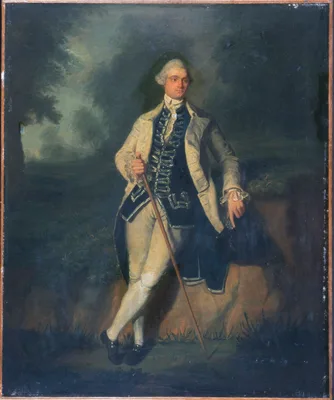
Holwell was a survivor of the Black Hole of Calcutta in Fort William, Calcutta , a poorly ventilated dungeon measuring 4.30 × 5.50 metres (14 × 18 feet), in which troops of S…
1758 CE
#4919.1
Treatise on madness.
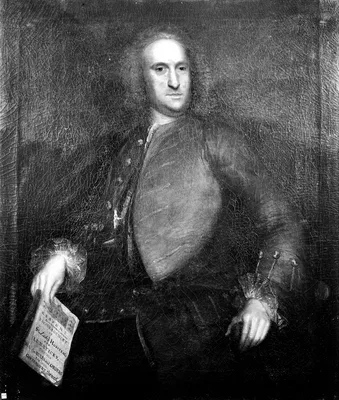
Battie was among the first to teach psychiatry at the bedside. His book is the first English text book on the subject. Reprinted with J. Monro’s Remarks on Dr. Battie’s treatise on madness, London, Dawsons…
1759 CE
#1692.1
A collection of the yearly bills of mortality, from 1657 to 1758 inclusive. Together with several other bills of an earlier date. To which are subjoined I. Natural and political observations on the bills of mortality; by Capt. John Graunt, F.R.S. reprinted from the sixth edition, in 1676. II. Another essay in political arithmetic, concerning the growth of city of London; with the measures, periods, causes, and consequences thereof. By Sir William Petty, Kt. F.R.S. reprinted from the edition printed at London in 1683. III. Observations on the past growth and present state of the city of London; reprinted from the edition printed at London in 175.1; with a continuation of the tables to the end of the year 1756
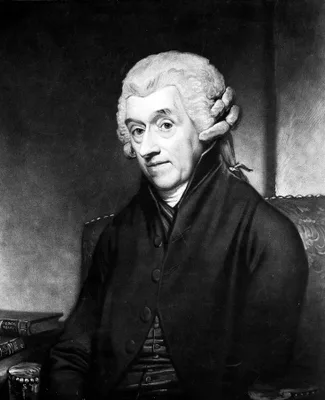
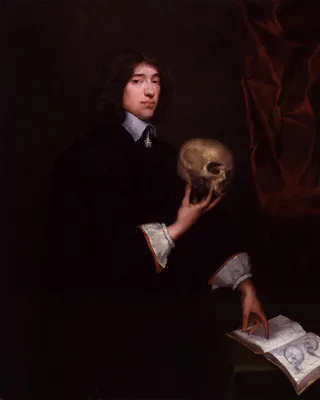
The only collected edition of early bills of mortality, which were generally published as broadsides and are not available separately. Includes reprints of Nos. 1686 and 1688. This work has traditionally been attribut…
1759 CE
#1484.2
A treatise on the eye. The manner and phenomena of vision. 2 vols.
Porterfield was Professor of the Institutes and Practice of Medicine at Edinburgh from 1724-26. His book included many original observations. It was the first important British work on the anatomy and physiology of th…