
Facets
Browse across eight MeSH (opens in new tab) facets — era, geography, science, specialty, technology, history, culture, and reference. Select one tag per group; counts update across the others.
Clear filtersFacet filters
Geography
Specialties & Disease
- Anatomy & Pathology 9
- Cardiology & Blood 94
- Neurology & Psychiatry 78
- Obstetrics & Reproductive 17
- Infectious Disease (General) 5
- Surgery & Anesthesia 52
- Public Health 101
- Immunology & Dermatology 60
- General Clinical Medicine 46
- Military Medicine 16
- Psychology 9
- Alternative & Fringe Medicine 100
- Pediatrics 6
- Ophthalmology & Vision 5
- ENT & Hearing 3
- Urology & Nephrology 3
- Gastroenterology & Hepatology 10
- Pulmonary & Respiratory 9
- Rheumatology, Rehab & Pain 29
- Internal, Emergency & Geriatric 4
- Veterinary Medicine 8
- Epidemiology & Demography 13
- Physiology & Embryology 41
- Dentistry 7
- Plagues & Epidemics 92
- Microbiology & Virology 82
Social & Historical Studies
Institutions & Culture
Reference & Scholarly Works
1,672 entries match Pharmacology & Therapeutics [D01 / E02]
1894 CE
#2107
Contribution à l’étude du vénin des serpents.
Calmette carried out extensive investigations on the immunization of animals to venoms. He obtained antivenom sera with therapeutic properties.
1871 CE
#9655
Contributions towards the materia medica & natural history of China for the use of medical missionaries & native medical students.
Digital facsimile from the Internet Archive at this link.
2011 CE
#13571
Correction of the 508del-CFTR protein processing defect in vitro by the investigational drug VX-809.
Negulescu and colleagues published a "proof of concept" experiment showing that the novel molecule called VX-809 could correct in vitro the very common and critical 508del-CFTR mutation identified by Collins. (See GM …
1656 CE
#7620
Cortex Peruviae redivivus, profligator febrium, assertus ab impugnationibus Melippi Protimi ...
The first book on Peruvian bark or cinchona (chinchona) in the treatment of malaria.
1554 CE
#1812
Cruÿdeboeck.
Dodoens was the first Belgian botanist of international repute. Drawing on the illustrations of Fuchs, but preparing his own text, Dodoens improved on the alphabetical Fuchs organization scheme by grouping plants acco…
1790 CE
#13699
Culpeper's English physician; and complete herbal. To which are now first added upwards of one hundred additional herbs, with a display of their medicinal and occult properties, physically applied to the cure of all disorders incident to mankind. To which are annexed rules for compounding medicine according to the true system of nature, forming a complete family dispensatory and natural system of physic. Beautified and enriched with engravings of upwards of four hundred and fifty different plants, and a set of anatomical figures....
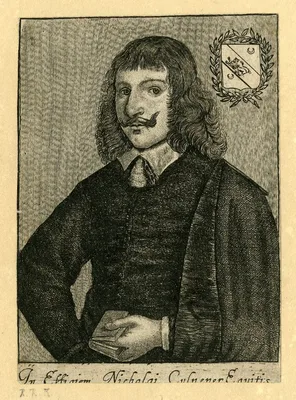
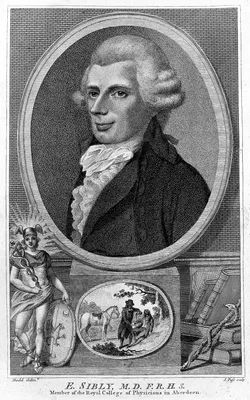
Digital facsimile from Biodiversity Heritage Library at this link.
1948 CE
#1929.3
Curare-like action of polymethylene bis-quaternary ammonium salts.
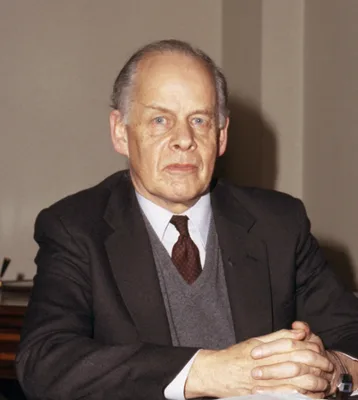
Methonium compounds. See also the same journal, 1948, 162, 810.
1964 CE
#2068.6
Curare, its history and usage.
1947 CE
#2090
Curare, its history, nature, and clinical use.
1935 CE
#5719
Curare.
Isolation from curare of d-tubocurarine chloride.
2006 CE
#12291
Curing the colonizers: Hydrotherapy, climatology, and French colonial spas.
Translated into French by the author as À la cure, les coloniaux ! Thermalisme, climatisme et colonisation française, 1830-1962. Rennes: Presses Universitaires de Rennes, 2011.
1631 CE
#13630
Curioso tratado de la naturaleza y calidad del chocolate, divido en quatro puntos. En el primero se trata, que sea chocolate; y que calidad tenga el cacao, y los demas ingredientes. En el segundo, se trata la calidad que result de rodos ellos. En el tercero se trata el modo de hazerlo, y de quanta maneras se toma en las Indias, y qual dellas es mas saludable. El ultimo punto trata de la quantidad, y como se ha de toma, y en que tiempo, y que personas.
Digital facsimile of the 1631 edition from bdh-rd.bne.es at this link . Translated into French in 1643 as Du chocolate discours curieux, divisé en quatre parties. Par Antoine Colmenero de Ledesma medecin & chirurgien…
1679 CE
#4436
Currus triumphalis, è terebinthô. Or an account of the many admirable vertues of oleum terebinthinae. More particularly, of the good effects produced by its application to recent wounds, especially with respect to the hemorrhagies of the veins, and arteries, and the no less pernicious weepings of the nerves, and lymphaducts. Where also, the common methods, and medicaments, used to restrain hemorrhagies, are examined, and divers of them censured. And lastly, A new way of amputation, and a speedier convenient method of curing stumps, than that commonly practised, is with divers other useful matters recommended to the military surgeon.…
Describes how Yonge used turpentine to arrest hemorrhage, and presents the first account of a flap amputation. It also shows that Yonge was familiar with tourniquets. Digital facsimile from Google Books at this link.
1938 CE
#13827
Cystic fibrosis of the pancreas and its relation to celiac disease: A clinical and pathological study.
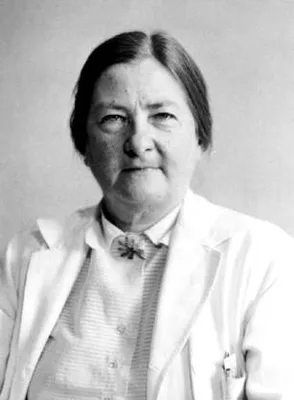
Andersen was the first to describe the characteristic cystic fibrosis of the pancreas, and to correlate it with the lung and intestinal disease prominent in CF. She also was the first to hypotheize that cystic fibrosi…
1954 CE
#2660.7
Cytoactive amino-acid and peptide derivatives. I. Substituted phenylalanines.

Melphalan (a nitrogen mustard) later used in the chemotherapy of cancer.
1982 CE
#9775
Dark paradise: Opiate addiction in America before 1940.
Enlarged edition retitled: Dark paradise: A history of opiate addiction in America (2002).
1805 CE
#1839
Darstellung der reinen Mohnsäure (Opiumsäure); nebst einer chemischen Untersuchung des Opiums, mit vorzüglicher Hinsicht auf einen darin neu entdeckten Stoff.
Isolation of morphine from opium. This was the first isolation of an active ingredient from a plant.
1992 CE
#8447
Das ‚Lorscher Arzneibuch‘. Ein medizinisches Kompendium des 8. Jahrhunderts (Codex Bambergensis medicinalis 1). Text, Übersetzung und Fachglossar. (Philosophische Dissertation Würzburg 1989) (Sudhoffs Archiv, Beiheft 28).
Digital facsimile of the original manuscript with the transcription and translation by Ulrich Stoll from Staatsbibliothek Bamberg at this link.
1986 CE
#13359
Das Aqrābādīn al-Qalānisī. Quellenkritische und begriffsanalytische Untersuchungen zur Arabisch-Pharmazeutischen Literatur.
1939 CE
#8449
Das Arzneidrogenbuch Circa Instans in einer Fassung des XIII. Jahrhunderts aus der Universitätsbibliothek Erlangen. Text und Kommentar als Beitrag zur Pflanzen- und Drogenkunde des Mittelalters by Hans Wölfel.
1982 CE
#8333
Das Bad in der byzantinischen Zeit.
1958 CE
#13218
Das Buch der Gifte des Gābir Ibn Hayyān Arabischer Text in Faksimile (Hs. Taymūr [sic] Tibb 393, Kairo), übersetzt und Erläuter von Alfred Siggel. (Akademie der Wissenschaften under der Literature [Mainz], Veröffentlichungen der Orientalischen Kommission, Band XIII).
Edition and translation of Jabir's The Book on Poisons and on the Repelling of their Harmful Effects (Kitāb al-Sumūm wa-dafʿ maḍārrihā, Kr. no. 2145).
1869 CE
#1869
Das Chloral, ein neues Hypnoticum.
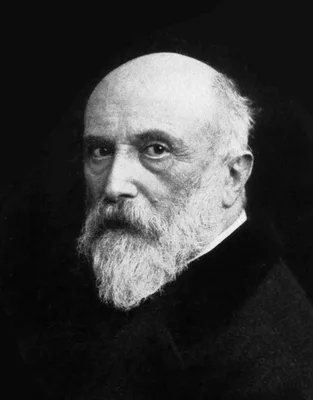
Demonstration of the value of chloral hydrate as a hypnotic. See also his monograph Das Chloralhydrat, Berlin, 1869.
1793 CE
#104.1
Das entdeckte Geheimnis der Natur im Bau und in der Befruchtung der Blumen.
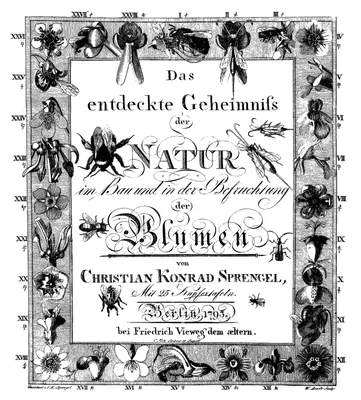
Sprengel demonstrated for the first time that the whole structure of nectar-bearing flowers is adapted for fertilization by insects. In his study of the Rose-bay Sprengel discovered dichogamy – that in some plan…
1989 CE
#8446
Das Lorscher Arzneibuch. Band 1: Faksimile der Handschrift Msc. Med. 1 der Staatsbibliothek Bamberg. Band 2: Übersetzung [...] von Ulrich Stoll und Gundolf Keil unter Mitwirkung von Albert Ohlmeyer. 2 vols.
The Lorschner Arzneibuch (Codex Bambergensis medicinalis 1; Lorsch Leechbook), a Carolingian codex from the time of Charlemagne, was written in Latin around 800 in Lorsch Abbey. It is the oldest surviving book of mona…
1900 CE
#239.01
Das Spaltungsgesetz der Bastarde.
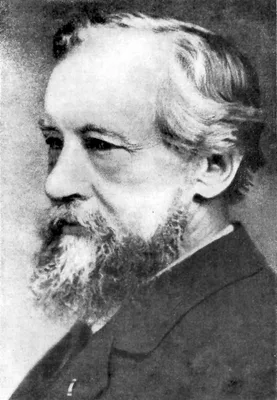
De Vries and Correns independently rediscovered and confirmed Mendel’s laws. This is De Vries’s most important paper on the subject. De Vries’s first published paper on the topic is “Sur la loi…
2017 CE
#12978
Das System der Natur. Die kollaborative Wissenskultur der Botanik im 18. Jahrhundert.
1903 CE–1910 CE
#8543
Datos par la materia médica Argentina. 2 vols. (Vol. 2: Trabajos de Instituto de Farmacología de la Facultad de Ciencias Médicas de Buenos Aires No. 25).
Digital facsimile from the Internet Archive at this link.
1553 CE
#8983
De arboribus coniferis, resiniferis, aliis quoque nonnullis sempiterna fronde virentibus, cum earundem iconibus ad viuum expressis. Item de melle cedrino, cedria, agarico, resinis, & iis quae ex coniferis proficiscuntur.
![BELON, Pierre [Pierre Belon du Mans; Petrus Bellonius Cenomanus] (1517 – 1564)](/media/portraits/9632)
One of the first treatises on conifers and other evergreen plants. Digital facsimile from Google Books at this link.
2008 CE
#9370
De arte gymnastica. The art of gymnastics. Critical edition by Concetta Pennuto. English translation by Vivian Nutton.
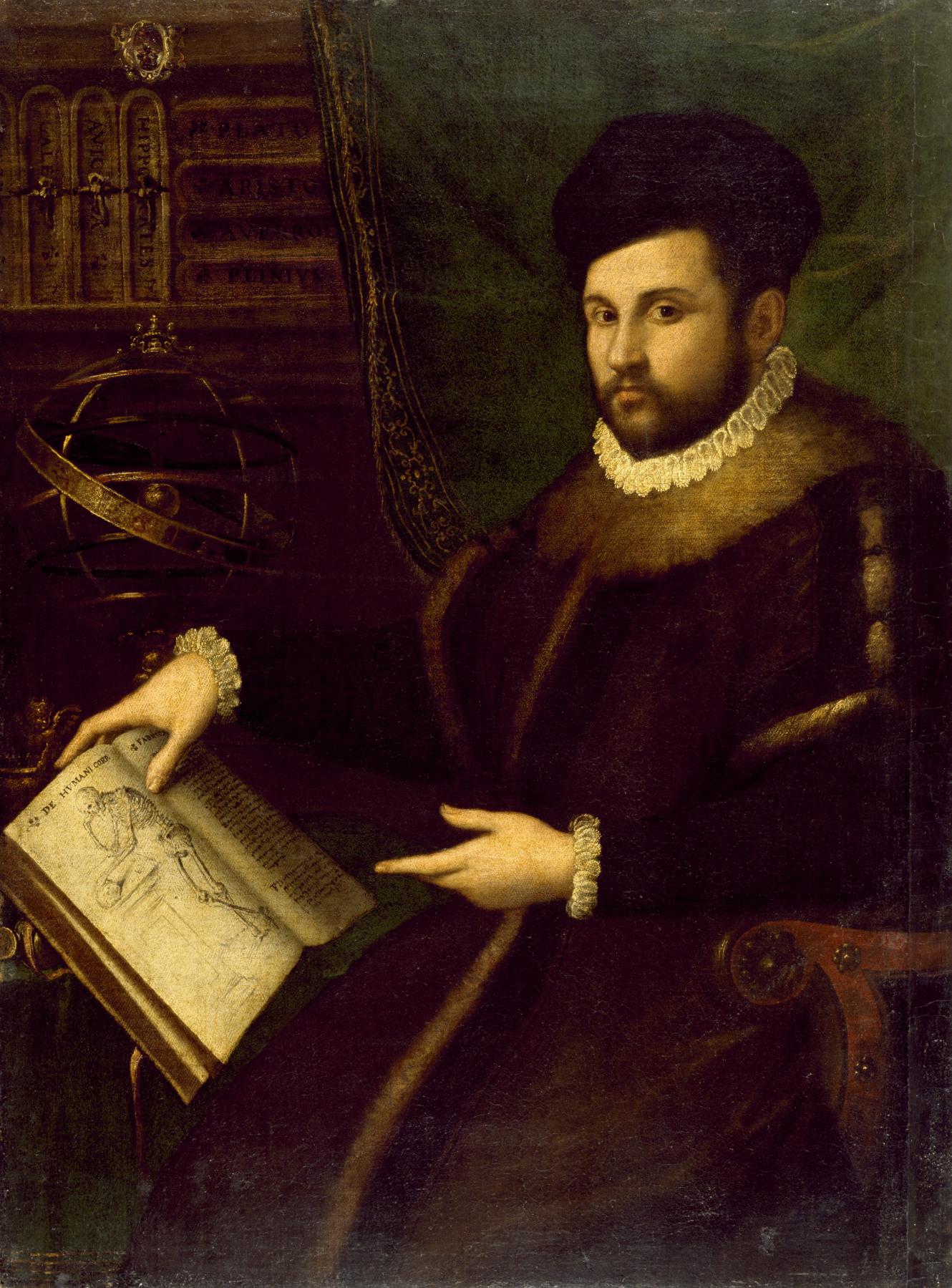
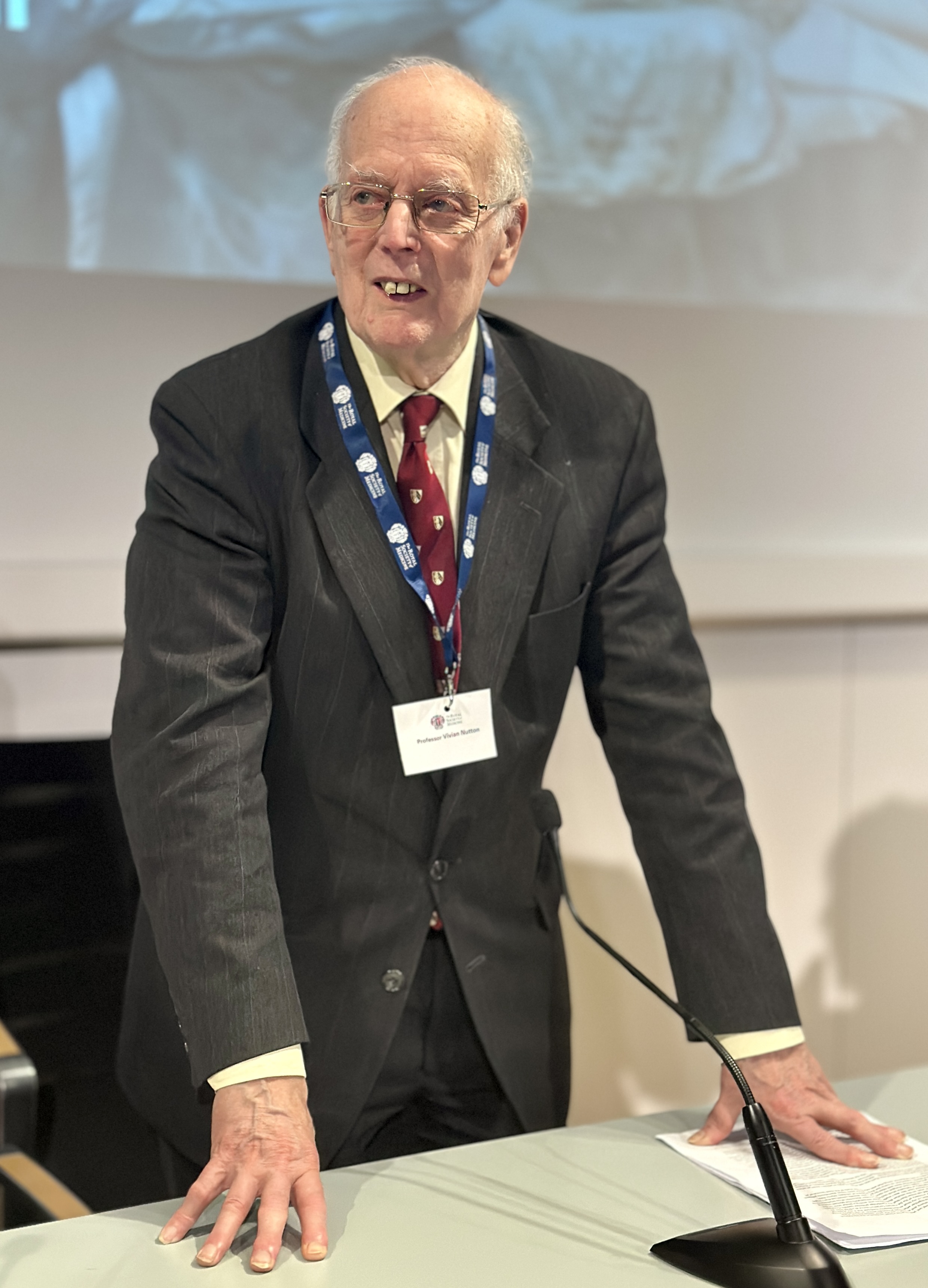
This critical edition, based upon the 1601 edition, the last edition published in Mercuriale's lifetime, includes the Latin text and English translation, reproductions of the woodcuts attributed to Coriolan and the or…
1485 CE
#14113
De balneis et thermis naturalibus omnibus Italiae.
The second printed book on balneology. Savonarola took a skeptical approach to the subject, relying on his own observations and rejecting the notion that baths owed their virtues to occult or supernatural properties. …
1553 CE
#1986
De balneis omnia quae extant apud Graecos, Latinos, et Arabas.
DE BALNEIS
This is a collective work, incorporating the writings of more than 70 authorities, among whom may be mentioned Avicenna, Averroës, Avenzohar, Guainerio, Gesner, Savonarola, Petrus de Abano, and Maimonides. It giv…
1473 CE
#13028
De balneis. Add: Francesco da Siena: Dicta de balneo Petrioli. Bonaventura de Castello: Recepta aquae balnei de Porrecta.
First printed edition of da Foligno's treatise on bathing together with the first printing with a definite date of Castelli's work. ISTC No. ig00133000. Remarkably the ISTC cites two different separate undated printin…
1757 CE
#2095
De colica pictonum.
Tronchin, sometime physician to Voltaire, showed that the so-called “Poitou colic” was caused by drinking water which had passed through lead gutters. Tronchin introduced inoculation into Holland, France, …
1530 CE
#11083
De compositione medicamentorum... lib VII per Ioannem Guinterium Andernacum imprimum latinitate donati. Eiusdem De ponderibus & mensuris liber, D. Andrea Alciato interprete.
![GALEN, [Κλαύδιος Γαληνός; Galen of Pergamon] (129 – 216)](/media/portraits/21)
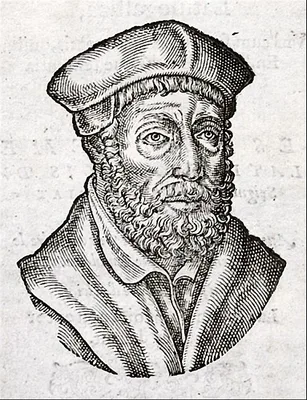
First separate edition in Latin of Galen's De compositione medicamentorum, On the Composition of medicines, translated by Johann Winter of Andernach, to which was added Galen's treatise on weights and measures transla…
1528 CE
#1785
De compositionibus medicamentorum liber unus
Written in 47 CE, this is an important compilation of drugs and prescriptions. Among the 271 remedies are the first use of electrotherapy (for headaches) using the shock of the torpedo fish. and it records the drinkin…
1792 CE–1794 CE
#1965
De curandis hominum morbis epitome. 6 vols.
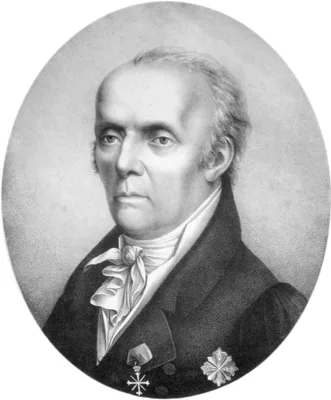
1562 CE
#1818
De gradibus, de compositionibus, et dosibus receptorum ac naturalium libri septem.
Paracelsus has been called by some “the pioneer of modern chemists” and by others “uncouth, boorish, vain, ignorant and pretentious”. His De gradibus contains most of his innovations in Chemica…
1519 CE
#9847
De guaiaci medicina et morbo gallico liber unus.
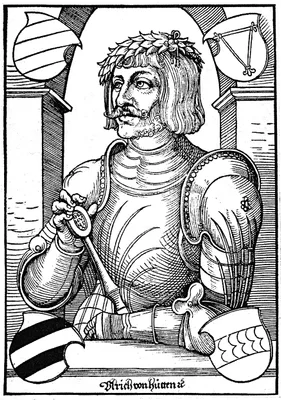
The German scholar, poet, satirist and reformer von Hutten issued a remarkably widely published and influential account of his suffering from syphilis and his treatment with gum from Guaiacum wood. This is considered …
1483 CE
#1783
De historia et causis plantarum. Edited, with a table, by Georgius Merula. Translated by Theodorus Gaza.
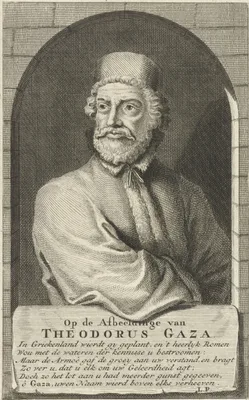
A student of Aristotle, Theophrastus succeeded his teacher as head of the Athens Peripatetic School. This is the earliest work of scientific botany, a subject not addressed in any of the writings of Aristotle. Theophr…
1846 CE
#2031
De historia medicamentorum.
1542 CE
#1808
De historia stirpium commentarii.
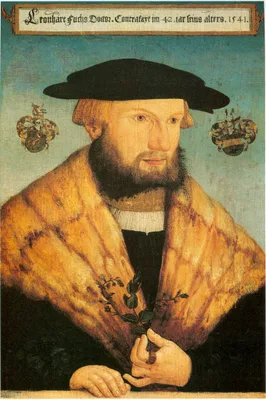
Illustrated with full-page woodcut illustrations drawn by Albrecht Meyer, copied onto the blocks by Heinrich Füllmaurer and cut by Veit Rudolf Speckle; the artists' self-portraits appear on the final leaf. Descri…
1658 CE
#1825
De Indiae utriusque re naturali et medica libri quatuordecim.
This is an extensively revised and enlarged second edition of Piso’s Historia naturalis Brasiliae (1648). In this edition Piso reprinted Bontius's De medicina Indorum (1642) with two additional books on Asian fl…
1698 CE
#5181
De ipecacuanha novo Gallorum antidysenterico. Resp. C[hristophe] F[riedrich] Kneussel.
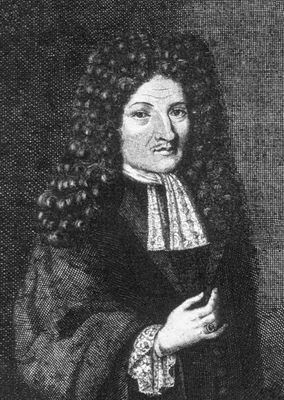
There is evidence that amoebic dysentery was known to Hippocrates. The history of treatment begins with the use of ipecacuanha, the dried root of Cephaelis ipecacuanha, a plant from Brazil. This was first mentioned as…
1807 CE
#13348
De l'établissement des principaux jardins de botanique.
Digital facsimile from Google Books at this link. Edited English translation by Roger L. Williams as "On the establishment of the principal gardens of botany: A bibliographical essay by Jean-Philippe-François D…
1671 CE
#13629
De l'usage du caphe, du the, et du chocolate.
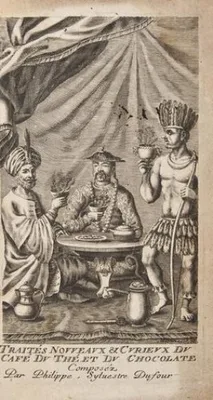
The Library of Congress attributes this anonymous work to Philippe Sylvestre Dufour, but characterizes Jacob Spon as the "supposed author." They also state as follows: "Attributed also to Jacob Spon. cf. Paris. Bibl. …
1790 CE
#13623
De l'usage du quinquina dans les fièvres rémittentes. Mémoire qui a remporté en 1785, au jugement de la Societé Royale de Médecine de Paris.
Digital facsimile from Biodiversity Heritage Library at this link.
1902 CE
#2590
De l’action anaphylactique de certains venins.
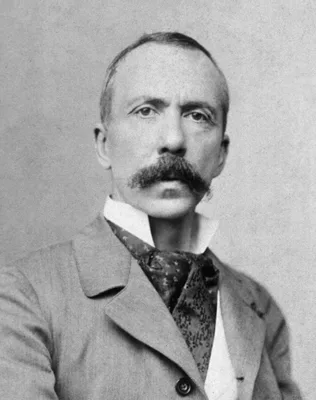
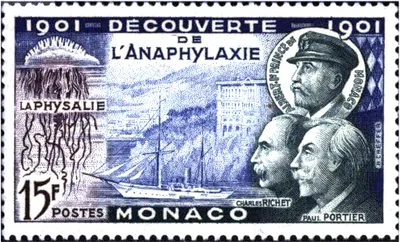
First full description of the phenomenon of “anaphylaxis,” the name of which was coined by Richet. Abbreviated English translation in Bibel, Milestones of immunology (1988). In 1913, Richet was awarded the…
1855 CE
#1995
De l’électrisation localisée et de son application à la physiologie, à la pathologie, et à la thérapeutique.
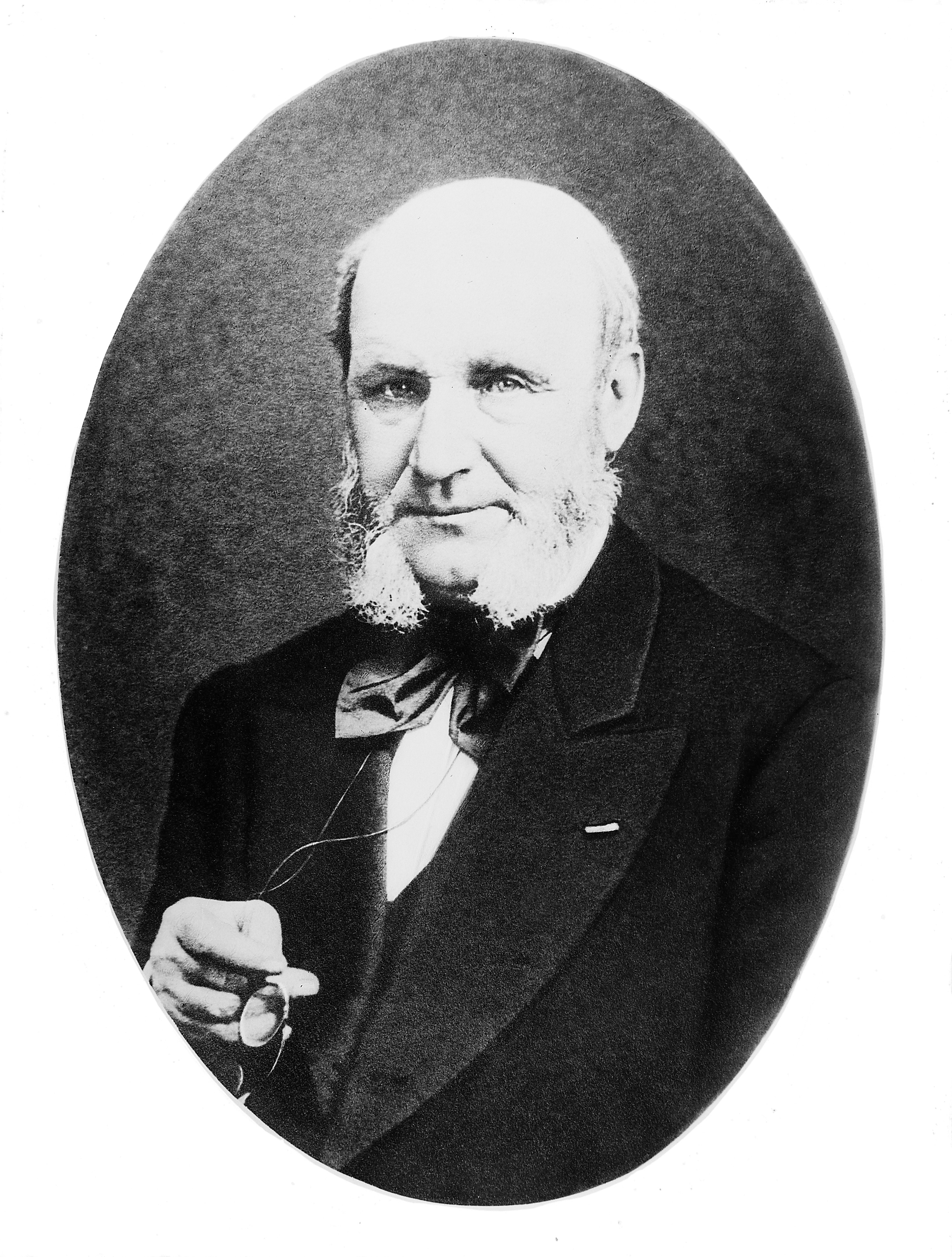
Duchenne classified the electrophysiology of the entire muscular system and summed up his findings in the above work. The application of his results to pathological conditions marks him as the founder of electrotherap…
1478 CE
#6934
De materia medica. Ed: Petrus de Abano. Comm: Petrus de Abano.
![DIOSCORIDES, Pedanius [Πεδάνιος Διοσκουρίδης] (40 – 90)](/media/portraits/2028)
The first printed edition of Dioscorides, translator unidentified. A Greek physician from Anazarbus in Cilicia (now Turkey), Dioscorides traveled to the Greek mainland, to Crete, Egypt and Petra. He is believed to hav…