
Facets
Browse across eight MeSH (opens in new tab) facets — era, geography, science, specialty, technology, history, culture, and reference. Select one tag per group; counts update across the others.
Clear filtersFacet filters
Geography
Specialties & Disease
- Anatomy & Pathology 43
- Cardiology & Blood 13
- Neurology & Psychiatry 44
- Obstetrics & Reproductive 19
- Infectious Disease (General) 3
- Surgery & Anesthesia 48
- Public Health 154
- Immunology & Dermatology 61
- General Clinical Medicine 83
- Military Medicine 32
- Psychology 16
- Alternative & Fringe Medicine 52
- Pediatrics 6
- Ophthalmology & Vision 7
- ENT & Hearing 12
- Urology & Nephrology 7
- Gastroenterology & Hepatology 7
- Pulmonary & Respiratory 2
- Rheumatology, Rehab & Pain 6
- Internal, Emergency & Geriatric 12
- Veterinary Medicine 4
- Epidemiology & Demography 18
- Physiology & Embryology 203
- Dentistry 259
- Plagues & Epidemics 26
- Microbiology & Virology 44
Social & Historical Studies
Institutions & Culture
Reference & Scholarly Works
203 entries match Physiology & Embryology [G07 / G02.149] · Professions & Education [M01 / N02]
1897 CE
#5064
Die Wertbestimmung des Diphtherieheilserums.
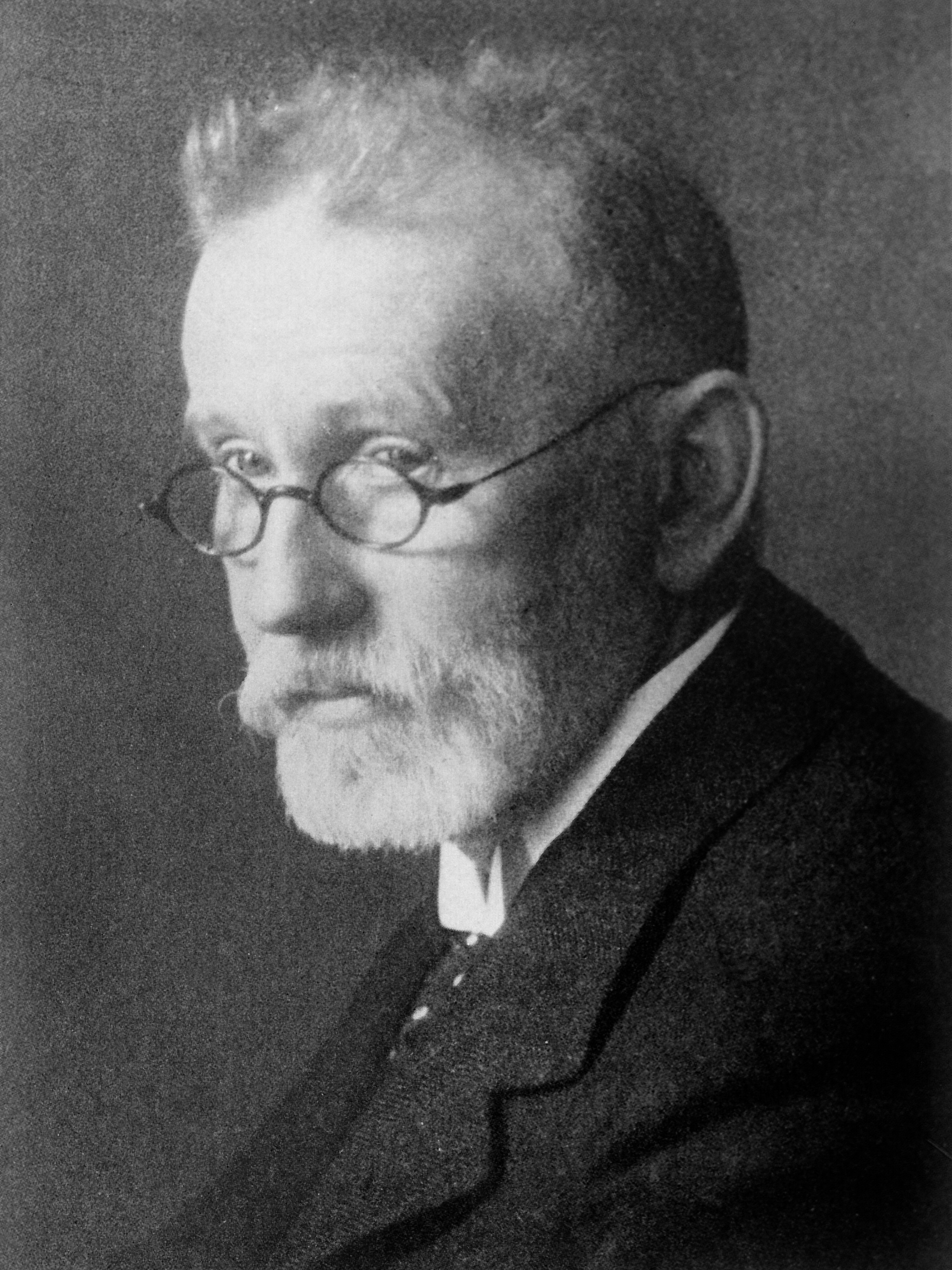
Ehrlich improved Behring’s diphtheria antitoxin through quantitative titration and established an international standard for this and other antitoxins. This was the beginning of the concept of biological standar…
1952 CE
#1354.2
Different forms of signalling employed by the nervous system.
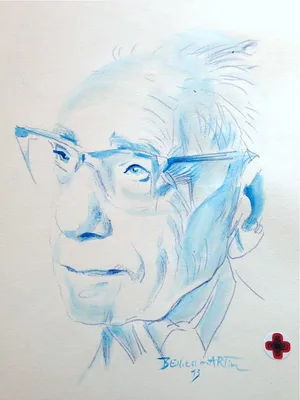
In 1970 Katz shared the Nobel Prize in Physiology or Medicine with Ulf von Euler and J. Axelrod "for their discoveries concerning the humoral transmitters in the nerve terminals and the mechanism for their storage, re…
1976 CE
#2660.28
DNA related to the transforming gene(s) of avian sarcoma viruses is present in normal avian DNA.
Discovery of the first “oncogene. In 1989 Varmus and Bishop shared the Nobel Prize for in Physiology or Medicine "for their discovery of the cellular origin of retroviral oncogenes."
1969 CE
#532.4
Early stages of fertilization in vitro of human oocytes.
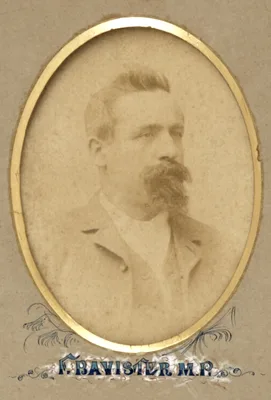
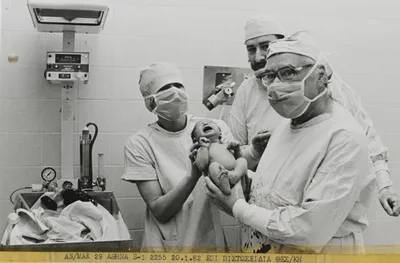
First successful in-vitro fertilization of human oocytes. In 2010 Robert Edwards was awarded the Nobel Prize in Physiology or Medicine "for the development of in vitro fertilization."
1935 CE
#1949
Ein Beitrag zur Chemotherapie der bakteriellen Infektionen.
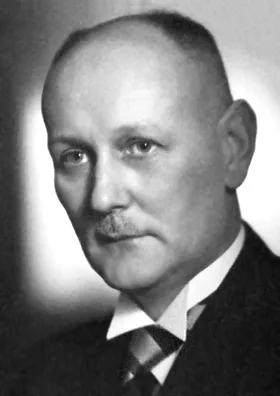
Introduction of Prontosil, the first drug containing sulfanilamide. In 1939 Domagk was awarded the Nobel Prize in Physiology or Medicine "for the discovery of the antibacterial effects of prontosil."
1996 CE
#14267
Enhancement of antitumor immunity by CTLA-4 blockade.
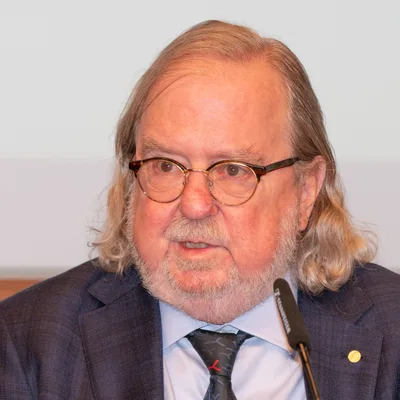
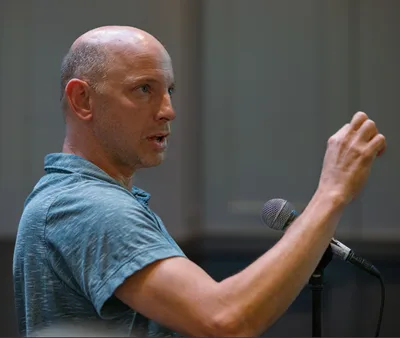
In the early 1990s James Allison showed that CTLA-4 acts as an inhibitory molecule to restrict T-cell responses. In 1996, Allison was the first to show that antibody blockade of a T-cell inhibitory molecule (known as …
1965 CE
#14311
Enzymatic basis for the active transport of sodium and potassium across the cell membrane.
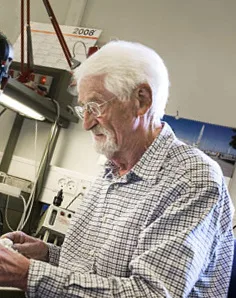
Skou discovered that the active transport of sodium and potassium is carried out in the cell membrane by an enzyme that serves as a sodium and potassium "pump," that catalyzes ATP hydrolysis. He named the enzyme "sodi…
1958 CE
#1931.6
Enzymatic O-methylation of epinephrine and other catechols.
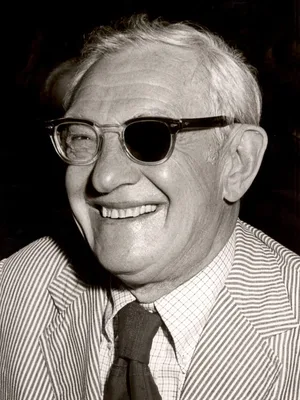
The authors discovered the enzyme "COMT" or cathecol-O-methyltransferase, and determined that it was crucial in the methylation and inactivation of adrenergic and other catecholamine type neurotransmitters. (Thanks to…
1947 CE
#751.4
Enzymatic reactions in carbohydrate metabolism.
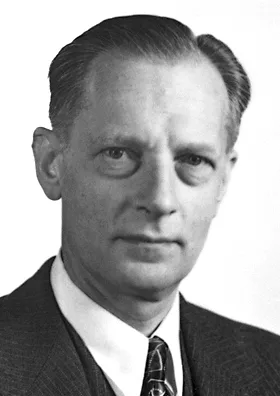
In 1947 Carl Cori and his wife Gerty Cori (1896-1957) shared the Nobel Prize (with Houssay) “for their discovery of the course of the catalytic conversion of glycogen.” They are more often remembered for t…
1956 CE
#752.4
Enzymic synthesis of deoxyribonucleic acid.
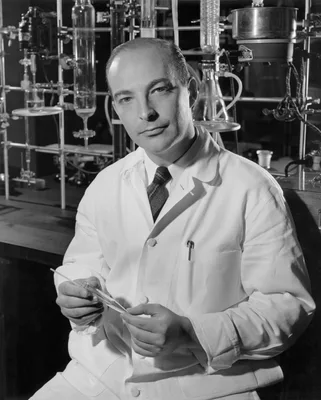
In 1959 Kornberg shared the Nobel Prize in Physiology or Medicine with Severo Ochoa "for their discovery of the mechanisms in the biological synthesis of ribonucleic acid and deoxyribonucleic acid." Order of authorshi…
1936 CE
#4905
Essai d’un traitement chirurgical de certaines psychoses.
Prefrontal leucotomy (lobotomy). Translation in J. Neurosurg., 1964, 21, 1110-14. See also Egas Moniz's book Tentatives opératoires dans le traitement de certaines psychoses, Paris, 1936. His name was originall…
1981 CE
#13285
Establishment in culture of pluripotential cells from mouse embryos.
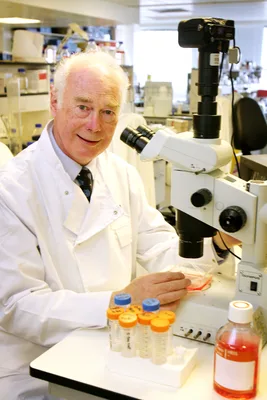
Evans and Kauffman were the first to identify, isolate and successfully culture embryonic stem cells using mouse blastocysts. This discovery opened the doors to the creation of “murine genetic models” -- m…
1976 CE
#14245
Evidence for somatic rearrangement of immunoglobulin genes coding for variable and constant regions.
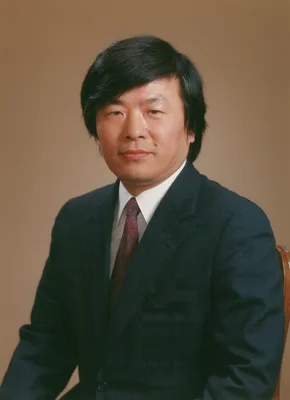
Discovery of V(D)J recombination, the genetic mechanism which produces antibody diversity. In 1987 Tonegawa was awarded the Nobel Prize in Physiology or Medicine "for his discovery of the genetic principle for generat…
1878 CE
#3826
Exstirpation einer Struma retroesophagea.
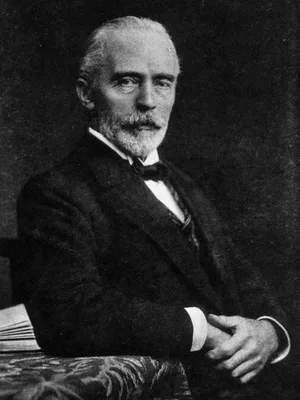
Kocher, a pupil of Billroth, was a pioneer of thyroidectomy for goitre. Before his time the operation was seldom performed. Garrison says that Kocher performed this difficult operation 2,000 times, with a mortality ra…
1959 CE
#14141
Factors affecting the activity of muscle phosphorylase b kinase.
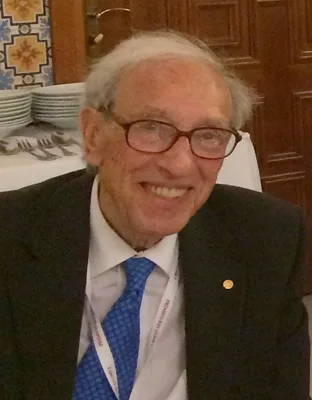
In 1992 Krebs and Fischer were awarded the Nobel Prize in Physiology or Medicine "for their discoveries concerning reversible protein phosphorylation as a biological regulatory mechanism." Digital facsimile from PubMe…
1912 CE
#1048
Feeding experiments illustrating the importance of accessory factors in normal dietaries.
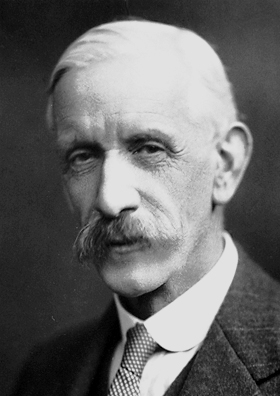
In 1929 Hopkins shared the Nobel Prize in Physiology or Medicine with Eijkman "for his discovery of the growth-stimulating vitamins."
1975 CE
#2660.27
From the molecular biology of oncogenic DNA viruses to cancer. Les Prix Nobel en 1975, pp. 172-80.
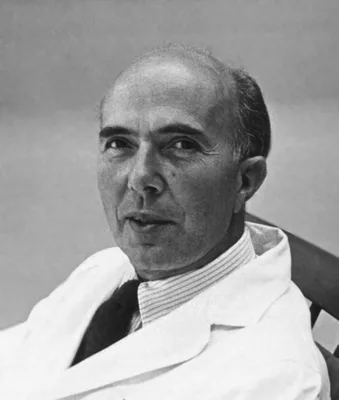
In 1975 Dulbecco shared the Nobel Prize in Physiology or Medicine with David Baltimore and Howard Martin Temin "for their discoveries concerning the interaction between tumour viruses and the genetic material of the c…
1946 CE
#255.4
Gene recombination in Escherichia coli.
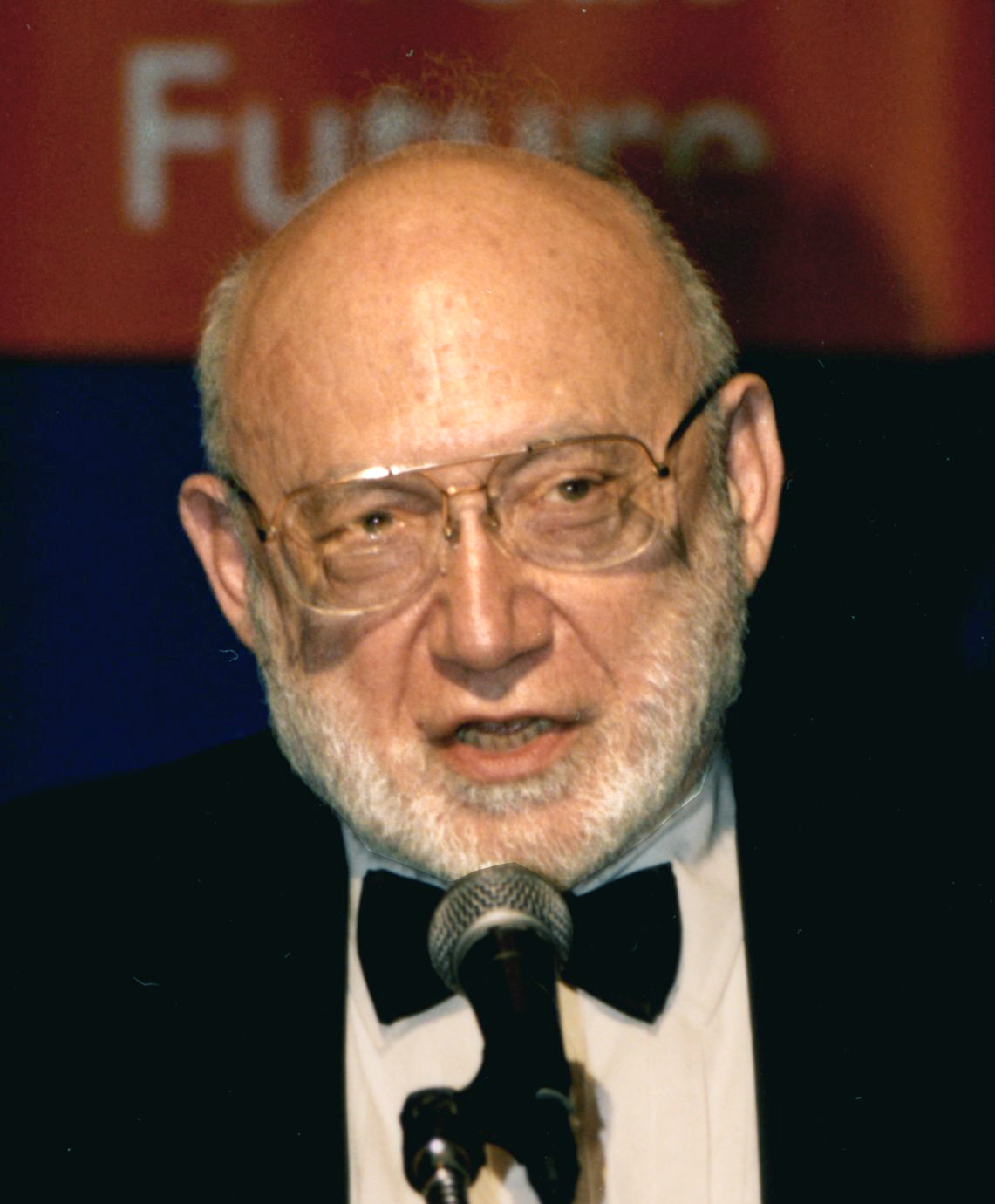
Discovery of sexual processes in the reproduction of bacteria. In 1958 Lederberg shared the Nobel Prize in Physiology or Medicine with Tatum and Beadle (No. 254.3) "for his discoveries concerning genetic recombination…
1941 CE
#254.3
Genetic control of biochemical reactions in Neurospora.
Beadle and Tatum proposed the "one gene, one enzyme" hypothesis in 1941. This was a restatement of ideas originally proposed by Archibald Garrod (No. 244.1) in 1908. 1958 Beadle and Tatum shared the Nobel Prize in Phy…
1976 CE
#14253
Genetic control of the cell division cycle in the fission yeast Schizosaccharomyces pombe.
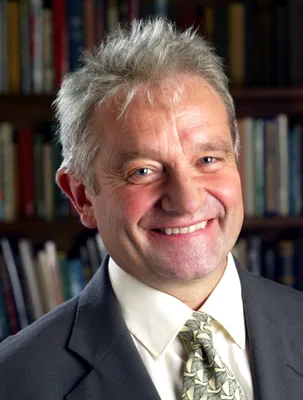
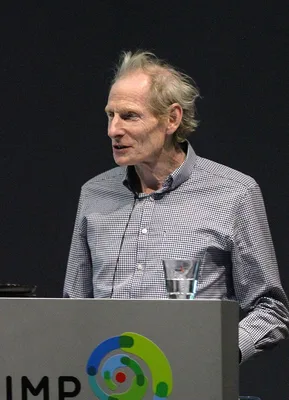
"Beginning in 1976, Nurse identified the gene cdc2 in fission yeast (Schizosaccharomyces pombe). This gene controls the progression of the cell cycle from G1 phase to S phase and the transition from G2 phase to mitosi…
1974 CE
#13934
Genetic control of the cell division cycle in yeast.

In 2001 Hartwell shared the Nobel Prize in Physiology or Medicine with Tim Hunt and Sir Paul M. Nurse "for their discoveries of key regulators of the cell cycle." See also No. 13933. In this paper the authors demonstr…
1949 CE
#2526.1
Genetic recombinations leading to production of active bacteriophage from ultraviolet inactivated bacteriophage particles.
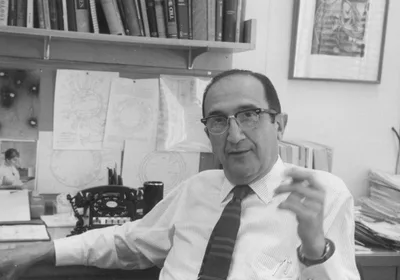
In 1969 Luria shared the Nobel Prize in Physiology or Medicine in with Delbrück (No. 2578.5) and A. D. Hershey (No. 256) "for their discoveries concerning the replication mechanism and the genetic structure of vi…
1961 CE
#256.9
Genetic regulatory mechanisms in the synthesis of proteins.
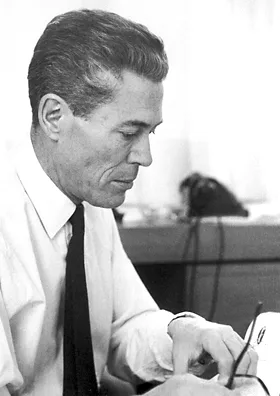
In 1965 Jacob, Monod, and André Lwoff shared the Nobel Prize in Physiology or Medicine "for their discoveries concerning genetic control of enzyme and virus synthesis."
1953 CE
#256.4
Helical structure of crystalline deoxypentose nucleic acid.
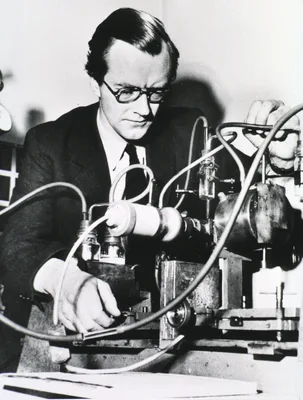
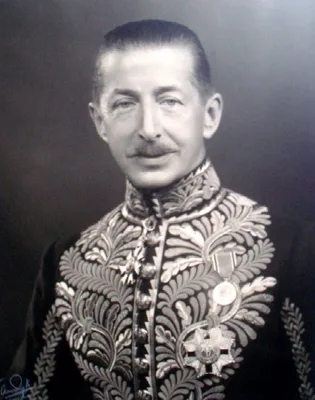
In 1962 Wilkins shared the Nobel Prize in Physiology or Medicine with Crick and Watson "for their discoveries concerning the molecular structure of nucleic acids and its significance for information transfer in living…
1967 CE
#12662
Herpes-type virus and chromosome marker in normal leukocytes after growth with irradiated Burkitt cells.
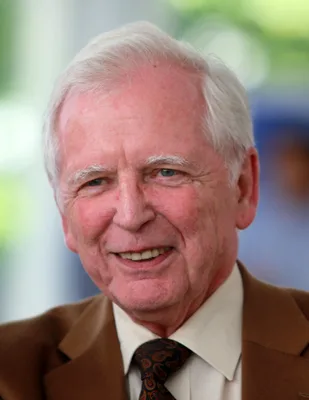
Hausen and colleagues showed for the first time that a cancer virus (Epstein-Barr virus) can transform healthy cells (lymphocytes) into cancer cells. This showed that viruses can cause cancer cell formation. (Order of…
1958 CE
#2578.30
Histocompatibility genes of the mouse.
Snell made fundamental contributions to transplantation genetics. At his suggestion genes governing transplantation were called histocompatibility genes and Gorer’s Antigen II became Histocompatibility-2 (H-2). …
1972 CE
#2578.29
Histocompatibility-linked immune response genes.
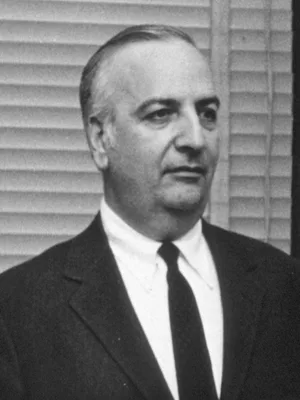
Benacerraf and McDevitt discovered that the capacity to mount certain immune responses is genetically determined. In 1980 Benacerraf shared the Nobel Prize in Physiology or Medicine with J. Dausset and G. D. Snell "fo…
1590 CE
#2244
Historia natural y moral de las Indias.
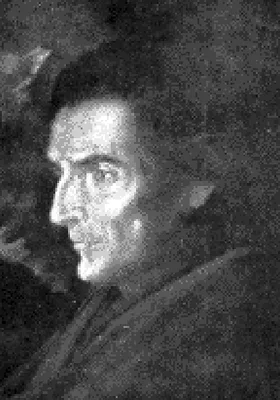
One of the earliest detailed and realistic descriptions of the New World. Acosta hypothesized that the indigenous peoples of Latin America had migrated from Asia. He also divided the native peoples into three barbaria…
1973 CE
#11074
Identification of a novel cell type in peripheral lymphoid organs in mice. I. Morphology, quantitation, tissue distribution.
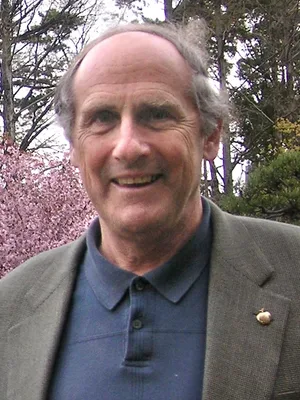
Order of authorship in the original publication: Steinman, Cohn. In this paper Steinman announced his discovery of the dendritic cell. Digital facsimile from PubMedCentral at this link. In 2011 Steinman received half …
1985 CE
#8388
Identification of a specific telomere terminal transferase activity in Tetrahymena extracts.
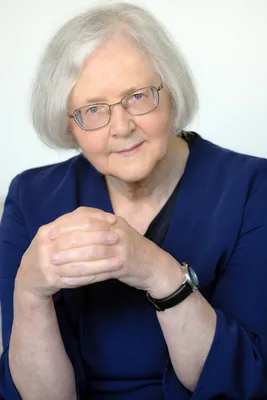
Blackburn and Grieder discovered telomerase in the ciliate Tetrahymena. In 2009 Blackburn and Grieder shared the Nobel Prize in Physiology or Medicine with Jack W. Szostak "for the discovery of how chromosomes are pro…
1973 CE
#2700.5
Image formation by induced local interactions: Examples employing nuclear magnetic resonance.
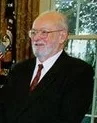
Lauterbur proposed a workable method for using nuclear magnetic resonance to produce images of tissues. In 2003 Lauterbur shared the Nobel Prize in Physiology or Medicine with Sir Peter Mansfield “for their disc…
1960 CE
#2578.28
Immunosassay of endogenous plasma insulin in man.
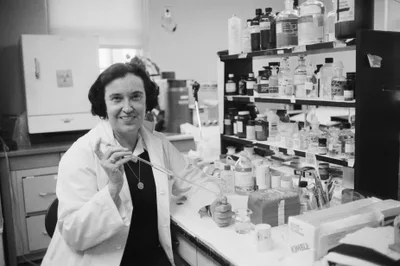
First radioimmunoassay of a hormone, a test capable of estimating nonogram or even picogram quantities. In 1977 Yalow received half of the Nobel Prize in Physiology or Medicine "for the development of radioimmunoassay…
1954 CE
#14243
In vitro experiments on the effects of mouse sarcomas 180 and 37 on the spinal and sympathetic ganglia of the chick embryo.
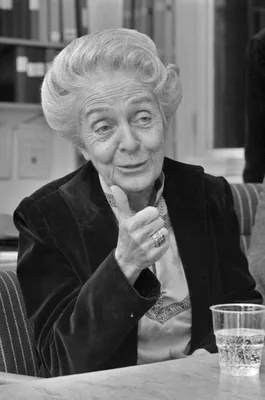
Discovery of nerve growth factor (NGF). Order of authorship in the original publication: Levi-Montalcini, Meyer, Hamburger. In 1986 Levi-Montalcini was awarded half of the Nobel Prize in Physiology or Medicine, and St…
1952 CE
#256
Independent functions of viral protein and nucleic acid in growth of bacteriophage.
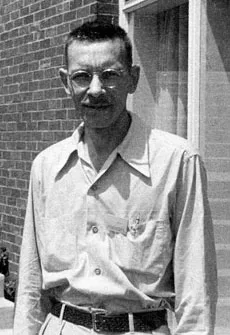
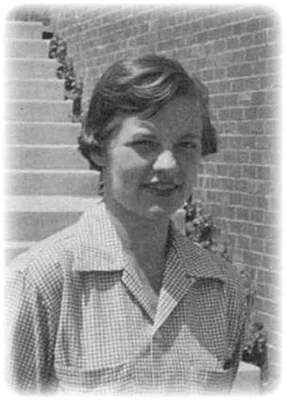
DNA shown to be the carrier of genetic information in virus reproduction. In 1969 Hershey shared the Nobel Prize in Physiology or Medicine with S. E. Luria and M. Delbrück for "for their discoveries concerning th…
1992 CE
#14268
Induced expression of PD-1, a novel member of the immunoglobulin gene superfamily, upon programmed cell death.
Honjo discovered the programmed cell death protein 1 (PD-1). This discovery significantly contributed to the establishment of cancer immunotherapy principle by PD-1 blockade. Order of authorship in the original public…
1946 CE
#2578.5
Induced mutations in bacterial viruses.
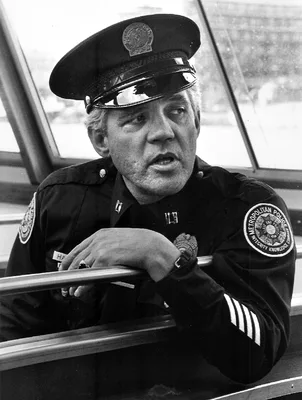
Genetic recombination in bacteriophages. In 1969 Delbrück shared the Nobel Prize with A. D. Hershey and S. E. Luria "for their discoveries concerning the replication mechanism and the genetic structure of viruses."
2006 CE
#13287
Induction of pluripotent stem cells from mouse embryonic and adult fibroblast cultures by defined factors.
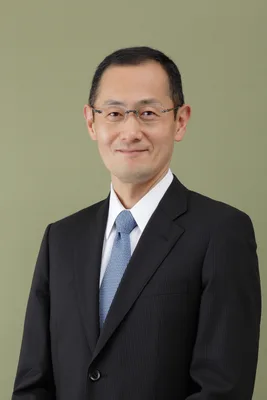
Takahashi and Yamanaka reprogrammed mice fibroblast cells, which can produce only other fibroblast cells, to become pluripotent stem cells, which have the capacity to produce many different types of cells. This they a…
1957 CE
#13594
Intravenous infusion of bone marrow in patients receiving radiation and chemotherapy.
Thomas and colleagues reported the first bone marrow transplants. They described the treatment of six patients with cancers and/leukemia and one patient with multiple myeloma. Three of the patients died, two responded…
1958 CE
#2578.26
Iso-leuco-anticorps.
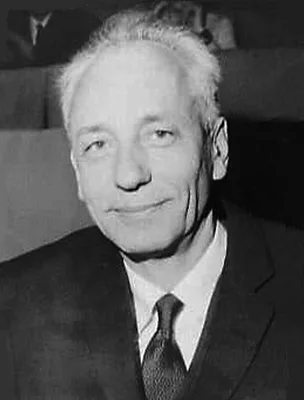
Discovery of the first histocompatibility antigen. In 1980 Dausset shared the Nobel Prize in Physiology or Medicine with B. Benacerraf and G. D. Snell "for their discoveries concerning genetically determined structure…
1989 CE
#12653
Isolation of a cDNA clone derived from a blood-borne non-A, non-B viral hepatitis genome.
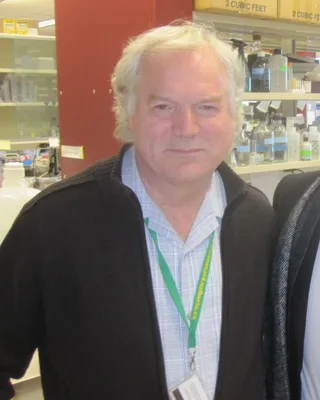
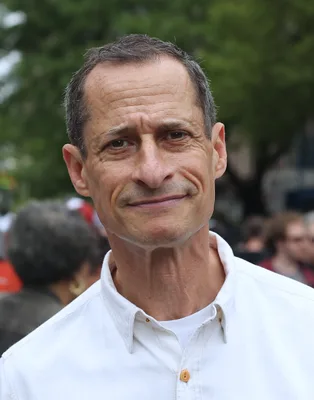
In this paper Houghton and colleagues named “hepatitis C” for the first time. They cloned and isolated the viral RNA genome and demonstrated that a patient who had high antibodies to a ‘native/wild s…
1983 CE
#12632
Ivermectin: A potent new antiparasitic agent.
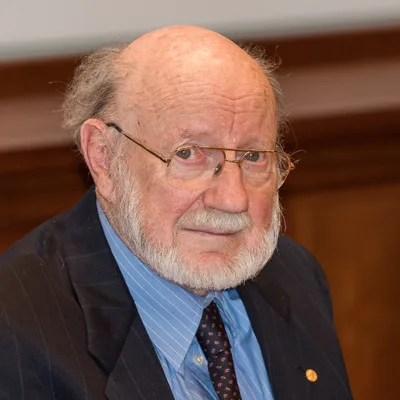
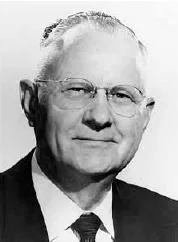
Abstract "Ivermectin is the 22,23-dihydro derivative of avermectin B1, a macrocyclic lactone produced by an actinomycete, Streptomyces avermitilis. It is active at extremely low dosage against a wide variety of nemato…
1901 CE
#2555
L’immunité dans les maladies infectieuses.
A classic study of the mechanisms concerned in specific antibacterial immunity, and one of Metchnikoff’s best works. Russian edition: Nevospriimchivost’ k infekcionnim boleznyam. St. Petersburg: K.L. Rikke…
1930 CE
#1169
La diabetes pancreática de los perros hipofisoprivos.
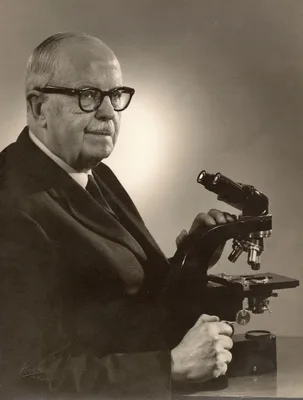
Houssay’s depancreatized hypophysectomized dog. This work led to Houssay’s demonstration of the importance of the anterior pituitary in sugar metabolism. See also Endocrinology, 1931,15, 511-23. In 1947 Ho…
1929 CE
#967
Le sinus carotidienet la zone homologue cardio-aortique.
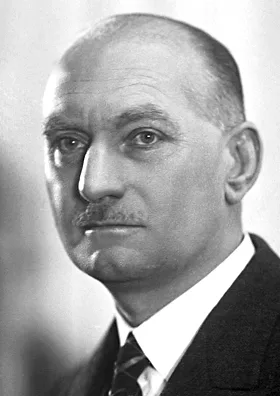
In 1938 Heymans was awarded the Nobel Prize in Physiology or Medicine "for the discovery of the role played by the sinus and aortic mechanisms in the regulation of respiration."
1897 CE
#1022
Lektsii o rabotie glavnikh pishtshevaritelnikh zhelyoz. [Lectures on the work of the principal digestive glands.]
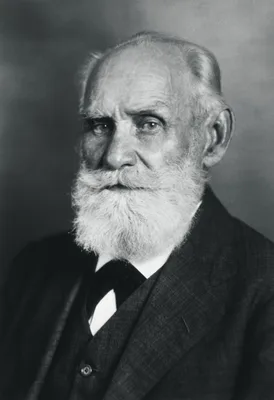
Pavlov's classic study of the physiology of digestion. Especially notable was his method of producing gastric and pancreatic fistulae for the purpose of his experiments. The second published edition was a German trans…
1972 CE
#13806
Materials and clothing in health and disease by E. T. Renbourn (with The biophysics of clothing materials by W. H. Rees).
1977 CE
#8150
Medical imaging by NMR.
Mansfield developed a mathematical technique that would allow NMR scans to take seconds rather than hours and produce clearer images than the technique Paul Lauterbur developed in 1973. Mansfield showed how gradients …
2005 CE
#14259
Microstructure of a spatial map in the entorhinal cortex.
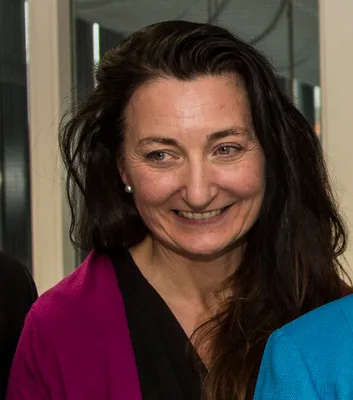
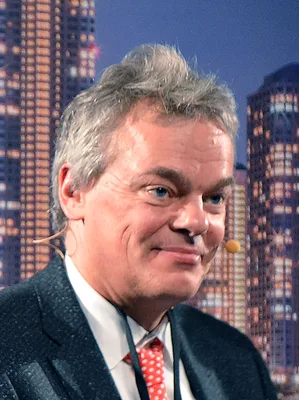
May-Britt Moser and Edvard Moser and colleagues discovered grid cells, specialized types of neurons that respond to specific locations in space. They are main components of the brain's GPS. Order of authorship in the …
1984 CE
#14263
Molecular analysis of the period locus in Drosophila malanogaster and identification of a transcript involved in biological rhythms.
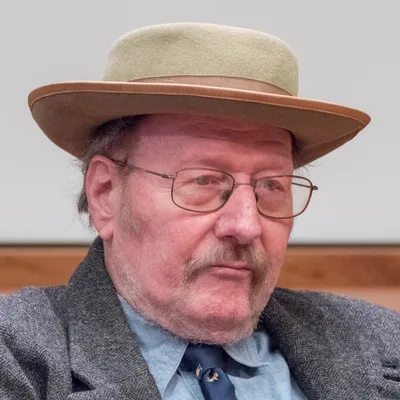
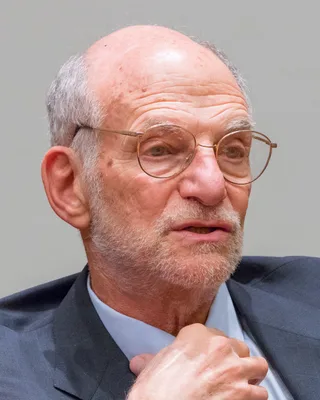
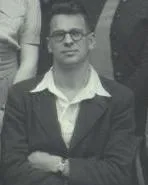
Rosbach and colleagues, including Jeffrey C. Hall, sequenced the Drosophila period gene in 1984. Full text available from cell.com at this link. Order of authorship in the original publication: Reddy, Zehring, Wheeler…
1953 CE
#256.3
Molecular structure of nucleic acids. A structure for deoxyribose nucleic acid.
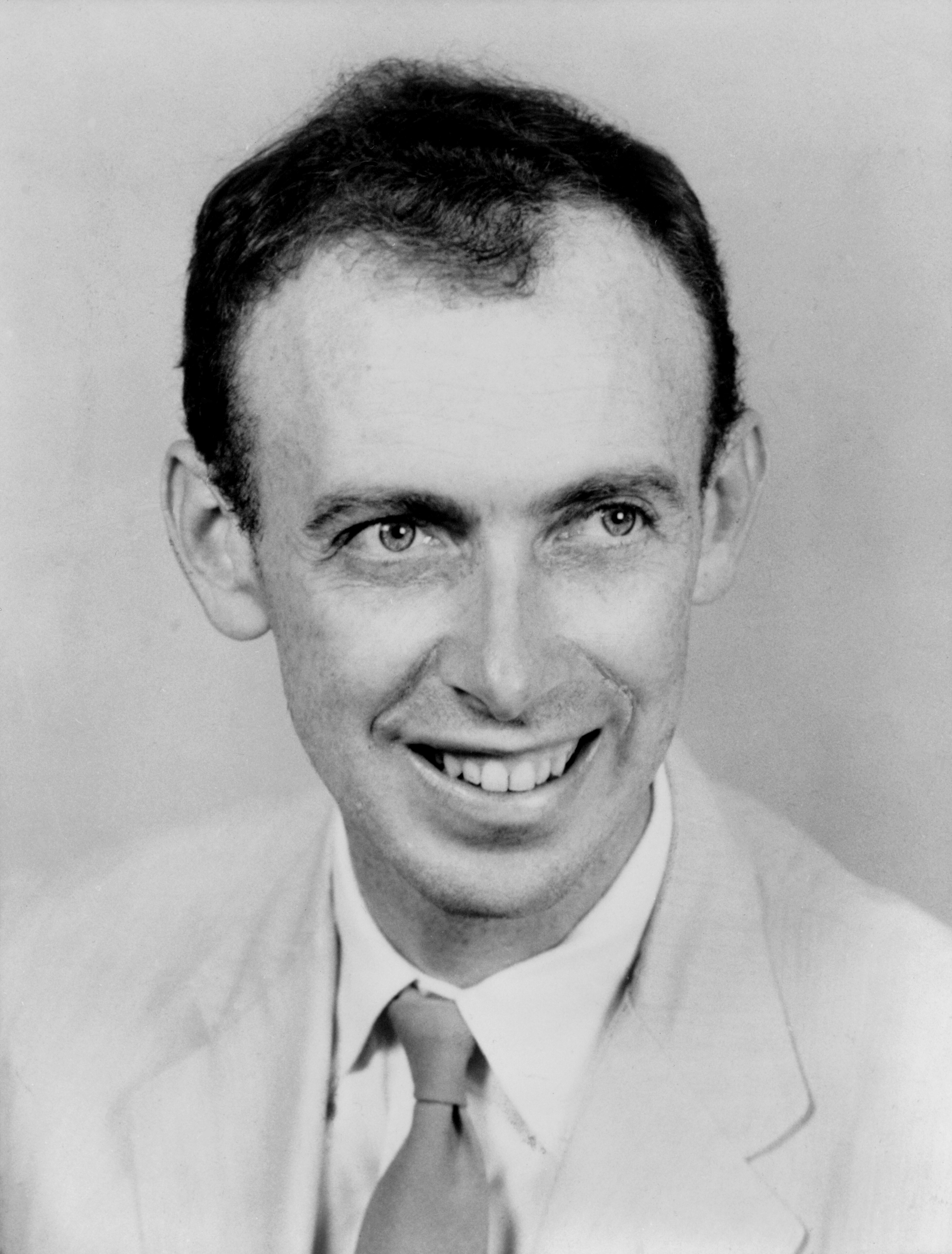
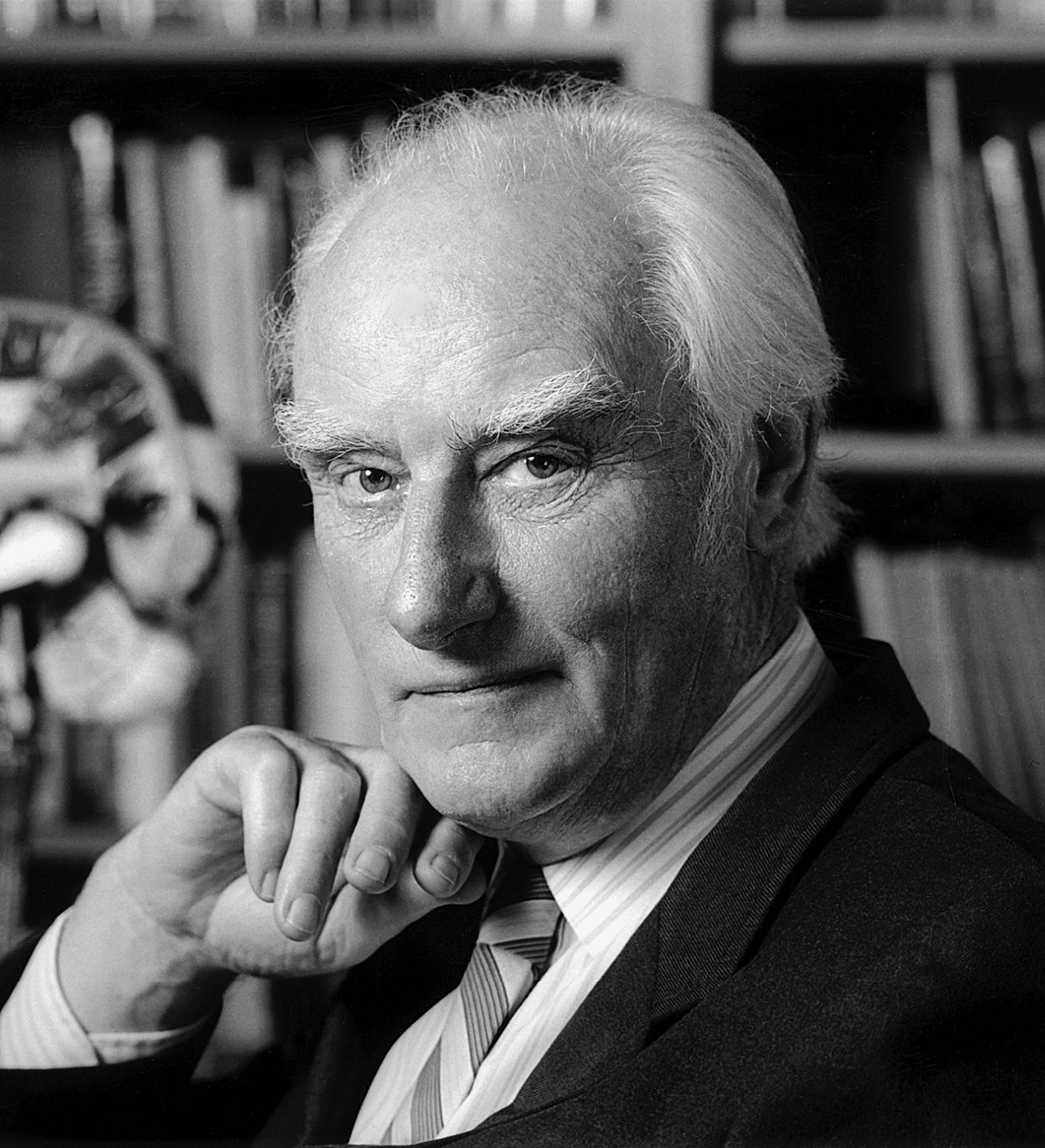
Watson and Crick shared the Nobel Prize with M. H. F. Wilkins (No. 256.4) "for their discoveries concerning the molecular structure of nucleic acids and its significance for information transfer in living material." L…