
Facets
Browse across eight MeSH (opens in new tab) facets — era, geography, science, specialty, technology, history, culture, and reference. Select one tag per group; counts update across the others. What’s new in facet browse how facets relate to subjects and MeSH.
Clear filtersFacet filters
Geography
Specialties & Disease
- Anatomy & Pathology 765
- Cardiology & Blood 914
- Neurology & Psychiatry 1,256
- Obstetrics & Reproductive 550
- Infectious Disease (General) 147
- Surgery & Anesthesia 1,551
- Public Health 1,129
- Immunology & Dermatology 1,404
- General Clinical Medicine 480
- Military Medicine 436
- Psychology 202
- Alternative & Fringe Medicine 383
- Pediatrics 247
- Ophthalmology & Vision 412
- ENT & Hearing 293
- Urology & Nephrology 309
- Gastroenterology & Hepatology 316
- Pulmonary & Respiratory 233
- Rheumatology, Rehab & Pain 188
- Internal, Emergency & Geriatric 123
- Veterinary Medicine 165
- Epidemiology & Demography 397
- Physiology & Embryology 923
- Dentistry 259
- Plagues & Epidemics 1,279
- Microbiology & Virology 1,080
Social & Historical Studies
Institutions & Culture
Reference & Scholarly Works
923 entries match Physiology & Embryology [G07 / G02.149]
1950 CE
#1584
The history of muscle physiology from the natural philosophers to Albrecht von Haller.
Acta Historica Scientiarum Naturalium et Medicinalium, Vol. 7.
1996 CE
#1588.4
The human brain and spinal cord: A historical study illustrated by writings from antiquity to the twentieth century. Second edition, revised and enlarged with a new preface by Edwin Clarke.
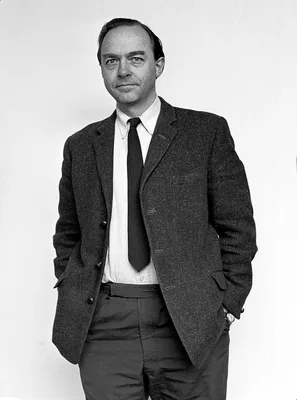
Massive anthology of primary source material on neuroanatomy and neurophysiology. Excellent commentaries and bibliographies. First edition, 1968.
1970 CE
#11112
The human placenta.
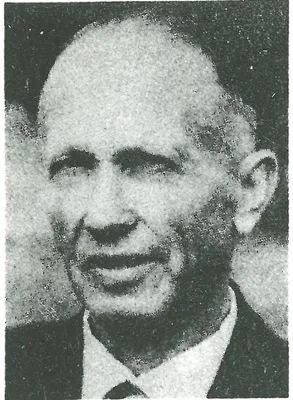
An elegantly published and illustrated monograph with extensive historical material.
1980 CE
#14256
The identification of 23 complementation groups required for post-translational events in the yeast secretory pathway.
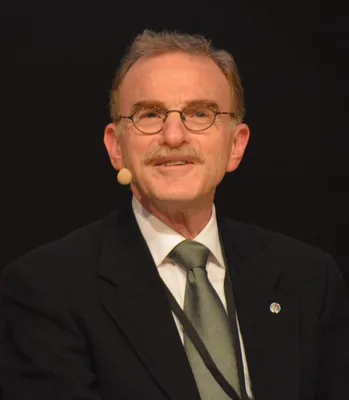
See also: Novick, P., Ferro, S. and Schekman, R. "Order of events in the yeast secretory pathway," Cell, 25, 1981, 461-469. In 1979 Schekman devised a genetic selection for temperature-conditional secretion-defective …
2009 CE
#10189
The imperial laboratory: Experimental physiology and clinical medicine in Post-Crimean Russia.
1968 CE
#13947
The integrated state of viral DNA in SV40-transformed cells.
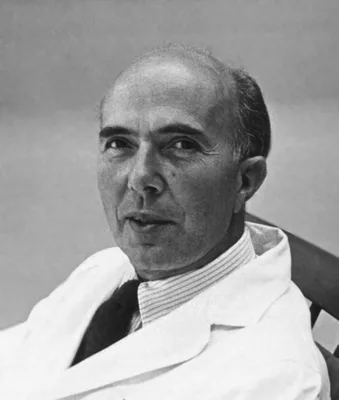
Dulbecco and his group demonstrated that the infection of normal cells with certain types of viruses (oncoviruses) led to the incorporation of virus-derived genes into the host-cell genome, and that this event lead to…
1906 CE
#1432
The integrative action of the nervous system.
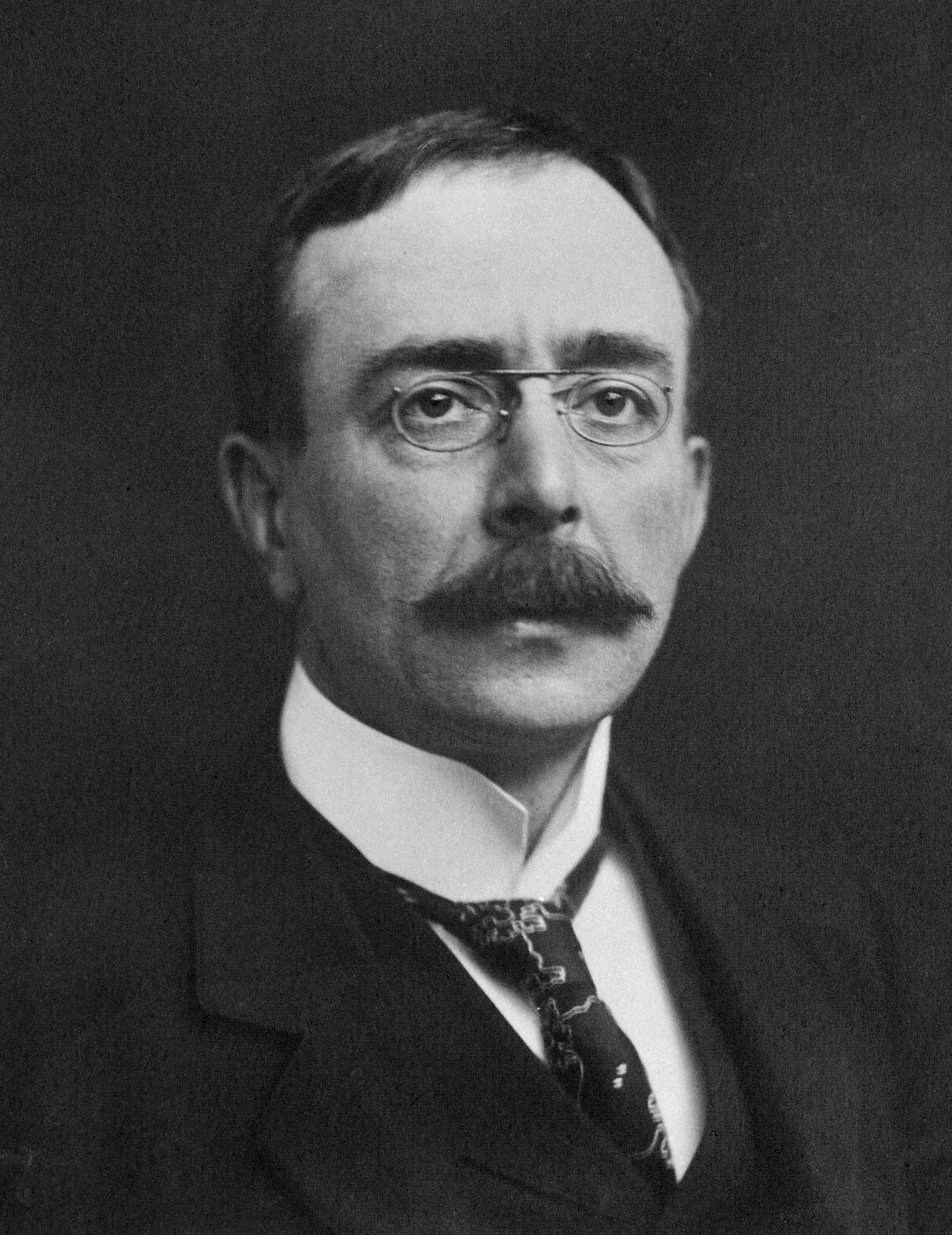
Sherrington insisted that the essential function of the nervous system was the co-ordination of activities of the various parts of the organism. His work on the nervous system, especially his experimental studies of r…
1922 CE
#3966
The internal secretion of the pancreas. (Abstract).
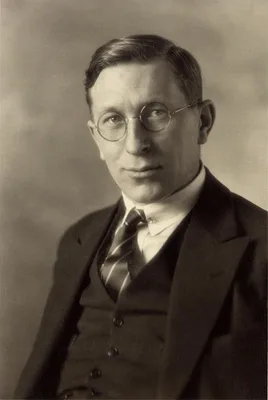
A preliminary one-page communication regarding the isolation of insulin, made to a meeting of the American Physiological Society in December 1921. Digital facsimile from insulin.library.utoronto.ca at this link. In 19…
1916 CE
#1331
The involuntary nervous system. Part 1.
This book sums up the life work of Gaskell, who laid the histological foundation of the modern study of the autonomic nervous system. No more published.
1939 CE
#1081
The isolation of vitamin K1.
Order of authorship in the original publication: Binkley, MacCorquodale, Thayer, Doisy. In 1943 Doisy received half of the Nobel Prize in Physiology or Medicine "for his discovery of the chemical nature of vitamin K."…
1966 CE
#14342
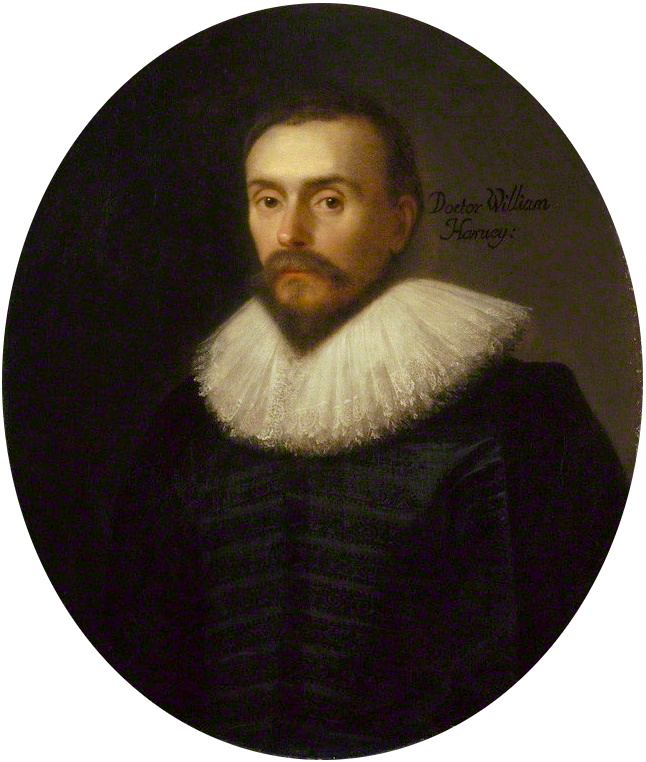
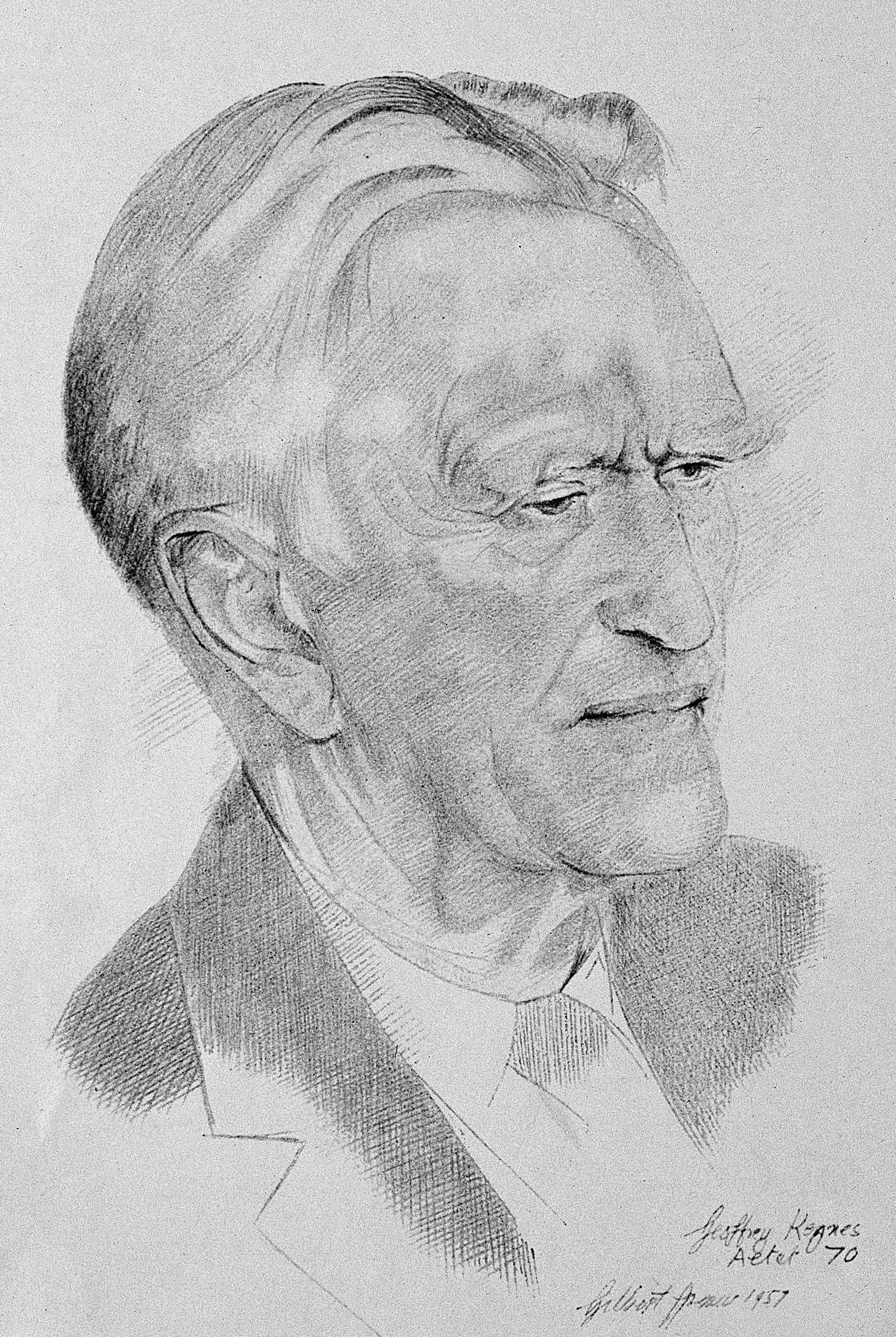
The life of William Harvey.
1918 CE
#852
The ligation of coronary arteries with electrocardiographic study.
1918 CE
#853
The Linacre lecture on the law of the heart.
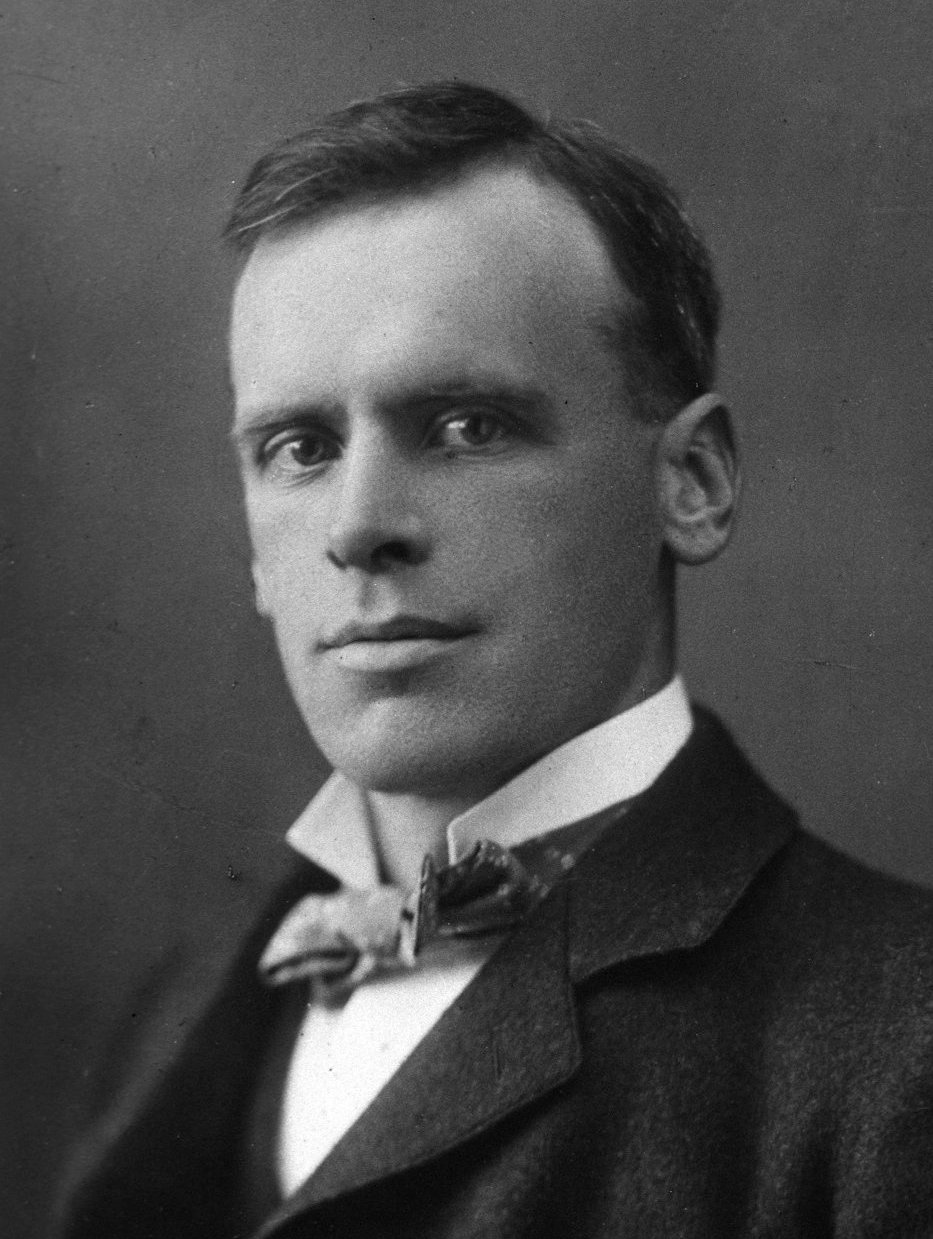
Starling’s “law of the heart”.
1913 CE
#527.1
The mechanism of fertilization.
1957 CE
#752.5
The nature and mode of action of oxidation enzymes. Nobel Lecture, December 12, 1955. In: Festschrift Arthur Stoll, pp. 35-47.
In 1955 Theorell was awarded the Nobel Prize in Physiology or Medicine "for his discoveries relating to the nature and mode of action of oxidation enzymes."
1899 CE
#7336
The nervous system and its constituent neurones, Designed for the use of practitioners of medicine and of students of medicine and psychology.
Considered a masterpiece of compilation of the new scientific evidence for the neuron theory. "Also contains Gertrude Stein’s first publication, which consists of a quote and further description of her developme…
1975 CE
#1588.15
The neurosciences: Paths to discovery.
Thirty-one contributions to a symposium in honour of F. O. Schmitt.
1997 CE
#13229
The noblest animate motion: Speech, physiology and medicine in pre-Cartesian linguistic thought.
1980 CE
#14246
The obligatory role of endothelial cells in the relaxation of arterial smooth muscle by acetylcholine.
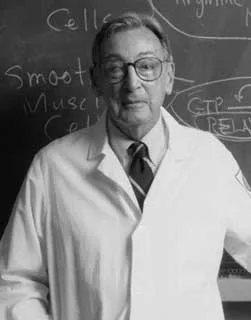
In 1978 Furchgott discovered a substance in endothelial cells that relaxes blood vessels, calling it endothelium-derived relaxing factor (EDRF). By 1986, he had worked out EDRF's nature and mechanism of action, and de…
1905 CE
#13158
The organization and cell-lineage of the Ascidian egg.
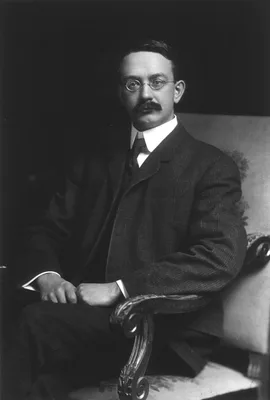
Digital facsimile from Biodiversity Heritage Library at this link.
1950 CE
#12063
The origin and behavior of mutable loci in maize.
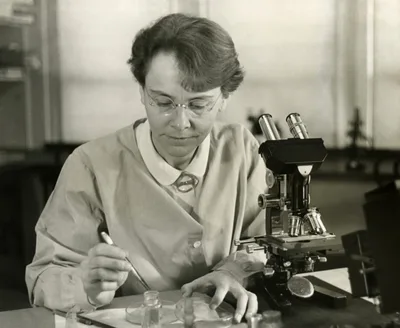
"In the summer of 1944 at Cold Spring Harbor Laboratory, McClintock systematic studies on the mechanisms of the mosaic color patterns of maize seed and the unstable inheritance of this mosaicism.[44] She identified tw…
1913 CE
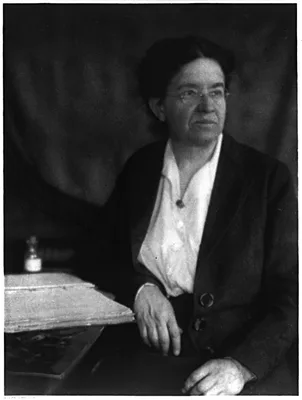
#1113
The origin and development of the lymphatic system.
1845 CE
#13761
The origin of life: A popular treatise on the philosophy and physiology of reproduction, in plants and animals, including the details of human generation with a full description of the male and female organs. Illustrated by fine colored engravings on stone.
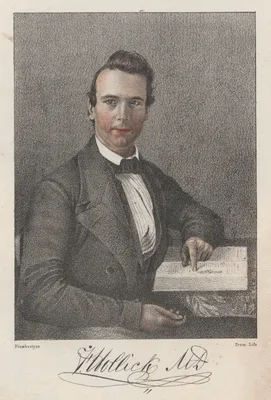
Digital facsimile of the 20th edition from Google Books at this link.
2014 CE
#10629
The Pelvis: Structure, gender and society.
"This book offers a critical review of the pelvic sciences—past, present and future—from an anatomical and physiological perspective....The book starts with a “construction plan” of the pelvis …
1899 CE
#12268
The penetration of the muscular fibres of the human heart by capillaries, and the existence in that organ of very large capillaries.
Meigs discovered that the capillaries of the heart enter the heart muscle fibers. These became known as "Meigs capillaries." Digital facsimile from PubMedCentral at this link.
1949 CE
#5727
The pharmacological actions of polymethylene bistrimethyl-ammonium salts.
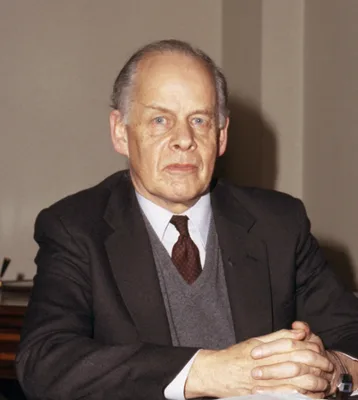
Introduction of hexamethonium bromide.
1827 CE
#13241
The philosophy of the human voice: Embracing its physiological history; together with a system of principles by which criticism in the art of elocution may be rendered intelligible, and instruction, definite and comprehensive. To which is added a brief analysis of song and recitative.
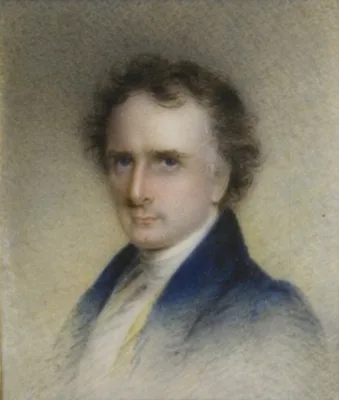
“With over 30 diagrams and charts, including myriad musical notations to show the pitch and duration of syllables, the text offers a systematic notation for the description of speech sounds, followed by a detail…
1994 CE
#9890
The physical and the moral: Anthropology, physiology, and philosophical medicine in France, 1750-1850.
1964 CE
#2883.7
The physiological basis of cardiac arrhythmias.
1950 CE
#2238
The physiology and pathology of exposure to stress.
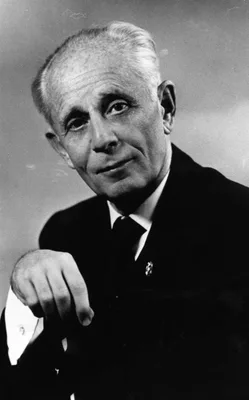
In his study of the etiology of the collagen disease Selye developed the idea that animals react to stress or injury by a certain sequence of physiological reactions – the “general adaptation syndrome”.
1896 CE
#4585
The physiology and pathology of the cerebral circulation.
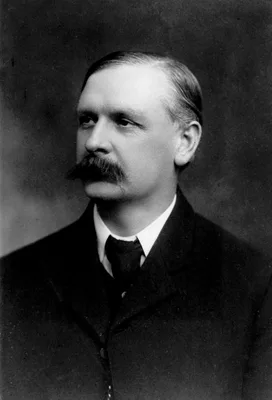
1880 CE
#13169
The physiology of woman, embracing girlhood, maternity, and mature age, with essays on the "Coeducation of the sexes in medicine," "The physiological basis of education," "Temperance from a physician's point of view, and "A plea for moderation."
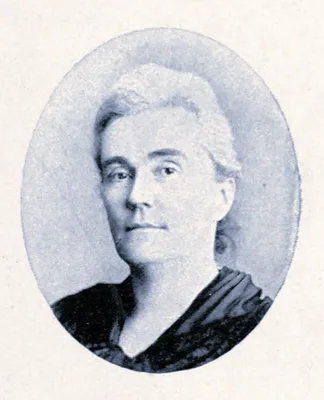
Stevenson was the first woman member of the American Medical Association (AMA), the first woman appointed on the Illinois State Board of Health, and the first woman to be on staff at the Cook County Hospital in Chicag…
1923 CE
#746
The possible significance of hexosephosphoric esters in ossification.
Records an important advance in the knowledge concerning the conversion of blood calcium into the insoluble calcium of bone.
1928 CE
#799
The pressure pulses in the cardiovascular system.
Wiggers, professor of physiology at the Western Reserve University, Cleveland, contributed much to the knowledge of the circulation and devised several instruments to promote the study of this subject.
1914 CE
#12287
The regulation of the heart beat.
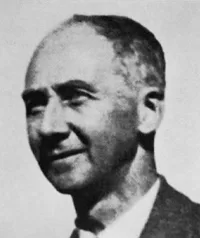
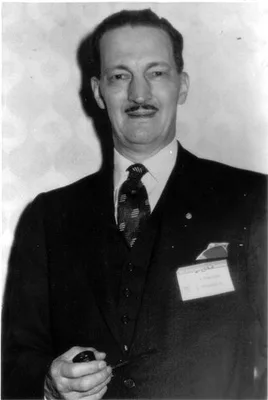
"Ernest Henry Starling (1866-1927) has probably contributed more than any man to our understanding of heart failure....His work with Patterson and Piper on the mechanical factors involved in the response of the heart …
1938 CE
#1532
The responses of single optic nerve fibers of the vertebrate eye to illumination of the retina.
Hartline continued and extended the work initiated by Adrian and Matthews on electrical discharges from the optic nerve. See also his later papers In the same journal, 1940, 130, 690-711. Reprinted with historical int…
1939 CE
#534
The rise of embryology.
Includes a fine bibliography.
2013 CE
#8697
The rise of fetal and neonatal physiology: Basic science to clinical care.
2011 CE
#6843
The shocking history of electric fishes: From ancient epochs to the birth of modern neurophysiology.
The first comprehensive history of this subject.
1907 CE
#788
The significance of a hitherto undescribed wave in the jugular pulse.
The physiological wave sometimes found in mid-diastole, when the pulse is slow, was first described by Gibson. He termed it the b-wave. Gibson worked with William Osler at the Radcliffe Infirmary in Oxford, and cared …
1965 CE
#14244
The stimulation of epidermal proliferation by a specific protein (EGF).
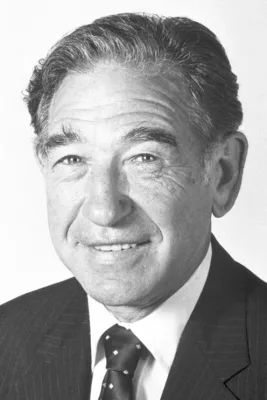
Discovery of Epidermal Growth Factor (EGF). In 1986 Cohen shared the Nobel Prize in Physiology or Medicine with Rita Levi-Montalcini "for their discoveries of growth factors."
1934 CE
#1580
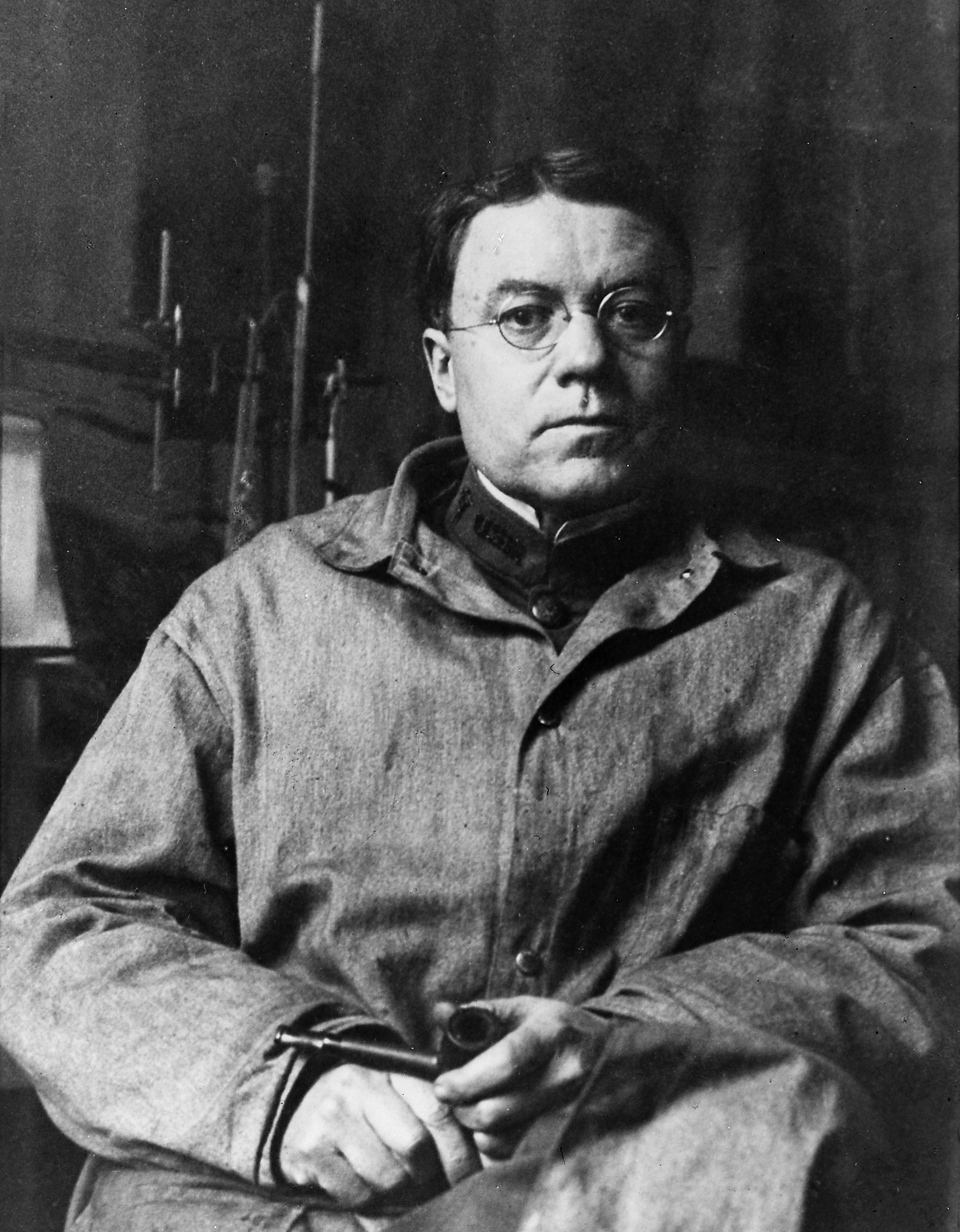
The story of the development of our ideas of chemical mediation of nerve impulses.
1962 CE
#1931.4
The structure of prostaglandin E, F1 and F2.
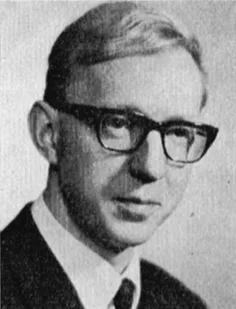
In this and subsequent papers Bergström and Samuelsson elucidated the chemical structure of prostaglandins. In 1982 the Nobel Prize in Physiology or Medicine was awarded jointly to Sune K. Bergström, Bengt I…
1902 CE
#2812
The study of the pulse.
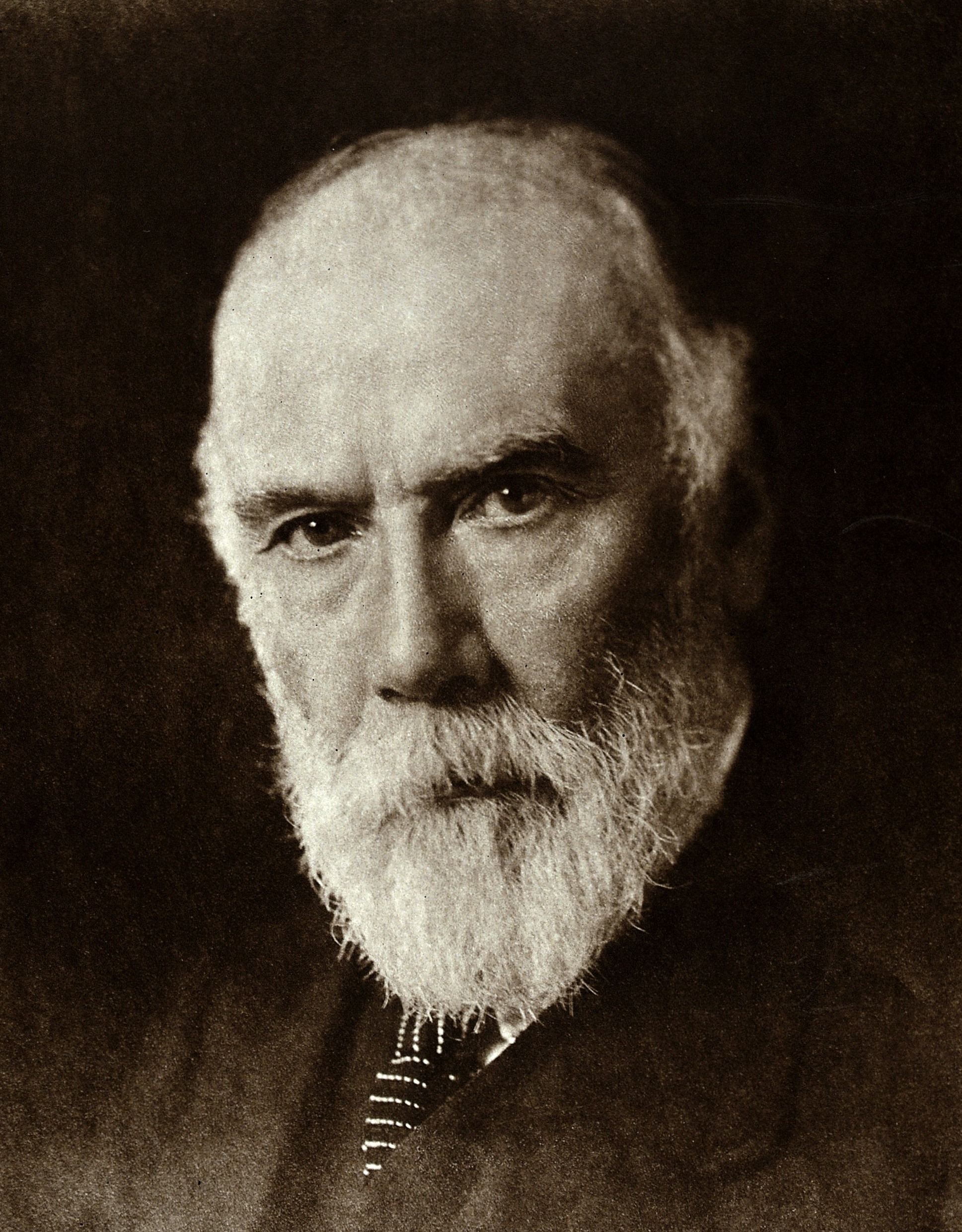
In his classic monograph Mackenzie included (p. 10) a description and illustration of his polygraph, with which he made simultaneous tracings of the pulse, apex beat, etc.
1951 CE
#13595
The technique of free skin grafting in mammals.
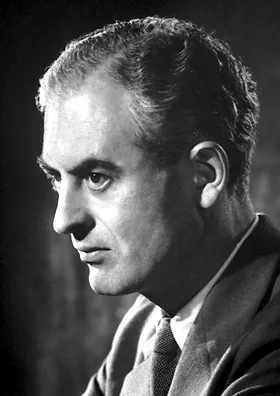
This "paper facilitated the later discovery of `actively acquired tolerance' and the definition of the principal laws of transplantation tolerance. Thus, it was in a series of classic experiments (stemming from this J…
1903 CE
#1525.1
The time relations of the photo-electric changes in the eyeball of the frog.
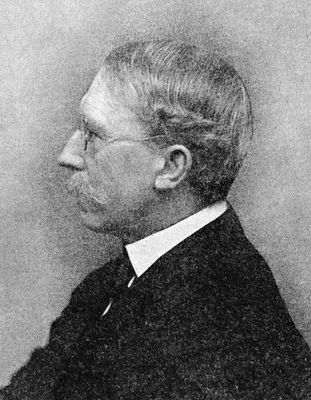
First correct electroretinograms.
1953 CE
#13965
The transplantability of nuclei of arrested hybrid blastulae (R. pipiens female X R. catesbeiana male).
King and Briggs cloned a frog by nuclear transfer of embryonic cells. Their experiment was the first successful nuclear transplanation performed in metazoans. The same cloning technique, using somatic cells, was later…
1937 CE
#5467
The use of yellow fever virus modified by in vitro cultivation for human immunization.
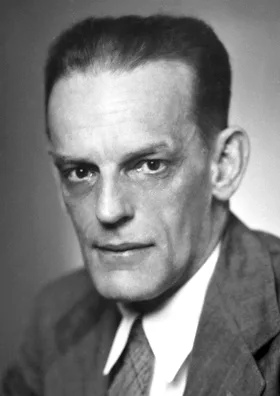
Immunization without the use of immune serum. In 1951 Theiler was awared the Nobel Prize in Physiology or Medicine "for his discovery of an effective vaccine against yellow fever." This was the first Nobel Prize award…
1918 CE–1919 CE
#792
The vasodilator action of histamine and of some other substances.
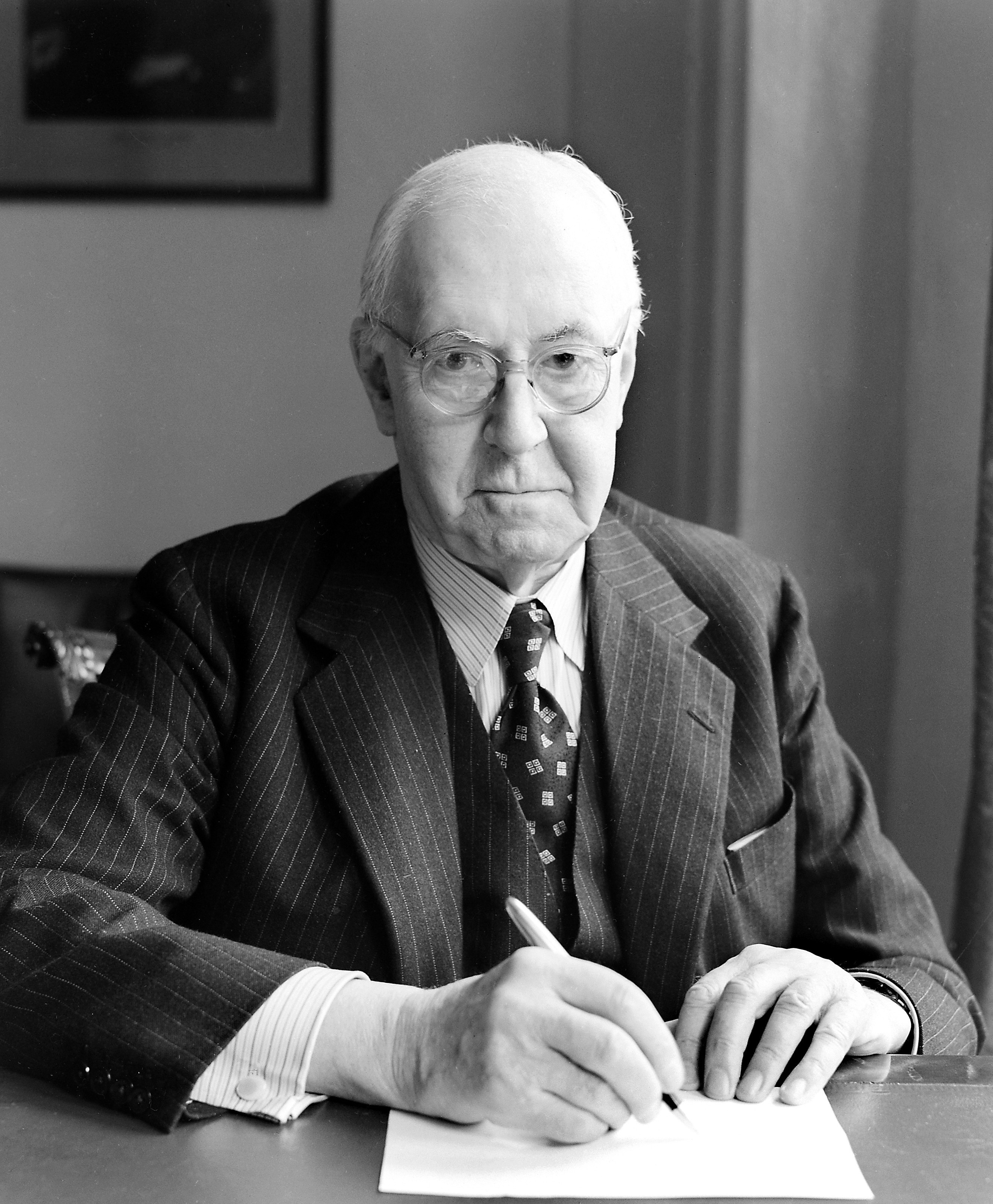
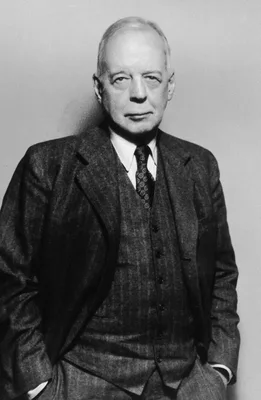
Dale and Richards studied the effect of histamine on the control of the circulation and showed its peripheral action to be located in the capillaries and smaller arterioles.
1957 CE
#7404