
Entry Nos. 100–199
83 Garrison-Morton entries in this range.
1765 CE
#100
Saggio di osservazioni microscopiche concernenti il sistema della generazione dei Signori de Needham e Buffon. IN: Dissertazione due… pp. [2]-87.
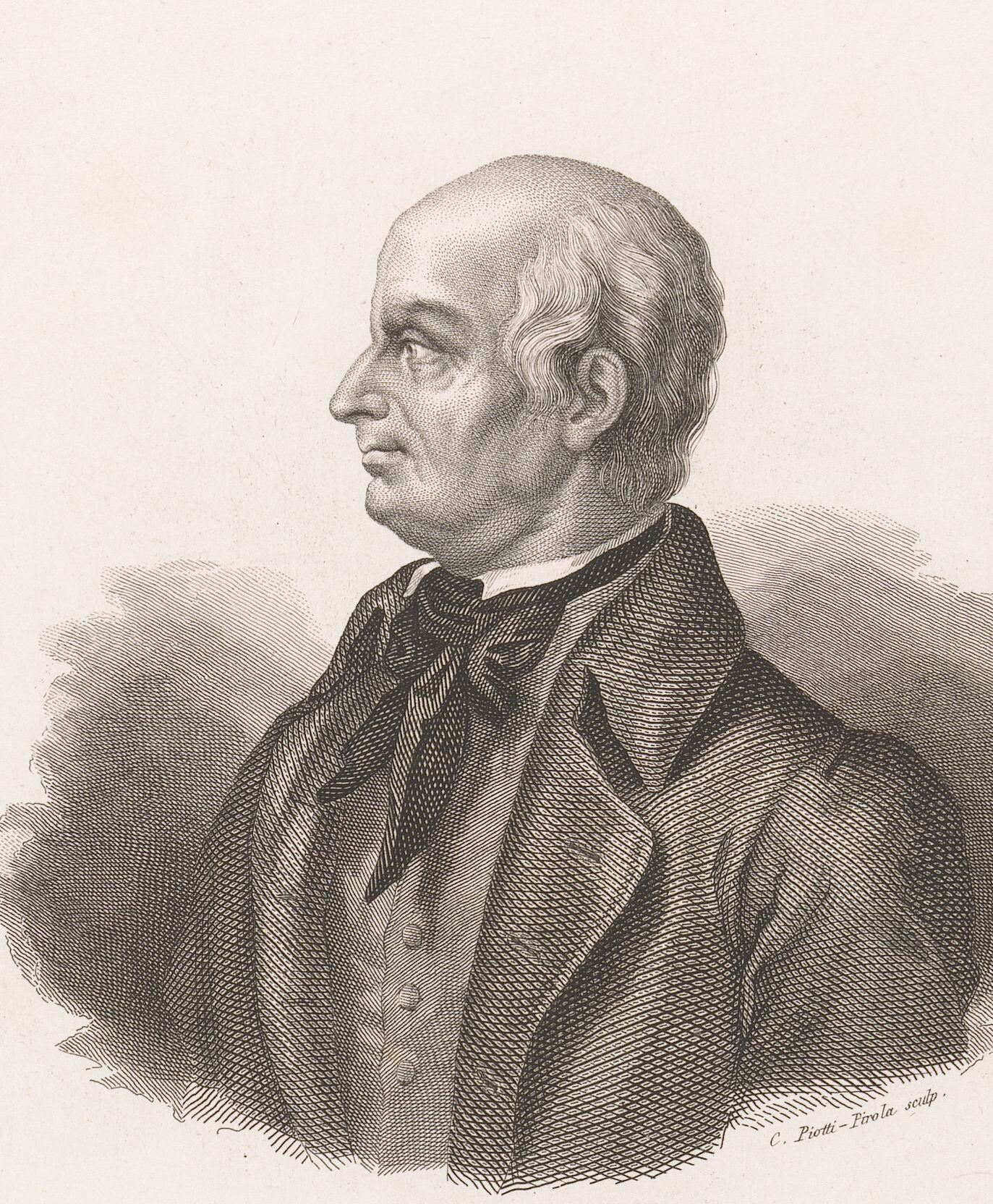
Spallanzani, a believer in preformation theory, found that he could prevent contamination by microorganisms in strongly heated infusions protected from aerial contamination, but he observed that as soon as air was all…
1768 CE
#101
Prodromo di un opera da imprimersi sopra le riproduzione animali.
In this preliminary to a larger work on regeneration which was never published, Spallanzani described regenerative capacities of remarkable complexity and repetitiveness in the land snail, salamander and toad and frog…
1776 CE
#102
Opusculi di fisica animale e vegetabile. 2 vols.
Later refutation of the theory of spontaneous generation. Spallanzani’s conclusions were similar to those expressed by Pasteur nearly a century later. His collected works were published in Milan, 2 vols., 1932-3…
1779 CE
#103
Experiments on vegetables, discovering their great power of purifying the common air in the sun-shine, and of injuring it in the shade at night. To which is joined, a new method of examining the accurate degree of salubrity of the atmosphere.
Discovery of photosynthesis. Ingen-Housz showed that the green parts of plants, when exposed to light, fix the free carbon dioxide of the atmosphere, but that in darkness plants have no such power. Thus he proved that…
1781 CE
#104
Ueber den Bildungstrieb und das Zeugungsgeschäft.
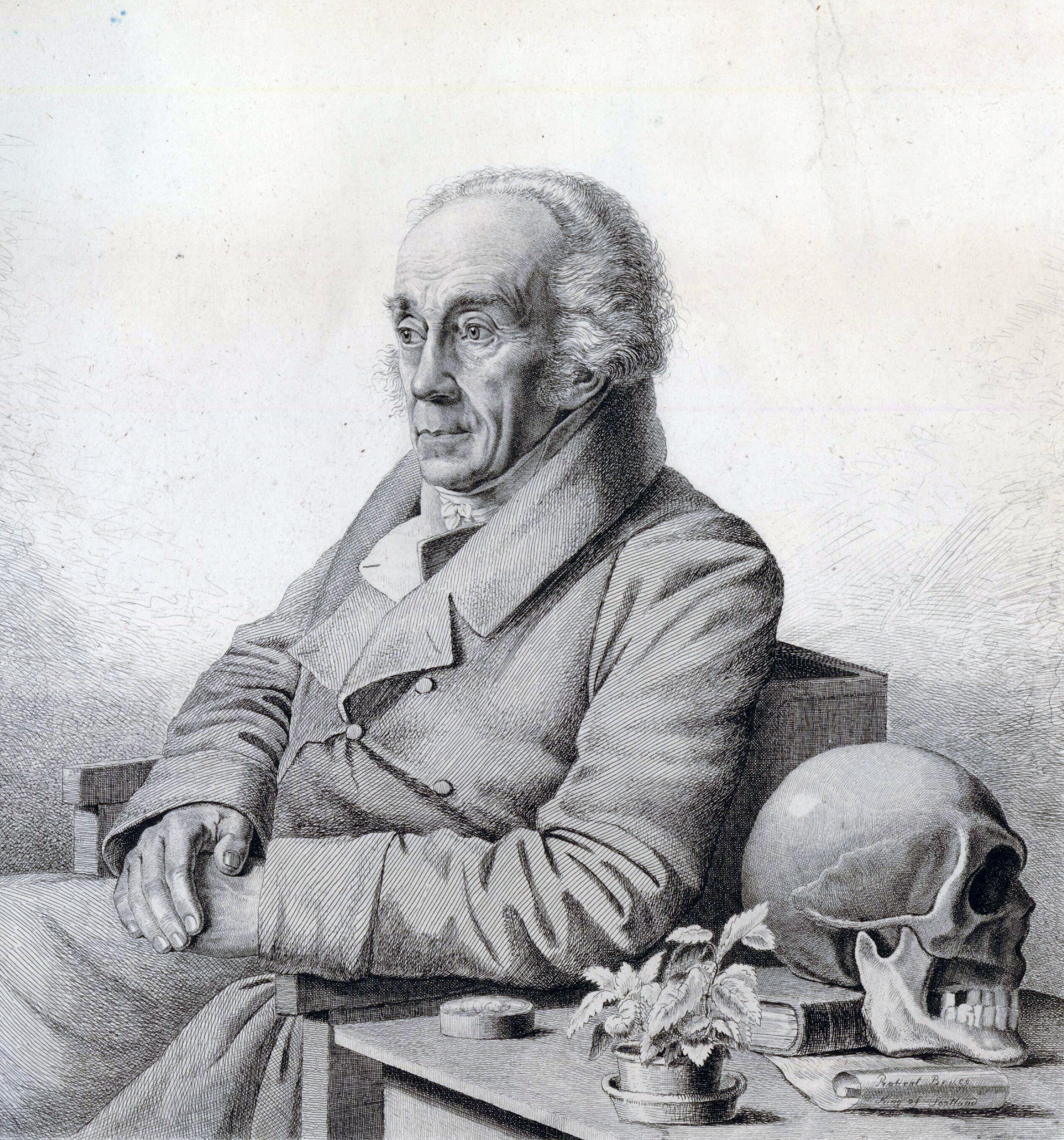
Blumenbach, Professor of Medicine at Göttingen, was the founder of modern anthropology. In the above work he rejected the “preformation” theory and advanced the theory of epigenesis as the true explan…
1794 CE–1796 CE
#105
Zoonomia; or the laws of organic life. 2 vols.
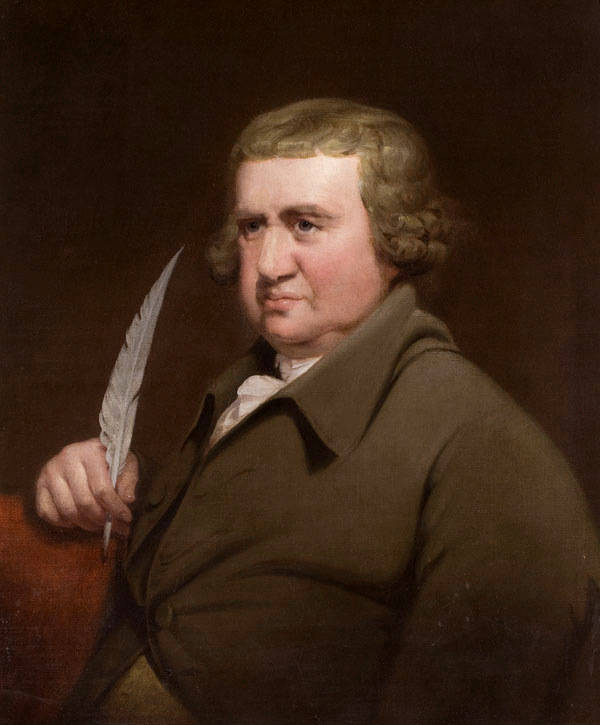
Grandfather of Charles Darwin and Francis Galton, Erasmus Darwin provided in Zoonomia, his major work in medicine and natural science, the first consistent all-embracing hypothesis of evolution. Nevertheless, his gran…
1805 CE
#106
Die Zeugung.
Oken maintained that all organic beings originate from, and consist of, cells, and that organisms are produced by an agglomeration of these cells.
1817 CE–1848 CE
#107
Isis, oder encyclopädische Zeitung (verzüglich für Naturgeschichte, vergleichende Anatomie und Physiologie), VON OKEN. 41 vols.
Lorenz Oken, a leading light in the Nature-Philosophical School in Germany, produced important work in the field of biology. He founded the journal Isis, which published articles of great value; its incursion into the…
1824 CE
#108
Recherches anatomiques et physiologiques sur la structure intime des animaux et des végétaux.
1829 CE–1832 CE
#109
Observations on the organs and mode of fecundation in Orchideae and Asclepiadeae.
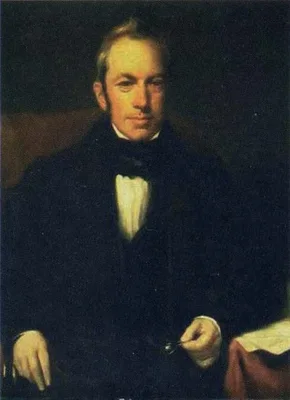
Discovery, in 1831, of the cell nucleus. First issued as a separate pamphlet: Observations on the Organs and Mode of Fecundation in orchideae and asclepiadeae ... [with:] Additional remarks ... London, [privately prin…
1837 CE
#110
Mémoires pour servir à l’histoire anatomique et physiologique des végétaux et des animaux. 2 vols. and atlas.
Dutrochet asserted that respiration follows the same pattern in both animals and plants, showing that the minute openings on the surface of leaves (the stomata) communicate with lacunae in deeper tissue. He also demon…
1838 CE
#111
Die Infusionsthierchen als vollkommene Organismen. 1 vol. and atlas of 64 hand-colored engraved plates.
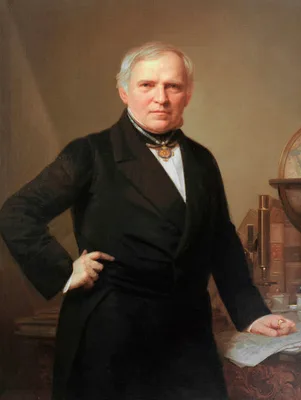
In this monumental work in folio format Ehrenberg extended Otto Friedrich Müller’s bacteriological classification. Like Müller, he made no distinction between protozoa and bacteria, classing them both …
1838 CE
#112
Beiträge zur Phytogenesis.
Schleiden demonstrated that plant tissues are made up of and developed from groups of cells, of which he recognized the “cytoblast” or cell-nucleus. He observed with great accuracy certain other activities…
1839 CE
#113
Mikroskopische Untersuchungen über die Uebereinstimmung in der Struktur und dem Wachsthum der Thiere und Pflanzen.
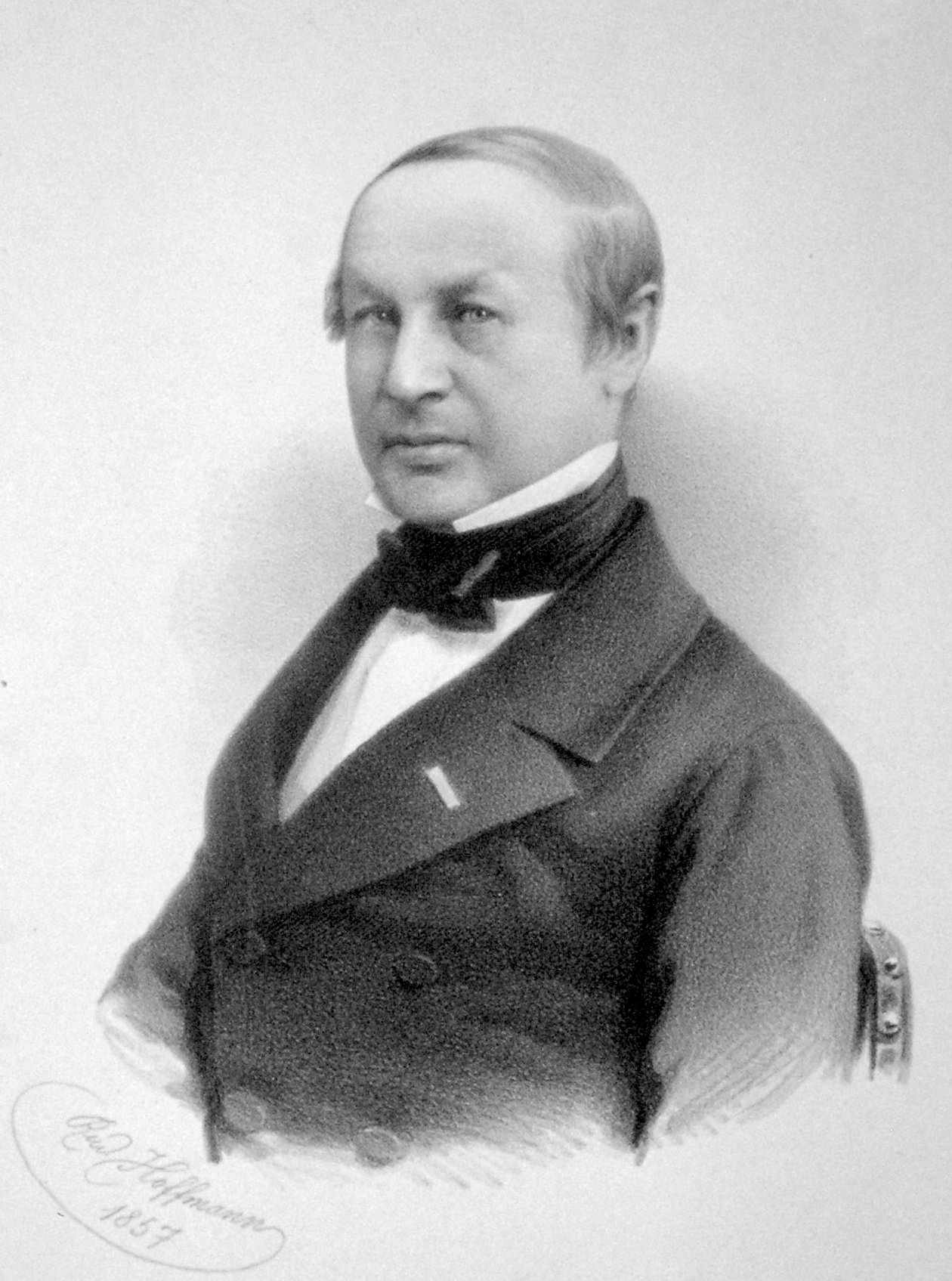
Mainly devoted to the investigation of the elementary structure of animal tissues, Schwann’s Untersuchungen had an important bearing on the development of the doctrine of the cell structure of animal tissue. In …
1851 CE
#114
Grundzüge der Anatomie und Physiologie der vegetabilischen Zelle. In: Rudolph Wagner’s Handwörterbuch der Physiologie.
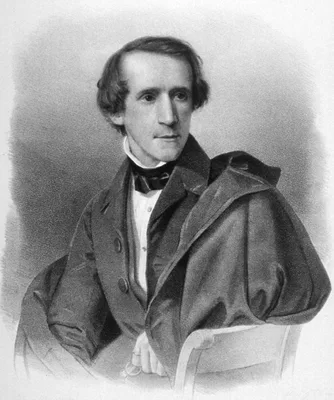
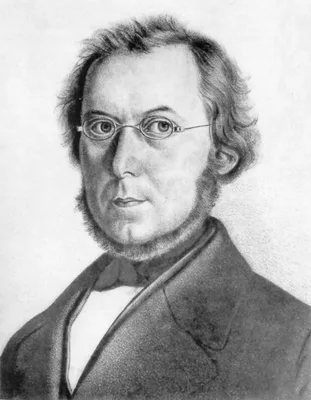
Von Mohl saw and described cell division. English translation, London, 1852.
1852 CE
#115
Der Kreislauf des Lebens.
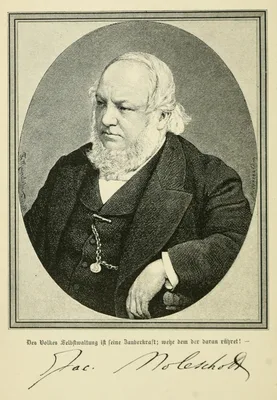
This work attacked Liebig’s theories, although courteously. Moleschott, a Dutch physiologist, evolved a purely materialistic conception of the world. He considered life a magnificent metabolic process, and thoug…
1852 CE
#116
Ueber extracelluläre Entstehung thierischer Zellen und über die Vermehrung derselben durch Theilung.
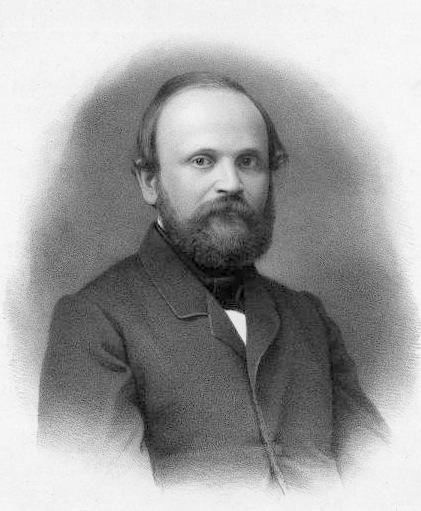
Remak was the first to point out that growth of new tissues was accomplished by the division of pre-existing cells.
1861 CE
#117
Ueber Muskelkörperchen und das, was man eine Zelle zu nennen habe.
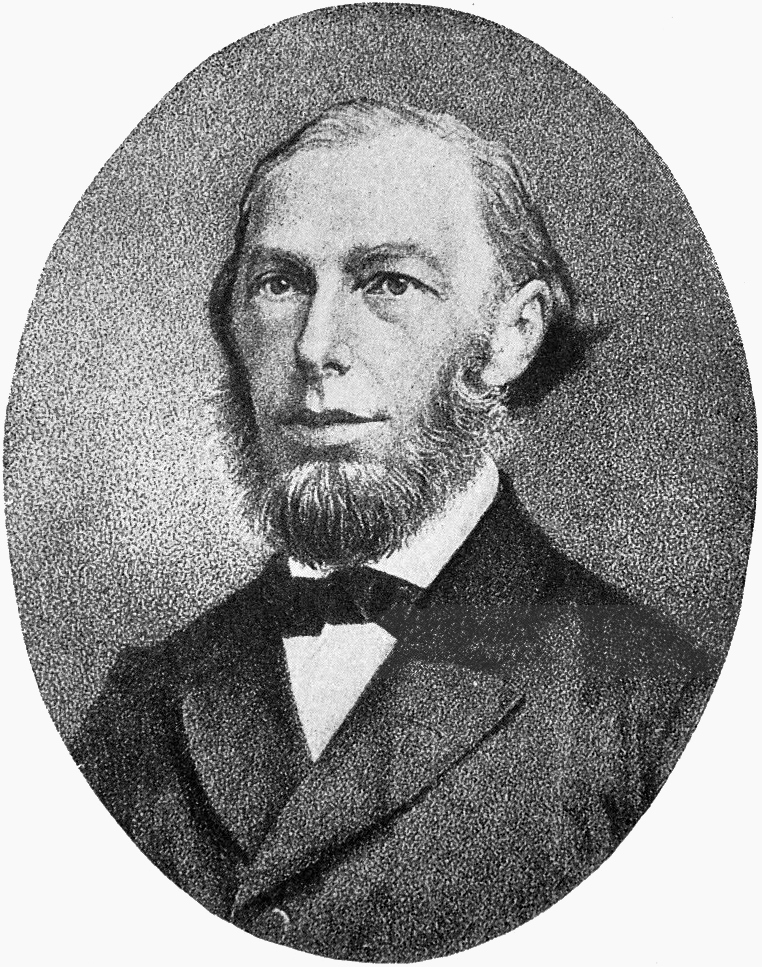
Schultze showed the cell to be a clump of nucleated protoplasm, stating that each muscle fibre or primitive muscle bundle was developed from a single myoblast by successive divisions of its cell or nucleus. His work s…
1863 CE
#118
Das Protoplasma der Rhizopoden und der Pflanzenzellen.
Schultze showed that protoplasm is practically identical in all living cells.
1864 CE–1867 CE
#119
The principles of biology. 2 vols.
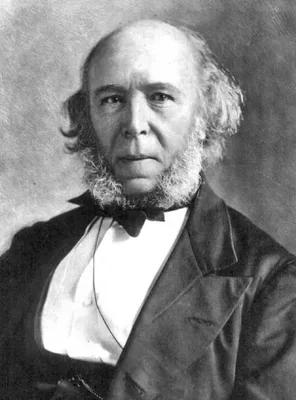
In vol. 1 of this work written after Spencer read Darwin's On the origin of species, Spencer originated the expression "survival of the fittest." Spencer conceived that every species is endowed with its own type of ph…
1874 CE
#120
Die Gastraea-Theorie, die phylogenetische Classification des Thierreichs und die Homologie der Keimblätter.
Haeckel’s gastraea theory, which considers the two-layered gastrula the ancestral form of multicellular animals.
1879 CE
#122
Beiträge zur Kenntniss der Zelle und ihrer Lebenserscheinungen
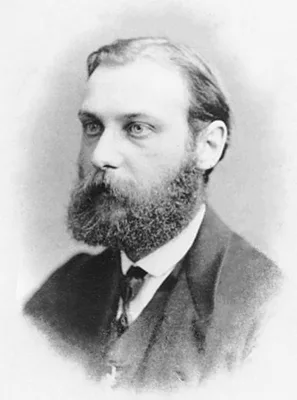
Classic account of cell division and karyokinesis. Flemming named the nuclear substance “chromatin” and gave the name “mitosis” to cell division. Translation of Part II in J. Cell Biol., 1965, …
1880 CE
#123
Ueber Zellbildung und Zelltheilung. 3te. Aufl.
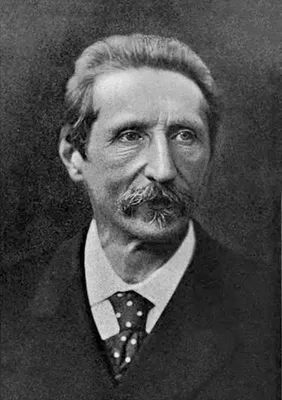
A pioneer work on the formation and division of cells. In this third edition Strasburger established one of the principles of modern cytology, i.e., that independent cell formation does not occur but that fresh nuclei…
1890 CE
#125
Der Heliotropismus der Thiere und seine Uebereinstimmung mit dem Heliotropismus der Pflanzen.
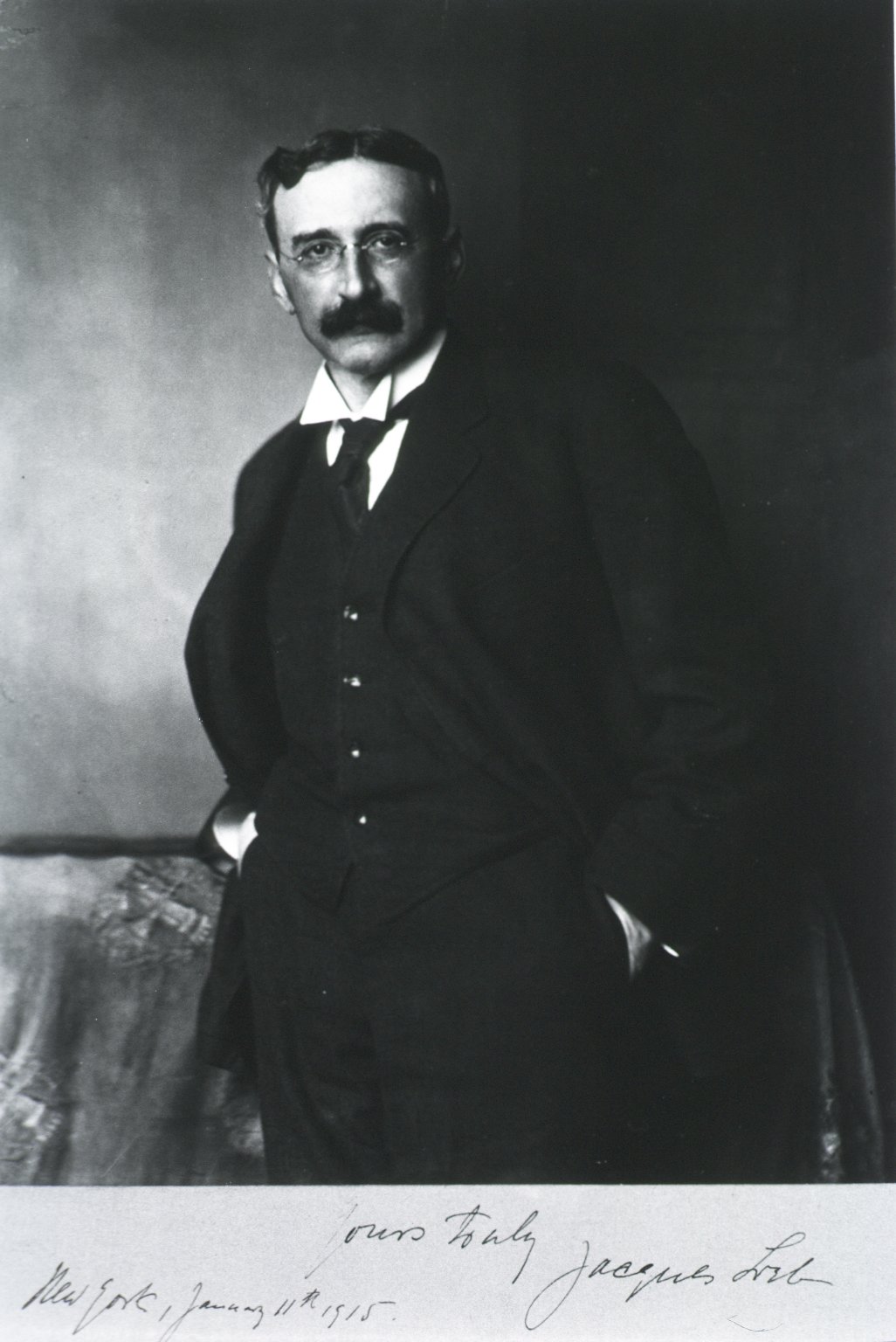
Loeb founded the theory of “tropisms” as the basis of the psychology of the lower forms of life. English translation in Loeb’s Studies in general physiology, Vol. 1, 1-88. Chicago, 1905.
1890 CE
#126
Die Elementarorganismen und ihre Beziehungen zu den Zellen.
Mitochondria described, p. 145.
1897 CE–1899 CE
#127
Experimental morphology. 2 pts.
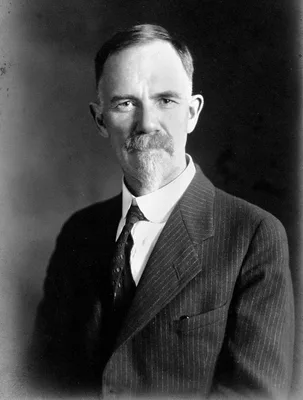
1901 CE
#129
Die organischen Regulationen.
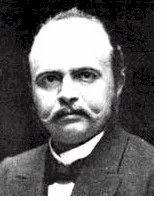
1908 CE
#132
The problem of age, growth and death.
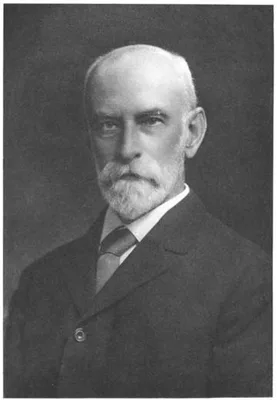
Minot’s theory of aging, based on cytomorphosis and the rate of growth. This work first appeared as a paper in vol. 7 of the Popular Science Monthly, 1907.
1910 CE
#134
Plant animals: A study in symbiosis.
Digital facsimile from the Internet Archive at this link.
1912 CE
#135
The mechanistic conception of life.
This work established Loeb's reputation as a researcher who treated organisms as machines. He stated that biologists explain organic phenomena only when they could control those phenomena. Loeb first published the tit…
1920 CE–1939 CE
#136
Handbuch der biologischen Arbeitsmethoden. Edited by Emil Abderhalden. 14 vols. in 107.
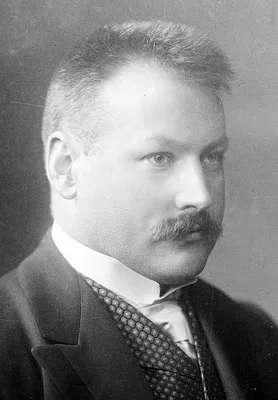
The Hathi Trust maintains versions of all 107 parts, most of which are searchable to a limited extent, at this link.
1922 CE
#137
The biology of death.
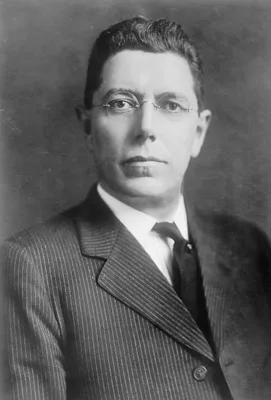
Raymond Pearl did important work on the subject of vital statistics.
1923 CE
#138
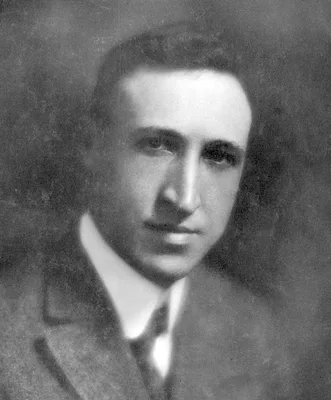
The chemical basis of growth and senescence.
1924 CE
#139
Regeneration from a physico-chemical viewpoint.
1905 CE–1909 CE
#141
Geschichte der biologischen Theorien seit dem Ende des siebzehnten Jahrhunderts. 2 pts.
Second edition, extensively revised as Geschichte der biologischen Theorien in der Neuzeit, pt. l., Leipzig-Berlin, 1913. English translation of pt 2. as The history of biological theories, London, 1930.
1928 CE
#142
The history of biology: A survey. Translated by L. B. Eyre.
Previously published in Swedish and German editions. Many reprints were published.
1959 CE
#144
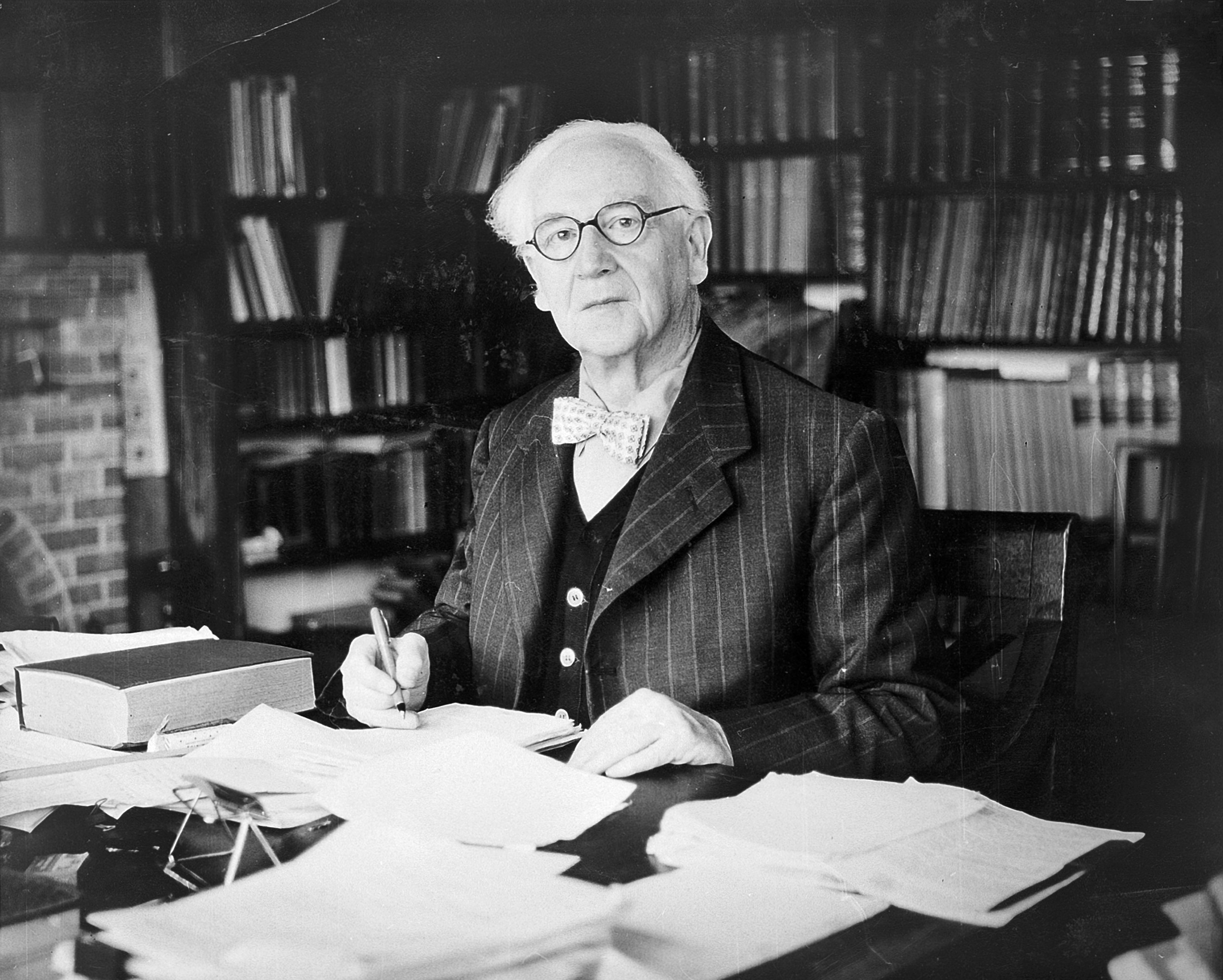
A history of biology to about the year 1900. A general introduction to the study of living things. 3rd ed.
1958 CE
#145
The history of biology.
1474 CE
#146
Historiae. Tr: Laurentius Valla. Ed: Benedictus Brognolus. Add: Benedictus Brognolus: Epistola ad Nicolaum Donatum.
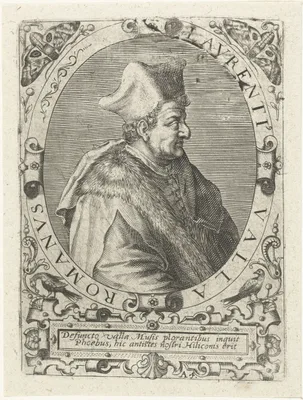
Born in Asia Minor, Herodotus travelled through Greece, Asia Minor and North Africa. His Historiae includes careful observations on the nature and habits of various peoples, and he may be regarded as the founder of an…
1904 CE
#148
Galeni De temperamentis libri III recensuit Georgius Helmreich.
![GALEN, [Κλαύδιος Γαληνός; Galen of Pergamon] (129 – 216)](/media/portraits/21)
Digital facsimile from the Hathi Trust at this link.
1528 CE
#149
Vier Bücher von menschlicher Proportion.
Written, designed, and illustrated by Dürer, this work is notable for its extraordinary series of anthropometrical woodcuts. The first two books deal with the proper proportions of the human form; the third chang…
1586 CE
#150
De humana physiognomonia libri IIII.
Della Porta preceded Lavater in attempting to estimate human character by the features. This is one of the first works on the ancient “science” of physiognomy to be extensively illustrated.
1654 CE
#151
Anthropometria.
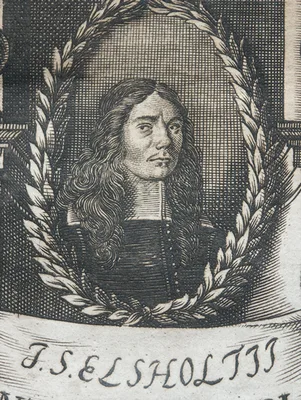
Elsholtz was the first physician to study anthropometry and human proportion.
1658 CE
#152
Metoposcopia libris tredecim et octingentis faciei humanae eiconibus complexa.
![CARDANO, Girolamo [Gerolamo; Hieronymus Cardanus] (1501 – 1576)](/media/portraits/7679)
Contains 800 illustrations of the human face. Cardan, Professor of Medicine at Padua as well as a celebrated mathematician and scientist, claimed to be able to draw horoscopes from the appearance of the face. A French…
1699 CE
#153
Orang-outang, sive homo sylvestris: Or, the anatomy of a pygmie compared with that of a monkey, an ape, and a man.
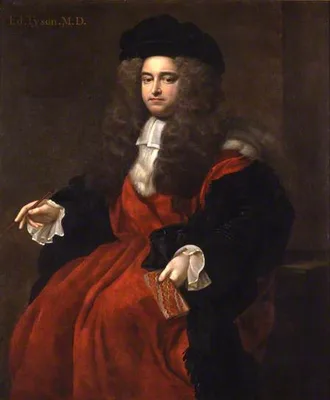
The earliest work of importance in comparative morphology. Tyson compared the anatomy of man and monkeys and between the two he placed the chimpanzee, which he regarded as the typical pygmy. This was the origin of the…
1772 CE
#154
Von der Physiognomik.
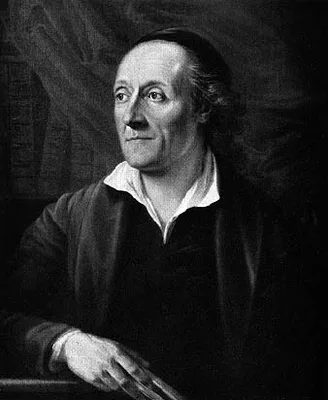
Lavater was the last of the descriptive physiognomists. He expanded the above work into Physiognomische Fragmente zur Beförderung der Menschenkenntnis und Menschenliebe, 1775-78. This was translated into English …
1773 CE
#155
Théorie de la figure humaine.
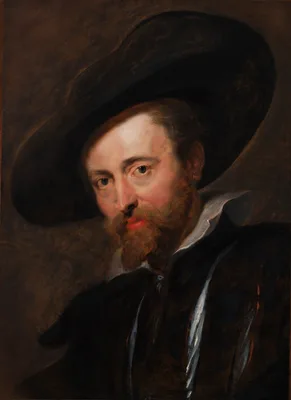
This work on the human figure, published more than 100 years after the death of Rubens, is one of a handful of anatomical treatises illustrated by an artist of the first magnitude.
1775 CE
#156
De generis humani varietate nativa.
Blumenbach was the founder of anthropology. In this, his doctoral dissertation, he classified mankind into four races, based on selected combinations of head shape, skin color and hair form. In the second edition (178…
1790 CE–1811 CE
#157
Beyträge zur Naturgeschichte. 2 pts.
English translation, London, 1865.
1792 CE
#158
Ueber den natürlichen Unterschied der Gesichtszüge in Menschen verschiedener Gegenden und verschiedenen Alters.
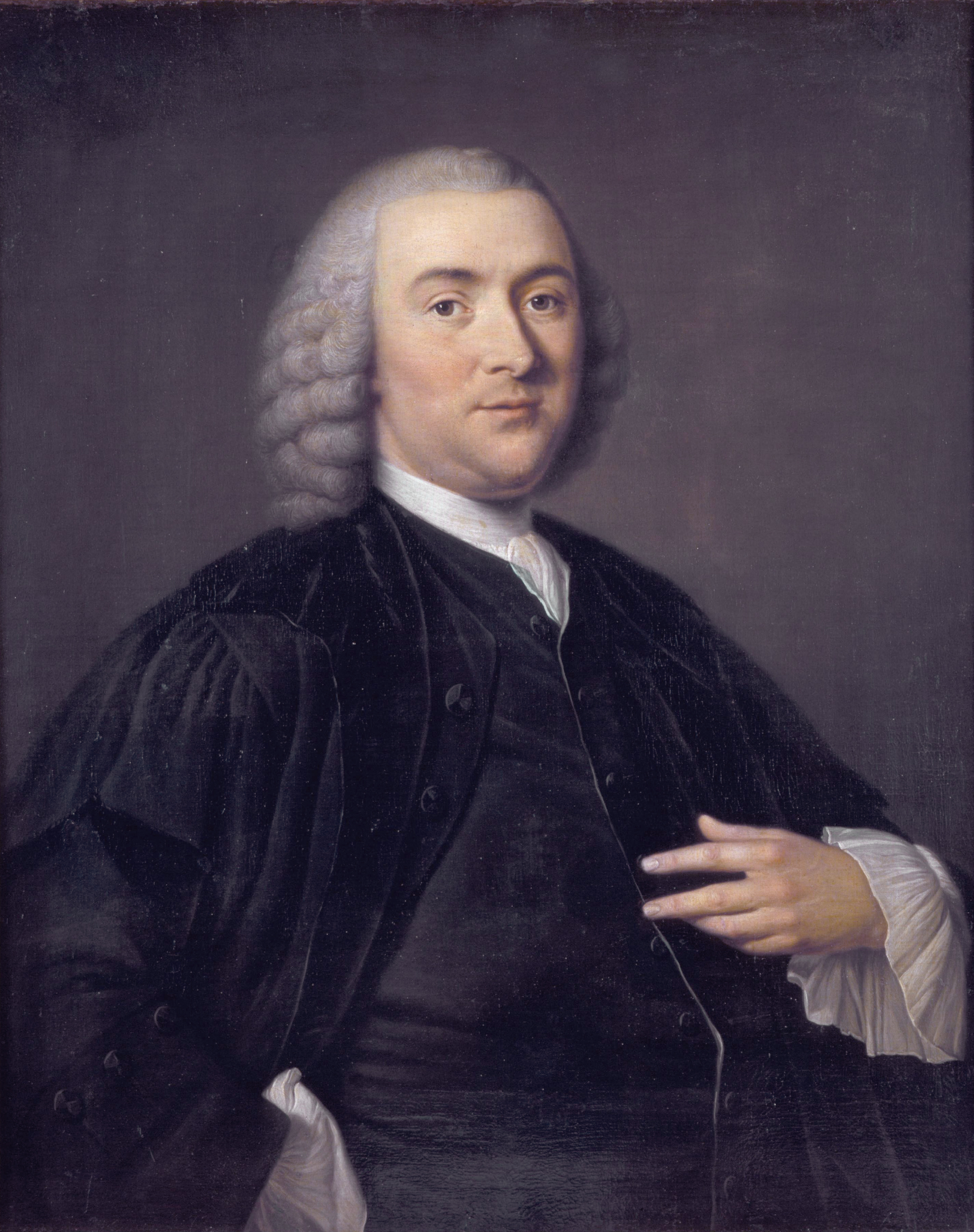
This work on physiognomy includes Camper’s description of his craniometrical methods. Camper is chiefly remembered for the “facial angle” of his own invention. The book first appeared in Dutch in 179…