
Entry Nos. 1300–1399
98 Garrison-Morton entries in this range.
1906 CE
#1300
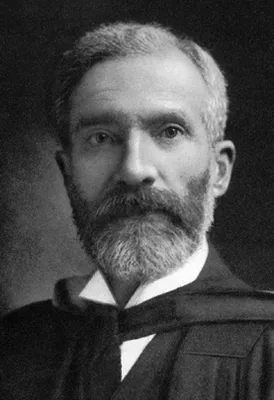
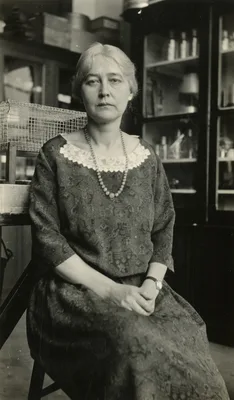
On the distribution of chlorides in nerve cells and fibres.
1908 CE
#1301
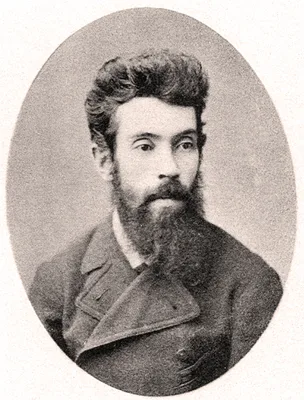
Der Bau der Spinalganglien des Menschen und der Säugetiere.
1908 CE
#1302
A human experiment in nerve division.
Head submitted to the division of his own left radial and external cutaneous nerves. His subsequent study of the loss and restoration of sensation thus brought about, led to a reclassification of the sensory pathways.…
1917 CE
#1303
The conduction of the nervous impulse.
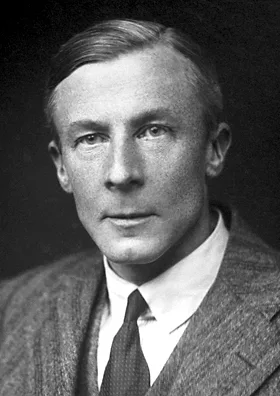
Gotch (No. 1420.1), Adrian, and Keith Lucas made important discoveries concerning the “all-or-nothing” responses of individual nerve fibers. Their work is summarized in the above monograph. Digital facsimi…
1920 CE
#1304
Studies in neurology. By Henry Head in conjunction with W.H.R. Rivers, James Sherren, Gordon Holmes, Theodore Thompson, George Riddoch. 2 vols.
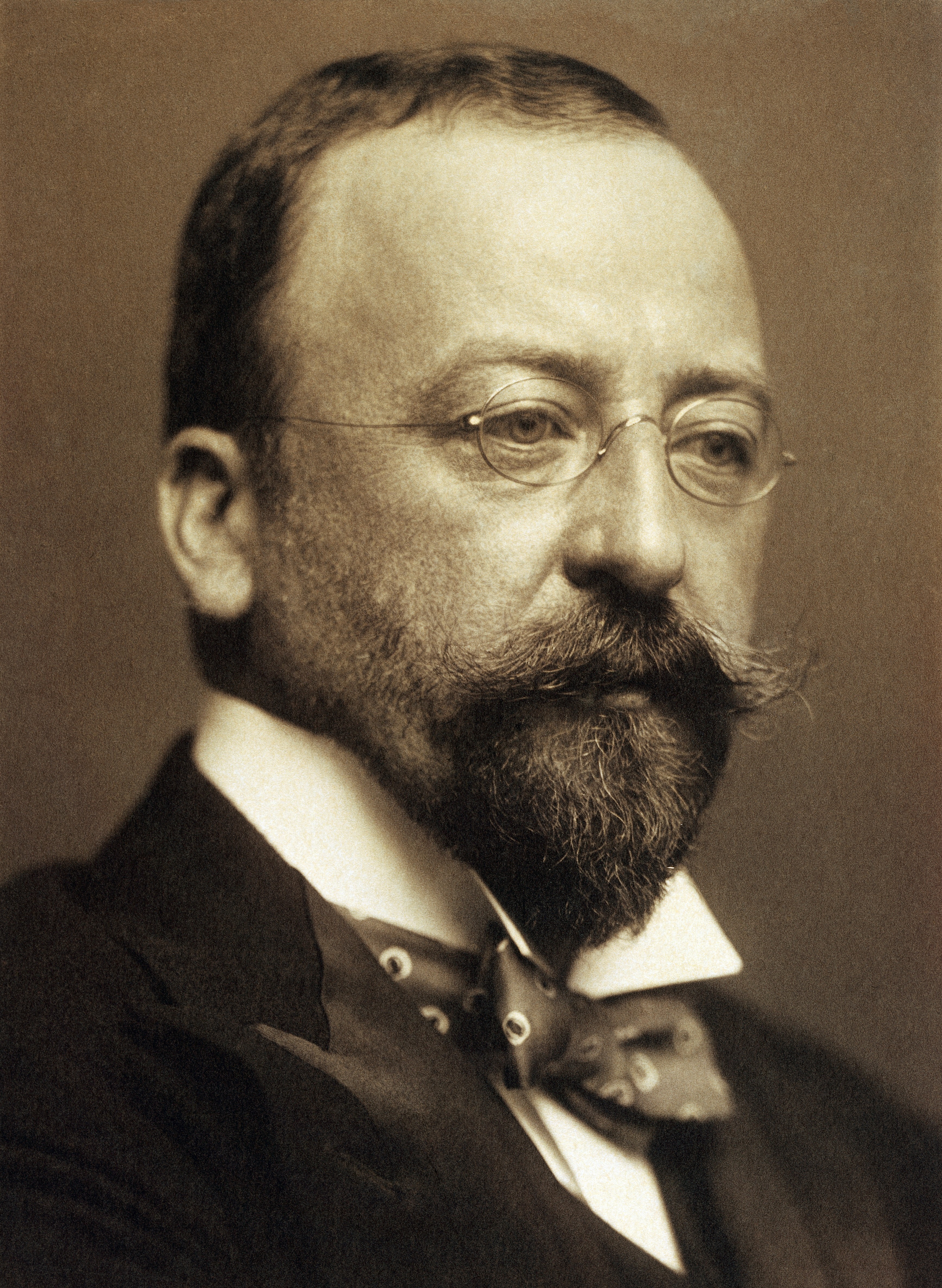
Reprint, with modifications and additions, of seven papers published in the journal Brain between 1905 and 1918. Digital facsimile from the Internet Archive at this link.
1924 CE
#1305
The compound nature of the action current of nerve as disclosed by the cathode ray oscillograph.
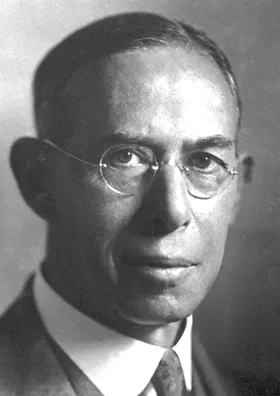
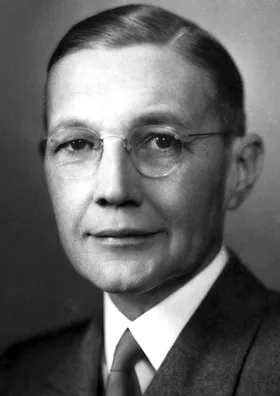
In 1944 Erlanger and Gasser shared the Nobel Prize in Physiology or Medicine "for their discoveries regarding the highly differentiated functions of single nerve fibers."
1924 CE
#1306
The theory of decrementless conduction in narcotised region of nerve.
Kato made valuable investigations on nerve conduction. A second volume, Further studies, appeared in 1926.
1926 CE
#1307
The impulses produced by sensory nerve-endings. Part 2. The response of a single end-organ.
The observations of Adrian and Zotterman on the response of single sensory end-organs to a natural stimulus led them to formulate their conception of “adaptation” of receptors to stimuli.
1928 CE
#1308
The basis of sensation. The action of the sense organs.
In 1932 Adrian shared the Nobel Prize in Physiology or Medicine with Charles Scott Sherrington "for their discoveries about the function of neurons." See also Nos. 1307, 1528, and 1303.
1931 CE
#1309
Lebensnerven und Lebenstriebe. 3te. Aufl.
1937 CE–1938 CE
#1310
A review of the Golgi apparatus.
1684 CE
#1311
Dr. Willis's practice of physick.
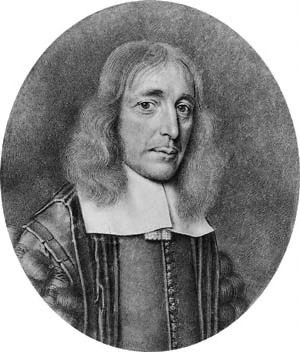
The only complete edition of Willis's works in English, translated by the poet Samuel Pordage. It contains the translations of all his works except his Affectionum quae dicuntur hystericae (1671). The collection inclu…
1714 CE
#1312
Tabulae anatomicae.
A romantic history attaches to this fine collection of plates, drawn by Eustachius himself and completed in 1552. They remained unprinted and forgotten in the Vatican Library until discovered in the early 18th century…
1727 CE
#1313
Mémoire dans lequel il est démontré que les nerfs intercostaux fournissent des rameaux que portent des esprits dans les yeux.
By cutting the intercostal nerves in the neck, du Petit found that disturbances occurred in the eyes and face of the same side; this disproved earlier views of the cerebral origin of the intercostal nerves.
1732 CE
#1314
Exposition anatomique de la structure du corps humain.
![WINSLOW, Jacques-Bénigne [Jacob Benignus Winsløw] (1669 – 1760)](/media/portraits/708)
The foramen between the greater and lesser sacs of the peritoneum (described on pages 352-65), is named after Winslow. His Exposition is distinguished as being the first book on descriptive anatomy to discard physiolo…
1801 CE–1803 CE
#1315
Traité d’anatomie descriptive. 5 vols.
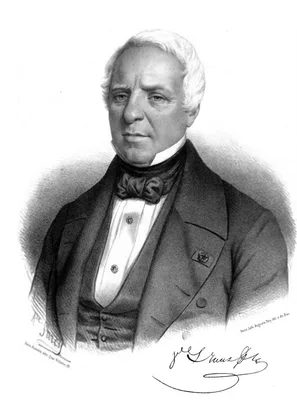
Bichat was the creator of descriptive anatomy. He introduced the terms “animal” and “vegetative” system. This was his last work, unfinished at his death. Vol. 4 was prepared by Bichat's student…
1817 CE
#1316
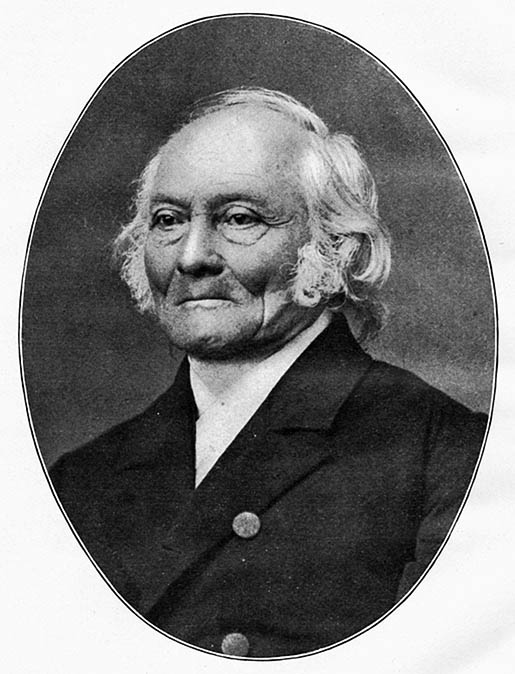
Anatomia comparata nervi sympathici.
1823 CE
#1317
De nervi sympathetici humani fabrica usu et morbis.
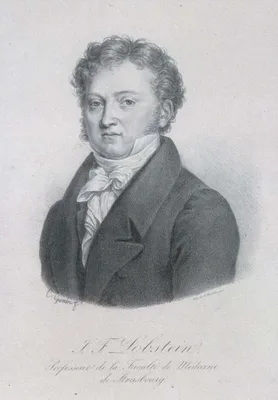
Includes description of “Lobstein’s ganglion”, an accessory ganglion of the sympathetic nerve above the diaphragm. English translation, 1831.
1842 CE
#1318
Die Selbständigkeit des sympathischen Nervensystems durch anatomische Untersuchungen nachgewiesen.
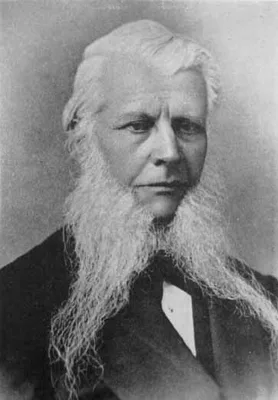
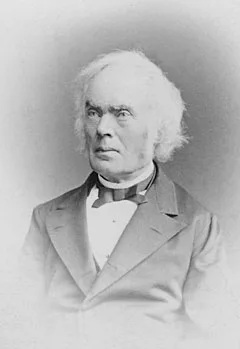
These writers showed the sympathetic nervous system to consist largely of small, medullated fibers originating from the sympathetic and spinal ganglia.
1846 CE
#1319
On the nerves of the uterus.
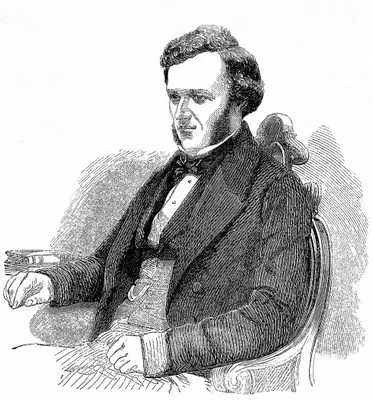
Beck showed that in man the thoracic sympathetic chain receives communications from the last cervical, thoracic, and upper 1 or 2 lumbar ganglia.
1852 CE
#1320
Influence du grand sympathique sur la sensibilité et sur la calorification.
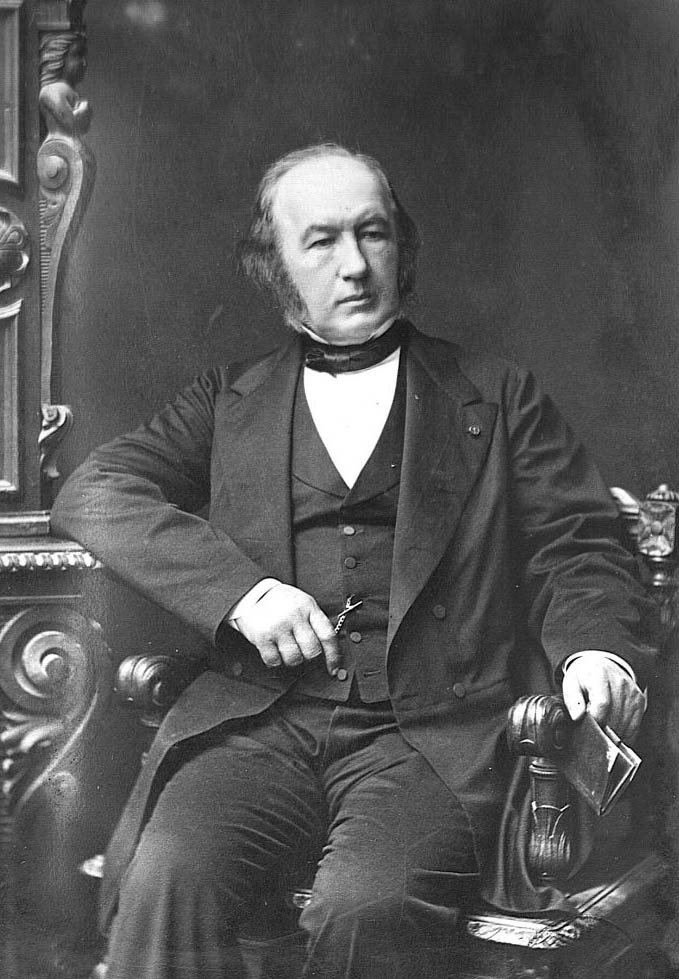
Bernard discovered the existence of vasomotor nerves.
1853 CE
#1321
Expérience sur les fonctions de la portion céphalique du grand sympathique.
1852 CE
#1322
Experimental researches applied to physiology and pathology.
By applying a galvanic current to the superior part of the divided sympathetic nerve and causing vascular contraction and a fall in temperature, Brown-Séquard inferred that section of the sympathetic paralysed …
1852 CE
#1323
Experimenteller Beweis, dass der Nervus sympathicus aus dem Rückenmark entspringt.
1854 CE
#1324
Recherches expérimentales sur le grand sympathique et spécialement sur l’influence que la section de ce nerf exerce sur la chaleur animal.
1854 CE
#1325
Note sur la découverte de quelques-uns des effets de la galvanisation du nerf grand sympathique au cou.
1854 CE
#1326
Sur les résultats de la section et de la galvanisation du nerf grand sympathique au cou.
1857 CE
#1327
Essays on the secretory and the excito-secretory system of nerves.
Campbell saw in the sympathetic a nervous system related to secretion and nutrition and having intimate connexion with the sensory nerves. He coined the ter “excito-secretory” to designate his theory; alth…
1869 CE
#1328
Ueber eine Form von Ptosis.
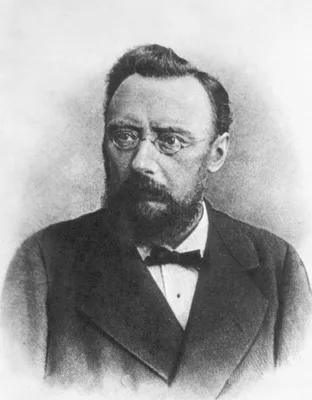
“Horner’s syndrome”, due to lesion of the cervical sympathetic. The same syndrome was evoked in animals by Pourfour du Petit in 1727 (see No. 1313). It is a proof that the sympathetic governs the pup…
1886 CE
#1329
On the structure, distribution, and function of the nerves which innervate the visceral and vascular system.
Gaskell established the origin of the preganglionic neurons (white rami).
1897 CE
#1330
Ueber die Primitivfibrillen in den Ganglienzellen von Menschen und andern Wirbelthieren.
1916 CE
#1331
The involuntary nervous system. Part 1.
This book sums up the life work of Gaskell, who laid the histological foundation of the modern study of the autonomic nervous system. No more published.
1921 CE
#1332
The autonomic nervous system.
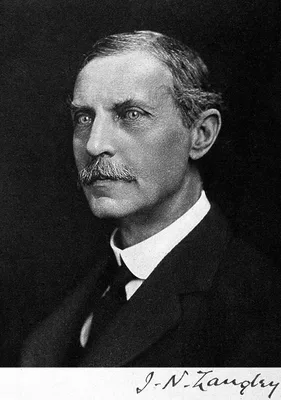
Langley divided the autonomic nervous system into (1) the orthosympathetic, and (2) the parasympathetic; he defined it as an efferent system.
1928 CE
#1333
Zur Histologie und Topographie der vegetativen Zentren im Rückenmark.
Study of the cells of origin of the white rami.
1904 CE
#1336
On the action of adrenalin.
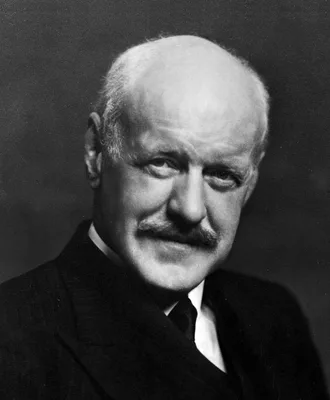
The first intimation of the chemical mediation of nerve impulses was given in Elliott’s suggestion that when a sympathetic nerve impulse arrives at a smooth-muscle cell it liberates adrenaline, which acts as a c…
1905 CE–1906 CE
#1337
Vagus inhibition of the heart in its relation to the inorganic salts of the blood.
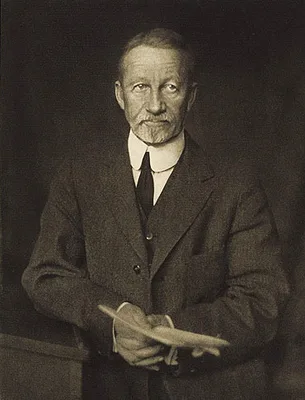
Howell suggested that nerve impulses act indirectly by increasing the amount of diffusible potassium compounds in the heart tissue.
1906 CE
#1338
On the physiological action of certain cholin derivatives and new methods for detecting cholin.
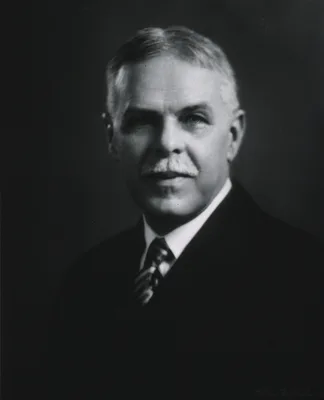
Discovery of the remarkable hypotensive effect of acetylcholine.
1908 CE–1909 CE
#1339
The mode of action of specific substances with special reference to secretin.
These workers drew attention to the similarity between the effects of nerve stimulation and certain drugs, especially muscarine, on the heart.
c. 1914 CE
#1340
The action of certain esters and ethers of choline, and their relation to muscarine.
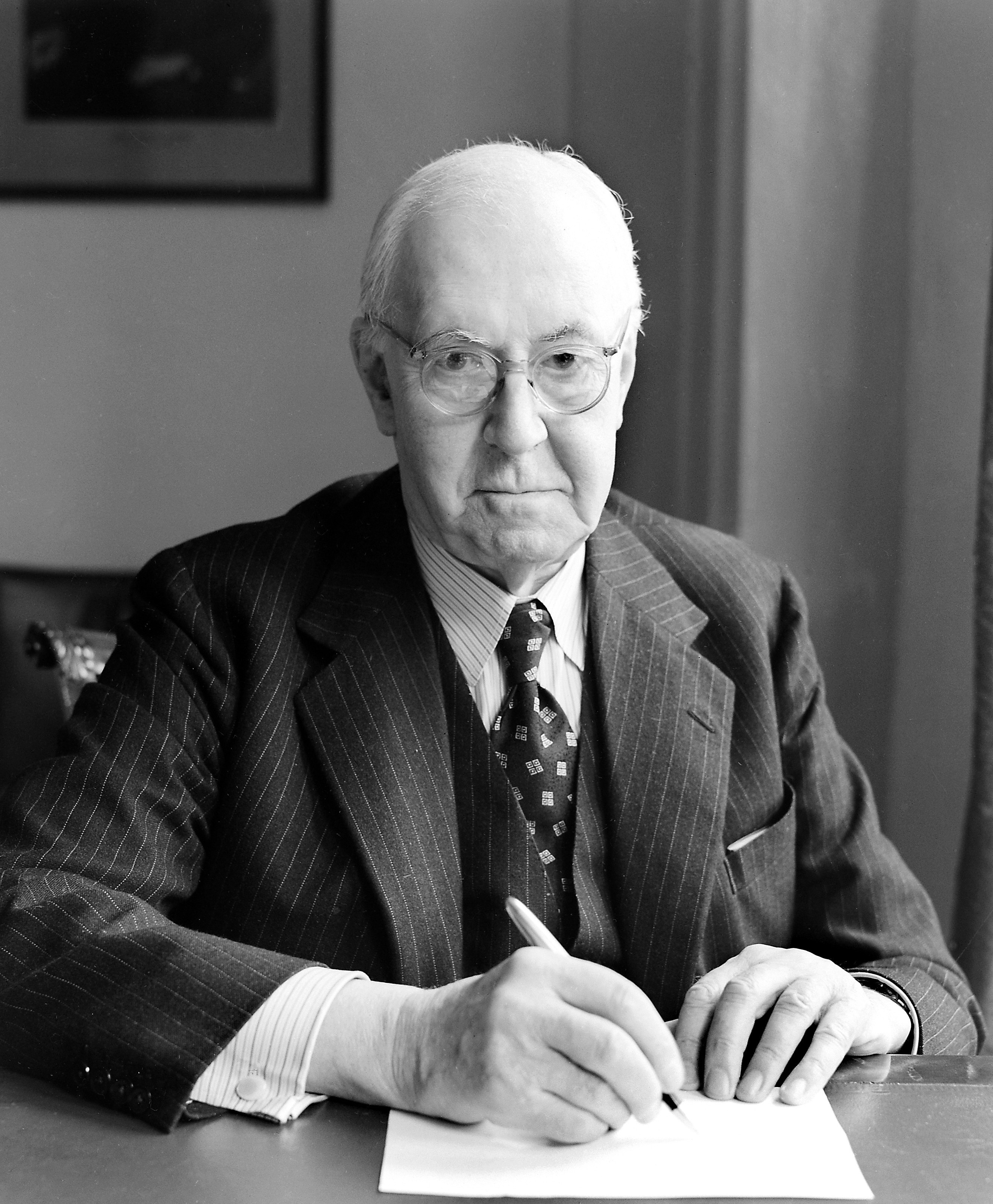
Demonstration of the inhibitory action of acetylcholine on the heart. In 1936 Dale shared the Nobel Prize in Physiology or Medicine with Otto Loewi (No. 1343) "for their studies in the chemical mediation of nervous im…
1914 CE
#1341
Acetylcholine, a new active principle of ergot.
Isolation of acetylcholine in ergot.
1918 CE
#1342
Vasodilator reactions.
Showed that tissues are more sensitive to acetylcholine after treatment with eserine (physostigmine).
1921 CE–1922 CE
#1343
Ueber humorale Uebertragbarkeit der Herznervenwirkung.
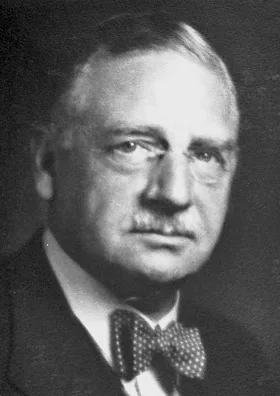
Loewi’s important experiments firmly established the theory of chemical intermediaries in nervous reactions. In 1936 Loewi shared the Nobel Prize in Physiology or Medicine with Dale "for discoveries related to c…
1924 CE
#1344
Ueber humorale Uebertragbarkeit der Herznervenwirkung
Established the presence of cholinesterase and that in vitro eserine inhibited this esterase.
1929 CE
#1345
The presence of histamine and acetylcholine in the spleen of the ox and the horse.
Isolation of acetylcholine from ox and horse spleen.
1931 CE
#1346
Studies on conditions of activity in endocrine organs. xxvi. A hormone produced by sympathetic action on smooth muscle.
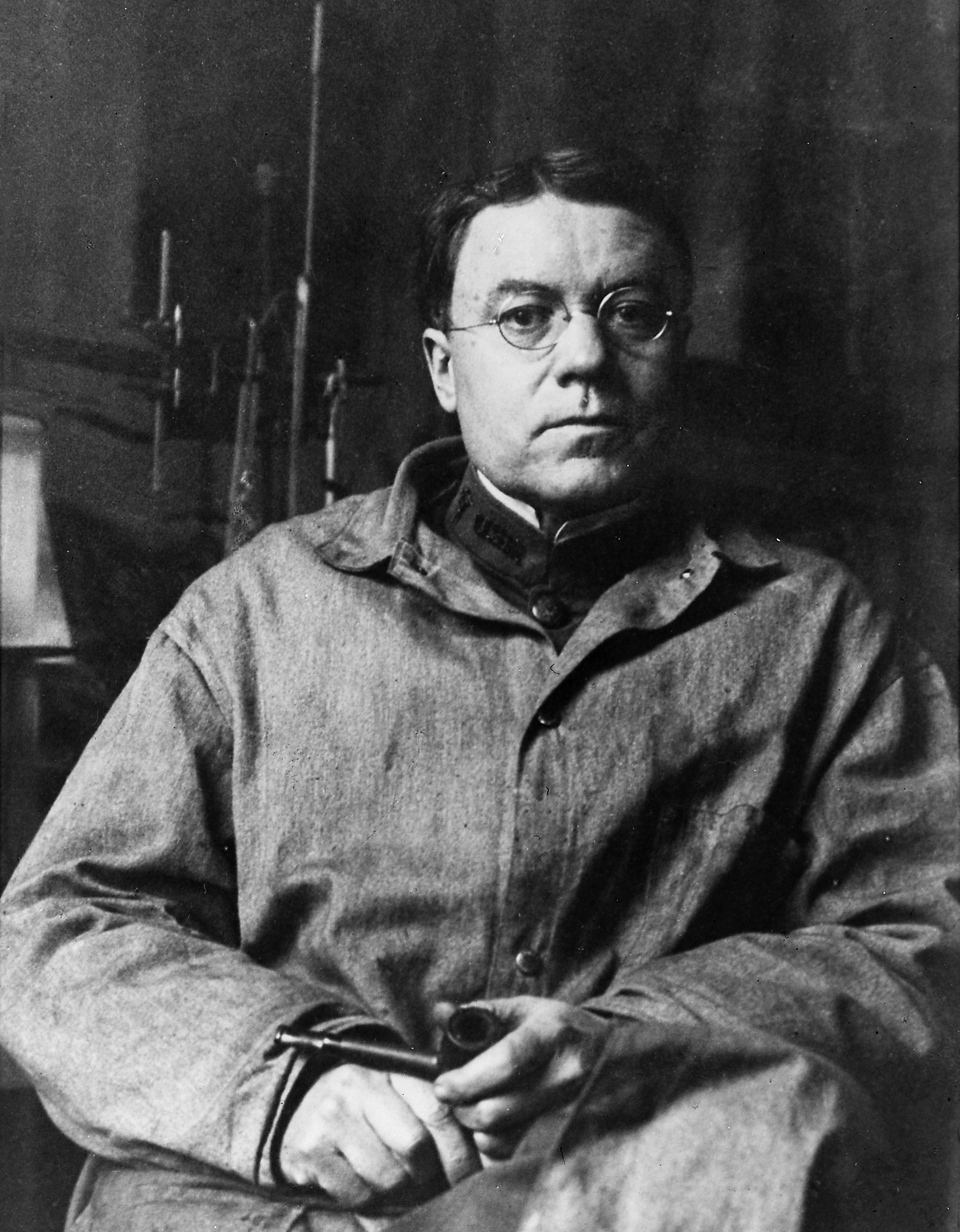
Cannon and Bacq suggested the name “sympathin” for a substance which they considered to be liberated into the blood stream following nerve stimulation and which acted in the same manner as sympathetic impu…
1931 CE
#1347
Der humorale Wirkungsmechanismus der Oculomotoriusreizung.
1932 CE
#1348
Die humorale Übertragung der Chorda tympani-Reizung.
Production of acetylcholine on stimulation of the chorda tympani nerve.
1933 CE
#1349
The mode of action of vasodilator and vasoconstrictor nerves.
1933 CE
#1350
Studies on conditions of activity in endocrine organs, xxix. Sympathin E and sympathin I.
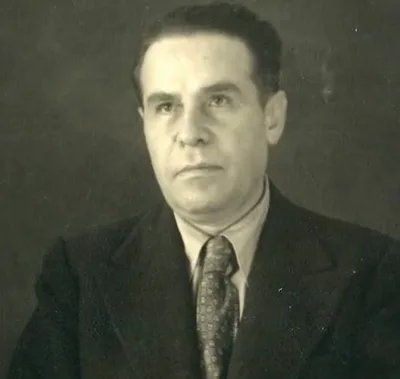
Adrenaline and sympathin were suggested to be unidentical substances, and Cannon and Rosenblueth proposed the terms “sympathin E” and “sympathin I”.
1933 CE
#1351
Ueber humorale Uebertragung der Erregung von einem Neuron suf das andere.
Kibjakow showed that some substance in a muscle perfusate is able to contract muscle during stimulation of nerve.