
Entry Nos. 1000–1099
100 Garrison-Morton entries in this range.
1855 CE
#1000
Sur le mécanisme de la formation du sucre dans le foie.
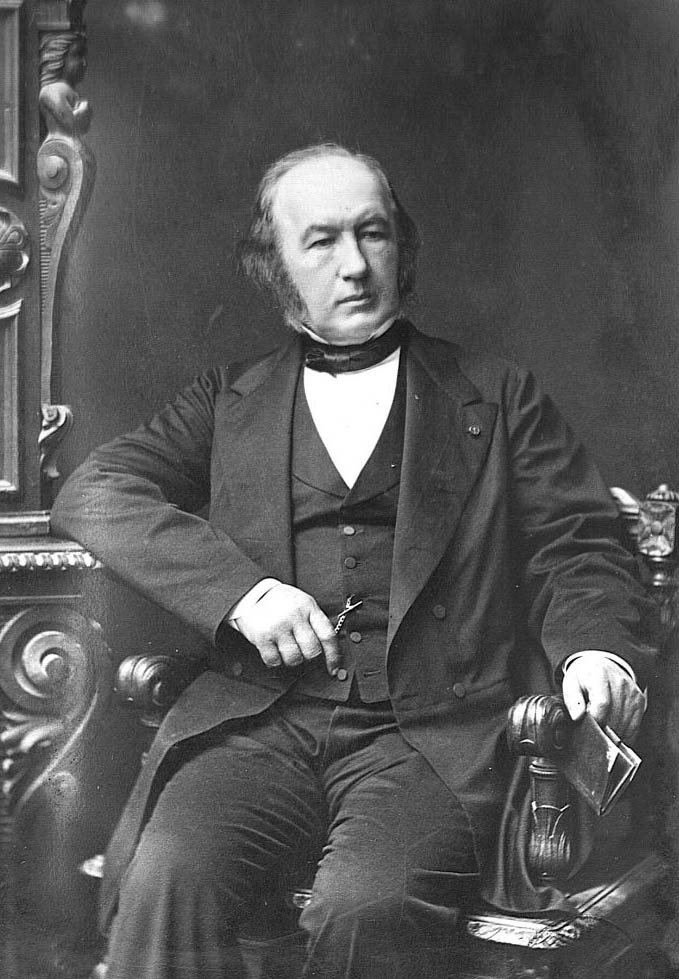
The culmination of Bernard’s work on the glycogenic function of the liver. He invented the term “internal secretion” and can be said to have started the scientific investigation of the internal secre…
1857 CE–1863 CE
#1001
Sur une fonction peu connue du pancréas. La digestion des aliments azotés. 10 pts.
Corvisart showed that pancreatic proteolysis takes place at body temperature, in acid, alkaline, or neutral media.
1859 CE
#1002
Mémoire sur un point d’anatomie pathologique relatif à l’histoire de la cirrhose.
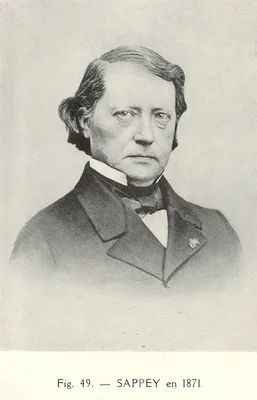
“Sappey’s veins” in the falciform ligament of the liver.
1861 CE
#1003
Beiträge zur Lehre von der Verdauung.
1862 CE
#1004
Ueber specifisch wirkende Körper des natürlichen und künstlichen pancreatischen Saftes.
Discovery of trypsin.
1862 CE
#1005
Experimental researches into a new excretory function of the liver, consisting in the removal of cholesterine from the blood and its discharge from the body in the form of stercorine.
Discovery, in the feces, of “stercorine” (coprosterol).
1863 CE
#1006
Ueber einen Plexus gangliosus myogastricus.
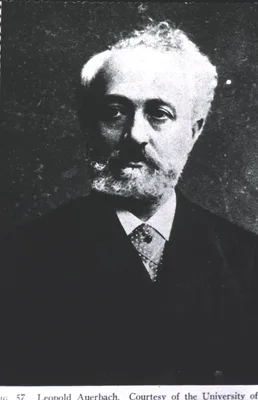
Auerbach’s plexus and ganglion. See also his book Ueber einen Plexus myentericus, Breslau, Morgenstern, 1862.
1865 CE
#1007
Ueber eine neue Methode den Dünndarm zu isolieren.
Thiry-Vella fistula. See also No. 1014.
1868 CE
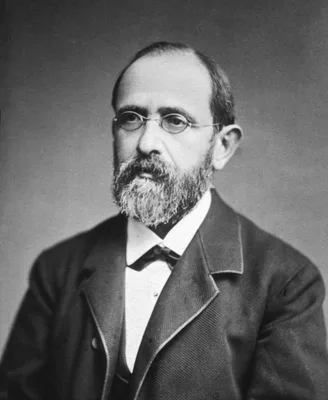
#1008
Beiträge zur Lehre von der Speichelsecretion.
1869 CE
#1009
Beiträge zur mikroskopischen Anatomie der Bauchspeicheldrüse. Inaugural-Dissertation.
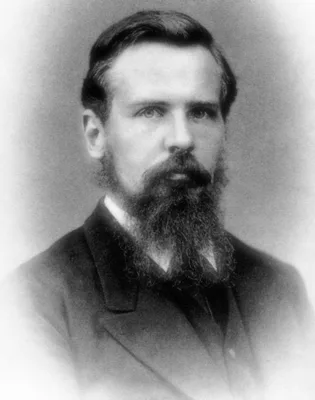
First account of the islets of Langerhans. In 1893 Édouard Laguesse attached the name of Langerhans to the structures. Langerhans did not suggest any function for them. The book was reprinted with an English tr…
1871 CE
#1010
Einige Versuche mit Fermenten, welche Stärke und Rohrzucker in Traubenzucker verwandeln.
1872 CE
#1011
Ueber die Wirkung einiger Gifte auf die Nerven der glandula submaxillaris.
Study of the effect of poisons on the nerves of the submaxillary gland.
1874 CE–1877 CE
#1012
Ueber das Trypsin.
Isolation of trypsin.
1889 CE
#1013
Fisiologia del digiuni.
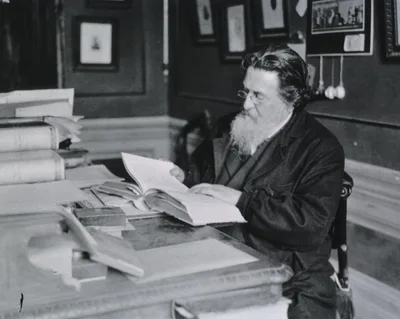
Luciani distinguished three stages of starvation in man – hunger, physiological inanition, and pathological inanition. Digital facsimile from Google Books at this link.
1881 CE
#1014
Nuovo metodo per avere il succo enterico puro, e stabilime le proprietà fisiologiche.
1883 CE
#1015
Der Schluckmechanismus, seine Erregung und seine Hemmung.
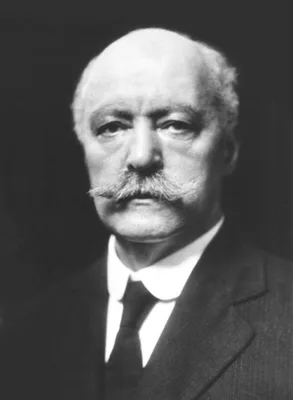
An experimental study, by means of a balloon, of swallowing and of oesophageal contractions.
1883 CE
#1016
Ueber die nächsten Spaltungsproducte der Eiweisskörper.
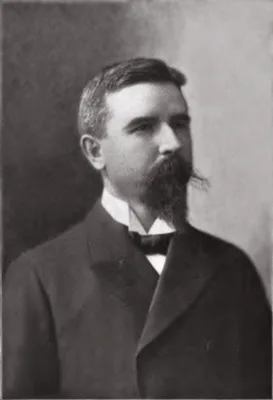
Kühne and Chittenden isolated and named several new substances during their investigation of the products of digestion. See also the same journal, 1884, 20, 11-51; 1886, 22, 409-58; 1889, 25, 358-67.
1886 CE
#1017
Die Darmbakterien des Säuglings und ihre Beziehungen zur Physiologie der Verdauung.
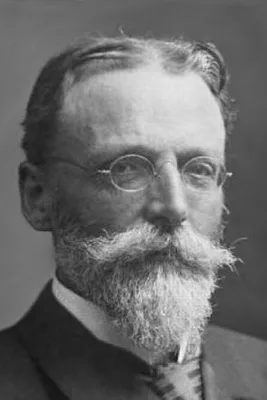
Includes the first account of Bact. coli infection. The organism was later renamed Escherichia coli (E.coli).
1887 CE
#1018
D’une disposition à sphincter spéciale de l’ouverture du canal cholédoque.
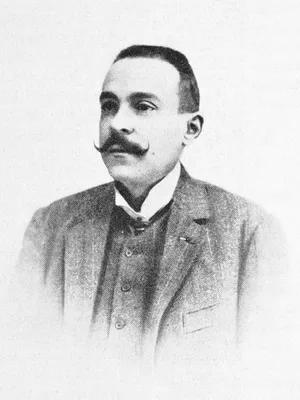
“Sphincter of Oddi” of the bile duct, already known to Glisson in 1654. Reprinted as a pamphlet, Perugia, 1887.
1894 CE
#1019
Neue Versuche liber die Aufsaugung im Dunndarm.
1895 CE–1896 CE
#1020
Thierisches Leben ohne Bakterien im Verdauungskanal.
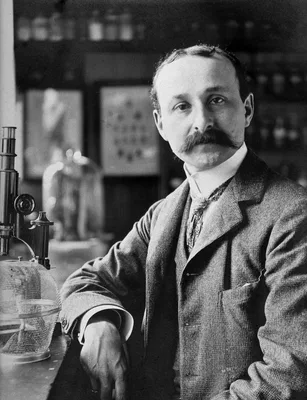
Proof that healthy life and perfect digestion are possible without the presence of bacteria in the digestive tract.
1897 CE
#1021
Zur Frage über den Bau des Darmkanals.
The “cells of Kultschitzky” in the epithelium of the intestine, between the cells which line the gland of Lieberkühn.
1897 CE
#1022
Lektsii o rabotie glavnikh pishtshevaritelnikh zhelyoz. [Lectures on the work of the principal digestive glands.]
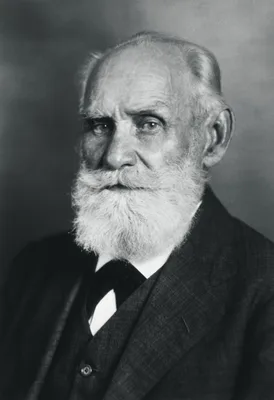
Pavlov's classic study of the physiology of digestion. Especially notable was his method of producing gastric and pancreatic fistulae for the purpose of his experiments. The second published edition was a German trans…
1899 CE
#1023
On the topographical anatomy of abdominal viscera in man, especially the gastrointestinal canal.
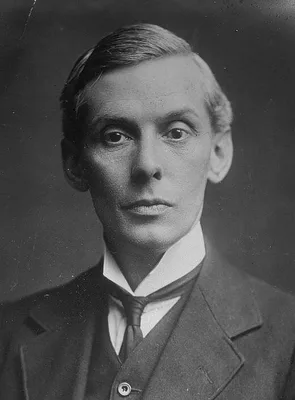
“Addison’s transpyloric plane”. Addison was Britain’s first Minister of Health (1919-21).
1902 CE
#1024
The mechanism of pancreatic secretion.
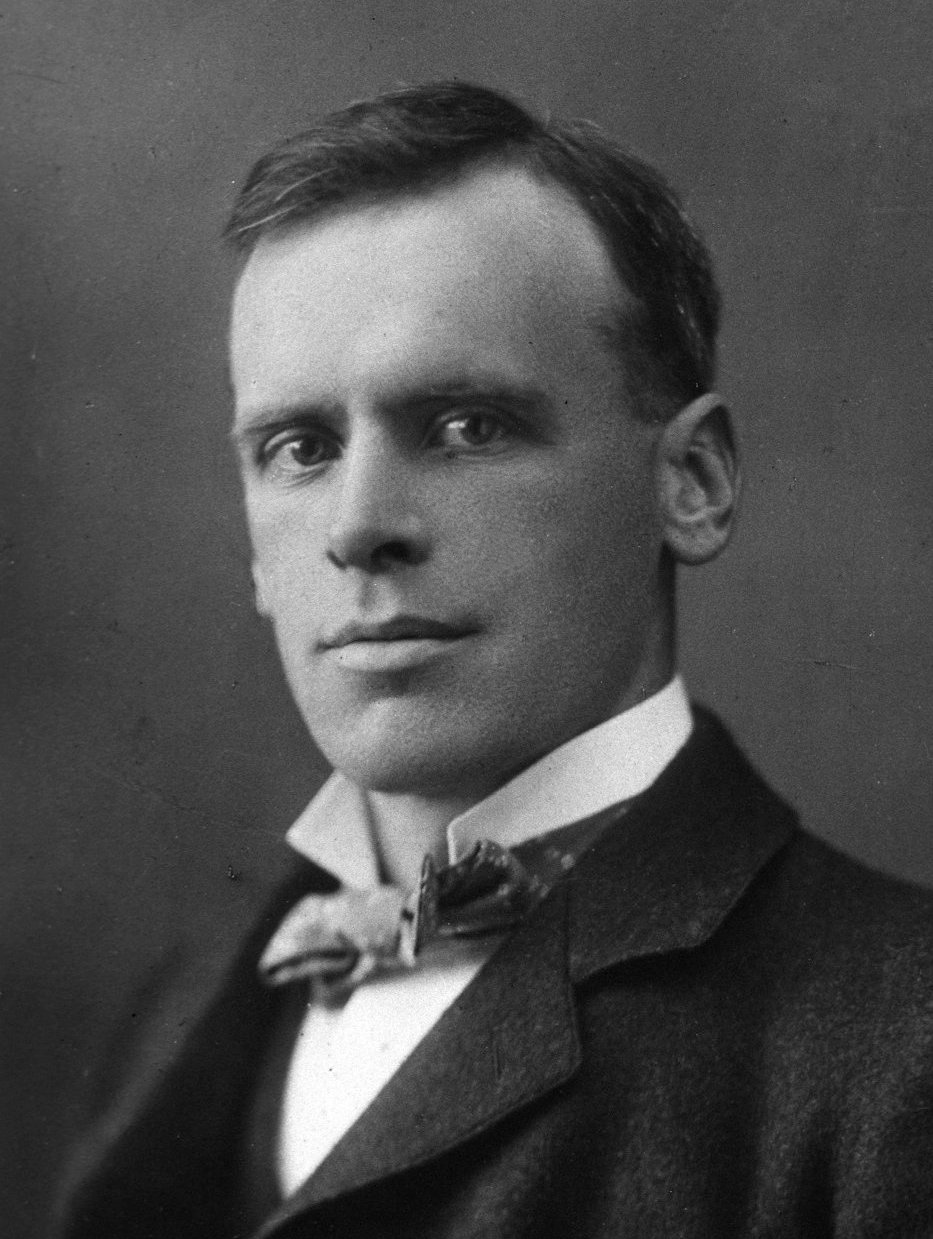
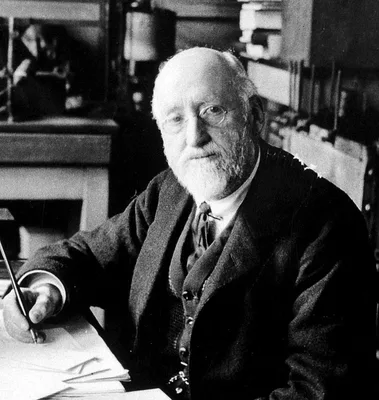
Demonstration of the existence of secretin in the duodenal secretion. Preliminary note in Lancet, 1902, 1, 813.
1902 CE
#1025
Die Gesetze des Energieverbrauchs bei der Ernährung.
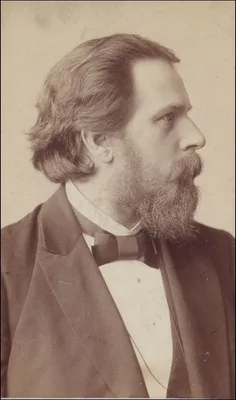
Rubner’s classic work on the influence of foodstuffs on metabolism. In it he introduced the term “specific dynamic action of the foodstuffs”.
1906 CE
#1026
The chemical mechanism of gastric secretion.
Gastric secretin (gastrin) was first described by Edkins. A preliminary communication is in Proc. roy. Soc. B, 1905, 76, 376.
1907 CE
#1027
The influence of inanition on metabolism.
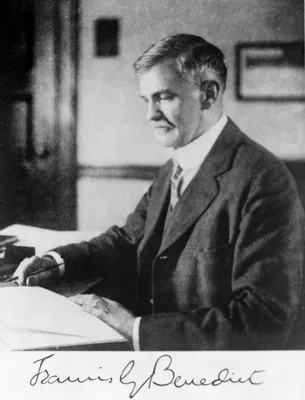
1910 CE
#1028
Studien über die spezifische Anpassung der Verdauungssäfte. III. Mittheilung.
Digital facsimile from ECHO at this link.
1911 CE
#1029
The mechanical factors of digestion.
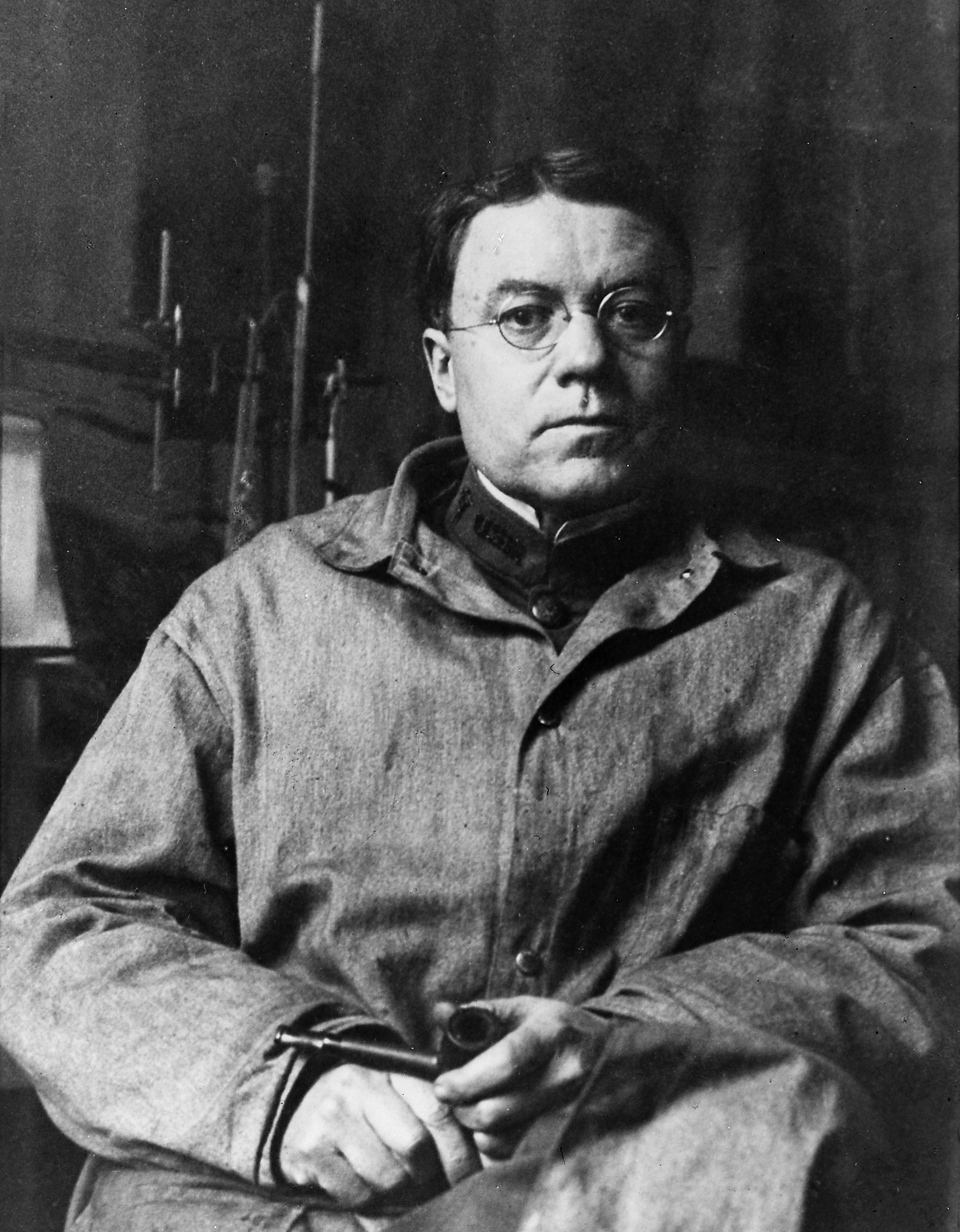
Summarized research begun in 1896. See No. 3519.
1912 CE–1913 CE
#1030
Contributions to the physiology of the stomach.
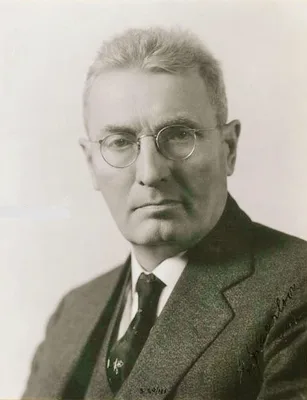
Carlson recorded stomach movements by means of a balloon inserted through a gastric fistula. Much of his important work on gastric physiology was summed up in his book published in 1916. See No. 1033.
1913 CE
#1031
Le mouvement de l’intestin en circulation artificielle (chez les vertébrés). Thèses présentées a la Faculté des sciences de Paris.
Cinematographic studies of the movements of the intestines in animals. Digital facsimile from the Internet Archive at this link.
1914 CE
#1032
Die äussere Sekretion der Verdauungsdrüsen.
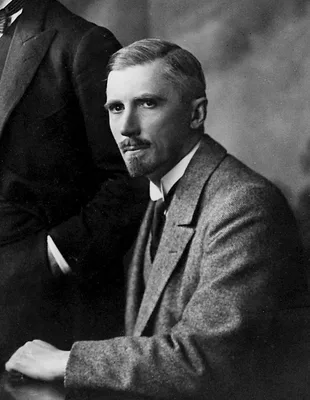
1916 CE
#1033
The control of hunger in health and disease.
Digital facsimile from the Internet Archive at this link.
1917 CE
#1034
Physiologische und pharmakologische Versuche über die Dünndarmperistaltik.
"Trendelenburg preparation", a preparation used in determining the actions of pharmacological agents on peristalsis.
1922 CE
#1035
The mechanics of the digestive tract.
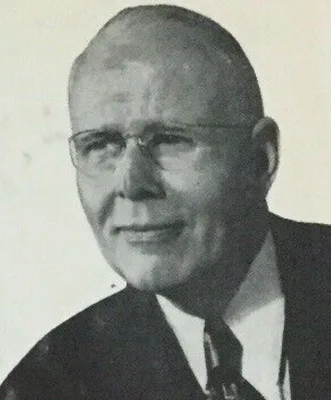
Includes (p. 111) his smooth diet for duodenal ulcer. Fourth edition entitled Introduction to gastro-enterology, 1950.
1924 CE
#1036
Basal metabolism in health and disease.
1925 CE
#1037
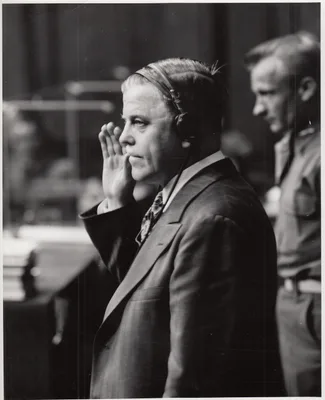
Contributions to the physiology of gastric secretion. The proof of a humoral mechanism. A new procedure for the study of gastric physiology.
1930 CE
#1038
Demonstration of the humoral agent in fat inhibition of gastric secretion.
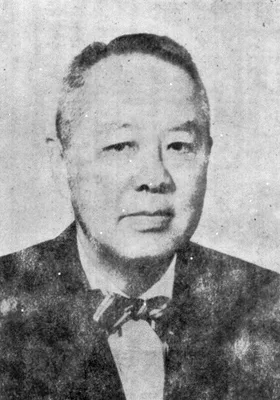
The work of Kosaka and Lim led to the discovery of a hormone inhibiting gastric secretion (“enterogastrone”).
1934 CE
#1039
Ueber die pharmakodynamischen Wirkungen und chemischen Eigenschaften des Secretins.
Preparation of crystalline secretin.
1943 CE
#1040
Radioactive iron absorption by gastro-intestinal tract. Influence of anemia, anoxia, and antecedent feeding distribution in growing dogs.
An important contribution to the knowledge of iron absorption. With W. F. Bale, J. F. Ross, W. M. Balfour, and G. H. Whipple.
1943 CE
#1041
Human gastric function. An experimental study of a man and his stomach.
Important experiments on gastric function, made on “Tom”, a man who had a gastric fistula from the age of 9. Second edition in 1947.
1881 CE
#1042
Ueber die Bedeutung der anorganischen Salze für die Ernährung des Thiers.
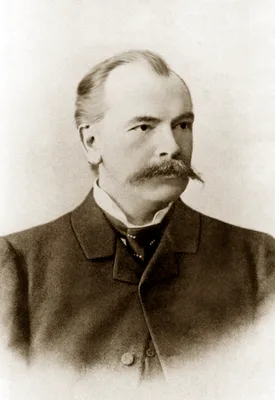
Working in Bunge’s laboratory, Lunin prepared synthetic milk diets and showed that they lacked an unknown factor necessary for animal growth, and that animals cannot live on a chemically pure (i.e. vitamin-free)…
1904 CE
#1043
Physiological economy in nutrition.
Chittenden, founder of the first laboratory of physiological chemistry in the U.S.A., made many important experiments in nutrition, especially in connexion with the low protein diet advocated by him.
1906 CE
#1044
The analyst and the medical man.
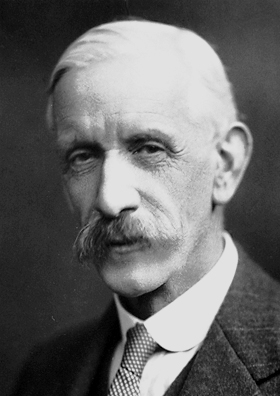
Hopkins predicted the existence of vitamins as early as 1906. He fed animals a diet of zein which failed to maintain growth; however, the animals grew at once when casein was substituted. He concluded that “in t…
1906 CE
#1045
The elements of the science of nutrition.
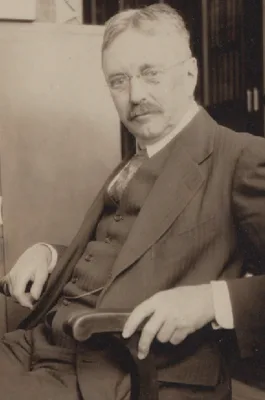
A classic exposition of respiratory and intermediary metabolism. Fourth edition, 1928. Reprint of Lusk’s personal annotated copy of the fourth edition, with biography and bibliography of his writings, New York, …
1909 CE
#1046
Versuche über Fütterung mit lipoidfreier Nahrung.
Stepp discovered that removal of fat from the diet greatly reduced its nutritive value, but that substitution of pure fats did not replace the deficiency. He thus discovered the existence of fat-soluble vitamins, with…
1911 CE–1912 CE
#1047
On the chemical nature of the substance which cures polyneuritis in birds induced by a diet of polished rice.
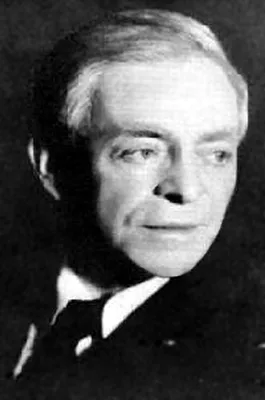
One of the earliest attempts to isolate what later became known as vitamin B1.See No. 1051. Funk determined the chemical nature of the substance in rice polishings which could cure beriberi.
1912 CE
#1048
Feeding experiments illustrating the importance of accessory factors in normal dietaries.
In 1929 Hopkins shared the Nobel Prize in Physiology or Medicine with Eijkman "for his discovery of the growth-stimulating vitamins."
1913 CE
#1049
The necessity of certain lipids in the diet during growth.
Discovery of “fat-soluble A” (vitamin A). See also J. biol. Chem., 1915, 23,181-246, in which the same authors showed the necessity in diet for at least two factors – “fat-soluble A” and …