
Entry Nos. 2700–2799
99 Garrison-Morton entries in this range.
1761 CE
#2276
De sedibus, et causis morborum per anatomen indagatis libri quinque. 2 vols.
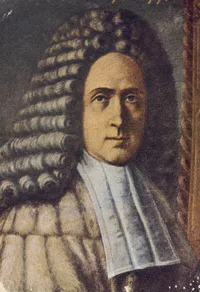
Morgagni was the founder of modern pathological anatomy. The work was completed in Morgagni’s 79th year and consists of a series of 70 letters reporting about 700 cases and necropsies. As best he could, he corre…
1939 CE
#2700
Differential radiography.
Watson first described axial transverse tomography.
1911 CE–1912 CE
#2701
Die Röntgen-Literatur. 2 vols.
1933 CE
#2702
Wilhelm Conrad Röntgen and the early history of the Roentgen rays.
The standard biography of Röntgen with a detailed history of the discovery of X-rays and the early period of roentgenology. Includes a bibliography of 1044 items on the subject published during the first year aft…
1658 CE
#2703
Observationes anatomicae, ex cadaveribus eorum, quos sustulit apoplexia.
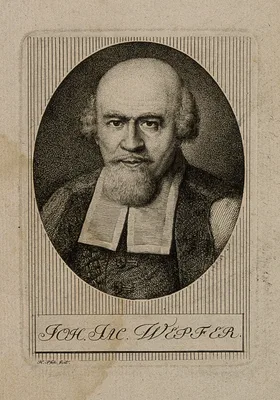
Wepfer showed apoplexy to be a result of hemorrhage into the brain. He described four cases, with clinical and post mortem findings. He preceded Willis (No. 1378) in describing the “circle of Willis”. Part…
1862 CE
#2704
De l’asphyxie locale et de la gangrène symétrique des extrémités.
First description of “Raynaud’s disease.” Raynaud was the first to describe this disorder, which causes extreme constriction of the peripheral blood vessels resulting in discoloration of the fingers,…
1867 CE
#2705
Zur Lehre von den vasomotorischen Neurosen.
Nothnagel described the vasomotor type of acroparaesthesia, sometimes called after him.
1872 CE
#2706
Clinical lecture on certain painful affections of the feet.
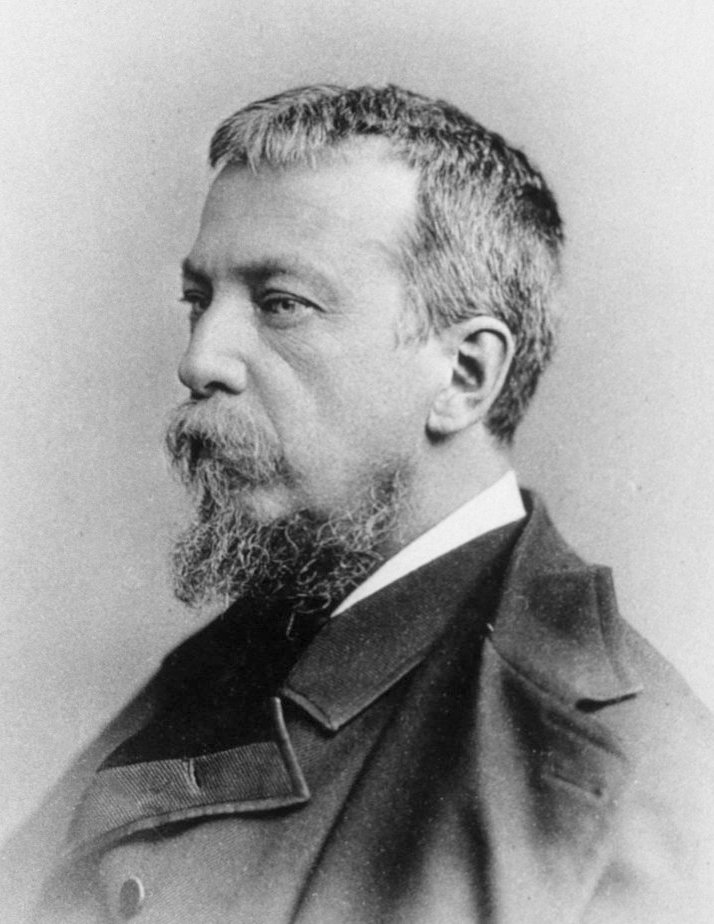
Mitchell suggested the name “erythromelalgia” for this condition, which is also known as “Weir Mitchell’s disease”. He records four earlier writers on the subject, the first being Graves …
1876 CE
#2707
A case of haemophilia complicated with multiple naevi.
First description of multiple hereditary telangiectasis (“Rendu–Osler–Weber disease”).
1884 CE
#2708
Therapie der Kreislauf-Störungen.
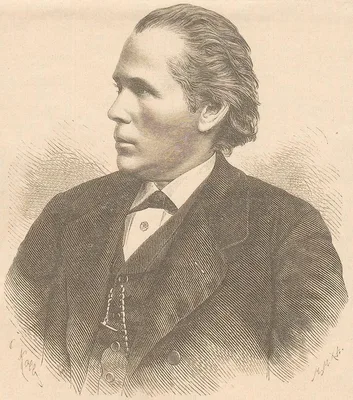
English translation in von Ziemssen’s Handbook of general therapeutics, Vol. 7, London, 1887.
1893 CE
#2709
Ueber Akroparästhesie.
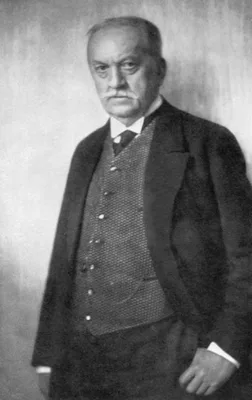
“Schultze’s acroparaesthesia.” Schultze described the simple form of acroparesthesia.
1896 CE
#2710
Epistaxis répété chez un sujet porteur de petits angiomes cutanés et muqueux.
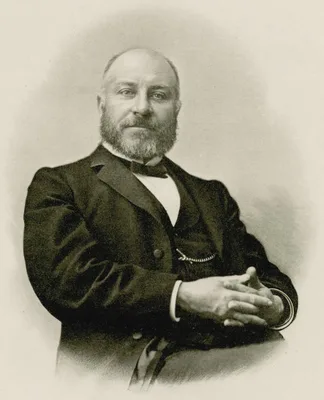
Rendu’s account of multiple hereditary telangiectasis (“Rendu–Osler–Weber disease”).
1901 CE
#2711
On a family form of recurring epistaxis, associated with multiple telangiectases of the skin and mucous membranes.
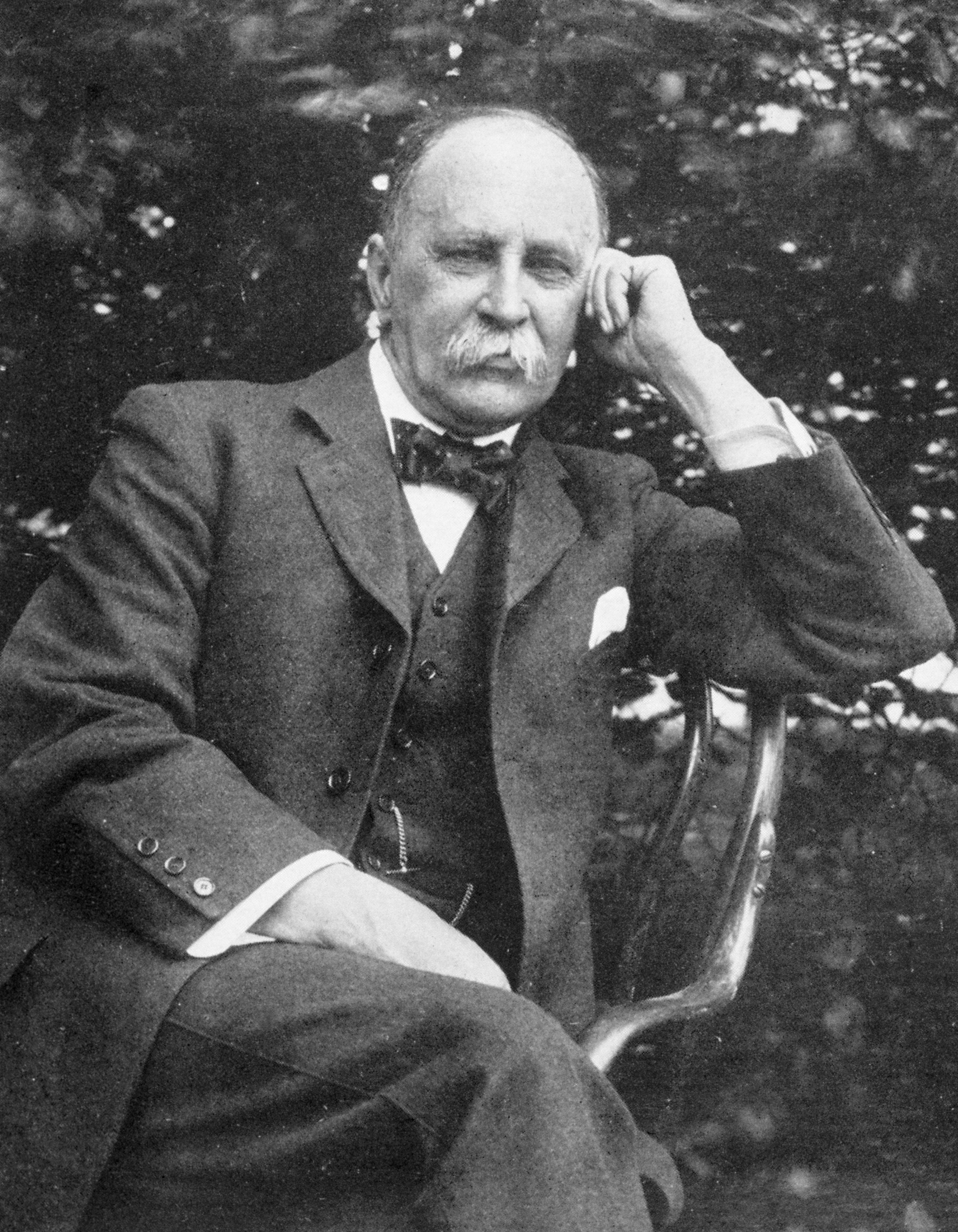
“Rendu–Osler–Weber disease.” Multiple hereditary telangiectasis was first described by Legg (No. 2707) in 1876 and later by Rendu (No. 2710) and Weber (No. 2714). Reprinted in Medical Classics,…
1903 CE
#2712
Ueber Ionenwirkung und ihre therapeutische Verwendung.
Hypotensive action of thiocyanates first noted. Pauli was the father of the physicist Wolfgang Pauli (1900-1958).
1905 CE
#2713
Gefässkrisen.
1907 CE
#2714
Multiple hereditary developmental angiomata (telangiectases) of the skin and mucous membranes associated with recurring haemorrhages.
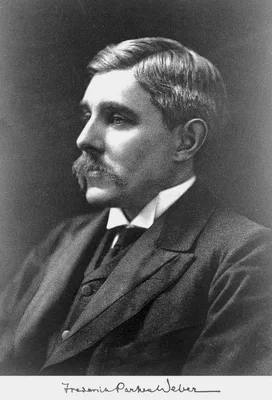
“Rendu–Osler–Weber disease.”
1927 CE
#2715
Hypertension of the pulmonary circulation.
1929 CE
#2716
Some different types of essential hypertension; their course and prognosis.
The Keith-Wagener-Barker classification of hypertension. With N. W. Barker.
1932 CE
#2717
A standard stimulus for measuring vasomotor reactions: its application in the study of hypertension.
Cold-pressor test.
1933 CE
#2718
The circulation time in various clinical conditions determined by the use of sodium dehydrocholate.
Use of decholin sodium for estimation of circulation time. With B. S. Oppenheimer and R. V. Sagar.
1934 CE
#2719
Studies on experimental hypertension. 1. The production of persistent elevation of systolic blood pressure by means of renal ischemia.
Goldblatt discovered the role of the kidneys in the regulation of blood pressure. This was the first of Goldblatt’s papers on experimental hypertension, which established an aetiologic role for renal ischemia in…
1936 CE
#2720
The blood cyanates in the treatment of hypertension.
Barker made thiocyanate treatment a practical proposition in hypertension.
1937 CE
#2721
Secreción hipertensora del rinón isquemiado.
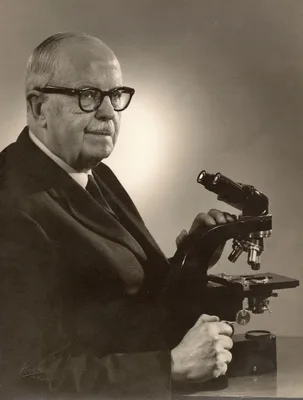
Houssay and Fasciolo transplanted an ischemic kidney into an animal from which both kidneys had been removed. Hypertension resulted after establishment of circulation, supporting the view that hypertension is due to a…
1939 CE
#2722
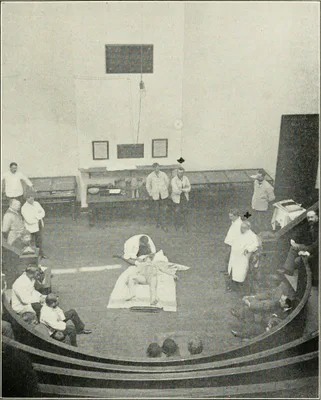
Circulatory diseases of the extremities.
1939 CE
#2723
Diffuse arteriolar disease with hypertension and the associated retinal lesions.
The Keith–Wagener classification of fundal lesions. They classified essential hypertension into four groups.
1939 CE
#2724
Renal changes in malignant hypertension; experimental evidence.
Production of hypertension in rats by constriction of one renal artery, and important studies of the renal changes produced, which included degeneration of the renal arterioles.
1944 CE
#2725
Treatment of kidney disease and hypertensive vascular disease with rice diet.
Kempner rice diet for the treatment of hypertension.
1603 CE
#2726
De pulsibus libri tres nunc primum in lucem editi.
Sassonia emphasized the importance of the pulse in diagnosis, and provided the first recorded description of heart block. Pages 57-61 contain graphic representations of the pulse using dashes of unequal length. Digita…
1674 CE
#2727
Opera medica universa.
Riverius was the first to note aortic stenosis (p. 638 of the above).
1691 CE
#2728
Pulsus mira inconstantia.
First reported case of temporary cardiac arrest with syncopal attacks, the syndrome to which the names of Stokes (No. 2756) and Adams (No. 2745) were later attached.
1705 CE
#2729
Novum vasorum corporis humani systema.
Vieussens was among the first to describe the morbid changes in mitral stenosis, the throbbing pulse in aortic insufficiency, and the first correctly to describe the structure of the left ventricle, the course of the …
1706 CE
#2730
Of ossifications or petrifications in the coats of arteries, particularly in the valves of the great artery.
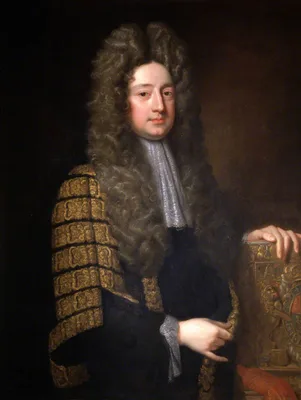
First description of aortic insufficiency. Reproduced in Willius & Keys: Cardiac classics, 1941, pp. 109-14.
1707 CE
#2731
De subitaneis mortibus libri duo.
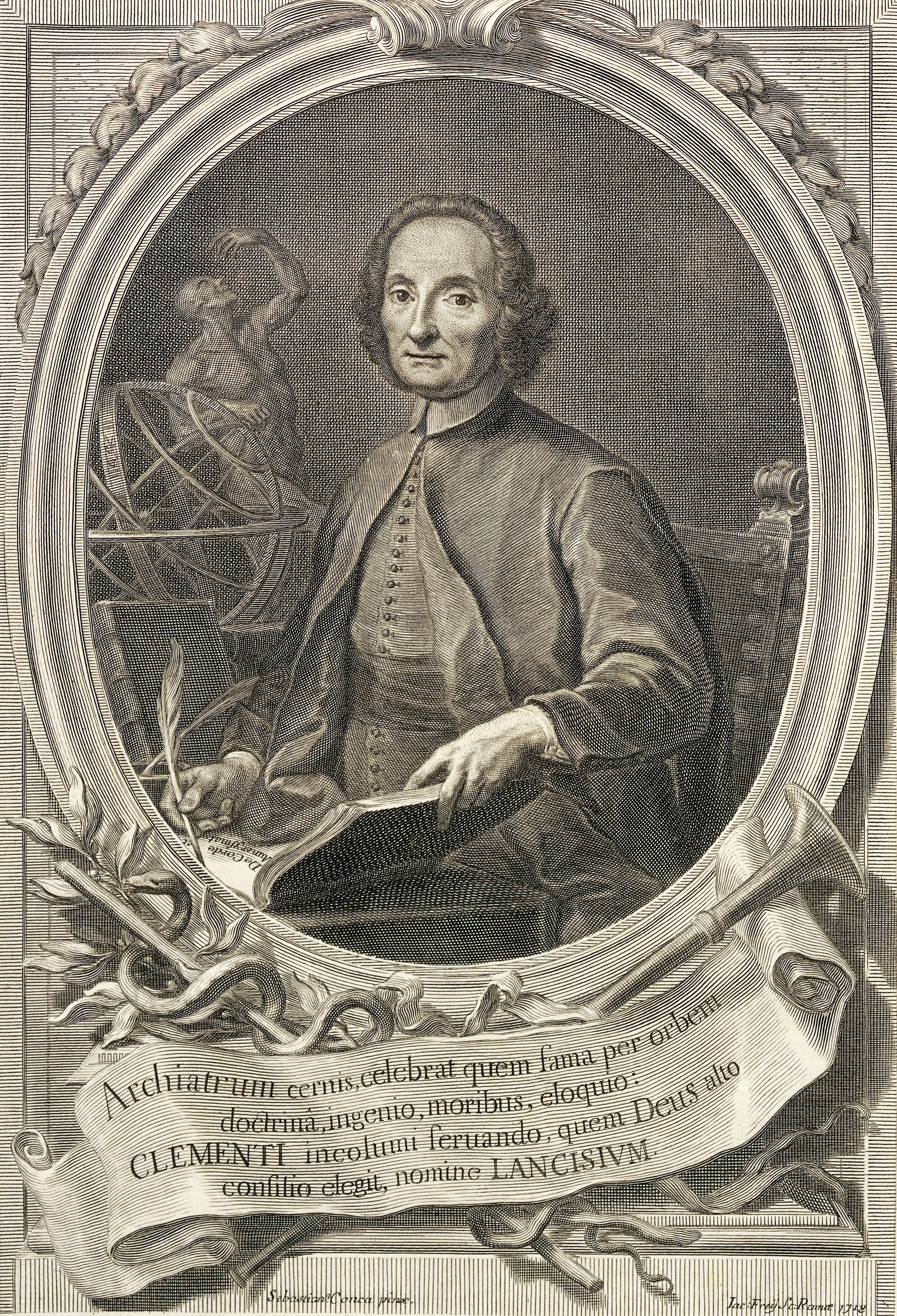
In the above work Lancisi noted cardiac hypertrophy and dilatation as causes of sudden death. He was the first to describe valvular vegetation, and his book gives a classification of the cardiac diseases then recogniz…
1749 CE
#2732
De aortae venaeque cavae gravioribus quibusdam morbis.
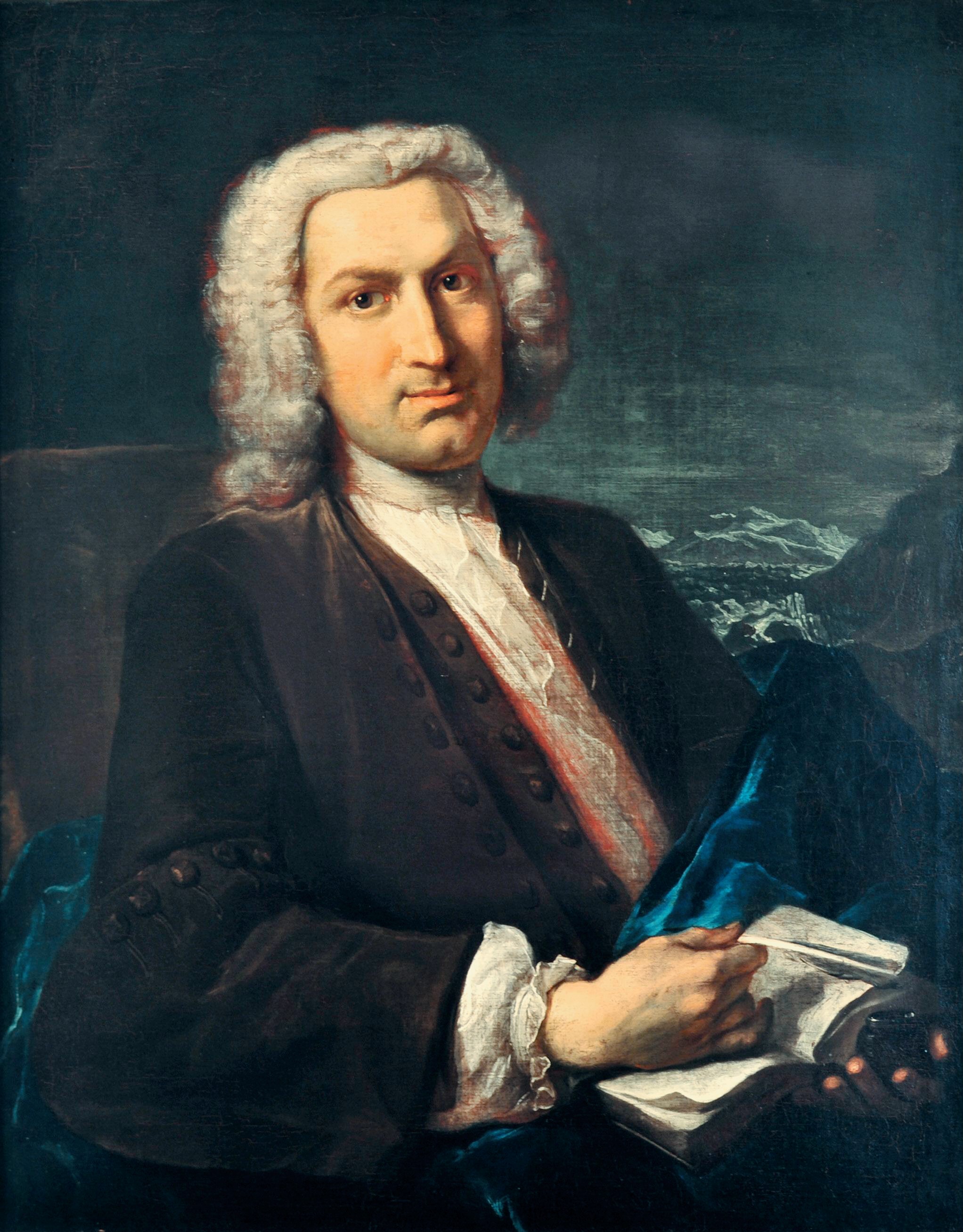
1749 CE
#2733
Traité de la structure du coeur, de son action, et de ses maladies. 2 vols.
Senac’s valuable treatise on the heart added much to the knowledge of the anatomy and diseases of that organ; he mentioned the leucocytes, which he considered to belong to the chyle, and he described pericarditi…
1793 CE
#2735
History of a case in which there took place a remarkable slowness of the pulse.
Morgagni described a case of “epilepsy with slow pulse” (see No. 2734), but Adams has been given the credit for reporting the first clear case of heart block (No. 2745). There is no doubt that Spens report…
1797 CE
#2736
The morbid anatomy of some of the most important parts of the human body. 2nd ed.
First clinical description of chronic obstructive pulmonary emphysema. The lung on which Baillie performed an autopsy before describing this condition is said to have been that of Samuel Johnson. P. 46: Baillie sugges…
1806 CE
#2737
Essai sur les maladies et les lésions organiques du coeur et des gros vaisseaux.
Corvisart really created cardiac symptomatology and made possible the differentiation between cardiac and pulmonary disorders. He was first to explain heart failure mechanically and to describe the dyspnoea of effort.…
1809 CE
#2738
Observations on some of the most frequent and important diseases of the heart.
Burns described endocarditis and reported three cases of mitral stenosis. He recognized the thrill present in the latter condition and seems to have understood the mechanism of a cardiac murmur. He also described unil…
1809 CE
#2739
An account of a peculiar disease of the heart.
Account of nine cases of rheumatic endocarditis.
1812 CE
#2740
On rheumatism of the heart.
David Pitcairn is accredited with the first reference to rheumatism as a cause of cardiac disease, in a lecture given in 1788. Jenner read a paper on the same subject in 1789, but the first clinical report on the subj…
1815 CE
#2741
A treatise on the diseases of arteries and veins. 1 vol. and atlas.
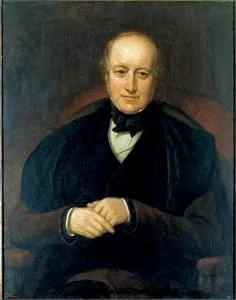
Includes the best illustrations of aneurysms and of aortic valvular endocarditis so far published, and the first description on non-sacculated dilatation of the aortic arch (“Hodgson’s disease”).
1816 CE
#2742
An experimental inquiry into the nature, cause and varieties of the arterial pulse: And into certain other properties of the larger arteries, in animals with warm blood.
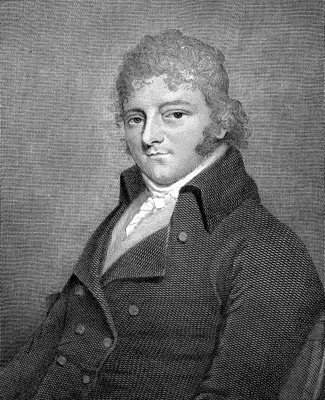
This work "included a summary of more than two dozen experiments he [Parry] conducted on a variety of mammals. In this book he discussed the pulsatile expansion of the arteries and importance of collaterals. Parry ref…
1818 CE
#2743
A case of apoplexy in which the fleshy part of the heart was converted into fat.
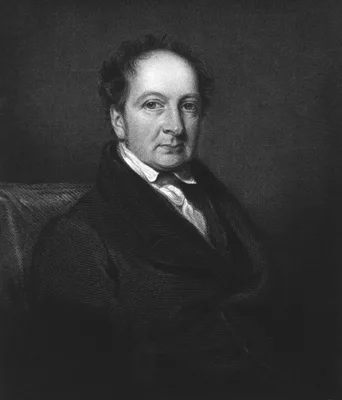
First accurate description of the condition which later became known as “Cheyne–Stokes respiration.” Reprinted in F. A. Willius & T. E. Keys: Cardiac classics, 1941, pp. 317-20.
1817 CE
#2744
Mémoire sur cette question de l’asthme des vieillards: est-il une affection nerveuse?
Rostan gave an early description of cardiac (“Rostan’s”) asthma.
1827 CE
#2745
Cases of diseases of the heart, accompanied by pathological observations.
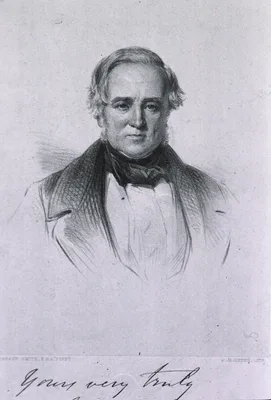
On p. 396 commences a classic account of heart block with syncopal attacks, the first complete description of this condition. Following the paper by Stokes (No. 2756) the eponym “Stokes–Adams syndrome&rdqu…
1828 CE–1829 CE
#2746
On the retroversion of the valves of the aorta.
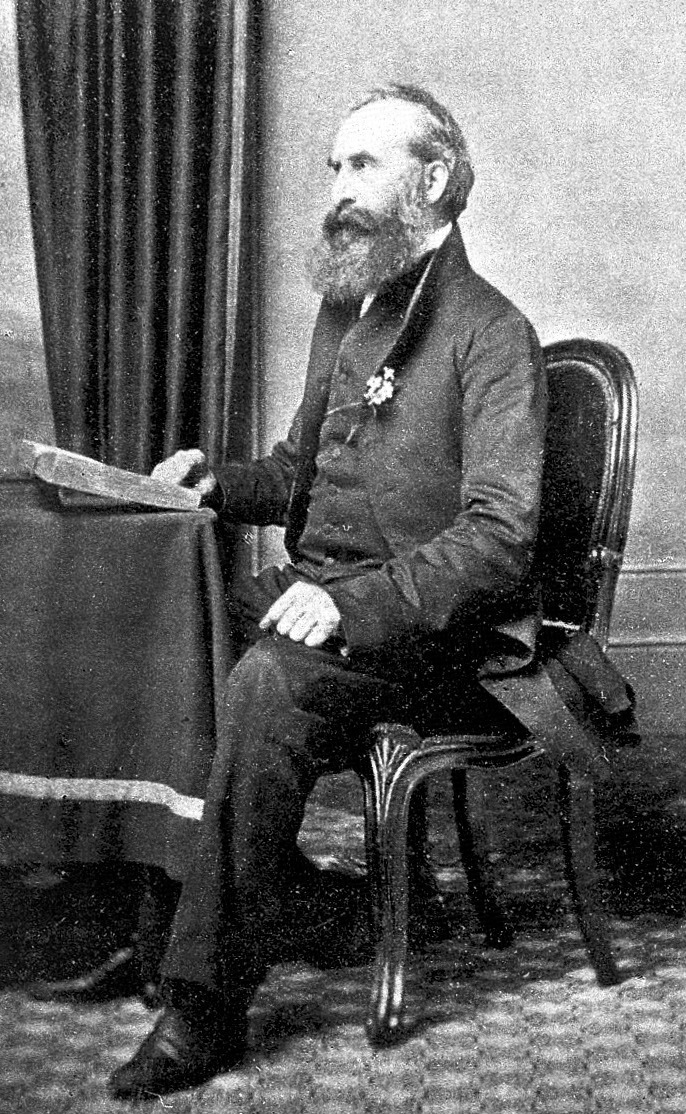
Aortic insufficiency is usually associated with the name of Corrigan, but Hodgkin’s account antedates Corrigan by three years.
1832 CE
#2747
A treatise on the diseases of the heart and great vessels.
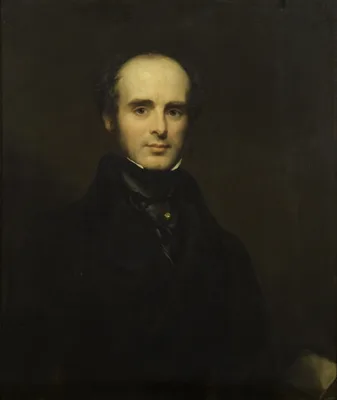
Hope did much to advance the knowledge of heart murmurs, valvular disease, and aneurysm; he described the second sound of the left side of the sternum in mitral stenosis as “altered” – losing its sho…
1832 CE
#2748
On permanent patency of the mouth of the aorta, or inadequacy of the aortic valves.
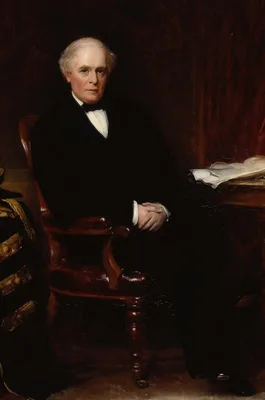
In his wonderfully clear account of aortic insufficiency, Corrigan described the “water-hammer pulse” now commonly known as “Corrigan’s pulse.” He recognized that the hypertrophy of the h…
1835 CE
#2749
Traité cliniques des maladies du coeur. 2 vols.
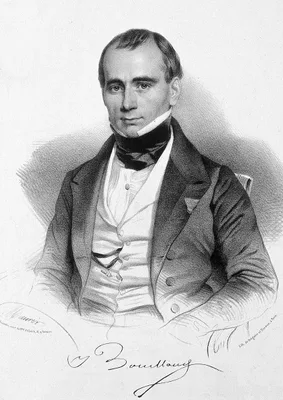
Bouillaud applied Laennec's technique of auscultation to diseases of the heart. Vol. 2, page 238: “Bouillaud’s disease” – rheumatic endocarditis. Although not first to note the cardiac manifest…