
Entry Nos. 2100–2199
99 Garrison-Morton entries in this range.
1889 CE
#2100
Des polynévrites en général et des paralysies et atrophies saturnines en particulier.
Madame Dejerine-Klumpke, famous neurologist, contributed an important work on lead palsies.
1912 CE
#2101
Lead poisoning and lead absorption.
1664 CE
#2102
Osservazioni intorno alle vipere.

The first methodical work on snake-poison. Redi demonstrated for the first time that, for the poison to produce its effect, it must be injected under the skin.
1767 CE
#2103
Ricerche fisiche sopra il veleno della vipera.
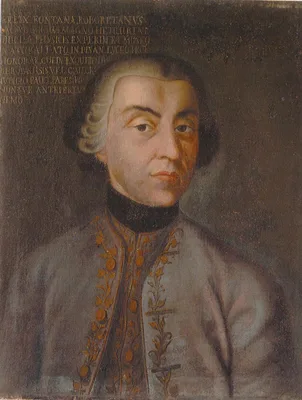
The starting point of modern investigations of serpent venoms and their antidotes. This work also includes Fontana’s description of the ciliary canal in the eye of an ox. This structure does not appear in the hu…
1860 CE
#2104
Researches upon the venom of the rattlesnake.
See No. 2106.
1872 CE
#2105
The thanatophidia of India. Being a Description of the venomous snakes of the Indian Peninsula, with an account of the influence of their poison on life and a series of experiments
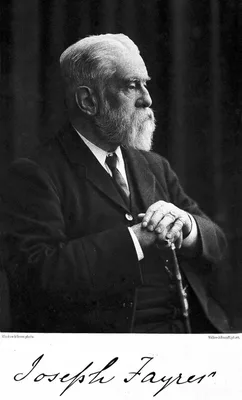
Considered the first systematic work on venomous snakes. Describes all the venomous snakes of India. Digital facsimile from the Internet Archive at this link.
1886 CE
#2106
Researches upon the venoms of poisonous serpents.
Mitchell (see also No. 2104) and Reichert showed that snake venom is protein, and demonstrated the presence of toxic albumins. Mitchell was one of the first to investigate snake venoms.
1894 CE
#2107
Contribution à l’étude du vénin des serpents.
Calmette carried out extensive investigations on the immunization of animals to venoms. He obtained antivenom sera with therapeutic properties.
1895 CE
#2108
On the rendering of animals immune against the venom of the cobra and other serpents; and on the antidotal properties of the blood serum of the immunised animals.
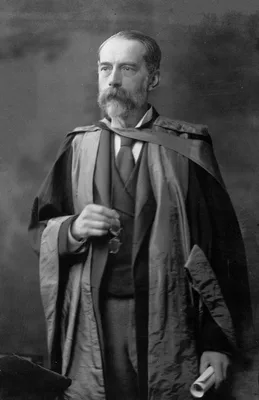
Fraser investigated the possibilities of immunization against cobra venom and obtained “antivenene”, an antivenom serum.
1896 CE
#2109
Le vénin des serpents.
1902 CE
#2110
Snake venom in relation to haemolysis, bacteriolysis, and toxicity.
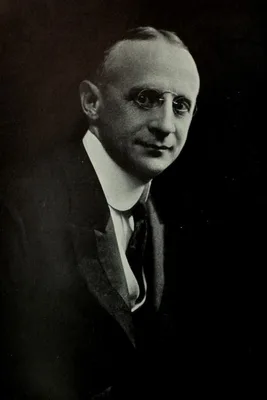
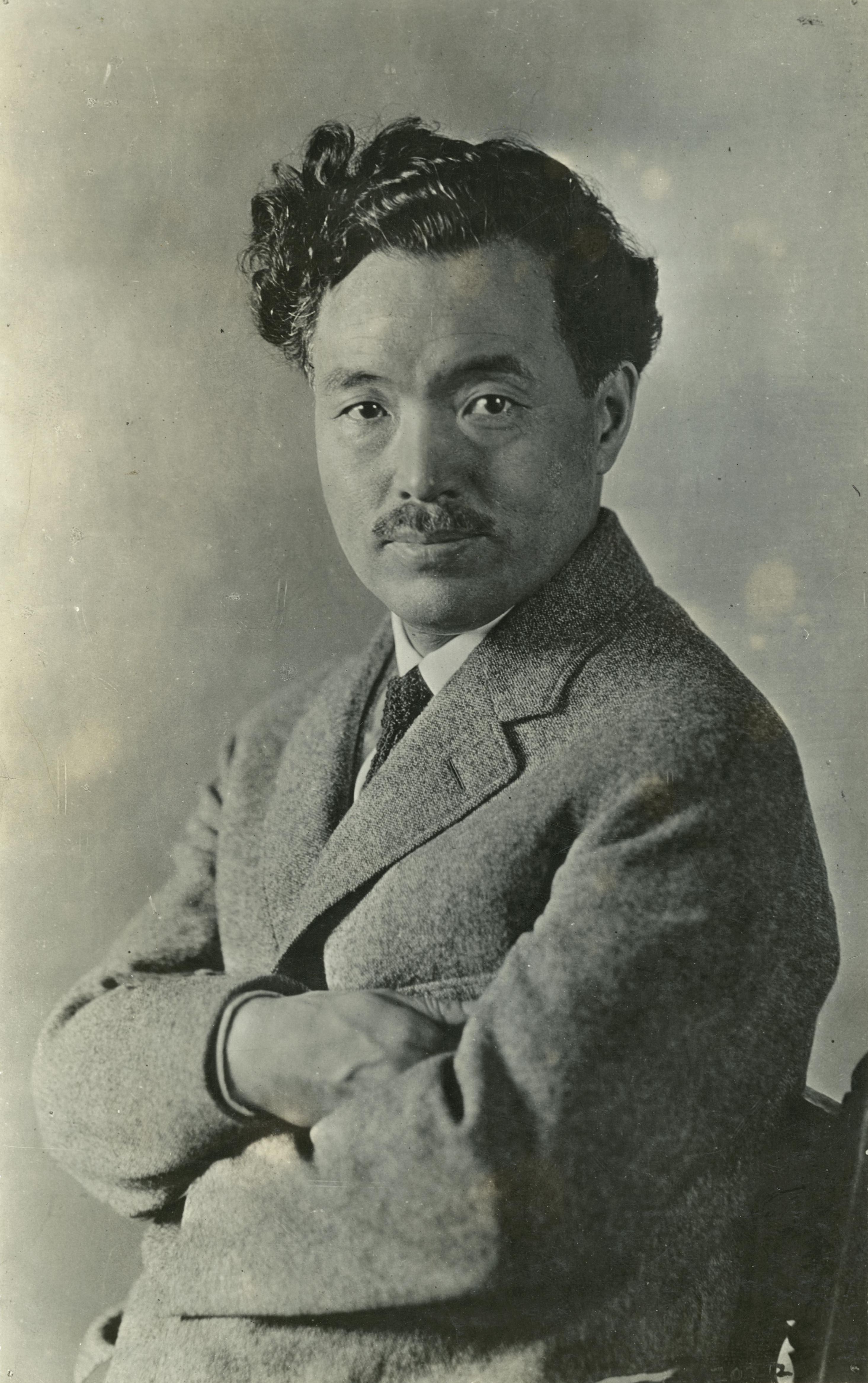
1902 CE
#2111
Ueber die Wirkungsweise des Cobragiftes.
While in Germany Kyes showed lecithin to be a complement of cobra-hemolysin. English translation in Ehrlich, Studies in immunity, 1910.
1903 CE
#2112
Zur Kenntniss der Cobragift activirenden Substanzen.
English translation in Ehrlich, Studies in immunity, 1910.
1903 CE
#2113
Ueber die Isolirung von Schlangengift-Lecithiden.
English translation in Ehrlich, Studies in immunity, 1910.
1909 CE
#2114
Snake venoms.
1911 CE
#2115
A defensa contra o ophidismo.
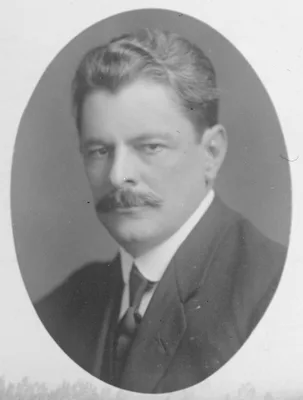
Brazil founded the Instituto Butantan, São Paulo, one of the first institutes to produce antivenin sera on a large scale. French translation, 1911. Digital facsimile of the Portuguese edition from Biodiversity …
1920 CE
#2116
Die Gifte in der Weltgeschichte.
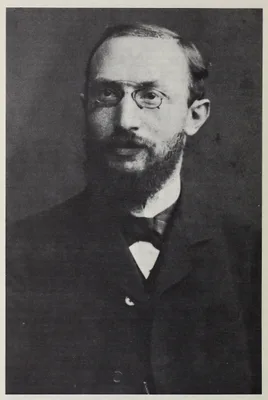
Lewin was a prolific writer, producing more than 200 books and papers. The above is perhaps his best work, and contains a history of poisonings from the most ancient times to the present century, enhanced by innumerab…
1923 CE
#2117
Die Pfeilgifte, nach eigenen toxikologischen und ethnologischen Untersuchungen.
Digital facsimile from the Internet Archive at this link.
1524 CE
#2118
Von den gifftigen besen Tempffen und Reuchen.
Written in 1473 but not published until 1524, this pamphlet on the diseases of miners is the first known work on industrial hygiene and toxicology. A reprint of the text appears in Münch. Beitr. Lit. Naturwiss. M…
1614 CE
#2119
Consilium Peripneumoniacum: Das ist Ein getrewer Rath in der beschwerlichen Berg und Lungensucht : darinnen verfasset, was die fürnemsten Ursachen seyn beyderley Beschwerungen, beydes der gifftigen, die vom Bergwerck entstehet: so wol der gemeinen, die von Flüssen herrühret: Zuvor aber, wie der Mensch mit der kleinen Welt, und mit dem Bergwerck artlich zu vergleichen, und wie beyde Suchten zu vertreiben seyn.
Martin Pansa, a pupil of Georg Agricola, wrote the most important work on occupational disease before Ramazzini. He described the symptoms of the lung diseases of miners and smelters. Digital facsimile from the Bayeri…
1656 CE
#2120
Libellus de lithargyrii fumo noxio morbifico eiusque metallico frequentiori morbo vulgo dicto: Die Hütten Katze Oder Hütten Rauch: Cum Appendice de montano ffaectu asthmatico metallicidis familiari, quem Germanica lingua appellamus Die Bergsuche oder Berg Kranckheit.
Stockhausen had considerable experience in treating the diseases of miners. His book on industrial diseases did much to clarify contemporary knowledge regarding the relative toxicity of lead, mercury, arsenic, cobalt,…
1700 CE
#2121
De morbis artificum diatriba.

Ramazzini's study of the diseases of workers, De morbis artificium diatriba, was the first comprehensive and systematic treatise on occupational medicine; it was also the foundation work in ergonomics. It deals with p…
1775 CE
#2122
Chirurgical observations relative to the cataract, the polypus of the nose, the cancer of the scrotum, etc.
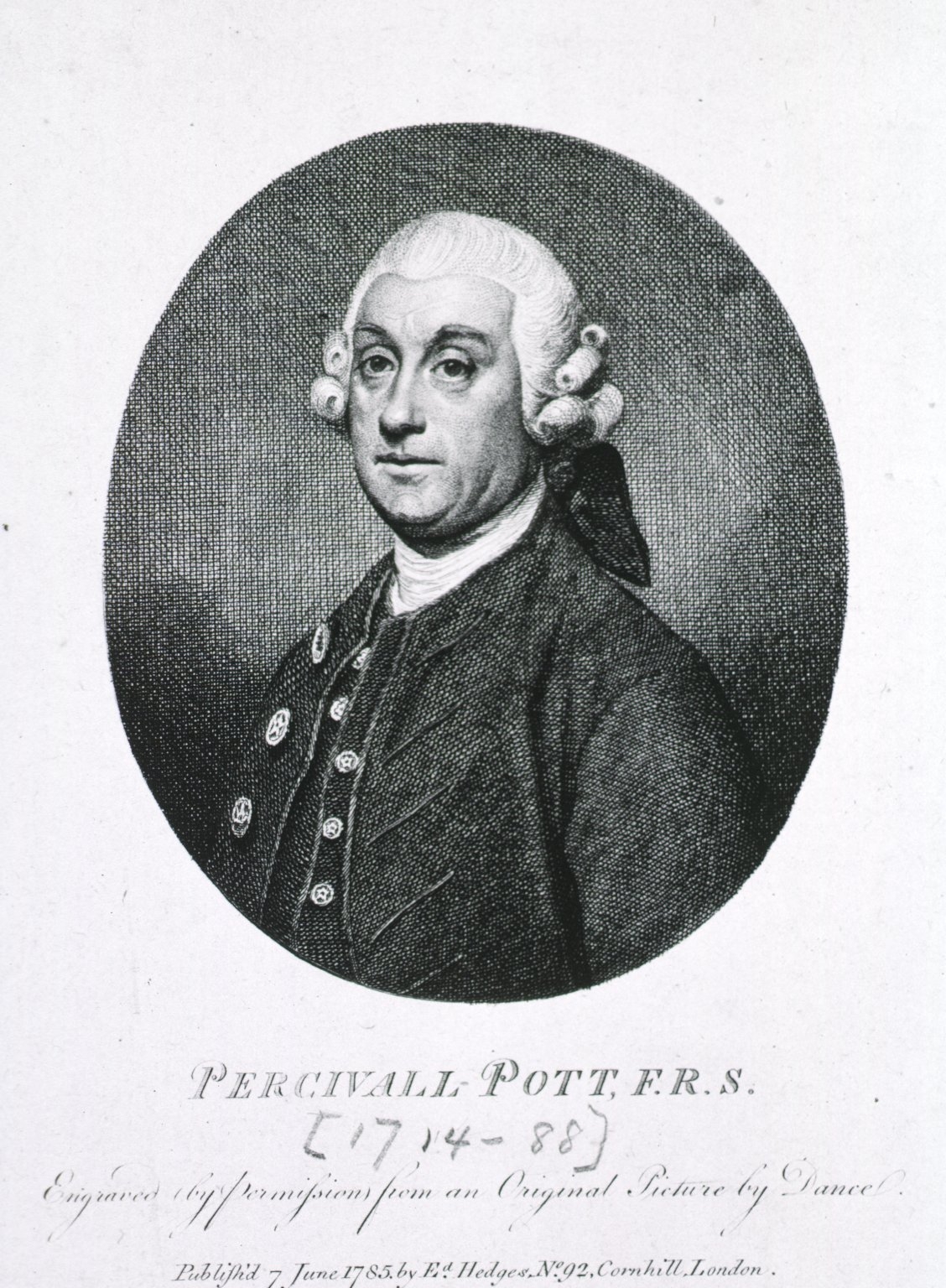
Includes the first description of occupational cancer. By describing chimney sweeps” cancer of the scrotum, Pott was the first to trace the origin of a type of cancer to a specific external cause. The above work…
1831 CE
#2123
The effects of the principal arts, trades and professions, and of civic states and habits of living on health and longevity.

The first systematic publication in Great Britain on industrial disease and its prevention. For comprehensiveness, first-hand clinical experience and constructive proposals for improvements, Thackrah’s monograph…
1854 CE
#2124
Mémoire sur les effets de la compression de l’air.

An early paper on “caisson sickness”.
1867 CE
#2125
De maxillarum necrosi phosphorica.
Classical description of phosphorus necrosis of the jaw, or "phossy jaw".
1875 CE
#2126
Beiträge zur Chirurgie, anschliessend an einen Bericht über die Thätigkeit der chirurgischen Universitäts-Klinik zu Halle im Jahre 1873.
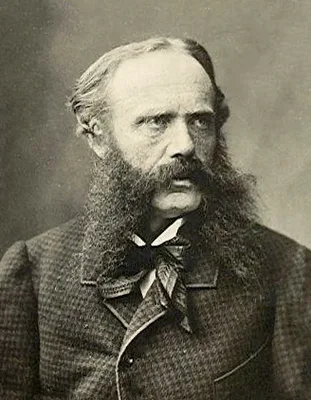
Contains (pp. 370-81) first description of industrial tar and paraffin cancer.
1871 CE–1878 CE
#2127
Die Krankheiten der Arbeiter. Beiträge zur Förderung der öffentlichen Gesundheitspflege. Erste Abtheilung. Dien inneren Krankheiten der Arbeiter. Erster Theil. Die Staubinhalations-Krankheiten und die von ihnen besonders heimgesuchten Gewerbe und Fabrikbetriebe (1871). Theil. II. Die in Folge der Einathmung von Gasen und Dämpfen entstandenen Krankheiten ("Gasinhalations - Krankheiten") und die von ihnen besonders heimgesuchten Gewerbe- und Fabrikbetriebe (1873). Theil III. Die in Folge der Beschäftigung mit giftigen Stoffen entstandenen Krankheiten ("Gewerbliche Vergiftungen") und die von ihnen besonders heimgesuchten Gewerbe- und Fabrikbetriebe (1875). Theil IV. Die Krankheiten der Arbeiter. Abt. II. Die äusseren (chirurgischen) Krankheiten der Arbeiter (1878). 4 vols.
Hirt was the leading German writer on occupational medicine in the second half of the 19th century. Digital facsimile from the Internet Archive at this link.
1902 CE
#2129
Dangerous trades: the historical, social, and legal aspects of industrial occupations as affecting health, by a number of experts.
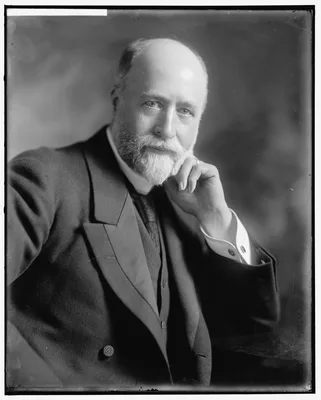
A collective work edited by Oliver. Digital fascimile from the Internet Archive at this link.
1907 CE
#2130
In Report of the Departmental Committee on Compensation for Industrial Diseases. Cd. 3495 and 3496.
The first reported case of asbestosis was observed by Murray at Charing Cross Hospital, London, in 1899 and reported to the Committee (Report, p. 14: Minutes of Evidence, p. 127) in 1907.
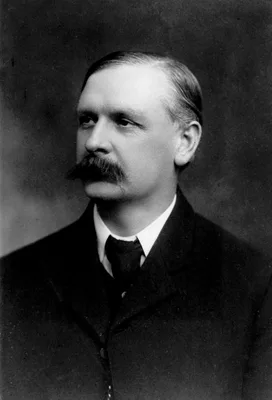
1912 CE
#2131
Caisson sickness, and the physiology of work in compressed air.
1919 CE
#2132
Industrial medicine and surgery.
1921 CE
#2133
Industrial fatigue and efficiency.
1925 CE
#2134
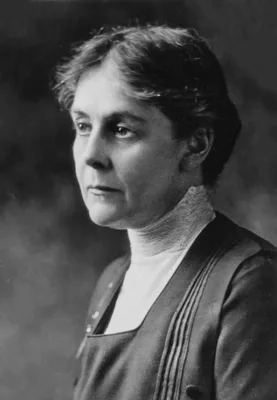
Industrial poisons in the United States.
1932 CE
#2135
Die gewerblichen Vergiftungen und ihre Bekämpfung.
1943 CE
#2136
The history of miners’ diseases. A medical and social interpretation.
1948 CE
#2137
History of factory and mine hygiene.
1948 CE
#2138
Aviation medicine in its preventive aspects: an historical survey.
1545 CE
#2139
La méthode de traicter les playes faictes par hacquebutes et aultres bastons à feu: & de celles qui sont faictes par fleches, dardz & semblables: assy des combustions specialement faictes par la pouldre à canon.
Paré’s first book was his treatise on gunshot wounds. He is one of the greatest of the military surgeons, and is particularly remembered for his abandonment of the practice of cauterization of gunshot wou…
1563 CE
#2140
An excellent treatise of wounds made with gonneshot.
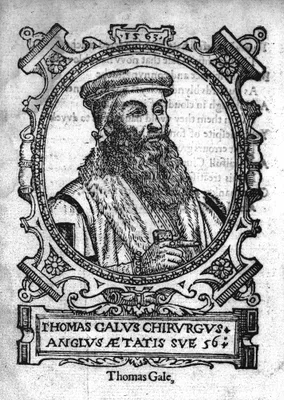
Gale, a contemporary of Paré, was surgeon in Henry VIII’s army at Montreuil. His book supported the views of Paré regarding the treatment of gunshot wounds, denying the poisonous effect of bullets;…
1588 CE
#2141
A prooved practise for all young chirurgians, concerning burnings with gunpowder, and woundes made with gunshot.
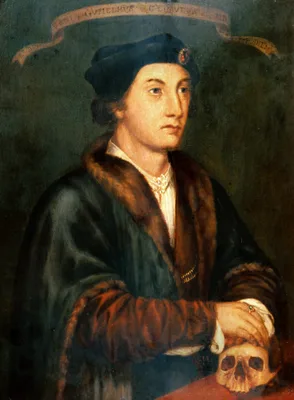
An interesting picture of Elizabethan surgery is given by William Clowes in this book on gunshot wounds. Clowes, the best surgical writer in Elizabethan times, was surgeon to St. Bartholomew’s Hospital. In amput…
1615 CE
#2142
New Feldt Arztny Buch von Kranckheiten und Schäden, so in Kriegen den Wundartzten gemeinlich fürfallen.
Fabry’s book includes an early description of a field drug chest for army use. He was one of the most eminent surgeons of his time, although not prepared to adopt all the teachings of Paré. He had conside…
1616 CE
#2143
De rara medicatione vulnerum.
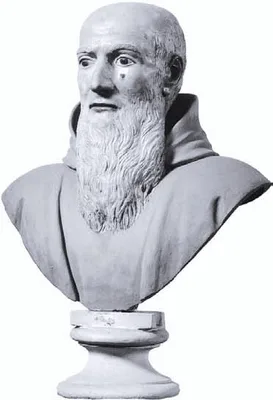
Like Paré, Magati believed that gunshot wounds were not in themselves poisonous. He suggested a bandage moistened with plain water in place of the various salves then in vogue.
1617 CE
#2144
The surgions mate, or, A treatise discouering faithfully and plainely the due contents of the surgions chest: the uses of the instruments, the vertues and operations of the medicines, the cures of the most frequent diseases at sea: namely, wounds, apostumes, vlcers, fistulaes, fractures, dislocations, with the true maner of amputation, the cure of the scuruie, the fluxes of the belly, of the collica and illiaca passio, tenasmus, and exitus ani, the callenture; with a briefe explanation of sal, sulphur, and mercury; with certaine characters, and tearmes of arte.
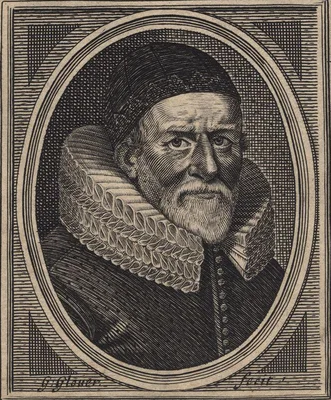
Woodall was the surgeon-general to the East India Company. This was the first textbook for naval surgeons. Woodall, surgeon to Saint Bartholomew's Hospital, was an early advocate of limes and lemons as a preventive me…
1620 CE
#2145
Medicina militaris, seu libellus castrensis.
Minderer’s book gives a good idea of the position of military surgery during the Thirty Years’ War. He published a pharmacopoeia in 1621; he also discovered ammonium acetate. An English edition appeared in…
1690 CE
#2146
Der rechte und warhafftige Feldscher.
Purmann was a skilful army surgeon – one of the most famous of the period. Despite this he believed in the efficacy of the weapon-salve and the sympathetic powder.
1696 CE
#2147
An account of the nature, causes, symptoms, and cure of the distempers that are incident in seafaring people. With observations on the diet of the sea-men in his Majesty’s navy.
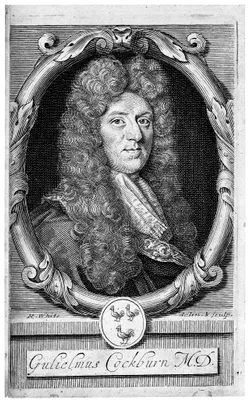
Cockburn studied medicine at Leiden; he became famous on account of his secret remedy for dysentery. The book is a record of two years spent as a ship’s doctor.
1734 CE
#2148
The navy-surgeon, or a practical system of surgery.
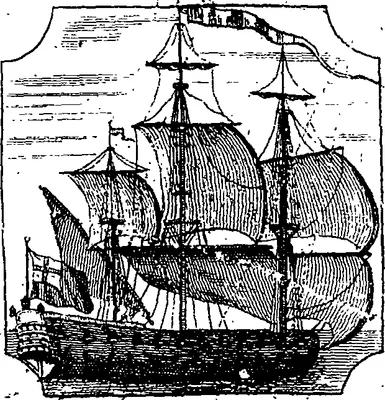
Atkins was an English naval surgeon. His book includes some useful case reports and contains the first English description of African trypanosomiasis.
1737 CE
#2149
Traité ou reflexions tirées de la pratique sur les playes d’armes à feu.
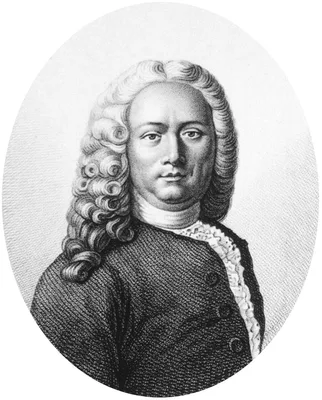
English translation, 1743.
1752 CE
#2150
Observations on the diseases of the army, in camp and garrison.
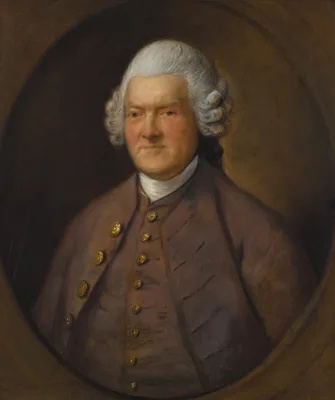
Pringle, founder of modern military medicine, was Physician-General of the British Army from 1744 to 1752. His books lay down the principles of military sanitation and the ventilation of barracks, gaols, hospital ship…