
Entry Nos. 5000–5099
94 Garrison-Morton entries in this range.
1856 CE
#22
Тα ∑ωζομενα. The extant works of Aretaeus, the Cappadocian. Edited and translated by Francis Adams.
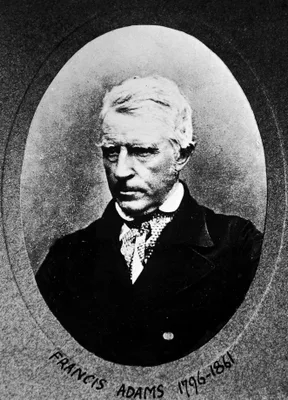
Aretaeus left many fine descriptions of disease; in fact Garrison ranks him second only to Hippocrates in this respect. In the printed editions of this bibliography, before the present online version, the Adams editio…
1640 CE
#1673
Epidemiorum et ephemeridum libri duo.
A pupil of Fernel, De Baillou was a follower of Hippocrates in his advancement of the doctrine of “epidemic constitutions”. Crookshank regards him as the first modern epidemiologist. This work includes the…
1676 CE
#2198
Observationes medicae circa morborum acutorum historiamet curationem.
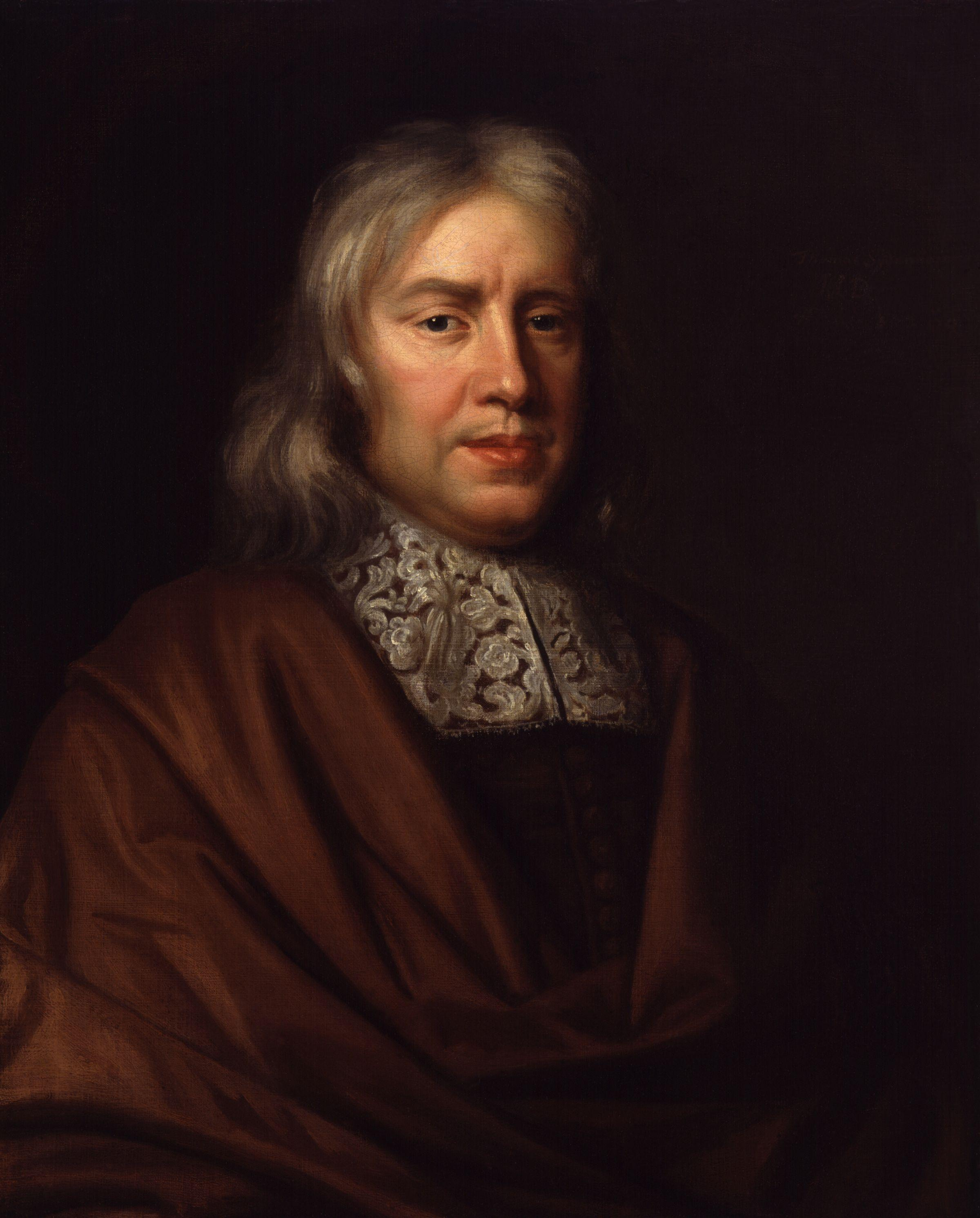
Sydenham recorded significant observations on dysentery, scarlet fever (p. 387), scarlatina, measles and other conditions. He stressed the clinical study of medicine and kept careful case records. Includes (pp. 272-80…
1659 CE
#2464
Diatribae duae medico-philosophicae, quarum prior agit de fermentatione sive de motu intestino particularum in quovis corpore, altera de febribus sive de motu earundum in sanguine animalium.
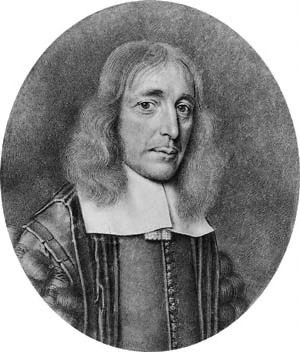
Includes (De febribus, cap. X, XIV) first description of epidemic typhoid. English translation in his Practice of physick, 1684, Treatise II, 83-98, 1111-18. Contains the earliest suggestion that fermentation is an in…
1890 CE
#2544
Ueber das Zustandekommen der Diphtherie-Immunität und der Tetanus-Immunität bei Thieren.
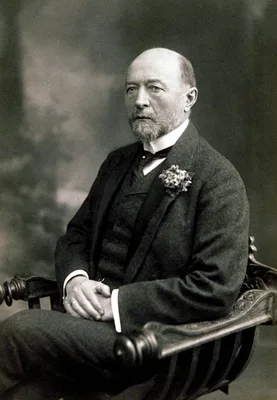
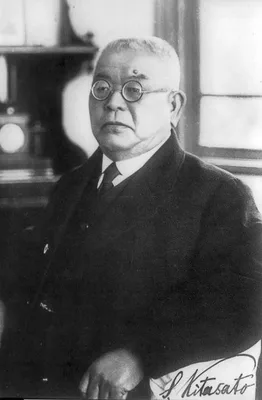
Antitoxins and their immunizing powers were discovered when Behring and Kitasato published their paper dealing with immunity to tetanus and diphtheria. This work laid the foundation of all future treatment with antito…
1896 CE
#2549
Eine neue Methode zur raschen Erkennung des Choleravibrio und des Typhusbacillus.
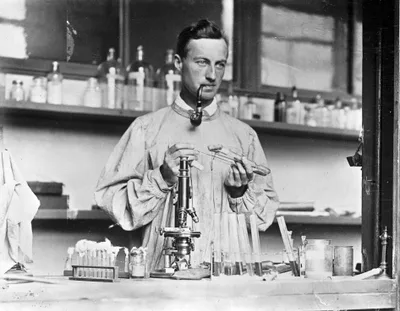
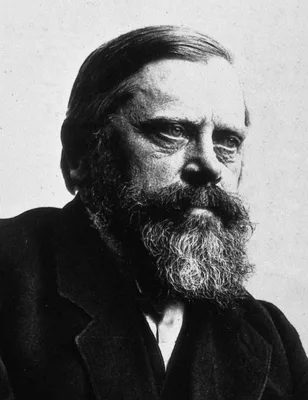
The discovery of bacterial agglutination. Gruber and Durham discovered the agglutinating action of the serum of typhoid patients upon the typhoid bacillus. First briefly reported by Durham: On a special action of seru…
1896 CE
#2550
Recherches de la réaction agglutinante dans le sang et le sérum desséchés des typhiques et dans la sérosité des vesicatoires.
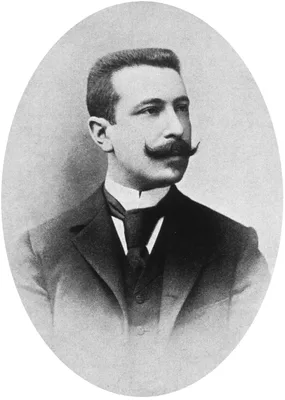
Developing the work of Gruber and Durham, Widal noted that a patient’s serum could be tested with bacteria of known type and his disease identified by this means. They demonstrated specific agglutinins in the bl…
1674 CE–1675 CE
#3926
Pharmaceutice rationalis sive diatriba de medicamentorum operationibus in humano corpore. 2 vols.
Willis’s last work deals with the anatomy and physiology of the thoracic and abdominal organs, and contains the first description of the superficial lymphatics of the lungs, the first clinical and pathological a…
1781 CE
#5000
Bibliotheca chirurgica. 2 vols.
Fulton (No. 6785) points out that this work contains the “most complete bibliographical study of the literature of head injury that had been brought together up to that time”. Digital facsimile from Google…
1867 CE
#5001
The mad folk of Shakespeare. 2nd ed.
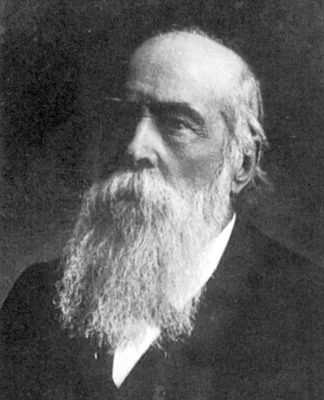
First published as The psychology of Shakespeare, London, 1859.
1881 CE
#5002
Die Entdeckung des Hypnotismus: nebst einer ungedruckten Original-Abhandlung von [James] Braid in deutscher Übersetzung.
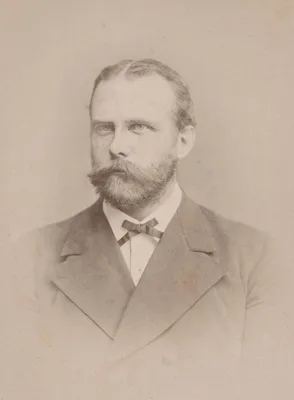
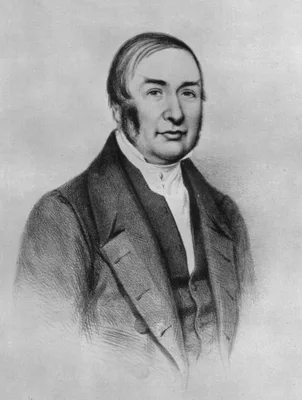
A translation into German by Preyer of a previously unpublished work on the history of hypnosis by James Braid.
1882 CE
#5003
Chapters in the history of the insane in the British Isles.
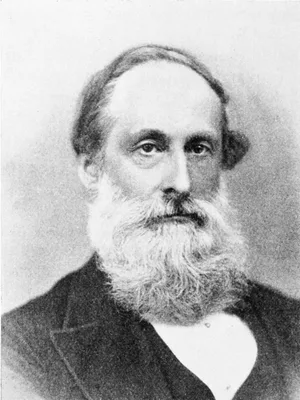
1893 CE
#5004
Gedenktage der Psychiatrie und ihrer Hülfsdisciplinen in allen Ländern. 4te. Aufl.
A history of the subject, arranged in calendar form.
1900 CE
#5005
Die Literatur der Psychiatrie, Neurologie und Psychologie von 1459-1799. 3 vols.
1916 CE–1917 CE
#5006
The institutional care of the insane in the United States and Canada. Edited by Henry M. Hurd. 4 vols.
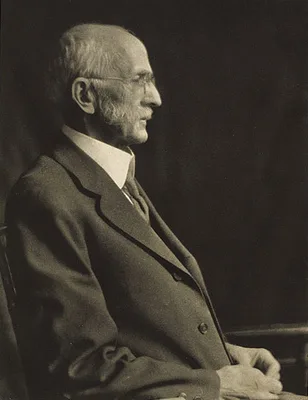
Hurd was Professor of Psychiatry at Johns Hopkins University. The work includes his history of American psychiatry. Digital facsimile from the Hathi Trust at this link.
1918 CE
#5007
Hundert Jahre Psychiatrie.
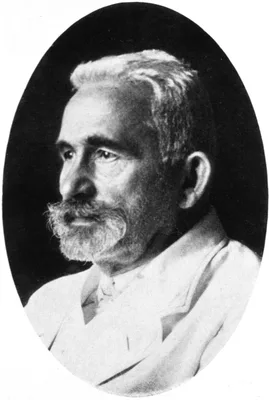
English translation, New York, 1962.
1922 CE
#5008
A glimpse into the history of the surgery of the brain.
Thomas Vicary Lecture. First published in Lancet, 1922, 1, 111-16, 165-72.
1930 CE
#5010
Les malades de l’esprit et leurs médecins du XVIe siècle. Les étapes des connaissances psychiatriques de la Renaissance à Pinel.
1930 CE
#5012
Les pionniers de la psychiatrie française avant et après Pinel. 2 vols.
A history of French psychiatry from Fernel to the end of the 19th century, focused around the work of each pioneer. Semelaigne was the great grand-nephew of Pinel.
1941 CE
#5013
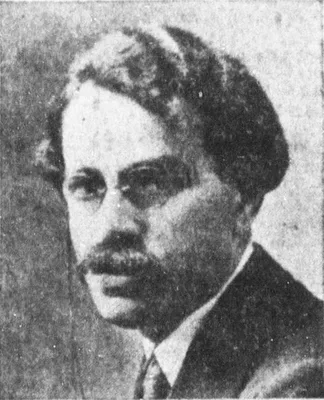
A history of medical psychology.
1944 CE
#5014
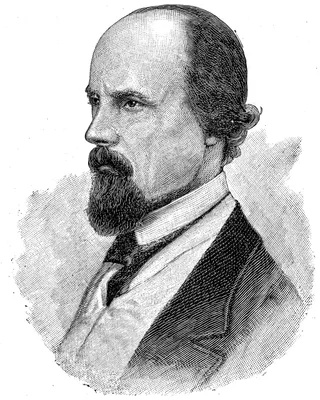
Studies in reflexes. History, psychology, synthesis and nomenclature.
Also published in book form, Chicago, 1945.
1945 CE
#5015
The falling sickness: A history of epilepsy from the Greeks to the beginnings of modern neurology. Second edition.
Revised second edition. Baltimore, 1971.
1950 CE
#5016
Bibliography of electroencephalography, 1875-1948. Electroencephalography and Clinical Neurophysiology, Suppl. No. 1
Covers both normal and disease states. Suppl. No. 23 (1964), ed. M. Fink, covers the period 1951-62.
1951 CE
#5017
A history of neurological surgery. Edited by A. Earl Walker.
Includes a bibliography of nearly 2,400 references, nearly all of which are secondary sources.
1952 CE
#5018
The history and development of neurological surgery.
1956 CE–1963 CE
#5019
Grosse Nervenärzte. 3 vols.
1762 CE
#5021
De morbo mucoso.
An exhaustive study of typhoid, which the writers confused with dysentery and relapsing fever.
1824 CE
#5022
A practical essay on typhous fever.
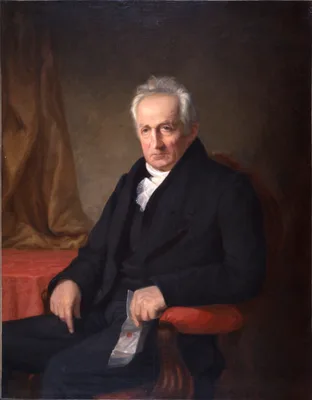
Nathan Smith left a classic account of typhoid; this was reprinted in Med. Classics, 1937, 1, 781-819 He clearly recognized the contagious nature of the disease.
1829 CE
#5023
Recherches anatomiques, pathologiques et thérapeutiques sur la maladie connue sous les noms de gastro-entérite; fièvre putride, adynamique, ataxique, typhoïde, etc. 2 vols.
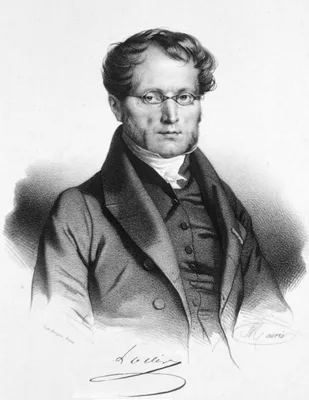
Louis introduced the term “typhoid fever” in reference to the disturbed mental condition of the patient; he first described the lenticular rose spots. His book established the pathological picture of the d…
1837 CE
#5024
On the typhus fever which occurred at Philadelphia in the spring and summer of 1836; illustrated by clinical observations at the Philadelphia Hospital; showing the distinction between this form of disease and dothinenteritis, the typhoid fever with alteration of the follicles of the small intestine.
Gerhard, a pupil of Louis, correctly differentiated between typhus and typhoid. Part of his paper is reproduced in R. H. Major, Classic descriptions of disease, 3rd ed., 1945, p. 174.
1840 CE
#5025
Some considerations on the nature and pathology of typhus and typhoid fever, applied to the solution of the question of the identity or non-identity of the two diseases.
Typhoid and typhus were often confused. Stewart made a careful analysis of a number of cases of both fevers and clearly demonstrated that there were in Britain two distinct fevers – typhoid and typhus.
1846 CE–1847 CE
#5026
Practical remarks on the continued fevers of Great Britain, and on the generic distinctions between enteric fever and typhus.
Introduction of the term “enteric fever”, a term for typhoid. Ritchie carefully differentiated the symptoms of typhus and typhoid.
1849 CE
#5027
On typhoid and typhus fevers, – an attempt to determine the question of their identity or non-identity, by an analysis of the symptoms, and of the appearances found after death in 66 fatal cases observed at the London Fever Hospital from Jan. 1847–Feb. 1849.
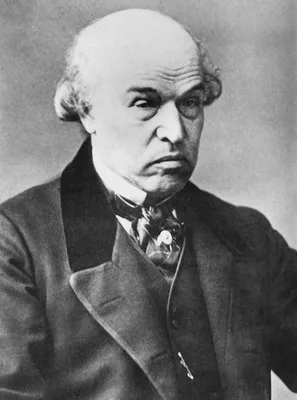
Despite Stewart’s work, there was still controversy as to the identity of typhoid and typhus. Jenner’s paper demonstrated that the etiology of the two was quite different, that one did not communicate or p…
1861 CE
#5028
Die Hydrotherapie des Typhus.
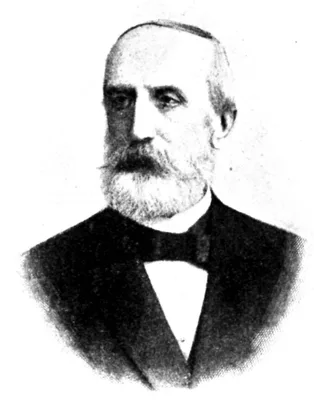
Brand’s cold bath treatment of typhoid fever consisted of total immersion in water at 65°F. and the pouring of cold water over the neck and shoulders. The cold bath treatment of fevers was instituted by Curr…
1873 CE
#5029
Typhoid fever; its nature, mode of spreading, and prevention.
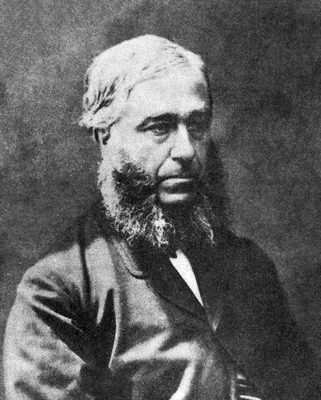
Budd insisted that typhoid fever was spread by contagion and established the fact that infection with typhoid came from the dejecta of the patients; he strengthened the theory of water-born infection. See also his ear…
1880 CE
#5030
Die Organismen in den Organen bei Typhus abdominalis.
Salmonella typhi, causal organism of typhoid, was discovered by Eberth. Some European writers refer to the disease as “Eberth’s disease”.
1881 CE
#5031
Der Bacillus des Abdominaltyphus und dertyphöse Process.
Klebs probably saw the typhoid bacillus before Eberth, reporting it later.
1884 CE
#5032
Zur Aetiologie des Abdominaltyphus.
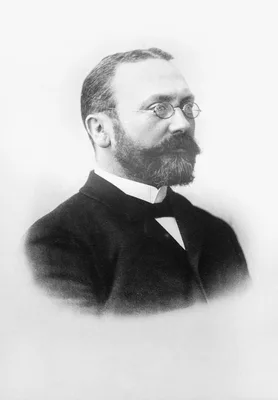
Gaffky was the first to grow pure cultures of Salmonella typhi; he showed it to be the true activator of the disease. English translation, New Sydenham Society, 1886. Digital facsimile of the 1884 printing from Google…
1888 CE
#5033
Untersuchungen über Typhus abdominalis.
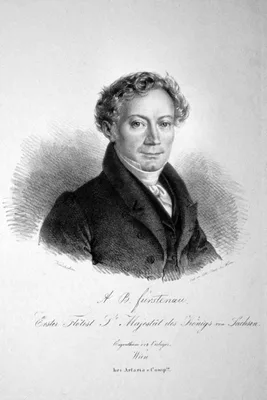
Salmonella typhi first demonstrated in the gall-bladder in cases of typhoid.
1888 CE
#5034
De l’immunité contre le virus de la fièvre typhoöde conférée par des substances solubles.
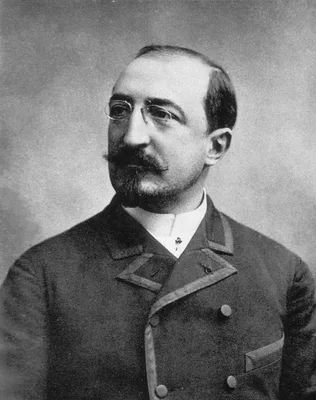
Experimental antityphoid inoculation.
1896 CE
#5035
Infections paratyphoïdiques.
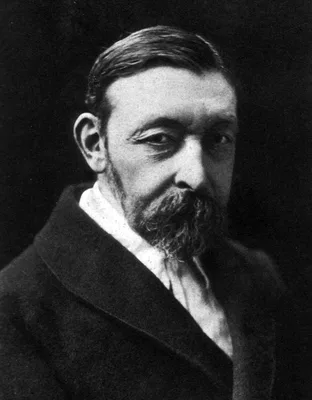
Isolation of Salmonella paratyphi B. First use of the term “paratyphoid fever”.
1898 CE
#5038
On infection with a para-colon bacillus in a case with all the clinical features of typhoid fever.
Isolation of Salmonella paratyphi A.
1900 CE
#5039
Remarks on the results which have been obtained by the antityphoid inoculations.
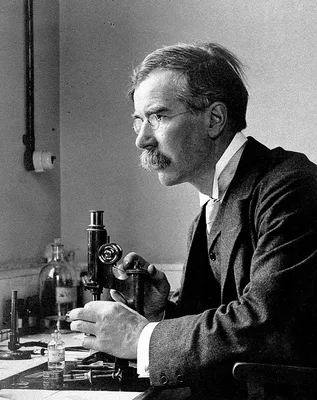
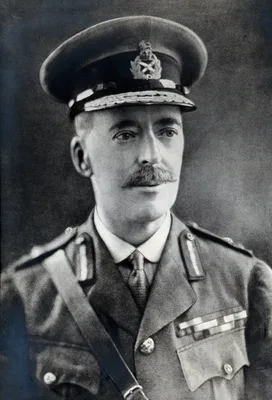
The active inoculation of man against typhoid was first performed by Wright in 1896. For a preliminary note see Lancet, 1896, 2, 807.
1903 CE
#5040
Die Bekämpfung des Typhus.
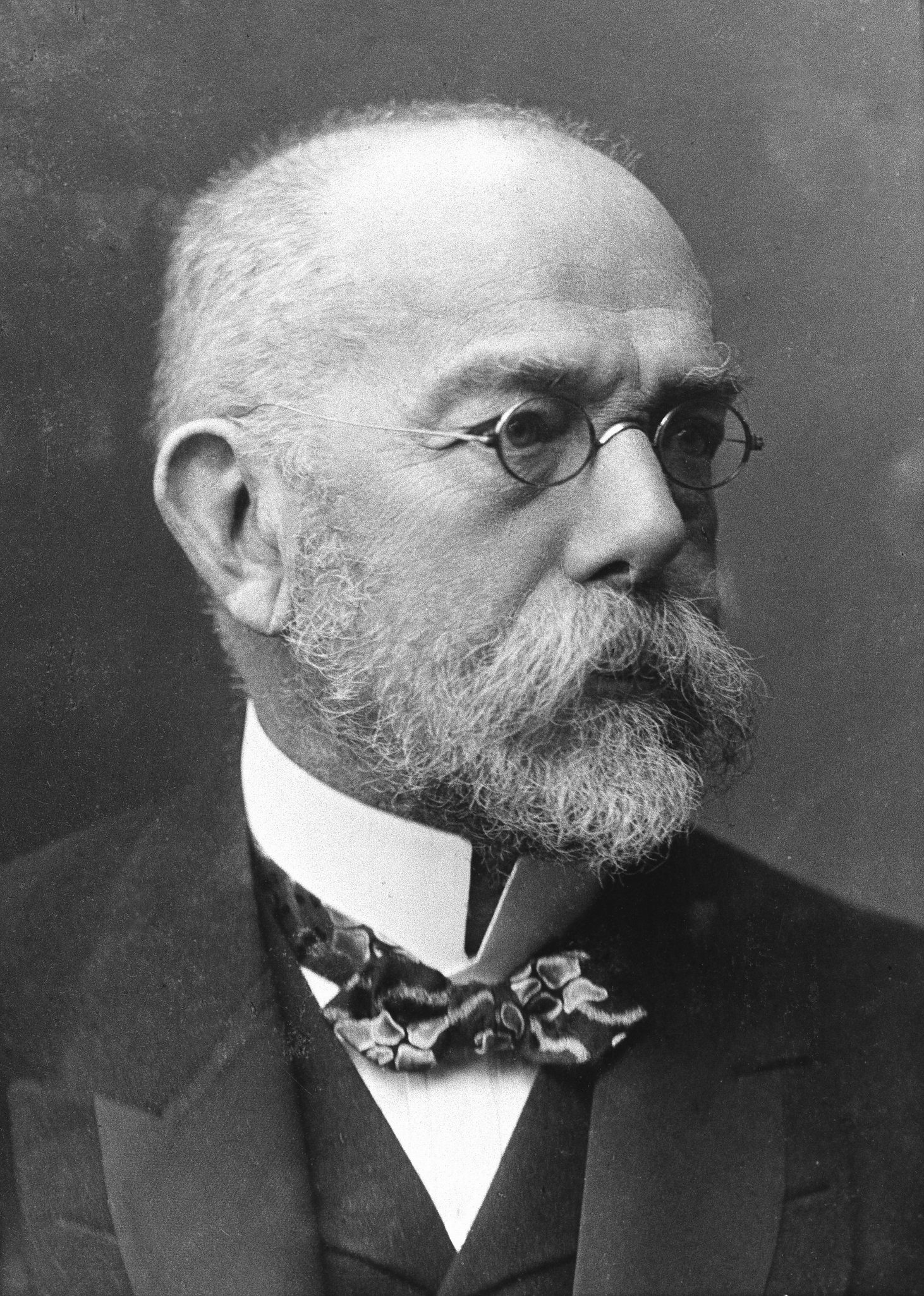
The prophylactic measures for the control of typhus suggested by Koch have been adopted almost everywhere.
1908 CE
#5041
Weitere Mitteilungen über Schweinepest mit besonderer Berücksichtigung der Bakteriologie der Hogcholeragruppe.
First description of Salmonella paratyphi C.
1910 CE
#5042
The control of typhoid in the Army by vaccination.
Russell carried out important and long-continued investigations on anti-typhoid vaccination in the U.S. Army, demonstrating beyond question its value in selected groups. The war of 1914-18 confirmed the value of the w…
1916 CE
#5043
Ueber die Behandlung von Typhus mit Milchinjektionen.
1919 CE
#5044
A new generation of paratyphoid.
Hirszfeld gave an important description of Salmonella paratyphi C. (“Hirszfeld’s bacillus”).
1934 CE
#5045
A new antigen of B. typhosus. Its relation to virulence and to active and passive immunisation.
Vi antigens first described.
1730 CE
#5048
Account of the operation of bronchotome, as it was performed at St. Andrews.
Martine was the first to perform tracheotomy for diphtheria.