
Entry Nos. 2500–2599
100 Garrison-Morton entries in this range.
1885 CE
#2500
Vorlesungen über Bacterien.
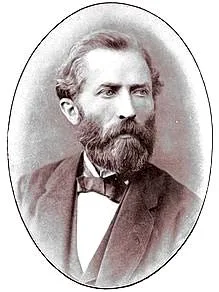
1885 CE
#2501
Les bactéries et leur rôle dans l’anatomie et l’histologie pathologiques des maladies infectieuses. 1 vol. and atlas.
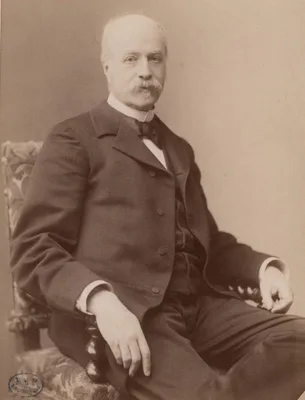
Considered the first treatise on bacteriology.
1885 CE
#2502
Ueber Fäulnissbacterien.
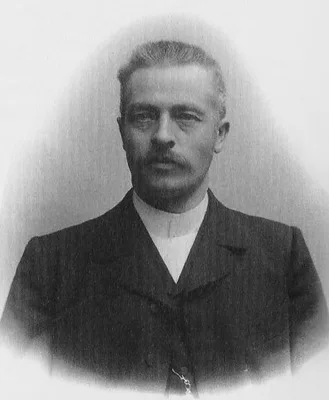
Isolation of Proteus vulgaris.
1885 CE
#2503
Die Methoden der Bakterienforschung.
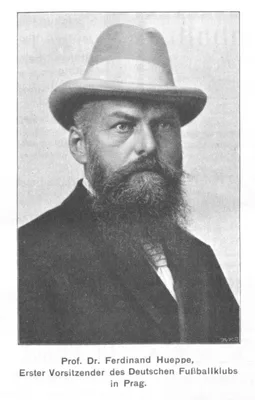
Hueppe, a colleague of Koch, wrote an admirable manual on bacteriological methods, a subject to which he gave several original contributions. English translation, New York, 1886.
1886 CE
#2504
An introduction to practical bacteriology based upon the methods of Koch.
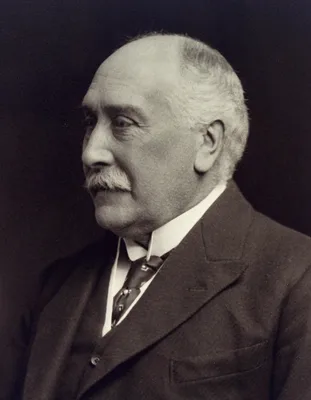
Crookshank studied under Koch, and later became Professor of Bacteriology at King’s College, London.
1886 CE
#2505
The bacterium of swine-plague.
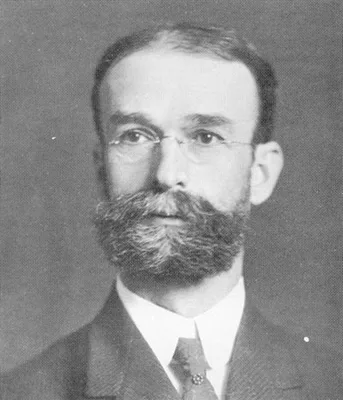
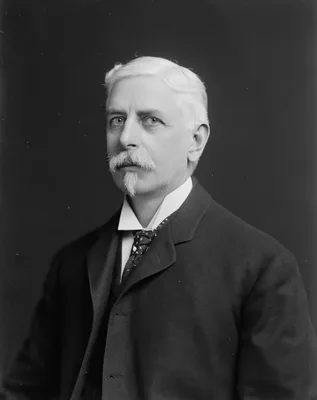
Discovery of Salmonella choleraesuis. The Salmonellae tribe was named after Salmon, even though the discovery was made by Smith. See Bibel, Milestones in immunology (1988) 31-32.
1888 CE
#2506
Ueber die Fleischvergiftung in Frankenhausen. a.K. und den Erreger derselben.
Discovery of Salmonella enteritidis, a cause of food poisoning.
1892 CE
#2507
Ueber Epidemieen unter den im hygienischen Institute zu Greifswald gehaltenen Mäusen und über die Bekämpfung der Feldmausplage.
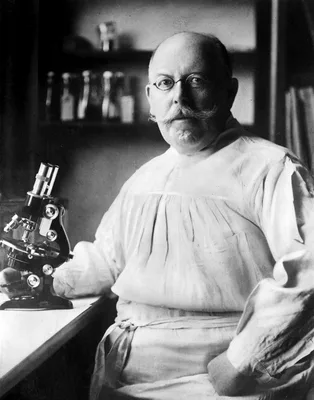
Isolation of Salm. typhi-murium.
1892 CE
#2508
A gas-producing bacillus (Bacillus aërogenes capsulatus nov. spec.) capable of rapid development in the blood-vessels after death.
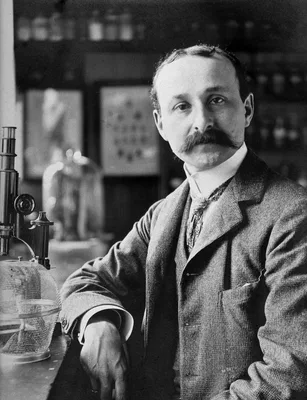
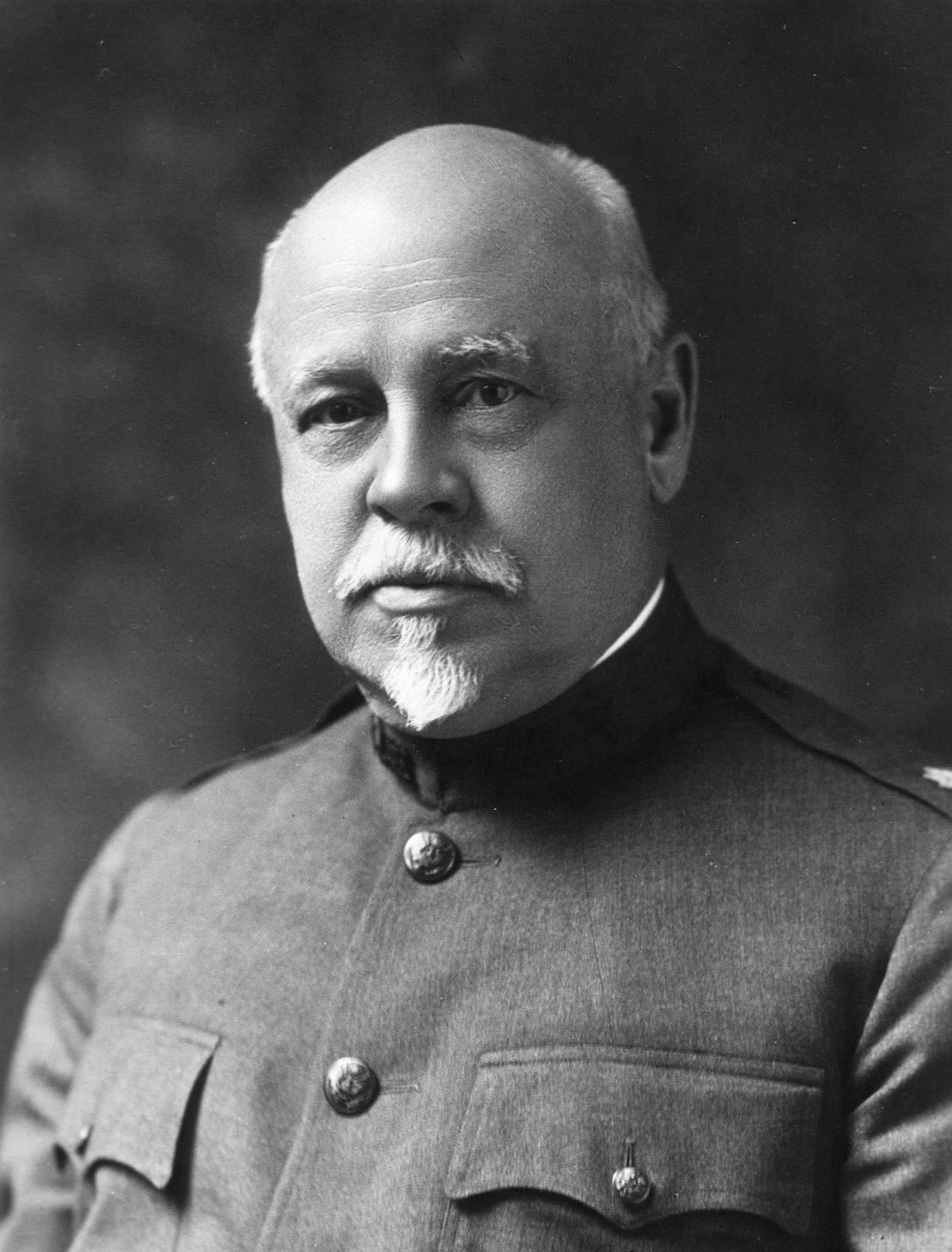
Discovery of the gas gangrene bacillus (Welch bacillus) Cl. perfringens. Reprinted in Medical Classics, 1941, 5, 852-85.
1892 CE
#2509
A manual of bacteriology.
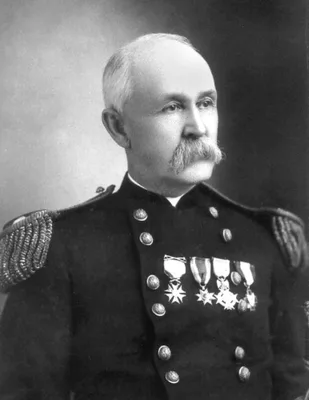
Sternberg, U. S. Surgeon General 1893-1902, was a pioneer bacteriologist. Independently of Pasteur he discovered the pneumococcus and was first in America to photograph the tubercle bacillus. He sent Walter Reed off t…
1897 CE
#2510
Contribution à l’ètude des intoxications alimentaires. Recherches sur des accidents à caractères botuliniques provoqués par du jambon.
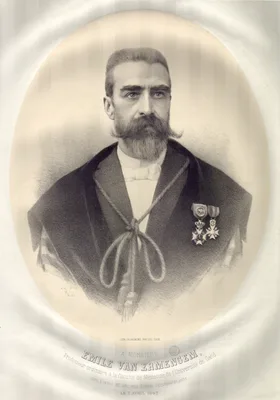
Cl. botulinum was discovered by van Ermengem in cases of food poisoning.
1898 CE
#2511
Bericht der Kommission zur Erforschung der Maul-und Klauenseuche bei dem Institut für Infektionskrankheiten.
Loeffler and Frosch proved that foot-and-mouth disease is caused by a filter-passing virus; this was the first recognition that a virus causes disease.
1898 CE
#2512
Ueber ein Contagium vivum fluidum als Ursache der Fleckenkrankheit der Tabaksblätter.
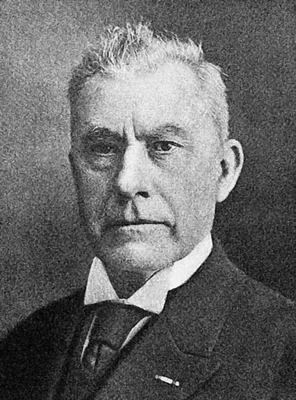
Beijerinck confirmed the findings of Ivanovski. He showed that the tobacco mosaic virus would diffuse through agar. "Like Ivanovsky before him and Adolf Mayer, predecessor at Wageningen, Beijerinck could not culture t…
1898 CE
#2513
On an epidemic of gastro-enteritis associated with the presence of a variety of the Bacillus enteritidis (Gaertner), and with positive sero-diagnostic evidence (in vivo and in vitro).
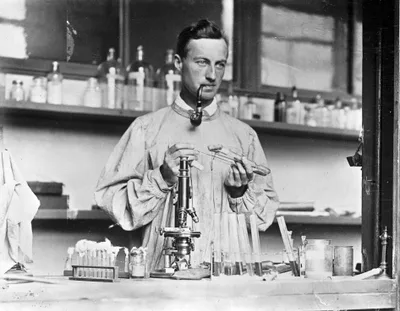
Discovery of Salm. Aertrycke in patients suffering from food poisoning.
1898 CE
#2514
Du séro-diagnostic dans les affections gastro-intestinales d’origine alimentaire.
Discovery of Salmonella aertrycke, independently of Durham.
1900 CE
#2515
Ueber die nach Gram färbbaren Bacillen des Säuglingsstuhles.
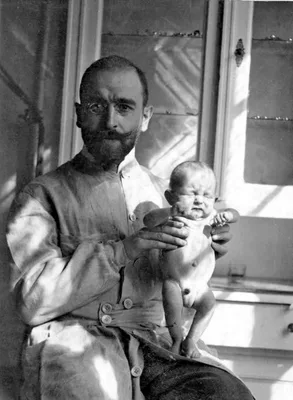
Isolation of Lactobacillus acidophilus.
1900 CE
#2516
Morbid conditions caused by Bacillus aërogenes capsulatus.
Welch grouped together the diseases caused by Cl. perfringens, earlier discovered by him in association with Nuttall (see No. 2508).
1903 CE–1909 CE
#2517
Handbuch der pathogenen Mikroorganismen. 6 vols.
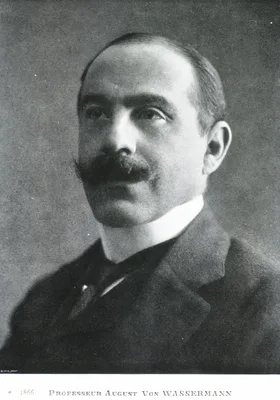
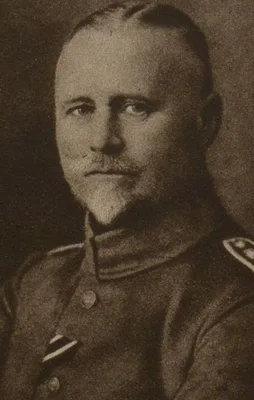
Third edition, 10 vols. [in 19], 1929-31.
1905 CE–1914 CE
#2518
Bacteria in relation to plant diseases. 3 vols.
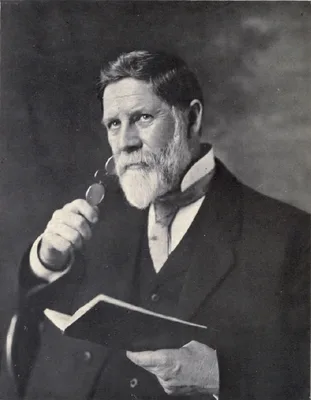
One of the most careful investigations of the bacterial diseases in plants was made by Smith, who conclusively demonstrated the existence of such diseases and proposed a scheme of classification for the bacteria conce…
1912 CE
#2519
Pure cultivation of Spirochaeta refringens.
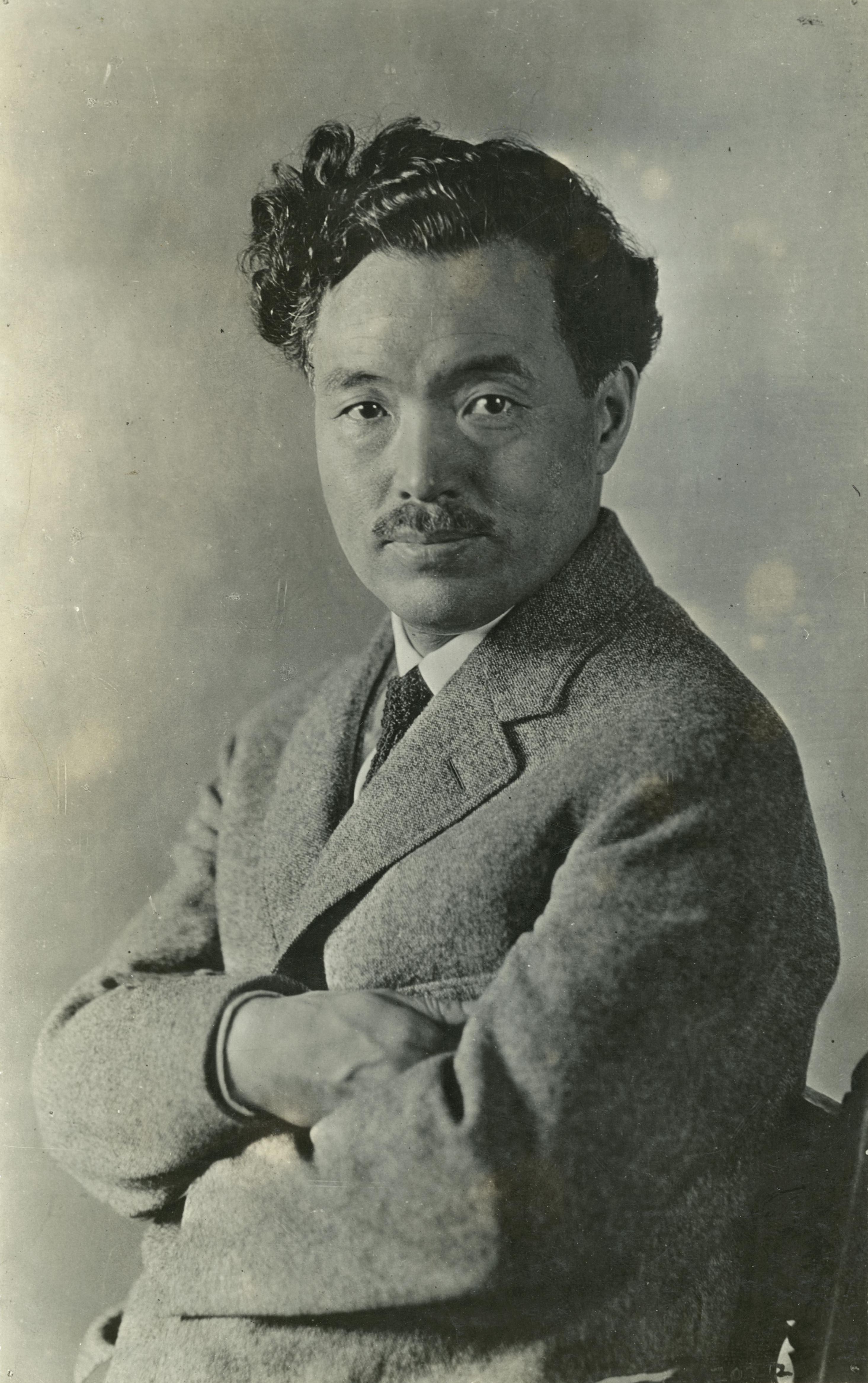
Noguchi obtained pure cultures of spirochaetae. See also his later papers in the same journal, 1912, 16, 199-210, 620-28.
1915 CE
#2520
Notes bactériologiques sur les infections gazeuses.
Isolation of Cl. oedematiens.
1916 CE
#2521
Contribution à l’étiologie de la gangrène gazeuse.
Isolation of Cl. histolyticum.
1923 CE
#2522
Manual of determinative bacteriology.
The Society of American Bacteriologists appointed in 1920 a Committee on Characterization and Classification of Bacterial Types. Their reports were incorporated in the above Manual issued under the names of Bergey and…
1928 CE–1929 CE
#2523
The pathogenic streptococci. An historical survey of their role in human and animal disease.
Documents over 1,600 studies.
1931 CE
#2524
A new series of graded collodion membranes suitable for general bacteriological use, especially in filterable virus studies.
In his important studies on the filtration of virus preparations, Elford showed that different viruses possessed different and characteristic sizes.
1939 CE
#2525
The anaerobic bacteria and their activities in nature and disease. A subject bibliography. 2 vols.
Supplements were published: 1938-1975, 8 vols., 1941-82.
1948 CE
#2526
A new mycobacterial infection in man.
Myco. ulcerans first described. With J. C. Tolhurst, G. Buckle, and H. A. Sissons.
1955 CE
#2527
Reconstitution of active tobacco mosaic virus from its inactive protein and nucleic acid components.
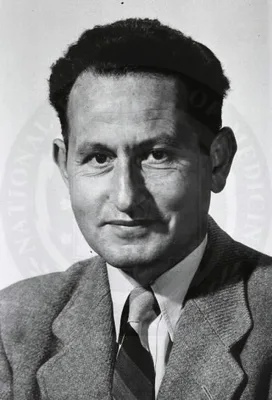
First reconstitution of a virus.
1546 CE
#2528
De sympathia et antipathia rerum liber unus. De contagione et contagiosis morbis et curatione.
Though Fracastoro wrote this book more than a century before Leewenhoek invented the microscope, and could only express the theory of contagion in very general terms, this book represents a landmark in the development…
1665 CE
#2529
Medela medicinae.
Needham, a physician better known for his work in journalism, was one of the earliest – if not the first – Englishman to write on the germ theory. In his book he included an account of Kircher’s expe…
1822 CE
#2530
Mémoire physiologique sur les maladies purulentes et putrides, sur la vaccine, etc.
Gaspard was one of the first to make experimental studies on pyemia following the injection of putrid fluids. He experimented on dogs, sheep, foxes, and pigs, injecting putrid infusions pus, vaccine, lymph, blood, bil…
1824 CE
#2531
Origines contagii.
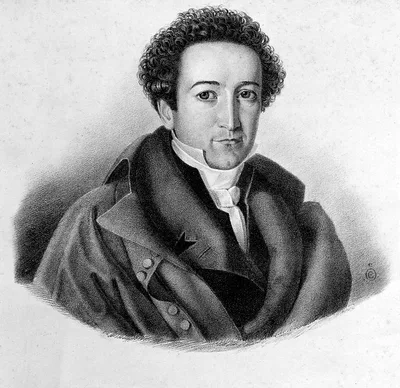
History of contagious disease in the ancient world through readings from the texts. A supplementary “Additamenta” was published in 1826. Digital facsimile of the 1824 edition from the Internet Archive at t…
1835 CE–1836 CE
#2532
Del mal del segno calcinaccio o moscardino malattia che affligge i bachi da seta e sul modo di liberarne le bigattaje anche le piu infestate. 2 vols.
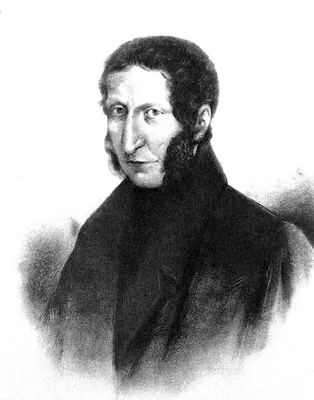
Bassi preceded Louis Pasteur in the discovery that microorganisms can be the cause of disease (the germ theory of disease). He discovered that the muscardine disease of silkworms--a disease that was destroying the sil…
1840 CE
#2533
Von den Miasmen und Contagien. In his Pathologische Untersuchungen, pp. 1-82.
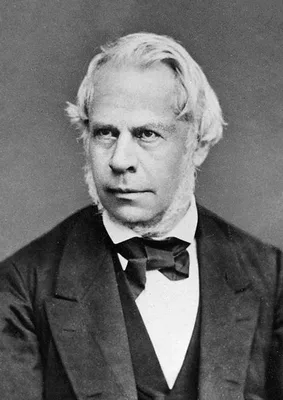
Bassi’s work on the muscardine disease of silkworms (see No. 2532), with its prophecy of the discovery of microbes as the causal agents of other diseases, inspired Henle to write this famous essay on miasms and …
1856 CE
#2534
Bidrag til Laeren om den saakaldte putride eller septiske Infection.
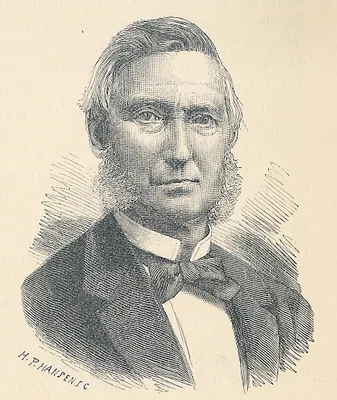
Panum was the first to investigate the chemical products of putrefaction. His work had great significance for the doctrine of putrid intoxication. An abstract of the above paper is in jb. in-u. ausländ. ges. Med.…
1871 CE
#2535
Die Ursache der infectiösen Wundkrankheiten.
Klebs, Professor of Pathology at Berne, Würzburg, Prague, Zurich, and Chicago, preceded Koch in investigations of the pathology of traumatic infection. He found bacteria in gunshot wounds, granulation tissue, etc…
1878 CE
#2536
Untersuchungen über die Aetiologie der Wundinfectionskrankheiten.
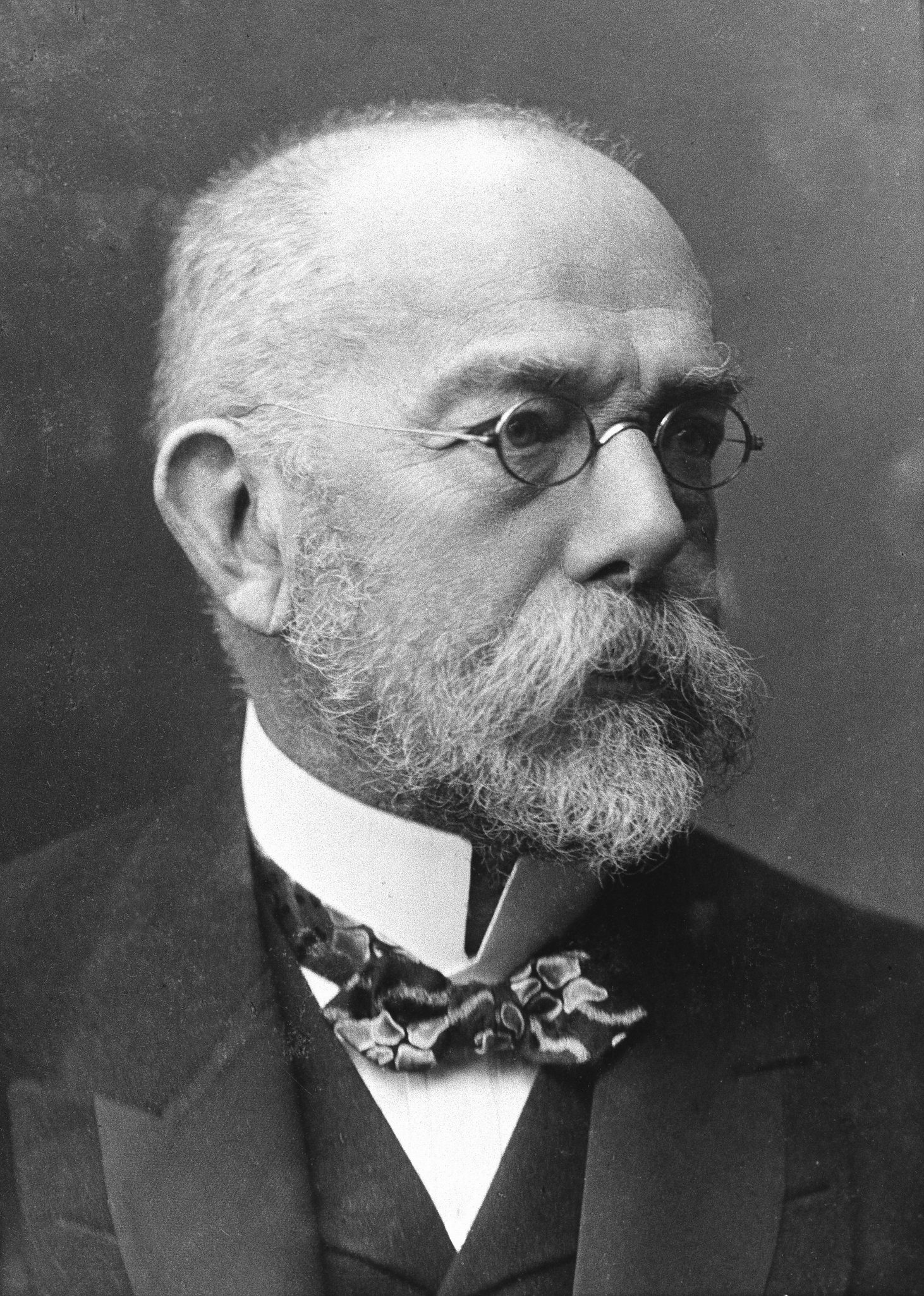
Koch’s epochal work on the etiology of traumatic infectious disease established his reputation. He inoculated animals with material from various sources and produced six types of infection, each due to microorga…
1880 CE
#2537
Sur les maladies virulentes, et en particulier sur la maladie appelée vulgairement choléra des poules.
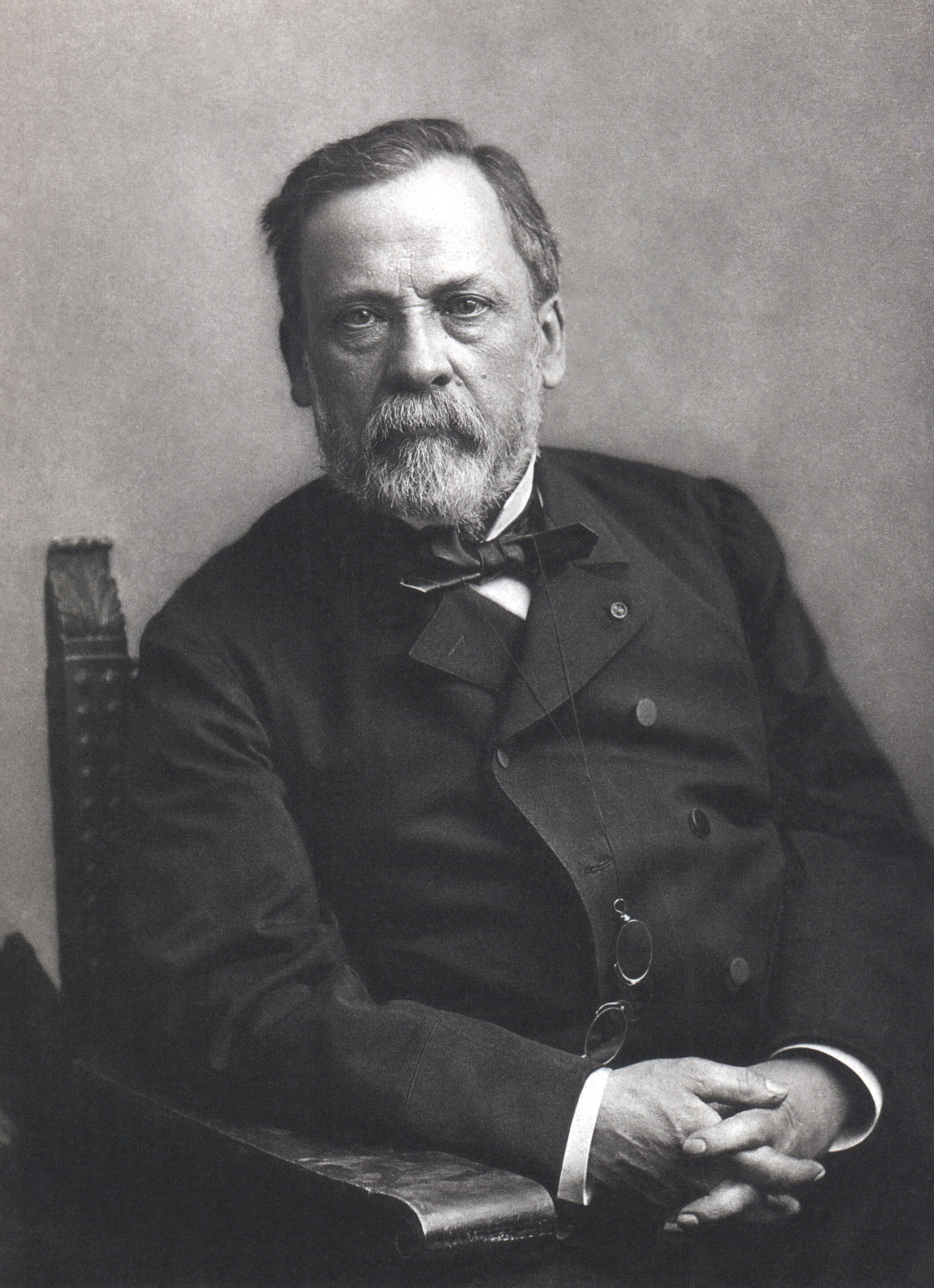
This paper marked the beginning of Pasteur’s work on the attenuation of the infective organism. Noting that fowls inoculated with an attenuated form of the chicken cholera bacterium acquired immunity, he develop…
1884 CE
#2538
Über eine Sprosspilzkrankheit der Daphnien. Beitrag zur Lehre über den Kampf der Phagocyten gegen Krankheitserreger.
Metchnikoff originated the theory of phagocytosis. He described phagocytes in leucocytes and showed their function as scavengers. Abridged English translation in Bibel, Milestones in immunology (1988).
1884 CE–1886 CE
#2539
On a new method of producing immunity from contagious diseases.
Smith found that dead virus can induce immunity against the living virulent virus. Although Smith made the discovery on his own, his supervisor, D.E. Salmon, usurped credit. See Bibel, Milestones in immunology (1988) …
1885 CE
#2540
Das Sauerstoff-Bedürfniss des Organismus. Eine farbenanalytische Studie.
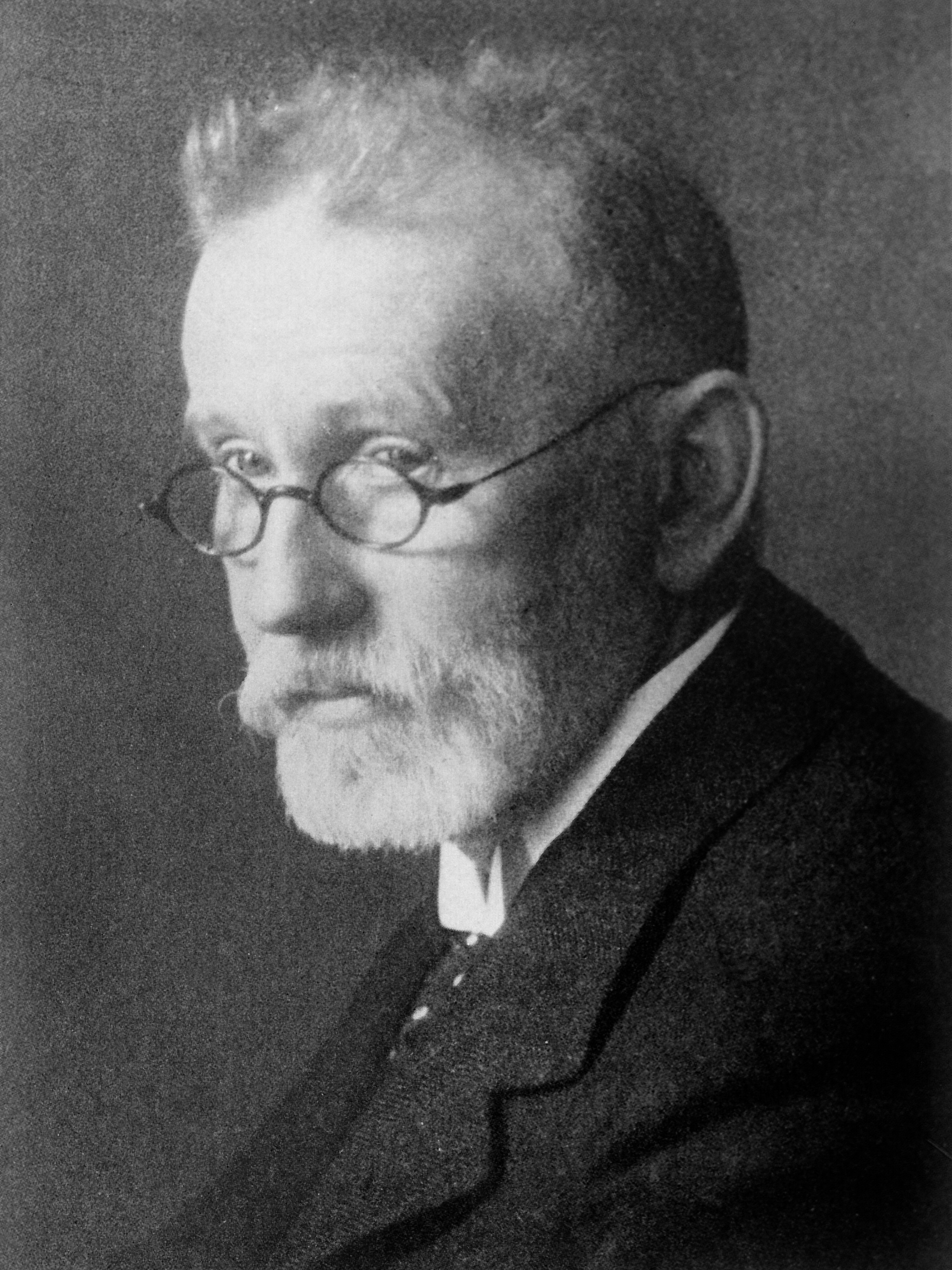
Includes the first statement of Ehrlich’s “side-chain” theory.
1885 CE
#2541
Méthode pour prévenir la rage après morsure.
Pasteur’s papers describing his rabies vaccine, and the results he attained with it gave further proof of the value of attenuated virus as a protective inoculum against infective diseases in man and animals. Thi…
1888 CE
#2542
Experimente über die bacterienfeindlichen Einflüsse des thierischen Körpers.
Working with the defibrinated blood of certain animals, Nuttall was the first to describe the bactericidal action of blood. Abridged English translation in Bibel, Milestones in immunology (1988).
1889 CE
#2543
Ueber die bakterientödtende Wirkung des zellenfreien Blutserums.
Following Nuttall’s work, Buchner discovered a substance in blood serum that was capable of destroying bacteria. He called the substance "alexin". He demonstrated that the bactericidal power of defibrinated bloo…
1890 CE
#2544
Ueber das Zustandekommen der Diphtherie-Immunität und der Tetanus-Immunität bei Thieren.
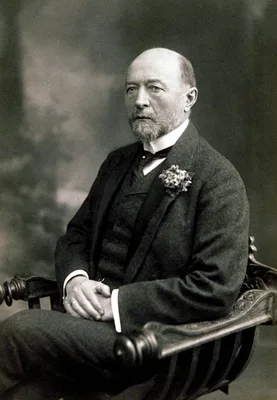
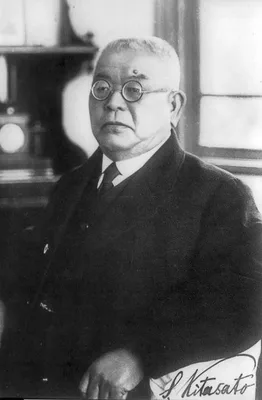
Antitoxins and their immunizing powers were discovered when Behring and Kitasato published their paper dealing with immunity to tetanus and diphtheria. This work laid the foundation of all future treatment with antito…
1893 CE–1915 CE
#2545
Gesammelte Abhandlungen zur ätiologischen Therapie von ansteckenden Krankheiten. 2 vols.
Digital facsimile from the Internet Archive at this link.
1894 CE
#2546
Ueber die specifische Bedeutung der Choleraimmunität (Bakteriolyse).
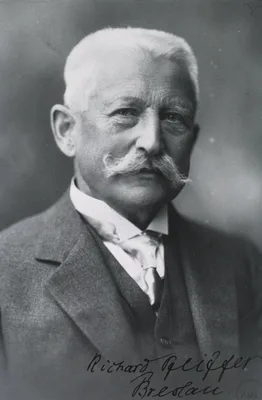
Pfeiffer and Isayev recorded the occurrence of bacteriolysis in cholera vibrios under certain conditions: immune bacteriolysis, “Pfeiffer’s phenomenon”. Abridged English translation of second part in…
1895 CE
#2547
Contribution à l’ étude du sérum chez les animaux vaccinés.
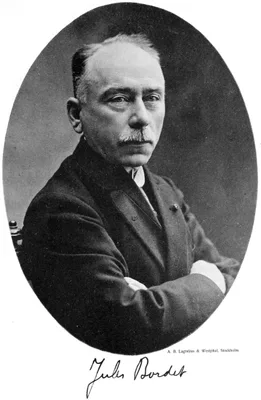
In Bordet’s classic paper on the properties of the sera of immunized animals he showed that two different substances (now known as sensitizing antibody and complement) are involved in the phenomenon of bacteriol…
1895 CE
#2548
Sur la destruction extracellulaire des bactéries dans l’organisme.
See No. 2538
1896 CE
#2549
Eine neue Methode zur raschen Erkennung des Choleravibrio und des Typhusbacillus.
The discovery of bacterial agglutination. Gruber and Durham discovered the agglutinating action of the serum of typhoid patients upon the typhoid bacillus. First briefly reported by Durham: On a special action of seru…