
Entry Nos. 6900–6999
97 Garrison-Morton entries in this range.
1519 CE
#1959
Galeni methodus medendi, vel de morbis curandis.
![GALEN, [Κλαύδιος Γαληνός; Galen of Pergamon] (129 – 216)](/media/portraits/21)
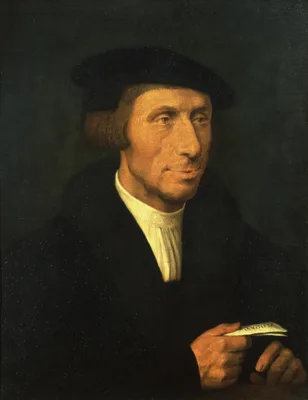
The first separately published Latin translation from the Greek by Thomas Linacre. Galen's Method of medicine was a systematic and comprehensive account of the principles of treating injury and disease and one of Gale…
c. 850 CE
#6900
The Syriac Galen palimpsest.
This ninth century palimpsest codex contains as its undertext a text of Galen's On Simple Drugs in the Syriac translation by Sergius of Reshaina. It has not yet been formally published. For further information see the…
1979 CE
#6901
Resolution of the ATP-dependent proteolytic system from reticulocytes: a component that interacts with ATP.

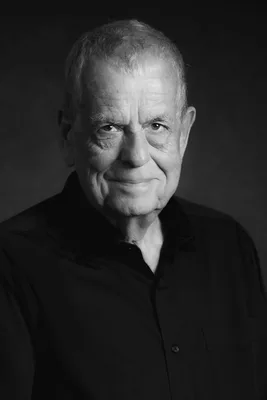
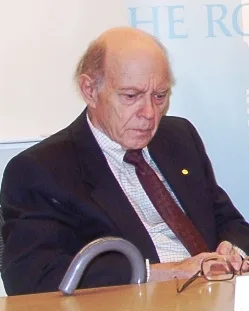
Discovery of ubiquitin-mediated protein degradation. The paper is available at doi:10.1073/pnas.76.7.3107,PMC 383772, PMID 290989. See also Hershko, A.; Ciechanover, A.; Heller, H.; Haas, A.L.; Rose, I.A. (1980), "Pro…
1993 CE
#6902
Orthopedics: A history and iconography.
2001 CE
#6903
Tarnished Idol: William Thomas Green Morton and the introduction of surgical anesthesia. A chronicle of the ether controversy
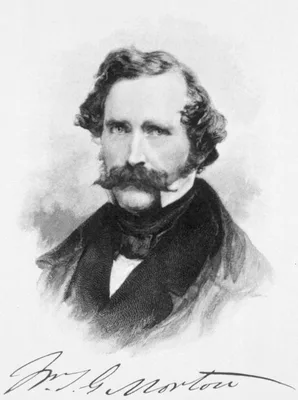
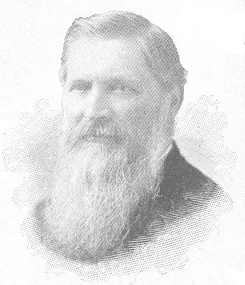
The most comprehensive biography of Morton, and the most comprehensive account of the ether controversy between Morton and Charles Thomas Jackson.
2000 CE
#6904
The obstetrician’s armamentarium: Historical obstetric instruments and their inventors.
2006 CE
#6905
The evolution of surgical instruments: An illustrated history from ancient times to the twentieth century.
1997 CE
#6906
American surgical instruments: The history of their manufacture and a directory of instrument makers to 1900.
1996 CE
#6907
Spectacles and other vision aids: A history and guide to collecting.
The most comprehensive history of the development of spectacles and other vision aids in Europe, America, Japan, and China. With over 780 photographs, of which 310 are in color.
1959 CE
#6908
Reasoning foundations of medical diagnosis.
The beginning of the development of clinical decision support systems (CDSS) — interactive computer programs, or expert systems, designed to assist physicians and other health professionals with decision making …
1974 CE
#6909
Computerized transaxial x-ray tomography of the human body.
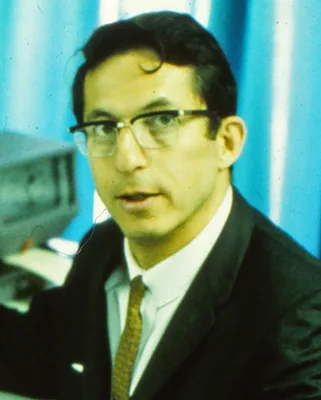
Ledley and team developed the developed the ACTA 0100 CT Scanner (Automatic Computerized Traverse Axial)— the first whole-body computed tomography scanner. With G. Di Chiro, A. J. Luessenhop, and H.L. Twigg. For…
1951 CE–1952 CE
#6910
The computation of Fourier syntheses with a digital electronic calculating machine.
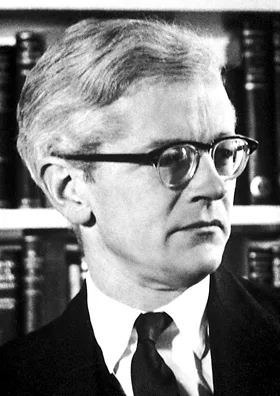
The first paper published in a scientific journal on the application of an electronic computer to computational biology. At the second English computer conference held in Manchester from July 9-12, 1951 computer scien…
1958 CE
#6911
A three-dimensional model of the myoglobin molecule obtained by x-ray analysis.
Initial paper on the first solution of the three-dimensional molecular structure of a protein. Computing the molecular structure in 3 dimensions was possible through the use of the Cambridge EDSAC stored-program elect…
1960 CE
#6912
Structure of myoglobin: A three-dimensional Fourier synthesis at 2 Å resolution.
Kendrew's second paper reporting the first solution of the three-dimensional molecular structure of a protein, for which he shared the 1962 Nobel Prize in chemistry with Max Perutz, who solved the structure of the rel…
1968 CE
#6913
Three-dimensional Fourier synthesis of horse oxyhaemoglobin at 2.8Å resolution: The atomic model.
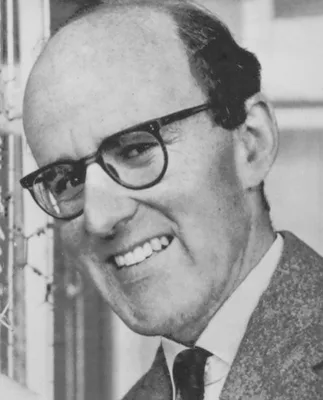
Thirty years after beginning his research on hemoglobin Perutz solved the Fourier synthesis of hemoglobin at 2.8Å (high resolution) and built an atomic model of the molecule. With Hilary Muirhead, J. M. Cox & L.…
1939 CE
#6914
The nature of the chemical bond and the structure of molecules and crystals: An introduction to modern structural chemistry.
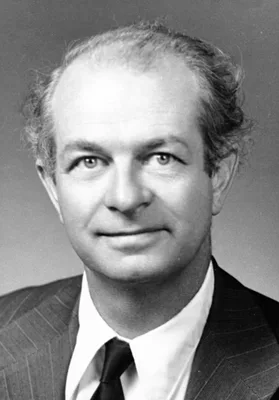
This book set forth in detail Pauling's valence-bond theory based on the quantum-mechanical concept of resonance between two energy states, which led to his highly innovative idea that the hybridization of orbitals (e…
1938 CE
#6915
Das Gleichgewicht zwischen Hämoglobin and Sauerstoff.
Haurowitz discovered that crystalline deoxyhemoglobin changes in shape and color on reaction with oxygen, suggesting that it is a molecular lung.
1968 CE
#6916
Molecular pathology of human haemoglobin.
Perutz opened up "the field of 'molecular pathology,' relating a structural abnormality to a disease" (Aaron Klug, "Max Perutz 1914-2002," Science 295 ([2002] 2383). Specifically Perutz showed that hemoglobin molecule…
1912 CE
#6917
Interferenz-Erscheinungen bei Röntgenstrahlen. . . . Eine quantitative Prüfung der Theorie für die Interferenz-Erscheinungen bei Röntgenstrahlen
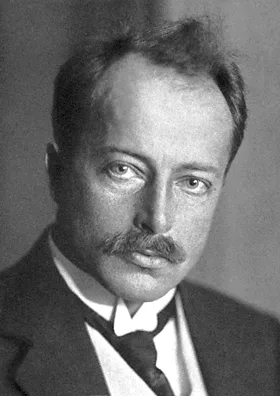
Discovery of the diffraction of X-rays in crystals. Laue’s discovery was of dual importance: it allowed the subsequent investigation of X-radiation by means of wavelength determination, and it provided the means…
1932 CE
#6918
X-ray studies of the structures of hair, wool, and related fibres. I. General.
Astbury, a student of William Lawrence Bragg, was the first to study proteins by X-ray analysis. He applied X-ray analysis to the structure of hair, wool, and related fibers, of which the protein keratin is the princi…
1913 CE
#6919
The diffraction of short electromagnetic waves by a crystal.
At the age of 22, Bragg discovered that the regular pattern of dots produced on a photographic plate by an X-ray beam passing through a crystal could be regarded as a reflection of electromagnetic radiation from plane…
1913 CE
#6920
The reflection of x-rays by crystals.
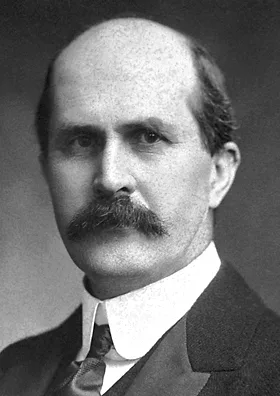
Discovery of X-ray crystallography. The father and son team of physicists, William Henry Bragg and William Lawrence Bragg, constructed the first X-ray spectrometer using crystals as gratings, using a known wavelength …
1840 CE
#6921
Der Chemismus in der thierischen Organisation.
Hünefeld accidentally observed the first protein crystals— those of hemoglobin—in partically dried samples of mammalian blood blood pressed between glass plates. On page 160 Hünefeld noted that h…
1847 CE
#6922
Thèses de physique et de chimie, Presentées à la Faculté des Sciences de Paris.
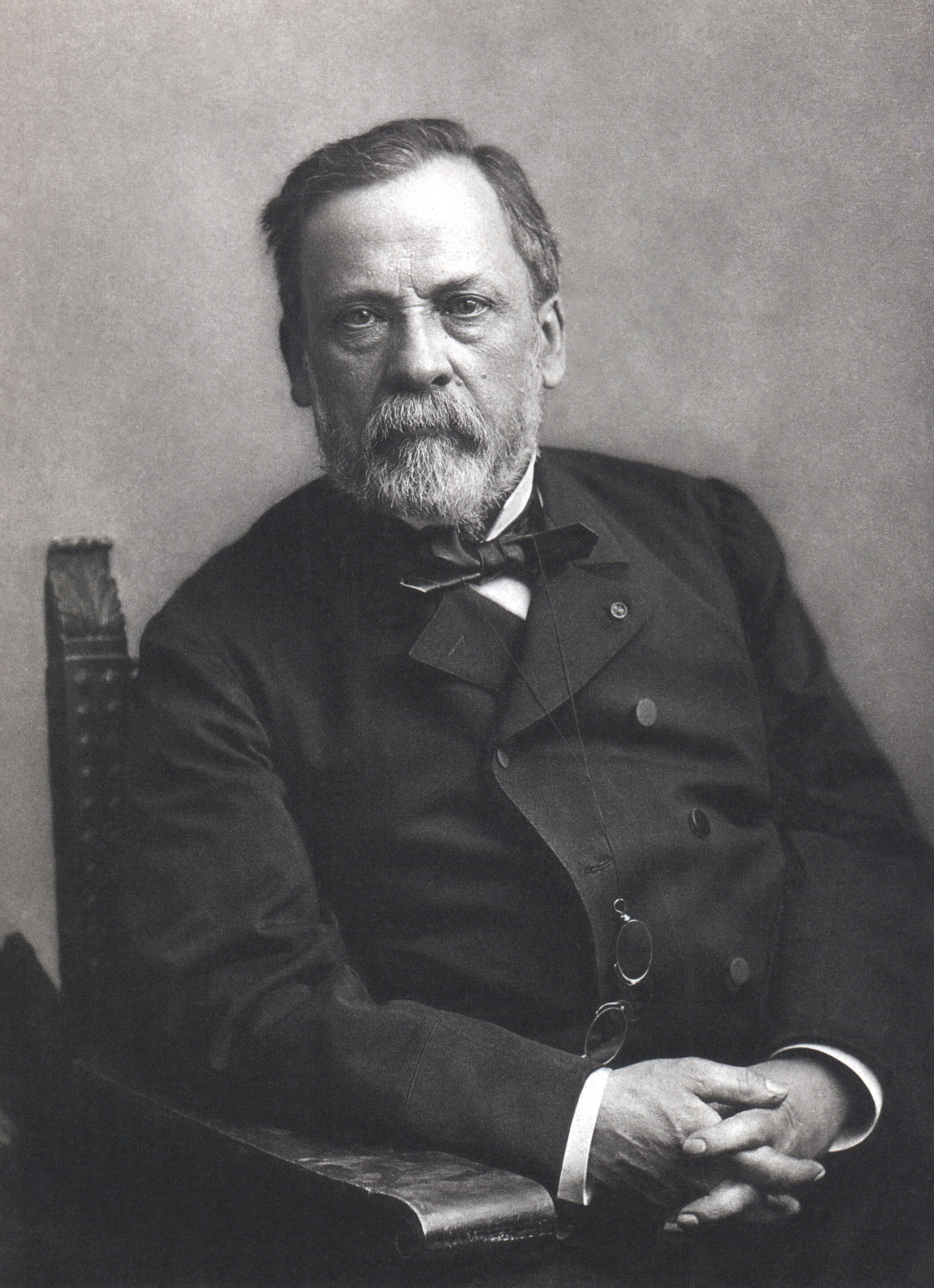
Pasteur reported a series of “investigations into the relation between optical activity, crystalline structure, and chemical composition in organic compounds, particularly tartaric and paratartaric acids. This w…
1934 CE
#6923
X-Ray photographs of crystalline pepsin.
Bernal and Hodgkin took the first X-ray photograph of a protein structure—crystalline pepsin. They showed that crystals of pepsin give an X-ray diffaction pattern, beginning protein crystallography. This may als…
1938 CE
#6924
Molecular biology: origin of the term.
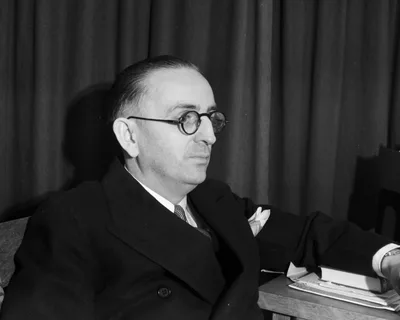
Perhaps the only mathematician to name a new biological discipline, in 1938, as Director of the Natural Sciences Division of the Rockefeller Foundation, Weaver coined the term molecular biology to describe the use of …
1977 CE
#6926
A new method for sequencing DNA.
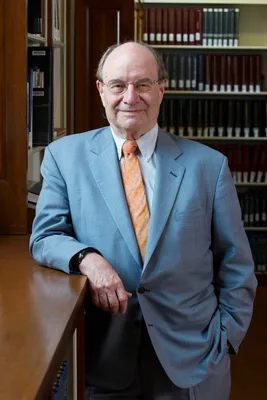
The Gilbert-Maxam method for sequencing DNA. This paper is available from PNAS at this link. In 1980 Gilbert shared the 1980 Nobel Prize in Chemistry with Frederick Sanger and Paul Berg. Berg received half of the priz…
1987 CE
#6927
Sequencing the human genome. Summary report of the Santa Fe workshop, March 3-4, 1986.
The initial report on the Human Genome Project. For further information see the entry at HistoryofInformation.com at this link. The report is available at this link.
1955 CE
#6928
The crystal structure of the hexacarboxylic acid derived from B12 and the molecular structure of the vitamin.
The final structure of vitamin B12. With J. Pickworth, J.H. Robertson, K.N. Trueblood, R.J. Prosen, J. G. White. In 1964 Hodgkin was awarded the Nobel Prize in Chemistry "for her determinations by X-ray techniques of …
1481 CE
#6929
De natura hominis. Add: De victu; De tuenda valetudine; Medicinae lex; Iusiurandum; Demonstratio quod artes sunt; Invectiva in obtrectatores medicinae. Tr: Andreas Brentius.
The writings of Hippocrates began to appear in print in the 1480s, and only a few of the works attributed to Hippocrates were printed in the 15th century. Though the date of this edition is unstated within the book it…
1595 CE
#6930
Magni Hippocratis medicorum omnium facile principis, opera omnia quae extant in viii sectiones....
The French humanist physician Foës produced the first Greek & Latin edition of the complete extant works of Hippocrates. His edition was the most significant before that of Littré.
1526 CE
#6931
Opera omnia.
![HIPPOCRATES, [Ἱπποκράτης; Hippocrates of Kos] (-460 – -370)](/media/portraits/50)
First edition of the Greek text of the works of Hippocrates, issued by Aldus Manutius of Venice one year after the first complete edition in Latin was issued in Rome. The Aldine text was edited by Aldus's brother-in-l…
1538 CE
#6932
Ein newes hochnutzlichs Büchlin von erkantnus der Kranckheyten der Augen....
The first separate publication on diseases of the eye after Grassi (1474). This very rare anonymous work was intended, according to its title, to provide highly useful knowledge of the anatomy of the eye, and eye dise…
1539 CE
#6933
Alle Kranckheyt der Augen ... allen augen artzten hochnöttig zuwissen ....
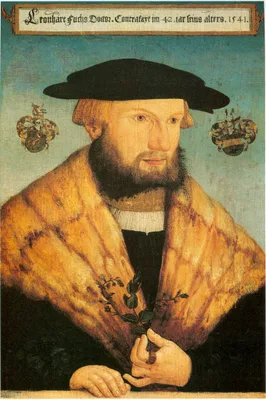
The first work on ophthalmology after Grassi (1474) written by a known physician. At the end of the anonymous Büchlin issued by the same publisher in 1538 (No. 6932) the writer promises a bigger and better work o…
1478 CE
#6934
De materia medica. Ed: Petrus de Abano. Comm: Petrus de Abano.
![DIOSCORIDES, Pedanius [Πεδάνιος Διοσκουρίδης] (40 – 90)](/media/portraits/2028)
The first printed edition of Dioscorides, translator unidentified. A Greek physician from Anazarbus in Cilicia (now Turkey), Dioscorides traveled to the Greek mainland, to Crete, Egypt and Petra. He is believed to hav…
1974 CE
#6935
A selective inhibitor of serotonin uptake: Lilly 110140, 3-(p-Trifluoromethylphenoxy)-n-methyl-3-phenylpropylamine.
The first paper on the anti-depressant fluoxetine, marketed under the trade name Prozac. With Jong S. Horng, Frank P. Bymaster, Kenneth. L. Hauser, and Bryan B. Molloy. doi:10.1016/0024-3205(74)90345-2. PMID 4549929
1983 CE–1994 CE
#6936
Catalogo del fondo Haller della Biblioteca Nazionale Braidense di Milano, edited by Maria Teresa Monti. Parte prima: Libri, vol. I-III (t. I-II). Parte seconda: Dissertazioni, vol. I-V, Parte terza: libri delle biblioteche lombarde, vol. I-II (t. I-II), Indici. 13 vols.
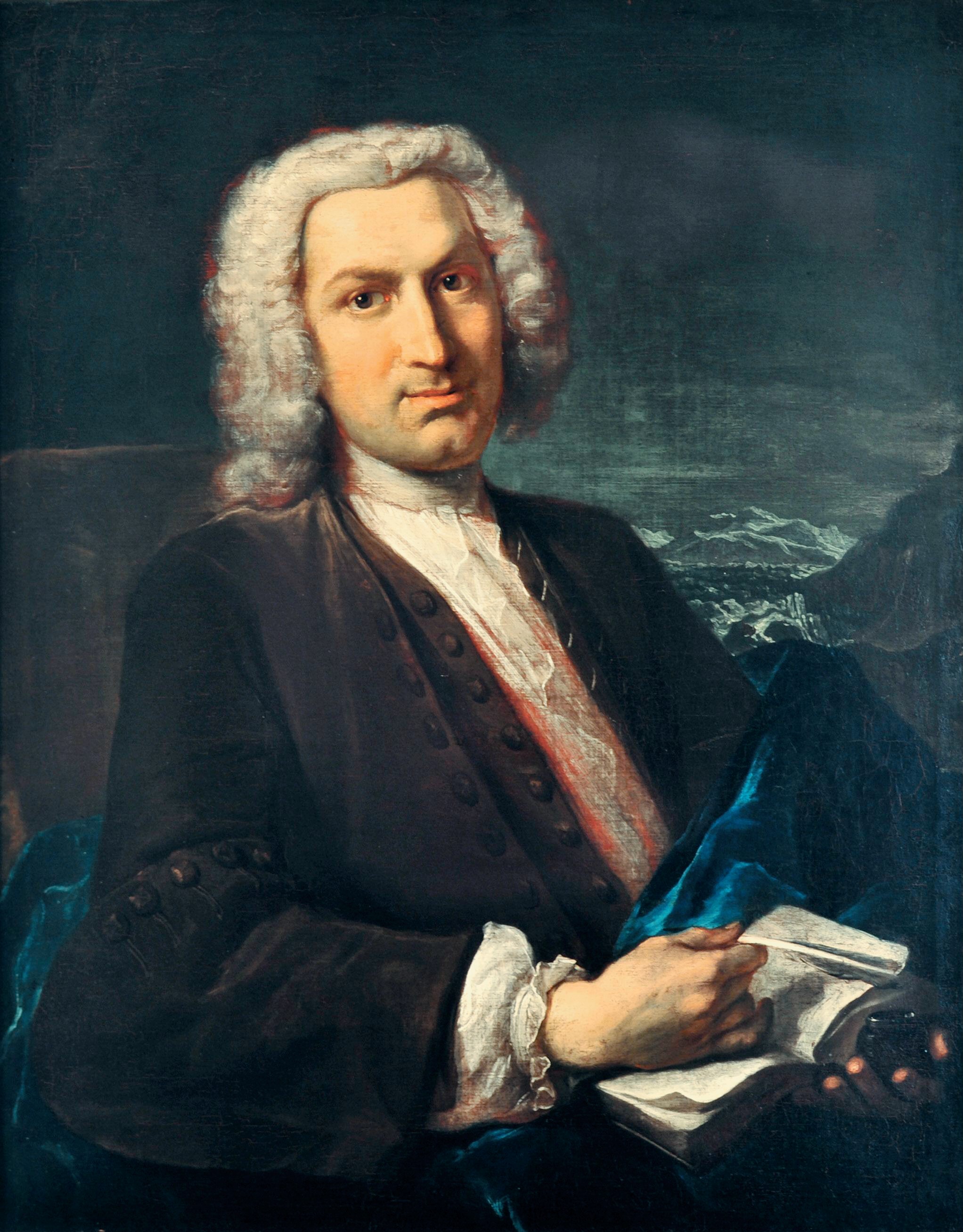

Haller's library, which comprises 15,000 volumes and 145 manuscripts, was purchased in 1778 by order of Emperor Joseph II, son of Maria Theresa of Austria, and donated to the Biblioteca Nazionale Braidense in Milan.
1943 CE
#6937
La raccolta Vittorio Putti; antiche opere di medicina manoscritte e stampate lasciate all'Istituto Rizzoli di Bologna, compiled by Tamarro de Marinis.
Description of the 1158 manuscripts and printed volumes, particularly concerning medieval and renaissance medicine and surgery, donated by Putti to the Rizzoli Institute, followed by a listing of the collection of med…
1865 CE
#6938
Catalogue de la superbe bibliothèque d'ethnographie, de zoologie, d'anatomie comparée, etc....
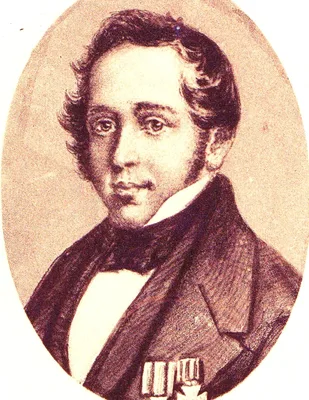
The auction catalogue of Vrolik's library, sold two years after his death, organized by subject. Prefaced by an essay about Vrolik's life and work by J. van der Hoeven, and a chronological list of Vrolik's publication…
2015 CE
#6939
Worlds of learning. The library and world chronicle of the Nuremberg physician Hartmann Schedel (1440-1514). Edited by the Bayerische Staatsbibliothek.
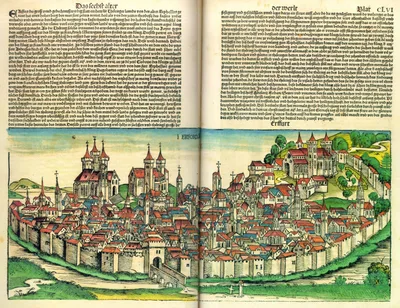
Schedel's library, mostly preserved at the Bayerisches Staatsbibliothek, is the most extensive and multifaceted surviving private library of a fifteenth-century German collector. According to Schedel's original manusc…
1947 CE
#6940
Nicolaus Pol Doctor 1494 by Max H. Fisch. With a critical text of his guaiac tract, edited with a translation by Dorothy M. Schullian.
The 1494 in the title comes from the year in which Pol became a physician, and his habit of writing his name and that date in his books. The volume includes a study of books from Nicolaus Pol's library in Cleveland an…
1963 CE
#6941
Effect of the laser beam on the skin.
One of the first papers on the application of lasers in medicine. In 1961 Goldman became the first researcher to use a laser to treat a human skin disease when he treated melanoma. The method later became popular in r…
1967 CE
#6942
Biomedical aspects of the laser: The introduction of laser applications into biology and medicine.
The first book on the use of lasers in medicine and biology.
1517 CE
#6944
Galeni de sanitate tuenda libri sex.
First separate dated Latin translation of Galen's De sanitate tuenda (On the preservation of health), which contained his views on maintaining health and hygiene and preventing disease. Translated from the Greek by Th…
1961 CE
#6945
Bibliography of memory.
The most complete bibliography to date on this subject. Regarding Young, see the unusually interesting obituary in The New York Times at this link.
1840 CE
#6946
Verzeichniss der vom weil. Obermedicinalrath Blumbach nachgelassen Bucher. . . .
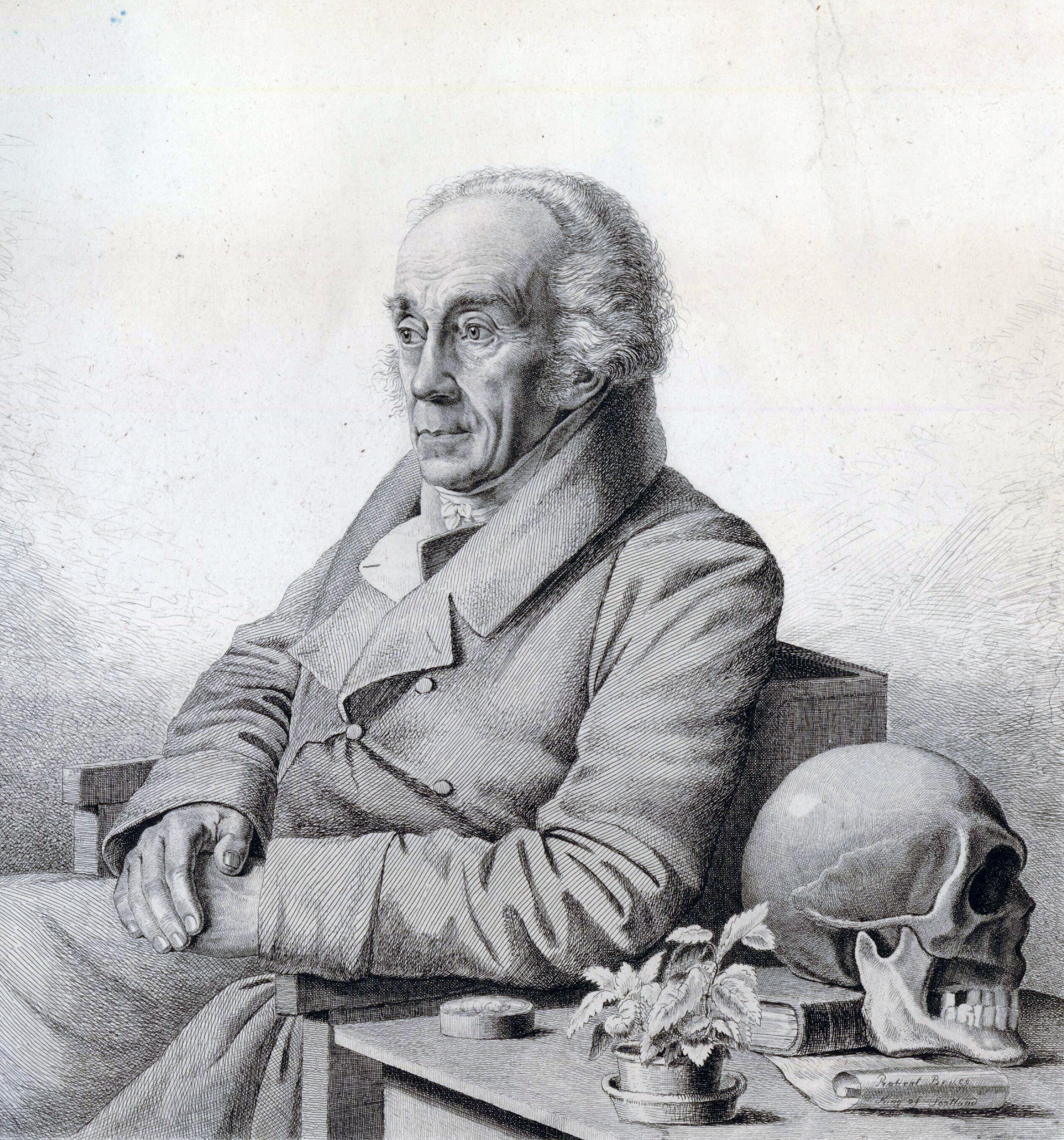
Catalogue of the library of Johann Friedrich Blumenbach, prepared for its sale at auction. Books were listed for sale individually, organized by size. Author and title and place published were listed, as were the numb…
1927 CE
#6947
A catalogue of manuscripts and medical books printed before 1640 in the library of Le Roy Crummer
The collection was mostly bequeathed to the University of Michigan, Ann Arbor. See also A Doctor's Odyssey: A Sentimental Record of Le Roy Crummer: Physician, Author, Bibliophile, Artist in Living, 1872-1934, by Alex …
2008 CE
#6948
Conrad Gessner's Private Library by Urs B. Leu, Raffael Keller and Sandra Weidmann.
Includes a study of Gessner's library in the context of libraries in 16th-century Zurich, and a catalogue of the library, with listings of lost books and lost manuscripts, known from Gessner's correspondence or from a…
1490 CE
#6949
Philosophia pauperum, sive Isagoge in libros Aristotelis physicorum, de coelo et mundo, de generatione et corruptione, meteororum et de anima.
This edition, chronologically the fourth printed, of Albertus's commentaries on various works of Aristotle, contains the first printed illustration of the brain, showing in profile the three-cell theory of brain funct…
1750 CE
#6950
Adversaria anatomica, de omnibus corporis humani partium, tum descriptionibus, cum picturis, Adversaria anatomica Prima, De omnibus cerebri, nervorum & organorum functionibus animalibus inserventium, descriptionibus & iconismis.
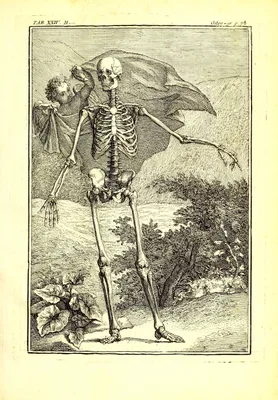
The first pictorial history of neuroanatomy, which contains some of the very first color engravings of the brain. The three colored copperplates were by “a certain Robert", a pupil of Le Blon, the inventor of th…