
Entry Nos. 4700–4799
97 Garrison-Morton entries in this range.
1672 CE
#1544
De anima brutorum
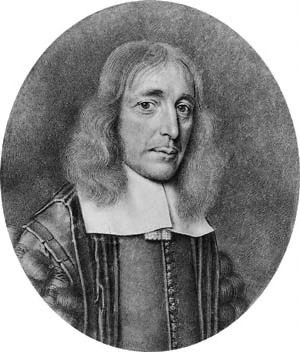
Chap. XIV is devoted to the sense of hearing; in it Willis described the “paracusis of Willis” (p. 73). English translation, 1683. A probable description of myasthenia gravis is given in Pars. 2, Cap. IX. …
1884 CE
#3128
Ueber progressive perniciöse Anämie bei Tabeskranken
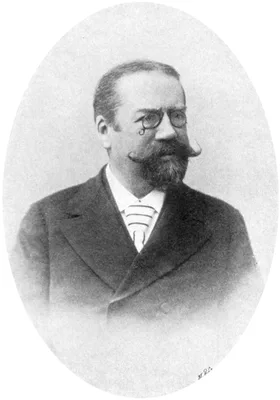
First description of subacute combined degeneration of the spinal cord, which Leichtenstern termed progressive pernicious anemia in tabetics.
1853 CE
#4329
On the nature and treatment of the deformities of the human frame.
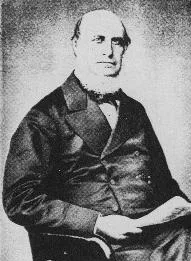
Little was the first eminent orthopedic surgeon in the British Isles. He studied under Stromeyer and, in 1838, he founded the Orthopaedic Institution, now the (Royal) National Orthopaedic Hospital, London. The above w…
1868 CE
#4337
Sur quelques arthropathies qui paraissent dépendre d’une lésion du cerveau ou de la moëlle épinière.
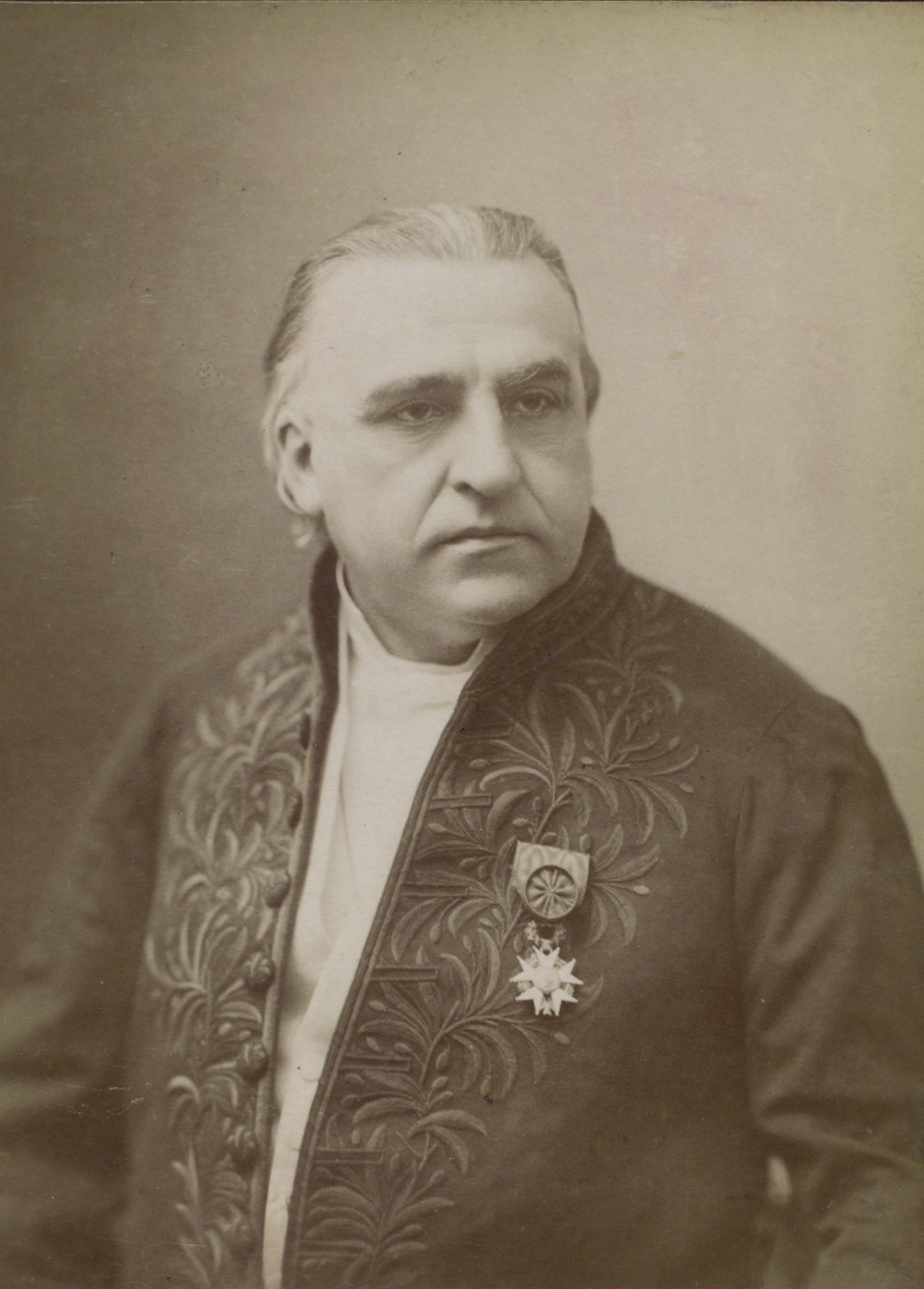
Charcot called attention to tabetic arthropathy, a condition which has since borne his name, while the tabetic joints he so well described are now known as “Charcot’s joints”.
1886 CE–1888 CE
#4569
A manual of diseases of the nervous system. 2 vols.
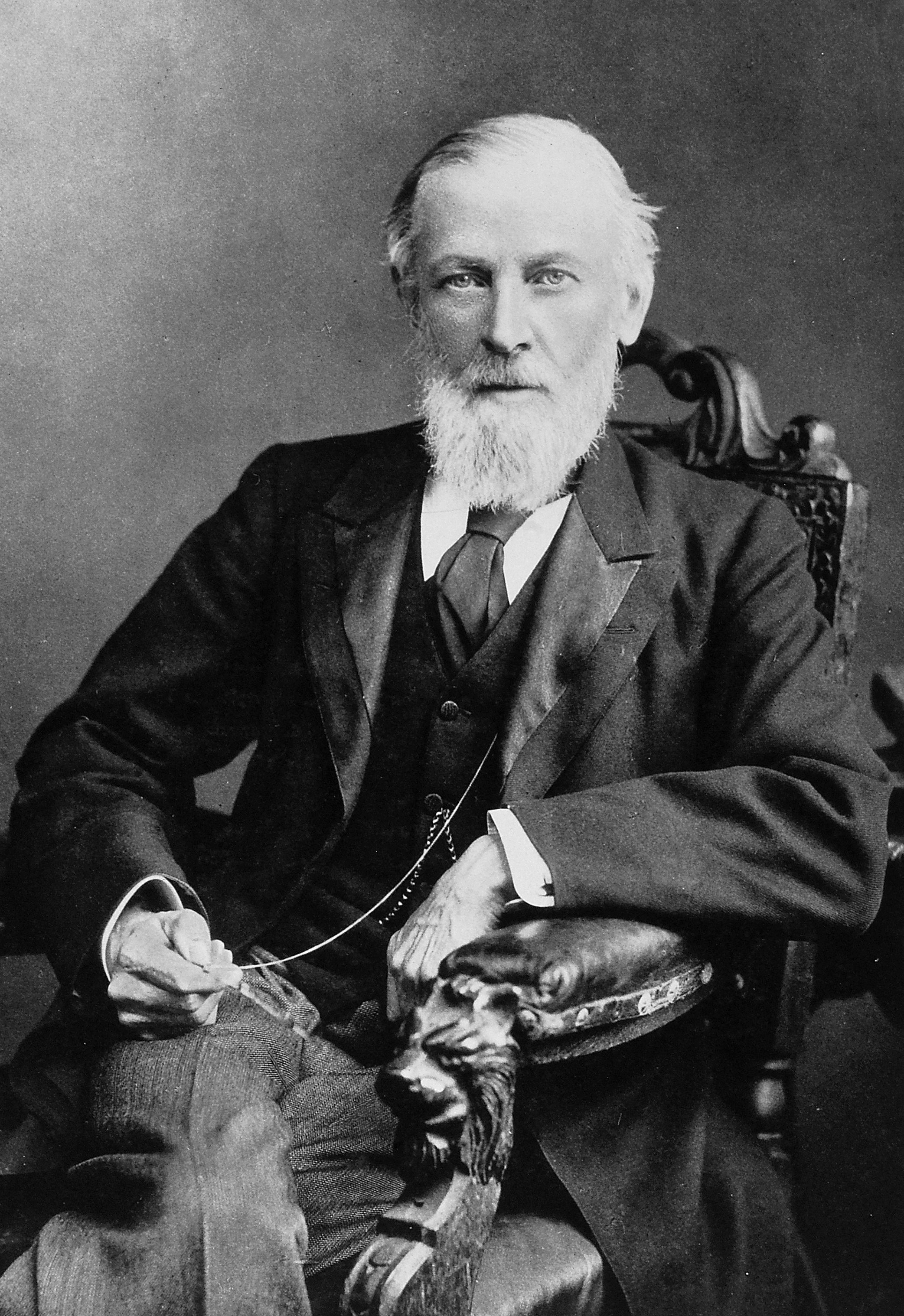
Gowers was physician and Professor of Clinical Medicine at University College, London. He especially distinguished himself in the field of neurology, and the above set is his greatest work.Page 365 of vol. 1 includes …
1880 CE
#4700
Contribution à l’étude de l’idiotàie.
“Bourneville’s disease”, tuberous sclerosis, epiloia (p. 81). Digital facsimile from biuSante.parisdescartes.fr at this link. For the history of the understanding of this disease see the remarkable W…
1883 CE
#4701
De la parésie analgésique à panaris des extrémités supérieures ou paréso-analgésie des extrémités supérieures.
First description of “Morvan’s disease” – a form of syringomyelia.
1883 CE
#4702
Ueber eine dem Bilde der cerebrospinalen grauen Degeneration ähnliche Erkrankung des centralen Nervensystems ohne anatomischen Befund, nebst einigen Bemerkungen über paradoxe Contraction.
“Westphal’s pseudosclerosis”. Later Strümpell’s description of this condition (No. 4709) led to the eponym “Westphal–Strumpell disease”.
1885 CE
#4703
Über eine eigentümliche Form spastischer Lähmung mit Cerebralerscheinungen auf hereditärer Grundlage. (Multiple Sklerose.)
“Pelizaeus–Merzbacher disease” (see No. 4715).
1886 CE
#4704
Ueber eine bestimmte Form der primären combinirten Systemerkrankungen des Rückenmarks.
“Strümpell’s disease” – hereditary spastic spinal paralysis, previously described by Erb and by Charcot.
1887 CE
#4705
On arrested cerebral development, with special reference to its cortical pathology.
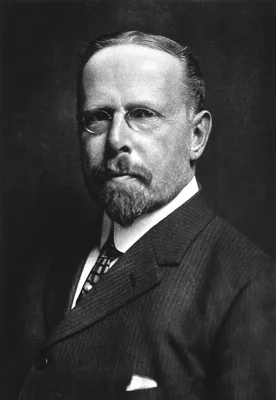
Sachs described the cerebral changes in amaurotic familial idiocy. Earlier, Tay (No. 5918) had recorded the ocular manifestations of this condition, which became known as “Tay-Sachs’s disease”. Two f…
1888 CE
#4706
Ueber die Diagnose der Syringomyelie.
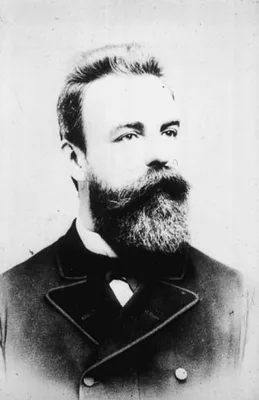
First complete description of syringomyelia.
1892 CE
#4707
Ueber die Beziehungen der senilen Hirnatrophie zur Aphasie.
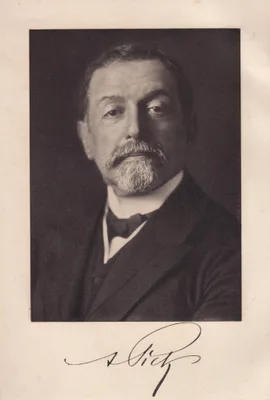
“Pick’s disease” – circumscribed atrophy of the brain with the development of aphasia and presenile dementia.
1892 CE
#4708
A case of complete athetosis with post-mortem.
One of the earliest accounts of bilateral athetosis (“Vogt syndrome”, No. 4720).
1898 CE
#4709
Ueber die Westphal’sche Pseudosklerose und über diffuse Hirnsklerose, insbesondere bei Kindem.
“Westphal-Strümpell disease” – pseudosclerosis of the brain. (See also No. 4702.) Probably cases of Kinnier Wilson’s disease.
1900 CE
#4710
Subacute combined degeneration of the spinal cord.
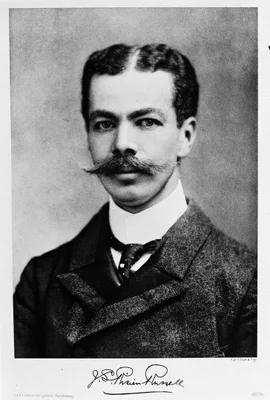
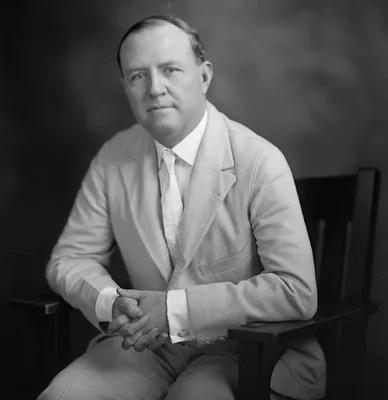
First full description. Order of authorship in the original publication: Russell, Batten, Collier.
1900 CE
#4711
A case of unilateral progressive ascending paralysis, probably representing a new form of degenerative disease.
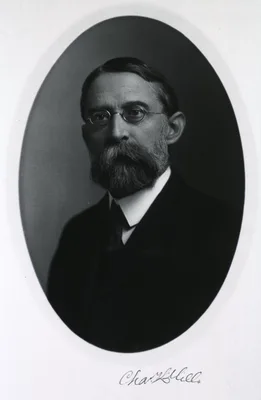
First description of unilateral progressive ascending paralysis (“Mills’s disease”).
1903 CE
#4712
Cerebral degeneration with symmetrical changes in the maculae in two members of a family.
Batten disease, a fatal disease of the nervous system that typically begins in childhood. Onset of symptoms is usually between 5 and 10 years of age. Often, it is autosomal recessive. It is the common name for a group…
1904 CE
#4713
Cerebral degeneration, with symmetrical changes in the maculae, in three members of a family.
“Batten-Mayou disease”, juvenile amaurotic idiocy (see also No. 4712).
1906 CE
#4714
Unilateral ascending paralysis and unilateral descending paralysis.
First description of unilateral descending paralysis.
1908 CE
#4715
Weitere Mitteilungen über eine eigenartige hereditär-familiare Erkrankung des Zentralnervensystems.
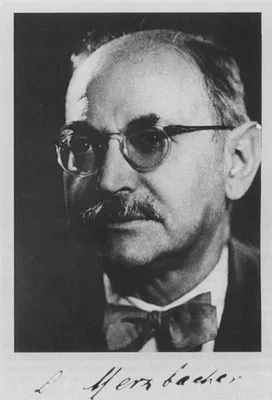
“Pelizaeus-Merzbacher disease”, familial centrolobar sclerosis (see also No. 4703).
1908 CE
#4716
Eine eigentümliche tonische Krampfform mit hysterischen Symptomen.
First description of torsion-spasm, dystonia musculorum deformans; also called “Ziehen–Oppenheim disease” following reports of cases by these writers in Neurol. Zbl., 1911, 30, 109, 1090.
1912 CE
#4717
Progressive lenticular degeneration, a familial nervous disease associated with cirrhosis of the liver.
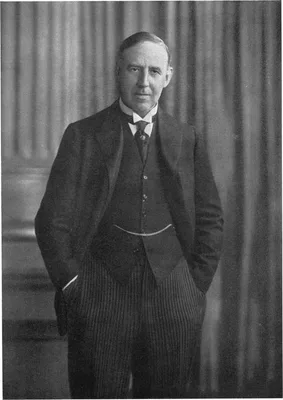
Classic description of progressive familial hepatolenticular degeneration (“Wilson’s disease”), first described by Frerichs in 1861 (see No. 4693), now considered to be a disorder of copper and cerul…
1916 CE
#4718
The histology of disseminated sclerosis.
A classic monograph on the pathology of multiple sclerosis.
1916 CE
#4719
Le syndrome nerveux de l’espace rétro-parotidien postérieur.

“Villaret’s syndrome”.
1920 CE
#4720
Zur Lehre der Erkrankungen des striären Systems.
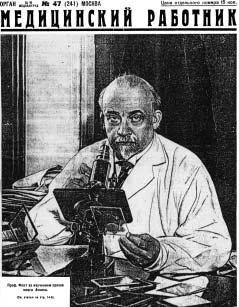
“Vogt syndrome”, disease of the corpora striata.
1920 CE
#4721
Les lésions anatomiques de la maladie de Parkinson.
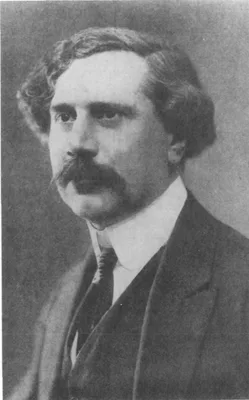
Foix and his colleagues showed that the specific lesion in Parkinson’s disease is in the substantia nigra of the mid-brain.
1921 CE
#4722
Ueber eigenartige Erkrankungen der Zentralnervensystems mit bemerkenswertem anatomischem Befunde. (Spastische Pseudosklerose — Encephalomyclopathie mit disseminirrten Degenerationsherden.)
“Creutzfeld-Jakob disease”, spastic pseudosclerosis. Traditionally considered to have been independently discovered by Creutzfeld, but in the 21st century recognized as a discovery by Jakob alone. See also…
1921 CE
#4723
Rapport sur les syndromes parkinsoniens.
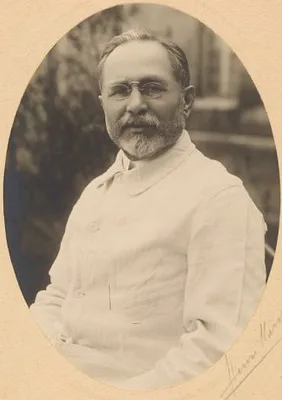
Souques recognized the importance of encephalitis lethargica as a cause of Parkinsonism; more than any other neurologist he was responsible for unifying its diverse manifestations.
1922 CE
#4724
Eigenartige Erkrankung in extrapyramidalen System mit besonderer Beteiligung des Globus pallidus und der Substantia nigra.
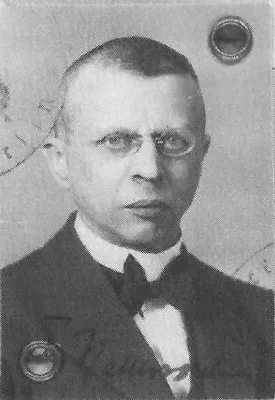
The (extrapyramidal) syndrome of Hallervorden and Spatz.
1936 CE
#4725
Contribution à l’étude des syndromes du globe pâle. La dégénérescence progressive du globe pâle et de la portion réticuléé de la substance noire (maladie d’Hallervorden–Spatz).
Clovis Vincent, a pioneer French neurosurgeon, contributed a valuable study of Hallervorden–Spatz disease.
1946 CE
#4726
Ueber Parpanit, einen neuen estrapyramidal-motorische Störungen beeinflussenden Stoff.
Introduction of caramiphen (“parpanit”) in the treatment of Parkinson’s disease.
1946 CE
#4727
Le traitement de la maladie de Parkinson par le chlorhydrate de diéthylaminoéthyl-N-thiodiphénylamine (2987 R.P.). Premiers résultats.
Introduction of “diparcol” in the treatment of Parkinson’s disease. With D. Boyet and G. Dumont.
1949 CE
#4728
Un nouveau médicament symptomatique des syndromes parkinsoniens: le chlorhydrate de [(diéthylamino-2’-methyl-2’) éthyl-1-’] N-dibenzoparathiazine.
Introduction of ethopropazine (“lysivane”) in the treatment of Parkinson’s disease.
1949 CE
#4729
Trihexyphenidyl. Evaluation of the new agent in the treatment of parkinsonism.
Clinical introduction of benzhexol (“artane”) in Parkinson’s disease.
1740 CE
#4731
A case of extraordinary exostoses on the back of a boy.
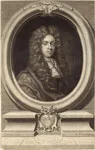
Probably the earliest description of myositis ossificans progressiva. Freke was a friend of Fielding, who mentioned him in Tom Jones.
1849 CE
#4732
Recherches faites à l’aide du galvanisme sur l’état de la contractilité et de la sensibilité électro-musculaires dans les paralysies des membres superieures.
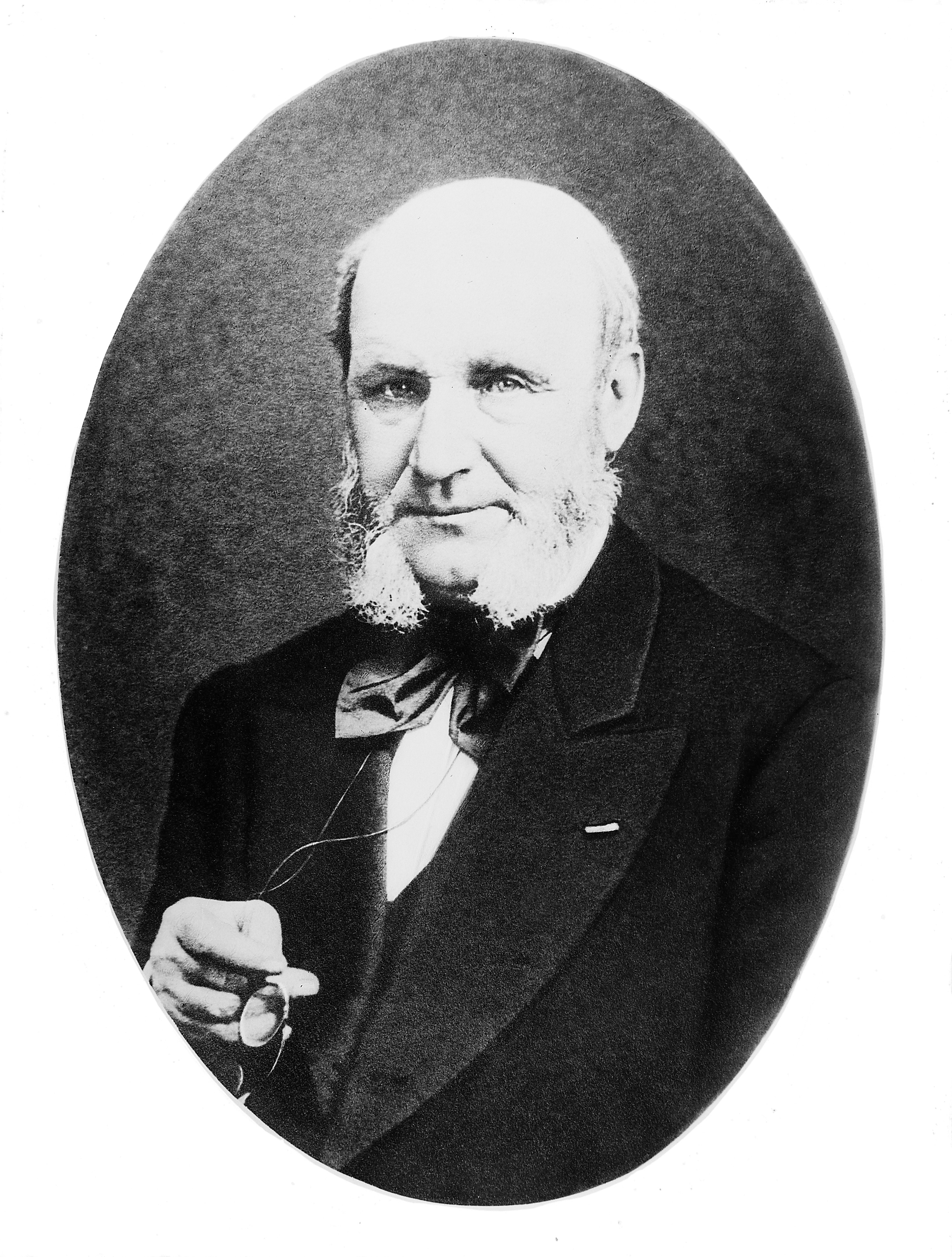
“Aran–Duchenne disease”, progressive muscular atrophy, with which the name of Cruveilhier is also associated. A fuller account is included in Duchenne’s Électrisation localisée, 1…
1850 CE
#4733
Recherches sur une maladie non encore décrite du système musculaire. (Atrophie musculaire progressive).
“Aran–Duchenne disease” (see No. 4732)
1852 CE–1853 CE
#4734
Sur la paralysie musculaire, progressive, atrophique.
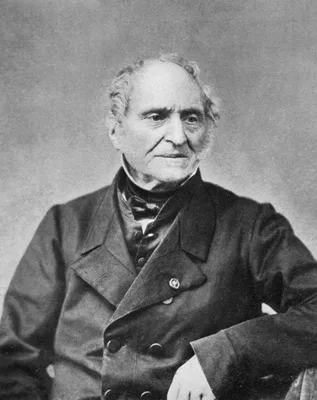
“Cruveilhier’s palsy”, the progressive muscular atrophy already described by Duchenne and Aran. The slimness of the anterior roots was first noticed by Cruveilhier and was thought to be the essential…
1860 CE
#4736
Paralysie musculaire progressive de la langue, du voile du palais et des lévres; affection non encore décrite comme espèce morbide distincte.
First description of chronic progressive bulbar paralysis (“Duchenne’s paralysis”).
1860 CE
#4737
Atrophie musculaire progressive. Lésions histologiques de la substance grise de la moëlle épinière.
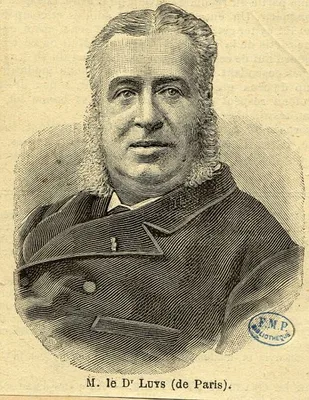
Luys was the first to note the degeneration of the anterior horn cells in progressive muscular atrophy.
1865 CE
#4738
Ueber Muskelhypertrophie.
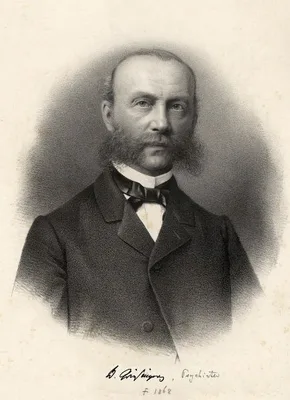
Progressive muscular dystrophy with pseudo-hypertrophy. From the description given later by Duchenne (No. 4739) the condition has been named “Duchenne-Griesinger disease”.
1868 CE
#4739
Recherches sur la paralysie musculaire pseudo-hypertrophique, ou paralysie myo-sclérosique.
“Duchenne muscular dystrophy”. English translation of first portion in Bick, Classics of orthopaedics, 72-75.
1869 CE
#4740
Deux cas d’atrophie musculaire progressive avec lésions de la substance grise et des faisceaux antéro-latéraux de la moëlle épinière.
Description of the lesions of the spinal cord in muscular atrophy.
1869 CE
#4741
Ueber Myositis ossificans progressiva.
Münchmeyer described a form of progressive ossifying myositis (“Münchmeyer’s disease”).
1874 CE
#4742
Des amyotrophies spinales chroniques.
Charcot differentiated between the ordinary (Aran–Duchenne) type of muscular atrophy and the rarer amyotrophic lateral sclerosis, (ALS), at one time called “Charcot’s disease,” but more frequen…
1875 CE–1876 CE
#4743
Klinik der Rückenmarks-Krankheiten. Bd. 2, pt.2.
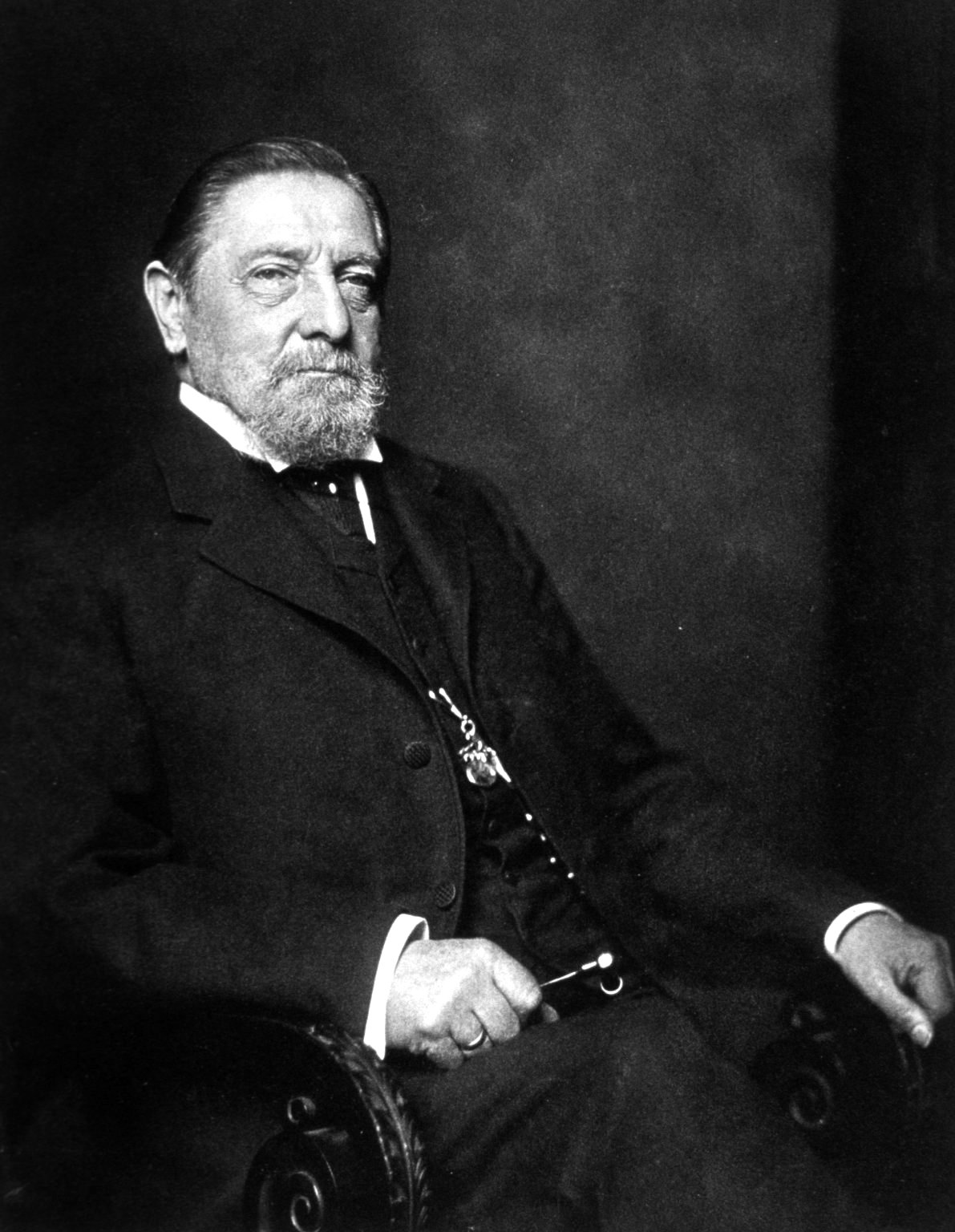
First description of myotonia congenita occurs on p. 550.
1876 CE
#4744
Tonische Krämpfe in willkürlich beweglichen Muskeln in Folge von ererbter psychischer Disposition (Ataxia muscularis?).
Thomsen suffered from muscle weakness and cramps, an issue that all his sons inherited. Realizing that this was a hereditary disease, Thomsen managed to trace the disease for six generations, and found over 20 cases o…
1877 CE
#4745
On cerebritis, hysteria, and bulbar paralysis, as illustrative of arrest of function of the cerebro-spinal centres.
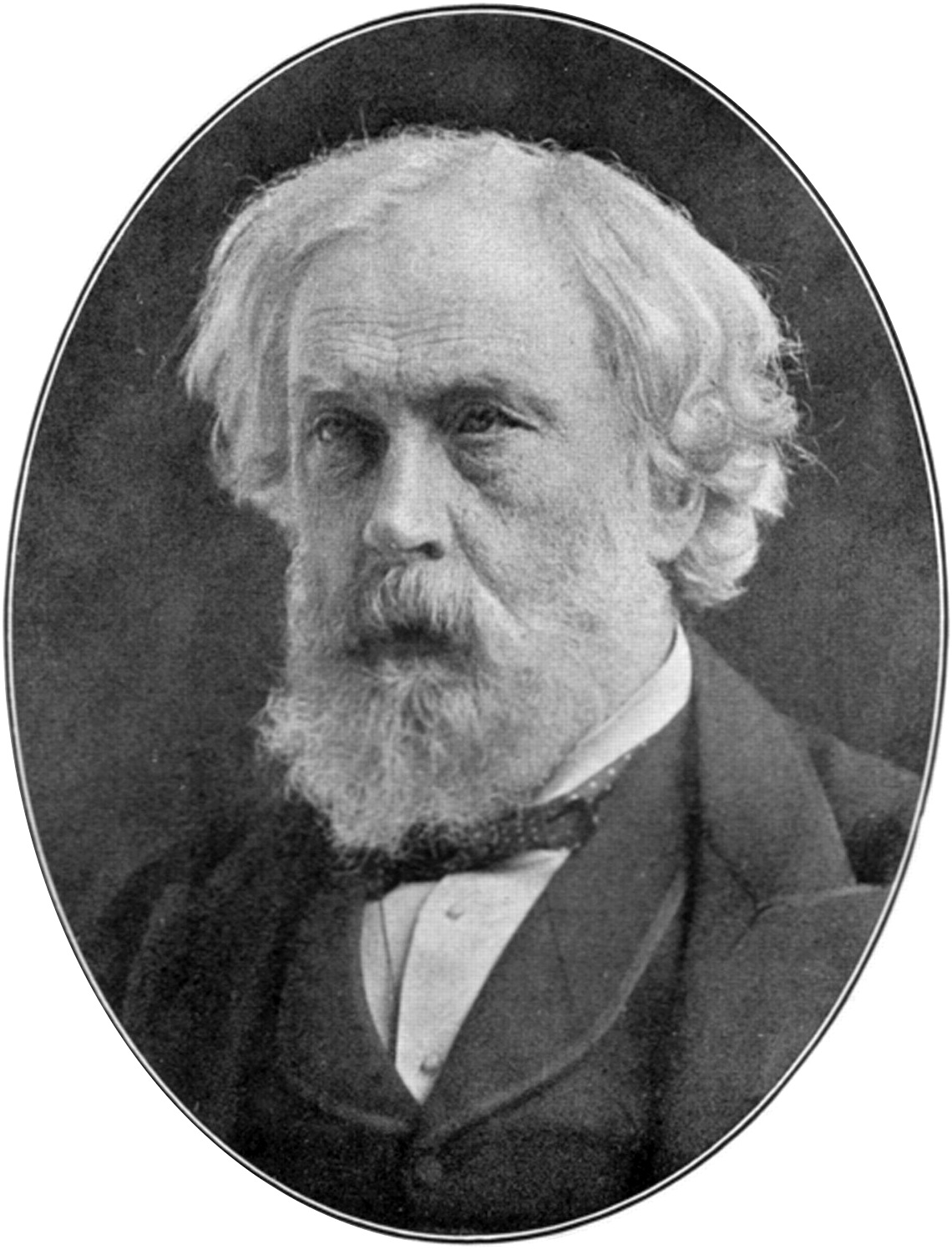
The case of “bulbar paralysis” (pp. 45-55) is believed to be the first definite record of myasthenia gravis.
1879 CE
#4746
Ueber einen eigenthümlichen bulbären (?) Symptomenkomplex.
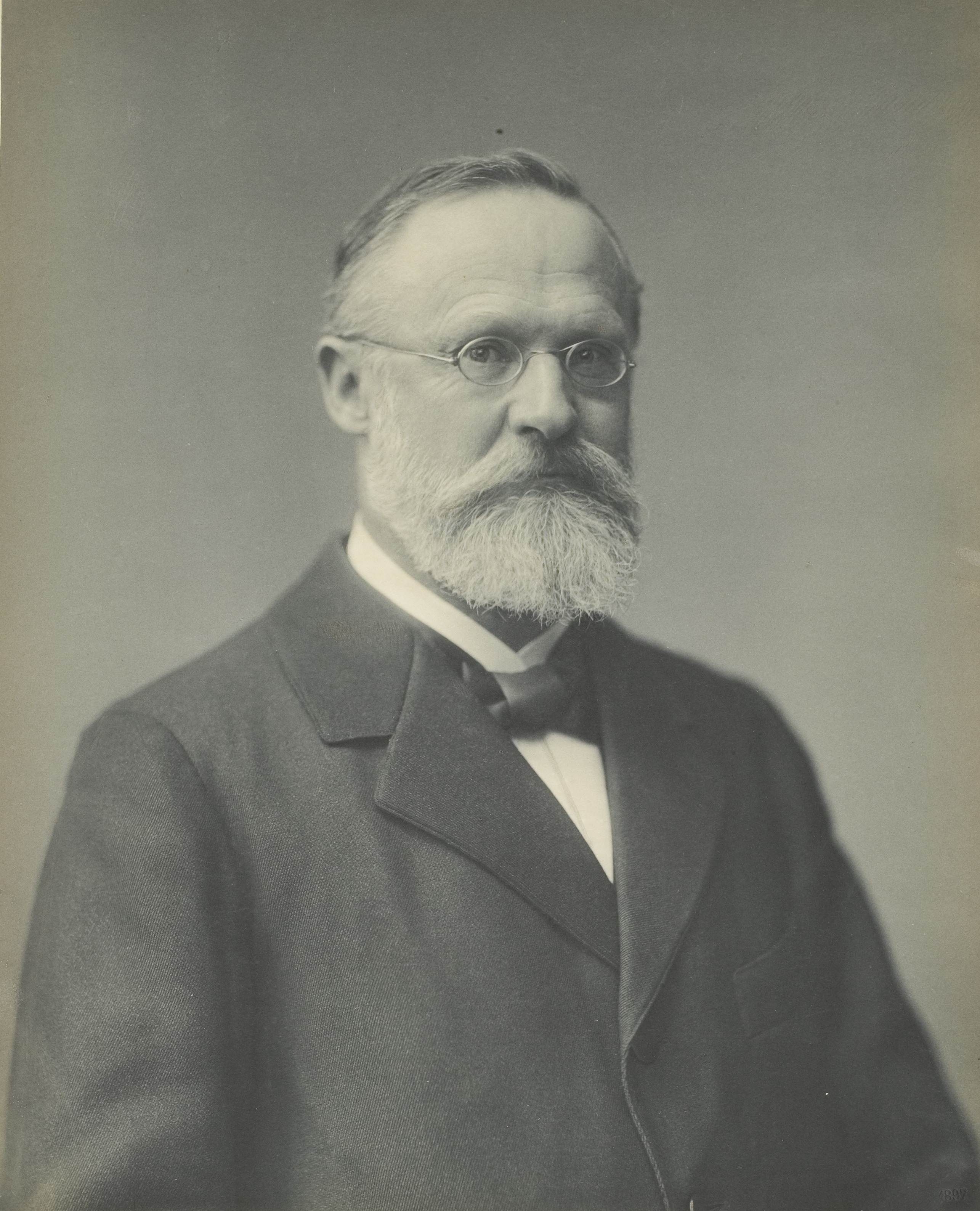
Myasthenia gravis (“Erb-Goldflam disease”; see also No. 4757). A further paper on the subject by Erb appears in the above volume, pp. 325-50.