
Entry Nos. 5600–5699
99 Garrison-Morton entries in this range.
1800 CE
#5646
Researches, chemical and philosophical, chiefly concerning nitrous oxide.
Davy discovered the anesthetic properties of nitrous oxide and suggested its use during surgical operations. This suggestion was applied until 1844 when the American dentist Horace Wells volunteered to have the effect…
1824 CE
#5647
A letter on suspended animation, containing experiments showing that it may be safely employed during operations on animals, with a view of ascertaining its probable utility in surgical operations on the human subject.
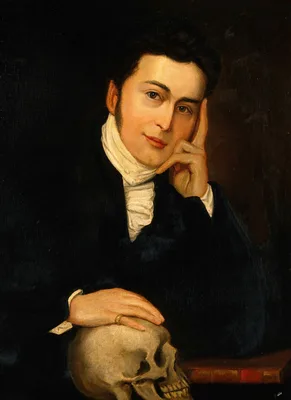
Hickman was the first to prove that the pain of surgical operations could be abolished by the inhalation of a gas. He rendered animals unconscious, first through partial asphyxiation by the exclusion of air, then by i…
1846 CE
#5651
Insensibility during surgical operations produced by inhalation.
William T. G. Morton used ether as an anesthetic for the first time on 16 October 1846 during at operation by John Collins Warren to remove a benign angioma under the jaw of a patient at Massachusetts General Hospital…
1846 CE
#5652
Circular. Morton’s Letheon.
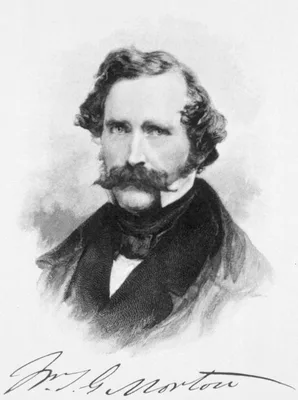
Unaware of Crawford Long’s results with ether, Morton, having been informed of the anesthetic effects of ether by Charles T. Jackson, promoted its anesthetic effects. To do so he published the above circular, in…
1847 CE
#5653
Remarks on the proper mode of administering sulphuric ether by inhalation.
This 44-page pamphlet was the first American manual on the administration of anesthesia. In it Morton announced that his method of producing anesthesia was obtained by the inhalation of sulphuric ether. He subsequentl…
1847 CE
#5654
Note touchant l’action de l’ether sur les centres nerveux.
On 8 March 1847, Flourens announced that chloroform had an anesthetic effect analogous to that of ether. Little notice seems to have been taken of his paper, but later in the year Simpson independently demonstrated th…
1847 CE
#5655
Nouveau procédé pour produire, au moyen de la vapeur d’éther, l’insensibilité chez les individus soumis à des opérations chirurgicales.
Pirogov was the first to practise rectal etherization, suggested by Roux earlier in 1847.
1847 CE
#5656
Recherches pratiques et physiologiques sur l’éthérisation.
Pirogov, the great military surgeon, was with Syme the first in Europe to adopt ether anesthesia, and he left an interesting account of his experiences with it. Digital facsimile from the Hathi Trust at this link.
1847 CE
#5657
Discovery of a new anaesthetic agent, more efficient than sulphuric ether.
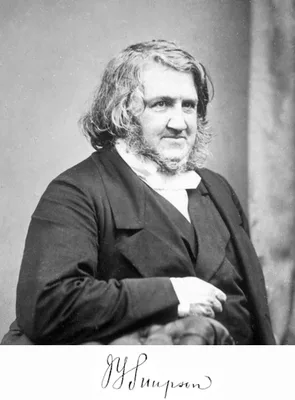
In an attempt to find an anesthetic less irritating than ether, Simpson discovered the advantages of chloroform. He had previously used ether with great benefit in midwifery, but now substituted chloroform, being the …
1847 CE
#5658
On the inhalation of the vapour of ether in surgical operations.
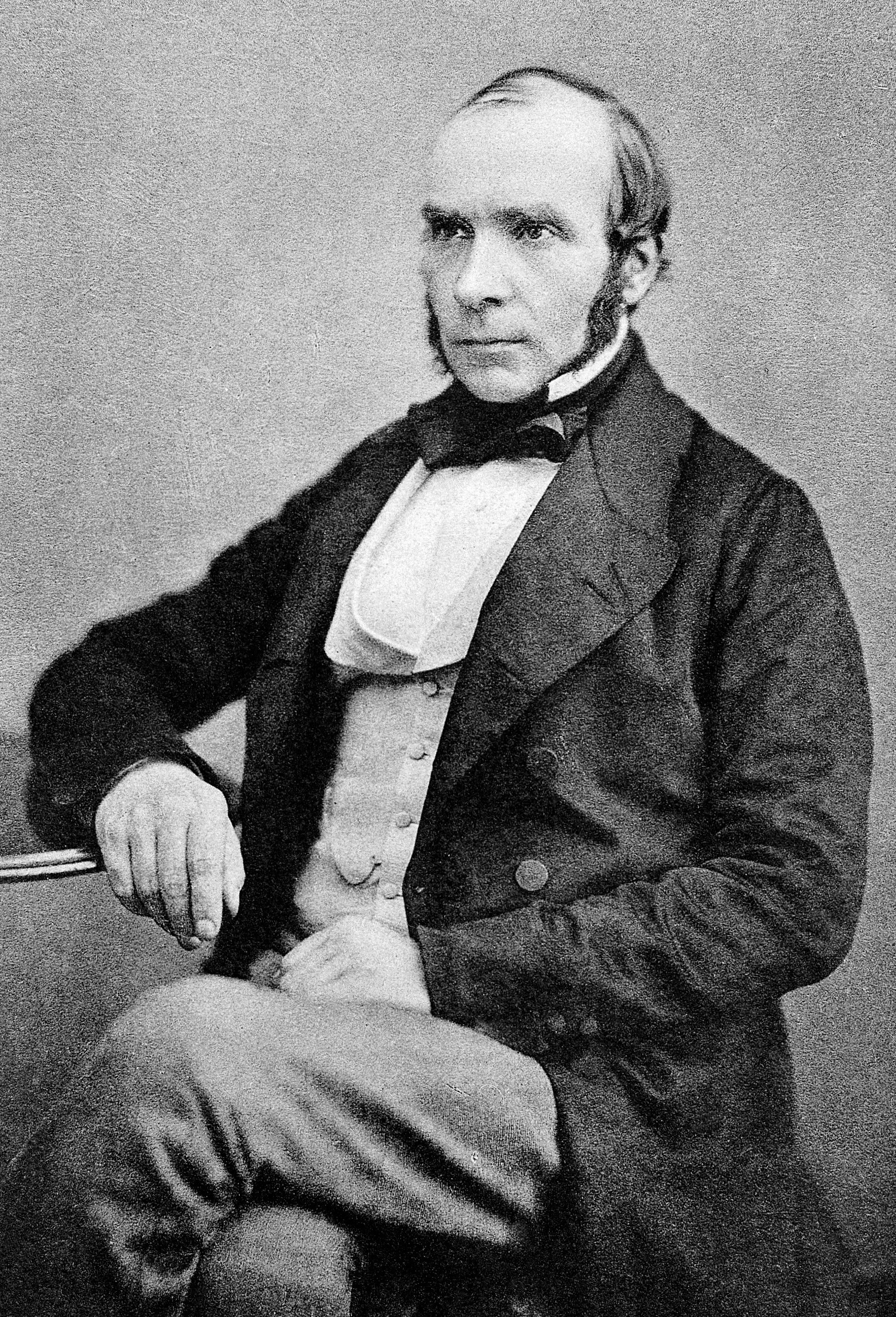
Includes an account of Snow’s regulating inhaler, the first to control the amount of ether vapor by the patient. This pamphlet, which appeared in October 1847, was the second treatise on ether anesthesia, after …
1847 CE–1848 CE
#5659
On the use of ether in the performance of surgical operations.
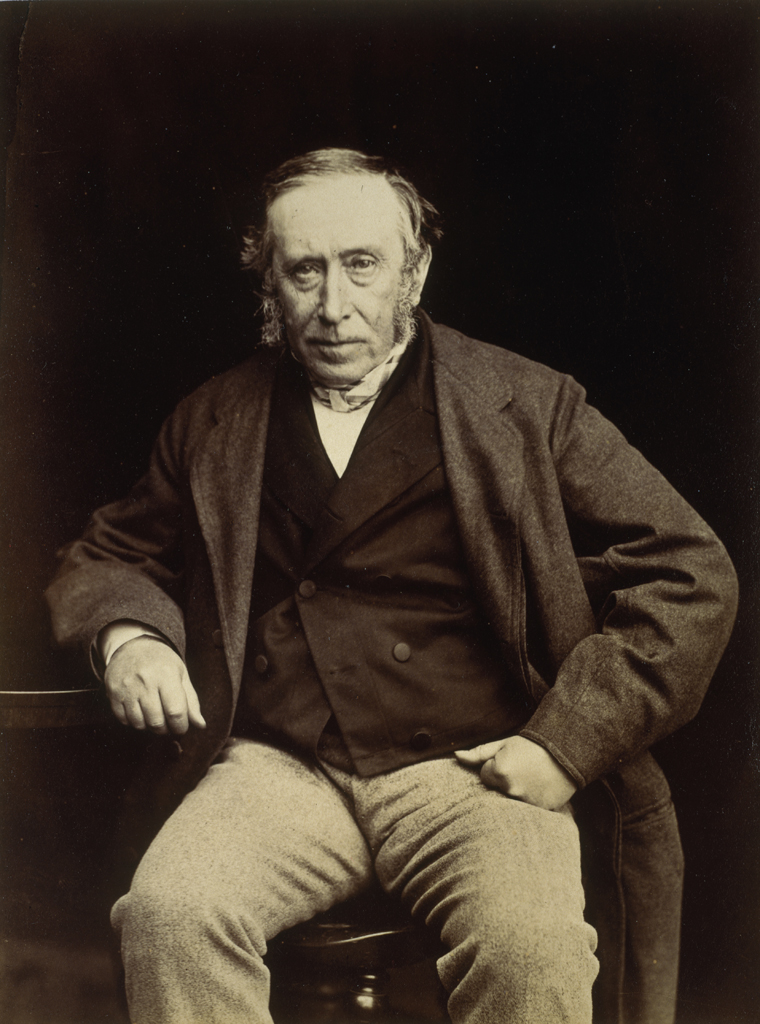
Syme was, with Pirogov, the first in Europe to adopt ether anesthesia in surgical operations.
1847 CE
#5660
A history of the discovery of the application of nitrous oxide gas, ether, and other vapours, to surgical operations.
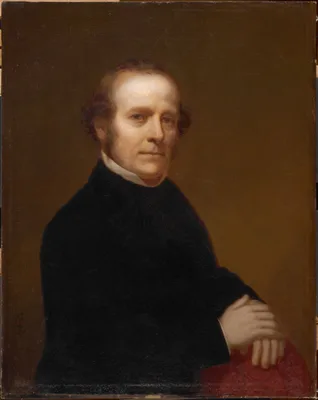
In 1844 Wells, a Hartford dentist, successfully used nitrous oxide as a dental anesthetic. To publicize his discovery, he arranged a demonstration at Harvard Medical School in January 1845, but this proved a fiasco. W…
1848 CE
#5661
A treatise on etherization in childbirth.
Channing was an early advocate of anesthesia in obstetrics. In his book, and in several earlier papers, he brought the importance of this branch of anesthesia into the foreground.
1848 CE
#5662
Die Versuche mit dem Schwefeläther, Salzäther und Chloroform.
Introduction of ethyl chloride in anesthesia.
1848 CE
#5663
On the inhalation of chloroform and ether. With description of an apparatus.
Snow’s chloroform inhaler.
1849 CE
#5664
An account of the first use of sulphuric ether by inhalation as an anaesthetic in surgical operations.
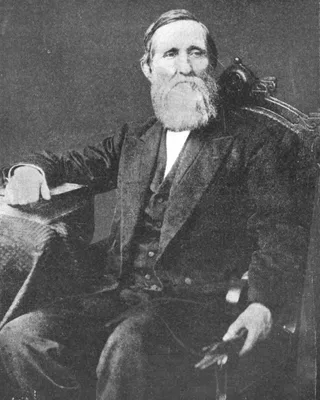
There is no doubt that Long was the first successfully to use ether vapor as an anesthetic. This was on 30 March 1842, at Jefferson, Georgia. Unfortunately he did not publish his results until others, notably Morton, …
1850 CE
#5665
On narcotism by the inhalation of vapours.
Snow attempted carbon dioxide absorption.
1858 CE
#5666
On chloroform and other anaesthetics: Their action and administration. Edited, with a memoir of the author, by Benjamin W. Richardson.
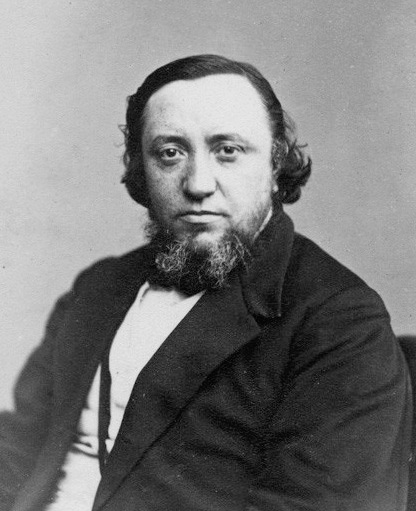
Snow, the first specialist in anesthesiology, delivered Queen Victoria with the aid of chloroform in 1853 and 1857. This work was edited for publication after Snow's premature death by Richardson, who included a biogr…
1864 CE
#5667
Ueber die Einwirkung von Wasserstoff auf Einfach-Chlorkohlenstoff.
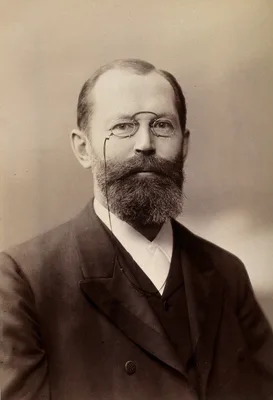
Discovery of trichlorethylene by Emil Fischer while working on the preparation of tetrachloroethylene.
1867 CE
#5668
Description of a new apparatus for administering narcotic vapors.
Junker’s chloroform inhaler.
1868 CE
#5669
The oxygen mixture; a new anesthetic combination.
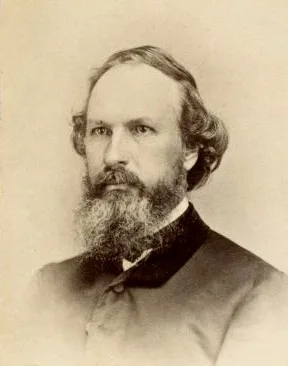
Andrews advocated the use of an oxygen-nitrous mixture.
1872 CE
#5670
Sur l’action combinée de la morphine et du chloroforme.

Labbe and Guyon developed pre-anesthetic medication.
1873 CE
#5671
Description of a new double current inhaler for administering ether.
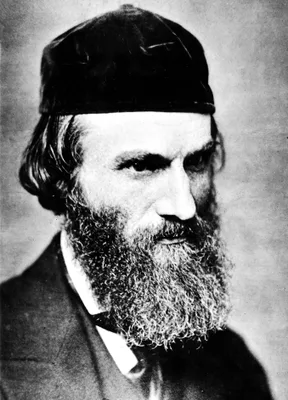
Clover’s gas-ether inhaler.
1874 CE
#5672
De l’anesthésie produite chez l’homme par les injections de chloral dans des veines.
First successful human intravenous anesthesia. Oré, professor of physiology at Bordeaux, reported the successful use of this method in animals in Bull. Soc. Chir. Paris, 1872, 3 sér., 1, 400-12. See also…
1875 CE
#5673
Leçons sur les anesthésiques et sur l’asphyxie.
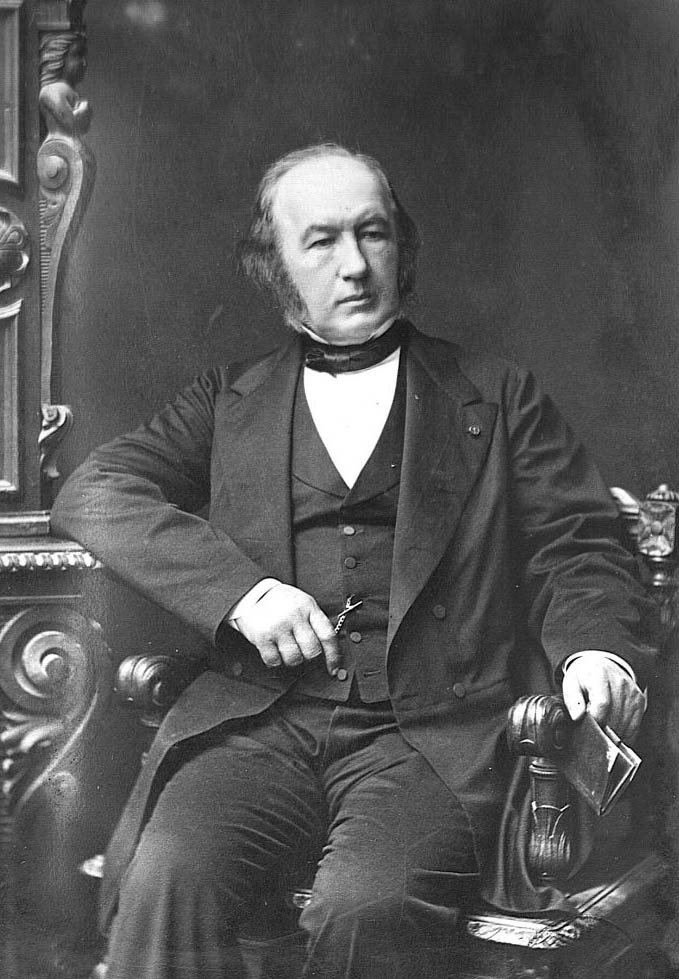
As early as 1864 Bernard discovered that chloroform anesthesia could be prolonged and intensified by the injection of morphine. J. N. von Nussbaum also observed this. English translation by B. Fink, Park Ridge, 1989.
1876 CE
#5674
On an apparatus for administering nitrous oxide gas and ether, singly or combined.
Clover’s ether inhaler. See also the same journal, 1877, 1, 69. He invented an inhaler in 1862; this was described, but not by Clover, in Med. Times Gaz., 1862, 2, 149.
1880 CE
#5676
Clinical observations on the introduction of tracheal tubes by the mouth instead of performing tracheotomy or laryngotomy.
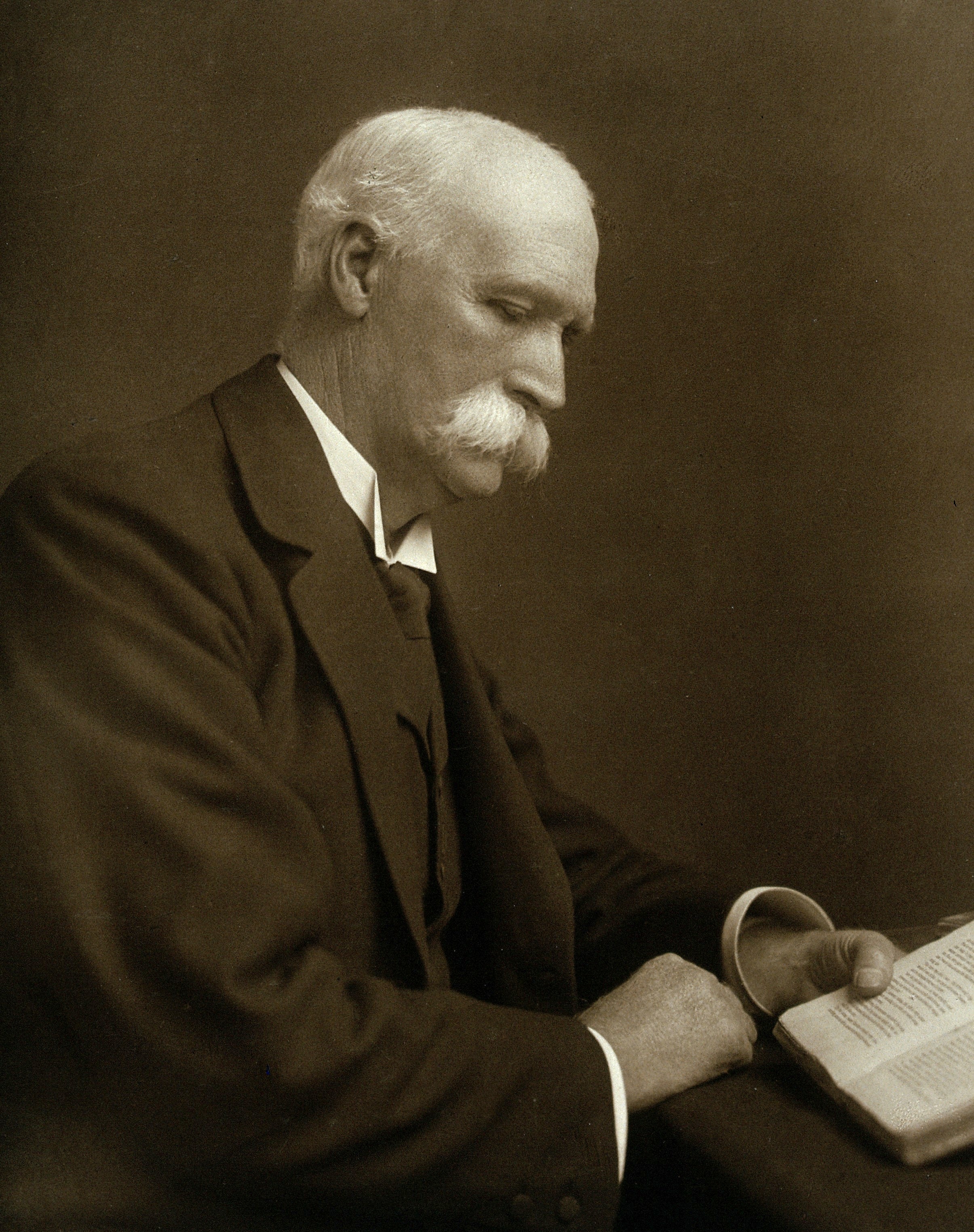
First administration of an anesthetic (chloroform) through a metal tracheal tube introduced by the mouth (endotracheal anesthesia).
1882 CE
#5677
Über Trimethylene.
Cyclopropane (trimethylene) first prepared.
1884 CE
#5678
Vorläufige Mitteilung über locale Anästheserung am Auge.
Introduction of cocaine as a local anesthetic; this was the first local anesthetic employed (16 September 1884). Freud (No. 1880.1) is accredited by some with this innovation, but in this connection see the letter by …
1885 CE
#5679
Practical comments on the use and abuse of cocaine; suggested by its invariably successful employment in more than a thousand minor surgical operations.
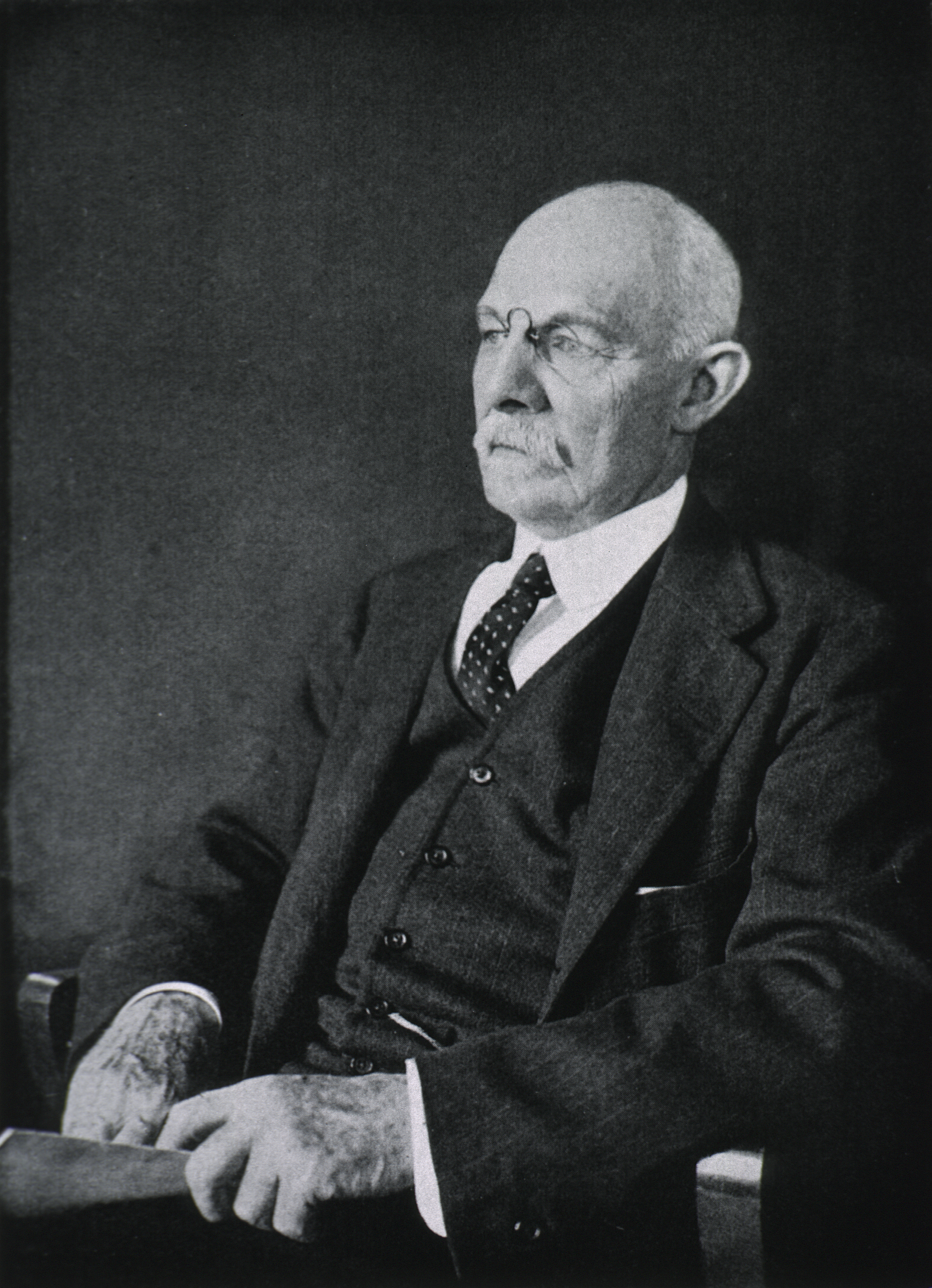
The first experiments on local infiltration anesthesia were made by Halsted, who even produced anesthesia by the intradermal injection of water. Through the process of self-experimentation Halsted became addicted to c…
1885 CE
#5680
Spinal anaesthesia and local medication of the cord.
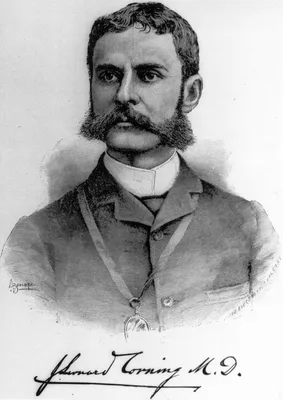
Spinal anesthesia introduced. Corning showed experimentally that cocaine exerts a prolonged anesthetic effect while arresting the circulation in the anesthetized area. He first described injection of cocaine between t…
1890 CE
#5681
Ueber Cocainanasthesie.
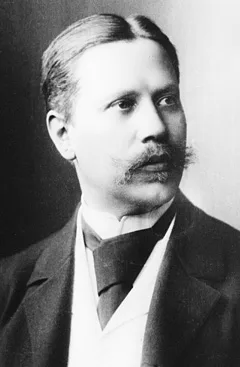
Maximilian Oberst’s method of conduction anesthesia was first reported by Pernice, his pupil.
1893 CE
#5682
Anaesthetics and their administration.
Hewitt, anesthetist to Edward VII, did much to develop the use of ether, and advanced our knowledge of the pharmacology of anesthetics. In 1892 he introduced the first practical gas and oxygen apparatus.
1892 CE
#5683
Infiltrationsanästhesie (locale Anästhesie) und ihr Verhältniss zur allgemeinen Narcose (Inhalationsanästhesie).
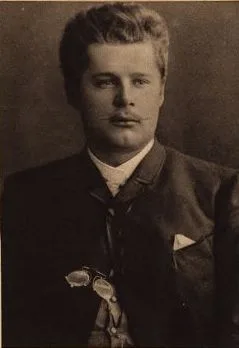
Infiltration anesthesia was developed by Schleich after pioneer work by Halsted (No. 5679) Schleich published a paper in English on the subject in Int. Clin., 1895, 5 ser., 2, 177-92.
1899 CE
#5684
Versuche über Cocainisirung des Rückenmarkes.
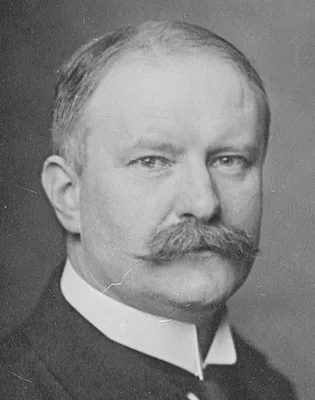
Bier introduced the use of cocaine as a spinal anesthetic.
1899 CE
#5685
Ueber die Chemie der localen Anaesthetica.
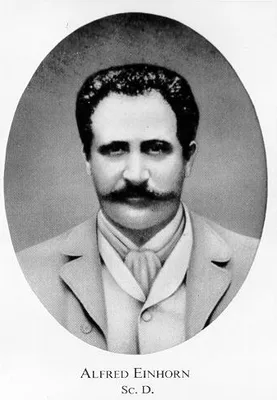
Synthesis of procaine (novocaine).
1901 CE
#5686
Une nouvelle voie d’injection rachidienne. Méthode des injections épidurales par le procédé du canal sacré. Applications à l’homme.
Caudal anesthesia.
1901 CE
#5688
Studien über die Narkose.
Overton developed the lipid theory of narcosis.
1902 CE
#5689
On the avoidance of shock in major amputations by cocainization of large nerve-trunks preliminary to their division.
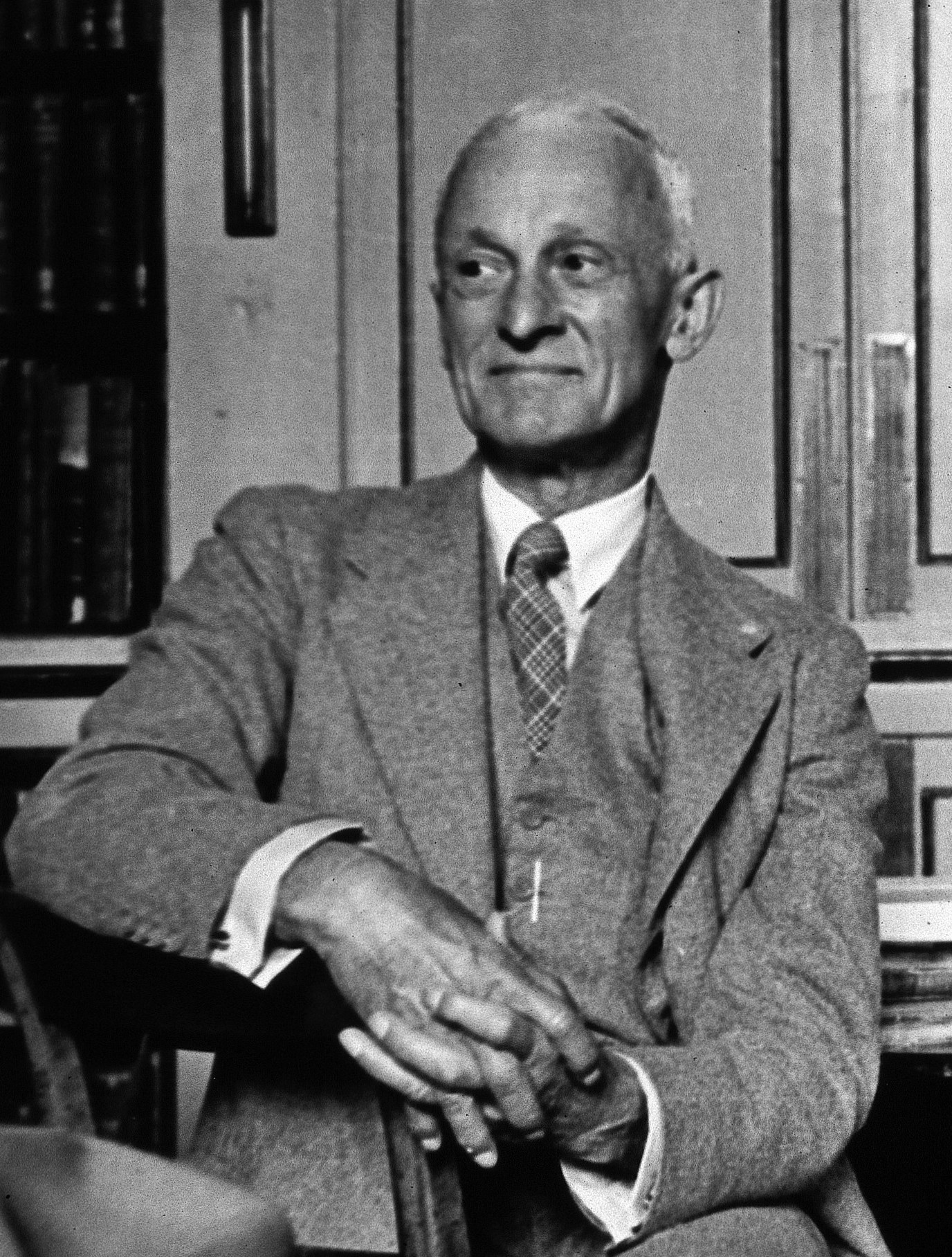
William S. Halsted was first to use infiltration anesthesia (see No. 5679) and it was later developed by Cushing.
1904 CE
#5690
Stovaine, anesthésique locale.
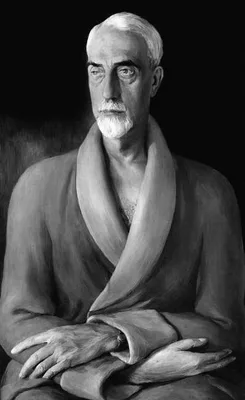
Introduction of stovaine, 1903.
1905 CE
#5691
Die Lokalanästhesie, ihre wissenschaftliche Grundlagen und praktische Anwendung.
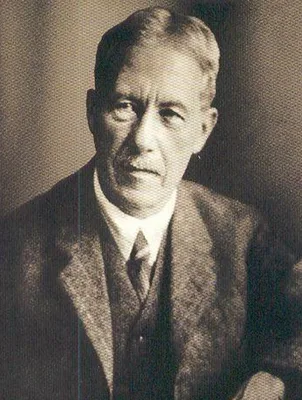
Braun’s important book on local anesthesia greatly stimulated the development of that subject. English translation, Philadelphia, 1914.
1905 CE
#5692
Uebereinige neue örtliche Anaesthetica (Stovain, Alypin, Novocain).
Procaine (novocaine), synthesized by Einhorn, was first used clinically by Braun.
1905 CE
#5693
Perorale Tubagen mit und ohne Druck.
Kuhn introduced the intratracheal insufflation method of anesthetization about 1900; he used a flexible metal tube and a curved introducer. He also experimented with positive and negative pressure insufflation.
1909 CE
#5694
Continuous respiration without respiratory movements.
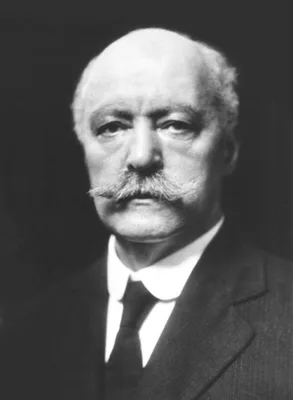
Meltzer and Auer experimented further with the intratracheal insufflation method introduced by Kuhn (No. 5693).
1910 CE
#5695
Zur Narkose beim Menschen mittelst der kontinuierlichen intratrachealen Insufflation von Meltzer.
The clinical introduction of Meltzer and Auer’s method of intratracheal insufflation marks the beginning of modern endotracheal anesthesia. Also reported in Ann. Surg., 1910, 52, 23-29.
1911 CE
#5696
Experimentelle Studien über den Einfluss technisch und hygienisch wichtiger Gase und Dämpfe auf den Organismus. Die gechlorten Kohlenwasserstoffe der Fettreihe.
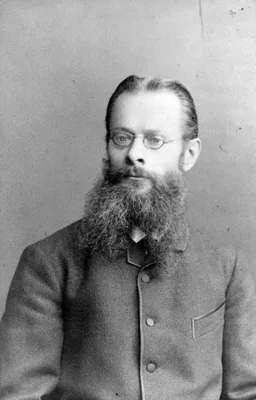
Introduction of trichlorethylene (“trilene”).
1911 CE
#5697
Nitrous oxide-oxygen anaesthesia. With a description of a new apparatus.
Intermittent gas-oxygen machine.
1912 CE
#5698
Nitrous oxide-oxygen-ether anesthesia: notes on administration; a perfected apparatus.
Boothby and Cotton’s flowmeter.
1913 CE
#5699
Oil-ether anaesthesia.
Gwathmey produced anesthesia by injection into the rectum of liquid ether with olive oil dissolved in it (synergistic anesthesia). Faulconer & Keys report that by 1930 Gwathmey was able to report 20,000 successful cas…