Entry Nos. 6200–6299
96 Garrison-Morton entries in this range.
1924 CE
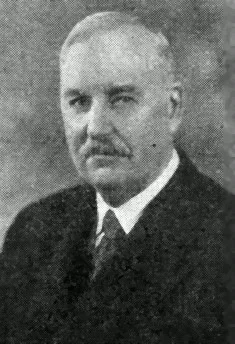
#6252
Césarienne suivie d’extériorisation temporaire de l’utérus et de réintégration secondaire dans le bassin.
Portes operation – the classic Caesarean section followed by temporary exteriorization of the uterus. More fully described in Gynéc. et Obstét., 1924, 10, 225-50.
1701 CE
#6253
Manuale operatien, I. deel zijnde een neiuw ligt voor vroed-meesters en vroed-vrouen.
This work gives the first accurate description of the female pelvis and its deformities, and the effect of the latter in complicating labor. The first edition contains a relatively unattractive frontispiece portrait o…
1762 CE
#6254
A singular case of the separation of the ossa pubis.
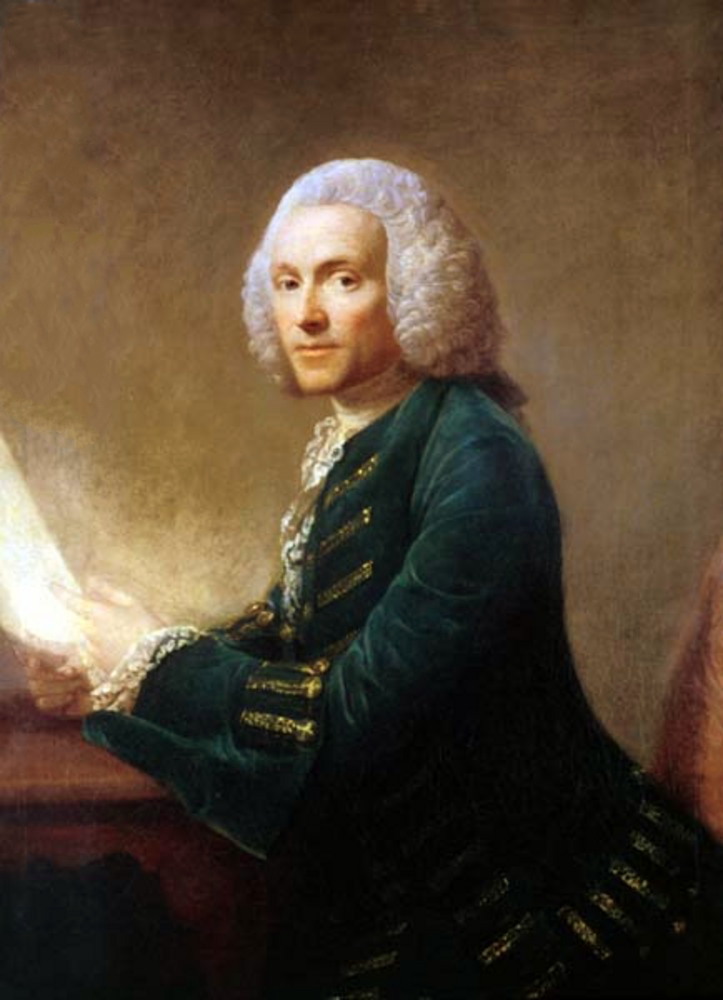
A case of osteomalacic pelvis was reported to Hunter by a country practitioner.
1781 CE
#6255
L’art des accouchemens. 2 vols.
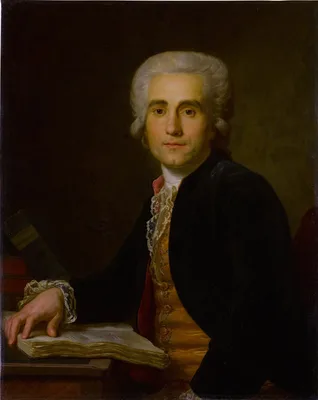
Baudelocque invented a pelvimeter and advanced the knowledge of pelvimetry and of the mechanism of labor. The external conjugate diameter is known as “Baudelocque’s diameter”. English translation, Lo…
1825 CE
#6256
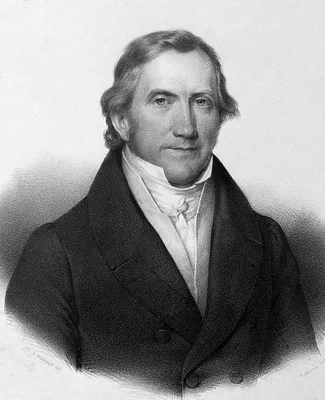
Das weibliche Becken.
1839 CE
#6257
Das schräg verengte Becken nebst einem Anhange über die wichtigsten Fehler des weiblichen Beckens überhaupt.
First description of the obliquely contracted pelvis, or “Naegele pelvis”. Because of its rarity and the difficulty of recognizing it clinically in living subjects, the obliquely contracted pelvis, with it…
1839 CE
#6258
Beyträge zur Kenntniss der Rückgrathskrümmungen, und der mit demselben zusammentreffenden Abweichungen des Brustkorbes und Beckens.
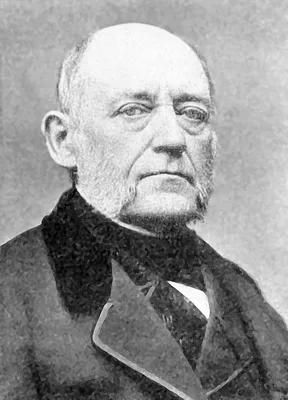
Original description of spondylolisthesis.
1851 CE
#6259
Das enge Becken: nach eigenen Beobachtungen und Untersuchungen.
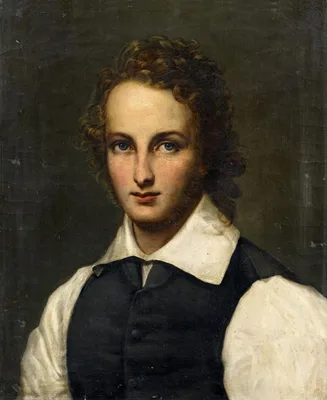
First important work dealing with pelvic deformities since the time of van Deventer. It is a pioneer work in the literature dealing with pelvic architecture; Michaelis was one of the first to differentiate between the…
1853 CE
#6260
Das schräg-ovale Becken.
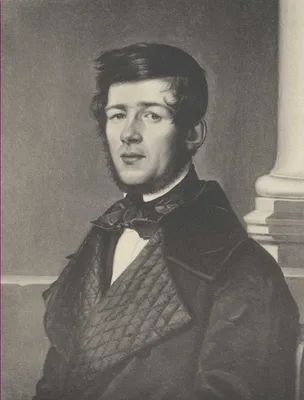
Litzmann (see also No. 6263) described in this work the coxalgic, scoliotic and kyphoscoliotic forms of pelvis.
1854 CE
#6261
Schilderungen neuer Beckenformen und ihres Verhaltens im Leben.
First description of pelvis spinosa.
1854 CE
#6262
De spondylolisthesi gravissimae pelvangustiae causa nuper detecta.
An important study of the spondylolisthetic pelvis, which Kilian called “pelvis obtecta”.
1861 CE
#6263
Die Formen des Beckens, insbesondere des engen weiblichen Beckens.
Litzmann devised a clinical classification of pelves which was for many years generally used, and he described various deformities of the female pelvis.
1885 CE
#6264
Neuer Beitrag zur Aetiologie und Casuistik der Spondyl-olisthesis.
1900 CE–1904 CE
#6265
Die pathologischen Beckenformen.
Classic description and classification of pelvic deformities.
1933 CE
#6266
Anatomical variations in the female pelvis and their effect in labor, with a suggested classification.
The modern classification of the female pelvis is based on the work of Caldwell and Moloy.
1923 CE
#6267
Epidemics 1, case 4. In: [Works] with an English translation by W.H. Jones.
![HIPPOCRATES, [Ἱπποκράτης; Hippocrates of Kos] (-460 – -370)](/media/portraits/50)
The earliest known description of puerperal fever.
1751 CE
#6268
An essay towards a complete new system of midwifery, theoretical and practical.
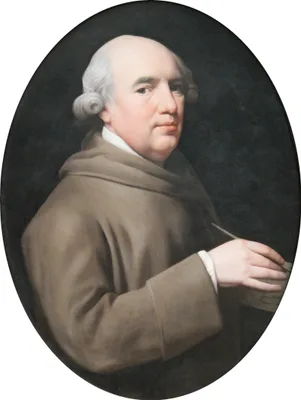
Burton was the first to suggest that puerperal fever is contagious, and the first to give a detailed discussion of Caesarean section. Laurence Steme satirized him as “Dr. Slop” in The life and opinions of …
1772 CE
#6269
Practical observations on the child-bed fever.
Leake insisted on the contagious nature of puerperal fever. Reprinted, London, Sydenham Society, 1949.
1773 CE
#6270
A treatise on the management of pregnant and lying-in women, and the means of curing, but more especially of preventing the principal disorders to which they are liable. Together with some new directions concerning the delivery of the child and placenta in natural births. illustrated with cases.
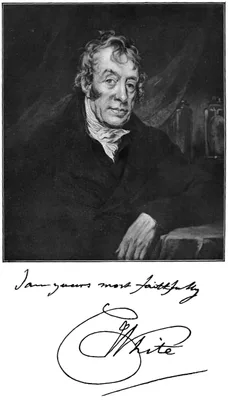
White was the first to state clearly in a text on midwifery the necessity of absolute cleanliness in the lying-in chamber, the isolation of infected patients, and adequate ventilation. He instituted the principle of u…
1784 CE
#6271
An inquiry into the nature and cause of that swelling, in one or both of the lower extremeties, which sometimes happens to lying-in-women.
First clinical description of phlegmasia alba dolens. White ascribed it to destruction of the lymphatics due to pressure of the foetal head.
1795 CE
#6272
A treatise on the epidemic puerperal fever of Aberdeen.
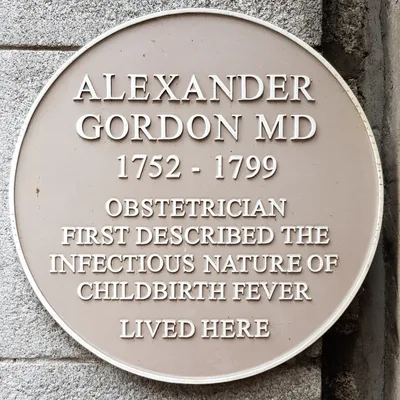
Gordon was the first to advance as a definite hypothesis the contagious nature of puerperal fever, thus preceding Holmes and Semmelweis by half a century. He also advocated the disinfection of the clothes of the docto…
1823 CE
#6273
An essay on the proximate cause of the disease called phlegmasia dolens.
Davis was the first to state that phlegmasia alba dolens was due to inflammation of the veins. He was physician-accoucheur at the birth of Queen Victoria.
1842 CE–1843 CE
#6274
The contagiousness of puerperal fever.
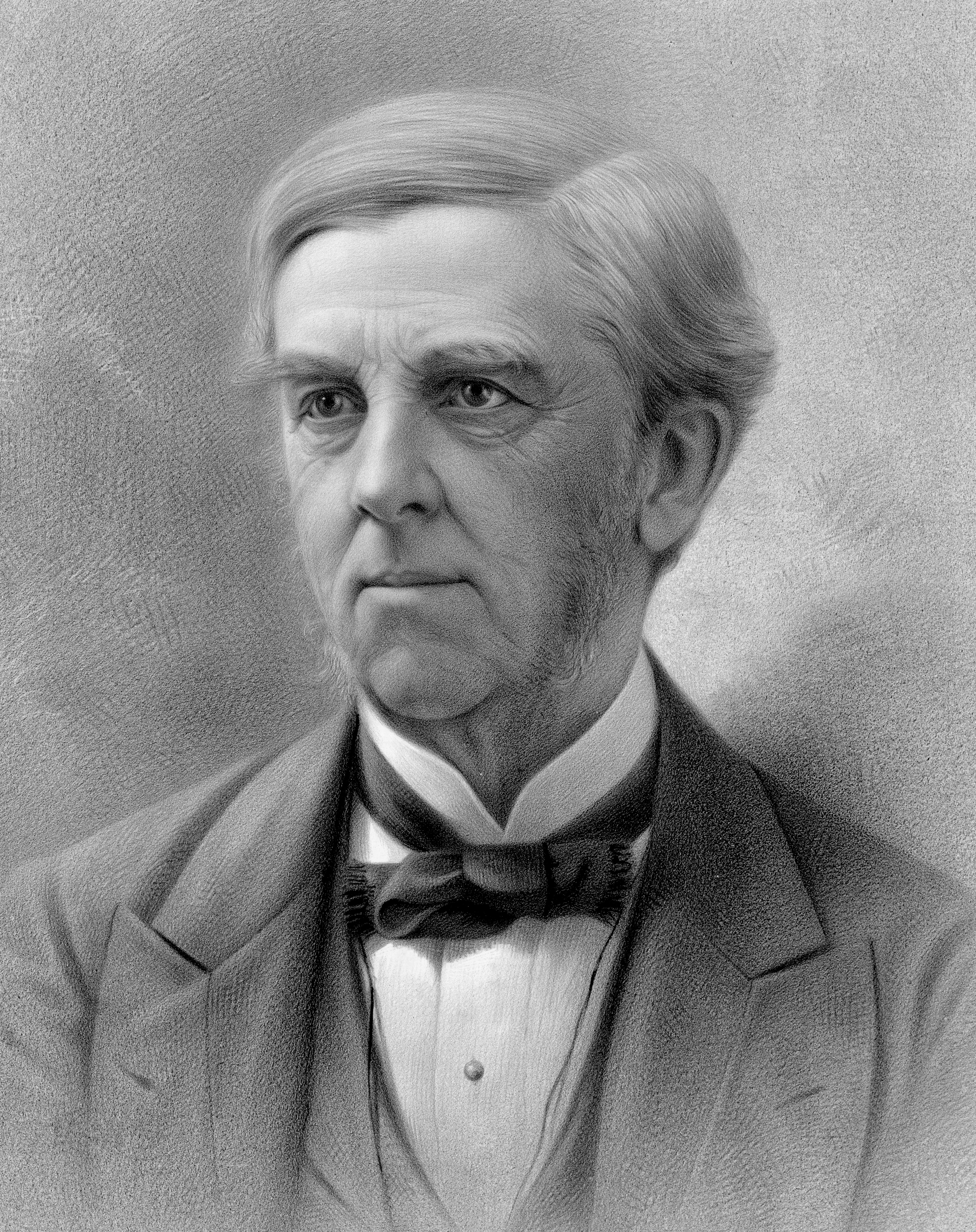
Oliver Wendell Holmes was the first to establish the contagious nature of puerperal fever. His essay on the subject took a strong line against the opinions then prevailing, stirring up violent opposition among the obs…
1847 CE–1848 CE
#6275
Höchst wichtige Erfahrungen über die Aetiologie der in Gebäranstalten epidemischen Puerperalfieber.
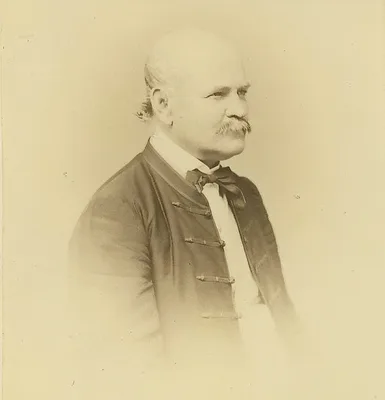
Semmelweis, pioneer of antisepsis in obstetrics, was the first to recognize that puerperal fever is a septicemia. He concluded that the doctors and students of Vienna’s First Obstetrical Clinic carried the infec…
1855 CE
#6276
Puerperal fever, as a private pestilence.
Because his first paper (No. 6274) had been published in a short-lived journal with very small circulation, Holmes enlarged his famous essay on the contagiousness of puerperal fever, and in this reiteration mentioned …
1861 CE
#6277
Die Aetiologie, der Begriff und die Prophylaxis des Kindbettfiebers.
Semmelweis, who earlier had shown puerperal fever to be a septicemia, strove to improve conditions in the lying-in wards of Vienna and Budapest. Misunderstood and maligned by many, he eventually published this book in…
1879 CE
#6278
Septicémie puerpérale.
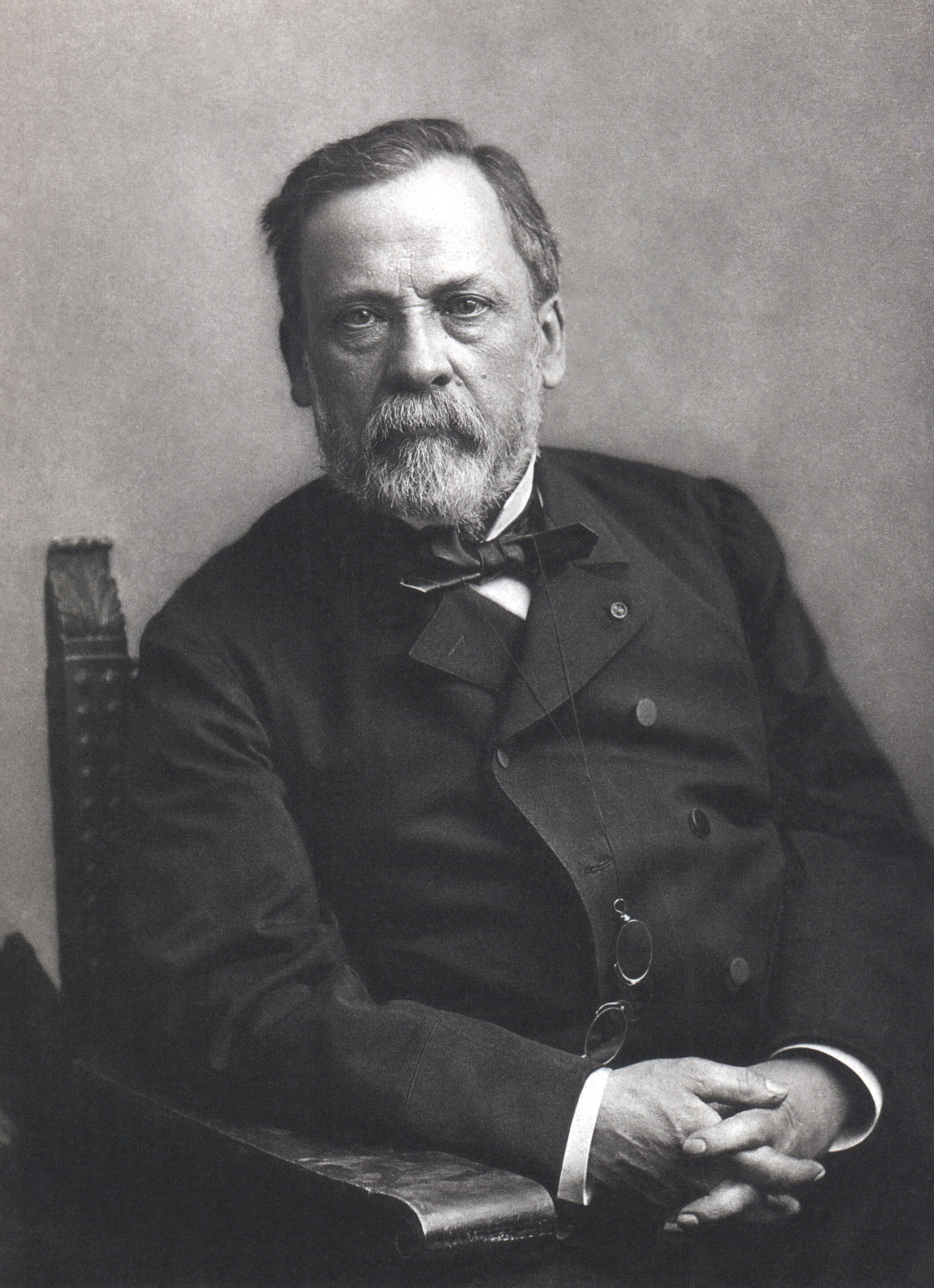
Description of the streptococcus of puerperal sepsis.
1892 CE
#6279
Das Scheidensekret und seine Bedeutung für das Puerperalfieber.
Döderlein's study of the vaginal secretion in relation to puerperal fever includes the first description of “Döderlein’s bacillus” (Lactobacillus). Döderlein introduced the concept of …
1919 CE
#6280
Die pathologische Anatomie des Puerperalprozesses.
1936 CE
#6281
Treatment of human puerperal infections, and of experimental infections in mice, with prontosil.
Chemotherapeutic treatment of puerperal sepsis.
1872 CE
#6282
English midwives.
Reprinted with biographical sketch by J. L. Thornton, London, 1967.
1882 CE
#6283
The Chamberlens and the midwifery forceps.
1882 CE
#6284
Labor among primitive peoples.
Third edition, revised, 1884.
1887 CE
#6285
Les accouchements à la cour.
Digital facsimile from the Internet Archive at this link.
1887 CE
#6286
Histoire des accouchements chez tous les peuples.
182-page appendix: "L'arsenal obstétrical", containing numerous illustrations of instruments, at end. Digital facsimile from the Internet Archive at this link.
1901 CE
#6287
The history of ancient gynaecology.
Digital facsimile from the Internet Archive at this link.
1901 CE–1902 CE
#6288
Versuch einer Geschichte der Geburtshilfe. 2te. Aufl. 2 vols.
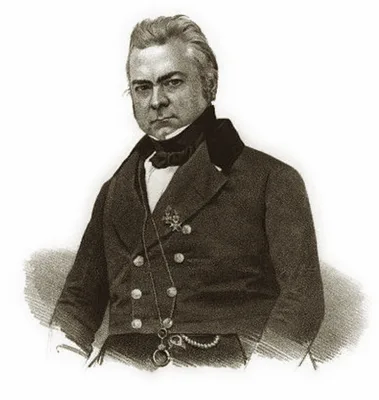
First edition, 1839-45. Continuation by R. Dohm, for the period 1840-80, forming Bd. 3 (see No. 6289).
1903 CE–1904 CE
#6289
Geschichte der Geburtshülfe der Neuzeit. 2 pts.
A supplement to No. 6288.
1904 CE
#6290
Die Wochenstube in der Kunst.
1906 CE
#6291
Geschichte der Geburtshüfe.
Digital facsimile from Google Books at this link.
1908 CE
#6293
Geschichte der gynäkologische-anatomischen Abbildungen.
From the ancient world through the 18th century. Digital facsimile from Google Books at this link.
1917 CE
#6295
L’utero attraverso i secoli da Erofilo al giorni nostri; storia, iconografia, struttura, fisiologia.
Contains an important collection of illustrations.
1924 CE
#6296
Geschichte der Gynäkologie. In: J. von Halban and L. Seitz: Biologie und Pathologie des Weibes.1, 1-202.
1925 CE
#6297
Entwicklund der Gerurtshilfe und Gynäkologie im 19. Jahrhundert.
1927 CE
#6298
Missgeburten und Wundergestalten in Einblattdrucken und Handzeichnungen des 16. Jahrhunderts.
1927 CE
#6299